Face Off: Hot Hotel Market to Remain Steadfast Into 2020

Face Off: Hot Hotel Market to Remain Steadfast Into 2020

By: Max Crampton-Thomas

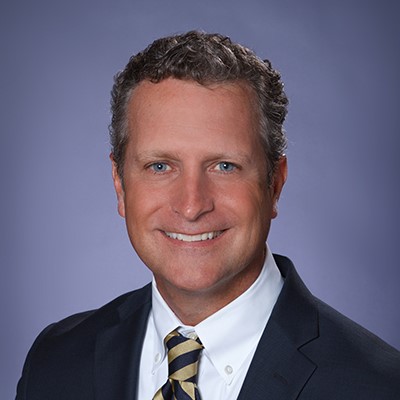
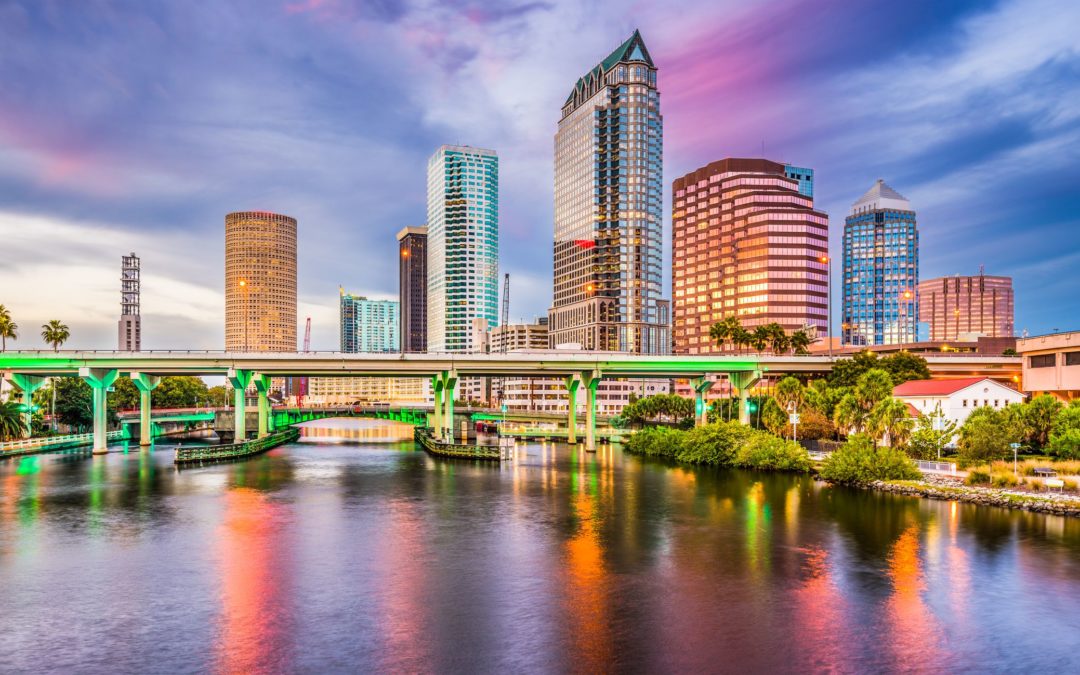
4 min read December 2019 Hospitality may be one of the most competitive industries in Florida, and in an economically thriving region like Tampa Bay the competition is only heightened. To rise to the top of this crowded market takes leadership that not only understands the local market and can easily adapt to change, but can also create a work culture that attracts the best and brightest. Invest: explored what it takes to be successful in this market with the general managers for two of the region’s most highly regarded hotels, Kevin Scott with The Epicurean Hotel and David Rowland with The Westshore Grand.
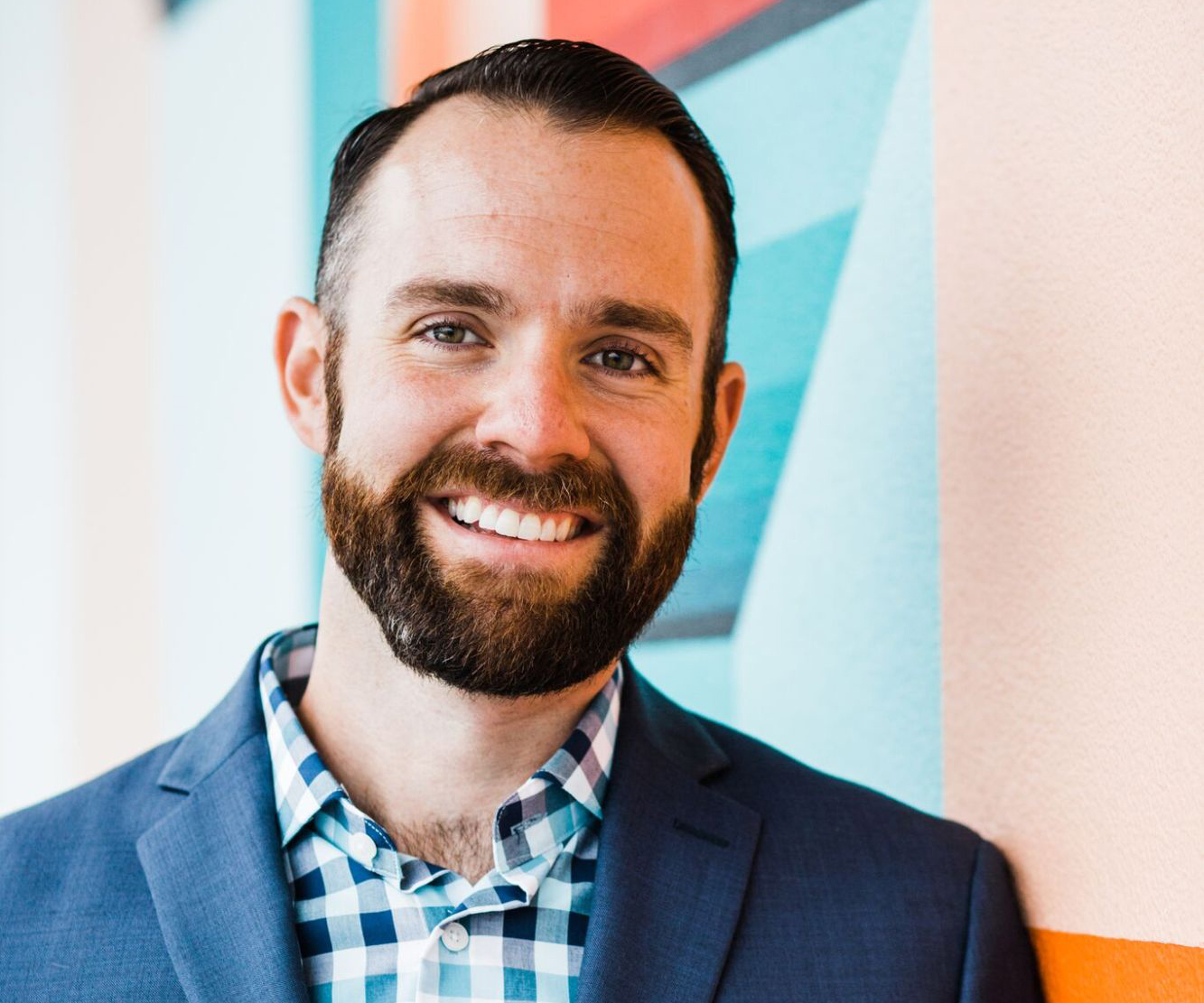
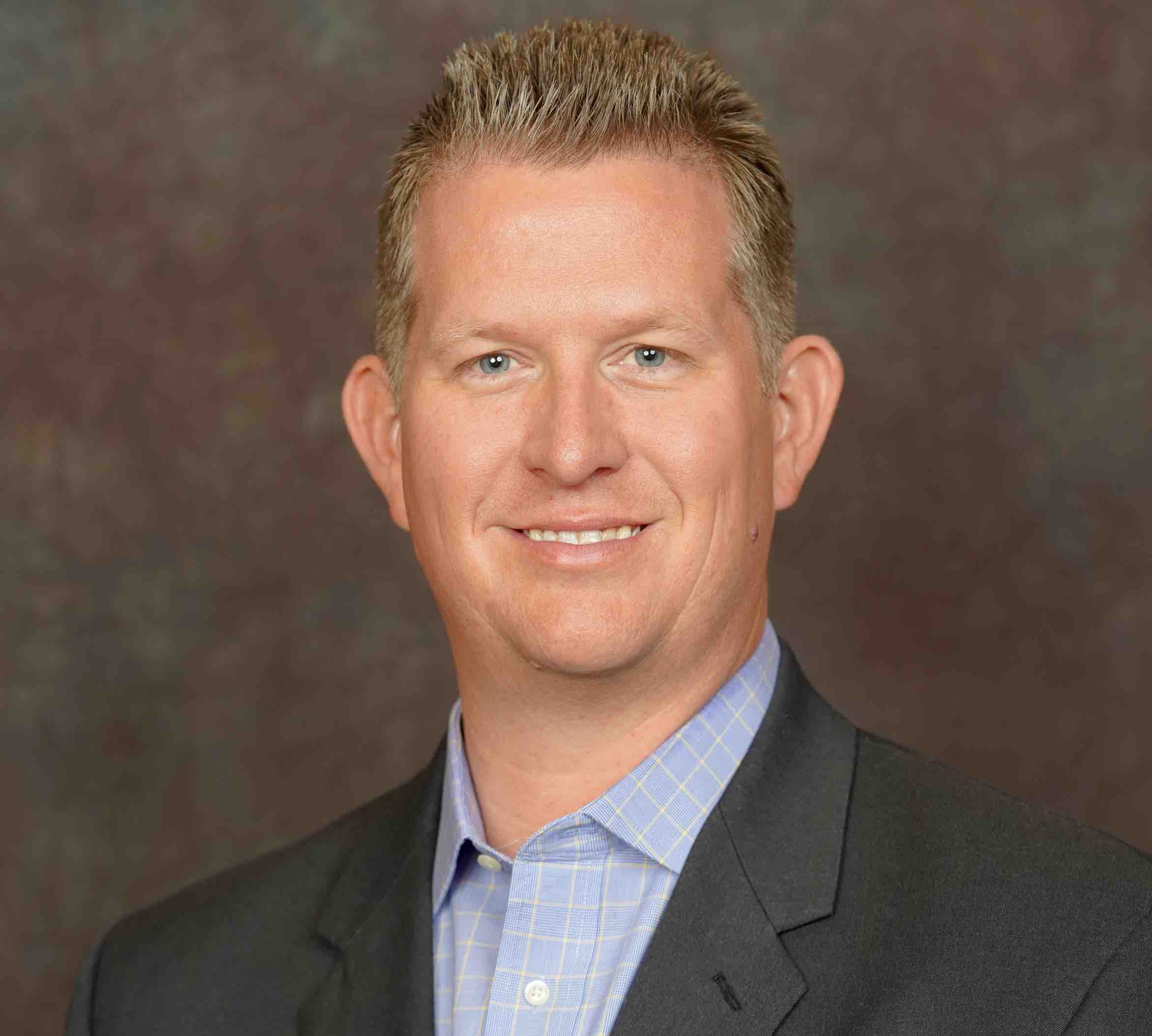
How do you ensure you are attracting and retaining the highest quality employees?

David Rowland: When we hire what we call our associates, we do not hire based on technical ability. We hire friendly individuals who we can train on the technical aspects. Every associate meets with me and usually I only ask them a couple of personality-based questions, like what they do for fun or about their worst day at work and how they overcame it. This is first and foremost a customer service business and you must have a personality that fits that.

Kevin Scott: Employee turnover in this industry is an ongoing challenge that does not have a clear-cut resolution, especially in Tampa where new hotels and restaurants are opening on a weekly basis. Our key to navigating this issue is to ensure that we create a safe environment where employees are encouraged to speak their minds, give feedback and relay their input without the threat of it affecting their jobs. We work to empower our leaders to lead by example and foster great relationships between their departments. We are also in a sweet spot because we are a midsized hotel with a staff that consists of around 150 people, which means that if one person suddenly calls off or quits, it is not the end of the world.

Do you believe the demand curve will stay strong enough to support the new inventory of hotels coming online in the region?

Rowland: I do, because the market is so strong right now. Tampa Bay is a great area and it is still growing rapidly. The airport is consistently ranked among the Top 5 airports in the United States, and the international hub that they are building is going to bring even more business into the region. We are a city where you can host massive meetings, relocate large businesses into and start a business within. The ability to get in and out of the city quickly is also a significant factor in keeping this new supply sustainable. Tampa has done a good job of making sure the infrastructure and the supply of hotel and businesses is grown at the same pace. The only danger is a hotel worrying about all the new supply so they drop their rates just to be competitive. If one person does that, it causes a ripple effect in the industry where we now all have to drop our prices.

Scott: Tampa as a market needs more hotel rooms to attract bigger conventions that bring more people to town. The challenge is that we are capped off at a certain number right now, which limits how many people we can bring into the city, but with so many new hotel rooms coming into the market in the next year or so, there is an opportunity to steal some share from Orlando, Miami and Fort Lauderdale for these conventions. It is the perfect time to capitalize on this opportunity; the updated urban planning is now in play, and the city has never been laid out better than it is now.

How is your hotel primed for continued growth within the region?  

Rowland: We are a part of the Marriott Tribute Portfolio, which is considered its luxury tier, but we get to act as an independent boutique hotel. The hotel has 325 rooms, over 15,000 square feet of meeting space and 14 meeting rooms where people can work, network and convene. We are known for having the flexibility to tailor events in our event space to a customer’s needs. The nice part about being independent is we have a lot of leeway and wiggle room to do what we want to make our customers’ meetings the most successful they can be. We are also very fortunate that we sit inside the Urban Center building. We are the primary hotel for the over 2,000 tenants that rent office space in the building.

Scott: To stay economically sustainable in this business, especially in the instance of another recession, we focus on attracting more groups and business travel. We want people to be aware of our offerings whether they are our neighbors in Tampa or looking for a destination from across the country. Our advantages are that we are centrally located, and people will always love food and wine. Even in a recession, wine, beer and alcohol are always in demand, so we are ready to ride that wave when it happens. Overall, we feel strong about where the Epicurean stands as a hotel and historical landmark that Tampa can be proud of.

To learn more about our interviewees, visit:

https://epicureanhotel.com/

https://westshoregrand.com/

Top 5 Thanksgiving ‘To Do’s’ in the Bay

Top 5 Thanksgiving ‘To Do’s’ in the Bay

By: Max Crampton-Thomas

4 min read November 2019 Thanksgiving season has once again descended upon the Tampa Bay region. While the holiday is traditionally known for the three F’s, food, family and football, there are other options available to those in the Tampa Bay region who are looking to break traditions and start new ones. These options range from activities that will help work up an appetite for the big meal to options that completely change course from the normal fixings of a Thanksgiving meal. Invest: explores five of the best alternatives for those looking to shake up their Thanksgiving experience.

 Turkey Trots

A traditional Thanksgiving meal is known for two things: oversupply and overconsumption. There may be no better way to prepare the body for this endeavour than participating in one of the variety of “turkey trots” and “fun runs” available to the public on Thanksgiving Day. These exercise-driven events include the Goody Goody Turkey Gobble, which starts at 7 a.m. in front of the Amalie Arena and features options like a 5K, 8K or 1-mile course to be walked or ran. There is also the Clearwater-based Tampa Bay Times Turkey Trot, which has become the largest running event in the Tampa Bay area with an annual average of participation from over 17,000 runners. 


Thanksgiving Cruises

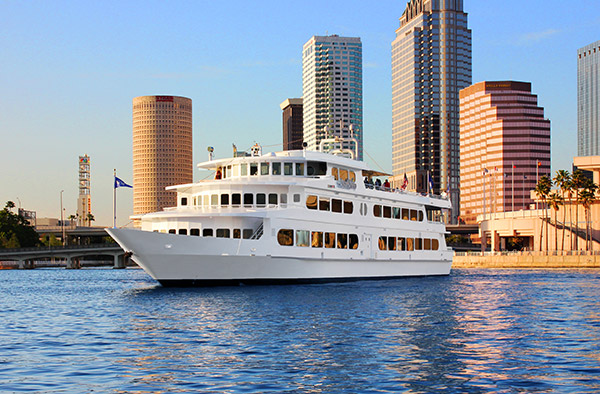
Breaking tradition can be difficult, but a Thanksgiving dinner on a yacht may make that change a bit easier to digest. The company Yacht StarShip offers an opportunity to feast on traditional Thanksgiving foods in a completely nontraditional fashion. With options to sail in either Clearwater or Tampa, the promise of no meal preparation or cleanup, and the chance to truly relax for the holiday, a yacht cruise for the night could be a welcomed change from the norm. 

To read more, visit: https://www.yachtstarship.com/event/thanksgiving-cruises/

Wonderland Of Lights And Santa’s Village

Besides being a day to enjoy a nice meal with family, for some, Thanksgiving also signifies the official countdown to Christmas Day. In the Tampa Bay region, residents can begin this countdown with a visit to the Wonderland Of Lights And Santa’s Village. This holiday theme park becomes available to the public Thanksgiving Day and runs until Jan. 5. Theme park visitors can partake in the amusement rides, camel rides, over a mile of light displays and everything else this park has to offer. This is a great option for those looking to not completely break tradition, as the park offers the opportunity to enjoy all its amenities at night, giving time for the traditional Thanksgiving meal at home beforehand. 

For more, visit: www.thewonderlandoflights.com/

13th Annual ThanksVegan Feast

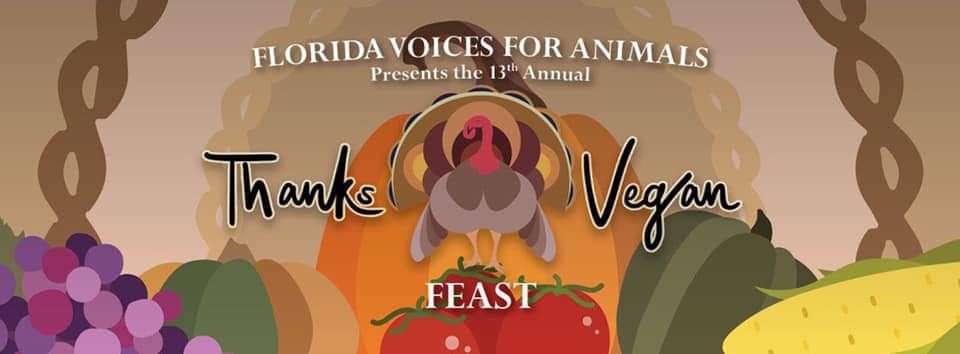
It may be a holiday best known for a feast centered around poultry, but that does not mean that there aren’t options in the region for those who prefer veggies over meat. For the last 13 years, Florida Voices for Animals has been holding their annual ThanksVegan Feast that features zero animal products or byproducts. Held at the Unitarian Universalist Church of Tampa, this potluck dinner encourages those attending to bring a vegan dish to contribute to the holiday feast. The event runs from 1:30 p.m.-5:30 p.m. and includes a raffle with prizes. 

For more information, visit: https://www.floridavoicesforanimals.org/thanksvegan

Black Friday Shopping

While technically starting the day following Thanksgiving, some Black Friday deals become available to the public the night of the 28th. For some, it has become a tradition to go straight from their Thanksgiving meal to waiting overnight in lines that sometimes stretch multiple blocks, all with the intention of cashing in on mega savings. Thankfully for the residents of Tampa Bay, the region not only offers access to all of the big box retailers, it is also home to a variety of world-class shopping malls like International Plaza and Bay Street, Hyde Park Village and many others. 

Spotlight On: Neil Callaghan, Brand Manager, Cigar City Brewing

Spotlight On: Neil Callaghan, Brand Manager, Cigar City Brewing

By: Max Crampton-Thomas

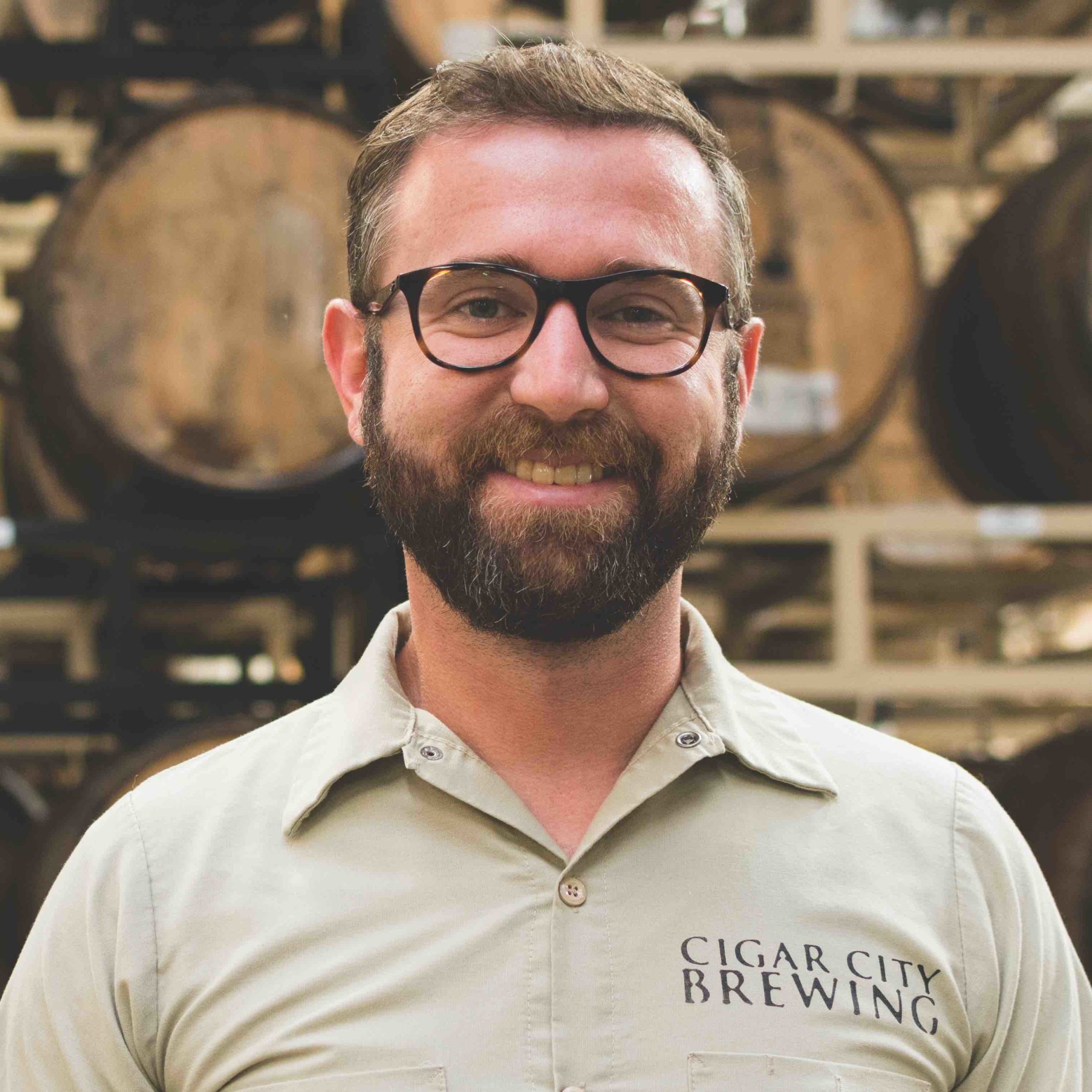
2 min read November 2019 — The Tampa Bay region is known for having and being headquarters to a wide variety of business types. While all these businesses contribute to the local economy and community in various ways, perhaps one of the most sought after and visited are the local breweries that call Tampa Bay home. One of the most well-known is Cigar City Brewing, which started as a local brand and has now expanded to become a widely recognized national presence. Invest: spoke with Brand Manager Neil Callaghan about how Tampa Bay has shaped the company, being stewards of the environment and the impact the brewery has on the local economy.


How has Tampa Bay influenced the brand and culture of your business? 


Our Brewery is unique in that so much of what we do is really influenced by the culture, the cuisine and the history of Tampa Bay. We feel like our success has really been part and parcel of the story of Tampa Bay resonating with people outside of the Florida area. We are extremely fortunate because we do get a lot of tourism to this region for a number of reasons, whether to visit family or go to the beach. Tampa Bay has really molded what we are doing as a company, from the names of our beers to how we market ourselves. This speaks to the way outsiders have responded to the culture of Tampa Bay as a whole. Tampa is still our biggest market by a long shot, and we are still growing at a double-digit rate in the Tampa Bay area, which is exceptional.


How important is consistent innovation to your business? 


The questions we constantly ask ourselves are: How do we keep people engaged? How do we keep them excited? And how do we keep that growth trajectory where it has been for the last few years? The answer is innovation. We are not a company that puts out a beer and just keeps pushing it for years. We have been incredibly fortunate with our brands like Jai Alai, which is our biggest seller, but at the same time it is the new brands, styles of beer, new ingredients and new processes that we are working with that keep people interested. Our innovation is really going to help us continue to grow for the foreseeable future. We are not just brewing the same beers that we were brewing five years ago. We always want to maintain the quality and consistency that we have never deviated from since day one, but our innovation is really where we are putting a lot of our chips these days.


How is Cigar City Brewing promoting environmental sustainability in the region? 


In the last year, one big innovation that we have worked on in regards to environmental sustainability is our move away from the clear plastic rings that hold the six-packs together. While they are sustainable, we felt like there was a better option and a better way to not only help our brand from a branding perspective but also to help the environment. We have now moved to cardboard wraps and these are much more environmentally friendly and recyclable. It has been a big project for us to literally change the whole way that we are packaging our beer, but again, it is an opportunity for us. We get more of our branding out in front of consumers because they are now looking at a box that is a lot more engaging than a collection of cans. Our vendors have a heightened focus on environmental sustainability as well. 


What is the economic impact of the brewery on the local region? 


We are employing around 70 people full time in the Tampa Bay area, and we are also employing sales teams all over the country. We are helping impact the local economy by this employment, but also by the amount of beer that we are selling. Because beer is a relatively highly taxed commodity we, along with the rest of the beer community in Tampa Bay, are helping to bring in millions of dollars in tax revenue. This goes directly to our local communities, counties and the state of Florida. Certainly, as one of the larger breweries in the area, we are proud of the direct impact that our brewery is making. At the same time we think the more compelling story is that there are now over 80 breweries in the Tampa Bay area, which is incredible because 10 years ago there were six. Our industry is helping to directly impact the local economy in a meaningful way. 


To learn more about our interviewee, visit: 

https://www.cigarcitybrewing.com/


Spotlight On: Jeff Burns, Founder & CEO,  Affiliated Development

Spotlight On: Jeff Burns, Founder & CEO, Affiliated Development

By: Max Crampton-Thomas

4 min read November 2019 — To be a successful developer in today’s real estate climate, a company must not only be professional but also in tune with regional and global trends as well as stewards for fulfilling a community’s needs. Affiliated Development focuses on building mixed-use multifamily developments in underserved areas of the market. Invest: spoke with CEO and Co-Founder Jeff Burns who provided his insights on the company’s approach to Opportunity Zones and their potential in Broward County, as well as highlighting the regions that have the most demand for multifamily development.


What are the most interesting highlights for Affiliated Development over the last year?


We have been working on projects in Broward County and we have also made some fairly aggressive moves into Palm Beach County. In Broward, we just topped out the construction of our 142-unit mixed-use apartment building in Downtown Fort Lauderdale, named The Six13. We are going to start leasing efforts for The Six13 in spring 2020, and delivering apartments on June 1. We are also in the beginning stages of additional projects in three other Broward cities, including another in Fort Lauderdale.  In Palm Beach County, we got underway on a 230-unit apartment project on Dixie Highway in Lake Worth Beach called The Mid. We are also moving on other opportunities in Lake Worth Beach. In May, we closed on the purchase of a 20-parcel assemblage in Downtown West Palm Beach, a couple of blocks from the Virgin Trains station to construct a 289-unit mixed-income workforce housing project called The Grand. My partner and I are very proud of what our Affiliated team has accomplished this year. We are workaholics and have had a busy year, but are focused on keeping the momentum going into 2020.


How have you leveraged the new Opportunity Zones in the state and what is their potential in Broward?


In April (prior to the IRS posting its regulations) we closed our The Six13 project with Qualified Opportunity Zone (QOZ) funding. We are one of the first companies to implement QOZ financing for a project of this kind in the state of Florida. These zones are definitely getting a lot of thrust, but there are more people talking about it than implementing it. The QOZs are definitely going to have an impact, but it is becoming more challenging to find sites that make sense due to unrealistic landowners and sellers.  There might be a reality check setting in with landowners who found themselves in a QOZ and have priced their land ridiculously high. It could have the adverse effect of preventing projects from happening in some areas because of false expectations.


Our philosophy is to remain disciplined. If we strip away the QOZ benefit, is this still a deal we’d do? If the answer is yes, we’ll take an aggressive position. Some people are doing deals that they would not otherwise pencil-out (without the QOZ rules). The program was intended to incentivize investment into these areas, not make a bad deal good. 


Which areas of the region have the most demand for multifamily developments? 


Fortunately for us, all of South Florida is booming. More and more people are moving here from the Northeast and other high-tax states because our business climate is favorable and our quality of life is second to none. Certain markets have experienced a tremendous amount of urban growth during this latest cycle, such as the Flagler Village submarket in Downtown Fort Lauderdale. We are getting a lot of people who are moving to Fort Lauderdale from Miami to avoid the chaos, but who still want the benefits of a big city lifestyle.


We made a major investment in Lake Worth Beach, which is a perfect example of a place in close proximity to the largest employment center in Palm Beach County (West Palm Beach), which is about 10 to 15 minutes up the road. Lake Worth Beach historically has not seen much development or investment, but it is starting to happen because not everybody wants to live in a major downtown metropolis (and pay the rents these markets demand). In some places, it is getting a little bit too crowded and some people are moving into tertiary markets that are near where they work but that maintain their character and are less hectic.


How important is it to be able to offer affordable and workforce housing to the region?


It’s critical. Our region is one of the most cost-burdened places in the entire country when comparing the cost of living to income. It’s necessary to offer a high quality of life for our current residents, many of whom support our area’s largest industry, tourism. It’s necessary for economic development and to attract and maintain major employers and high-quality talent.


Many companies are moving here from the Northeast, looking to locate their offices into these urban areas. I think the days of large office parks in the suburbs are becoming fewer and fewer because companies understand that to attract top-tier employee talent they need to offer an atmosphere that caters to the young workforce who graduate from school and prefer urban living. Younger professionals don’t want cars; they want to be close to where the activities are. I believe that to be able to attract a high-quality workforce, urban living is key. But in areas like Fort Lauderdale, every landowner knows what they are sitting on, and it is very challenging to find any reasonably priced land where you can build anything that is not going to be very expensive.


We focus very heavily on being close to employment centers. In Palm Beach and Broward County, the average workforce renter commutes 30 minutes in each direction each day for work. People get in their cars and do that because they can’t afford to live near their workplaces. Meanwhile, as some of these cities keep growing, people are starting to complain about traffic. If these cities can offer housing that the workforce can afford, we’ll see a lot more people walking around, utilizing public transportation and a lot less traffic congestion. I also see great opportunities in cities like Lake Worth Beach and Boynton Beach (Palm Beach County), Pompano Beach, Hollywood and Hallandale (in Broward) that are a few minutes away and are becoming really nice options. 


What are the prospects for the real estate business in the area looking into 2020?


We are obviously at the top of the cycle. I think most developers realize that. Thus, we will be measured in our approach and watch market indicators very closely. As 2020 is an election year, we will no doubt see some volatility. Affiliated is going to continue to stick to our core competency, which includes attainably priced luxury rental housing. There is so much need for that here that we could build thousands of units over the next couple of years and only scratch the surface.  


For more on our interviewee visit:


http://affiliateddevelopment.com/

Spotlight On: Keith Koenig, CEO & Chairman, City Furniture/Broward Workshop

Spotlight On: Keith Koenig, CEO & Chairman, City Furniture/Broward Workshop

By: Max Crampton-Thomas

4 min read November 2019 — Acting as both the CEO of his company City Furniture and the Chairman of the Broward Workshop, Keith Koenig provides a unique perspective and insight on various facets of business and progress being made in Broward County. He not only discusses how the Workshop is working to address the  effects of climate change on the county, but also the progress it has made on the goals set forth last year. In regards to his business, Koenig reveals his key to longevity in the marketplace as well as what today’s consumers are looking for when choosing where to shop. 


How is the Broward Workshop addressing the issues related to climate change in Broward County?

Wherever anyone stands on the science of climate change, one issue is undeniable, and that’s the economics of resiliency. Smart people in the insurance world believe that our risks and insurance costs will go up in the years to come if we do not get ahead of resiliency. Broward Workshop members understand that issue and want to lead a public, private effort to improve the resiliency not only of South Florida, but to create opportunities for coastal communities around the world to partner and learn. We are still in the process of setting our priorities for our annual goals, but in all likelihood they will include supporting the Army Corps of Engineers’ $20-million research project. In addition, our members are supporting Broward County’s efforts to jump-start our resiliency efforts. We will also be supporting South Florida water management efforts to finish phase two of the C-59 reservoir, which is an important step forward in our resiliency efforts. 

What progress has been made on the goals set by the Broward Workshop last year?

When we look back over the last year, we have really moved all our goals forward. At the top of the list was addressing homelessness. A little over a year ago, we had a major encampment of close to 100 homeless in Downtown Fort Lauderdale and they were in an area right next to the library. Earlier this year, we worked to help place these homeless people into more permanent housing. The best way to end homelessness is to provide people with housing that is respectful and valuable. Our second goal revolved around education, particularly K-12 education in Broward County. When Superintendent Bob Runcie arrived in 2011, the Broward County school system was in disarray. Members of the school board had been accused of improprieties, morale was low and we were facing over $20 million in fines for not meeting state-mandated class size. Runcie has worked diligently to address those issues and to move our Broward County school system forward. The good news is that our school system has improved greatly with higher graduation rates and higher rated schools. Broward County Public School System nearly achieved an overall A rating in 2018 and they are working to continue to improve. We set a goal to support the Broward County public schools and our measure of success was to make sure Bob Runcie stayed as superintendent. I’m proud to say Bob Runcie is still our superintendent today.

The third big goal was the transportation sales tax initiative. Last year, county leaders put this sales tax increase on the ballot to fund transportation initiatives. It was a major initiative and members of Broward Workshop fell on both sides, but like any good organization we listened to the majority. We put our support behind it and the sales tax initiative passed. The last goal we set was around tourism. Tourism is Broward County’s biggest industry, and the biggest need we have is an expansion of our convention center and to build a convention center hotel. We were active both on the forefront and behind the scenes, and the expansion and the convention center hotel are going forward. 

How has City Furniture maintained its longevity in the market? 

The key to City Furniture’s longevity in the Broward County marketplace has been reinvesting back into our business. We operate financially conservative, meaning that we are careful and never try to bite off more than we can chew. That being said, growth has been a cornerstone of our business. If you do not have growth as a cornerstone strategy for your business, you can’t attract the talent you need or want. For instance, millennials all want to see opportunity to advance, grow and succeed, so they are attracted to companies that embody that vision. In our case, we just opened up big stores in Orlando, and we are planning to open in Tampa over the next few years. The other key to this business has been private ownership. We are able to invest for the long-term benefit of our associates, our customers and our community. 

How have you seen priorities shift in regards to consumers making a decision on where to shop?  

Retail needs to be more of an experience. What will drive you to a store as opposed to buying online is the experience. When the consumer is given a choice, they prefer to do business with local companies that genuinely support the local communities that they are in and companies that move in a direction of sustainability toward a carbon neutral footprint. Mostly, our shoppers and customers learn that City Furniture does these things after they come to our stores. It becomes a better value proposition for them to do business with us. All of these elements are aimed at tilting the customer experience factor a little more in our favor. 


To learn more about our interviewee, visit:


https://www.cityfurniture.com/


https://www.browardworkshop.com/

Can Demand Meet Supply?

Can Demand Meet Supply?

By: Max Crampton-Thomas

2 min read November 2019 — 4,500. That is the number of new hotel rooms expected to come online between now and 2024. This additional inventory will be on top of the 34,000 existing rooms already available in Broward County. New hotel developments and renovations like the opening of the Conrad Fort Lauderdale Beach, the $1.5 billion expansion of the Seminole Hard Rock Hotel and Casino and the upcoming addition of the Omni Hotel & Resorts as part of the massive expansion happening at the Greater Fort Lauderdale/Broward County Convention Center, are all contributing factors to this significant increase in hotel room supply. The question now is whether demand in Broward County will match this increase in supply?


To begin to answer this question, it is important to understand how the hospitality sector in Broward has evolved over the years. Invest: spoke with Heiko Dobrikow, the general manager for one of the oldest and most successful hotels in the county: the Riverside Hotel located on Las Olas Boulevard. He discussed how the transformation of the sector was the result of deliberate action from past leaders. “Going back to the 1980s, we were the spring break capital of the world. The leadership then, the mayor and the business community, got together to make the city a little bit more upscale. Suddenly, the mom-and-pop hotels that we had on the beach became the Ritz Carlton, the Marriott, the Atlantic, and now we have a Four Seasons coming. Those are monumental changes. It speaks much to the change in the business environment that has transpired in Fort Lauderdale,” said Dobrikow.

Year after year the tourism sector in Broward County has hit record highs, which is a direct reflection of the over $3 billion dollars spent in capital improvements to the Fort Lauderdale-Hollywood International Airport in an effort to increase passenger traffic. All of this has had the biggest impact on investment and development within the hospitality sector. Dobrikow discussed the direct correlation between the growth of the airport and the hospitality industry. “We see growth mainly via the airport. In the last 12 months, the airport received 36.6 million customers, a growth of 5.6%. Of that traffic, 27.7 million were domestic customers. International passenger growth was almost 9%. It has been a tremendous driver for us. It gives investors looking to build hotels in Fort Lauderdale comfort knowing that there is more growth coming. We have a pipeline of about 45 new hotels in Broward County.”

The growing influx of tourists into the county, and the expected arrival of fans to world-renowned events like the Fort Lauderdale International Boat Show and the coming Super Bowl LIV, indicate that demand will in fact meet the new supply of hotels rooms. But increased supply also means increased competition for the already established hotels that could ultimately lead to a significant decrease in rates across the board. Although this bodes well for consumers, it does not for hotels in the county. A potential economic downturn is another cloud on the horizon. The key for hotels is having the ability to adapt to a changing landscape within hospitality. “In the next year, I think our occupancy levels will remain flat, and the hotels will be very competitive in terms of rates in Broward County. Some of the hurricanes affected us, but we have recovered. Demand growth could be about 8-8.5%. We see an economic slowdown in the near future, and I am convinced that 2021 will be a slower year for us, with a dip in occupancy. We are planning a room renovation for that year, knowing that it is going to be a slower time,” Dobrikow told Invest:. 

While all indicators point to enough demand in the current market for an increased supply of hotel rooms, it will be something to keep a close eye on as we enter 2020 and beyond. 

To learn more about our interviewee, visit:

https://www.riversidehotel.com/

Spotlight On: Ruby Wake, Vice President, Tampa Bay Latin Chamber of Commerce

Spotlight On: Ruby Wake, Vice President, Tampa Bay Latin Chamber of Commerce

By: Max Crampton-Thomas

2 min read November 2019 — At first glance it may seem that there are more than enough chambers and business organizations in the Tampa Bay region to service the needs of the business community. The newest entry into the market, the Tampa Bay Latin Chamber of Commerce, would beg to differ. Created with the goal of promoting and aiding new and established Latino and Hispanic organizations in the region, the new chamber is looking to make a quick and significant impact within Tampa Bay. Chamber Vice President Ruby Wake spoke with Invest: about its mission, Tampa Bay as an emerging international hub of business activity and how the chamber will be addressing the greatest needs for this sector of businesses. 


How did the Latin Chamber of Commerce come to fruition? 

We noticed that there was a gap between the various Latino and Hispanic organizations. In this region, we have amazing organizations that cater to small businesses and startups by providing them with legal and accounting services, but there is no organization that caters to the professional services industry or the technology-driven industries. This was one of our main rationales for wanting to create this new chamber. We are in the process of developing a chamber that brings more than just monthly meetings and luncheons. We want to develop a chamber that is going to facilitate and assist in the development of new industries and companies within Tampa Bay. To accomplish this, we have created a board of directors that is very diverse, ranging from attorneys, to public administrators, to news anchors, with the purpose of figuring out what we can do for the Latino business community within Tampa Bay. 

How is Tampa Bay establishing itself as a hub for international business? 

Tampa Bay is going to continue to emerge as a hub for both national and international businesses due to our location and easy access to economic essentials. We have our ports and we are centrally located in Florida. We also have a booming economy, and we are slated to surpass New York City from a population density standpoint, which is amazing. Being in Florida also means that we are close to our Central and South American counterparts and having that access gives us the ability to introduce industries from different parts of the world.

What is the greatest need from the Latin business community to help grow their businesses? 

We have noticed a lack of education from a financial standpoint. Unfortunately, most Latinos are not instilled with financial literacy at a young age. Even for those individuals with a higher education, it is not something that is taught in most universities, colleges or even in graduate schools. Programs are starting to emerge for high-school students, which is great, but what about adults who are already working full time in an industry or starting a business? These professionals have questions related to things like obtaining additional funding, creating a succession plan for their businesses or expanding on an already amazing business structure. How can they create an adequate business plan and then pitch that business plan to a potential loan officer or an investor, when they lack the education and resources? While, we contribute $300 billion to our nation’s economy, our businesses remain stagnant for the most part because of a lack of funding and a lack of education related to obtaining this funding. It is a vicious cycle that we are hoping to break.

How will the chamber assist in promoting Latino businesses and residents in Tampa Bay? 

We hope to assist with the disparity by establishing two accelerator programs and a Latino leadership program. One accelerator will be a technology accelerator that will be hosted in conjunction with Tampa Bay Wave and the second accelerator will be a professional services accelerator. The Latino leadership program will assist Latinos who are interested in becoming involved in the political arena. We hope that by providing these additional resources, we will propel not only the Latin community within Tampa Bay, but Tampa Bay in general.


To learn more about our interviewee, visit: 

https://www.linkedin.com/company/tampa-bay-latin-chamber-of-commerce/


Spotlight On: Sam Miles, First Senior Vice President, Central Florida Regional President, Valley Bank

Spotlight On: Sam Miles, First Senior Vice President, Central Florida Regional President, Valley Bank

By: Yolanda Rivas

2 min read November 2019 — Central Florida’s economic growth has driven many financial institutions to rebrand and adjust to the latest innovations and client needs. That is the case of Valley Bank. In a discussion with Invest:, First Senior Vice President Sam Miles, who oversees the regional bank’s Orlando and Jacksonville markets, addressed trending business areas for the bank, the impact of its Professionals Group and the bank’s branch rebranding effort. 


Which of the bank’s lending areas are seeing the most demand?


Our largest piece of business revolves around commercial real estate financing. There is a significant amount of capital being invested in real estate in Central Florida. As an example, there are 38 new multifamily projects either under construction or in the planning stages that represent $1.7 billion in investment. That growth, combined with strong employment, is creating high demand for residential developments, and we are very active in multifamily construction lending. In the last year, we also expanded our SBA team to help address the small-business lending market in Orlando. We have a full array of professionals in place with expertise in residential lending and SBA lending to complement our commercial real estate and C&I teams. 

What are your expectations for the relaunched Professionals Group? 

With the relaunching of the Professionals Group we’re trying to reach an affluent population that we haven’t specifically targeted previously. The Professionals Group is a team of commercial lenders dedicated to customizing products and services for any 

group of professionals, including doctors, attorneys, accountants and centers of influence operating throughout our bank’s footprint. It can be a wonderful source of referrals and, by establishing relationships with these professional groups, we will be able to drive new business.


How is Valley Bank improving customer experience? 


We are in the process of rebranding and redeveloping our branches to make them more user friendly. Clients will no longer have the traditional walk-in when they visit our branches. We are providing a modern feel with a warm and welcoming setting. Each branch that we are building now is going to have that model. We are also refurbishing existing branches to fit a more modern and welcoming environment. These new branches fit the trend of people wanting a different, fast-paced environment. 


How does Valley Bank give back to the Orlando community? 


We’ve played a big part in LIFT Orlando, and the redevelopment of the West Lakes area. We have been heavily involved in financing the projects there that are revitalizing that community. That is a wonderful community effort and we’re proud to play a part in it. Our team also spends a lot of time in the community with local groups such as The Ronald McDonald House, Second Harvest Food Bank and The Coalition for the Homeless. We provide paid days off to encourage our employees to volunteer and give back to the communities where we serve. 


To learn more about our interviewee, visit:

Valley Bank: https://www.valley.com/


Spotlight On: Tansy Jefferies, Principal, International Tax Services, RSM US LLP

Spotlight On: Tansy Jefferies, Principal, International Tax Services, RSM US LLP

By: Max Crampton-Thomas

2 min read November 2019 — In today’s tight labor market, companies are feeling the pressure more than ever to stand out as leaders both in their industry and in their community. This includes efforts to promote diversity and inclusion within their organizations. Tansy Jefferies, principal for international tax services at RSM US LLP, spoke with Invest: about how RSM is leading the way in shattering the gender barriers in the accounting industry with 30 percent female ownership within the company, and the firm’s efforts to empower their employees with constant investment into enhancing the employee experience. 


How is RSM tackling gender challenges in the accounting industry?


We are proud to report that RSM in South Florida is leading the charge and breaking the proverbial glass ceiling with 30 percent female ownership in an industry where the average is approximately 16 percent. RSM places a high emphasis on coaching and mentoring our high-performing women to retain and accelerate them into leadership positions. We also want to increase diversity and inclusion more broadly throughout our organization. Culture, diversity and inclusion are strategic business drivers and have shown to be great catalysts for business growth. Our mission is to be the first choice adviser to middle market companies globally and to do that, we need a workforce that is as diverse as our clientele. This is the best way to truly deliver the power of being understood. 


How is RSM finding the talent it needs, given the county’s low unemployment rate?


We have found that our focus on culture, diversity and inclusion has also differentiated us from other firms when it comes to recruiting and retaining talent. RSM places a great deal of emphasis on delivering the power of being understood, not only to our clients but to our people as well. Through the RSM talent experience, we empower each other to enhance our value and build successful careers. We build rich, enduring relationships based on a profound understanding of each other, our goals and our aspirations. Because when we feel truly understood, we are empowered to move forward with confidence, both personally and professionally. RSM is constantly enhancing the talent experience by investing in and implementing new training, tools and resources. Specifically related to recruiting, we align with the State’s top universities to bring students into our internship programs. We also drive recruitment through diverse professional organizations, such as the National Association of Black Accountants (NABA) and the Association of Latino Professionals for America (ALPFA), which aligns with our goals of building a diverse workforce for the future.


In what areas is RSM seeing the greatest demand for its services?


As a specialist in transfer pricing, I have seen an uptick in services that affect multinational, middle market organizations. From tax reform to changes across the broader global tax landscape, there has been a significant impact on international companies. We have also seen a rise in enquiries from investors on the tax programs related to Opportunity Zones. On the assurance side, there have been increased activities related to implementing the new revenue recognition and lease accounting standards for public, private and government entities. Our financial advisory services practice has also been growing, as the economic outlook makes it a favorable market for buying and selling businesses. As for RSM’s consulting services, our cybersecurity, blockchain, infrastructure, managed IT services, and risk consulting practices are all growing at a rapid pace.


What is enticing investors into the Broward market?


South Florida is an enticing climate for a multitude of reasons, including the federal tax changes and incentives that have fostered an interest from our clients determined to keep jobs and intellectual property in the United States. One of the usual challenges for inbound foreign investors is understanding the complexity of U.S. tax law, because of the different layers of taxation at the federal, state and local levels. Fortunately, for businesses seeking relocation into Broward County, those layers are not quite as complex as in other parts of the country, which makes Broward a favorable option. From an economic perspective, Broward has a high quality of life, strong economic growth, and is dedicated to investing in infrastructure and the community, all of which are great reasons for businesses to invest in our community. 


To learn more about our interviewee, visit: 


https://rsmus.com/