Spotlight On: Randy Avent, President, Florida Polytechnic University

Spotlight On: Randy Avent, President, Florida Polytechnic University

Writer: Max Crampton-Thomas
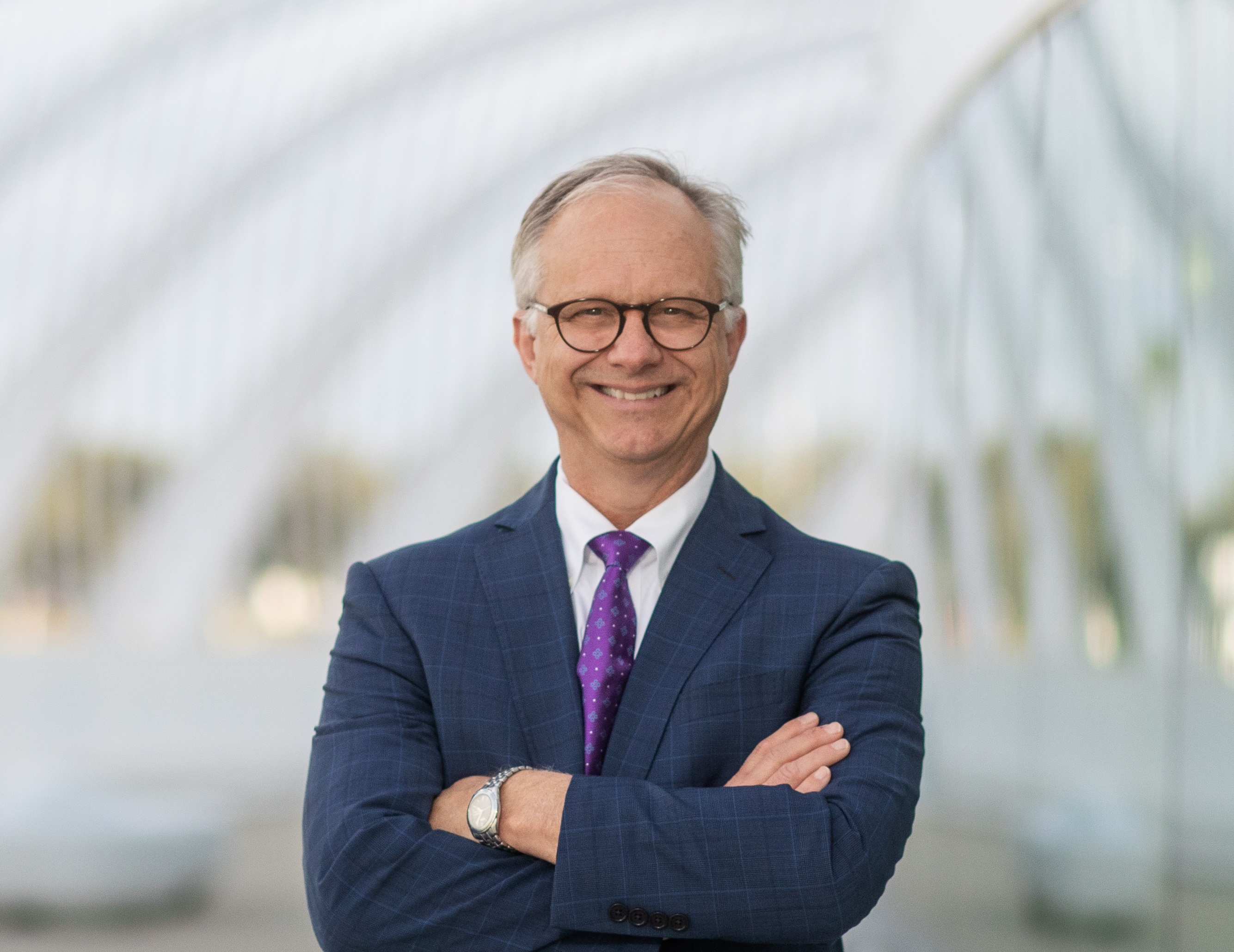
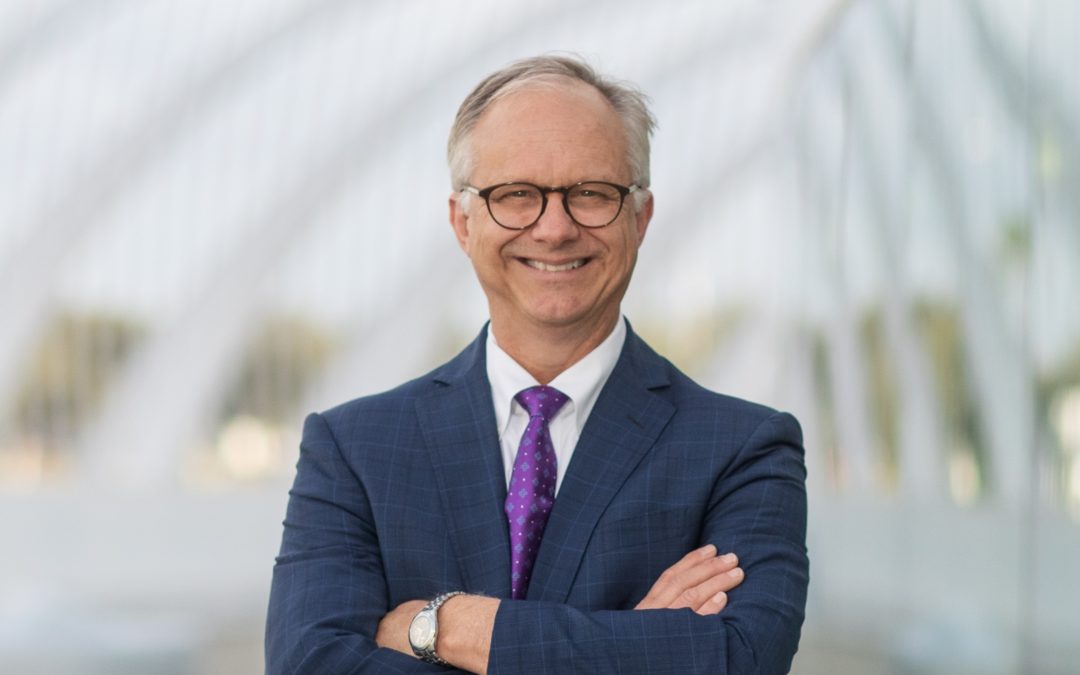
2 min read September 2019 — The Tampa Bay region is home to a slew of world-class and innovative higher education universities, the newest being Florida Polytechnic University located in Lakeland, Florida. This innovative university has quickly become a training ground for the future technical workforce in Florida. Invest: Tampa Bay recently sat with Randy Avent, the founding president for Florida Polytechnic University who expressed his excitement about the possibilities for the university. During the course of his interview, he spoke about how Florida Polytechnic is playing a major role in the economic development of Polk County, the greatest challenge facing the school and what the near-future will look like for the university.

How is Florida Polytechnic University a key to economic growth in Polk County? 

Technical research universities have a tremendous influence on growing the economies in the areas that surround them, and that is what we plan to do for Polk County and the entire state of Florida. Economic growth begins by creating high-skilled, high-wage, high-tech jobs and you do that through excellence in education. Each of these jobs is accompanied by several midwage positions that support it, which ultimately leads to a stronger overall economy. Companies want to be located near universities known for producing graduates in high-demand fields with low supply. They feed from this pipeline of high-technology talent that is ready to lead in industry and to create the next innovations that will disrupt the status quo. 


What is the biggest challenge facing the university? 

As a new university, there are always challenges. The day we opened the university we had a full student body and were doing $30 million dollars worth of business. The university is still a startup because we are only six years into this and most universities have been around for more than 50 years. It will take time for the dust to settle and one challenge will be to continue attracting students who can be successful in a curriculum like this. We want to retain high-quality students in Florida by offering them a curriculum that is different from the institutions they’re looking at out of state. We are also an attractive option because only 11% of our students are graduating with debt and the average debt is only $7,000. 


What is on the horizon for the university? 

We will continue growing and developing our curriculum. We are very fortunate that we were able to hire the provost from Colorado School of Mines, which USA Today ranked as the No. 1 engineering school three years in a row. He has led an effort to rebuild and grow the curriculum, and that includes making sure that it meets national standards. We are also hoping to break ground on the new Applied Research Center where we will continue to grow our research efforts. In the past, we grew the student body extraordinarily fast as part of our startup, and we have been trying to catch up on growing the faculty body. We are focusing less on growing the class now and more on shaping it and that has allowed us to catch up with faculty hiring. We also want to continue building our graduate program because a graduate program is the lifeblood of a research university, so that is an area that we will be focusing on as well. 


To learn more about our interviewee, visit:

https://floridapoly.edu/

Business is Booming for Deerfield Beach

Business is Booming for Deerfield Beach

By Max Crampton-Thomas

2 min read September 2019 — When discussing growth in Broward County, the conversation would typically center around the economic hub that is the city of Fort Lauderdale. While it may be the most universally recognized city in Broward, it is certainly not the only one in the county experiencing an economic boom.

Located at the northernmost point of Broward County is Deerfield Beach, a city whose growth cannot be understated or overlooked. Home to over 80,000 individuals, this beach community has capitalized on the economic prosperity and ever-increasing migration of individuals to the South Florida region. Invest: Greater Fort Lauderdale spoke with Bill Ganz, the mayor of Deerfield Beach about the city’s major developments in the last year. “We have had a lot of growth in the city in the last 12 months, including over 11,000 building permits that total nearly a billion dollars in new construction. We have new residential developments under construction from some of the top developers in the area, such as Lennar, Toll Brothers, Ram Realty and Weingarten Realty. One of the finest organizations in Broward County is also located in our city, JM Family Enterprises. They are working on a $176 million expansion of their corporate headquarters,” he told Invest:. 

The growth of Deerfield has not just been predicated on the development of new construction projects for the private sector. The city has recognized the importance of reinvesting in itself to better serve its residents. This is apparent in the ongoing construction of a new 12,000-square-foot community center, which is a revitalization of the old Tigner Community Center. When completed, it will be one of the largest community centers in Deerfield Beach. 

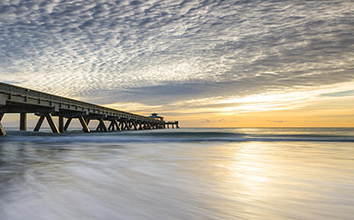
Successful economic growth of an area in Broward County is also dependent on addressing future threats to that growth. Ganz made a point of talking to Invest: about how the city is addressing the looming threat of sea level rise and its efforts toward environmental resilience. “We have been working on these issues for several years, starting with the West Wellfield project, which helps to solidify the water system in Deerfield Beach, so we are much better protected against salt water intrusion. We have taken the initiative to become LEED certified with some of our city projects that have recently finished, including the new pier and facilities on the beach.” 

He continued to speak on how he hopes Deerfield will serve as a positive example on these issues for other areas of Broward County. “We have a new Siemens Energy Efficiency Program that we hope can be used as an example for other municipalities to address these issues. The city has also been working on an Emergency Preparedness and Response Plan. We don’t want to just talk about sea level rise, but really address it from a safety standpoint, especially in the event of another hurricane.” 

The advancement of Deerfield Beach has not been by chance, and can be attributed to well-thought-out and deliberate initiatives and actions taken by the city’s public and private sectors. There is a recognition that to sustain the economic growth, the city must continue to present unique opportunities to businesses in the area. 

One of the ways the city is doing this is by recognizing the need to retain a strong workforce within the city, as highlighted by Ganz: “We want to make sure that we provide them with a wide variety of opportunities, not just entertainment, but business opportunities as well. We also are trying to make sure that we are appealing to all generations of the workforce. One of the ways we hope to accomplish that is with some of the new residential construction that is being built. We have worked with these developers to make sure they are keeping the new buildings attractive to all segments of the workforce in the city. We are also fortunate to have the most beautiful beaches in all of Broward County, and these people can really take advantage of this being a nautical destination.” 

While it has been a successful year for the city, local government and the business community will continue to focus on sustaining this growth for the foreseeable future. 

To learn more about our interviewee, visit:
http://www.deerfield-beach.com

How e-commerce is feeding Orlando’s booming retail market

How e-commerce is feeding Orlando’s booming retail market

Writer: Yolanda Rivas

2 min read SEPTEMBER 2019 — At times when big retailers such as Sears, Charming Charlie’s and some malls are struggling to survive, Orlando’s retail sector continues to thrive. The city’s rapid population growth and robust economy present an ideal environment for retailers. Rather than having a negative effect on brick and mortar stores, e-commerce has had a positive impact in Orlando’s retail market, according to industry leaders who recently met with the Invest: team.

“We are seeing a blend of both online retail presence and brick and mortar, and that is a trend that we will continue to see for the next two to four years. Retail is going through an evolution, and that is not necessarily a negative thing. We will see significant changes over the next few years,” SRS Real Estate Partners Managing Partner and Market Leader for Orlando & Tampa Cindy Schooler, told Invest:.

Colliers International’s 2019 Q2 Central Florida Retail Market Report showed the area has a 5.3% vacancy rate. The report points out that Orlando’s regional growth has fueled investor demand for retail product to an all-time high. Rental rates have increased to $50 per square foot in Central Florida’s top retail corridors, while Orlando’s tertiary markets have increased in tenant demand. 

“There are two specific factors to consider in terms of retail performance: the number of people moving and vacationing in the area. If those two numbers are up, then there will probably be an up retail market. In Orlando, those numbers keep going up and the retail market is doing very well. In Central Florida, we have healthy demographic growth and a big tourism industry that is making the retail sector substantially bigger,” John Crossman, CEO of Crossman & Company, told Invest: in a one-on-one interview. 

Crossman explained the impact of “the halo effect,” which happens when an online retailer opens physical stores and, most times, their online sales go up. Similarly, when an online retailer closes physical stores, their online sales go down. 

“When customers buy something online and return it to a physical store, they typically end up spending more money in the store. In the Orlando area, we’re not seeing people radically closing stores. We are seeing a combination between their physical and online presence,” he said. 

An example of the e-commerce growth in Orlando is Kroger and Ocado’s second customer fulfillment center. Earlier this year, Kroger Co. and UK-based online grocery partner Ocado Solutions confirmed the location for a 375,000-square-foot fulfillment center in Lake County. The center will supply online customers only and its expected to create 506 jobs and add $63 million in annual economic impact. 

Orlando’s tourism sector also provides a particular advantage for businesses to test new products, according to Schooler. “We are a test field in the area because of the tourist market. A lot of entrepreneurs bring concepts here and test their brands because of the diversity in the area. That allows clients to test lines that they would never be able to test in traditional retail markets,” Schooler said. 

According to Colliers 2019 Q2 retail report, approximately 980,571 square feet of construction was underway by the end of the second quarter. This is the highest amount since before the Great Recession. 

To learn more about our interviewees, visit:

SRS Real Estate Partners: https://srsre.com/ 

Crossman & Company: https://www.crossmanco.com/ 

Colliers International: https://www2.colliers.com/en 

Spotlight On: Ronnie Felder, Mayor, City of Riviera Beach

Spotlight On: Ronnie Felder, Mayor, City of Riviera Beach

By Max Crampton-Thomas


2 min read September 2019 — When Ronnie Felder won the runoff race for mayor in March, he had campaigned on the idea of revitalizing the city of Riviera Beach. Invest: Palm Beach sat down the mayor to discuss how he is encouraging economic revitalization and development in the city by rebuilding relationships with the local business community, specific industries he is targeting as part of his economic development plan and what the next few years will look like for Riviera Beach.

How are you working to strengthen the city’s relationship with local businesses? 

One of our goals is to meet with every business in this city to become more familiar with the organizations that are out there and their needs. We are learning through these relationships that a lot of these companies want to hire individuals from Riviera Beach but there is a lack of experienced workforce. We want Riviera residents to know that these job opportunities exist, and as the mayor, I feel it is my responsibility to make sure that happens. In past years, Riviera Beach did not have this established dialogue with the business community. For us to progress as a city and to have the trust of the business community, we must continue to build and strengthen this dialogue.


What are some industries you are targeting to help grow the city’s economy? 

We need more hotels and restaurants, which is a significant way for us to begin to push this city into the future. We do not have enough hotels to accommodate a large influx of tourism, which is impeding our growth. We have to be aggressive in our development efforts. I want to see cranes throughout Riviera Beach because when you see cranes in the city, that means economic growth, it means we are tapping into our potential and other businesses will see this and also want to be part of our city.


What are your short-term goals for the city’s economic development? 

We want to see exponential growth in the next two years. We will be working with businesses to encourage them to hire our young people when they graduate so we can retain some of that local talent. We have to begin to address the long-neglected infrastructure improvements and redevelopment of our public facilities like city hall, the police station and our schools. Everyone from the private and the public sectors should start seeing the benefits from our efforts to grow the local economy.


To learn more about our interviewee, visit:

http://www.rivierabch.com/

Spotlight On: Joseph Cox, President & CEO, Museum of Discovery and Science

Spotlight On: Joseph Cox, President & CEO, Museum of Discovery and Science

By Max Crampton-Thomas

2 min read September 2019 — To be considered a staple within the growing economic landscape of Broward County is no small accomplishment, especially as new options seem to become available to the public on a weekly basis. There has to be a real sense of connection and purpose formed with the public, as well as being an established economic driver, for a business or institution to achieve this status. Invest: Greater Fort Lauderdale had the opportunity to speak with Joseph Cox, the President & CEO of one of the staples of Broward County the Museum of Discovery and Science. Throughout the course of the discussion Mr. Cox made note of how the museum is working to address the lack of STEM workforce in Broward, how they are using new technology to their benefit, the counties support of institutions like the museum and the museum’s important role as an economic driver in the region.

How is the museum helping to address the lack of STEM workforce in Broward County? 

South Florida is powered by industries that thrive on a strong, vibrant STEM workforce. From aviation to tech, there is a unique voice in the local workforce of innovators, tinkerers and problem-solvers.  The Museum of Discovery & Science plays a crucial role in the community by introducing children of all ages to the exciting opportunities offered by careers in STEM. We recently opened The Leighton Family Hangar, our innovative Makerspace exhibit, a hands-on collaborative experience that fosters the learning of new skills, creating products and sharing ideas. Through partnerships with corporations, universities, technical colleges and, of course, our local school system, we will be offering an exciting range of programs and events that allow students to gain valuable skills for their future and ultimately our community’s future. The Hangar will inspire new generations to embrace the engineering design process as they develop, innovate and problem-solve.


How important is the adaptation of new technologies to a science museum?  

One of our goals at MODS is to connect people to inspiring science, and this includes state-of-the-art technology. Technology at the Museum is powered by our most vital resource: our staff and their creativity. Innovative technology is one of the tools our staff uses to help bring the exhibitions and programs to life. We are experimenting with the integration of augmented and mixed reality in exhibits and educational programs, as it truly is an opportunity to contribute to a new path of learning in museums. We are thrilled to have strong partnerships with Broward-based technology companies such as Citrix, Florida Power & Light and Magic Leap that allow us to drive innovation and technology forward in an accessible and meaningful way.


What is your view of the county’s support for arts and cultural institutions?

The Broward County Cultural Division clearly champions the arts in our community. The Cultural Division’s ongoing investment in cultural programming, public art and capital projects reflects the value attributed to the arts by the County.  We are fortunate to have an incredibly vibrant cultural community where collaboration is celebrated. The Museum considers the Cultural Division a partner as we work together to strengthen local cultural offerings, from exciting exhibits and award-winning education programs to breathtaking IMAX documentaries.


How is the museum an economic driver in the Broward County region? 

Beyond the cultural impact of the Museum, we also play a role in the local economy, with 150 employees and more than 400,000 visitors annually. A recent Americans for the Arts survey estimated our economic impact to be more than $22 million. The Museum purchases goods and services locally, hires and trains staff and supports many social service agencies with free and reduced admission. Whether having lunch in the neighborhood or traveling from out of town for the weekend, our visitors help drive the local economy and, with over 15% of our visitors coming from overseas, we are supporting the diverse offerings of our destination.


To learn more about our interviewee, visit:

https://mods.org/

Spotlight On: Bret Perkins, Vice President, External & Government Affairs, Comcast Corporation

Writer: Yolanda Rivas

2 min read SEPTEMBER 2019 — The Comcast Technology Center just received one of the development industry’s biggest awards: the 2019 Urban Land Institute’s annual Global Awards for Excellence. The Philadelphia building won the recognition along with 11 other projects from around the world. The $1.5 billion development was designed for namesake tenant Comcast, which has 4,000 employees in the tower. The American telecoms company has had an enormous impact on Philadelphia’s economy and the Invest: Philadelphia team sat down with Comcast Corporation Vice President of External & Government Affairs Bret Perkins to explore the company’s impact and future plans for the Philadelphia region.

What impact will the Comcast Technology Center have on Philadelphia’s economy over the long term?

Comcast has had an unwavering commitment to the city of Philadelphia for over 55 years, and the addition of the Comcast Technology Center to our campus is the latest example. We have approximately 4,000 engineers, software developers, and technologists developing next-gen products in the Comcast Technology Center, and we are recruiting and trying to retain world-class technology talent here in Philadelphia. The fact that we have invested and built this campus in Philadelphia is a statement unto itself and gives a sense of what we think about this city, which is our home. This is a space where we can recruit, retain and grow a talent base to build world-class products. 

The Comcast Technology Center is also the new home of NBC10 and Telemundo62, providing them a state-of-the-art studio to deliver the best news to the Philadelphia community.  The top floors are occupied by Four Seasons Hotel Philadelphia, which will offer five-star accommodations with magnificent views, fantastic restaurants, and will deliver an unparalleled experience…all contributing to and supporting the success of Philadelphia.


How does Comcast support the local startup community?

LIFT Labs and our team that does entrepreneurial engagement is our front door to the startup community around the country. LIFT Labs in Philadelphia is particularly unique because we have a space that is really intended to be a convening spot for the startup and entrepreneurial community. It’s about us working with the startup community and entrepreneurs to help them build their businesses, but also for us to learn from them. We also have the Comcast NBCUniversal LIFT Labs Accelerator, powered by Techstars, which is designed to support connectivity, media and entertainment startups. Our inaugural Comcast NBCUniversal LIFT Labs Accelerator took place in summer 2018, and eight out of the 10 companies that participated ended up with some sort of proof of concept partnership with Comcast NBCUniversal. The participants get to meet with mentors and coaches who are world-class in everything they do. This a way for us to help build this ecosystem and partner with startups. 


What impact will the 3,500-seat esports arena have on the city? 

Comcast Spectacor and The Cordish Companies recently announced they will build the first purpose-built facility of its kind in the country dedicated to esports. It will also be the home of the Philadelphia Fusion, our Overwatch League esports team. This is a great development for the city. It will bring additional energy and become a hub for esports. There are a number of businesses that have built up around esports, such as N3rd Street Gamers, an amateur and semi-pro esports network. Our dedicated esports arena is part of a huge investment we are making in the Philadelphia Sports Complex, which includes the $250 million renovation of the Wells Fargo Center; the creation of Pattison Place, an $80 million, Class-A office tower; and Fusion Arena, which is a $50 million investment. That is a significant amount of investment in Philadelphia and another vote of confidence in our home city.


To learn more about our interviewee, visit:

Comcast Corporation: https://corporate.comcast.com/ 

LIFT Labs: https://lift.comcast.com/ 

Comcast Spectacor: http://www.comcastspectacor.com/  

Fusion Arena: https://fusionarenaphilly.com/

Spotlight On: Mark Hardy, Vice President & Regional Manager, Universal Engineering Sciences

Spotlight On: Mark Hardy, Vice President & Regional Manager, Universal Engineering Sciences

Writer: Max Crampton-Thomas

2 min read August 2019 — Growth in the Tampa Bay construction industry has not only benefited construction and real estate development companies in the area, it has also been a massive plus for engineering firms. Quality development and construction is dependent upon the availability of highly professional and proficient engineers, and demand can quickly outweigh supply. Invest: Tampa Bay recently sat down with Mark Hardy, vice president and regional manager for Universal Engineering Sciences’s Tampa Bay office. Among the many topics covered, Hardy discussed the growth in demand for building inspection services, a growing focus on environmental sustainability and what the next year will hold for his office.

Which of your services are seeing the most growth in demand? 

We are seeing tremendous growth in demand for our building inspection services. A new law signed by Gov. DeSantis, allows companies like ours to provide plan review and inspections that municipalities would normally conduct. While the private provider option has been available since 2002, the new law reduces the time frame and cost that this would normally entail. As a private firm we can help accelerate the process during a time when municipalities are overwhelmed.


How much of a focus is environmental sustainability to your clients? 

As new projects get underway, they are hitting some roadblocks because they are infringing on wetlands. We have hired an individual who specializes in wetlands and endangered species so we can better assist clients in finding the balance between being able to do a new development and still remain cognizant of those environmental areas. Another area where we are seeing a lot of expansion is renewable energy projects, like solar farms; we are getting frequent calls to provide expertise on how to get them planned and constructed.


What does the next 12 months look like for your office? 

We have a lot of projects on the books that haven’t started yet but are on the horizon for the new year. This includes a new performing arts center and new contracts with Pasco County Schools, Hillsborough County Public Schools and Hillsborough County for infrastructure improvements. This year, we surpassed 100 employees at this office and we will look to build off that momentum. The remainder of 2019 and 2020 are shaping up to be really great years for the company.


To learn more about our interviewee, visit:

https://universalengineering.com/

Face Off: Tampa’s Transportation Task Forces

Writer: Max Crampton-Thomas

4 min read September 2019 Whether it is Hillsborough, Pasco or Pinellas County, transportation issues seem to plague the entirety of this growing region. Mitigating these challenges requires innovative thinking and collaboration between the community, local government and both public and private organizations. Invest: Tampa Bay recently spoke with Beth Alden, executive director for the Hillsborough Metropolitan Planning Organization, and Whit Blanton, executive director of Forward Pinellas. These two organizations, whose primary focus is addressing the transportation and transit issues in the Tampa Bay region, discussed how they are gauging community needs in regards to these issues, facilitating better transit options and how they are turning dollars into solutions.

How do you gauge the community’s needs in regards to new transportation options?

Beth Alden: We have been engaging the public with an online survey, which is an interactive, gamified survey to ask folks about their priorities in regards to transportation. We received 5,200 responses, and it is amazing how many people are saying that they want a better rapid transit system. We have also discovered that they are very interested in reusing the freight rail tracks. That would require an agreement with CSX, which owns those tracks, but it’s a very underutilized asset. There’s no freight rail track between Downtown Tampa, the airport and the Westshore Business District, and it will take some extra steps to create that.

Whit Blanton: Our challenge in Pinellas County is that we are not growing like Pasco, Hillsborough, or Manatee County. We are expected to add about 90,000 people by the year 2045, which is a small fraction of what the other counties are expected to have. We have to plan and think differently. We have a situation here where the average new worker in Pinellas County is almost 50 years old, so we are not attracting young workers, except maybe in St. Petersburg, but most young people can’t afford to live there. Our strategy is really aimed at the future of our workforce, how do we draw talent and how do we retain this talent. We believe the solution is investing in housing and better mass transit services.

How are you facilitating better transit options?

Alden: In regards to transit, having some form of passenger rail system or rapid transit system would be one way we could do that. The important point with a rapid transit system is that we provide a way for it not to get stuck in traffic, so we need to provide some space for it to run and get out of traffic. We can do this with our bus system by providing special bypass lanes for buses where there is room on major roads. The walk and bicycle infrastructure is really important as well. People do not realize how many trips they make that are less than two miles long. If there are safe ways to walk or bicycle, then they do not necessarily have to be putting another car on the road to make that short trip. This also relates to our Vision Zero project, which is the vision of zero traffic deaths in Tampa Bay.

Blanton: ITS (Intelligent Transportation Systems) 2.0 is our plan for moving toward more intelligent transportation systems. Since the early 2000s, we’ve done a good job of implementing smart signals for moving traffic, responding to hot spots of congestion and facilitating traffic flow.  ITS 2.0 is intended to reimagine what the next phase of that investment is going to look like, which will focus more on real-time information and also ensuring the safety of bicycling and walking. Our advanced traffic management system has been focused on moving cars through intersections and keeping the flow going, but the next phase will include recognition of pedestrians at crosswalks. We also have an integrated transit fare payment system, called Flamingo Fares, that has been under development for a couple of years. That should go live in the next year. It will be a one-fare payment that can be used all over the region, whether someone is in Hillsborough or Pinellas County.

What specific plans are being implemented to move transportation development forward?

Alden: We will start with the essentials: resurfacing, safety and smart traffic signal projects. Almost half (the new Hillsborough transportation tax) is for transit, starting with expanding the bus service so it runs on evenings, weekends and often enough that you do not have to spend an hour waiting for a transfer. This is an amazing opportunity to implement the changes we have been planning for years. There are many more exciting projects in the pipeline. We finally have the resources to make the changes that the community wants to see in Tampa Bay.

Blanton: The Gateway District is our economic engine in Pinellas County. It is where the St. Pete-Clearwater International Airport is located, and there are a significant number of manufacturing and office jobs in that area. The challenge is that it is a loose and segregated type of development that is in need of an update. The Gateway is in four different jurisdictions, so it can be hard to design a cohesive plan for that area. We asked all four local governments, Pinellas Park, St. Petersburg, Largo and Pinellas County, to contribute $100,000. Forward Pinellas then put in $100,000 and the Department of Transportation put in another $500,000. With all this funding, we were able to put together a million-dollar master plan that is about to be finished. It is a reimagining of how the Gateway will develop in the future and focus on sustainable development because a lot of the gateway is in a coastal, high hazard, flood-prone area where businesses and potential development are vulnerable. The plan addresses how we are looking at higher density development to support transit in that area because we need to get our workers between the counties.


To learn more about our interviewees, visit:

http://forwardpinellas.org/

http://www.planhillsborough.org/

Face Off: Broward’s Construction Boom

Face Off: Broward’s Construction Boom

By Max Crampton-Thomas


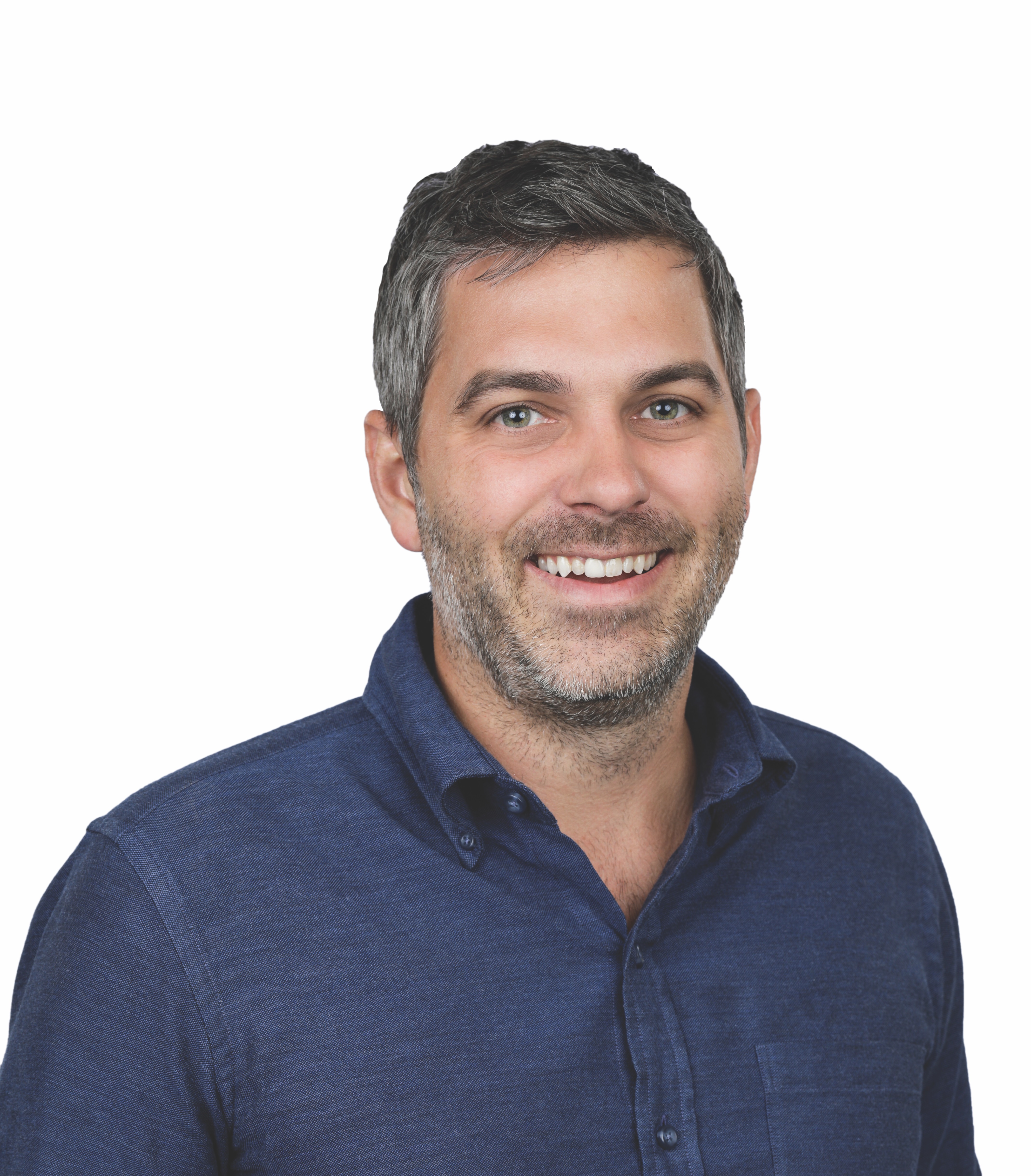
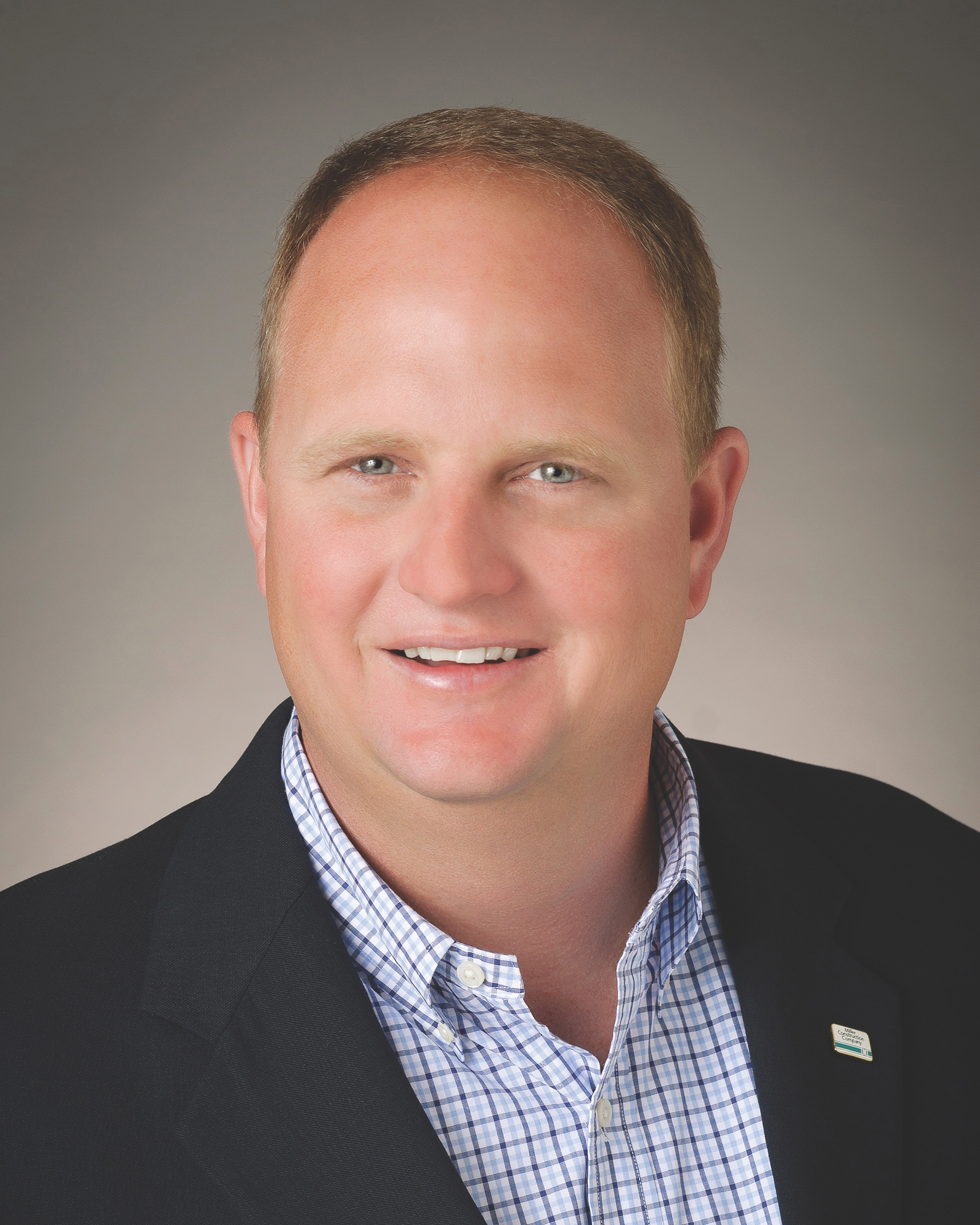
4 min read September 2019 It seems like more cranes are dotting the downtown Fort Lauderdale skyline every week as new developments emerge from the ground at a record rate. Invest: Greater Fort Lauderdale recently had the opportunity to speak with two of the leading constructors in South Florida, Ryan Romanchuk, the Fort Lauderdale business unit leader for DPR Construction, and Brian Sudduth, the president of Miller Construction. The wide-ranging conversations touched on trends in the sector and how their companies are adapting to these, along with the challenges the industry faces.

What emerging trends are impacting the construction industry and how are you adapting to these?

Ryan Romanchuk: There is a strong movement toward prefabrication similar to what we’ve seen in other parts of the world outside of the United States. It is a movement to become smarter as an industry as our labor costs go up and we move more into a manufacturing environment. We are looking for different components that we can prefabricate off-site, which in turn helps to limit the amount of manpower needed on-site, making our project safer and resulting in a higher quality product. One of the constraints of prefabrication is that it requires a certain level of repeatability to make economic sense for a project. However, as our technological tools get more sophisticated we are going to start to push toward digital fabrication. It’s the idea that every project can be unique but still be prefabricated based on building it virtually first.

Brian Sudduth: Office space construction has been slower over the past several years, but we are now starting to see more opportunities for development and redevelopment of office space. The need for construction in hospitality has continued to offer opportunities, and there is still heavy demand for our services in the industrial market. The residential, multifamily market is slowing down, but we have not typically participated in these sectors. I think this is part of the reason why we are seeing opportunities for Miller Construction growing and why 2020 will be just as good if not better for our business.

What is an ongoing challenge the construction industry faces?

Romanchuk: We are working to incorporate data-driven decision-making into all aspects of the business and really moving toward predictive analytics. Every construction project produces so much data but at the same time every project is so unique, which makes it challenging to harness the data produced. Our ability to harness our data as an industry will make us more predictable and at the end of the day that is what most if not all our clients want: predictable outcomes.

Sudduth: The challenge of finding labor in construction is not limited to just identifying people for management roles; it is also finding quality craftsmen to work on these jobs. There are more opportunities than available workers in the marketplace. People leaving Florida and leaving the industry all together during the recession was one factor, but we also have a skills gap because for the last decade, high-school students were encouraged to go to college rather than consider vocational training for things like electrical, plumbing and welding. Those programs are finally seeing a resurgence, but that gap has had an effect on available labor.

What are the factors that contribute to the longevity of your company?

Romanchuk: DPR is and always has been a self-performing general contractor. It really centers around the belief that we are builders at heart and our central belief as a company to respect the individual. This is why we don’t believe in “piece work” and believe in a fair and honest hourly wage and benefits such as health, 401K and paid care leave for all our craft employees.  We have had high levels of retention and are investing in training our employees to make sure they continue to grow their skillset and have upward mobility within DPR. Being a self-performing contractor requires additional resources, time and capital, but we control our own destiny, carry forward respect for the individual and can be part of our industry working to solve the labor gap. 

Sudduth: The longevity of our company is attributed to our business model of always putting our clients first. We never try to chase a revenue number or a product type. Instead, we focus our efforts on quality clients, and through the years we have done a good job of selecting clients that are looking for a long-lasting partnership. We always look out for their best interests, and in return people appreciate that and come back to us whenever they have new projects. We have never been a company that tries to be the biggest. Our goal has always been to be the best construction company.

To learn more about our interviewees, visit:

https://www.millerconstruction.com/

https://www.dpr.com/