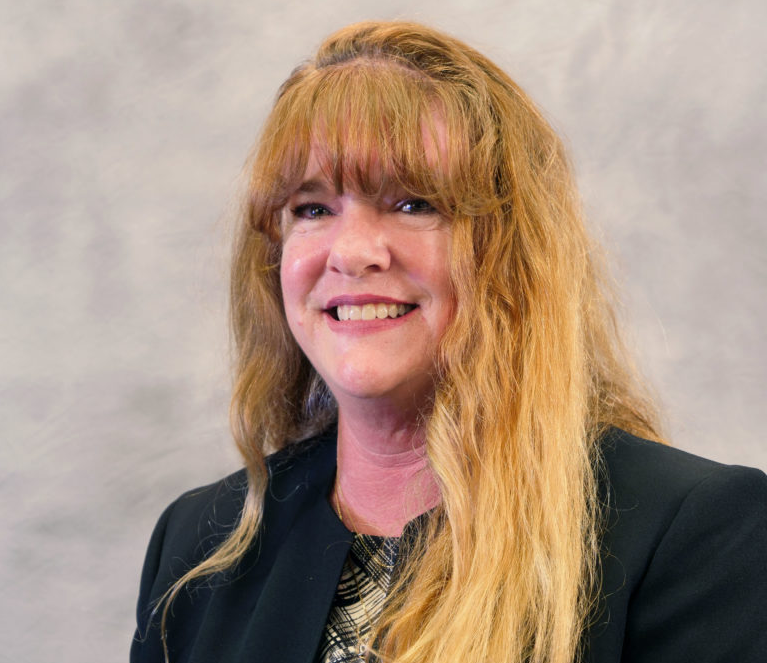
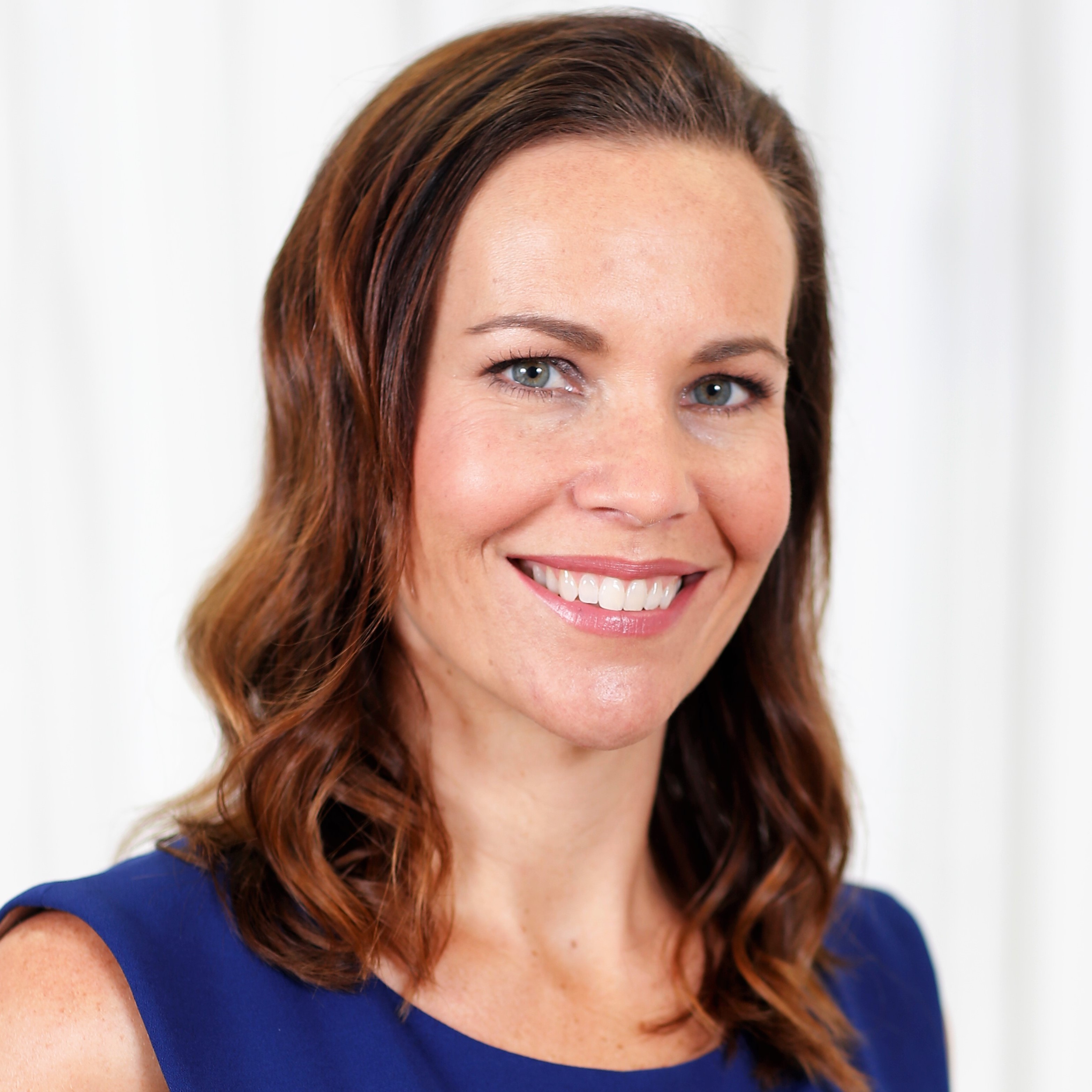
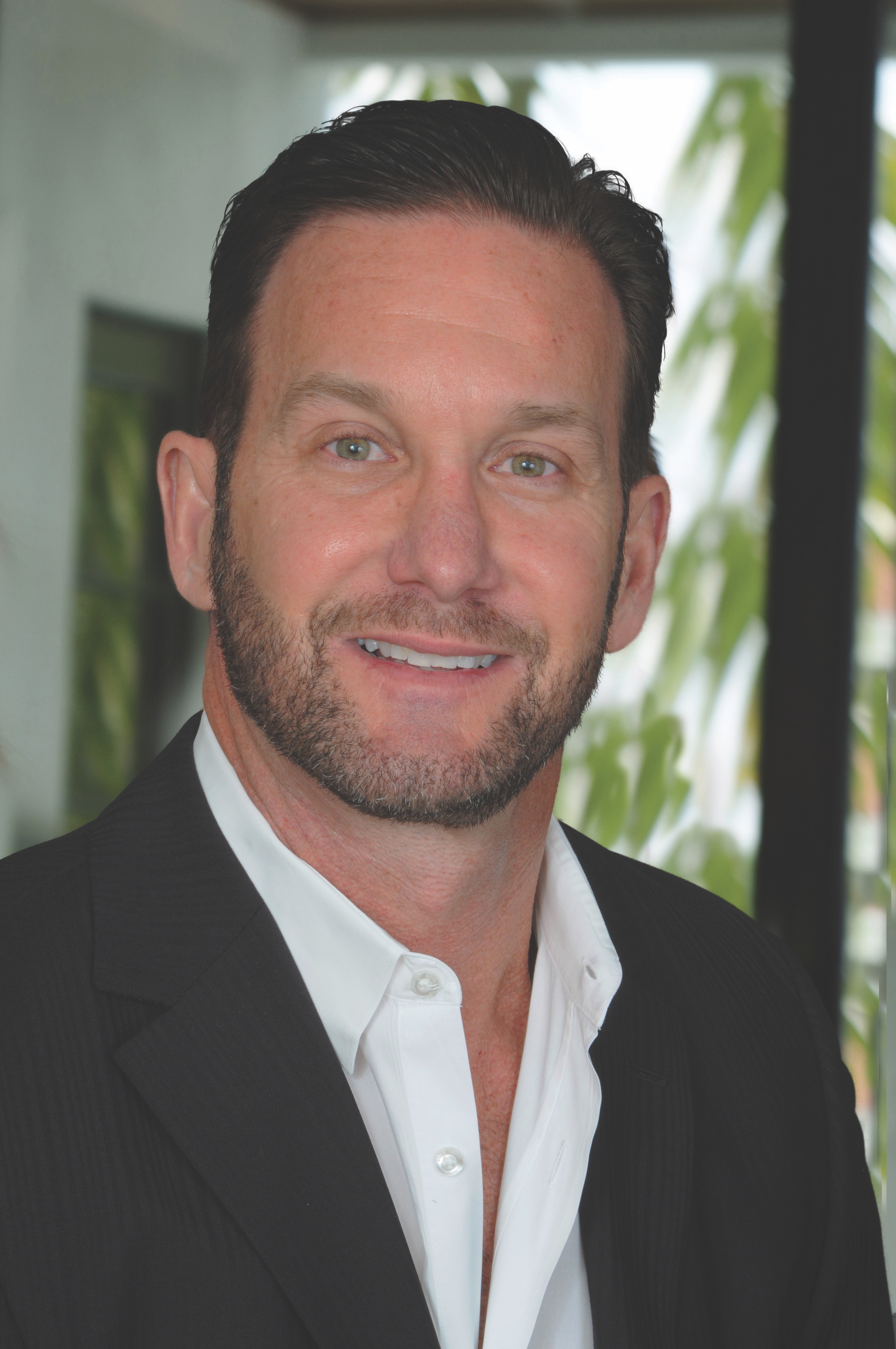
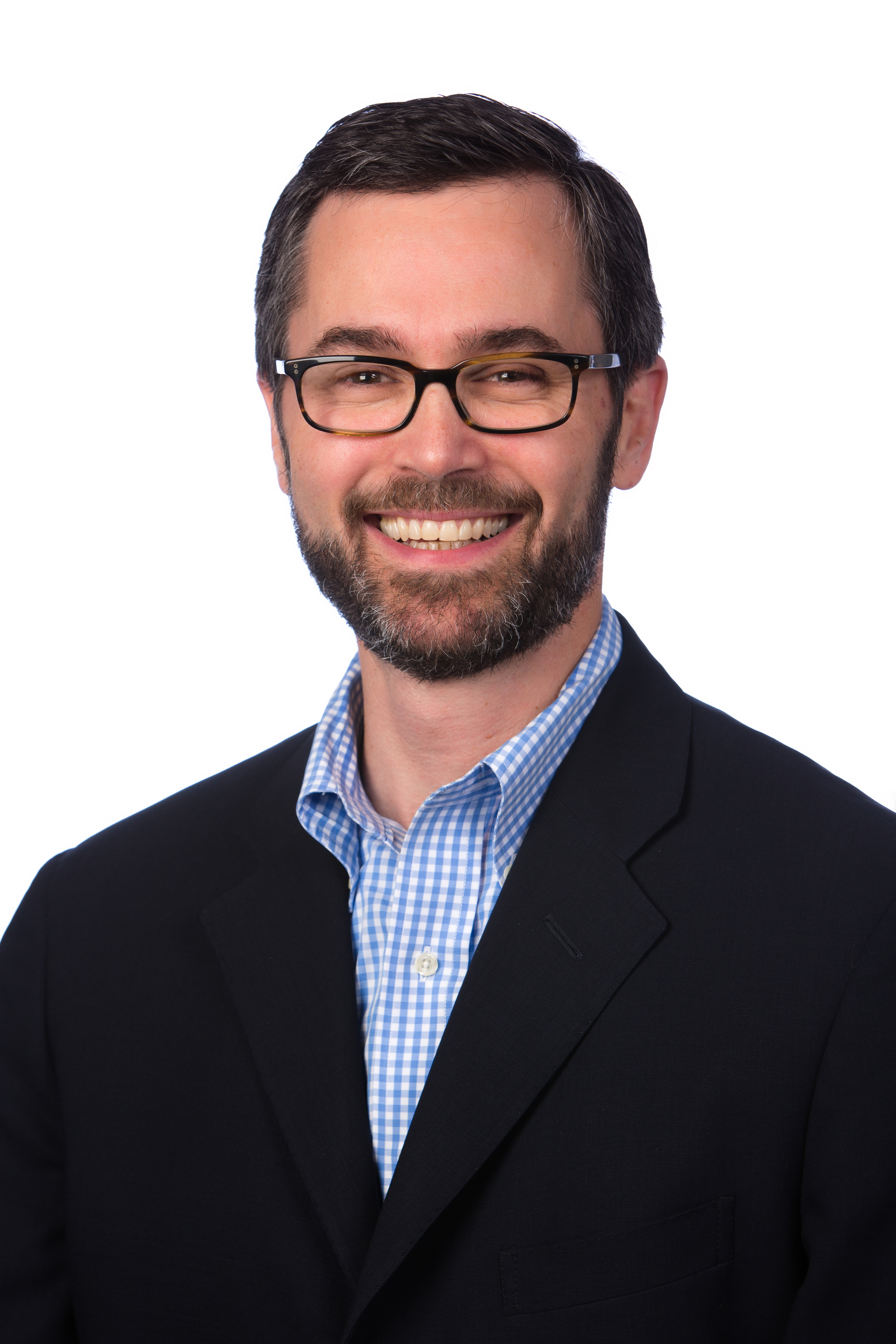
Spotlight On: Hala Sandridge, Shareholder and Tampa Co-Office Head, Buchanan Ingersoll and Rooney PC

Writer: Max Crampton-Thomas
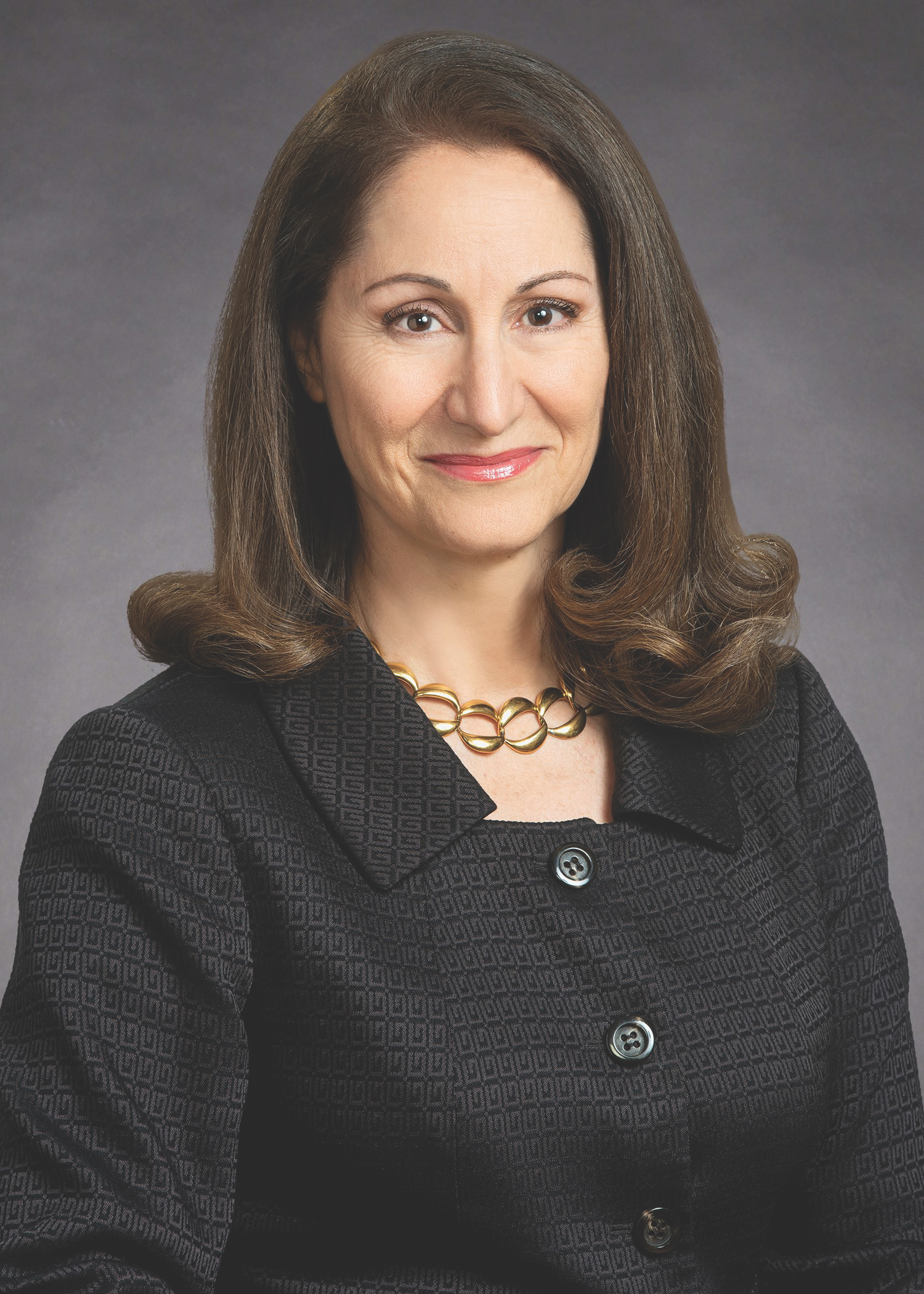
2 min read August 2019 — Demand in most job sectors ebbs and flows with the economy. One sector that seemingly goes against this narrative and remains relatively consistent is the legal industry. As a new generation makes its way into the field, law offices are having to prepare for the next wave of legal professionals. Invest: Tampa Bay recently spoke with Hala Sandridge, shareholder and Tampa co-office head for Buchanan Ingersoll and Rooney PC. She spoke about her firm’s approach to talent retention and attraction, the red-hot market for young legal talent and what the next year will hold for the legal sector in Tampa Bay.

How is the firm preparing for the next generation of legal professionals? 

Every company has to manage their external and internal sustainability, with a focus on the next generation of the workforce to optimize for long-term success. We at Buchanan are continuously building that next generation of attorneys who are going to continue the work of the senior leaders after they retire. We have strong succession plans in place as well as various programs that help those who are not yet at the partner level to become stronger in their practice, better at business development and immersed in the business of our clients.


I have noticed that many law firms do not plan for the future workforce and for the retirement of their more senior partners. It is crucial for business continuity to have attorneys trained and ready to pick up responsibilities and relationships. The next generation needs to be ready to sustain the growth that the company has accomplished and continue to take advantage of this market. When our attorneys are near retirement age, we have a conversation with them to make a plan for their retirement. We require our attorneys to take on these young people and integrate them with their clients so that the relationship continues smoothly after they have left. 

What is the state of the job market for law students nearing graduation? 

The job market for law students has seen a bit of fluctuation over the past several years and right now there are many opportunities for fresh law school graduates. Three years ago, we were not hiring too many law students shortly after graduation, but that has changed. We have hired a number of past summer associates upon their graduation and continue to seek out talented graduates. I cannot say enough great things about this next generation. They have their heads on straight, are incredibly goal-oriented and are willing to learn. 

What does the next year look like for Tampa Bay’s legal sector? 

I believe that the market is going to stay hot for the next year. However, in the event that there is an economic slowdown, many of us in the legal sector, including Buchanan will continue to do well as we thrive in a down market too. As a successful law firm we must stay nimble, so when the market changes we are prepared. For example, we have a nationally-recognized bankruptcy group whose work tends to increase during economic downturns, while other attorneys who typically perform transactional work use their market knowledge to advise on bankruptcy work. The key for any successful law firm is to diversify your staff and not have all your eggs in one basket.


To learn more about our interviewee, visit:

https://www.bipc.com/

Spotlight On: Drew Melville, Real Estate and Land Use Attorney, Melville Law, P.A.

By Max Crampton-Thomas


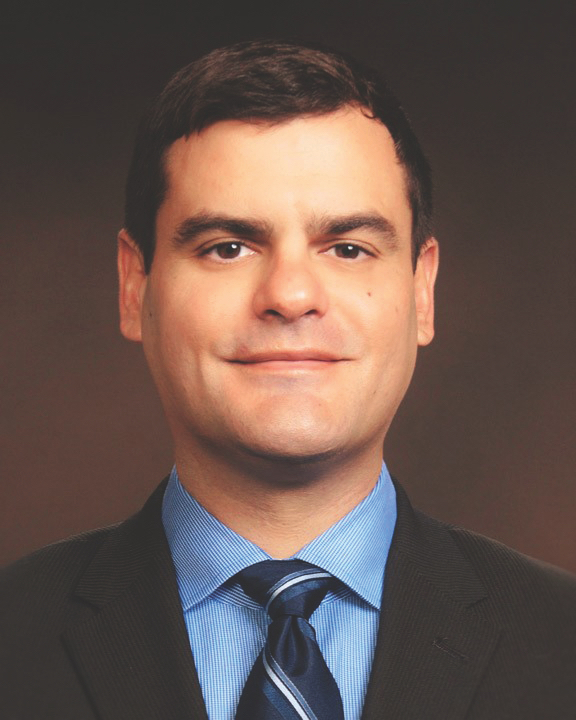
2 min read August 2019 — South Florida’s economic boom has resulted in increased migration to the area, a rise in small businesses and most significantly, an abundance of real estate and transit development projects. While these development projects are a positive sign that the economy is thriving, they are also associated with a litany of legal paperwork, proceedings and barriers as well as the negative side effects for the environment in South Florida. Invest: Greater Fort Lauderdale recently spoke with Drew Melville, real estate and land use attorney for Melville Law, P.A. He spoke about some of the more negative side effects from this increased development in South Florida, how Broward County should be an example in regards to environmental sustainability and his outlook for the next year given the region’s growth.

What has been one of the most significant negative effects of increased development in South Florida? 

Our mission statement has always been about redeveloping the urban corridors and preserving rural and agricultural lands in Florida, which are dwindling. We are losing farmers, and wilderness land as well. The whole concept of putting highways in places where there is nothing but agricultural land is terrible and only caters to specific groups of large landowners. This issue is so much bigger than the interests of a couple of large, rural landowners, and I am hoping Florida moves past the never-ending sprawl development. 

How should Broward County be viewed in regards to environmental sustainability? 

The biggest challenge for South Florida is environmental sustainability. Many people from all over the world are investing in this high-growth area, and we have to hope that they are not only investing in developing here but also in the sustainability and resilience of the area. Broward is very forward thinking and environmentally conscious, and the county should be looked to as an example for some of these areas that are developing without regard to the effect they are having on the environment. 

What is your outlook for Broward County over the next year? 

“Fort Lauderdale is still growing, and there are a ton of projects in the approval process. The city is also growing while preserving its history and keeping its historic buildings intact, which is great for the community and our identity. There are also a lot of towns around Broward that have Opportunity Zones and they are trying to capitalize on them now. I’d like to see more development along the Dixie corridor in Pompano and Deerfield. It would also be great to see more food operators in areas that are considered “food deserts,” which is defined as more than a mile stretch without an option for healthy food.”


To learn more about our interviewee, visit:
https://www.melville.law/

Spotlight on: Kenneth Lawrence Jr., Commissioner, Montgomery County

Writer: Yolanda Rivas

2 min read AUGUST 2019 — Montgomery County is the third-most populous county in Pennsylvania and the state’s the No.1 county for manufacturing. With an extensive trail network, the largest indoor mall in the country, a growing population and diverse economy, Montco presents unique opportunities for businesses among several industries. Commissioner Kenneth Lawrence recently spoke with Invest: about the county’s efforts to grow its economy, attract businesses and embrace sustainability.

What were some highlights for Montgomery County over the last 12 to 18 months?

Montgomery County had its AAA bond status restored by Moody’s. We are working hard on our transportation and infrastructure, repairing our roads and bridges, and making sure these are in good, working condition. We implemented a parental leave policy for our employees. The new policy is not gender-specific and employees can get six weeks off for the birth, adoption or guardianship of a child. We believe that will spur area companies to implement similar initiatives. Montgomery County has the best trail network in the region. We have over 90 miles of trails, including the Schuylkill River Trail, which is the most popular trail in the region, and we are working on expansion, improvements and new connections for many of our trails.

What are some business opportunities unique to Montgomery County, in relation to other counties in the region?

Montgomery County is the No. 1 county in Pennsylvania for manufacturing. We have more manufacturing jobs than any of the 67 counties in the state. There are numerous opportunities in manufacturing, especially in the biotech and pharmaceutical industries. For example, Thomas Jefferson University recently opened the Jefferson Institute for Bioprocessing in Lower Gwynedd, which is a specialized education and training institute for biopharmaceutical processing. Upper Merion is the third-largest employment hub in this region, following Center City and University City. We are working with SEPTA (Southeastern Pennsylvania Transportation Authority) on King of Prussia Rail to connect University City, Center City, and Upper Merion with public transportation. This is a 10-year project, but we are working very hard to connect the three major employment hubs in the region.

The pharma and healthcare sectors keep growing in the county. Tourism in Montgomery County is a $1.2 billion industry. Valley Forge National Historical Park gets over 2 million visitors a year. King of Prussia Mall is the largest shopping mall on the East Coast.

What is the county doing to develop sustainable operations?

Sustainability is very important for us as a county government and we want to take a leadership role. We recently announced a wind energy purchase that will power all of the county’s electrical accounts. The commissioners also made a commitment to transition to

renewable energy for heating all county-owned buildings and powering all county-owned vehicles by 2050. Another major project is a new justice center, which is part of six individual construction projects in downtown Norristown to address service, operational and energy inefficiencies and modernize county buildings for the future. We are taking every step possible to make sure that sustainability is a major part of that project so that we’re not increasing our energy footprint. We are also working with our municipalities across the county to explore options for sustainability.


To learn more about our interviewees, visit:

Montgomery County: https://www.montcopa.org/ 


Record Numbers Flock to Philly, Again

by Yolanda Rivas


2 min read AUGUST 2019 — Greater Philadelphia experienced its ninth straight year of record tourism in 2018. Public and private organizations in the sector are making multiple efforts to elevate tourism to the city and maintain its record-setting pace. 

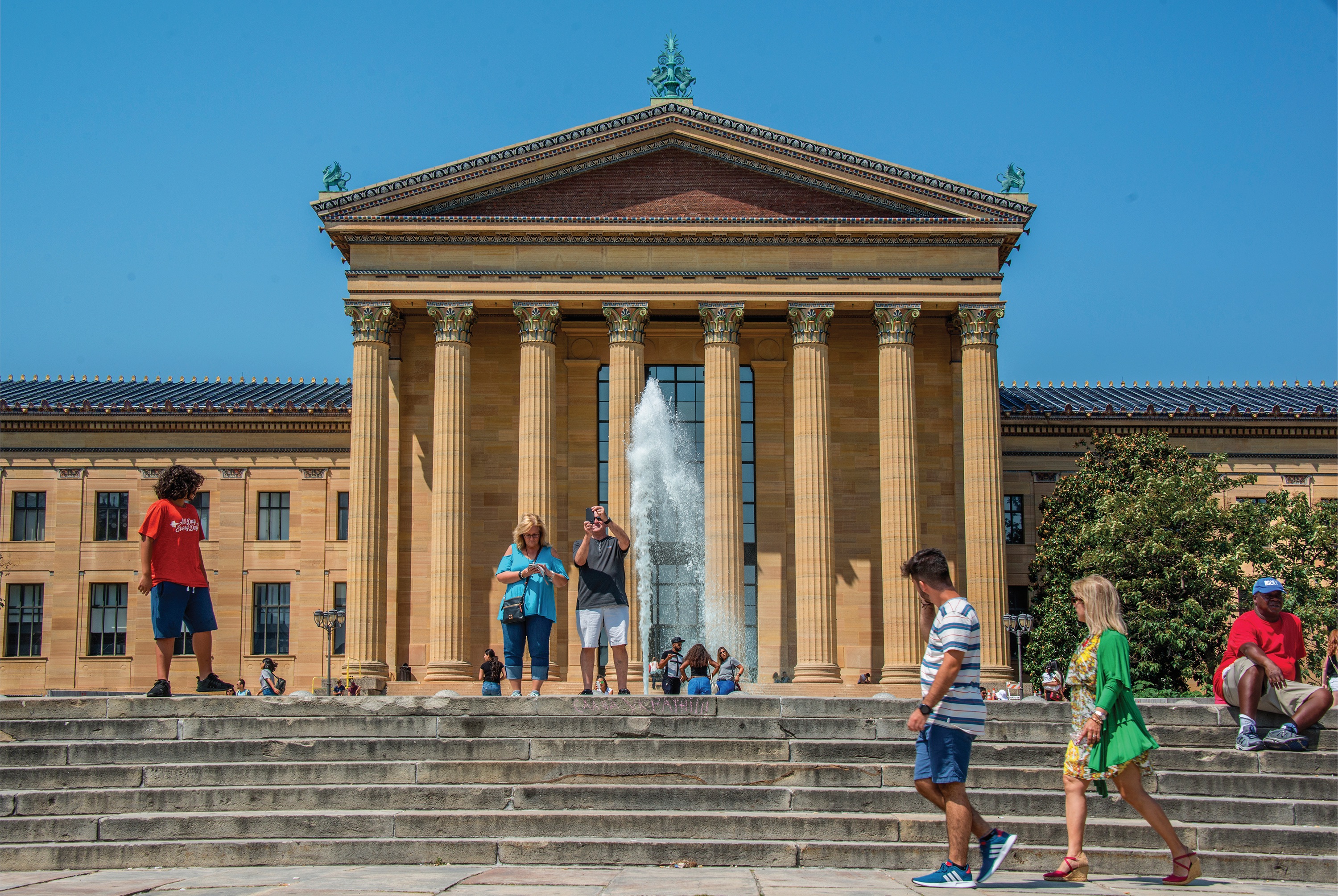
Enhancements to the city’s historical, cultural and dining options, such as the Pennsylvania Convention Center, the stadiums in South Philadelphia, the Philadelphia Museum of Art renovations and a number of new hotels on the horizon are some of the examples of improvements to the city’s offerings. 

“We’re working on a partnership to significantly grow our brand globally while also making a further commitment in Philadelphia with a new project that will dramatically enhance the architectural canvas for residential real estate,” Larry Korman, president of luxury extended-stay brand AKA Hotel Residences, told Invest:. 

Philadelphia’s weekend occupancy rate remains in the low- to mid-90%, also record highs, as the city of brotherly love attracts both business and leisure travelers. Local hotels, such as the Cambria Hotel Philadelphia Downtown, are committed to highlighting and complementing the communities where they operate through area-inspired decor and modern design.  

“We have locally commissioned art in our hotel, and since we sit on the Avenue of the Arts, our decor is themed with a nod to arts and music. We sourced most of the art and decor from local artisans, vendors and companies to ensure that we are supporting the community in every way possible,” Jerry Rice, General Manager at Cambria Hotel Philadelphia Downtown, said in an interview with Invest:.

To meet the demands of those who want a unique and intimate experience, some local brands are making the transition to boutique hotels. That is the case of former Courtyard by Marriott, which has been reborn as The Notary Hotel. According to the hotel’s general manager, Jim McSwigan, some of the elements of renovation include reimagined rooms, public workspaces for guests, a new shower experience in all rooms and a modern fitness center. 

“We have maintained an element of history with 1920s-inspired decor and furnishings, while introducing a modern feel. We offer the latest and greatest when it comes to providing guests with a great space, not only for business meetings, but for social events, weddings and any type of celebration,” McSwigan said.  

Another main driver for visitors and a key economic developer is the arts sector, and Philadelphia’s world-class music institutions are putting the city in the global spotlight. Such is the case of Opera Philadelphia and its Festival O, for example, which has had a  local, national and international impact. David Devan, general director and president of Opera Philadelphia, pointed out in an interview with Invest: the importance of the festival in creating local, enlarged artistic partnerships and developing a new, mostly young audience. “That is the biggest impact; we now have more customers than five years ago. We work with Visit Philadelphia, PHL Convention and Visitors Bureau, and other agencies that promote the city and create local pride,” he said.

“Because we do so much new work, what we are doing is affecting the field of opera nationally in terms of the field celebrating and participating in contemporary art activity. Internationally, we have become recognized as one of the most innovative opera companies in the United States,” Devan stated.

This year, Philly’s official tourism marketing agency VISIT PHILADELPHIA is focusing on opportunities in the multicultural market, specifically Latinx, LGBTQ and African American audiences. 


To learn more about our interviewees, visit:

AKA Hotel Residences: https://www.stayaka.com/ 

Opera Philadelphia: https://www.operaphila.org/ 

Cambria Hotel Philadelphia Downtown: https://www.choicehotels.com/pennsylvania/philadelphia

The Notary Hotel: https://www.marriott.com/hotels/travel/phlak-the-notary-hotel-autograph 

VISIT PHILADELPHIA: https://www.visitphilly.com/


Universal’s Epic Orlando Investment

by Sara Warden

2 min read AUGUST 2019 – The theme park industry in Orlando is about to get an Epic addition. Comcast NBCUniversal, parent company of Universal Studios, announced a fourth theme park to add to its Orlando portfolio. Although it is keeping its cards close to its chest, the company has made no secret of the significant economic opportunities Epic Universe will open up for the entire state of Florida.

“Our new park represents the single-largest investment Comcast NBCUniversal has made in its theme park business and in Florida overall,” said Brian L. Roberts, chairman and CEO of Universal’s parent company Comcast Corporation.  “It reflects the tremendous excitement we have for the future of our theme park business and for our entire company’s future in Florida.”

According to the World Travel & Tourism Council, for every $1 spent on travel and tourism, $3.2 are returned to the economy. An economic impact study for Universal conducted by UCF economics professor Sean Snaith found that construction of the new park alone will inject around $11.5 billion in direct and indirect economic benefit into the Florida economy.

In particular, Universal will fund 50% of the Kirkman Road extension, which will allow access to the area where the new park will be located. “The Kirkman extension will improve transportation through a busy and growing portion of our county and open up the entire area for additional development, including an important expansion of our Convention Center,” said Orange County Mayor Jerry Demings.

According to research by WeSwap, the average daily spend by real travellers in Orlando comes in at around $144 per day, with $52 spent on eating out, $66 on entertainment, $27 on transport and $43 on shopping.

Although no concrete details have been announced on capacity, the new park will be built on a 750-acre site. As of July 2019, the current Universal theme park covered 840 acres, meaning this new development has the potential to almost double the theme park’s current 75-million capacity.

Taking just a conservative estimate of an additional 25 million visitors per year, that’s still a whopping $3.6 billion in income for the park. According to Universal, it contributes more than $302 million in annual state and local taxes, a number that will nearly double when the new theme park opens.

Universal Orlando’s combined direct and indirect economic benefit to the Florida economy since Universal Studios opened in 1990 is $73 billion, and the industry continues to grow. In 2018, the theme park segment of Comcast’s balance sheet came in at $5.7 billion, up 4.4% on 2017.

The direct investment being made by Universal is substantial in itself, but the knock-on effects for the economy are undeniable. The new theme park will increase the 25,000-strong staff at the theme park by another 14,000, significantly boosting quality of life and opportunities in the area and allowing the region to flourish.

“The investment Universal is making in our community and the benefit all of us will see is substantial,” said Demings. “This will benefit nearly every segment of our economy, from tourism to high-tech.”

Spotlight On: Mayor Sandra Bradbury, City of Pinellas Park

Writer: Max Crampton-Thomas

2 min read August 2019 — The unprecedented economic growth the Tampa Bay MSA, including Pinellas County, is enjoying comes with both benefits and challenges. At the very center of Pinellas County is it’s fourth largest city, Pinellas Park. Invest: Tampa Bay recently spoke with Mayor of Pinellas Park Sandra Bradbury. She discussed how the city is handling the region’s growth, its focus on remaining economically and environmentally sustainable, and her outlook for the next year.


What efforts are being made to encourage environmental sustainability in the city? 

In a partnership with the Wounded Warriors Abilities Ranch, we just started development on a new park called Lurie Park. This park is going to be completely accessible for all handicapped people, from children to the elderly, and will be geared toward our veterans. We also just purchased a four-acre property that was a horse stable, which we are in the process of converting to a farm. It is an extension of the existing Helen Howarth Park. Our goal is to work with the U.S.-based network of youth organizations 4-H and bring students to the farm to teach them how to sustainably raise and grow their own food.

How are you supporting local business growth? 

Businesses come to us all the time because we have a relatively large amount of commercial area that’s available for development. The city council and voter referendum created a package of incentives that we could use to retain businesses that want to grow and expand. These incentives allow businesses the flexibility to move offices or add square footage to their buildings. We are one of the few places that has this ability. It is within our ordinances to allow our economic development manager and her team to offer incentives to local businesses, which revolves around how much they are growing and how many employees they will be hiring with the expansion. So far, city council has provided seven packages to different companies that have grown in Pinellas Park. 

What does the next year look like for Pinellas Park? 

We think the future is bright. We have a lot of businesses that are still looking at us as a place to expand into. Our position is unique because we are at the very center of the county. We are also one of the few cities that still has vacant land available, especially in our industrial area. This gives a business the opportunity to come here and develop their work space. With the economic growth in the region, our homes have gone up in value over the years, but overall the Pinellas Park area is still affordable. We have parks in the area, and our citizens assist in the conservation and revitalization of those parks as necessary. Overall, we feel extremely positive about the next year. 


To learn more about our interviewee, visit:

https://www.pinellas-park.com/

Face Off: The Development of Fort Lauderdale

By Max Crampton-Thomas

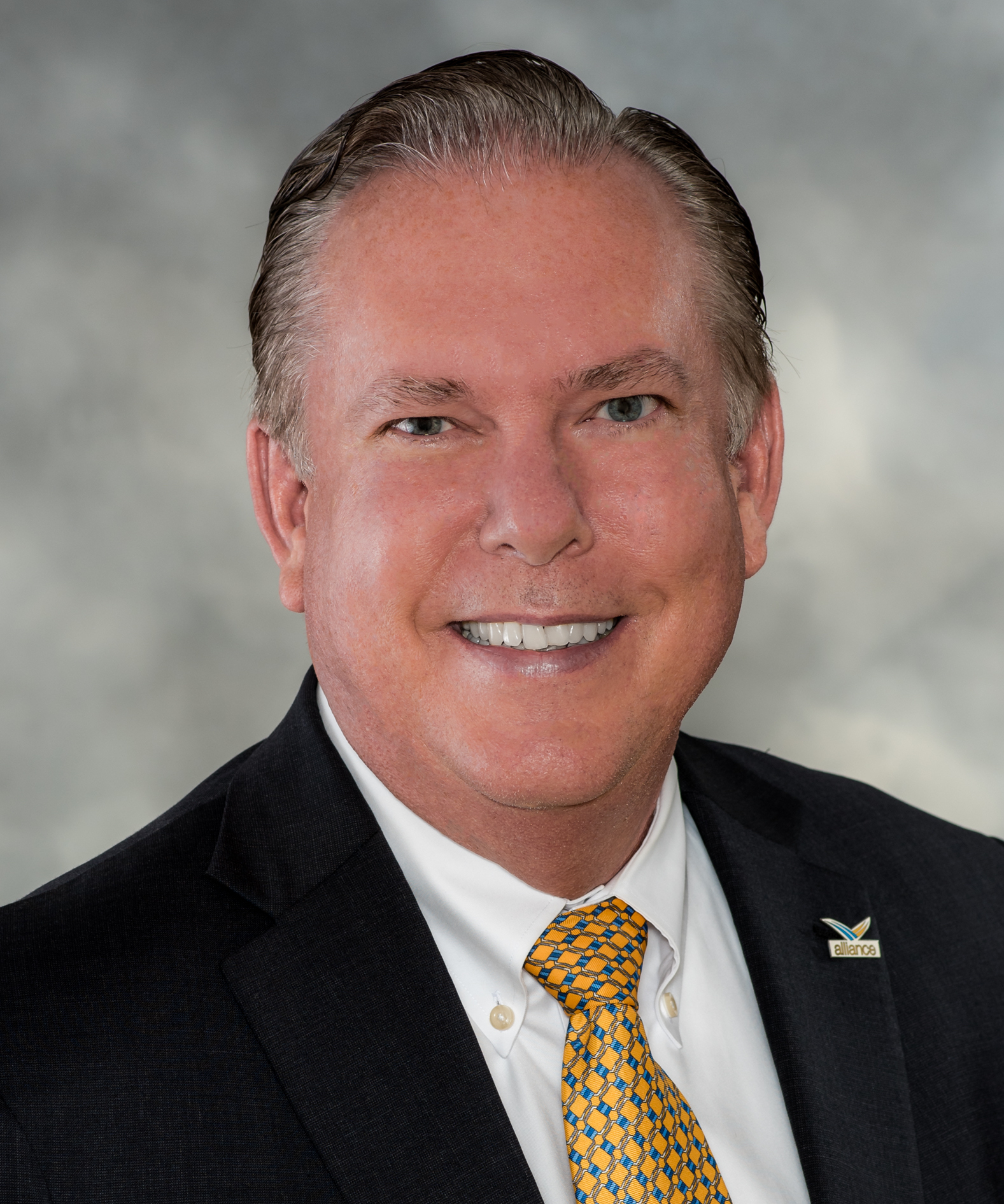
4 min read August 2019 — Home to more than 180,000 people and growing, Fort Lauderdale continues to work tirelessly to position itself as the premier economic powerhouse in South Florida. This growth and economic development of the city has not happened by chance, but rather, has been a result of well thought out, deliberate and collaborative initiatives from both the local government and community organizations. Two of the leaders driving this development are the independent taxing district known as the Fort Lauderdale Downtown Development Authority and the primary economic development organization for the city, the Greater Fort Lauderdale Alliance. Invest: Greater Fort Lauderdale had the good fortune to speak with both Bob Swindell, the president and CEO of the Greater Fort Lauderdale Alliance, and Jenni Morejon, the president and CEO of the Fort Lauderdale Downtown Development Authority. The conversations explored how the community is addressing climate resiliency, challenges facing development in the city and ultimately how they are working to help Fort Lauderdale achieve its true potential.


How have you seen the business community address resiliency as it pertains to climate change?

Jenni Morejon: Nearly 10 years ago, South Florida became a national and global leader in addressing climate change by developing the Southeast Florida Regional Climate Compact made up of Monroe, Miami-Dade, Broward and Palm Beach counties. Following this sophisticated public sector collaboration, the compact engaged the business community to explain why economic resiliency should be on their agenda. Now, groups like the Greater Fort Lauderdale Chamber of Commerce, the Alliance and the Broward Workshop, and their private sector members, better understand the importance of climate change and why investments in resiliency today will have an ROI and long-term tangible benefit.

Bob Swindell: One of our partner organizations, the Broward Workshop, hosted a scientist from Holland. The Dutch have been dealing with this issue for years, and if you look at their coastal cities, many are below sea level. Our limestone foundation is a little different from what they have in Holland and there are definite differences in geographic qualities, but they have been working to solve flooding issues for years. People in Broward County want to talk about solutions now because they understand that this is a real threat when they see high tides and king tides causing flooding. We really need to think about solutions and how we can work block by block to mitigate this threat. The reality is that it’s going to take more thought to identify the science that will build a system that truly works.

What are some of the most significant challenges facing Fort Lauderdale?

Morejon: Housing affordability is one of the most important issues affecting the present and long-term prosperity of our community. Increasing the supply of housing units in the urban core has been the traditional focus of the Fort Lauderdale DDA. With 5,000 new units under construction in Downtown Fort Lauderdale, this legacy issue requires a more complex and comprehensive solution, incorporating higher-paying jobs and better mass transit to reduce the cost of living. Last year, Broward County voters approved an Affordable Housing Trust Fund and the DDA is now advocating for the use of public land and local financial contributions from the Trust Fund to incentivize new subsidized housing.

Swindell: One challenge we talk about frequently, and this is where publications like Invest: are a real asset, is encouraging investment in Greater Fort Lauderdale. This is not necessarily a problem right now because we still have investment dollars flowing into the area, but I think reinforcing that this community is a good investment destination is vital to our sustainability. As a region, we must be reinforcing and supporting what companies like Stiles are doing when they make a private investment in Fort Lauderdale to create office space inventory, which we can use to attract new companies to the area. Stiles is building the first new corporate commercial high-rise building in 10 years, The Main. That is a great example of creating additional inventory, and I believe that our job is to try to help fill that building. It is important to have that inventory available.

What is the outlook for Greater Fort Lauderdale for the rest of 2019 and into 2020?

Morejon: Over the past 18 years, close to 6.8 million square feet of office, retail, multifamily and hotel space has been built in Downtown Fort Lauderdale. Today, another 6.2 million square feet is under construction with 4,600 new residential units, 600 hotel rooms, and two new Class A office buildings. A combined 400 floors of development are being added to the skyline, effectively doubling the scale of Downtown in just a handful of years. This new critical mass of people will help support the growing retail and restaurant scene and provide a range of housing options to attract a diverse workforce. We’ll also see progress on three important civic projects. The City of Fort Lauderdale and Broward County will be moving forward on the development of a new joint government campus, the site for a new Federal Courthouse will be determined, and with the recent passage of a $200 million parks and open space bond, the city and DDA will be kicking off investments in our Downtown public realm.

Swindell: We conduct an annual poll of chief executives in the region and it came back very positive. South Florida tends to enter a downturn or recession a little bit after the rest of the country has already felt the effects, and we tend to exit these situations quicker. A lot of that is due to international investment, and we do not see that slowing down this year. Based on the construction leasing rates that I’m seeing, the demand is there. With some of the federal tax law changes and what you can deduct for state income tax and state sales tax, there have been some additional opportunities created for the region through people seeking lower tax environments. We have branded our community for many years as providing a “Life. Less taxing.” Florida has been well-managed financially, we don’t have unfunded pension obligations and our state has a surplus every year. South Florida will continue to have another strong year.

To learn more about our interviewees, visit:

https://www.gflalliance.org/

https://www.ddaftl.org/

Spotlight On: Andrew Verzura, Principal, VCM Builders, Inc.

By Max Crampton-Thomas


2 min read August 2019 — The amount of construction in a region is almost always an effective gauge of how the local economy is doing. Broward County is among those regions that has become synonymous with an abundance of ongoing and future construction projects, which speaks volumes to its strong and growing economy. Invest: Greater Fort Lauderdale recently spoke with Andrew Verzura, Principal of VCM Builders, Inc, one of the construction companies benefiting from the strong market in Broward County. Verzura discussed trends in the market, how Broward County compares to other markets and what the future of the construction industry in Broward County may look like.

What trends are emerging in the renovation projects VCM is working on?

In construction, we have to constantly regroup because the market changes. In recent years, our company decided to focus on renovations. Some of the trends we are seeing call for cleaner designs because people want to get away from heavy woods and marble, which don’t hold up well. We are seeing more porcelain, lighter colors, fewer moldings and more technology-based demands. Most of these condo buildings that were built 15 years ago did not have the technology we have today, so I’m challenged in every condo building with elevator integration, security integration and package rooms. Millennials want the ability to run almost everything off their phones, and we have to try and meet that demand. 

How does Broward County compare with the other markets you work in? 

The difference with Broward County is that it’s a very small, close-knit community. You can meet the commissioners, public officials or the building official and they all remember you. They are extremely friendly to do business with because they have a set of rules and regulations they follow. Whenever we have issues, I can go speak with somebody. I would say that over the last 15 years, I’ve been able to work with the city to solve 95% of the problems we’ve had. People are coming here because the business environment is so friendly.

How have rising construction costs affected your business? 

Construction costs are very expensive, and they have not gone down. Compared to when we started building spec houses in 2013 to where we are now, construction costs are up 30%. Construction costs are deal breakers for a lot of projects that we are looking at because they just do not make financial sense. The banks are not going to finance projects when the numbers do not make sense and will not work. We have seen many of the large rental communities being funded by pension funds. Most of these projects, which are primarily funded by pension and real estate funds, have been looking for a 6% return.

How does the next year look for the construction industry in Broward County? 

My outlook for Broward is still very strong. There is competition but that is a good thing. I believe we will still see people buy properties here. We have a friendly environment for developing and a government that is pro development. As long as we have builders and developers continuing to focus on sensible building, then we should be in good shape for the next year. We have to be very careful and look at deals that make sense because there are a lot of inflated deals out there right now. People all think their property is worth so much money but in reality it is only worth as much as people are willing to pay for it. The market is leveling off, which is not a bad thing, and it will be interesting to see how the market accepts all the new rental buildings in downtown. 


To learn more about our interviewee, visit:
http://vcmbuilders.com

Spotlight On: Angelo Bianco, Managing Partner, Crocker Partners

By Max Crampton-Thomas


2 min read August 2019 — There are a multitude of reasons why people choose to relocate to Florida including a beneficial tax climate, ideal weather, and a bevy of real estate opportunities. Perhaps nowhere is that more evident than in Palm Beach County, and developers of commercial real estate in the region are reaping the benefits. Invest: Palm Beach recently spoke with Angelo Bianco, Managing Partner for one of the premier owner-operator and developers of commercial real estate in the region, Crocker Partners, who also happen to be the largest office landlord in Florida. Mr Bianco discussed with Invest: the impact Crocker Partners has in Palm Beach County, benefits of practicing commercial real estate in the county and what is on the horizon for investment within commercial real estate.

What impact does Crocker Partners have in Palm Beach County and South Florida? 

In the state of Florida, we are currently the largest office landlord. In Boca Raton, we are the largest office owner. We own thirty percent of all the office space in Boca Raton. We usually buy assets that have something wrong; for example, they are often poorly occupied and haven’t been operated the way that we would at Crocker Partners. We will perform renovations, reposition the assets and find new tenants. Then we either sell or re-capitalize the project to someone who wants to own more stable, secure assets. 


What are some of the benefits of practicing commercial real estate in Palm Beach County?

The best part of real estate in Palm Beach County is that people want to be here. Every year, more people move here. Because of our tax policies, Florida is an attractive place for the wealthy, and they tend to gravitate towards certain areas such as Palm Beach County. It’s fantastic because whenever you’re in a place where a lot of people aspire to be, they require office buildings and homes, so in turn there’s demand for new construction. Then the economy expands; people need to have rentals, apartments, storage and stores. It’s a great place to invest because, from one peak of the market cycle to the next, there’s always growth here. 


What trends are on the horizon for commercial real estate investment and growth in Palm Beach County?

Office development should be muted in the coming year. The reason is that a good majority of those moving here are wealthier people; they don’t drive a lot of demand in office space as most of them have hedge funds or family offices that do not require a lot of space; plus it costs so much to build new office buildings. You will have some projects, but it’s not going to be like it was in the past when there would be a tremendous number of cranes in the sky. But when it comes to multi-family development, we will continue to see growth. There will be a lot more rentals than we have had in the past. The United States by large is turning into more of a rental market than it has been, which doesn’t mean that single family homes are gone; it just means that people are much more comfortable renting.


To learn more about our interviewee, visit:

https://crockerpartners.com/