Technical college system major component of Georgia’s business climate

Technical college system major component of Georgia’s business climate

By: Felipe Rivas
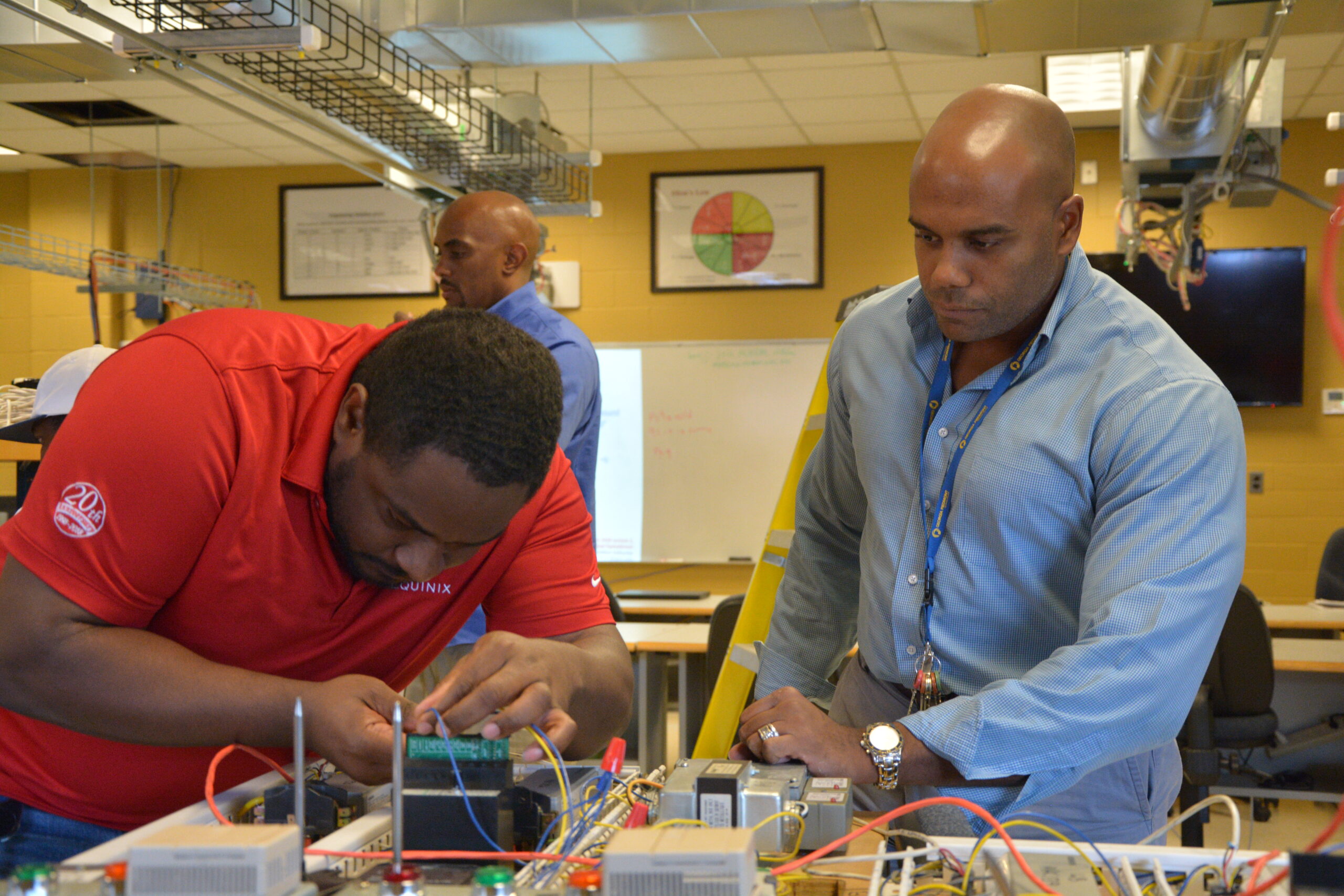
2 min read August 2020 For the better part of the last decade, the Peach State has consistently ranked as the best state to do business year after year, a feat largely driven by Georgia’s robust higher education institutions and the state-funded technical college system. The Technical College System of Georgia (TCSG) is the state government agency overseeing Georgia’s 22 technical colleges. As the country slides into a pandemic-led recession, the system remains keen on solidifying Georgia’s workforce, while helping companies land the talent needed to thrive in a volatile economy. 

Georgia’s track record for attracting new industries and companies is largely a result of the state’s pro-business landscape, geographical location and proximity to other key markets, and efforts to nurture a market-ready workforce. The system’s mission is to build a well-educated, globally competitive workforce through technical education, adult education and customized training for Georgia’s businesses and industries. “We provide Georgians with the education and training that will lead directly to a career that is in demand,” Technical College System of Georgia Commissioner Greg Dozier told Focus: Atlanta. “Our colleges work hand in glove with local industry to understand their workforce needs and offer programs that meet those needs.”

According to the National Skills Coalition, 54% of Georgia’s jobs are considered “middle skill,” or jobs that require more than a high-school diploma, but less than a four-year degree, Dozier said. However, only 42% of Georgians are trained to this level. “We are laser-focused on closing this middle skills gap.”

The system is in constant communication with businesses and industry leaders across Georgia, and has close partnerships with companies across different sectors, such as Mercedes Benz, Kubota, King’s Hawaiian Rolls and KIA Motors Manufacturing Georgia. Via its Georgia Quick Start program, the system provides free workforce training for companies considering relocating to Georgia or expanding in Georgia. And market-ready talent is among the top necessities for companies wishing to relocate or expand in the Peach State. “We are at the table with the Department of Economic Development when meeting with companies that are considering Georgia as their new home,” Dozier said. “Businesses want to know how they’ll have a steady pipeline of skilled talent. That’s what we do.” Through these conversations the system can then develop training programs tailored to the businesses’ needs and expectations. “We went through this process with KIA, which now manufactures its Telluride, Sorento and Optima automobiles about 80 miles southwest of Atlanta,” Dozier said. 

Serving counties such as DeKalb, Newton and Rockdale, Georgia Piedmont Technical College is part of the Technical College System of Georgia and provides education for the three-county service area, mostly in the metro Atlanta region. “Across the counties we serve, companies come to us with their recruitment needs and it is our role as a technical college to ensure we have programs that support those jobs,” Georgia Piedmont Technical College President Tavarez Holston told Focus: Atlanta. Though the impact of the coronavirus has squeezed the education sector and the economy at large, Holston says the college remains keen on equipping the local workforce with in-demand skills and training. “As we look at the current environment, there are signs of life in the economy, and we want to make sure we remain relevant in producing a workforce that meets the needs of our counties. Even though COVID-19 has changed the way we do business, we are still getting calls from our industry partners that require training delivered virtually,” he said.  


Healthcare and tech-based training are among the most popular offerings at Georgia Piedmont Technical College. “There are two careers that seem to be gaining a great deal of traction, one of which is healthcare. We train essential frontline workers and we are proud to be part of that,” Holston said. “Another popular course is in manufacturing, which can be attributed partly to the rise of e-commerce. We are getting many requests for training in automation, programmable logic control and advanced manufacturing.”


While the ramifications of the coronavirus are likely to shape the future of business and education, leaders are optimistic that Georgia’s workforce will continue to meet the needs of employers and industries. “Our colleges have done a great job of preparing for in-person reopening following guidelines set by the CDC and GPH,” Dozier said. “I think there will be great needs with economic upticks in various industries across Georgia. As the economy comes back, the needs that TCSG satisfies for businesses and the community will make a difference. Georgia has been named the No. 1 state in the nation to do business seven years in a row. We will continue to build on the legacy Georgia has made for itself as the No. 1 state for business by providing a skilled workforce. The prospects for the state are extremely positive.”

After an overnight transition to remote learning in the spring, Georgia Piedmont Technical College aims to accommodate students’ needs further come the fall semester. “We have always done online and distance learning. But we have realized that we need to be more flexible and accommodating for our students,” Holston said. “We still have to think about the highest quality education we can provide during a pandemic. When the shelter in place order came down, we immediately started putting together an intensive two-year program that could be done in a year, with the reasoning that people at home have more time at their disposal.”


To learn more about our interviewees, visit:

https://tcsg.edu/

https://www.gptc.edu/

Brightline and Virgin sever rail ties

Brightline and Virgin sever rail ties

By: Beatrice Silva

2 min read August 2020 — Brightline is passing on Virgin Trains. On Aug. 7, the high-speed passenger train operator announced that it would not be rebranded as Virgin Trains USA and would continue its operations under Brightline LLC. The withdrawal represents a sudden and apparently astringent end to the link between Brightline and Virgin Group. 

Brightline originally announced its strategic partnership with billionaire Richard Branson, founder of the Virgin Group, two years ago. Brightline quickly welcomed this new partnership and underwent a complete makeover. Virgin Trains USA was officially supposed to debut its rebranding transformation this summer. However, COVID-19 related issues looks to have stopped the deal dead in its tracks. 

Originally, the relationship seemed like a match made in transit heaven. Branson and his team have carved out a successful enterprise in the transportation and hospitality industry with a fleet of carriers ranging from airplanes to cruise ships. “It’s already a very good experience,” Branson told the South Florida Business Journal in 2019. “We just need to sprinkle a bit of magic dust over it. We need to make sure the two hours, 45 minutes to Orlando is magical, and we are used to doing that in the UK, where we have longer train journeys.” 

Unfortunately, that seamless experience of having guests fly in on Virgin Atlantic then transported on a Virgin Train to their Virgin Voyage will have to be postponed. Branson’s lucrative business, like many others in the hospitality industry, came to a halt as a result of the pandemic. To make matters worse, Brighline’s 2019 passenger count was less than half what it projected and its revenue was less than a fifth of its expectations, according to The Palm Beach Post. The future of Virgin Atlantic Airways remains uncertain after the airline filed Chapter 15 bankruptcy earlier this week. 

Brightline, however, seems to be moving along. Its current routes consist of Miami, Fort Lauderdale and West Palm Beach. Progress also continues to be made on its fourth station in Florida at the Orlando International Airport. Operations are scheduled to begin sometime in 2022. There has also been talk of building additional stations in Aventura and Boca Raton. 

The Miami-Dade County Commission was negotiating terms regarding proposed stations with Virgin Trains USA but it’s unclear whether the county will agree to a new county commuter service. “We really need to think about what is the future of transit and how people will get around this town…” Mayor Carlos Gimenez told The Real Deal in June. “We may have as many of 20 to 30 percent of people working out of their homes.” How Brightline’s withdrawal from its Virgin deal will impact the commission’s decision remains unknown.

Although the future of the Brightline expansion may be up in the air, if more stations do pop up it could leave a positive impact on the local economy. Brightline’s expansion could bring over 5,000 jobs on average per year after rail-line construction is complete through 2021 and have a $6.4 billion direct economic impact to Florida’s economy over the next eight years, according to Washington Economics Group, Inc. 

Brightline and Virgin sever rail ties

South Jersey, Philly Industrial real estate a hotbed for investors

By: Beatrice Silva

2 min read August 2020 — Even before the pandemic, billions of consumers had already been shopping on e-commerce sites like Amazon for years. But the pandemic is accelerating the platform’s growth as more and more people pivot away from physical stores. Shoppers say that there is something extremely gratifying about clicking a button and having a product delivered to their door the very next day. That’s music to the ears of those in the industrial real estate segment, as companies see an increasing need for distribution space.

When COVID-19 started to rapidly spread around the world, digital buying was no longer just a trend but a necessity. U.S. online sales grew 76% in June, reaching $73.2 billion that month, according to Digital Commerce 360. As a result, industrial real estate became even more of a hotbed for investment. Warehouses and distribution centers provide companies like Walmart and Target the local space they need to get purchase orders out to their customers quickly and efficiently.

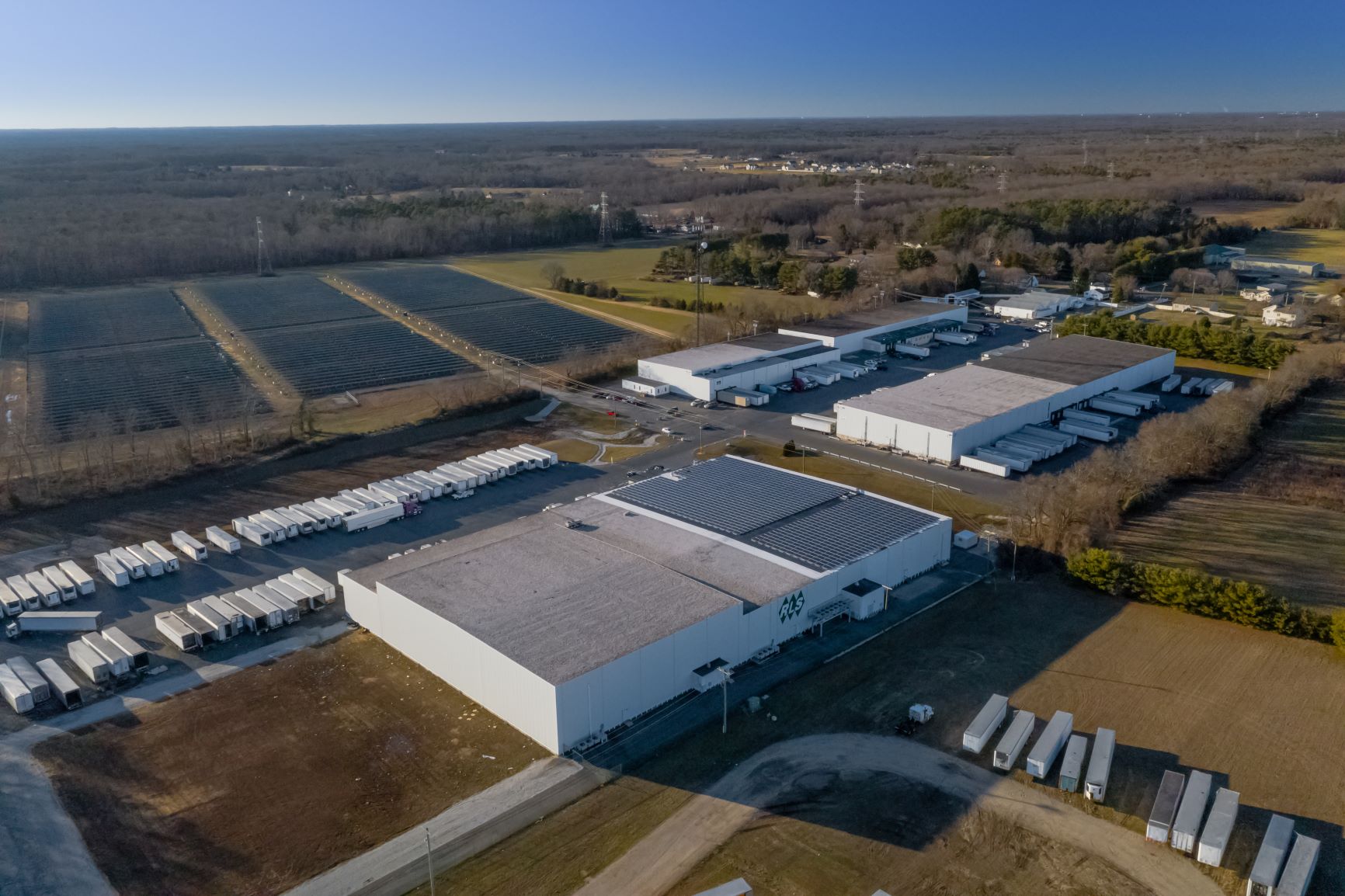
To offer consumers fast shipping, a large majority of the industrial real estate is located near key transportation hubs like seaports, highways, railroads and airports. That’s one of the reasons why a handful of out-of-state investors like Peter Lewis, president and founder of Coastal Realty LLC, have started building their industrial portfolios in the Northeast. Lewis explained to the Philadelphia Business Journal why his firm has increased their industrial properties in South Jersey: “These middle-market companies are going to start transitioning to becoming much more sophisticated online,” he said. “They have to. What that means is they’re going to require more warehousing, which is what our property offers. I continue to see a real demand for warehousing in densely populated areas. It’s going to be all the way from the 4 million-square-foot guys to the 2,500-square-foot guys,” said Lewis. Coastal Realty recently teamed up with Walton Street Capital to buy a 32-building industrial portfolio in Pennsauken. 


South Jersey and Philadelphia are lucrative areas because of their unique placement between Washington and New York. “The overall demand for warehouse space has continued to remain strong, especially with the uptick in e-commerce and the expectation by the consumer to have goods in their hands as quickly as possible. When Amazon Prime was introduced, two days for delivery seemed fast and quickly became the norm. We are now finding that next-day delivery, if not same-day delivery, is an integral part of the supply chain that is driving a lot of companies to look for warehouse space in South Jersey. The new speculative and build-to-suit development in our market has been mostly in the northern parts of Burlington County and the southern parts of Gloucester County,” Ian Richman, senior managing director of Southern New Jersey Colliers International, told Invest: South Jersey 2020. 

As long as there is a continued increase in consumer spending, the demand for retail space and other commercial activities like distribution centers, in theory, should rise. 

To learn more, visit: 

https://www2.colliers.com/en

Brightline and Virgin sever rail ties

Adaptation, innovation are the new normal for legal professionals

By: Max Crampton-Thomas

2 min read August 2020 In the span of just a couple of months, the COVID-19 pandemic has impacted, in some form or fashion, every sector of the economy in the United States. In fact, Dori Foster-Morales, current president for the Florida Bar, was recently quoted as saying, “Everyone’s lives have changed, and anyone who says it hasn’t just doesn’t get it. I look at it like we’re in a tunnel, and we have to figure out a way to get out of it.” 

The idea of adaptation is nothing new for the legal sector as over the last decade it has seen an uptick in its professionals embracing the benefits newer technologies and innovations can bring to their operations. With the onslaught of challenges caused by the pandemic, it has become a necessity for legal professionals to quickly embrace innovation and truly adapt to an uncertain landscape. 

One of the most significant changes for legal professionals, and most business sectors for that matter, was the swift adaptation that had to happen to a work from home environment. While some in the legal world may have viewed this as just a temporary measure during this time of pandemic, the reality is beginning to set in that this may not be just a temporary solution for some. In an article posted by Law.com, it discusses how the idea of remote work as it pertains to the legal profession may have seemed like a foreign concept even a year ago but now has become a viable and workable option for the future thanks to technology platforms like Zoom. Video conferencing platforms have quickly become the norm for legal teams to collaborate, communicate and in some cases even conduct depositions using this technology. Technologies like Docusign, which had already been in use by the legal world, have expanded their solutions to include options like online notarization. While this technology had been available prior to COVID-19, the forced adaptation caused by work from home measures has seen the legal sector begin a transformation that, prior to the pandemic, may have taken years and is now coming to fruition in mere months. 

Technological embrace has not been the only adaptation from the legal community, as this time has given firms the opportunity to evaluate their teams, understand their clients’ changing needs and ultimately refocus some of their practice groups to engage and prepare to handle issues stemming from the pandemic. In an interview with Abovethelaw.com, Mark W. Brennan, lead innovation partner at Hogan Lovells, spoke on this type of adaptation as well as the opportunity to continue to strengthen communication efforts between a firm and its clients. “Communication throughout this pandemic is absolutely critical — and so is the strength of your culture,” Brennan said. “We are keeping a steady flow of information to our clients and our people to explain how our response is evolving. These efforts include keeping our clients informed on the latest developments affecting their business, as well as keeping our people informed about our firm and ways to stay safe.”

In the Tampa Bay region, a variety of firms have taken heed of this opportunity for adaptation, with some already refocusing parts of their practice to prepare for what they are imagining could be an influx of demand for legal services as it pertains to bankruptcy, business restructurings, M&A activity and other challenges associated with the pandemic. 

To learn more about how the legal sector is adapting to this changing environment, register now for the Invest: Tampa Bay 2020 Virtual Launch Conference. The conference, which takes place on Aug. 20 at 11:30 a.m., will feature three robust panels, including a legal panel moderated by Kevin Johnson, managing partner of Johnson Jackson, with panelists Marie Tomassi, managing shareholder and president of Trenam Law; Michael Lundy, managing shareholder of Older, Lundy and Alvarez; Bill Schifino, managing partner of Gunster; and Alan Higbee, managing partner of Shutts & Bowen. 


To learn more, visit:
 
Invest: Orlando offers economic insight in a time of uncertainty

Invest: Orlando offers economic insight in a time of uncertainty

By: Beatrice Silva 

Invest: Orlando offers economic insight in a time of uncertainty

AUGUST 4, 2020

FOR IMMEDIATE RELEASE

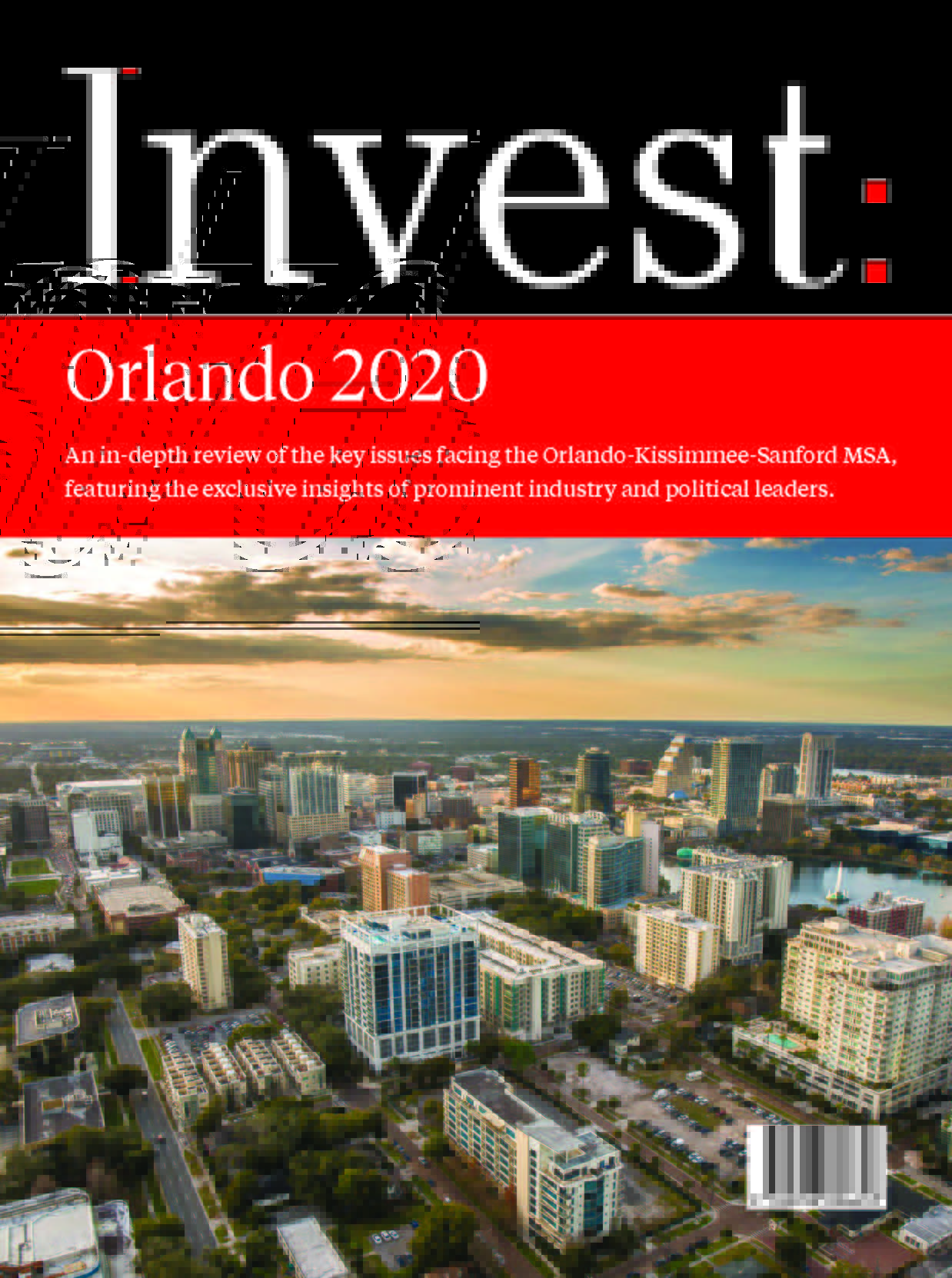
ORLANDO, FLA – Capital Analytics’ in-depth research into the Orlando market has never been more important. As the region navigates through the largest economic shock it has experienced in decades, Invest: Orlando 2020, the latest in Capital Analytics’ annual series of business reports, offers comprehensive business intelligence during this time of economic uncertainty. With 120 pages of thoroughly researched analysis, the inaugural edition of Invest: Orlando 2020 highlights the opportunities in the Orlando Metro Area economy through C-level insider insights and key business intelligence. Orlando is known for its aerospace, technology, life sciences and healthcare, real estate, and its reputation as a major tourism hub. The City Beautiful is poised to continue its growth and economic diversification even through current coronavirus-related challenges. In the middle of every difficulty lies opportunity. The challenges and impact of the pandemic are just some of the focal points in this edition of Invest: Orlando. The 2020 edition highlights Orange County and beyond, including parts of Osceola County, such as Kissimmee and St. Cloud.“Many of the interviews in Invest: Orlando 2020 were conducted prior to the pandemic’s outbreak, but we have endeavored to reflect recent events throughout our editorial. Those interviewees who were able to comment on the potential long-term impact agree that the U.S. economy remains resilient, and most are optimistic that any downturn will be relatively short-lived. The economy’s underlying strength, many business leaders believe, will give greater growth over the long term,” said Abby Melone, president of Capital Analytics.

Now more than ever, information is not only necessary, it is vital. Invest: Orlando 2020 dives deep into the top economic sectors in the Orlando Metro Area. The business report features exclusive insights from industry leaders, sector insiders, elected officials and heads of important institutions, brought together for a comprehensive release. It analyzes the leading challenges facing the market and uncovers emerging opportunities for investors, entrepreneurs and innovators.

Over seven months, the Capital Analytics team conducted extensive research and interviewed over 200 high-profile industry leaders, including Buddy Dyer, mayor for the City of Orlando; Besty Eckbert, president and CEO of Winter Park Chamber of Commerce; and Craig Ustler, president of Ustler Development. Through their research, the Capital Analytics team identified significant business insights that will serve as important knowledge benchmarks for investors, entrepreneurs and innovators. The publication’s comprehensive report on Orlando’s business climate remains steadfast in its purpose to deliver in-depth insights. 

“Over the course of our extensive research period, we were given the ability to truly peel back the curtain and discover what has gone into making Orlando the hotbed for investment, tourism and development that it has become. What we found was that this economy has not only flourished thanks to cross-sector collaboration but also because of thoughtfully calculated community efforts to raise Orlando’s status as a preeminent destination for both economic and social prosperity,” said Max Crampton-Thomas, regional editor of Capital Analytics.   

About Capital Analytics & Invest: Orlando

Capital Analytics is an integrated media platform that produces in-depth business intelligence through its annual print and digital economic reviews, high-impact conferences and events and top-level interviews via its video platform, Invest: Insights.

Invest: Orlando is an in-depth economic review of the key issues facing Orlando’s economy, featuring the exclusive insights of prominent industry leaders. Invest: Orlando is produced with two goals in mind: 1) to provide comprehensive investment knowledge on the Orlando region to local, national and international investors, and 2) to promote Orlando as a place to invest and do business.

The book conducts a deep dive into the top economic sectors in the county, including real estate, construction, utilities and infrastructure, transportation and aviation, banking and finance, legal, healthcare, education, and arts, culture and tourism. The publication is compiled from insights collected from more than 200 economic leaders, sector insiders, political leaders and heads of important institutions. It analyzes the leading challenges facing the market, and uncovers emerging opportunities for investors, entrepreneurs and innovators.


For more information contact 

Max Crampton-Thomas 

Regional Editor

mcthomas@capitalaa.com

TEL: 305-523-9708 ext 233

Face Off: Business schools tackle the challenges in a changed education landscape

Face Off: Business schools tackle the challenges in a changed education landscape

By: Max Crampton Thomas

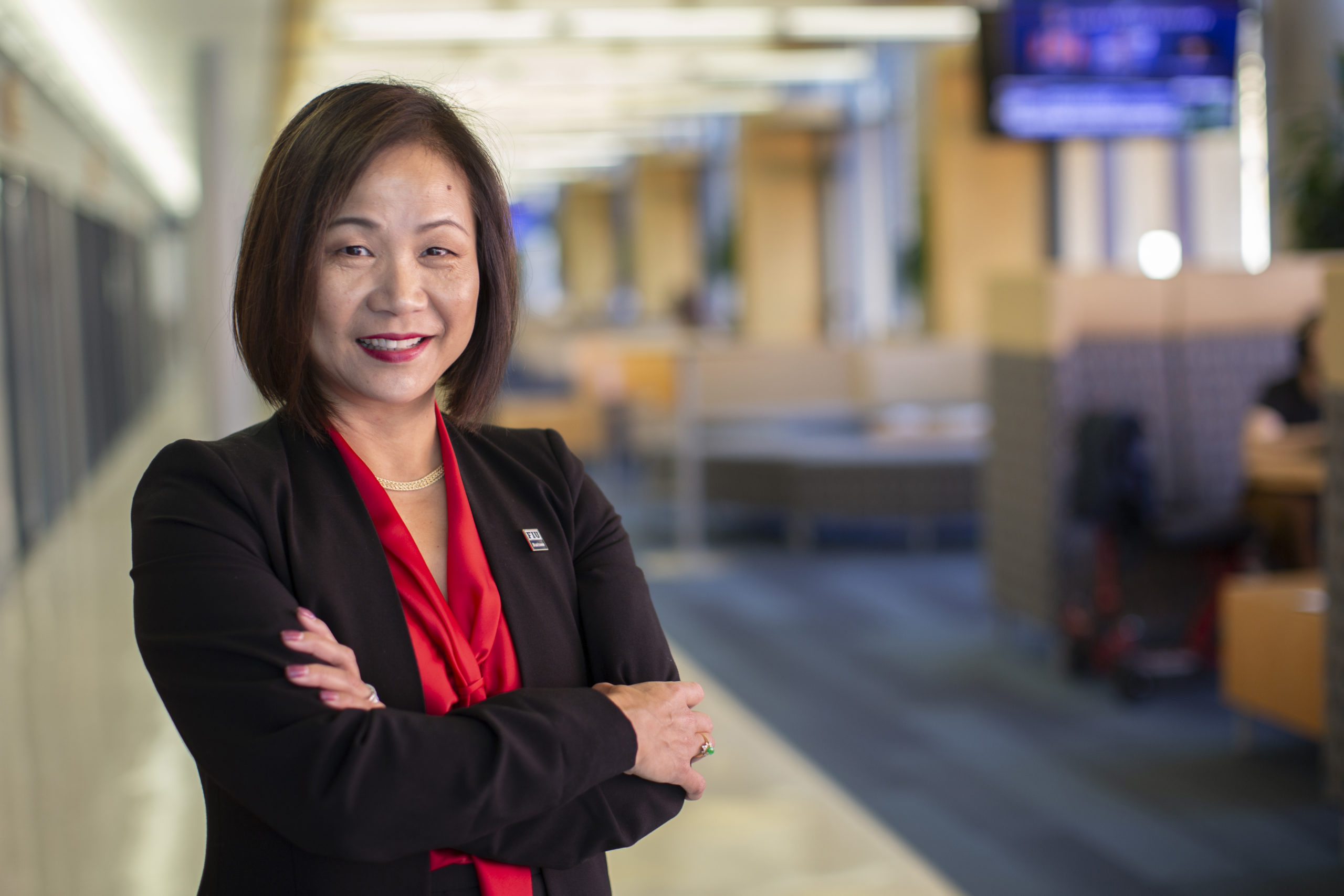
4 min read July 2020 Higher education in Miami is using the COVID-19 crisis to come out stronger on the other end. John Quelch, dean of the University of Miami Patti and Allan Herbert Business School, discusses what that means and also talks about the post-pandemic landscape for higher education in an interview with Invest:. Florida International University (FIU) College of Business dean Joanne Li also spoke with Invest:, touching on the growing importance of online education, and what makes its new DBA program a game-changer.

How has your school continued to sustain growth in enrollment and influence?

John Quelch: The increasing strength of the University of Miami brand is one factor. We are witnessing a sizable surge in 2020 undergraduate enrollments at the university level and at the school. A second factor is the vote of confidence provided by the $100-million naming gift we received from Patti and Allan Herbert last year. Third is the global recognition and attractiveness of Miami as a place to study plus our beautiful, spacious and self-contained Coral Gables campus. Fourth, from a health and safety perspective, many parents see our campus as preferable to the congested, urban campuses of many universities in the Northeast.

 Most important though is the quality and dedication of our research and teaching faculty, and the fact that we offer more degree programs that are in the sweet spot of what people are looking for. Our sustainable business MS degree is seeing a 25% enrollment increase for 2020. No matter the industry, everyone agrees that technology and analytics are increasingly important for success. Our MS in business analytics degree, recently ranked No. 8 in the world alongside Duke, is able to place almost all its students in capstone projects, internships or full-time employment, even in this challenging environment. In addition to our redesigned full-time MBA, another important degree program is our MS in finance, which supplies a flow of talent to the wealth management, private equity and venture capital firms coming into the Miami area.

How have you approached online education?

Joanne Li:  Eight or nine months prior to COVID-19, FIU Business expanded its offering strategically and methodically. By spring 2021, FIU Business will offer 10 online programs that have a substantial market space. FIU was one of the first adopters of online education, which began more than two decades ago. Now, we see growing demand for this kind of degree, especially as FIU has been diversifying its student population more and more. As a state university, we are expected to offer degrees aligned with market needs.

On an undergraduate level, we are the leader among all colleges within FIU in providing online education; of all the courses we offer, 40% are considered online education. The goal is to allow a more agile learning model for the student and to meet the student’s needs. Most of our student body is a 21st century workforce, who work or take internships while studying. 

We launched our Doctor of Business Administration (DBA) in 2018. We are one of only three state universities in Florida offering this degree. This program targets candidates who already made it to a C-Suite level and yearn for higher levels of business education. Since we accepted our first cohort, the program has been extremely successful, and it is a new trend for business education. Many universities across the globe have been talking about this need but are unsure about implementation. Before COVID-19, FIU Business had already become even more attuned to the business environment and needs of the candidate.

This model is often perceived as a direct competitor for many often expensive and time-consuming full-time MBA programs, especially for candidates who already have been integrated into the working world. The DBA also feeds into this new trend of a stackable, specialized master’s degree. It is a hybrid model that allows students to continue with their careers while studying. Our responses have been timely and position the college to pivot and prepare for the next wave of demand in the market.

What impact will the pandemic have on the education sector or on your institution in the near term? 

Quelch: Overall, I expect many colleges and smaller universities to be financially challenged and forced to merge or go out of business. The University of Miami is scheduled to open on Aug. 17, 2020. We are fortunate and reassured to have a global public health expert as president of the University of Miami. To navigate the current challenges, any university needs to see a high level of community commitment from students, faculty and staff. All of us are going to have to wear masks, follow physical distancing guidelines, be disciplined and set a good example.  We are confident that the strength of the University of Miami community is such that people will endure personal inconvenience for the common good.

Li: By Aug. 24, FIU is scheduled to start repopulating the campus with the four adapted teaching modalities: face to face, online, hybrid and synchronized remote learning, which was introduced in March. FIU Business set out four guiding principles in May. The first is that we will transition our constituency back to normalcy to the best of our ability. The second is that we will honor the teaching modality as we marketed and advertised it, as far as we can. Students can choose to rotate from face-to-face to remote or they can be designated as a remote student through a hybrid model or they can select a fully online format. The third principle is maintaining the use of the classroom and we will take responsibility for making sure that students always have the right tools. The last principle is that we will always consider alternative testing as a result of this pandemic. Certainly, we are still in a very fluid situation but having a plan allows us to prepare for scenarios.

It is important that we retain students and they stay in school. This is a very difficult time for students as many of them or members of their families lost their jobs. To survive this lockdown, everybody has to chip in, and we allocated some of our CARES Act funds to provide financial support.

How do you balance face-to-face education with technology and virtual learning and what does this mean for higher education?

Quelch: The need to switch to virtual teaching to deliver our spring semester courses was not as disruptive as I expected. We all pulled together and did pretty well, though we must improve our online teaching skills further as student expectations will be higher when we reconvene in the fall. We completed our tenure-track hiring early in the year so we will have five new tenure-track professors joining us in the fall.

The area where we are having to do the most reinvention is non-degree executive education. We had approximately $1 million worth in contracts that had to be postponed. We are exploring how to move from a 100% face-to-face delivery proposition to a value-added proposition that includes a more blended solution, often with modular engagement. We are breaking programs into bite-sized learning modules that can be delivered virtually over a week, a month or a couple of months.

Regarding our graduate and undergraduate programs, the challenge as we move into the next semester is to figure out how to best leverage our physical space on campus to maximize the percentage of course delivery that can be face-to-face. We hope to deliver a hybrid solution, balancing face-to-face and online modalities, dividing classes into subgroups to insure physical distancing. We have not seen reductions in applications; in fact, at the graduate level, we have seen a strong uptick, particularly in applications to our online and full-time MBA programs.

Li: We conducted a student survey during the COVID-19 changes, asking about home and education arrangements. Many said they would like to come back and interact with their professors and fellow classmates. This means we have to be better in being learner centric. We need to ensure student learning takes place and student success is achievable regardless of the delivery method. We can do this by making the environment a lot more conducive for the learner. We need to make discussions meaningful on an online platform. At FIU Business, we intend to accommodate students who prefer to show up in person as well as those who want to remain remote. We will vastly implement technology, both hardware and software, to encourage the interactions. The technology is not new, but the teaching pedagogy and implementation are. Now, there is no excuse. We cannot unlearn the lockdown, so we may as well make ourselves very good at adapting. This is a defining moment for higher education.

To learn more about our interviewees, visit:
https://business.fiu.edu/


https://www.bus.miami.edu/


How the hospitality industry is staying afloat during the flash recession

How the hospitality industry is staying afloat during the flash recession

By: Beatrice Silva 

2 min read FORT LAUDERDALE — The hospitality sector is a vital factor in South Florida’s economy. Around 1.3 million Floridians have jobs related to the tourism industry, which contributes $85.9 billion of the state’s GDP, according to A Banner Year for Florida Tourism Performance. On April 1, Gov. Ron DeSantis issued a statewide stay at home order that forced nonessential businesses like restaurants, hotels and shopping centers to close their doors. Within days of the shut down, an estimated 1.2 million people lost their jobs and more than 1.5 million unemployment claims were filed, according to the Florida Department of Economic Opportunity.

 Although Broward County is a few weeks into phase one of reopening, uncertainty still looms. However, it has become apparent that the hospitality industry is doing everything in its power to stay afloat during the flash recession. The hospitality industry has endured a difficult four months and although it is making strides, no one knows how long it’s going to take for it to make a full recovery. 

Many industry leaders speculate that normal life won’t resume until a vaccine for the virus is discovered and easily accessible to the masses. The pharmaceutical industry indicates that a cure for COVID-19 could take years. In the meantime, businesses are having to come up with innovative ways to stay profitable. Unlike other sectors of the economy like technology and banking, the hospitality industry relies heavily on face-to-face interaction and physical guest services. “The hospitality industry will have to learn to function in a way not seen before. As the relationship between each brand and consumer starts by building trust, regaining customer confidence will be the first step in overcoming the crisis. Strict sanitary and hygiene measures will need to be applied, with new practices put in place to monitor and control the environment in which the business takes place,” Hassan Djeebet, food and beverage manager for Les Roches Marbella told hospitalitynet. 

Being transparent with guests will become even more important during the transition into a post-pandemic world. Managers will have to make their workers feel just as safe as their customers to ensure an overall positive guest experience. Although Broward County is just a few weeks into its phase one reopening plan, restaurant owners have noticed more and more people venturing out to indulge in their favorite food and drinks. “Eating outside is less risky than eating inside, if everybody is six feet apart and the wait staff are all wearing masks. That keeps the risk as low as it can be,” Dr. William Schaffner, a professor of preventive medicine and infectious diseases at Vanderbilt University School of Medicine in Nashville, told CNN Travel. 

Some argue one brightside to the pandemic is the emergence of new innovations in the hospitality industry. Many restaurants have adopted new technologies to ensure the customer experience is as hands free as possible. For example, instead of having a physical menu, restaurants are offering digital menus that can be accessed by scanning a QR code. Other innovations include artificial intelligence systems like FAQ bots to answer customer questions, virtual tours, and smart amenities like voice-controlled rooms and facial recognition. It’s safe to say that the pandemic has pushed businesses out of their comfort zones. However, as a result, easier and more efficient ways of doing things have surfaced. Some industry leaders even go so far as to say that the pandemic has propelled them at least five years into the future. 


How the aviation industry is weathering COVID-19 turbulence

How the aviation industry is weathering COVID-19 turbulence

By: Beatrice Silva

2 min read July 2020 — Summer this year is drastically different. Instead of hopping on planes to visit friends and family or finally embarking on that European adventure, the majority of frequent travelers are staying put, at least for the time being. It started to become apparent around the second week of March that the novel coronavirus would have a severe impact on the air transport industry. Even some of the busiest airports like Philadelphia International are feeling the weight of uncertainty. Nevertheless, the aviation industry continues to push forward. New air travel innovations have emerged and some airlines have even rediscovered ways to use their aircraft as they weather the turbulence. 

Greater Philadelphia is the eighth-largest metropolitan area in the United States and is located in the middle of one of the largest catchment areas with passport holders spanning from South Jersey all the way to New York, according to PHL CASRIP.  Philadelphia International Airport is the only international airport that not only serves Philly but the northeast region as a whole. Just last year, the PHL welcomed more than 33 million passengers. It was the largest amount of traffic the airport has ever seen and what makes that figure even more impressive is that fact that there are 29 other airports within a 50 mile radius. So while it may take years for the airport to return to those 2019 levels, there is still hope for air transportation. On July 16, American Airlines and JetBlue announced their strategic partnership that will create seamless connectivity for travelers in the Northeast. This will help to provide more choices for passengers across their complementary domestic and international networks.

Our innovative partnership will allow us to compete in the New York market where American and JetBlue have traditionally been third and fourth. This partnership will allow us to coordinate schedules so we can provide customers better connectivity, capitalizing on JetBlue’s strengths in the New York market and American’s strengths as a long-haul carrier. Ideally, we envision a time where our passengers can travel into New York on JetBlue and connect with American Airlines for a long-haul flight out of JFK. So it opens up a tremendous amount of new markets to both JetBlue and American customers, complementing our trans-Atlantic gateway in Philadelphia,” Jim Moses, vice president for American Airlines PHL Hub Operations, told Invest: Philadelphia. 

Forming strategic partnerships with the competition is just one way airlines are navigating the pandemic. A majority of aviation companies are also adjusting their travel schedules, waiving ticket alteration fees and offering flights at a much lower fare. When it comes to cleanliness airlines are making sure to broadcast their meticulous efforts. Major U.S. airlines like Delta, American, JetBlue and United are in close contact with health agencies such as the World Health Organization and the Centers for Disease Control to make sure their guidelines for cleaning their aircraft cabins are up to par. 

As for Philadelphia International Airport, customers and employees are required to wear marks. Their TSA screening process has been modified to protect passengers and new touchless check-in technology has started to emerge. PHL also launched an initiative that offers airlines financial stimulus to encourage carriers to fly to certain destinations and to expand their cargo services. “PHL believes that this rapid injection of relief and growth will jumpstart the entire airport ecosystem, thus benefiting the Philadelphia region,” Stephanie Wear, director of air service development and cargo services, told Airport Experience News. “From concessions to ground transportation to tourism and commerce, the halo effect of increased air travel will create immediate wins for all airport stakeholders.” 

Making the right financial choices in economic uncertainty

Making the right financial choices in economic uncertainty

By: Max Crampton Thomas

2 min read July 2020 To say the least, the COVID-19 pandemic has been nothing short of an unexpected wildfire to peoples’ health and financial stability. While the onus can’t be placed on the general public for not being prepared for something they didn’t expect, the past four months have proven that personal prosperity in the future will rely on preparing for the worst and expecting the unexpected. Coming on the heels of President Trump’s most recent address on the COVID-19 pandemic where he appeared to change tack and was quoted as saying, “It will get worse before it gets better,” it has never been more vital for individuals to make sound financial decisions as they are now faced with an economically uncertain future. Invest: explores some of the best practices for safe-guarding personal finances in the current economic climate.


Establish a relationship with your banking institution

There was a time when having an established relationship with your bank and a banker was a common practice, whether it was personal or business-related. Fast forward to 2020 and what was once commonplace has become more of a rarity, especially as it pertains to people’s personal finances. This in large part due to the ease of fintech and mobile banking technologies that have eliminated the need to visit a brick and mortar banking branch. Now with certain aspects of the CARES Act reaching their deadlines with no extension currently in place, like the Federal Pandemic Unemployment Compensation payments that are scheduled to run out this week, it would be advisable to visit your banking institution and continue to foster that relationship. If you don’t have a bank for your personal finances, now is as good a time as any to explore the variety of banking options available in the Tampa Bay region and find one that will best suit your personal financial needs. 

Create a budget and stick to it 

According to Forbes, “about half of Americans reported they had three months of expenses in savings for emergencies” while almost “40% said they would struggle to cover a $400 expense in cash.” In times of economic growth and prosperity, it is always advisable to establish a budget that allows you to tuck away some money in the case of unforeseen circumstances. The COVID-19 pandemic is the most significant unexpected circumstance in recent years. For those who did not already have an established budget prior to the pandemic, the last four months may have been quite difficult to push through. With no end date on the horizon for this crisis, it is now crucial to establish a livable budget with an emphasis on intentional spending and a more frugal lifestyle. 

Find ways to cut back unneeded expenses

Before COVID-19, Tampa Bay was in line for another record-breaking year in terms of economic growth, which set a positive tone that permeated throughout the local community and people’s spending habits. Now faced with a year of economic pullback, it is time to reassess how you are spending your money and find the areas where you can cut back. An article by Forbes discusses understanding your “spending triggers” and addressing them head on. This can be in the form of recognizing that you don’t need to spend money on the daily coffee from your local coffee shop and instead brew your own at home, or stopping a habit of needless spending on e-commerce hubs stemming from boredom. One of the easiest expenses to cut back on is dining out and takeout. The U.S. Bureau of Labor reported that in 2018, consumers spent an annual average of $3,459 on these options. With a large majority of businesses still offering work from home to their employees, it is the perfect time to sharpen those culinary skills. 

Continue to reinvest in yourself

The U.S. Bureau of Labor Statistics reported an unemployment rate of 10.4% for the state of Florida in June 2020. This number can be directly attributed to the fallout from the economic challenges that the pandemic has presented to all business sectors. While there is no way to 100% recession-proof yourself as it pertains to job security, and ultimately financial security, you can continue to make yourself as valuable an asset as possible by strengthening your skill sets and acquiring new ones. This may be in the form of continuing education, picking up a new skill set in your free time or even just pushing yourself the extra mile at your job. There is no way to be immune from layoffs and furloughs, but reinvesting in yourself and your work can make that decision a lot harder for a company if it ever comes time. 

These practices toward making sound financial decisions don’t just apply to individuals, as most companies have also applied these ideas to their operations in order to acclimate to the current economic conditions. For example, a variety of businesses in the region have leveraged their relationships with their banking institutions to help them with PPP loan applications and acquiring any additional funding that is available to them. Businesses have reorganized their budgets and found ways to cut back unneeded expenses, which unfortunately has sometimes come in the form of laying off portions of their workforce. Finally, almost every business has had to reinvest in their operations and in some ways reinvent themselves to continue on through these unprecedented times. 

To learn more about making the right financial choices in this economic uncertainty as it pertains to your business or personal well-being, register now for the Invest: Tampa Bay 2020 Virtual Launch Conference! The conference, which takes place on Aug. 20 at 11:30 a.m., will feature three robust panels including a banking and finance panel moderated by Rita Lowman, president of Pilot Bank, with panelists Gregory Kadet, managing director of UBS Wealth Management; Terry Igo, CEO of Tampa Bay Trust Company; Scott Perry, chairman and CEO of AmeriLife Group; and Travis Jennings, CEO of Finance Cape. 

If ever there was a time to seriously look at your finances and improve your financial standing, it’s now. Get started by registering to access these valuable insights.