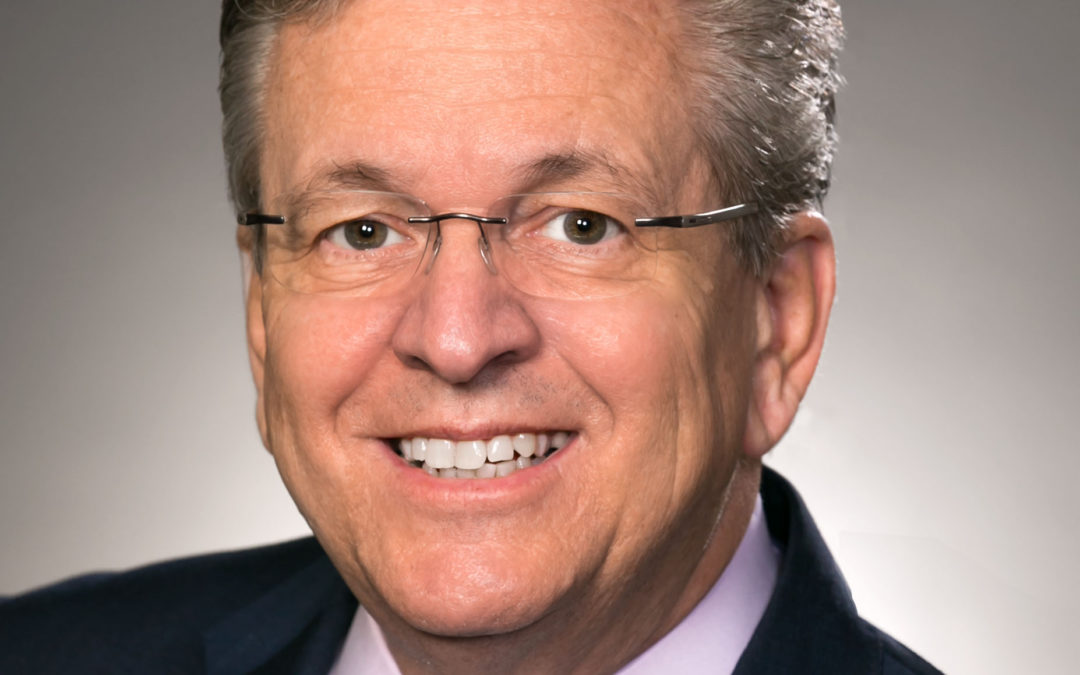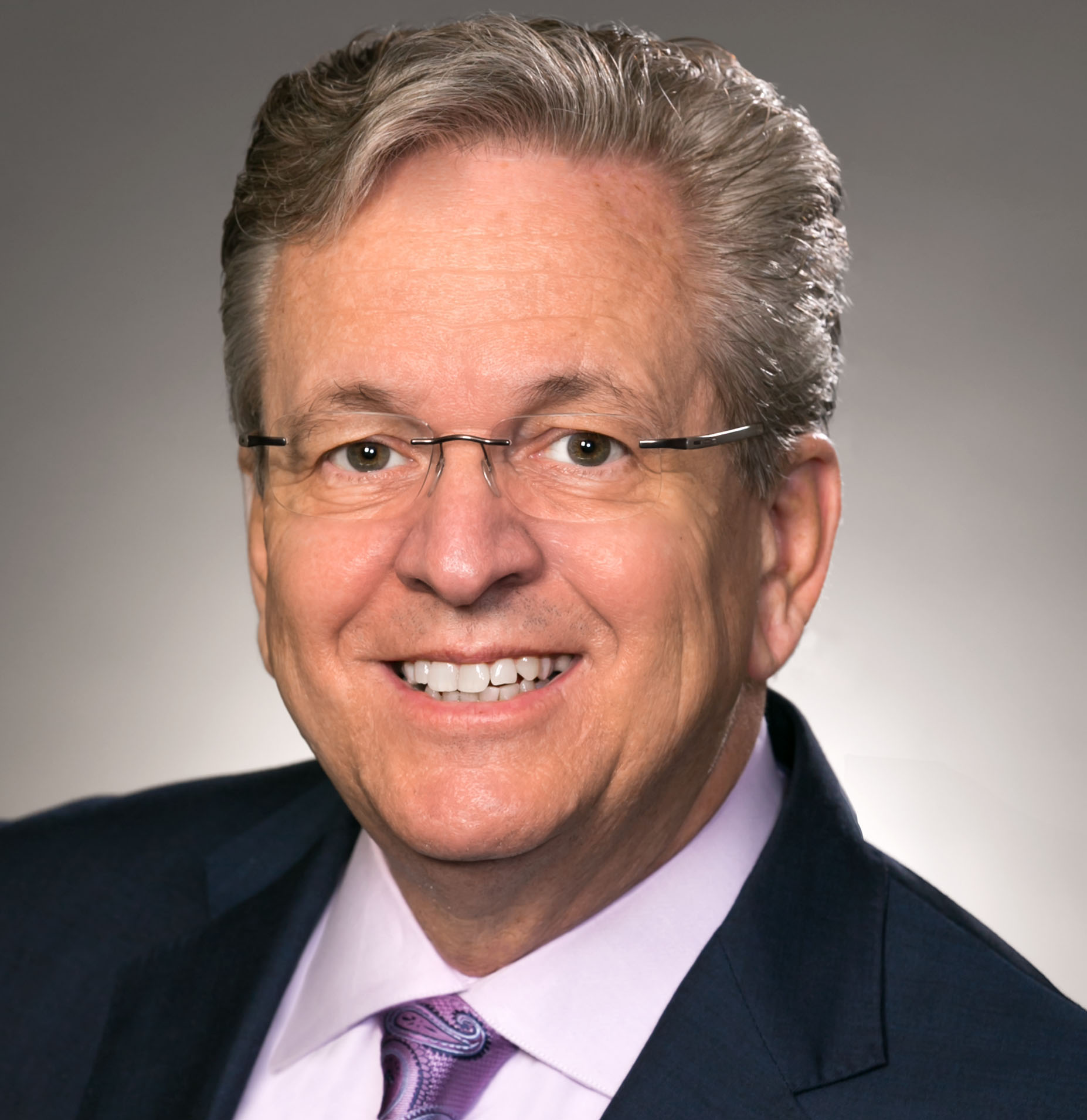
Spotlight On: Thomas Jewsbury, Executive Director, St. Pete-Clearwater International Airport

Spotlight On: Thomas Jewsbury, Executive Director, St. Pete-Clearwater International Airport

By: Max Crampton-Thomas
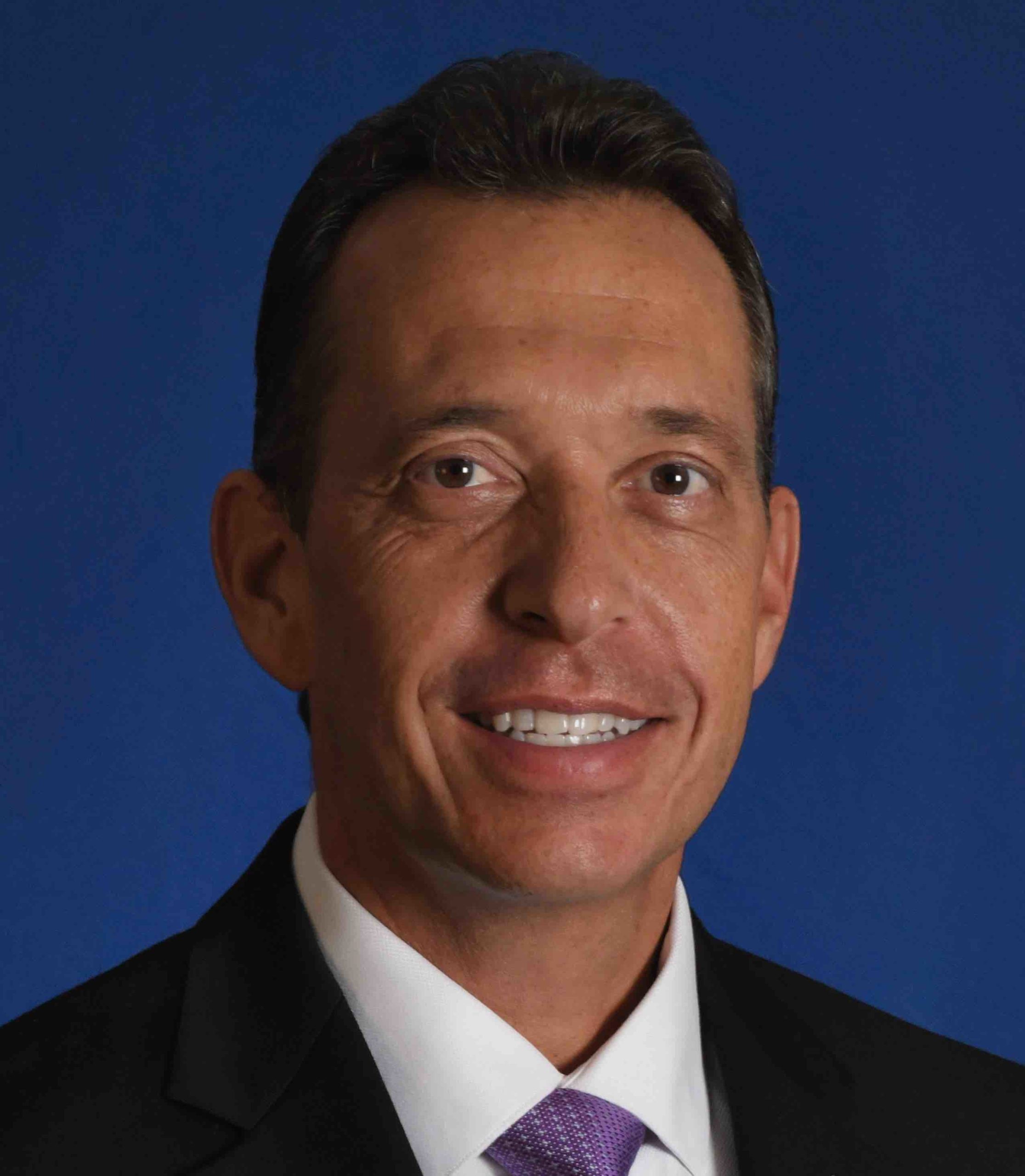
2 min read April 2020 — Prior to the current COVID-19 pandemic that is challenging all sectors of the local economy, the St. Pete-Clearwater International Airport was coming off a record growth year in 2019. Executive Director Thomas Jewbury spoke to Invest: about looking at a slew of new projects to increase its capacity while also looking to attract more traffic via new airlines to the Tampa Bay region.


What construction projects are ongoing at the airport and what impact are they expected to have when completed?


In 2020, we’ll finish our parking renovation project. It will expand long-term parking to accommodate more passengers. We are also focusing attention on the airfield. We have a $20-million project to rehabilitate the pavement surface of our primary runway. We expect to finish that project by the end of the year. We are also doing improvements to the terminal’s apron, replacing some of the asphalt with concrete, and converting an old runway into a taxiway. Those are projects that are underway.

We are also set to complete our airport master plan this year, defining our capital improvement program for the next five, 10 and 20 years. A big focus of that master plan is the future development of the terminal building. The next phase of terminal development will look at ways to increase efficiencies by consolidating the TSA’s passenger screening checkpoints and possibly the ticketing area.

We have a 130-acre undeveloped site that used to be a golf course. We are looking to develop that site for both aeronautical and non-aeronautical use. Before we can break ground, we had to conduct an environmental assessment. We just received approval from the FAA and received a finding of no significant impact. That sets the stage for us to improve our infrastructure. To develop the aeronautical parcels, we need to build new taxiways, which is included in our capital plan.

Among finished projects, we did an upgrade to our security system, and built part of a $4.5 million maintenance facility for our own airport maintenance workers. The facility is located on the airfield, it gives workers direct access and makes our operation more efficient. 

In addition to what the airport is doing, Allegiant Air invested $4 million to build a new maintenance/operations facility. They lease their space from the airport.


What economic impact does the airport have on the region?

Over a year ago, we concluded an economic impact study. At that time, we were doing just over 2 million passengers a year. It showed an economic impact on the community of over $1 billion annually. We’ve had several recent meetings with various airlines to try to attract new service. In addition to that, we are working with Allegiant to expand to additional cities, add more capacity and also try to incorporate international service. That is always an ongoing effort.


How does the airport contribute to sustainability in the Clearwater and Tampa Bay Region?

Our master plan has a focus on sustainability. It was important to us that we also championed another master plan that’s on the way, called the Gateway Master Plan. It looks at this area of Pinellas County and how the future infrastructure will be developed, including how other transportation modes will interact with the airport. It also identifies potential areas of the airport that could be converted for other transportation modes. The Gateway Master Plan is being drafted by Forward Pinellas.


What challenges is the transportation industry facing in Florida?

Surface transportation is one of the biggest hurdles. The Florida Department of Transportation is constructing the Gateway Express that will result in an elevated toll road to connect to Interstate 275. It will run in front of our airport. This will provide greater connectivity. 


To learn more about our interviewee, visit: 

https://www.fly2pie.com/

Spotlight On: Kate Saft, Partner, Greenspoon Marder

Spotlight On: Kate Saft, Partner, Greenspoon Marder

By: Max – Crampton Thomas

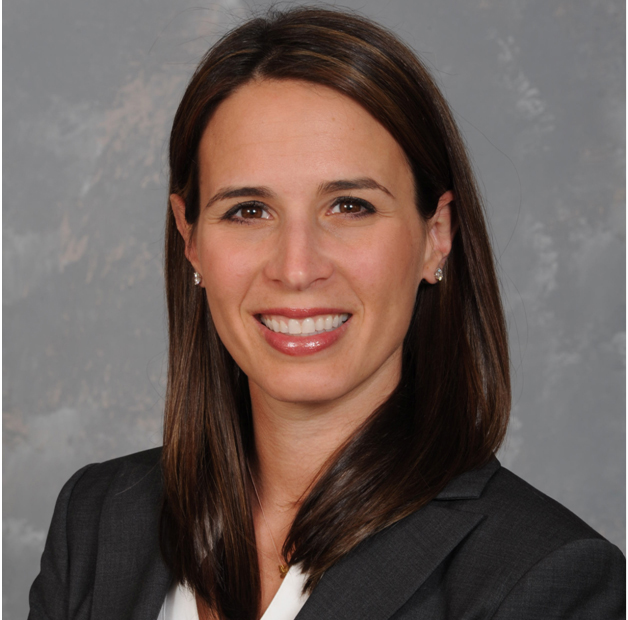
2 min read March 2020 — As the epicenter of the tourism and hospitality industries, Orlando affords many opportunities for businesses within those sectors and also to the service businesses outside those sectors. During her discussion with Invest:, Kate Saft, a partner with Greenspoon Marder, spoke on the opportunities the Orlando area affords her firm, the benefits of technology and how the COVID-19 crisis is affecting business as usual. 

How has the COVID-19 pandemic affected your firm? 

 We have seen consistent delays and pauses in our financing and real estate deals as a result of the COVID-19 pandemic. Some clients are anxious to complete as many pending transactions as possible given the uncertainty of what is ahead.  Others are seeing deals in which they can be competitive in light of the interest rate drop. We do anticipate some logistical issues, particularly in-person closings, which is why online notarizations are helpful.


How does the Orlando region provide opportunity for the firm? 

Orlando is the epicenter for the tourism and hospitality industries, including, specifically, the timeshare industry. Our Orlando office focuses heavily on representing timeshare clients, hotel operators and real estate developers, and that representation has led to many legal opportunities for Greenspoon Marder. 

Within the hospitality industry there are a plethora of legal issues that arise, including real estate transactional matters, marketing matters, lending and securitization transactions, consumer litigation, employment litigation, commercial litigation, and regulatory matters under various state and federal acts, including but not limited to the Fair Debt Collection Practices Act (FDCPA), the Telephone  Consumer Protection Act (TCPA), the Fair Credit Reporting Act (FCRA) and the Fair Labor Standards Act (FLSA). 

Our firm was founded with a focus on the core practice areas of real estate litigation. We have seen demand for those practices increase, not only throughout Central Florida but across the United States. We are pleased to be able to meet the needs and demands of our clients in these areas. We are consistently looking to expand our real estate, timeshare, corporate and litigation practice areas, not only in Orlando but on a national level, as well.


Is there any particular legislation that you are keeping a close eye on in 2020?

We are closely monitoring two Telephone Consumer Protection Act (TCPA) petitions pending in the Supreme Court that challenge the constitutionality of the TCPA. In particular, there is a petition pending that questions whether a single call necessarily results in injury that is concrete for the purposes of Article 3 standing and a petition that questions whether the restrictions on using an automated telephone dialing system or an artificial, pre-recorded voice violate the First Amendment. We are very interested in the results of these petitions and how they will affect our hospitality clients.


How does new technology benefit your practice and the legal sector overall? 

Technology makes it easier for us to connect with clients and reach potential new ones. All of our employees, from partners down to staff members, have access to virtual connections to safely access our clients’ information anytime and anywhere. We hold regular meetings through video conferences, sharing our expertise, so other attorneys are aware of the practice areas within our firm. In that way, we are able to utilize the specialties of all our attorneys to assist clients who present a diversified set of legal needs.

To learn more about our interviewee, visit: 
https://www.gmlaw.com/

Spotlight On: Larry Thompson, President, Ringling College of Art and Design

Spotlight On: Larry Thompson, President, Ringling College of Art and Design

By: Max Crampton-Thomas

2 min read March 2020 — While all higher education institutions operate with the purpose of preparing students for future lifelong careers, Ringling College of Art and Design is also working to shatter the myth of the starving artist, school President Larry Thompson told Invest:. He also spoke about the increased student interest in offerings from the school, positioning the college for future long-term success and identifying the issues that need to be addressed in higher education. 


What was one of the major successes for the college in 2019?

In December 2019, we opened the Sarasota Art Museum, which is a part of Ringling College. It is built on the site of a historic high school from 1926 located right in the middle of Sarasota. We took it over because the school system was trying to find a use for it and we were looking for space for a museum. We were able to turn it into a contemporary art museum and a space for continuing studies and lifelong learning. This project has been a long time in the making, so we are quite pleased to have this as part of our campus.

Where are you seeing the most growth in terms of student interest? 

We have seen growth in our virtual reality major and have launched a new major in entertainment design. We are also seeing a huge increase in the number of students who are interested in the Collaboratory. The idea of the Collaboratory is to help our students get real-world experience working with real-world clients. We invite clients to the institution and put together teams of students who work to help solve some of the problems that clients might be having. It is a wonderful tool for the clients, and it’s great for the students because they are getting to work with real people. The projects they are working on also have true meaning. I like to tell people that one of the great advantages for our students is that it helps with the recent college graduate dilemma: They can’t get a job if they don’t have experience, but they can’t get experience if they don’t have a job. The Collaboratory gives them that experience.

How is the college working to change the perception of art as a career? 

As an art and design college, we are fully committed to shattering the myth of the starving artist. Too many people have this feeling that art and design are more of a hobby than a career and that there are no real careers out there. This has never been true and it is certainly not true in today’s society. We focus on making certain that our students, when they graduate, have great careers. Over 100 national and international companies recruit here. These are corporations like Apple, Google, Pixar and Disney. The world has changed so much, having become a much more visual world. This has created more opportunities than ever before for artists and designers.

How are you positioning the college for future long-term success? 

We have to look at what the future holds, especially in this age of artificial intelligence (AI). AI is just in the early stages but many different jobs are going to be eliminated once it takes off. We also need to be looking at where the economy is headed. Everyone needs to be positioned for the next stage, which we are calling the Creative Age. In history, we have had the Agricultural Age, the Industrial Age and the Technology Age. The Creative Age is next because creativity is going to become one of the most essential skill sets people are going to need for success in the future. I believe this is already starting to be recognized on a global scale.

What do you view as the most significant challenges facing higher education? 

There are numerous challenges facing higher education, especially private nonprofit institutions. The whole basis for the business model needs to be rethought and recreated in some manner because being so tuition-dependent is not sustainable over the long term. Tuition is at such a high level that it is almost out of reach for many people, which leads to a huge issue with students having the ability to attend a school like ours. We are doing many things to mitigate this, such as offering financial aid and scholarships, which are among our greatest fundraising needs. Every college is trying to solve the problem of the business model.


To learn more about our interviewee, visit: 

https://www.ringling.edu/

Home sweet office: How to make your home office work

Home sweet office: How to make your home office work

By: Max Crampton- Thomas

4 min read March 2020 The COVID-19 health pandemic has upended daily life in unprecedented ways amid calls from the government for people to social distance and stay home as much as possible. Many businesses have had to close their doors and ask their employees to work from home. While some individuals may be accustomed to working from a home office setting, for a large majority of the working world this is uncharted waters that could benefit from some guidance. Invest: offers some need-to-know tips for working from home during this time of crisis. 


Constant Communication 

Working in an office setting, you often take for granted the ease of communication between you and your colleagues. Situations that could have been resolved by simply walking to someone’s desk now require more effort via other methods of communication. The key is to establish a consistent flow of communication that starts with a daily understanding of what your employees’ schedules will look like on any given day. This can be easily accomplished by having them send out their daily schedules and workload in a quick email at the start of every business day. Communication can then be maintained based around this schedule and productivity can be more easily managed as well. For more direct communication in regard to smaller issues that may not require a phone call, office communication applications like Slack can help facilitate these quick discussions. 

Maintain a Daily Routine 

For almost any working person, maintaining a daily routine becomes second nature. When unforeseen circumstances like COVID-19 interrupt this daily routine, it can throw a person off course quite rapidly, which can result in less productivity and a decrease in focus. The key is to adapt and maintain your daily routine to the changing environment as much as possible. Something as simple as getting dressed in business clothing can seem unnecessary when working from home, especially when staying in pajamas all day may sound a lot more appealing, but maintaining this daily activity can be key in starting your work day off on the right foot and retaining as much normalcy as possible. Make the effort to try and stick to your normal work schedule throughout the day, including taking breaks as you would in the office, eating lunch around the same time you normally would and trying to stick to your typical working hours as best as possible. 

Maintaining Posture (Physical & Mental) 

There are many arguments in favor of the benefits of working from home but maintaining your posture, both physical and mental, is probably not high on that list. From a physical standpoint, in an office setting you are usually sitting in a proper desk chair with a relatively straight back or even standing straight up thanks to standing desks. The same cannot normally be said for a home office setting. In an interview with CBS, New York chiropractor Dr. Joseph D. Salamone said, “Everybody’s going to be in sitting postures, having text neck.These people really need to make precautions and live a healthier lifestyle while we’re in this quarantine state.” He recommended that those who find themselves working from home should practice regular stretching to help maintain posture. For those who have the means and access to the proper resources it would also be advisable to create a proper workstation, not unlike the one you are accustomed to in your own office, as opposed to trying to work from a slouched posture on a bed or couch.
Maintaining posture also relates to mental health as much as physical well-being. Going from working in a sociable setting like an office with other people to unexpectedly working by yourself at home can be quite jarring for the mind. It is vitally important to maintain the social connections that you have grown accustomed to in a normal workday, like lunch with coworkers. This social time does not have to be lost as technology has made it so you can use your lunchtime from home to speak with or even video call with coworkers and friends. There is also the underlying issue of potential for increased anxiety during this time of isolation, especially with the influx of nonstop news about COVID-19. It’s crucial that individuals limit the daily amount of time they spend consuming this news, and instead focus their attention on other matters like work, family and the home. 

Creating A Proper Workspace

A proper home workspace may help in maintaining posture but it is also important in helping to facilitate as normal a daily routine as possible. In theory, this workspace is where an individual will spend the majority of their eight-hour working day, so it is crucial that this space is not only comfortable but also practical for achieving daily tasks. Find somewhere in the house that you can maintain your workstation without much interruption, and if possible, somewhere that has access to natural light. Working from home can also be tricky as the lines become blurred between workspace and home space, resulting in it becoming harder to “switch off” after a full working day. It is important to try and establish this workspace in a section of the home that allows you to “step into” work at the beginning of the day and “step out” of work at the end. 

To learn more, visit:

https://www.cbsnews.com/news/coronavirus-health-tips-working-from-home-stretching-stress-anxiety/


https://www.themuse.com/advice/coronavirus-work-from-home-tips

For up-to-date advice on the Coronavirus response, you can check the CDC website here.  For Florida-specific information, click here 


Spotlight On: Joe Devine, Executive Vice President and Chief Experience Officer, Jefferson Health

Spotlight On: Joe Devine, Executive Vice President and Chief Experience Officer, Jefferson Health

By: Max Crampton- Thomas

2 min read March 2020 — The healthcare industry is poised to revolutionize how it cares for its patients through cutting-edge technology, at a time when a transition toward outpatient services is further consolidating. Executive Vice President and Chief Experience Officer at Jefferson Health Joe Devine discusses with Invest: the priorities for the group amid these new trends. 


How does Jefferson Health stand out from other healthcare players in the region?

We have a seamless care system in the region. Our location in South Jersey is less than 17 miles from the main Thomas Jefferson University Hospital in Philadelphia. We also provide services in South Jersey that have historically only been provided by Jefferson in Philadelphia, such as Magee Rehabilitation, which recently opened a service at our Cherry Hill hospital. Our technological innovations and telehealth are also sizable differentiators. Jefferson is a truly focused clinical academic medical center that combines teaching and medical care. In New Jersey, we are a teaching hospital for the Rowan University School of Osteopathic Medicine, as well as a training location for the Jefferson University Physician Assistant program. 


In what ways has technology disrupted the healthcare industry?

Technology is so advanced and outstanding that it works extremely well. For example, we have a neural flow program for patients with mental health issues that helps us with their evaluation. We also have implemented home-monitoring care technology that improves access, and we have succeeded in advancing our linear accelerator when it comes to treating cancer patients, an area that is more precision-driven. The cost of such technology is higher, but we do not transfer that cost to our patients. We are working on ways to inject further efficiencies in the process to continue providing benefits to our patients, including our telehealth program (JeffConnect), 3D mammography, 3D ultrasound, and other advancements like ABUS (Advanced Breast Ultrasound System). These have gone through substantial technological improvements, which are critical in the delivery of care. Technology will continue to be at the forefront of what we do, combined with the important humanistic aspect of providing care. We are also bolstering our smartphone app platforms to improve communication and follow-up processes with our patients. JeffConnect enables patients to receive personalized healthcare through their smartphone or computer. 


How is Jefferson Health tackling the local community’s health issues?

Every three years, we are required to undertake a community health needs assessment. What is great about this initiative is that all hospitals in Camden County work with the Departments of Health to shed light on the key health categories in which we should invest. In 2017, for example, it was primarily diabetes. We created a medical school and a district program with a comprehensive diabetes management program for Medicaid recipients, powered by telehealth services and coupled with a robust home care component. It helped improve patients’ health while minimizing their hospital visits. We are looking to continue providing innovative services, while at the same time contributing to building an effective population health model, as healthcare transitions more into outpatient services. As shown from the most recent community health needs assessment, the priority continues to be tackling metabolic diseases. We have a robust diabetes education program, as well as a very successful bariatric surgery program to assist with those needs.


How does Jefferson Health contribute to local efforts to reduce the disparities in care access?

For years, we have had family health centers, which in yesterday’s terminology were called clinics. We have two robust centers, one in Washington Township, Gloucester County, that offer comprehensive internal medicine, pediatrics and OB/GYN services. The other center is located near our Stratford hospital to service the Camden County community. We see a minimum of 20,000 patients a year in those facilities. The purpose of those centers is to serve the underserved.

We also have a partnership in South Jersey with the Food Bank of South Jersey. Any one of our 5,200 employees in New Jersey can participate in some way with the Food Bank. We encourage donations four times a year. It is tied to the health of people we serve.


What are the fastest-growing areas of care and service in the South Jersey region?

End-stage renal disease is more prominent throughout this nation for a lot of different reasons. We started a dialysis program in 1992 to attend to this growing issue with a single, six-bed station. We now have 55 stations. In this market alone, there are more than 200 stations nationwide. It is something we need to address. A close second is the opioid crisis. We do see patients come back multiple times. Unless you have the right post-care model, you cannot treat this illness. Unfortunately, it is growing. Third, is cancer care. This area is becoming increasingly robust with procedures like genetic testing and screening. We are working to put models in place so that when a patient is diagnosed with cancer, we look at the entire family. 


What is your outlook for South Jersey’s healthcare sector for 2020?

The sector in New Jersey continues to grow. We have some great hospitals here. Having served as board chair of the New Jersey Hospital Association in 2019, I can attest to these outstanding facilities. By 2025, it is likely we will see the consolidation of close to five healthcare systems across the whole region. We are going to continue to expand and develop a model that provides the ability for patients to have choices and become part of our network. We are working to become the most patient-centric organization in healthcare in the region. 


To learn more about our interviewee, visit: 
https://newjersey.jeffersonhealth.org/


Spotlight On: Richard Battle, Shareholder, Elliott Davis

Spotlight On: Richard Battle, Shareholder, Elliott Davis

By: Felipe Rivas

2 min read March 2020—Technology and the changing economic landscape is forcing accounting firms to look beyond traditional accounting solutions for their clients. Rather than focusing on products and conventional solutions, customized client experiences drive the success for accounting firms and the clients they advise. In Charlotte, Elliott Davis has the same technical experience and capabilities as the larger, national firms, said shareholder Richard Battle. The middle market is the firm’s sweet spot and where it wants to be, Battle said. In an interview with Invest: Charlotte, Battle highlights the impact of tax reform on the firm’s clients, the importance of providing exceptional customer experience, and the local interest in Opportunity Zones.     


How has the accounting landscape evolved in the last few years?

The biggest challenge accounting firms experience is staying relevant and on the cutting edge. The landscape is changing quickly in terms of what our customers want. Everything is happening at an accelerated pace. Being really in tune with our customers is important for us. We want to provide an exceptional customer experience, not just products and solutions, but an overall experience. Implementing transformational change in our culture and our people will allow us to provide our customers with more than just the traditional accounting and tax services.

What is Elliott Davis’ competitive advantage?

Our value proposition for our customers is that they receive a tailored experience, with deep  relationships that look to add value to their businesses. We go beyond traditional accounting solutions. It is more about understanding our customers’ businesses as a whole and providing solutions to get them where they want to be. Our technical capabilities and service offerings match that of the large, national firms. The middle market is our sweet spot and where we want to be. We know how to serve those customers very well.   

How is Elliott Davis adapting to technology innovation?

Technology is improving and disrupting at the same time and it is only going to increase. We are really focused on this and the change management of integrating new technologies. We are changing service offerings to our clients based on these advancements. We are integrating these changes in how we do business everyday. But probably the biggest change outside of that is retraining and resetting the behavioral expectations of our employees. Our big focus is changing behavior to get employees more focused on advisory services. There is more information at our fingertips, which allows us to effectively provide solutions and advise our clients. This has been the biggest disruption as we hire and train different skill sets, but it is also a big opportunity for us, and accounting firms in general, as we think about how we will operate heading into the future.        

What impact has tax reform had on your customers?

Taxes are a big part of any business. The tax reform bill was a huge disruptor in how service providers deliver solutions to customers. It forced us to retool ourselves and how we advise our customers. We work with companies with both domestic and international operations. Because of this, we are seeing customers make different decisions. Opportunity Zones, FDII, GILTI, expanded capital investment depreciation, among others, are examples of new provisions that companies are analyzing and keeping in mind as they make decisions. Certain operational and financial decisions are being made slightly differently because of the new provisions.       


What impact have Opportunity Zones had on the region?

Our firm is working closely with individuals and companies looking to push Opportunity Zones forward. We have experts who are well-versed in the Opportunity Zone provisions. There is a lot of interest and intrigue about them. We are seeing some investments being made in Opportunity Zones that likely would not have been made without the new provisions. We are seeing some increased activity in this arena and would expect this to continue. For example, final regulations came out in December that provided more clarity on the ins and outs of Opportunity Zones and I think we will continue to see piqued interest in them.    

To learn more about our interviewees, visit: https://www.elliottdavis.com/


GFL Businesses Adapt as Coronavirus Threat Looms for US

GFL Businesses Adapt as Coronavirus Threat Looms for US

By: Sara Warden

2 min read March 2020 — Businesses across South Florida have been hit by the impact of the Coronavirus pandemic, as the government issued new advice urging people to stay home if possible. Drastic measures have been taken to prevent the further spread of the virus, but some Fort Lauderdale companies are taking the crisis in stride.


Fort Lauderdale made the decision to close all public beaches, bars, nightclubs and restaurants. All meetings of city boards and committees have been postponed until the end of March at the earliest. Only essential businesses such as pharmacies and grocery stores are excluded from the measures. The TSA reported that one of its agents at the Fort Lauderdale-Hollywood Airport tested positive for the virus, bringing the tally to two officers across the state.

“We have to do everything possible to minimize crowds and unfortunately, our beautiful beaches must be part of that plan,” said Fort Lauderdale Mayor Dean Trantalis to South Florida Business Journal. “I want to be clear that this is not an overreaction, but a way for us to help stop further cases of COVID-19 in our community.”

With the measures set to last until April 12, one of the biggest concerns for Fort Lauderdale residents – and for people all over the world – is of a potential shortage in supplies of essentials such as canned goods, medicine and toilet paper. 

As the virus response ramped up, Postmates and Walgreens announced an expansion of their partnership to allow customers to order Walgreens pharmacy goods through Postmates and have them delivered to their doors. The service was piloted in New York six months ago but its ramp up to cover a handful of cities including Fort Lauderdale comes at an opportune time to allow citizens to comfortably practice social distancing. 

Businesses are urging employees to work from home, but are threatened by a drop in productivity. Some forward-thinking businesses had already made preparations, having monitored the unfolding situation from its roots in China’s Wuhan region in December. Davie-based Bankers Healthcare Group implemented home office last Friday after extensive testing of its digital systems. 

“We’ve been preparing for this transition for more than a month, checking and testing our systems to ensure we could continue to do business as usual,” co-founder Eric Castro told South Florida business Journal. “We don’t anticipate any challenges or disruption to our business, and are confident we will not lose productivity.”


To learn more, visit:

https://www.broward.org/Airport/Pages/default.aspx

https://postmates.com/

https://www.walgreens.com/

https://bankershealthcaregroup.com/


For up-to-date advice on the Coronavirus response, you can check the CDC website here.  For Florida-specific information, click here 

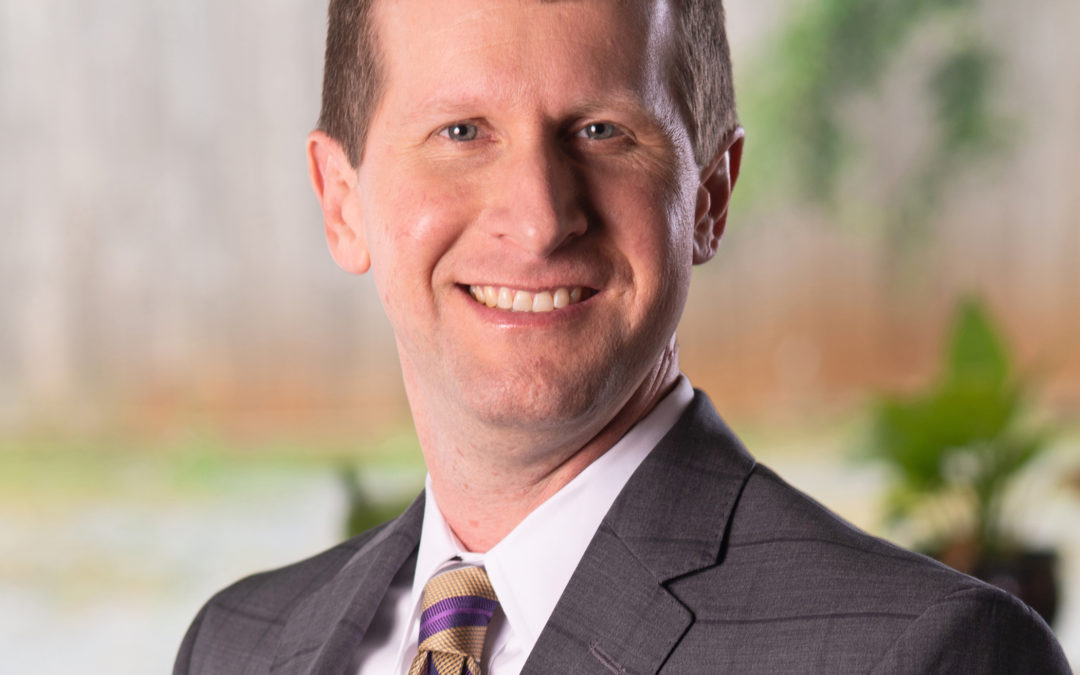
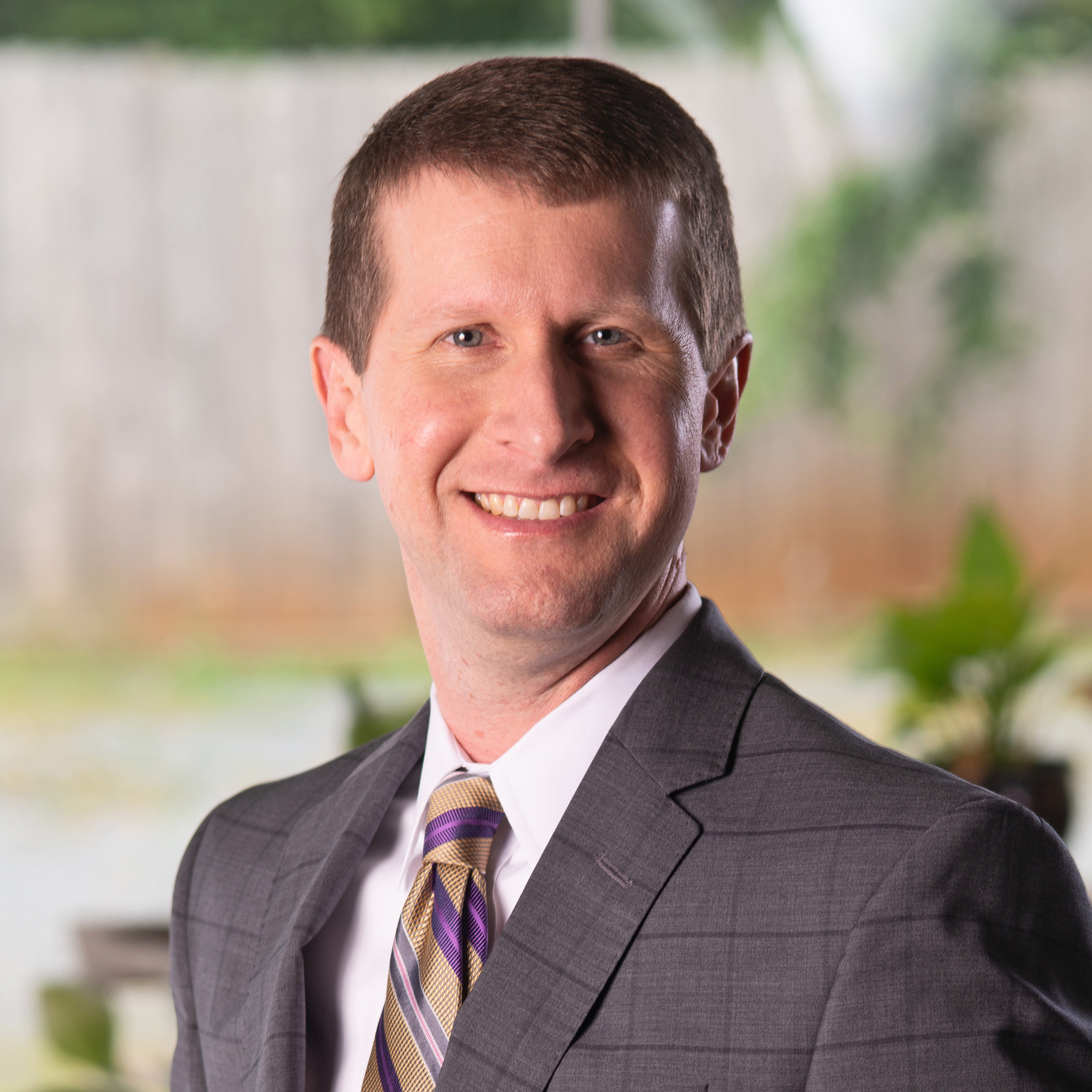
Spotlight On: Mike Allen, President, Barry University

Spotlight On: Mike Allen, President, Barry University

By: Max Crampton-Thomas

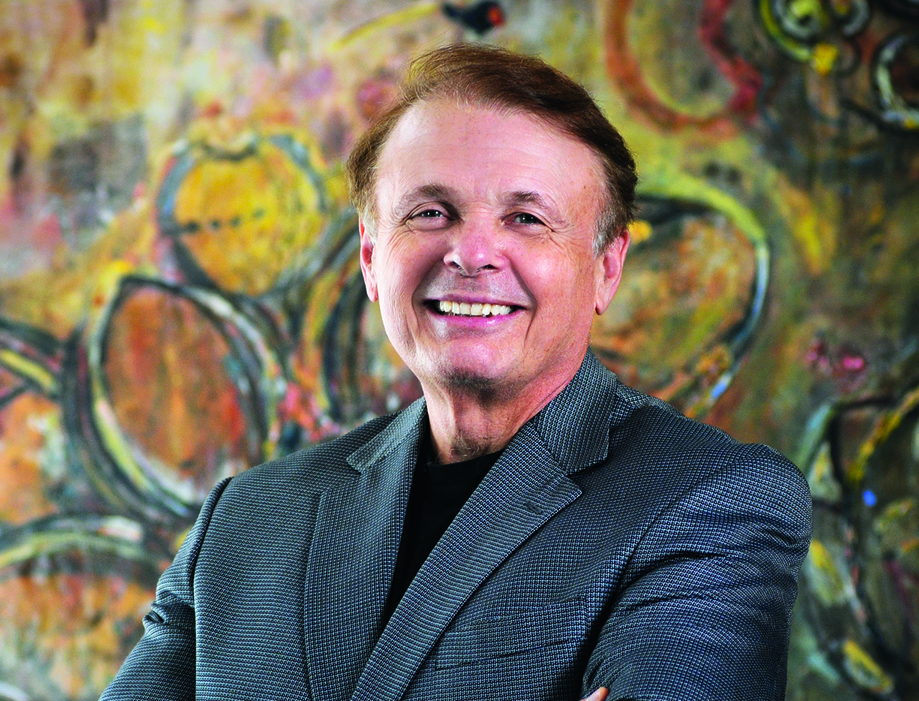
2 min read March 2020 — Higher education must consistently and constantly look to innovation and diversification in order to differentiate and remain a top option for incoming students. Mike Allen, the first lay president of Miami’s Barry University, discusses how the school fosters a more diverse environment by attracting students from many different backgrounds, as well as working closely with the private sector to insert its students naturally into the workforce.


 What are Barry University’s top near-term priorities?

 If there is one area that’s really driven my time, energy and priorities, it’s our external presence as a university. This is a really impressive university in terms of our faculty, what we teach, how we teach it and the quality of experience that our students have, but not nearly enough people know about us, about how special this place is.

We have 65,000 living alumni, and they are not nearly as connected to the university as we would like them to be. That is unusual, because every time I meet some of these alumni, they are so passionate about their school, they more than like it, they love it. They had a great experience and they are excited and want to be involved, but we just haven’t had that presence out there.

Another aspect of that is our role in South Florida. Barry University is a really important part of the South Florida community. The educational institutions are pivotal to South Florida’s economy and to its families. We are working hard to increase our visibility in the South Florida community. 


How does Barry University insert itself into South Florida’s larger higher education environment?

One of the big misperceptions about Barry University and other schools like Barry, particularly in South Florida, is who we serve. People tend to think that, because we are a private institution, our students tend to be very well off financially. Certainly, some of them are, but by and large, we serve some of the most financially disadvantaged students in South Florida.

That does not say anything about their abilities. They are talented and prepared, eager to learn and bright students, but they don’t always have the financial means to fund college for themselves. We’ve become very affordable as an institution. One of the most irrelevant figures out there these days is the sticker price of admission. One hundred percent of our students get some degree of financial aid. In fact, a heavy majority of our students receive a substantial discount on their tuition, and it has become very affordable because of that.

With that, we are also able to serve one of the most diverse populations of college students that you’ll see anywhere in the country. That is a source of great pride for us. As a result, our students learn so much more than just what we teach them in the classroom. They learn from the person to their right and their left, from their roommates, because everyone is coming from such a different place.


How is Barry preparing students to enter a more demanding workforce?

One of the things that we really try to emphasize here is experiential learning. Here in Miami, I’ve been really impressed with the intentionality by which the universities and business leaders work together. I give a lot of credit to the Greater Miami Chamber of Commerce, the Beacon Council, the Executive Roundtable, among others, for a great dialogue between higher ed, industry and nonprofits about universities doing a better job in meeting the needs of employers. That is really critical to what we do.

We have a program called SMIF, the Student Managed Investment Fund, which is a group of students, led by one of our faculty members, that invests a portion of the university’s endowment. They invest almost a million dollars of our endowment every year, working alongside our investment committee and our board of trustees, as well as our professional advisers. Their earnings have mirrored or have been better than our professional advisers and this year we allocated them another $100,000 because it fits our needs in every way possible. 

We also have a really impressive media lab. The field of communications is another example of people in a liberal arts setting who want the foundations of theory but at the same time they want to be broadcasters, they want to be on the radio, on TV, reporting the news. Our media lab has a live studio, and it serves not just the “talent” folks, but also the control-room folks, putting programs on the air.

We also received a $650,000 grant from the National Science Foundation for STEM education. It provides scholarship support for students to major in STEM areas here, with the goal of increasing degree completion for low-income, high-achieving undergraduates.


To learn more about our interviewee, visit: 
https://www.barry.edu/


Face Off: Understanding Unforeseen Change

Face Off: Understanding Unforeseen Change

By: Max Crampton- Thomas

4 min read March 2020 With the global economy in a state of flux caused by COVID-19, it is important that both the community and industry leaders work together to not only flatten the curve of coronavirus but also help to understand its impact on the various sectors of the economy. It is just as vital to continue looking to the future, post-COVID-19, at what other continuing or emerging trends could have an impact on a specific industry throughout 2020 and beyond. In regard to real estate, Invest: Miami spoke with two of the region’s industry leaders in real estate, David Diestel, regional president, south for FirstService Residential, and Michael Fay, principal and chairman of the U.S. Capital Market Executive Committee for Avison Young. While they work in two seperate areas of real estate, both discuss how the coronavirus has affected their industry, other factors that will continue to spur change and trends they are keeping a close eye on in 2020. 

David Diestel 

How is the coronavirus outbreak impacting your industry?

Dave Diestel: The outbreak of the coronavirus has brought the country to a screeching halt. I don’t know if anyone was prepared for something of this magnitude that has impacted basically every industry. As the leader in property management in North America, it’s our job to provide support to the board members and residents of the communities we manage. We immediately formed task forces throughout the organization, continuously monitored reliable information from the CDC, World Health Organization, as well as local authorities and health agencies. And the key to our support: communication. On everything from preventing the spread of the virus to working with boards to enhance cleaning and sanitation at our properties to working with attorneys to discuss any change in community rules and regulations. This situation has helped cement the importance of communication during a crisis – to report facts and to keep people calm. And to let our customers know that we’re in this together.

Michael Fay: We are such an international city at this point that we need to look at how we fit on the geopolitical stage, as well as how the virus will shape how we live in the future. We are always looking at the Latin-American influence within our market, as well as the European, Asian and Canadian influences, given Miami has become such a major, global city. When I first did this interview, the COVID-19 virus was just an Asian problem and not a global pandemic.  I truly believe the two asset classes that will provide opportunity and stability as we move through this will be real estate and well-positioned stocks. With Miami being such a global city, and having been through many other crises, we tend to bounce back quickly with resilience. We will continue to see strength in the multifamily sector as well as the industrial sector as we understand new, global supply chain issues. Retail and hotel will see weakness as we move through this pandemic and new way of life for the foreseeable future. There is more capital in the marketplace overall, outside of opportunity funds, with lots of mezzanine equity, loans and regular equity creating a sizable amount of capital. The interest rate environment we are in is the lowest we have seen in the United States. Distressed will have a new meaning.  

Michael Fay

What other factors will continue to spur or change your market’s growth? 

Diestel: The demographic shift in this region is challenging our communities to keep up with the times. New owners and residents are challenging those communities to invest more in technology and in amenities. People are looking for investment back into their community,  and also looking for investment into community spaces. These demographics do not just want the standard gym or card room, they want thoughtful programming, focusing on wellness and convenience. One of the drivers of real estate values ultimately comes down to a building’s reputation. When people feel good about living where they live, realtors know people feel good about it and there is a great sense of community. This all drives property values up.

Fay: I’ve been in this business for 36 years. When it’s good, it’s good for everybody, but when it’s bad, it’s great for us. We are highly cognizant of inflexions and disruptions in the marketplace. We built a major business on understanding the bad times better than the good times. We understand how to operate in a bad market better than others. Anybody can be good in a winning streak. Year in, year out, decade after decade, issue after issue, we spot early, watch early and see how things are going. In my own opinion, we will be seeing a recession; however, I believe it will be short-lived because of the strength of the economy going into the crisis.  On the negative side, we saw a 14% rise in the homeless population in 2019. The lion’s share of this increase is coming in from other cities in the Midwest. Absent thoughtful solutions, it can really hurt the city. Also, we need to take care of our environment. Global warming is a slippery slope if we do not understand it and deal with it by making rash decisions. Sea rise needs to be studied further. If we have any narrative of investors, owners or companies leaving Miami due to sea rise, our city will have a major issue. We need to think about ways to mitigate it and work around it. 

What is a trend in your industry that you are keeping a close eye on moving forward? 

Diestel: Short-term rentals are a hot topic throughout Miami, especially in Miami Beach. It’s also constantly talked about in the Florida legislature. Investors are looking to own real estate with the purpose of using it as a short-term rental. Innovations like Airbnb aren’t going away. In fact, communities built for short-term rental are starting to pop up. We are actually in talks to manage two of these types of properties. This is a trend that will continue to evolve. Some cities are not quite there yet in terms of understanding it. We are very active in Tallahassee because there are bills being introduced in regard to short-term rentals. Our position, as both FirstService Residential and as the industry, is to allow the homeowner association the right to govern as they were set up to do. We are educating the legislature and are working to help protect the rights of an individual community.

Fay: The Opportunity Zones will come into much more focus in 2020, and we will gain a real understanding of how it fits into the market. In 2019, many guidelines and an interpretation of the tax code were not available. When Opportunity Zones were laid out initially, they were based on basic census tracking, with governors approving wherever that might be. Several developers were left in the dark and as a result, lots of Opportunity Zone funds slowed raising capital given the uncertainty. There is a lot more clarity now, which is key. The new guidelines issued will have much more effect going forward and an increase of funds and transactions.

To learn more about our interviewees, visit:

https://www.fsresidential.com/corporate

https://www.avisonyoung.com/