Florida’s phase 2 reopening and what it means for South Florida

Florida’s phase 2 reopening and what it means for South Florida

By: Beatrice Silva 

2 min read June 2020 On June 3, Gov. Ron DeSantis announced his plans to transition the majority of the state into the second phase of its recovery plan. However, the three southeast counties hit hardest by COVID-19 — Miami-Dade, Broward, and Palm Beach — will not be included in the reopening. 


 “We’ll work with the three southeast Florida counties to see how they’re developing and whether they want to move into phase 2,” DeSantis said during a news conference in Orlando on June 3. “They’re on a little bit of a different schedule.”


Gov. DeSantis will allow the three southeast counties to enter phase 2 under certain circumstances. The county mayors or county administrators will have to seek approval to enter phase 2 with a written request. Palm Beach County Mayor Dave Kerner and County Administrator Verdenia Baker wasted no time sending their request letter to DeSantis. 


“Palm Beach County is ready to go into ‘phase 2,” said Kerner at a news conference on Friday afternoon. “But we want to do it with some particular carve-outs that are necessary for the unique nature of Palm Beach County.” The county’s public officials are waiting for approval from Gov. DeSantis. 


As for Miami-Dade, their previous reopening date was pushed back by protests against police brutality. Miami-Dade Mayor Carlos Gimenez lifted the countywide curfew on June 8, and approved the reopening of gyms and fitness centers under Amendment 2 to Miami-Dade County Emergency Order 23-20. Although the city isn’t officially included in the initial phase 2 reopening date, Gimenez says he is working with the state on reopening locations very soon. 


Upon approval, restaurants may allow bar-top seating with appropriate social distancing. Bars will be able to operate at a 50 percent capacity inside and full capacity outside. Retail stores are going to be allowed to operate at full capacity and entertainment venues like movie theaters and bowling alleys will be able to welcome back guests at a 50 percent capacity. Residents who do decide to venture out will still have to follow CDC guidelines like wearing a mask, social distancing, and frequently washing their hands.


Although the north and south regions of Florida are on different opening schedules. State universities will have to submit their blueprints by Friday. The State University System of  Board of Governors recommends things like social distancing, disinfecting, face masks and student’s desks being as far away from one another as possible. School districts on the other hand, will be given the final say on their own social distancing protocols. It is expected that students will have a much different learning experience upon returning to the classroom. 


“We have a great opportunity to get back on good footing,” DeSantis said. “I know our kids have been in difficult circumstances. … Getting back to the school year is going to be really, really important to the well-being of our kids.”


Broward County school districts are in the process of surveying parents to gauge what they would like their child’s school to look like this coming fall. “We will have schools open. We will have teachers in schools. We will have students in schools … including hybrid models that some parents are rightfully demanding,” said Alberto Carvalho, superintendent of Miami-Dade County Public School, at Wednesday’s school board committee meeting. 


Within the past four months, there have been 70,971 confirmed COVID-19 cases and 2,877 related deaths in Florida, according to the Florida Health. 


For more information visit: 


https://floridahealthcovid19.gov/#latest-stats/


https://www.miamiherald.com/news/local/education/article243464791.html


https://miami.cbslocal.com/2020/06/11/governor-ron-desantis-plans-reopening-schools-fall/

 

https://www.abcactionnews.com/news/state/florida-state-universities-must-submit-fall-reopening-plans-by-friday


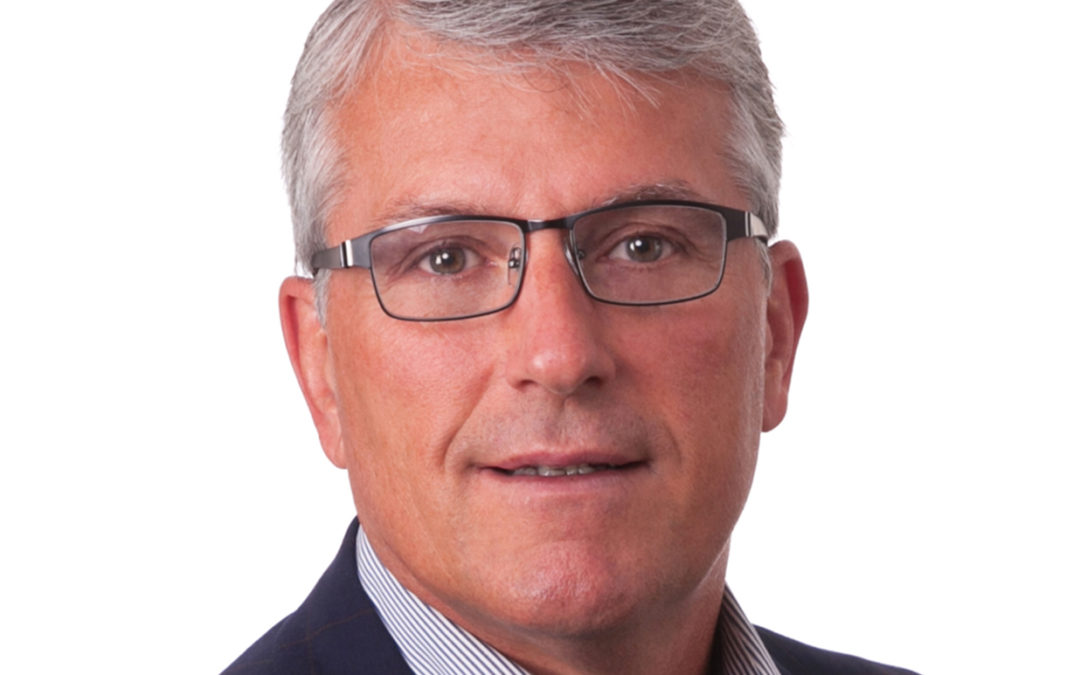
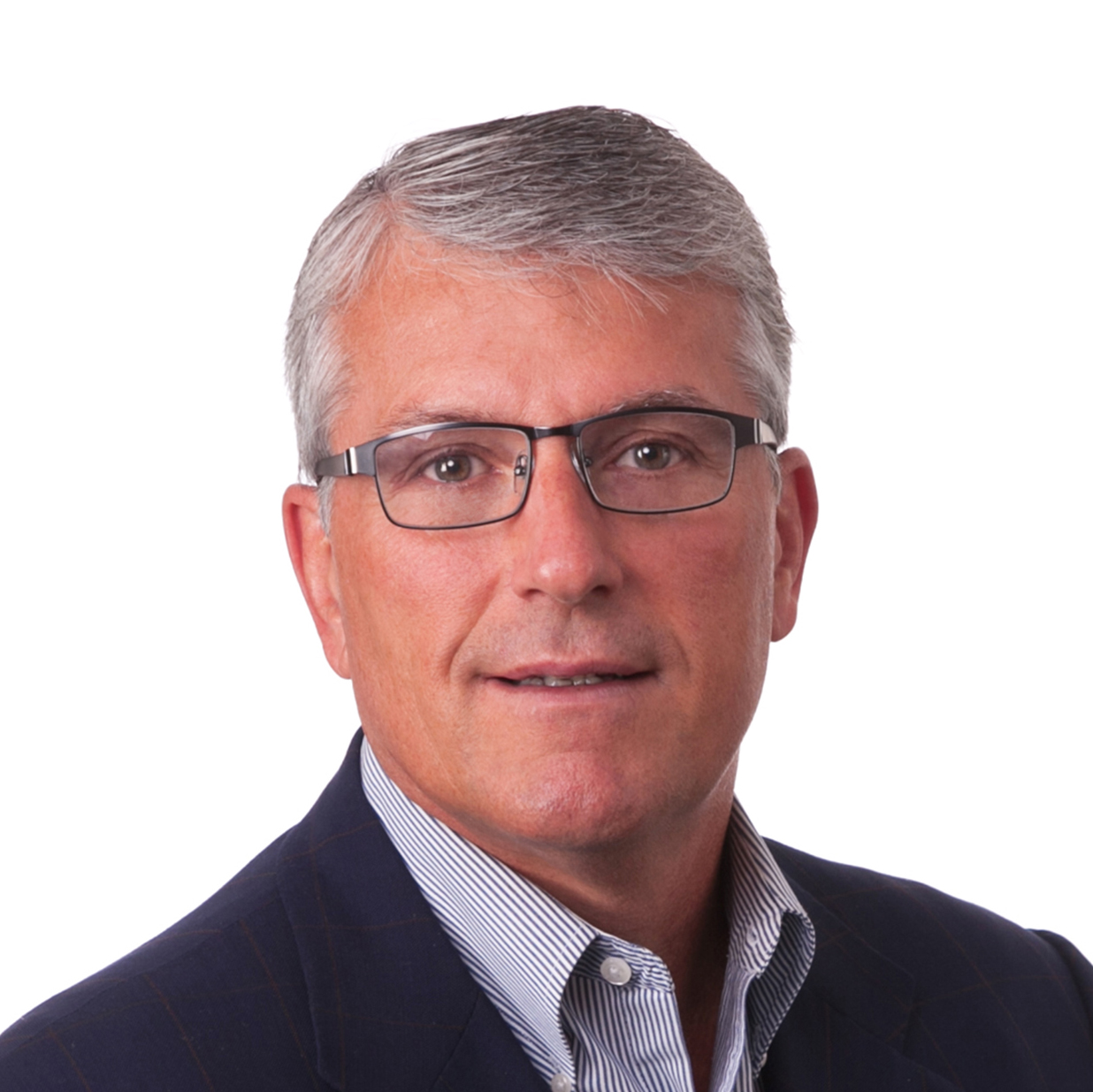
Spotlight On: Tom Slagle, CEO, Rasmussen College

Spotlight On: Tom Slagle, CEO, Rasmussen College

By: Max Crampton Thomas

2 min read June 2020 —With a history spanning more than 119 years, Rasmussen College is well-positioned and experienced in adjusting to unforeseen circumstances like the current pandemic the world is working to eradicate. CEO Tom Slagle spoke to Invest: Orlando about the school’s advantage as a leader in online education for over 20 years. He also spoke about the school being welcomed by the community in Orlando as one of the newest entrants into the local higher education sector. 


How is Rasmussen College positioned in Florida?

Rasmussen has been around since 1900. Rasmussen College acquired Webster College with campuses in Holiday and Ocala, Florida, in 2004. These campuses were merged into the Rasmussen College system in 2007. Later, the college expanded into Fort Myers, Tampa and Orlando. Overall, we have campuses in six states and a national online team serving more than 17,000 students. Healthcare education is a strength for the college, particularly licensure-required fields such as nursing. We are the largest producer of ADN (first licensure) nurses in the country and also offer a bachelor’s (BSN) and master’s in nursing (MSN) and soon a doctoral (DNP). We pride ourselves on providing affordable degrees and a student support network with individualized services. Our primary target market is the adult learner seeking to advance or change their career, more so than the traditional high-school graduate. 


What role does the school play in the Orlando education sector?

We are excited about our new campus in Orlando. We believe we pinpointed some real gaps in the local education market. Our healthcare portfolio is a great fit, and our offerings in business, technology and social services are also in strong demand. The opportunity to provide affordable and relevant credentials that employers are seeking from graduates is where we excel. Our goal is always to be deeply engaged in the communities in which we live and work, this is why we believe in our local campus network. Our programs offer tremendous flexibility with many fully online, but they also provide the campus-based learning environments necessary for labs and simulations. We have been welcomed by the employer community in Orlando and have developed strong relationships with the local healthcare institutions, which support our graduating students with employment opportunities. We want Orlando to become one of our larger campuses in Florida over the next three to five years.


How has COVID-19 impacted the college?

We have been an online leader in education for almost 20 years, so we know how to educate students in an online environment. It is not always simple to incorporate the proper content, curriculum, experience and assessment criteria on a digital platform, but fortunately, we have a lot of experience in that field. As an example, all of our nursing simulation, which typically takes place on campus or at clinical sites, was moved to an online environment, allowing no disruption to our nursing students’ educational journey or graduation. Also, we have seen that individuals displaced by the current environment want to build on their knowledge and competencies to better prepare themselves for the current and future workforce. We made the decision to support our communities by providing our eRasmussen Professional Certificates portfolio (eRasmussen.com) at no cost. We’ve had nearly 9,000-course registrants for the professional certificates so far. We have also sought ways to support our communities by donating much of our PPE to local healthcare organizations to ensure their readiness during this pandemic.


Which industries are driving the strongest demand for educational programs in Orlando right now?

Healthcare is probably top of the list, but we are also seeing strength in areas like technology and other business-related programs. Many applicants are looking for short-term certification to improve their options once they rejoin the workforce. Our Early Childhood Education portfolio also continues to perform well. Our model allows us to serve a segment of the population that has traditionally been underserved by other institutions. We are tremendously optimistic about the breadth of opportunities in the Orlando market.


What does the future hold for Rasmussen College in Florida?

With the economy potentially moving into a short-term recession, education tends to be countercyclical. As individuals are out of work, they look for ways to position themselves in a competitive market with enhanced skills to get a better job. There are also many people looking to make career changes, and we can help with that and make our local communities stronger. Our enrollment rate has continued to grow, and we believe that demand for our programs will remain strong given the unique experience Rasmussen provides our students. 


To learn more about our interviewee, visit: 

https://www.rasmussen.edu/


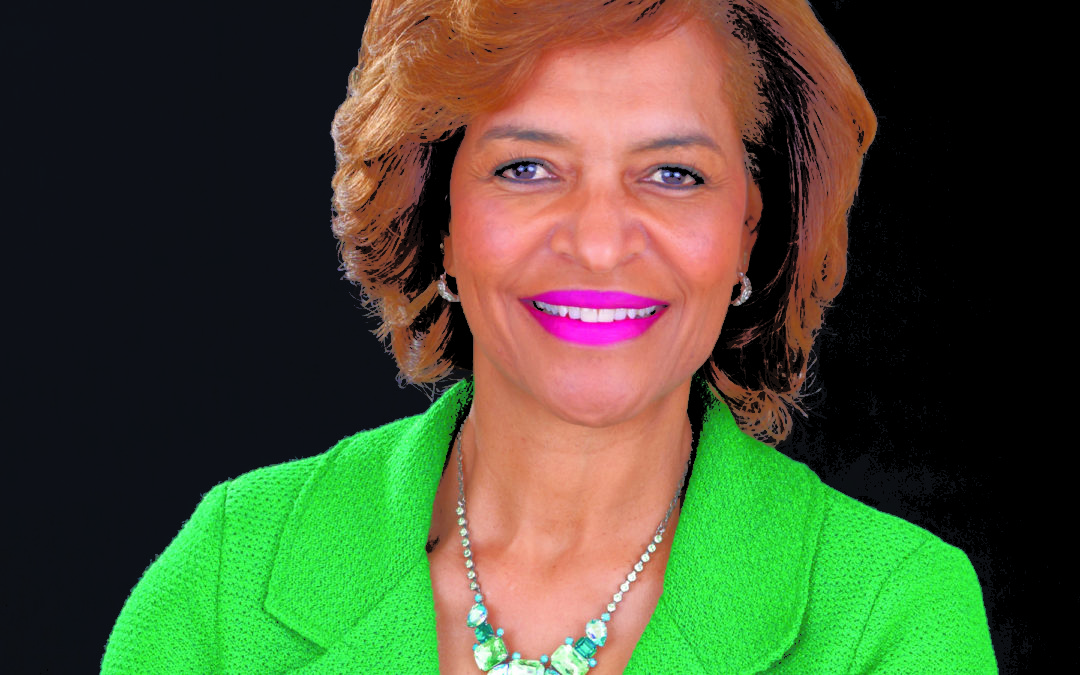
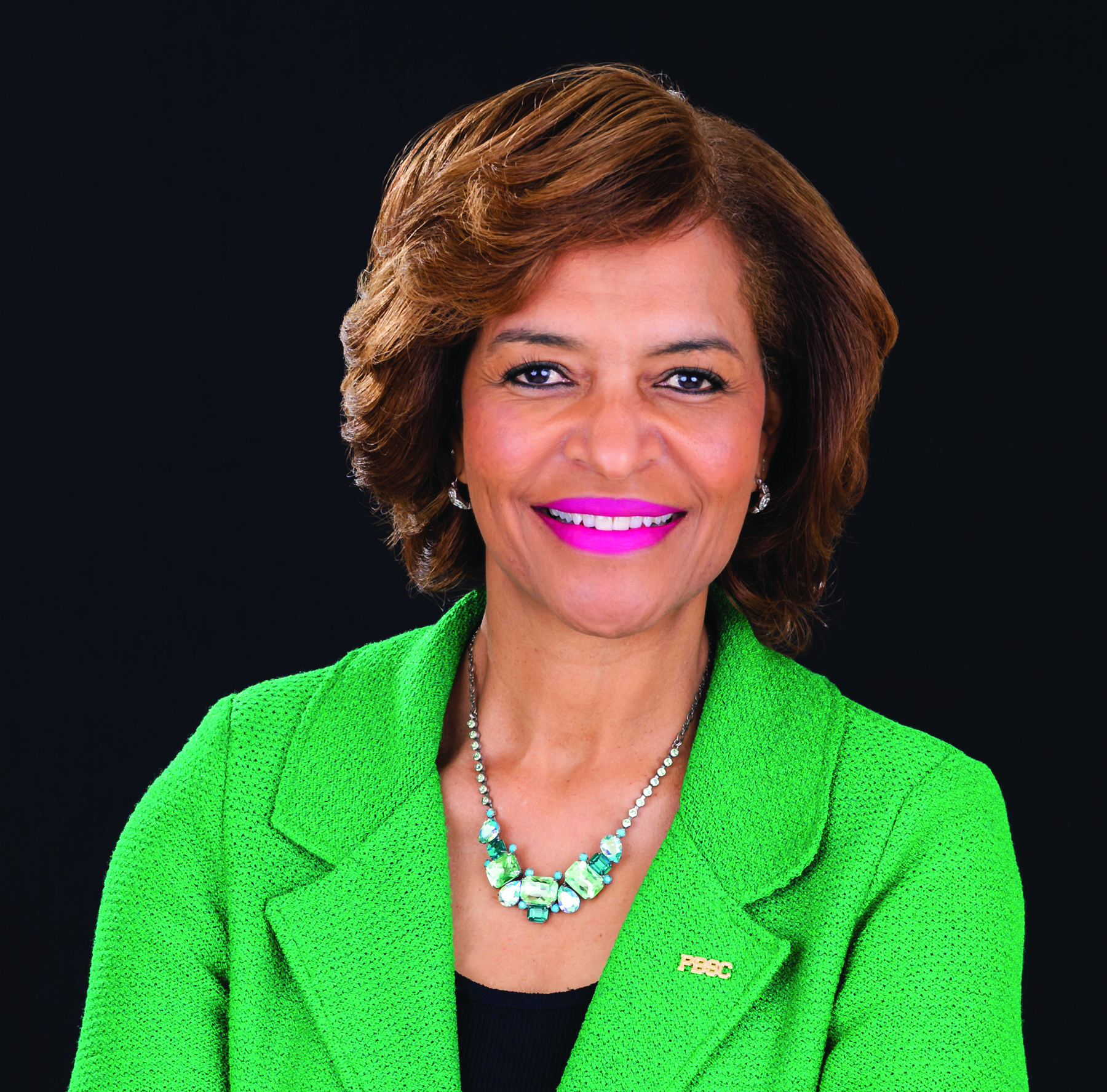
Spotlight On: Ava Parker, President, Palm Beach State College

Spotlight On: Ava Parker, President, Palm Beach State College

By: Felipe Rivas

2 min read May 2020 — Palm Beach State College succeeded in transferring most of its programs to a remote format to deal with the COVID-19 pandemic that hit the world early in 2020. The college is preparing the next generation of business leaders and frontline workers with business programs, health sciences career tracks, and fire and law enforcement among its most popular offerings. In an interview with Invest: Palm Beach, college President Ava Parker discussed the school’s most popular programs, its role as a stepping stone to a better life for students, and its stress on academic focus.


What are the most popular programs for the college?

As a state college, 60% of our students come here to earn an Associate in Arts (A.A.) degree and transfer to our bachelor’s programs or to a university bachelor’s program, most frequently in the state. Most of our students want to transfer to Florida Atlantic University or the University of Central Florida. Florida International University and the University of Florida are also top choices. 

In our A.A. pathway, many students want to go into business. Our entrepreneurship A.A. and bachelor’s degree tracks are popular, as is getting the business foundation needed to transfer to a university’s program.

Another popular area is health sciences. Many of our students are the first in their families to go to college, so for them, they are thinking about where they have seen people succeed, which people have improved their economic condition because of their chosen profession. Many of our students go into health sciences because that is an area where they can always find a job. The fields that are popular include dental hygiene, nursing, ophthalmic medical technology, respiratory care and radiography. Those are Associate in Science degree programs that many of our students see as opportunities to move from a lower socioeconomic status to the middle class. Most years, 100% of our ophthalmic graduates are placed right away, including at the Bascom Palmer Eye Institute, where we have a tremendous partnership. Our respiratory care graduates are picked right up once they pass their national boards, as are the radiography and dental hygiene graduates. And of course, our longest waiting list is for nursing. We are a sought-after solution for students, and also hospitals and doctors’ offices, because they understand that our program is rigorous and turns out great nurses. We also have bachelor’s programs in nursing and cardiopulmonary sciences for nurses and respiratory therapists who want to advance.

Our fire, law enforcement and corrections academies are also very popular. Many of our citizens rely on these programs as the primary route to entering those public safety fields. 

How does the college help students update skills to transfer to other institutions? 

Our bachelor’s degree programs are a fast lane. When I shake hands with students who are graduating with our bachelor’s degrees, most of them are in their 30s. They are folks who already have a job, and they found their way to us because they were sitting at work, and there was an HR announcement about a job opportunity that required a bachelor’s degree. 

We are ideal for those people because they can continue to work at their jobs, and they can come to us in the evenings or attend online to earn those additional credentials. We also can do that at a reasonable cost. 

How are your trade programs structured?

Regarding our trade programs, we are the workforce solution for adults in Palm Beach County. We see that as a hallmark of what we do as an institution for people who enjoy working with their hands, or people who want a shorter term of study and come out ready for work. We have long waiting lists for many of our trade certificate programs, which prepare students to become welders, HVAC technicians, machinists, low voltage technicians, electricians, automotive, diesel and marine service technicians as well as cosmetologists and barbers. Our Engineering Technology and Electrical Power Technology A.S. degree programs are producing much-needed technicians to support the manufacturing, aerospace and electrical power generation industries. In fact, graduates of PBSC trade programs can be found throughout the county, contributing to its growth and innovation. 

How is COVID-19 shaping the educational landscape?

I am concerned every day about students withdrawing. Our spring break was the first week of March, and I recall having the first conversation with my leadership team about us preparing for COVID-19. I never would have guessed that a month later most of my staff would be working from home, as well as all of our instruction happening remotely. My biggest worry, because we were able to successfully transfer most of our programs to a remote format, was related to our firefighter and police academies, because our instructors, who are first responders out there at work dealing with the situation, were not available to instruct our students. It was also considered a liability to have our Emergency Medical Technician (EMT) program students out there in the hospitals doing their clinical rounds, as well as our nursing students. The hardest thing has been stressing to our students to remain focused on their academic trajectory. Some of them did not have the devices to actually make the transition, so we had to go and look throughout the college for every laptop available for our students to check out, because it is really difficult to do your homework from your phone.

To learn more about our interviewee, visit: https://www.palmbeachstate.edu/

Spotlight On: John Fry, President, Drexel University

Spotlight On: John Fry, President, Drexel University

By: Max Crampton-Thomas

2 min read April 2020 — As the COVID-19 pandemic took hold across the United States, educational institutions suddenly were faced with the need to move online. Drexel University President John Fry outlines his school’s experience, expectations for commencement ceremonies and how Drexel is helping medical professionals and the public to fight the outbreak.

How have you seen the faculty and student body handle the transition to all online classes and education? 

The hallmark of the spring quarter and semester at Drexel University has been the shift to online instruction for undergraduate, graduate and professional students, with an option to choose pass / no pass over traditional grading. Given mere weeks to prepare, our faculty and instructional technology team have done transformative work — enabling professors to conduct more than 3,200 course sessions that, prior to the COVID-19 pandemic, would have been taught face-to-face in a classroom or lab setting. We saw a remarkably smooth virtual classroom experience for thousands new to this form of instruction, with positive feedback from students and faculty; and more than 100 laptops loaned out by the Drexel information technology department to students, faculty and professional staff to support their studies, teaching, research and administration while away from the campuses. In addition, our faculty have offered help and best practices to their colleagues while working on their own courses.

What efforts and initiatives are coming from Drexel University in regard to aiding medical professionals and the public in the fight against COVID-19? 

Drexel’s Rapid Response Research and Development Fund was created to support urgent action, launching more than a dozen projects focused on health-related research and development. The work supported by this fund runs the gamut, from producing new medical masks and face shields, to creating a new app to track infections, to vaccine-related research and chronicling the mental health impacts of the pandemic. In addition, we have offered rooms in two of our residence halls for doctors, nurses and other health-care personnel working in the Philadelphia area who wish to remain close to their hospitals.


How will the university handle graduation this year for those students who are slated to graduate at the end of the spring semester? 

We certainly are not going to let the pandemic prevent us from celebrating achievement. A university-wide commencement, along with one for the Drexel University Thomas R. Kline School of Law, will likely be held in the fall. Our College of Medicine isn’t waiting: Its virtual graduation ceremony will take place Friday, May 29, with planning help from student representatives from the MD program and the Graduate School of Biomedical Sciences and Professional Studies. Our College of Medicine Commencement speaker and honorary degree recipient will be Katherine A. High, MD, co-founder, president and chief scientific officer of Spark Therapeutics.

What is your message for the university’s student population and faculty who are sheltering in place and waiting for a return to normalcy?

The devastating and sweeping impact of the coronavirus pandemic has left no one untouched. At the same time, I am confident that the Drexel community is navigating the challenges and opportunities presented by the pandemic with increasing success. In that spirit, I want to encourage our students and faculty to focus as much as possible on all that is positive about our response to this extraordinary period in our history.  

To learn more about our interviewee, visit: 

https://drexel.edu/

Spotlight On:  Larry Rice, President, Johnson & Wales University – North Miami

Spotlight On: Larry Rice, President, Johnson & Wales University – North Miami

By: Max Crampton-Thomas

2 min read April 2020 —Like all educational institutions, Johnson & Wales University – North Miami has turned to the online universe to deliver its programs amid the containment measures for COVID-19. President Larry Rice discusses the transition to online and what the future could look like in a post-COVID-19 world.


How have the faculty and student body handled the transition to all online classes?  

Our faculty and staff have had to adapt to moving to virtual teaching during periods of crisis due to hurricane shutdowns that we have experienced in prior years. I must say that past campus preparations did not sufficiently help us in specifically anticipating the unforeseen issues resulting from having to transition to a fully virtual delivery format during a pandemic. Unlike with previous hurricanes, which required us to transition to virtual instruction, we could not predict the swiftness and fluidity of the changing dynamics of this pandemic. Therefore, our transition was peppered with heightened anxiety on all sides – parents, students, faculty and staff. However, together, we managed through those issues and were able to move all academic courses to our virtual platform. The university’s academic technology and instructional design department assisted faculty in adapting course material to the virtual environment. Since our students are conditioned to learn and acquire knowledge through hands-on applications, group collaborations and team-based projects, the transition to online learning was their greatest challenge. I am proud of how our students were able to make the necessary adjustments in such a short period of time, and I am especially proud of how our faculty and staff were able to meet this challenge in ways that can only be commended.


What unforeseen challenges did this present for the university and how did you mitigate those challenges? 

The greatest challenge was to ensure the safety and well-being of our resident students, 10% of whom are international students who were away from their families during what could best be described as the greatest crisis in their young adult lifetime. Managing the fear and anxiety of our students in the midst of ever-changing information concerning what we were facing was surely the greatest challenge. Initially, our message to students was that we were moving all academic classes to virtual environments, out of an abundance of caution and we would follow CDC, state, and local guidelines while continuing to house students on campus. 

This quickly changed to sharing with our students that to ensure the safety and well-being of our residences, we would need students to plan for a transition from the residence hall to a return home to be with their families. All but 19 of our 700+ resident students were able to return home to their families. JWU launched a taskforce of staff members to assist students who needed assistance with flights, ride-share transportation, buses, or gas cards. Any student who was unable to travel home or was from a country to which it was not safe to travel, was welcomed to stay at JWU, and the campus provided room and daily meals for those students. 


As higher education adjusts to the current situation, what opportunities and innovation do you see carrying over post-COVID-19?  

I believe that this crisis has provided all of higher education several teachable moments that we can learn from. Certainly, our dependence on face-to-face interactions has changed, and we must adapt. Having virtual, blended, and multiple other learning options available to students will become the norm. I foresee that the average classroom experience will shift to maximizing technology to allow for physical classroom instruction while simultaneously providing a remote live-streaming interactive option for students who are uncomfortable with a face-to-face interaction following this pandemic. I believe more time will be invested in moving that classroom experience beyond the physical walls, regardless of discipline, especially for more challenging curricula that require labs and hands-on activities. Prior to COVID-19 this was a nice thought, post-COVID-19, these curricular changes will become necessary and standard. 


How does the university plan on handling graduation this year for those students who are slated to graduate at the end of the spring semester?

The university has postponed the May 23 commencement ceremony. Our plan is to host a ceremony for students only on Aug. 22 while providing a live streaming service for families to watch from their homes and any students wishing to be recognized during the ceremony but who do not wish to attend physically. We anticipate that all 2020 graduates will also have the option of participating in the May 2021 commencement ceremony.  


What would your message be to the university’s student population and faculty that is sheltering in place and waiting for a return to normalcy?

Be strong and stay safe JWU Wildcats. We are making preparations for your return once the stay-at-home guidelines are relaxed and the CDC, state, and local agencies feel confident that you will be safe in returning to school.


To learn more about our interviewee, visit: 


 https://www.jwu.edu/


Florida Polytechnic University navigates through COVID-19

Florida Polytechnic University navigates through COVID-19

By: Max Crampton- Thomas

2 min read April 2020As the coronavirus reduced daily activity to only essential services, educational institutions were forced to transition at a moment’s notice into a virtual setting as shelter-in-place measures and social distancing became commonplace. Entire curriculums, testing, labs, and even physical education in some cases, transitioned into an online classroom setting as teachers and students of all grade levels resumed their education under the COVID-19 pandemic. 


These risk-management decisions stressed and challenged the infrastructure of universities, colleges, and schools throughout the nation, while at the same time creating opportunities for innovation in the educational landscape. Although fully online classes are a temporary measure to slow the spread of COVID-19, and as local, state and national governments consider what a reopened economy may look like, educational systems alike are being forced to mitigate the challenges and innovate their educational practices and offerings via learning innovation and digitalization.

In Lakeland, Florida Polytechnic University, an institution solely focused on STEM education, pivoted to online learning quickly and carefully. “We made the transition much faster than anyone could have imagined. As a new university, we did not have an infrastructure in place for online classes, but nonetheless we were able to make the transition,” President Randy Avent told Invest: Insights via a virtual interview. “The biggest challenge was getting into a flow and using the software. We had to make a number of software purchases and get them running and get the student integrated. By far and large, it is going  much better than we expected,” he said. 

Under a COVID-19 landscape, tuition-dependent institutions are among the most vulnerable as students are liable to put their education plans on pause as they grapple with loss of employment and income. Colleges and universities with strong endowments and alumni contributions will likely survive the impact of COVID-19, but declines in revenue and increases in costs will likely loom for the coming academic years. Declining revenues could stifle innovation as institutions reprioritize budgets and offerings. 

However, a life post-COVID-19 may be ripe with opportunities for innovation and further streamlining of classes. COVID-19 helped destigmatize fully online learning. Moving forward, educational leaders will likely see online education as more than a source for extra revenues. Instead, online education will likely become an integral part of institutional resilience and academic continuity. Educational institutions will have to rethink how they plan for, fund, and market online learning. More unified institutions will emerge from the coronavirus pandemic, as online courses and student support functions become more centralized and integrated into existing academic structures and processes. 

For Florida Polytechnic University, there is an opportunity to use blended learning to teach a mixture of hard and soft skills, while also innovating their lab offerings. As part of their strong STEM curriculum, the university places a keen focus on teaching students a mixture of leadership skills that include communication, collaboration, and reliability that are desirable to employers, Avent said. “With this abrupt move to remote instruction, I think that we are exploring how we do all those things. One of the things that we also have as an engineering school is labs, and labs are very hard to do remotely,” he said. “It is one of those things that is forcing us to do blended models, where we do some instruction online and some instruction face to face. I think innovation is on how you do labs online and teach those leadership skills.”

Additionally, it is possible that online learning goes truly global as colleges and universities expand their student base to allow for more international students who may never see the inside of a physical campus. 

The lasting impact of COVID-19 to the educational sector remains to be seen. For the time being, it is likely that students will finish the spring semester and potentially the 2019-2020 school year from the comfort of their homes. As educators prepare for summer and fall semesters, they will have to contend with the challenges and opportunities of educating students in a post-COVID-19 world.       

To learn more about our interviewees, visit:https://floridapoly.edu/ 

To see the full interview with Florida Polytechnic University President Randy Avent, visit: 

https://www.youtube.com/watch?v=R22lng9yxAc&feature=emb_title

https://live.capitalanalyticsassociates.com/invest-insights/

South Jersey and Philadelphia transition into online learning

South Jersey and Philadelphia transition into online learning

By: Felipe Rivas

2 min read April 2020As the coronavirus reduced daily activity to only essential services, educational institutions were forced to transition at a moment’s notice into a virtual setting as shelter-in-place measures and social distancing became commonplace. Entire curriculums, testing, labs, and even physical education in some cases, transitioned into an online classroom setting as teachers and students of all grade levels resumed their education under the COVID-19 pandemic. 

These risk-management decisions stressed and challenged the infrastructure of universities, colleges, and schools throughout the nation, while at the same time creating opportunities for innovation in the educational landscape. Although fully online classes are a temporary measure to slow the spread of COVID-19, and as local, state and national governments consider what a reopened economy may look like, educational systems alike are being forced to mitigate the challenges and innovate their educational practices and offerings via learning innovation and digitalization.

In the Philadelphia region, Neumann University transitioned quickly into an online learning setting thanks to close to two years of prior preparation. For the last 24 months, the university has been expanding its online and remote learning capabilities, President Chris Domes told Invest: Insights in a virtual interview. “Our faculty were well-prepared. Our students work off of their devices and their phones, they already live in a virtual world socially, and now they get to live in a virtual world academically,” Domes said. In similar fashion, in New Jersey, the Rutgers School of Nursing–Camden, was preparing for a shift in the educational landscape as early as February. In February, the university created an emergency operation center as part of its risk-management strategy, school of nursing Dean Donna Nickitas told Invest: Insights in a virtual interview. “By the time we got to spring break, we knew we were going to have to make some quick changes,” Nickitas said. The nursing school quickly notified students if they needed resources like computers, webcams, and access to remote learning software.

Under the COVID-19 landscape, tuition-dependent institutions are among the most vulnerable as students are liable to put their education plans on pause as they grapple with loss of employment and income. Colleges and universities with strong endowments and alumni contributions will likely survive the impact of COVID-19, but declines in revenue and increases in costs will likely loom for the coming academic years. Declining revenues could stifle innovation as institutions reprioritize budgets and offerings. 

However, a life post-COVID-19 may be ripe with opportunities for innovation and further streamlining of classes. COVID-19 helped destigmatize fully online learning. Moving forward, educational leaders will likely see online education as more than a source for extra revenues. Instead, online education will likely become an integral part of institutional resilience and academic continuity. Educational institutions will have to rethink how they plan for, fund, and market online learning. More unified institutions will emerge from the coronavirus pandemic, as online courses and student support functions become more centralized and integrated into existing academic structures and processes. 

After student outreach efforts, Neumann University found that close to 80 percent of its students were adjusting well to the remote learning setting. The university is working to assist all of its students with resources like tutoring, student engagement activities, counseling, and more. The feedback gathered from students will help determine what innovations and changes the institution needs to make for the future, according to Domes. “We are getting initial feedback from our students and are utilizing that to help us understand that moving forward if we remain in this status for some time what are we learning and how might we make this more appropriate for students in the future so that we make sure we are adapting along the way,” he said. For Rutgers School of Nursing–Camden, the school is preparing to continue to groom the next generation of nurses and healthcare professionals. “What we have learned is that we need to be prepared, Nickitas said. Though summer and fall enrollments figures will likely fall due to the COVID-19 pandemic, Nickitas hopes the essentiality of nurses and healthcare professionals will motivate more students to explore a career in medicine. “I do hope that because of the kind of publicity that TV stations and media are giving nurses, that people understand not only what nurses do, but what they know. Hopefully, that will resonate with some individuals and inspire them to say, ‘I want to make a difference, that is what I want to do.’”

Additionally, it is possible that online learning goes truly global as colleges and universities expand their student base to allow for more international students who may never see the inside of a physical campus. 

The lasting impact of COVID-19 to the educational sector remains to be seen. For the time being, it is likely that students will finish the spring semester and potentially the 2019-2020 school year from the comfort of their homes. As educators prepare for summer and fall semesters, they will have to contend with the challenges and opportunities of educating students in a post-COVID-19 world.       

To learn more about our interviewees, visit:

https://nursing.camden.rutgers.edu/

https://www.neumann.edu/

To see our full interview with the education leaders and more, visit:

 https://www.youtube.com/watch?time_continue=42&v=V9oL3kIX-NI&feature=emb_title

https://www.youtube.com/watch?v=q8wU5yYFccw&feature=emb_title

https://live.capitalanalyticsassociates.com/invest-insights/

COVID-19 making innovation a must for educators

COVID-19 making innovation a must for educators

By: Felipe Rivas

2 min read April 2020As the coronavirus reduced daily activity to only essential services, educational institutions were forced to transition at a moment’s notice into a virtual setting as shelter-in-place measures and social distancing became commonplace. Entire curriculums, testing, labs, and even physical education in some cases, transitioned into an online classroom setting as teachers and students of all grade levels resumed their education under the COVID-19 pandemic. 

These risk-management decisions stressed and challenged the infrastructure of universities, colleges, and schools throughout the nation, while at the same time creating opportunities for innovation in the educational landscape. Although fully online classes are a temporary measure to slow the spread of COVID-19, and as local, state and national governments consider what a reopened economy may look like, educational systems alike are being forced to mitigate the challenges and innovate their educational practices and offerings via learning innovation and digitalization.

In Orlando, Seminole State College of Florida was able to make the transition into a fully online learning setting effectively because its student body and faculty were already familiar with online and remote learning. Prior to the COVID-19 outbreak and shelter in place measures, the college was well-positioned for the quick change of events, President Georgia Lorenz told Invest: Insights in a virtual interview. “About 53 percent of our students were already taking at least one online course as part of their schedule. The vast majority of our students at some point of their academic career have had familiarity with our online learning managing system,” she said. Many of the campus based classes use the same learning management system to enhance and support the learning process, making the transition easier to handle for faculty and students. Additionally, the college also quickly transitioned its library, student support systems, and other resources online to maximize the learning experience during a time of abrupt changes. “It’s been a lot of work and I give a lot of credit to our faculty, students and all of our staff for making this change very quickly.” 

In the COVID-19 landscape, tuition-dependent institutions are among the most vulnerable as students are liable to put their education plans on pause as they grapple with loss of employment and income. Colleges and universities with strong endowments and alumni contributions will likely survive the impact of COVID-19, but declines in revenue and increases in costs will likely loom for the coming academic years. Declining revenues could stifle innovation as institutions reprioritize budgets and offerings. 

However, a life post-COVID-19 may be ripe with opportunities for innovation and further streamlining of classes. COVID-19 helped destigmatize fully online learning. Moving forward, educational leaders will likely see online education as more than a source for extra revenues. Instead, online education will likely become an integral part of institutional resilience and academic continuity. Educational institutions will have to rethink how they plan for, fund, and market online learning. More unified institutions will emerge from the coronavirus pandemic, as online courses and student support functions become more centralized and integrated into existing academic structures and processes. 

At Seminole State College of Florida,  “students are appreciating the e-services and online learning capabilities,” Lorenz said. “We are continuing to innovate and fine-tune as we move forward, but it seems to be working really well for a good portion of our students and staff.”

In terms of lasting innovation, it is possible that online learning goes truly global as colleges and universities expand their student base to allow for more international students who may never see the inside of a physical campus. 

The lasting impact of COVID-19 to the educational sector remains to be seen. For the time being, it is likely that students will finish the spring semester and potentially the 2019-2020 school year from the comfort of their homes. As educators prepare for summer and fall semesters, they will have to contend with the challenges and opportunities of educating students in a post-COVID-19 world.       

To learn more about our interviewee, visit: https://www.seminolestate.edu

To view the interview with Seminole State College of Florida President Georgia Lorenz, visit: https://www.youtube.com/watch?time_continue=6&v=MhowKRH4dkY&feature=emb_title

https://live.capitalanalyticsassociates.com/invest-insights/

Spotlight On:  Grant Cornwell, President, Rollins College

Spotlight On: Grant Cornwell, President, Rollins College

By: Max Crampton-Thomas

2 min read April 2020 — Rollins College is a 135-year-old private liberal arts institution. President Grant Cornwell discusses how the school has adapted in the face of the COVID-19 pandemic and how faculty and staff are adjusting to the crisis, including moving to a fully online delivery of courses and one on one meetings. 

How has the transition to all online classes and education been for your university, both for students and faculty?  


In early March, Rollins started making plans to shift to virtual, synchronous teaching. Our faculty and staff immediately switched gears, canceling many spring break plans to modify their lesson plans and maximize utilization of WebEx, the internet-based meeting platform the College adopted campus-wide.  By the start of remote classes on March 23 they were fully prepared to support our students.

I have been so impressed by our creative, innovative and resilient faculty and staff who are committed to providing our students with the best and most meaningful education, even under these exceptional circumstances. Across the board, departments have stepped up to serve our students from afar. Our librarians serve as consultants, our tutors are demonstrating their online coaching skills at our Writing and Tutoring Center, one-on-one office hours are being conducted via WebEx, our health center has transitioned to telemedicine and counseling – and the list goes on and on. The Rollins community has confronted this challenge by conceiving and executing innovative approaches that continue our educational mission. 

The feedback from students has been largely positive. They are doing their part to complete the semester remotely and are eager to learn more about COVID-19 from all aspects so that they can contribute to solutions. 


How is the university working to assist the student body and faculty in mitigating the challenges and impact from the COVID-19 pandemic?  

Our Endeavor Center for Faculty Development has been working closely with our IT department to ensure that everyone has the resources they need to both teach and learn in this new environment. 

Our communication channels are open and transparent as the pandemic evolves. We created and continually update an FAQ on the College’s COVID-19 response webpage to help address questions from our various audiences and stakeholders. Regular updates are communicated through newsletters to students, faculty and staff, parents, alumni and others.  

At first, the information was largely operational, demonstrating the proactive steps we were taking to ensure the health and safety of our community. As we have stabilized and successfully developed new systems for operating remotely, we are also sharing the positive stories about the contributions the Rollins community is making to help others navigate the negative effects of COVID-19. 


Do you feel higher education is receiving enough state and federal support in this time of need?  What can the state and federal governments be doing better in this regard?  

We are grateful for the funds dedicated to higher education from the CARES Act.  Every bit is helpful as colleges and universities look to deal with budget challenges. State-funded institutions already receive government funding and that’s certainly acceptable as that is their operating model. What’s important, however, is that private colleges and universities are like private business. We run our institutions based on private revenue and, ideally, that should be accounted for if there is a future funding bill from the federal government.


As higher education adjusts to the current situation, what opportunities and innovation do you see carrying over post-COVID-19?  

This experience has emphasized that we can indeed deliver our mission to our students in a new way. In fact, remote classes should be made available to those who are ill or unable to attend a class for other reasons. Post-COVID-19, our culture will need to change to make remote accommodations for those who are vulnerable or ill.

Because the Rollins mission is so focused on community engagement, we are finding other ways to help our communities not only during these difficult days of isolation but in the future, as our country recovers. The tenets of a Rollins education community engagement, responsible leadership and global citizenship  are needed now more than ever.  


What would your message be to the university’s student population and faculty that is sheltering in place and waiting for a return to normalcy? 

Stay calm, stay home and carry on. We all have to do our part to keep moving forward to the best of our ability. Finish the semester strong and find ways to be a light to others. Keep in your sights the Rollins motto, FIAT LUX, “Let there be light.” 

To learn more about our interviewee, visit: 

https://www.rollins.edu/