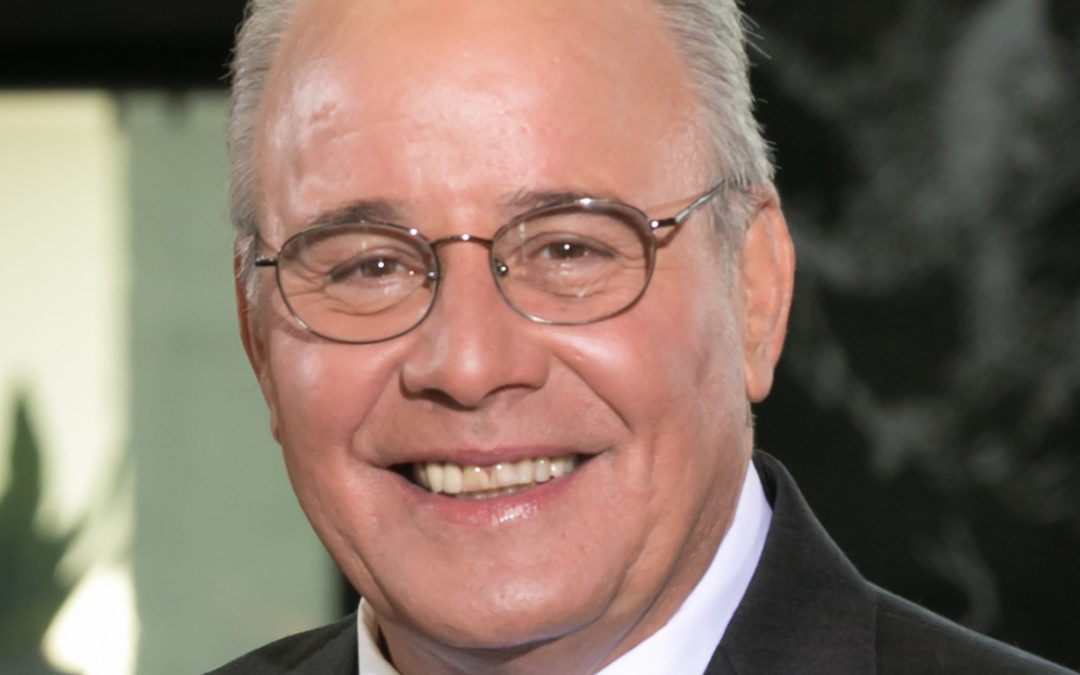
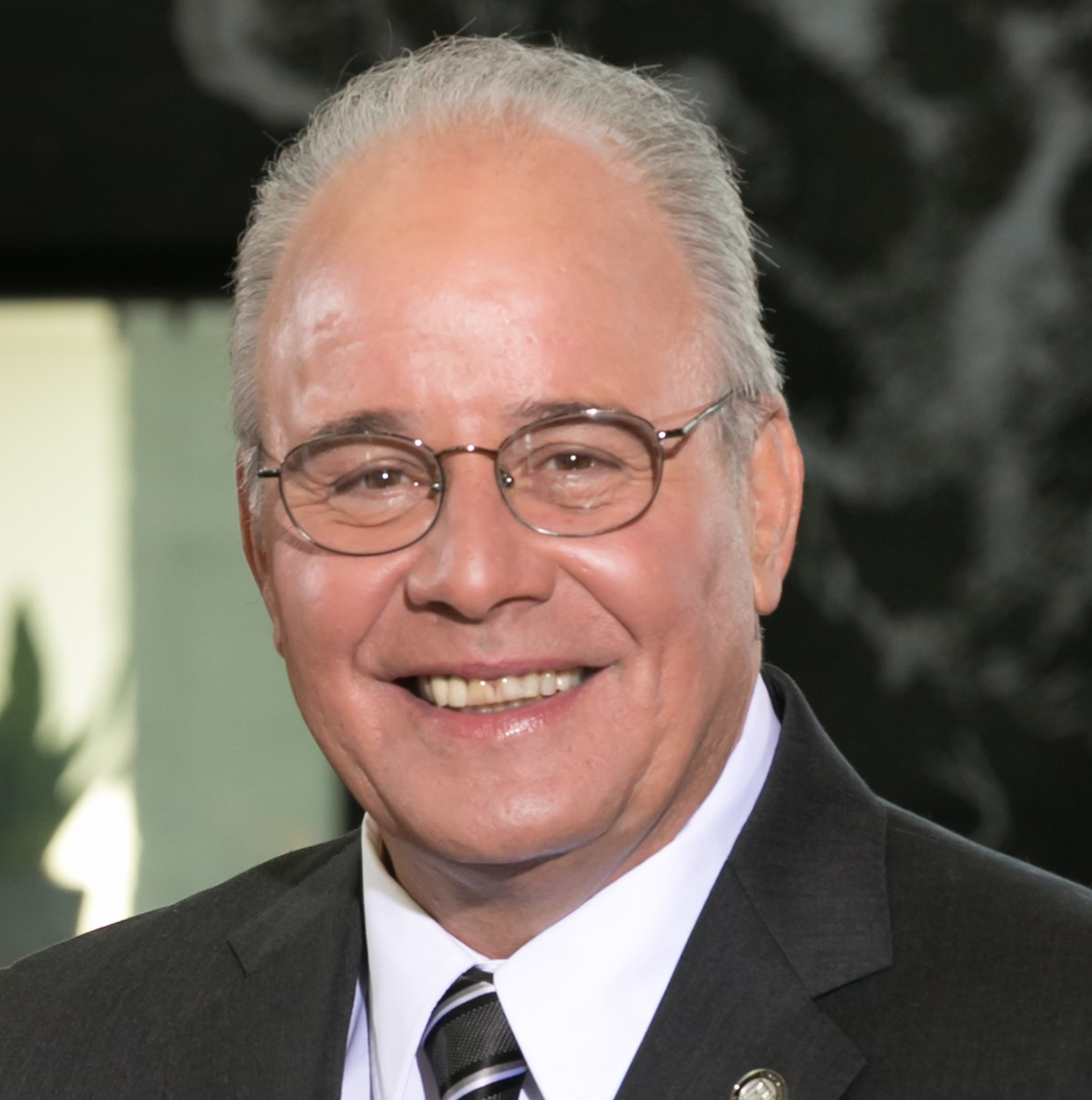
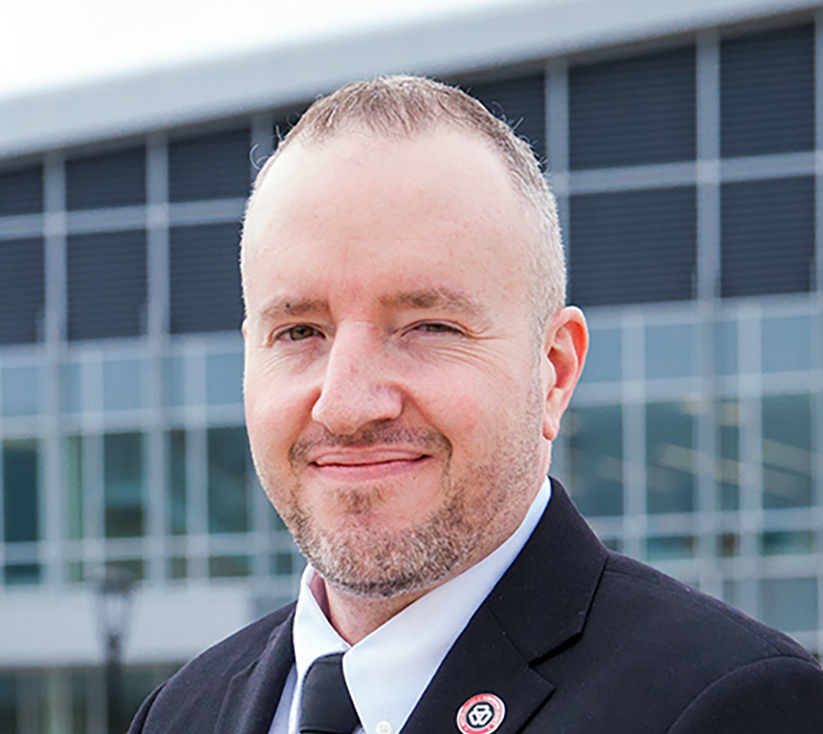
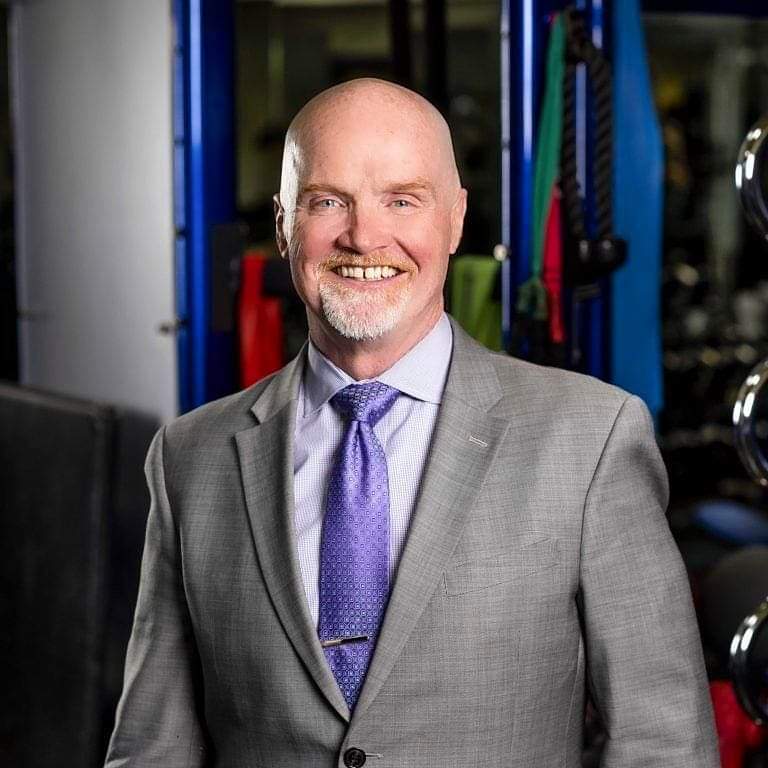
Spotlight On: Harvey Kesselman, President, Stockton University

Spotlight On: Harvey Kesselman, President, Stockton University

By: Max Crampton-Thomas

2 min read April 2020 —  As COVID-19 jolted all sectors of the economy, education institutions had to find a way to continue delivering education to their students. Stockton University President Harvey Kesselman described to Invest: the school’s online mobilization and what inspirations the institution is taking from this unprecedented crisis.

How has the transition to all online classes and education been for your university, both on the student side as well as faculty? 

It certainly was a challenge to move every course online in a matter of days, and to do it with most of the faculty and staff working remotely themselves. But everyone rose to the challenge. Our IT department, in particular, did outstanding work to make sure all of our technology needs were met, and assisting faculty, staff and students with any questions or problems they had. Faculty were creative in adapting their classes to ensure students still got a complete educational experience. 

Do you feel higher education is receiving enough state and federal support in this time of need? 

Right now, the government has to focus on the pandemic, as it should. Moving forward, we recognize that budgets will be tight, but we hope that there will be some recognition of the crucial work colleges and universities did to ensure students could continue their educations, and will continue to do so in the future. Many families have not been working, and financial aid at both the state and national level will be increasingly important.

As higher education adjusts to the current situation, what opportunities and innovation do you see carrying over post-COVID-19? 

The current situation has inspired faculty and staff to learn new technologies and be creative in how they use them. They are exploring new ways to connect beyond the classroom. They are hosting virtual book readings, lectures and movie discussions. They are using teaching methods and tools that could still enhance their lessons, even after students return to campus. 

To learn more about our interviewee, visit: 

https://stockton.edu/

Spotlight On: Larry Thompson, President, Ringling College of Art and Design

Spotlight On: Larry Thompson, President, Ringling College of Art and Design

By: Max Crampton-Thomas

2 min read March 2020 — While all higher education institutions operate with the purpose of preparing students for future lifelong careers, Ringling College of Art and Design is also working to shatter the myth of the starving artist, school President Larry Thompson told Invest:. He also spoke about the increased student interest in offerings from the school, positioning the college for future long-term success and identifying the issues that need to be addressed in higher education. 


What was one of the major successes for the college in 2019?

In December 2019, we opened the Sarasota Art Museum, which is a part of Ringling College. It is built on the site of a historic high school from 1926 located right in the middle of Sarasota. We took it over because the school system was trying to find a use for it and we were looking for space for a museum. We were able to turn it into a contemporary art museum and a space for continuing studies and lifelong learning. This project has been a long time in the making, so we are quite pleased to have this as part of our campus.

Where are you seeing the most growth in terms of student interest? 

We have seen growth in our virtual reality major and have launched a new major in entertainment design. We are also seeing a huge increase in the number of students who are interested in the Collaboratory. The idea of the Collaboratory is to help our students get real-world experience working with real-world clients. We invite clients to the institution and put together teams of students who work to help solve some of the problems that clients might be having. It is a wonderful tool for the clients, and it’s great for the students because they are getting to work with real people. The projects they are working on also have true meaning. I like to tell people that one of the great advantages for our students is that it helps with the recent college graduate dilemma: They can’t get a job if they don’t have experience, but they can’t get experience if they don’t have a job. The Collaboratory gives them that experience.

How is the college working to change the perception of art as a career? 

As an art and design college, we are fully committed to shattering the myth of the starving artist. Too many people have this feeling that art and design are more of a hobby than a career and that there are no real careers out there. This has never been true and it is certainly not true in today’s society. We focus on making certain that our students, when they graduate, have great careers. Over 100 national and international companies recruit here. These are corporations like Apple, Google, Pixar and Disney. The world has changed so much, having become a much more visual world. This has created more opportunities than ever before for artists and designers.

How are you positioning the college for future long-term success? 

We have to look at what the future holds, especially in this age of artificial intelligence (AI). AI is just in the early stages but many different jobs are going to be eliminated once it takes off. We also need to be looking at where the economy is headed. Everyone needs to be positioned for the next stage, which we are calling the Creative Age. In history, we have had the Agricultural Age, the Industrial Age and the Technology Age. The Creative Age is next because creativity is going to become one of the most essential skill sets people are going to need for success in the future. I believe this is already starting to be recognized on a global scale.

What do you view as the most significant challenges facing higher education? 

There are numerous challenges facing higher education, especially private nonprofit institutions. The whole basis for the business model needs to be rethought and recreated in some manner because being so tuition-dependent is not sustainable over the long term. Tuition is at such a high level that it is almost out of reach for many people, which leads to a huge issue with students having the ability to attend a school like ours. We are doing many things to mitigate this, such as offering financial aid and scholarships, which are among our greatest fundraising needs. Every college is trying to solve the problem of the business model.


To learn more about our interviewee, visit: 

https://www.ringling.edu/

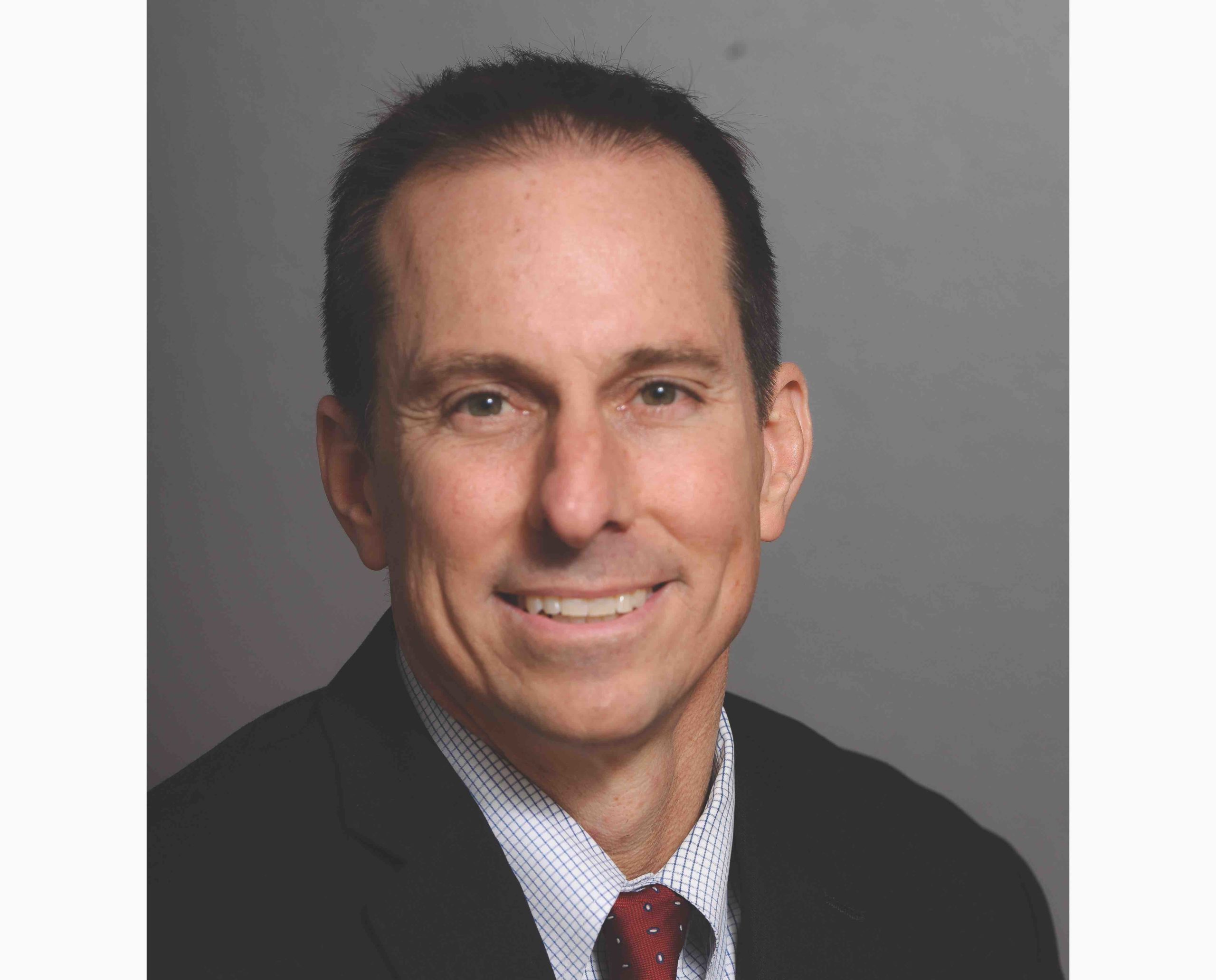
Spotlight On: Mike Allen, President, Barry University

Spotlight On: Mike Allen, President, Barry University

By: Max Crampton-Thomas

2 min read March 2020 — Higher education must consistently and constantly look to innovation and diversification in order to differentiate and remain a top option for incoming students. Mike Allen, the first lay president of Miami’s Barry University, discusses how the school fosters a more diverse environment by attracting students from many different backgrounds, as well as working closely with the private sector to insert its students naturally into the workforce.


 What are Barry University’s top near-term priorities?

 If there is one area that’s really driven my time, energy and priorities, it’s our external presence as a university. This is a really impressive university in terms of our faculty, what we teach, how we teach it and the quality of experience that our students have, but not nearly enough people know about us, about how special this place is.

We have 65,000 living alumni, and they are not nearly as connected to the university as we would like them to be. That is unusual, because every time I meet some of these alumni, they are so passionate about their school, they more than like it, they love it. They had a great experience and they are excited and want to be involved, but we just haven’t had that presence out there.

Another aspect of that is our role in South Florida. Barry University is a really important part of the South Florida community. The educational institutions are pivotal to South Florida’s economy and to its families. We are working hard to increase our visibility in the South Florida community. 


How does Barry University insert itself into South Florida’s larger higher education environment?

One of the big misperceptions about Barry University and other schools like Barry, particularly in South Florida, is who we serve. People tend to think that, because we are a private institution, our students tend to be very well off financially. Certainly, some of them are, but by and large, we serve some of the most financially disadvantaged students in South Florida.

That does not say anything about their abilities. They are talented and prepared, eager to learn and bright students, but they don’t always have the financial means to fund college for themselves. We’ve become very affordable as an institution. One of the most irrelevant figures out there these days is the sticker price of admission. One hundred percent of our students get some degree of financial aid. In fact, a heavy majority of our students receive a substantial discount on their tuition, and it has become very affordable because of that.

With that, we are also able to serve one of the most diverse populations of college students that you’ll see anywhere in the country. That is a source of great pride for us. As a result, our students learn so much more than just what we teach them in the classroom. They learn from the person to their right and their left, from their roommates, because everyone is coming from such a different place.


How is Barry preparing students to enter a more demanding workforce?

One of the things that we really try to emphasize here is experiential learning. Here in Miami, I’ve been really impressed with the intentionality by which the universities and business leaders work together. I give a lot of credit to the Greater Miami Chamber of Commerce, the Beacon Council, the Executive Roundtable, among others, for a great dialogue between higher ed, industry and nonprofits about universities doing a better job in meeting the needs of employers. That is really critical to what we do.

We have a program called SMIF, the Student Managed Investment Fund, which is a group of students, led by one of our faculty members, that invests a portion of the university’s endowment. They invest almost a million dollars of our endowment every year, working alongside our investment committee and our board of trustees, as well as our professional advisers. Their earnings have mirrored or have been better than our professional advisers and this year we allocated them another $100,000 because it fits our needs in every way possible. 

We also have a really impressive media lab. The field of communications is another example of people in a liberal arts setting who want the foundations of theory but at the same time they want to be broadcasters, they want to be on the radio, on TV, reporting the news. Our media lab has a live studio, and it serves not just the “talent” folks, but also the control-room folks, putting programs on the air.

We also received a $650,000 grant from the National Science Foundation for STEM education. It provides scholarship support for students to major in STEM areas here, with the goal of increasing degree completion for low-income, high-achieving undergraduates.


To learn more about our interviewee, visit: 

https://www.barry.edu/


South Jersey’s higher-ed sector at the forefront of workforce readiness

South Jersey’s higher-ed sector at the forefront of workforce readiness

By: Yolanda Rivas

2 min read March 2020 — Education affordability, talent retention and the demographic change of fewer students going onto college are some of the challenges facing the industry. Educational institutions in South Jersey and the state government are placing a particular focus on affordability and workforce readiness. 

 Many universities and colleges now see that workforce development and curriculum updates are necessary to meet the demands and needs of employers and the jobs of tomorrow. That is the case of the Rowan University/Rutgers-Camden Board of Governors. Part of its mandate is to facilitate collaboration between Rutgers-Camden and Rowan University in the development of curricula and programs related to health sciences. 


“Presently, we are working together to respond to projected employment growth in healthcare professions,” said Dana Redd, CEO of the Rowan University/Rutgers-Camden Board of Governors, in an interview with Invest:. “Some of the initiatives that we have launched include a Medical Assistant workforce development and training program for graduating high-school students from Camden’s traditional public schools.”


Another projected demand is the increased need for healthcare providers to assist individuals diagnosed with Alzheimer’s and dementia-related disorders. In anticipation, the board launched the Alzheimer’s Navigator Program in 2017. “The curriculum is taught by Camden County College. Inspired by the Patient Navigation model in oncology, Alzheimer’s Journey Coordinators aim to improve access to care and treatment for people with Alzheimer’s,” Redd said.


A challenge not only affecting South Jersey but the whole country is declining enrollment rates. Data from the State of New Jersey’s Office of the Secretary of Higher Education shows that the overall number of people attending higher education institutions in the state slightly declined over the last decade.


Unlike some universities that are struggling with declining enrollment, Rowan University doubled enrollment in the past 10 years to 19,600. During that time, the university transformed from a well-regarded regional university to a nationally ranked, Carnegie-classified R2 research university. According to Ali A. Houshmand, President of Rowan University, the STEM fields and businesses are the areas seeing the greatest growth. “We built new facilities for our colleges of engineering and business three years ago and doubled enrollment in their programs,” he said.


“Another growth area is our medical schools. We are one of only three institutions in the nation to offer both M.D. and D.O. medical degrees. Our commitment to medical education is important given the nation’s growing physician shortage,” Houshmand stated in an interview with Invest:.


Community colleges also play a key role in the workforce development of any community. In the southern New Jersey region, Camden County College (CCC) offers the most certification programs. According to CCC’s President Donald Borden there is great demand for machinists in the region. “Companies come to hire them as soon as they become proficient,” Borden told the Invest: team. 


“Students trained in robotics, automobile tech and optometry all find work after graduating. We offer some of those programs that are not traditionally seen as higher ed, but they have been in very high demand,” Borden said. Business and education and criminal justice are also in-demand programs at CCC. 


To fulfill the needs of the employers and provide access to education for all students, it is imperative that colleges, universities and government provide initiatives for education affordability. In February 2020, Gov. Phil Murphy announced the “Garden State Guarantee,” which is a $50 million investment in four-year senior public colleges and universities through his proposed FY2021 budget that would allow all eligible New Jersey undergraduate students to attend any public college or university in the state tuition-free for two years.


“We know students drop out of college — or worse, rule it out as an option for them — because they believe the price tag is unaffordable. After more than a decade of decreased state investments in higher education, our administration’s innovative plan creates a path for broader college affordability,” Gov. Murphy said in a written statement. “This complementary program underscores New Jersey’s continued commitment to tuition-free community college. We remain laser-focused on retaining in-state talent through our Jobs NJ initiative and expanding opportunities for low-income communities and communities of color.”

The program complements similar existing efforts at William Paterson University, Rutgers-Camden, Rutgers-Newark, and New Jersey City University. According to the “Garden State Guarantee” official press release, the guarantee builds on existing state programs to make college affordable, including financial aid provided to students through the Community College Opportunity Grant, Tuition Aid Grants and New Jersey Student Tuition Assistance Reward Scholarships. 


To learn more about our interviewees, visit:

Rowan University/Rutgers-Camden Board of Governors: https://rurcbog.com/ 

Camden County College: https://www.camdencc.edu/ 

Rowan University: https://www.rowan.edu/

State of New Jersey: https://nj.gov/governor/index.shtml 


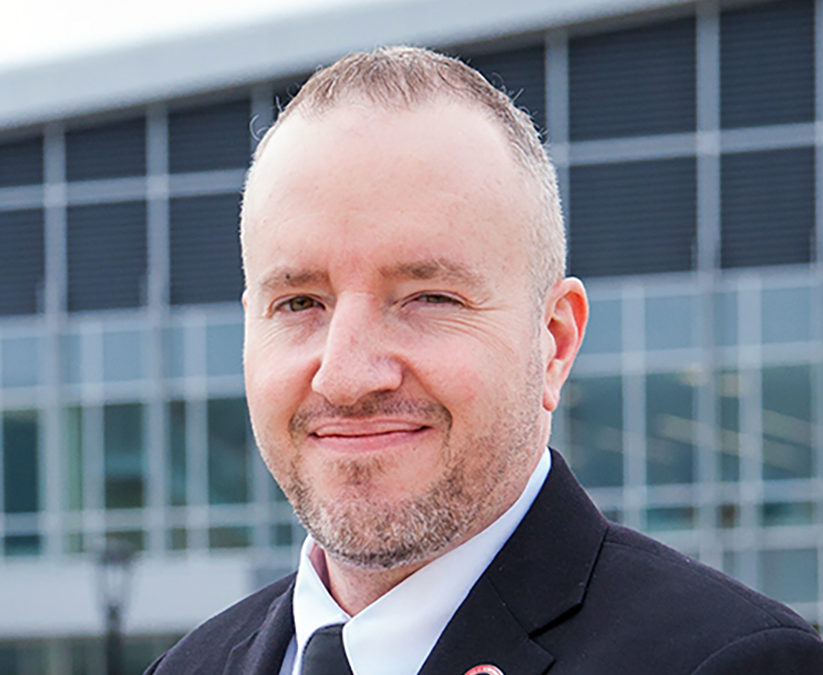
Spotlight On: Michael Cioce, President, Rowan College at Burlington County

Spotlight On: Michael Cioce, President, Rowan College at Burlington County

By: Yolanda Rivas

2 min read February — Rowan College at Burlington County looks out for its students and has established several partnerships with the private sector to ensure a smooth transition from the classroom to the workplace. Still, shrinking birthrates on the East Coast present a challenge to remain competitive in the state, according to Michael A. Cioce, president of Rowan College at Burlington County.


What are the main qualities that distinguish Rowan College from other institutions in the region?

Access and affordability are built into the DNA of the institution. We have no direct competition within our county boundaries, but the state of New Jersey unfortunately has challenges. Many of our students have been recruited by Pennsylvania, New York and Delaware, among others, and it puts the responsibility on us to deliver a high-quality educational experience. 


We have approximately 9,000 students in any given semester, which makes us a medium-sized institution. Despite that number, my cabinet, my deans, directors and I all know our students. You are not going to come here and just be a transaction, and that matters to students because they have options and alternatives. We have competitors encroaching on our front door. Online education has grown exponentially over the last 20 years, so students can go wherever they want and I think that value that the personal connection provides differentiates us from many larger institutions.


In tandem with that, we have linkages directly into our local workforce, which assists students in gaining entry into the workforce.


What are the college’s most in-demand programs and courses?

Anything related to the health sciences sector. Our nursing program has a waiting list, and demand greatly outpaces available seats. Part of that is that students know they are going to be employed upon graduation. Our partnership with Virtua Health System, one the region’s largest healthcare employers, is amazing. Our students are not going to graduate with us simply saying, “good luck.” Through our workforce development programs and partnerships, such as that with Virtua and other employers, our students are getting real on-the-ground training that allows them to cross seamlessly into a job. Many of our students are offered employment prior to graduation.


We partnered with an economic analytics firm to conduct an economic impact study that uncovered three prongs where this institution drives value to the area. First, obviously, is training the students locally. They are coming to our campus, living nearby, buying food at local restaurants and working here. Second, as an employer. We employ over a thousand people in any given year, probably more than that. We are not the size of Virtua, but we are not a Mom and Pop store. Third is alumni: students who trained here, stayed here, and are also going to be champions of this institution. That is sort of our hat trick that scores big for the region. The report determined that RCBC’s economic impact on the Burlington County regional economy is $504.9 million in a year. 


What are the main challenges facing both Rowan College and the education system at large in South Jersey?

The birth rate has declined over the last 20 years and as a sector that is heavily reliant on high-school graduates, the enrollment curve is going to be challenging over the next couple of years. This is something that is larger than the college and the county, it is actually affecting the entire East Coast. As a community college, we enroll many adult students and we are not entirely reliant on that 12th-grade population. We have a higher percentage of adult learners than our peers, which gives us a little bit of a buffer, but the overall trend, is definitely going to be a challenge because as the main pool of students shrinks, there is going to be increased competition for them.


To learn more about our interviewee, visit:

Rowan College at Burlington County: https://www.rcbc.edu/ 


Gov. Wolf’s Pennsylvania Budget Prioritizes Education, Income

Gov. Wolf’s Pennsylvania Budget Prioritizes Education, Income

By: Sara Warden

2 min read February 2020 — Democrat Gov. Tom Wolf focused his 2020-21 budget on education and income, proposing an increase in spending of almost 6% to $34 billion over the fiscal year, including $600 million to cover cost overruns. Republicans criticized the heavy reliance of the budget on the assumption that revenue would grow by 4.5% ($1.6 billion) over the period. The proposals also require borrowing funds. “It’s easy to put things on a credit card and then ask other people in the future to pay for it,” said Republican State Representative Stan Saylor. “That is not the solution for Pennsylvania.”

 1. There will be no major tax increases

Instead of tax increases for citizens, several novel approaches were proposed in the budget to fund services, one of which was a state police fee based on number of incidents and coverage area. Wolf estimates the initiative will bring in $136 million to fund police services. Another way taxes could stay flat is by imposing a tax on the Marcellus Shale natural gas field to be placed in a $4.5 billion infrastructure fund. Based on 2019 production, Wolf believes the tax would generate more than $600 million per year.

Sweeping changes will be made to charter school funding

Wolf proposed a reduction in the obligatory payments school districts must make when one of their students decides to attend a charter school, which would save districts $280 million annually, according to the governor. “Our charter school system is in desperate need of reform,” Wolf said in a sharp rebuke of the charter school system. “It’s time to close the loopholes. It’s time to establish real standards, and it’s time to level the playing field.”

2. Revisiting previous proposals.

The Wolf administration wants the state to increase basic education spending by $100 million and special education by $25 million. He wants all school districts to offer full-day kindergarten, shifting 22,000 students who attend half-day programs into full days. He wants budgets on the whole for Pre-K to be increased by $30 million, most of which will be allocated to the state-run Pre-K Counts program. Finally, he proposed an increase in the state’s minimum teaching salary from $18,500 to $45,000, impacting 3,000 teachers. 

3. Higher minimum wage is high on the agenda

Wolf’s government has always championed higher minimum wages but has been met with stiff resistance. The governor wants to increase Pennsylvania’s minimum wage to $15 per hour on a gradual basis. The current minimum wage is $7.25, which he proposes should be increased to $12 this July and every consecutive year by $0.50 until reaching $15 in 2026.

Another issue the governor addressed was gun reform, which is unusual for a budget speech. Gov. Wolf made an impassioned plea for the state to take gun laws more seriously. “The steps I’m proposing are supported by the evidence and supported by the vast majority of Pennsylvanians,” Wolf said. “To let another session go by without action would be a failure of imagination that will cost lives.”


To learn more, visit:

https://www.governor.pa.gov/

http://www.repsaylor.com/


Spotlight On: Les Vail, CEO & President, Gloucester County Chamber of Commerce

Spotlight On: Les Vail, CEO & President, Gloucester County Chamber of Commerce

By: Yolanda Rivas

2 min read January 2020— The Gloucester County Chamber of Commerce’s focus on business development and education has positioned it as the fifth-largest chamber in the state of New Jersey. The chamber’s partnerships with local county colleges and universities have been key for businesses and the local workforce. Les Vail, president and CEO of the chamber, discussed with Invest: the different ways the chamber is promoting Gloucester County as an economic engine in the region.


 What have been some of the highlights for the Gloucester Chamber of Commerce over the past 12 months?


We have been making a concerted effort over the past year to improve branding and marketing to ensure that our message reaches as many people as possible. We initiated a partnership with Rowan College of South Jersey that provides around 30 percent discounts on degree tuition fees for any of our employees and members. We are already seeing that initiative bearing fruit, with over 12,000 unique visits per week across our social media platforms and a significant uptick in returns on our email blasts.


How is the chamber working to promote South Jersey as a catalyst for economic development in the tri-state area?


We have grown to become the fifth-largest chamber in the state with almost 1,000 members, and a big reason for that success is our focus on business development. We act as the middleman to help companies and executives connect with each other. Our efforts on education are also vital. We firmly believe that economic development starts with educating the workforce, as this is what attracts new businesses to the region. 


Manufacturing, for example, has a great need for employment. Gloucester County is the fifth-largest region in the country for food manufacturing. The sector offers competitive wages, but it is struggling to find sufficient numbers of skilled workers, not only for now but for the future. The industry does not necessarily require a college degree, but usually requires some form of certification. That’s where our partnerships with local county colleges can have an important impact. We listen to the business community and we support them in their efforts to increase the number of qualified workers for this industry.


What kinds of businesses are you trying to attract to the Gloucester County region?


We are not known as a technology hub, but we have a research institution and two medical schools that are contributing in this area. So we are looking to attract technology-based industries that can offer competitive wages. We have the land capacity and infrastructure in place to attract these businesses.


What are the main challenges facing businesses in the county?


Workforce is still the main issue. We need more plumbers, electricians and carpenters. Manufacturing businesses and refineries, despite offering attractive salaries, are struggling to find their future workforce. It is important to change the mindset of young people today and to let them know that not every career requires a college degree. We need to find people without college degrees and include them in the workforce by giving them valuable skills that contribute to the economy. This process starts in high school, so it is encouraging to see institutions like Gateway Regional High School offering guidance and advice on potential career paths to students from an early age.


To learn more about our interviewee, visit:

Gloucester County Chamber of Commerce: https://www.gc-chamber.com/


Spotlight On: Les Vail, CEO & President, Gloucester County Chamber of Commerce

Gloucester County Emerges as the Jewel in South Jersey’s Crown

By: Sara Warden

2 min read January 2020 — In a roundtable published in Forbes this week, the magazine’s Real Estate Council made a definitive ranking of the 14 Up-and-Coming Real Estate Locations to Watch. Coming in at No. 13 was none other than South Jersey’s very own Gloucester County. “For the most inspired growing area, look to Gloucester County in South Jersey!” said panelist Nancy Kowalik, owner of Nancy Kowalik Real Estate Group. 


But why is this county gentrifying so quickly? According to Kowalik, it’s because Gloucester County has everything. “Located close to the city and the shore, we have green spaces, room to breathe, wineries, a quaint Downtown and bike paths,” she said. “It’s all here, and that’s why world-class Rowan University is growing. A new 1,000-bed, state-of-the-art hospital is opening, too.”

The hospital to which she is referring is the Inspira Medical Center Mullica Hill, 465,000-square-foot development over 100 acres with 210 private rooms, a maternity center and 62-room emergency department. The project, the county’s first new hospital in almost 45 years, was built with raised funds of $23 million, a campaign that took just seven months to reach its target.

“This is a tremendous day for South Jersey, Gloucester County and our health system,” John DiAngelo, Inspira Health’s CEO and president, said at the hospital’s ribbon-cutting ceremony in December. “With this new hospital, our commitment to providing exceptional care for our community, in our community, reaches a new level. We are excited to bring the latest in healthcare to the people of Gloucester County and surrounding communities.”

As far as the university expansion, one of the main developments has been the $400 million, 26-acre Rowan Boulevard project. 

As well as the healthcare sector and academia, Gloucester County is also proving to be attractive for the private sector, and has become somewhat of a home to craft breweries. The most recent addition is Core3Brewery, a new player that joins the ranks of Human Village Brewing Co. in Pitman, Eight & Sand Beer Co. in Woodbury, Cross Keys Brewing Co. in Williamstown and Death of the Fox Brewing Company in Clarksboro. 

“We were really drawn to the way they are building up the area around the college and definitely see the positive direction the area is moving in,” Krystle Lockman, owner of Axe and Arrow Microrewery, told South Jersey Business Journal. “It’s great to be on the ground floor of this redevelopment project in an area we have so many ties to.”

And Core3’s owner, Lawrence Price, told South Jersey Business Journal that the ease of doing business in the county will only contribute to its continued growth. “[The borough] has been so supportive and helpful and business friendly. Everything they could do to help us, they did,” he said. “Mayor Tom Bianco has always been upfront with us and in the mix of things, stopping by at least once or twice a week to see how things are going and if there is anything he can do.”


To learn more, visit:

https://www.nancykowalik.com/

http://www.inspirahealthnetwork.org/mullicahill

https://www.rowan.edu/

http://www.core3brewery.com/

https://axeandarrowbrewing.com/


Survey highlights Camden’s economic progress

Survey highlights Camden’s economic progress

By: Yolanda Rivas

2 min read January 2020 — What once was the poorest city in the nation is now showing significant advances as a result of its renaissance efforts. Camden City is showing positive trends in key economic areas, according to a recent survey from the U.S. Census Bureau,  using data derived from the American Community Survey (ACS).   


The survey data showed significant improvements in areas such as poverty, educational attainment, employment and unemployment. 

“Change doesn’t happen overnight, but in findings like these we are seeing the very real snowballing effect of progressive policies put into place to better the lives of residents in the City,” said Freeholder Director Louis Cappelli, Jr in a press release.

The surge in educational attainment among 18-24-year olds is one of the significant trends Camden has seen during the last decade. The most recent estimate shows the population achieving high school or higher levels of education is now at 83.3 percent. From 2006 to 2010, approximately 68 percent of young adults in the city had graduated high school, earned their G.E.D., attended some college, or received an associate’s, bachelor’s or advanced degree. 

“Ensuring all of our students and families are attaining a quality education and gaining access to advanced educational opportunities is our objective. This report underscores the progress being made in the classroom and throughout our district,” Superintendent Katrina McCombs said in a press release.

The survey also showed that the number of residents employed has increased by more than 2,500 and the number of unemployed residents dropped from over 7,700 to less than 3,900.  According to city data, the unemployment rate over the five years ending in 2018 was 12.6%, which represents a big decline from the 24.4 percent reported from 2009 to 2013.   

Camden’s “eds and meds” sector, which employs almost 40% of the Camden workforce, has also been key to the city’s revitalization. Over $1 billion has been invested in the “eds and meds” sector, with an additional $175 million planned. Camden is home to five eds and meds institutions, leading research and innovative efforts throughout the region and the national and international community. 

To support local businesses and residents, workforce initiatives like private initiative Camden Works, launched in 2019, have been forged to ensure Camden continues its growth path. The employment training and placement program is designed to leverage resources from local entities to provide training, education and placement.

“Unparalleled collaboration and a holistic approach to revitalization is resulting in real progress in Camden,” said Camden Mayor Francisco Moran in a press release. “The data indicates that Camden is making substantial gains as it relates to reducing poverty, improving academic outcomes and increasing employment prospects. This kind of sustained progress has not been witnessed in decades.  These are all positive signs for our residents and indicators that the quality of life continues to improve.” 

The ACS produces estimates of selected population characteristics for one- and five-year periods. Five-year estimates include data aggregated over a 60-month period and attempt to show the characteristics of the city over that entire stretch.  

To learn more, visit:

https://data.census.gov