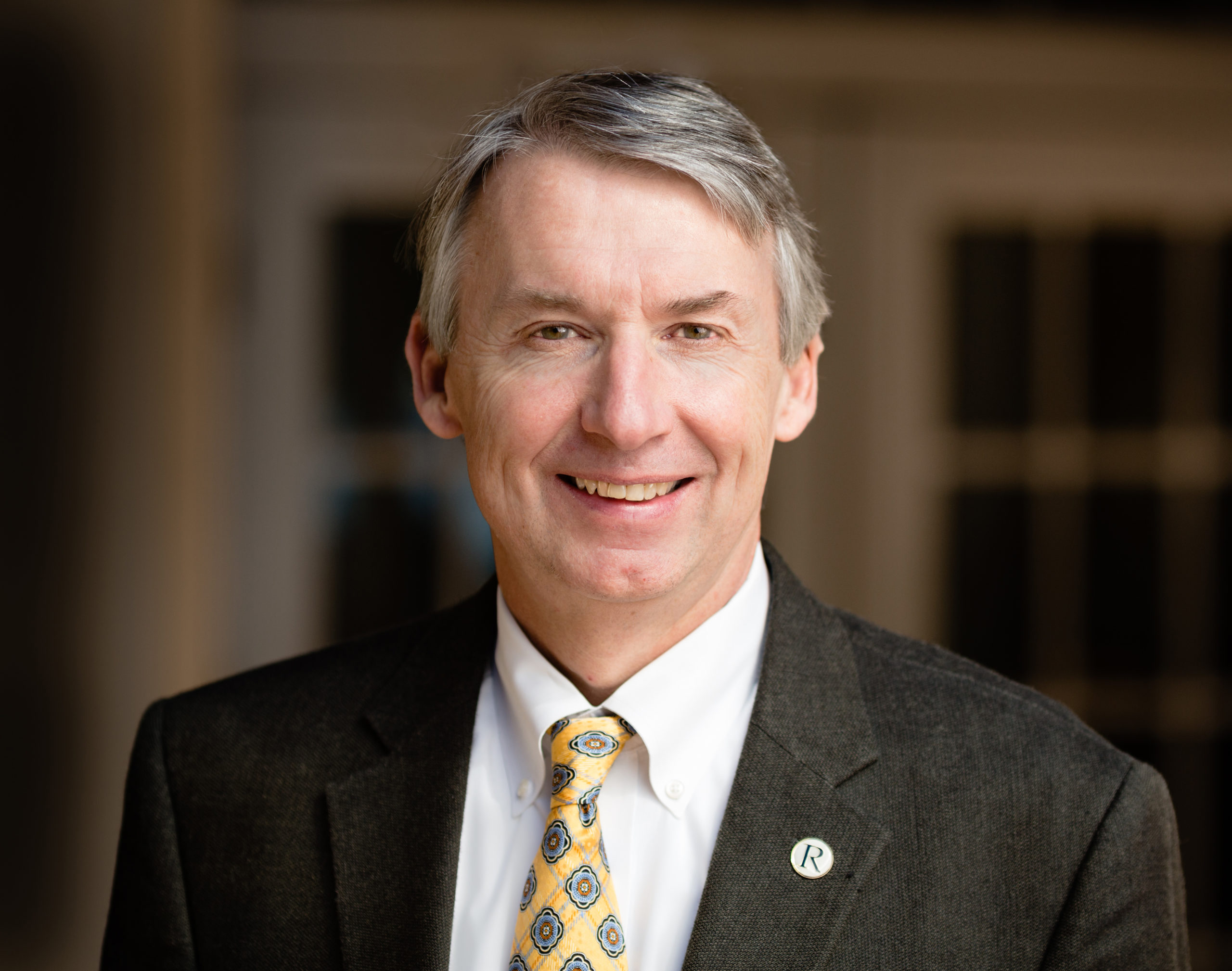
Spotlight On: Donald Borden, President, Camden County College

Spotlight On: Donald Borden, President, Camden County College

By: Yolanda Rivas
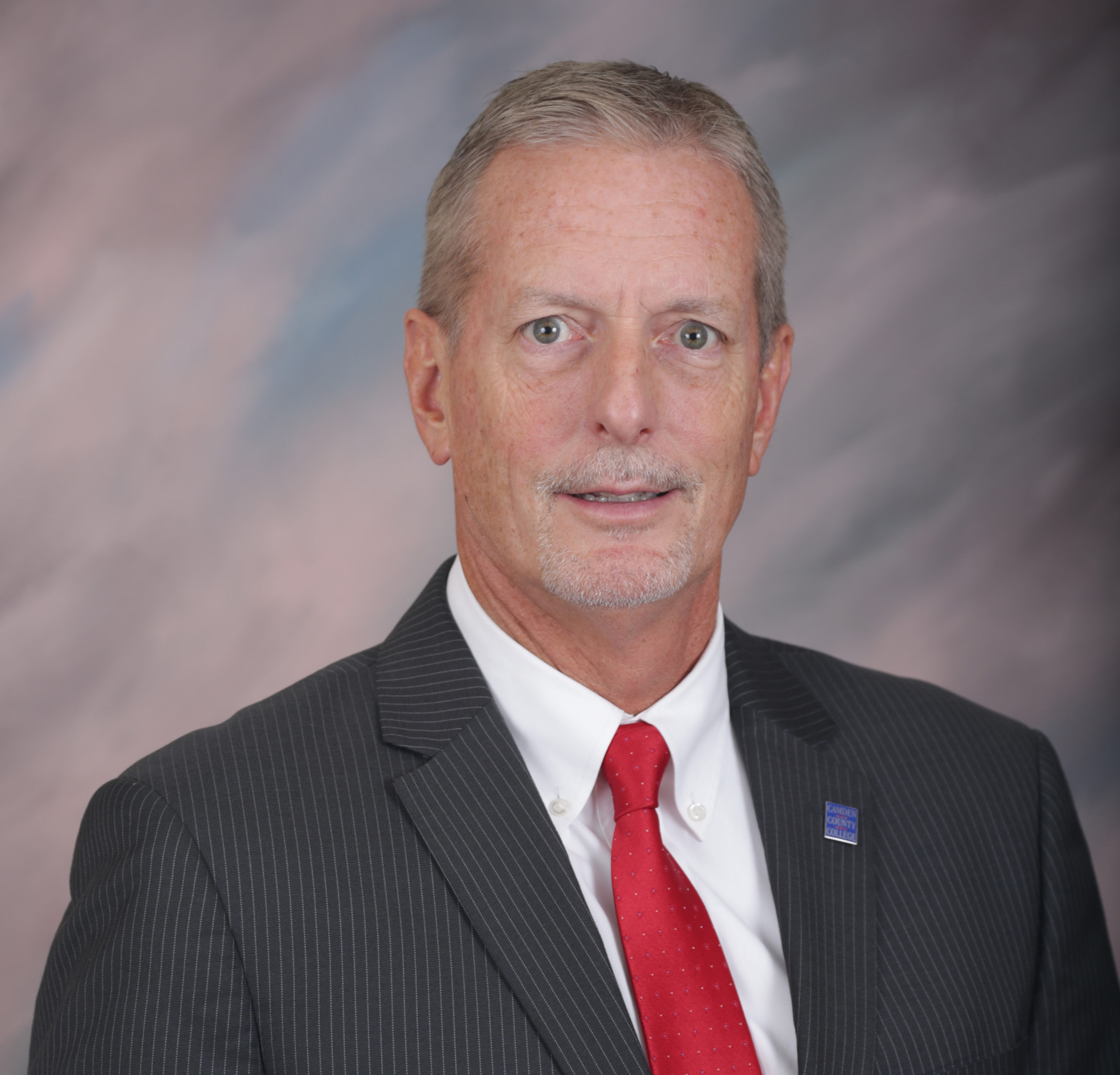
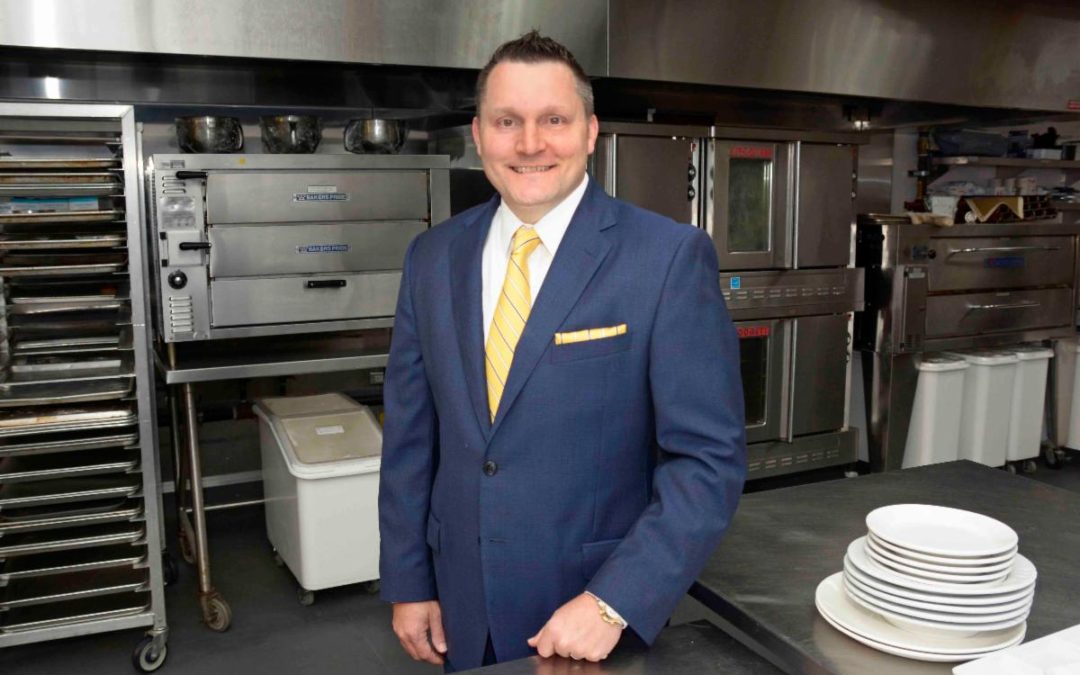
2 min read December 2019 — Beyond typical degree programs, South New Jersey’s Camden County College is challenged to keep up with demand for certifying students like automobile technicians and machinists. The school is attracting increased involvement from local business and the industrial community to tailor its courses to the market’s demands. The Invest: team recently spoke with Camden County College President Donald Borden, who highlighted the areas of growth for the college and the region’s workforce.

Which of the college’s programs are experiencing more demand?


We have the most certification programs in southern New Jersey. In terms of what is in demand, we can’t keep our machinists on the floor. Companies come to hire them as soon as they become proficient. Students trained in robotics, automobile tech and optometry all find work after graduating. We offer some of those programs that are not traditionally seen as higher ed, but they have been in very high demand. We also continue to graduate students in the areas of business and education, as well as criminal justice, to name a few. The important factor is to have the connections that provide students with opportunities, such as the police academy, which we oversee here in Camden County.


As the college’s 2017-2020 strategic plan winds down, what factors will be central to the next plan?


We are already working on our next strategic plan. What is encouraging is that much of the focus in our town halls or when talking to our stakeholders is making sure our strategic plan includes partnering with business and industry. We have really increased the number of businesses and industries on our advisory boards, and my view is that we have to be servants to those individuals. It used to be that higher education was a “take it or leave it” proposition, but now we need to understand what the business community needs from our graduates. They have an opportunity to weigh in on our curricula and program development. As a result, when our graduates enter the local business community it helps them, it helps the business community and industry, and it helps the community in general.

What impact is technology having on education?


It is not just instructional. When you talk about automobile techs, I don’t think they can be called mechanics anymore. They are technicians who are very involved in the computer technology business. I think that is true in almost any area. How does that affect us? Instructionally, we need to be meeting the needs of those businesses and industries, which is where the advisory boards and partnerships come in.  We need to know what kind of equipment our students need to be trained on. That is true of both certification programs and degree programs.


In addition, sometimes we need to rely on those partners to help us with equipment, because of financial issues. But even beyond that, our students live in that world on a day-to-day basis, so we try to help them. More students are simply living their education through technology. We are also expanding our online programs, which is an area of focus as we work to have more degree options available online.


What main challenges is the college and the education sector in South Jersey dealing with?


One of the main challenges for all of us is fewer traditional students graduating from high school. That population is diminishing and that makes it more competitive for all the institutions that serve those students. 


Another challenge that we face, and which is very typical in public institutions, is state and federal funding. Our county has been extremely generous. Most recently, the community college opportunity grant has had an influence on how we do business. It provides every student making $65,000 or less in combined yearly family income with free tuition at local community colleges.


To learn more about our interviewee, visit:

Camden County College: https://www.camdencc.edu/ 

Public and Private Collaboration Key to Camden’s Eds and Meds Corridor

Public and Private Collaboration Key to Camden’s Eds and Meds Corridor

By: Yolanda Rivas

2 min read December 2019 — The life sciences industry is one of the fastest-growing industries in New Jersey, with the largest concentration of scientists and engineers per square mile in the world. The southern New Jersey region is no exception, with Camden’s “eds and meds” corridor boasting numerous healthcare, educational and research institutions.

The city’s eds and meds corridor has been experiencing steady growth over the last few years, thanks to the commitment of anchor institutions and the city’s leadership. According to Cooper’s Ferry Partnership statistics, the corridor employs almost 40% of the Camden workforce and over $1 billion has been invested in the “eds and meds” sector, with an additional $175 million planned. 

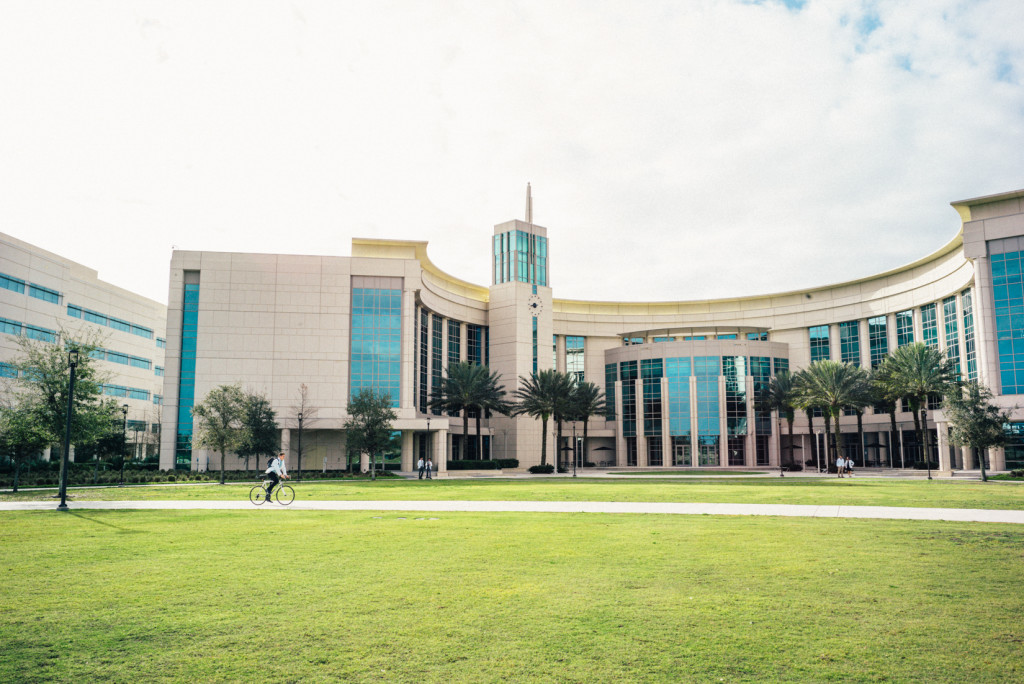
Created in 2012 by the New Jersey Medical and Health Sciences Education Restructuring Act, the Rowan University / Rutgers – Camden Board of Governors has been a catalyst in the corridor’s extension and economic development. In October, the board reached a milestone with the opening of the new Joint Health and Sciences Center, which provides lab and training spaces for Rowan University, Rutgers-Camden and Camden County College. 

“By leveraging the power of these institutions, the Center is poised to become the research and innovation hub of South Jersey. This campus will be the beating heart of Camden’s eds and meds corridor, injecting opportunity, growth, and innovation throughout the entire region,” said  Joint Board CEO Dana Redd in a press release. 

The center houses research laboratory spaces for both Rowan and Rutgers-Camden, simulation rooms for medical students at Cooper Medical School of Rowan University, instructional space and additional simulation labs for Camden County College, and office space for the Joint Board, according to the press release. The center will help expand the city’s transformation into a hub for medical research and innovation and attract top talent into the region. 

Camden’s “eds and meds” corridor growth is also due to the numerous partnerships between healthcare and education organizations in the area. These community collaborations and initiatives have helped combat social determinants and support local residents. For example, Camden residents now have expanded access to care as a result of efforts by institutions such as Cooper University Health Care, Virtua Health System, CAMcare Health Corporation and Camden Coalition of Healthcare Providers.  

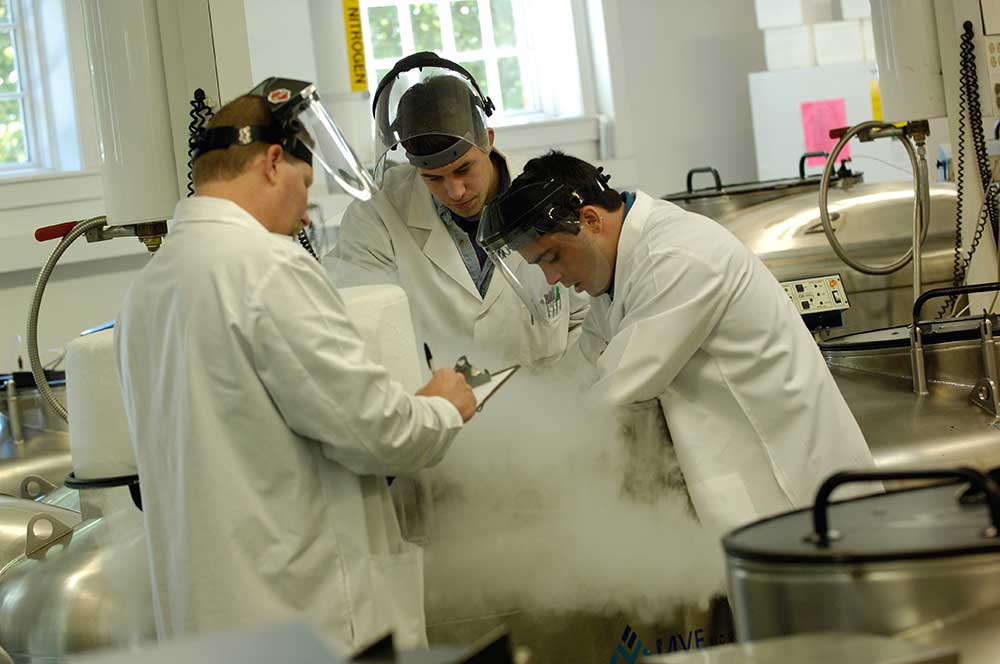
The Coriell Institute for Medical Research, an independent, nonprofit biomedical research center, has been a leader in Camden’s health sciences sector. The institute hosts one of the world’s leading biobanks, distributing biological samples and offering research and biobanking services to scientists in 85 countries around the globe. By conducting groundbreaking research in biobanking, personalized medicine and stem cell biology, the Coriell Institute has been and continues to be a main driver of the corridor’s growth.

Another example is the MD Anderson Cancer Center at Cooper, which has also significantly contributed to Camden’s eds and meds corridor since its opening in 2013. The center not only brought a new option for cancer patients across the region, but its innovative clinical trials and research has helped Camden’s reputation as a hub for groundbreaking healthcare research and education.


To learn more, visit:

Cooper’s Ferry Partnership: https://coopersferry.com/  

Rowan University / Rutgers – Camden Board of Governors: https://rurcbog.com/ 

Coriell Institute for Medical Research: https://www.coriell.org/ 

MD Anderson Cancer Center at Cooper: https://www.mdanderson.org/about-md-anderson/our-locations/md-anderson-at-cooper.html 

Spotlight on: James Michael Burkett, President, Florida Technical College

Spotlight on: James Michael Burkett, President, Florida Technical College

By: Yolanda Rivas

Since 1982, Florida Technical College (FTC) has been meeting the needs of students and the job marketplace. At times of low unemployment rates across the nation, educational institutions like FTC play a significant role in providing students the necessary skills businesses are looking for. In an interview with Invest: Orlando, FTC’s President James Michael Burkett discussed the most in-demand programs and how they support the local workforce.

What differentiates Florida Technical College from other educational institutions in the area?


We support people who want to acquire technical job skills that can get them into the job market more quickly. That is one of our main advantages. Our locations in Central Florida have seen unprecedented growth, particularly in our hospitality program because many of the positions in these fields require the technical skills we help students acquire, rather than a traditional four-year degree. Another big advantage for the school is our Spanish language vocational and technical programs. These programs have allowed us to assist the Spanish-speaking population that has migrated to Central Florida over the last few years.

What are some of your efforts to attract and retain talent in Orlando?

We partner with several chambers to make sure that employers in the area understand what we have to offer. That has been a great advantage to both students and employers. We are seeing unprecedentedly low unemployment rates and one of the main challenges employers are facing is finding qualified talent. We communicate with local businesses from different industries to ensure our students have the skills they need. 

Which Florida Technical College programs are seeing the most growth?

Electrical has been one of the fastest-growing programs at Florida Technical College. We have been able to scale that program quickly to meet demand and by the beginning of next year it will be available at most of our campuses. Construction trades and the Spanish language vocational programs also have been areas of growth for us and we expect that to continue in 2020. There is also a big need for culinary skills and we are expanding our capacity for that program as well. With numerous restaurants and hotels opening in the region, we are looking to provide the talent pipeline they need.

To learn more about our interviewee, visit:

Florida Technical College: http://www.ftccollege.edu/

Why Orlando is an ideal city for esports hub

Why Orlando is an ideal city for esports hub

By: Yolanda Rivas

Over the last few years, Orlando has been increasing its presence in the esports scene. Already home to numerous simulation, training and tech companies, there’s no doubt about the City Beautiful’s potential as a main driver in the gaming arena.

One of the pillars in Orlando’s gaming scene has been Full Sail University. The institution opened The Fortress last May, which is the largest esports arena on a college campus in the nation. Since then, it has attracted several major events like an NBA 2K League competition and a qualifying event for the Red Bull Conquest.

“When we were planning and building The Fortress, we knew, like other facilities on campus, it would need to function as a professional-caliber facility since we are educating our students to work in the real world,” said Full Sail President Garry Jones in an article from the Orlando Sentinel. 

Although the esports boom is just starting and there’s only a handful of arenas in the country, these events represent a boost to the economy, especially with the presence of teams and fans attracted by the tournaments. 

A recent report from WalletHub ranked Orlando as the fourth-best city for gamers and No. 2 for gaming environment. The study compared the 100 largest U.S. cities across 23 key indicators of gamer-friendliness.

Face Off: Education Updates to Keep Feeding Orlando’s Growing Job Market

Face Off: Education Updates to Keep Feeding Orlando’s Growing Job Market

By: Yolanda Rivas

2 min read November 2019— Orlando has ranked among the country’s fastest-growing job markets for several years and it is also ranked by Forbes as the No. 3 city for future job growth. To continue its recognition as a great job market, there is a need for qualified talent with the necessary skills for the jobs of tomorrow. Invest: Orlando recently spoke with leaders of two major colleges in the area: Grant Cornwell, president of Rollins College, and Georgia Lorenz, president of Seminole State College of Florida, to learn about the efforts to feed the local talent pipeline.

What academic programs are seeing the most demand?

Grant Cornwell: Overall, we’re seeing increasing demand for our future-proof brand of liberal arts education. In terms of majors, our most popular programs include biology, communication studies, psychology, and our three undergraduate business degrees: business management, international business, and social entrepreneurship. That last one, social entrepreneurship, is one of our fastest-growing majors, and it was the first program of its kind to earn accreditation from AACSB International, which is the gold standard for business education. It teaches students how to apply business skills and entrepreneurial thinking and action to tackle social and environmental problems around the world. That is very appealing to this generation of students who want the tools to solve some of the global challenges that they’re inheriting and who want to make a positive impact in their lives and careers. 

Georgia Lorenz: Healthcare in general is one of the fastest-growing areas. As the Central Florida region continues to grow, there is a need for an additional 1,000 bachelor’s degree-trained nurses each year for the next decade. Our bachelor’s degree in health sciences is also experiencing great demand because it prepares students for a variety of health-related careers. We also launched our hospitality management program in fall 2019, to meet the high demand for restaurant and hotel management professionals. In the area of technology, our mechatronics and robotics program continues to expand. We want our students to be able to adapt as the industry changes. In spring 2020, we’re going to start a new focus area in simulation, which is a huge industry in Central Florida. Another area of growth for us is cybersecurity, which leads to great job opportunities. 

What are you efforts to attract and retain talent in Orlando?

Georgia Lorenz: First and foremost, the tremendous population and economic growth in Orlando represents an incredible opportunity for our students and graduates. At Rollins, we’re preparing graduates who are not only uniquely prepared to thrive in this dynamic economy right away but are also ready to help Orlando reach even greater heights through lifelong leadership. Second, Orlando’s growth is providing our students more and more opportunities to put their ideas to work in the world. Every semester, our students gain professional experience through internships at some of the world’s most innovative companies and organizations right here in Central Florida — from ALDI and NASA to Universal and The Walt Disney Co. Rollins’ also boasts some of the best community-engagement programs and initiatives that you’ll find at any college anywhere in the country. Every single day, our students partner with local and national organizations to create positive change in our community. In the process, they not only learn the importance of engaged citizenship but also develop experience that will give them a competitive advantage in the job market.

Grant Cornwell: Research has shown that the better education ecosystem a region has, the more likely they are to attract new businesses and retain the businesses that are already in the area. Seminole State continues to work closely with Seminole County Public Schools to create pathways for our students throughout their school careers and into higher education. As the population and the business community grow, we will need more professionals in a number of industries. And we are making sure we provide the talent to these new and emerging areas to help with the social and economic infrastructure of Central Florida. We are using technological advances to serve our students more effectively. We’re always looking for new software or innovations to better serve our students. Every program at Seminole State has an advisory board, made up of local business leaders and faculty members, to ensure that we’re preparing our graduates for the jobs of tomorrow. We also prepare students with hands-on learning experiences through internships and work-based problem solving to give them real world experiences with the latest technologies before they graduate. That’s something that distinguishes a Seminole State educational experience from many other institutions.

To learn more about our interviewees, visit:

Rollins College: https://www.rollins.edu/

Seminole State College of Florida: https://www.seminolestate.edu/


Big Reveal: A New Look for Charlotte’s Main Library

Big Reveal: A New Look for Charlotte’s Main Library

By: Felipe Rivas

2 min read November 2019In the information age, knowledge is power. As Charlotte continues to attract top-level companies and talent across multiple industries to the region, Mecklenburg County wants to provide Charlotteans a sleek, modern, and highly technological space to study, learn, and absorb information. The Charlotte Mecklenburg Library unveiled the design plans for its new $135 million, 115,000-square-foot Main Library in Uptown Charlotte. The design features five levels and one lower level, two outdoor terraces, immersive theaters, conference rooms, and a revamped Robinson-Spangler Carolina Room. The plans were revealed two days after voters rejected an arts- and education-related sales tax increase.

The new Main Library will be made possible via a public-private partnership. According to the Charlotte Mecklenburg Library, the county has committed $65 million to the project. The library’s foundation will raise the remaining $70 million through a new campaign, called CommonSpark. Reportedly, the Knight Foundation pledged a $10 million donation to the new library on Thursday. Demolition is slated for 2021, with an expected completion date of 2024.

The plans for the new Main Library come after Mecklenburg County voters rejected a 0.25% sales tax increase that would have funded art, education, parks and more for Charlotte. If passed, the sales tax would have increased from its current 7.25% to 7.5%. Sales tax advocates, which included the Charlotte Regional Business Alliance, estimated the tax would raise around $50 million a year for arts and education-related initiatives. 

Though voters rejected the sales tax, the new library is part of the vision for Uptown Charlotte as the area continues to develop. “The new main library will be an architecturally-distinctive, state-of-the-art, technologically-advanced knowledge center and public commons, where everyone in our community can access the resources of a 21st-century library,” said Charlotte Mecklenburg Library CEO Lee Keesler in a press release. “The new Main Library helps further our mission to improve lives and build a stronger community by strengthening public engagement, supporting economic opportunity and connecting community resources.”

The Charlotte Mecklenburg Library system is comprised of 20 libraries and it serves more than 1 million residents, according to its website. The Main Library design plans account for a job training center, counseling services space, along with the core technology and maker space offerings, including a technology center, computer lab, digital visualization lab, and recording studios. Two outdoor terraces will overlook Tryon Street and Uptown Charlotte, giving visitors a front-and-center look at the transformation of the area.  

For more information visit:

https://cmlibrary.org

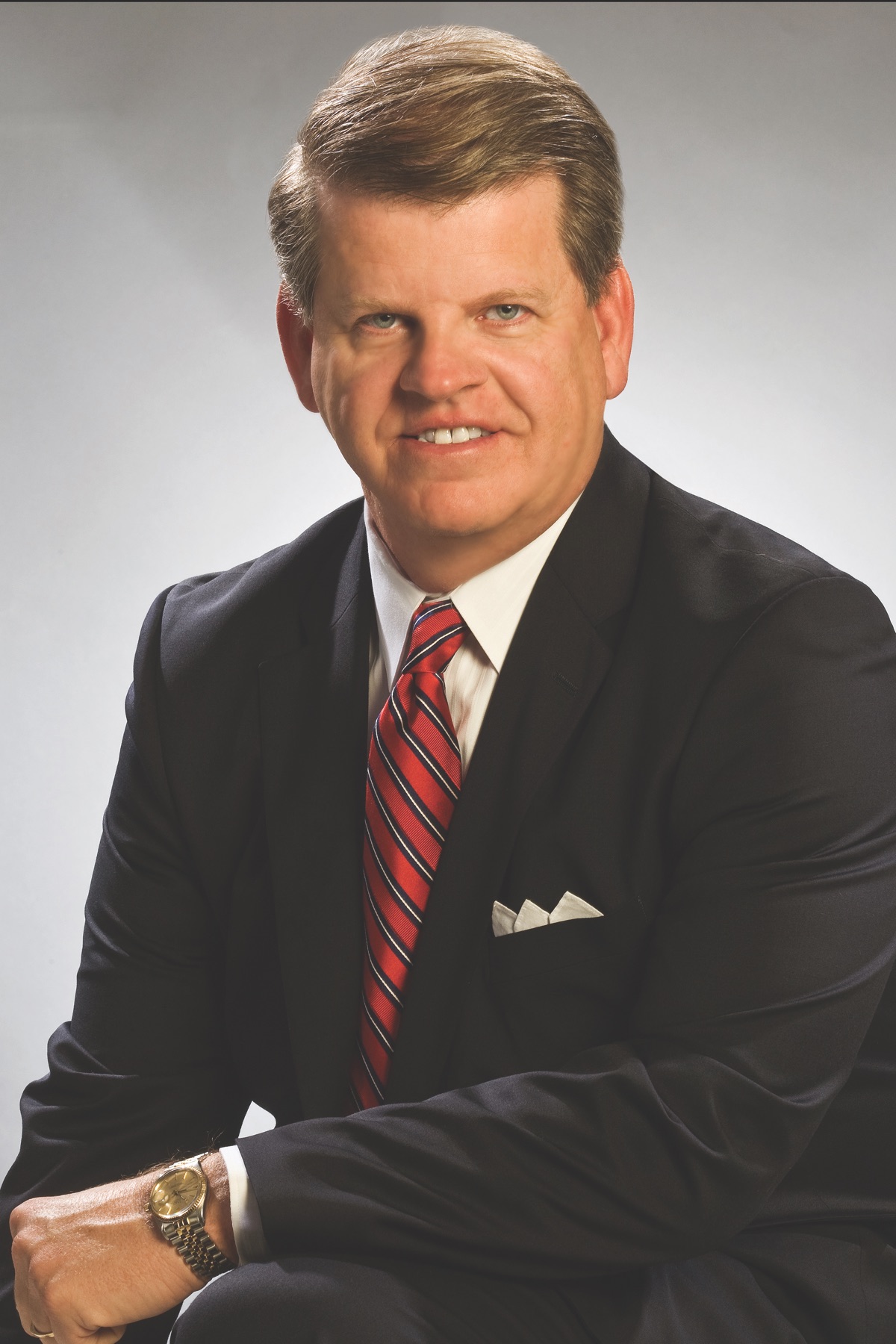
Spotlight On: Kevin Rogers, Regional President, Seaside National Bank & Trust

Spotlight On: Kevin Rogers, Regional President, Seaside National Bank & Trust

By Max Crampton-Thomas

2 min read October 2019 — Seaside National Bank & Trust may be considered a newer entry into the market, having first opened its doors in 2006, but since then it has become a prominent force in the banking community. Invest: Greater Fort Lauderdale recently spoke with Kevin Rogers, the regional president of Seaside National Bank & Trust’s South Florida operations. During the discussion, he spoke on the importance of cybersecurity to a bank like Seaside, how Seaside handles the challenge of competition in South Florida and his approach to finding the right employee candidates. 

How are you protecting your clients in regards to cybersecurity? 

Cybersecurity is a huge topic, not only at our bank, but also across the financial services industry. We tell our people all the time that we’re a small bank, and if we took a $2 million to $3 million hit it would substantially hurt us. Our people are on guard every minute. We have an incredible onboarding process, and we not only know who we’re banking with, but we also know who are clients are dealing with as well. If you ask what keeps me up at night more so than hitting balance sheet goals, it’s cybersecurity and being hit with a loss.

The amount of money that the bank spends on cybersecurity is incredible, but you have to stay ahead of the game. We conduct a lot of training on the subject. I even do a communication call twice a month with our South Florida employees, and one of the main topics is cybersecurity. We want to make sure that everybody is on guard, that they know who their clients are and that they’re asking the right questions. You have to ask the tough questions to make sure you protect the bank.


What is the biggest challenge in the market for a small to midsize bank like Seaside, and how do you overcome it?

I think the biggest challenge is always going to be the competition. Banks of our size do not have the brand recognition that a Bank of America does, so the question is how do we sell Seaside Bank? We have to go out and talk to our clients about who we are and what we specialize in. We drive home the fact that we are able to provide the same products and services that the big banks do but in a community bank setting. We’ve taken a lot of clients away from these big banks. If you look at what’s going on in the big banks right now, it’s all about sales process management and managing their people to numbers that, a lot of the time, mean selling products and services that the clients really don’t need. We don’t subscribe to this notion and instead focus more on listening to our clients and making sure that they get what they want and need. We’re not for everybody; there will never be a time when you’ll see a Seaside branch on every street corner like you do Bank of America. If a customer is looking for that then we’re not the bank for them. If they’re looking for a single point of contact to deal with on a consistent basis then we are a perfect bank for them.


How difficult is it to find professional, hard-working talent in the Palm Beach County market? 

It is very hard, and I find that I’m always looking for people. I’m constantly asked the question when I’m out at a meeting or at a networking event, “Are you looking for bankers?” I always say, “I’m never looking, but I’m always looking” because I’m trying to find the right person who will fit into our culture. 

It’s also very hard to recruit a good banker who is working at a big bank because they already have an established book of business and a continuous flow of referrals. At a smaller bank like ours we don’t have that, and you have to be an aggressive calling officer and business developer to be able to be successful here. We have to be careful about whom we hire because we don’t want to set anybody up to fail. Some of the best people I’ve recruited are from big banks and who want to try something else because they’re at a  time in their lives when they want to scale down. A smaller bank like ours is attractive to these people because of our incentive plan and how we operate.

To learn more about our interviewee visit: 

https://www.seasidebank.com/

Spotlight On: Joseph Cox, President & CEO, Museum of Discovery and Science

Spotlight On: Joseph Cox, President & CEO, Museum of Discovery and Science

By Max Crampton-Thomas

2 min read September 2019 — To be considered a staple within the growing economic landscape of Broward County is no small accomplishment, especially as new options seem to become available to the public on a weekly basis. There has to be a real sense of connection and purpose formed with the public, as well as being an established economic driver, for a business or institution to achieve this status. Invest: Greater Fort Lauderdale had the opportunity to speak with Joseph Cox, the President & CEO of one of the staples of Broward County the Museum of Discovery and Science. Throughout the course of the discussion Mr. Cox made note of how the museum is working to address the lack of STEM workforce in Broward, how they are using new technology to their benefit, the counties support of institutions like the museum and the museum’s important role as an economic driver in the region.

How is the museum helping to address the lack of STEM workforce in Broward County? 

South Florida is powered by industries that thrive on a strong, vibrant STEM workforce. From aviation to tech, there is a unique voice in the local workforce of innovators, tinkerers and problem-solvers.  The Museum of Discovery & Science plays a crucial role in the community by introducing children of all ages to the exciting opportunities offered by careers in STEM. We recently opened The Leighton Family Hangar, our innovative Makerspace exhibit, a hands-on collaborative experience that fosters the learning of new skills, creating products and sharing ideas. Through partnerships with corporations, universities, technical colleges and, of course, our local school system, we will be offering an exciting range of programs and events that allow students to gain valuable skills for their future and ultimately our community’s future. The Hangar will inspire new generations to embrace the engineering design process as they develop, innovate and problem-solve.


How important is the adaptation of new technologies to a science museum?  

One of our goals at MODS is to connect people to inspiring science, and this includes state-of-the-art technology. Technology at the Museum is powered by our most vital resource: our staff and their creativity. Innovative technology is one of the tools our staff uses to help bring the exhibitions and programs to life. We are experimenting with the integration of augmented and mixed reality in exhibits and educational programs, as it truly is an opportunity to contribute to a new path of learning in museums. We are thrilled to have strong partnerships with Broward-based technology companies such as Citrix, Florida Power & Light and Magic Leap that allow us to drive innovation and technology forward in an accessible and meaningful way.


What is your view of the county’s support for arts and cultural institutions?

The Broward County Cultural Division clearly champions the arts in our community. The Cultural Division’s ongoing investment in cultural programming, public art and capital projects reflects the value attributed to the arts by the County.  We are fortunate to have an incredibly vibrant cultural community where collaboration is celebrated. The Museum considers the Cultural Division a partner as we work together to strengthen local cultural offerings, from exciting exhibits and award-winning education programs to breathtaking IMAX documentaries.


How is the museum an economic driver in the Broward County region? 

Beyond the cultural impact of the Museum, we also play a role in the local economy, with 150 employees and more than 400,000 visitors annually. A recent Americans for the Arts survey estimated our economic impact to be more than $22 million. The Museum purchases goods and services locally, hires and trains staff and supports many social service agencies with free and reduced admission. Whether having lunch in the neighborhood or traveling from out of town for the weekend, our visitors help drive the local economy and, with over 15% of our visitors coming from overseas, we are supporting the diverse offerings of our destination.


To learn more about our interviewee, visit:

https://mods.org/

Orlando at the Cutting-Edge of Biotech Investment

by Sara Warden

2 min read August 2019 — The global biotechnology market is expected to exceed $775 billion by 2024, according to a new research report by Global Market Insights. With this amount at stake, it is little wonder Orlando is not allowing the opportunity to attract biotechnology companies pass it by.

Florida is the eighth-largest biotechnology R&D state in the United States, with over 260 biotech companies. According to a research paper by Man-Keun Kim and Thomas R. Harris on the clustering effect in the US biotechnology industry, some of the most important factors in forming a cluster include average payroll and overall education level in the region.

Orlando is addressing all these areas to attract biotech giants to the city and surrounding areas.

One example: In 2005, the University of Central Florida (UCF) received a $12.5 million donation from the Tavistock Group to build the UCF College of Medicine at Lake Nona, just south of Orlando Airport. The Orlando community matched the donation, which was in turn matched by a government grant, taking the total investment in the campus to over $100 million.

The new college broke ground in 2007, and the school announced that each of the 41 charter students would be awarded a full $40,000 four-year scholarship. The program attracted 4,300 applicants and the class members had the highest MCAT and GPA scores in the state. The campus continues to expand, now including the medical school’s new 170,000-square-foot medical education facility, as well as its new 198,000-square-foot Burnett Biomedical Sciences building. 

UCF has continued to make partnerships with renowned medical organizations to bolster the campus’ facilities. The College of Medicine is now partnered with Sanford-Burnham Medical Research Institute, Veterans Affairs Medical Center and Nemours Children’s Hospital, one of the nation’s largest paediatric health systems.

An economic impact study found that the College of Medicine and Lake Nona’s medical city could create more than 30,000 local jobs, have an economic impact of $7.6 billion and generate nearly $500 million in additional tax revenues for the state.

“I do believe this is a good thing for our community as we endeavor to really diversify our economy with high-wage jobs,” Orange County Mayor Jerry Demings said in an interview with the Orlando Sentinel.

With talent at their fingertips, it is little wonder that leading biotechnology companies are flocking to the city. Most recently, biotech firm Amicus Therapeutics announced Lake Nona to be the frontrunner in a new 18-acre site in which it planned to invest $150 million.

Originally, the company planned to create 300 jobs paying an annual average of $69,670, not including benefits. This prompted the government to offer a sizeable benefits package to tempt the company to settle in the southeast Orlando site.

The government offered a 25% tax break and property tax exemptions over a period of seven years, which would save the company about $1.5 million. Additional state incentives totaled $240,000, with Orlando contributing up to $1,200 per job created. There are additional provisions to increase the tax rebate if the company’s investment exceeds $148.85 million.

“Orlando continues to be one of the sites we are considering, and the availability of tax and other incentives, as well as access to a rich talent pool, are important factors in our ultimate site-selection decision,” company spokeswoman Sara Pellgrino told the Orlando Sentinel.

The company has since changed tack, concentrating more in curative gene therapies, which would limit job numbers. “A gene-therapy facility would require less space and less personnel than a biologic drug-manufacturing plant,” Orange County Economic Development Director Eric Ushkowitz told the Orlando Sentinel. However, under the new proposal, the average salary would rocket to around $100,000.

A formal decision hasn’t been made on whether or not Amicus will have an office in Lake Nona but there are plenty of other biotechnology companies racing for their spot in the scientific hub. Newly-established startups include Aviana Molecular Technologies, which is developing a smartphone-enabled biosensor capable of detecting certain proteins that indicate infectious diseases. Also at the site is SynapCyte, a company that is developing patented technologies to treat Alzheimer’s and Parkinson’s disease through stem cell regeneration.

“This is the place to be if you want to be involved with life sciences,” said the site’s Manager Jim Bowie to life sciences publication BioFlorida.