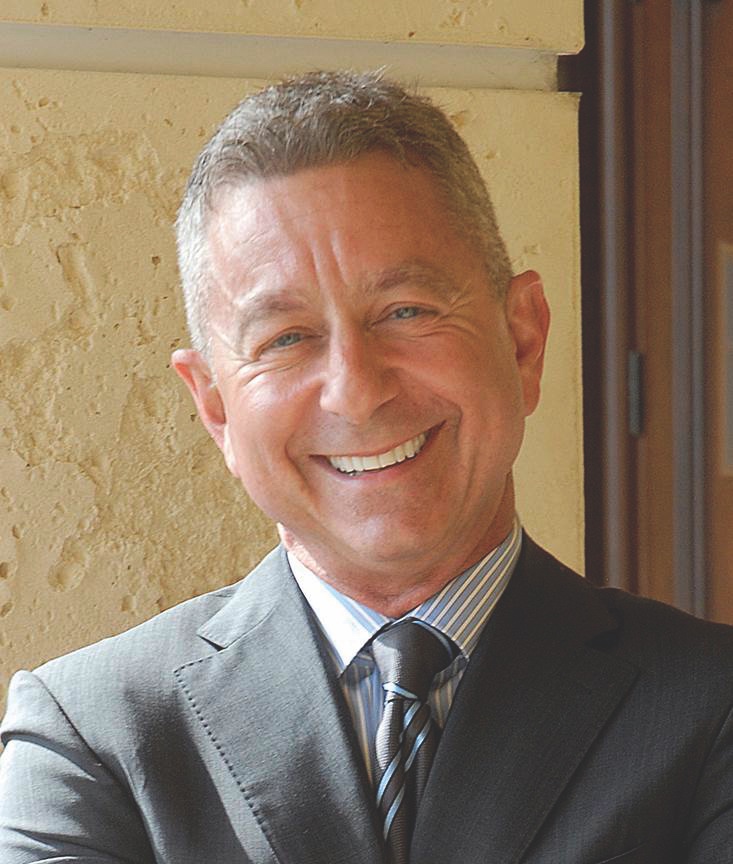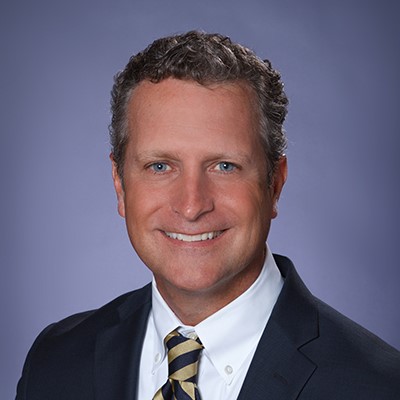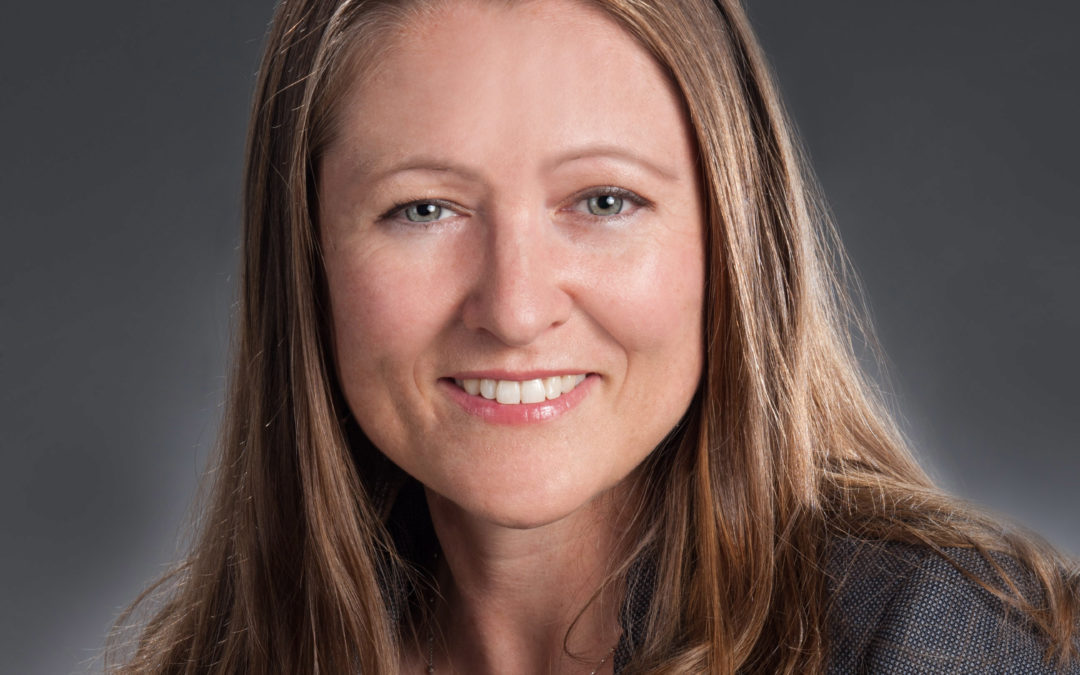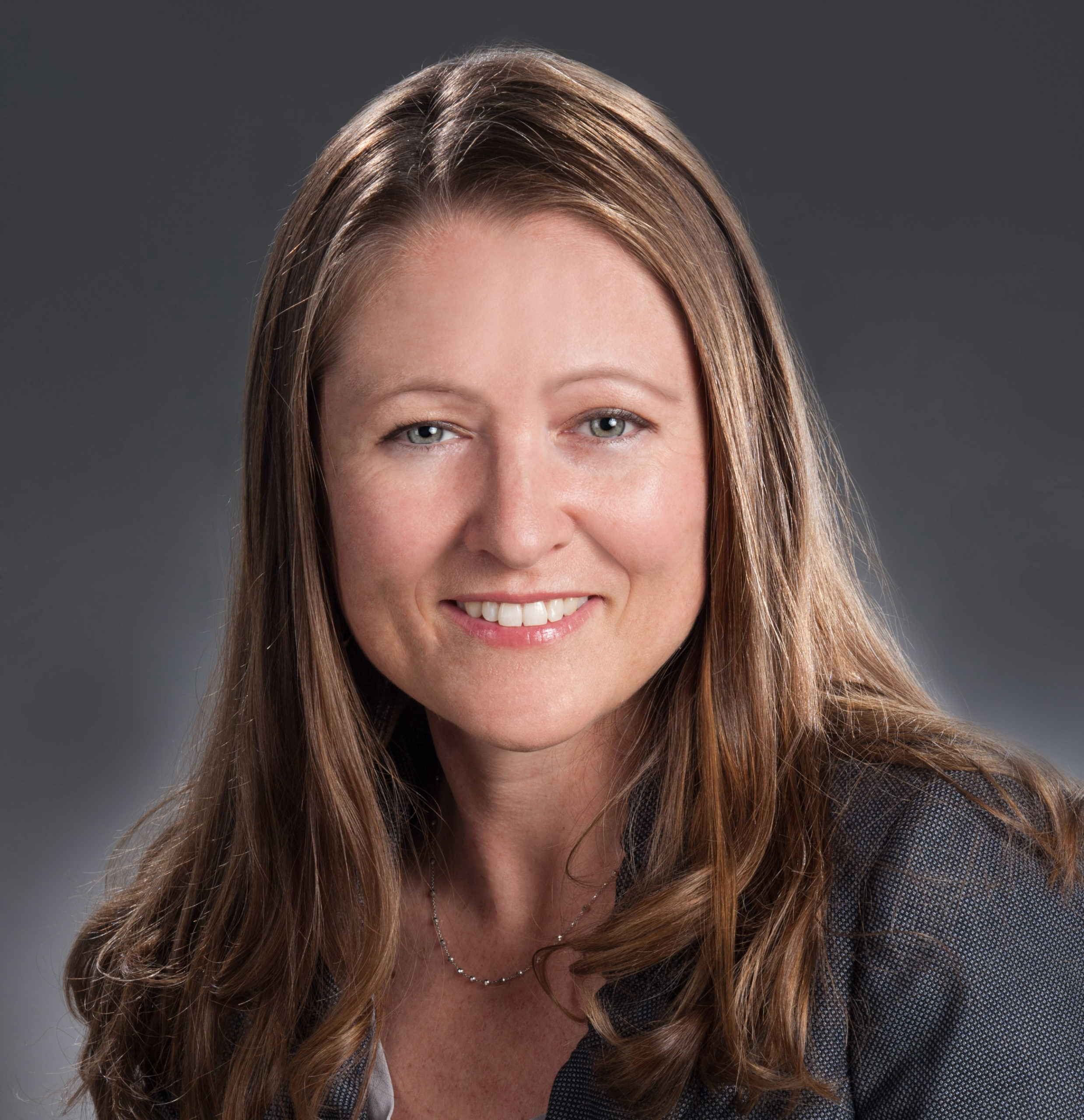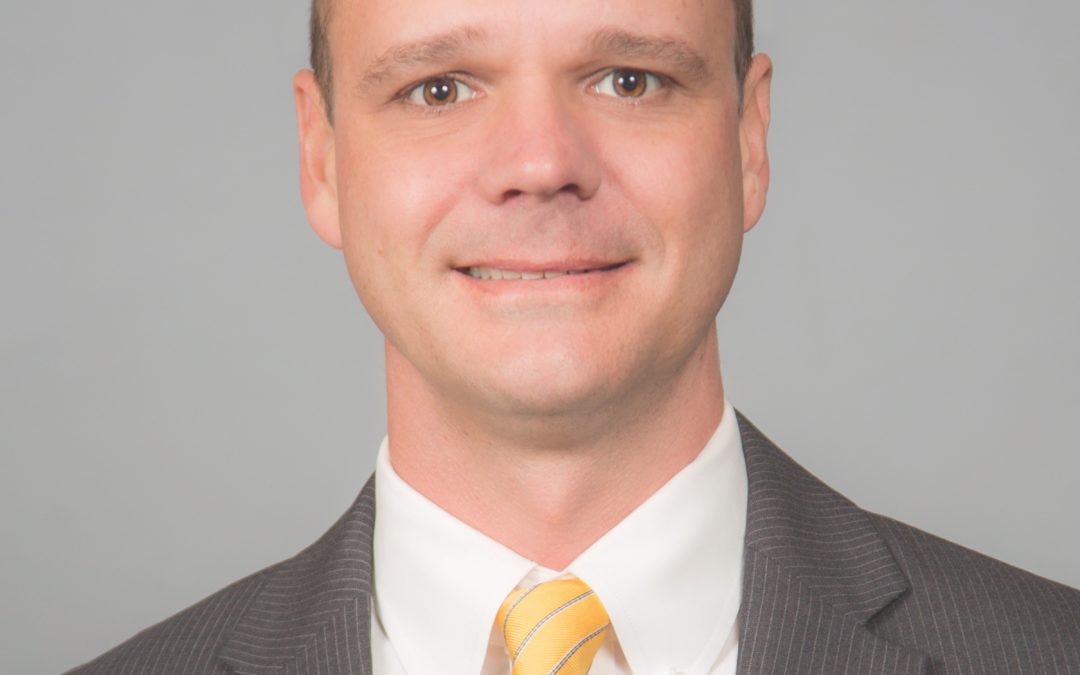
Spotlight On: Joseph Culley, Head of Capital Markets Group, Janney Montgomery Scott LLC

Spotlight On: Joseph Culley, Head of Capital Markets Group, Janney Montgomery Scott LLC

By: Yolanda Rivas
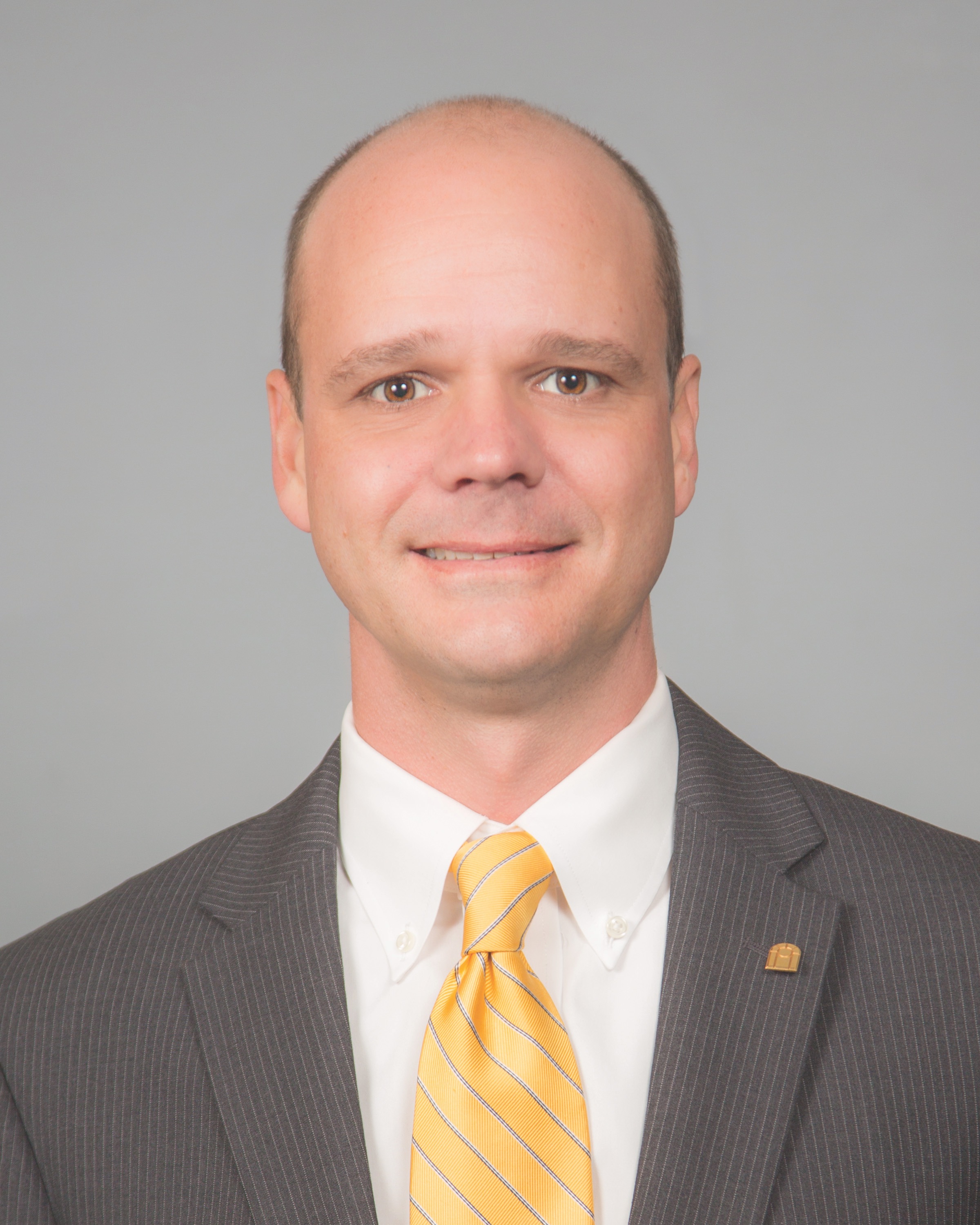
2 min read January 2020 — An increase in high-net-worth investors, financial professionals moving back to the city and changes to organizational structures are some of the trends financial institutions are experiencing in Philadelphia. Janney Montgomery Scott LLC Head of Capital Markets Group Joseph Culley shared with Invest: some of the adjustments it has implemented amid the change in demographics and advances in technology.

What are some trends in Philadelphia’s financial sector?


We are starting to see more finance professionals leave cities like New York when they are at the age to start a family and coming back to Philadelphia. Although young talent retention has been a challenge, Philadelphians who moved to other cities after they graduated college are relocating back to the area. Our education system, arts and culture, transportation system, housing affordability and diverse environment are some of the drivers for residents.


What impact is technology having on banking?


The pace of change is happening more rapidly due to the disruption of technology in financial services. We have invested significantly in our technology platform and recently hired some of our first data scientists. Our company culture is starting to feel less like an investment firm and more like a technology firm. While we provide our client base with human experience and advice beyond investments, we are focusing on offering them more technological, mobile-friendly and artificial intelligence types of innovations and solutions.


What is the investment profile in Philadelphia?


We have seen an increase in high-net-worth investors coming to Philadelphia. We have significantly addressed the need we had for higher-end, condo-type properties that we lacked for years, and with that has come more international investment and out of state investment. One of our newer initiatives is focused on investment education and ways to provide more basic, fundamental knowledge about saving for retirement and investing.


What are some of the challenges facing financial institutions in today’s landscape?


The change in demographics is one of the challenges we are facing. Based on our internal projections, our workforce will be majority millennials within six years. That creates numerous opportunities for a firm like us to modernize and adjust. We recently made changes to our employee benefits, parental leave and dress code policies, based on feedback from our employee population. Organizational development and diversity and inclusion are some of the other areas we have been investing in due to these demographic and generational changes.


To learn more about our interviewee, visit:

Janney Montgomery Scott LLC: https://www.janney.com/ 

 

Spotlight On: William Reichel, President, Reichel Realty & Investments

Spotlight On: William Reichel, President, Reichel Realty & Investments

By: Max Crampton-Thomas 

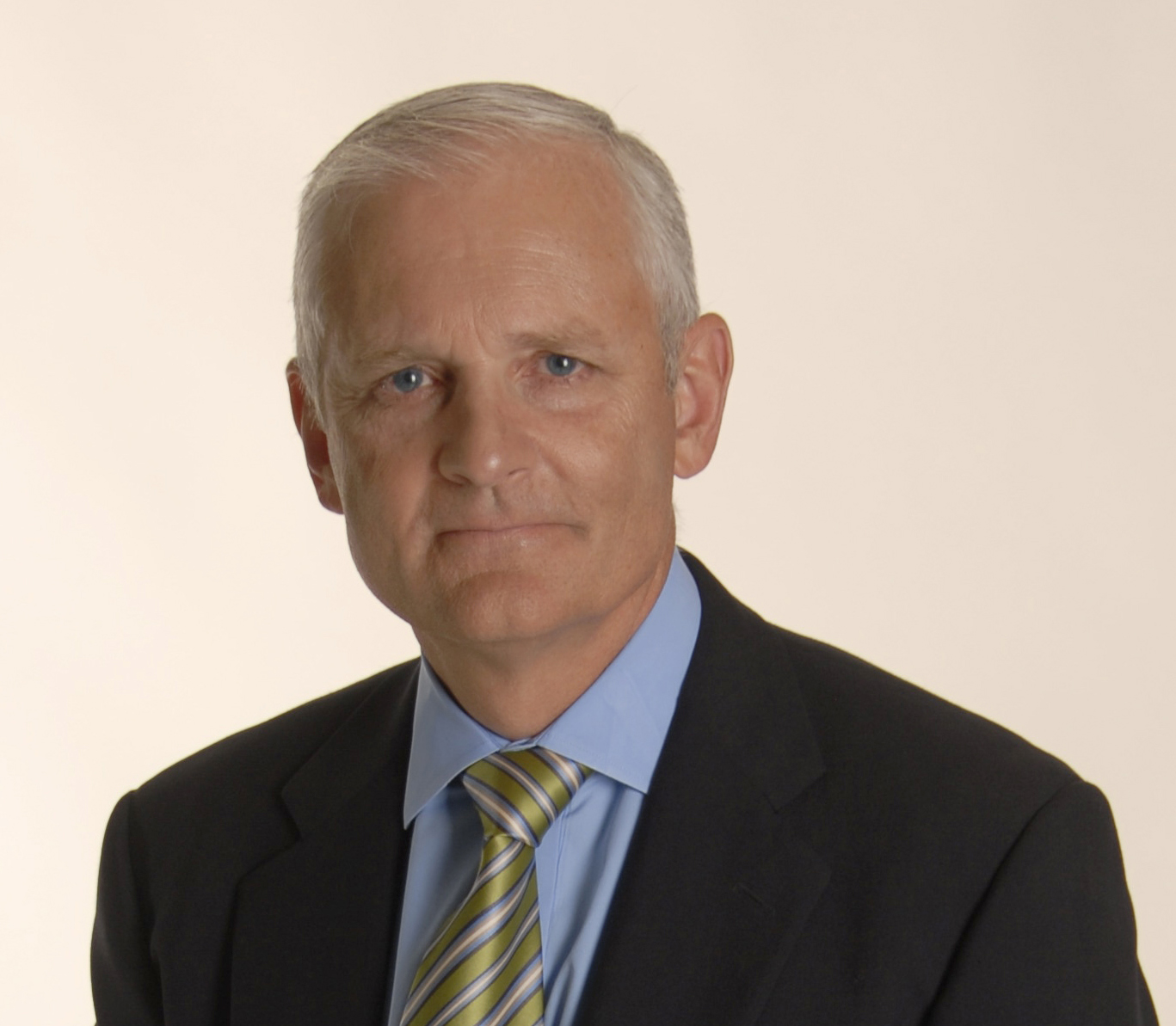
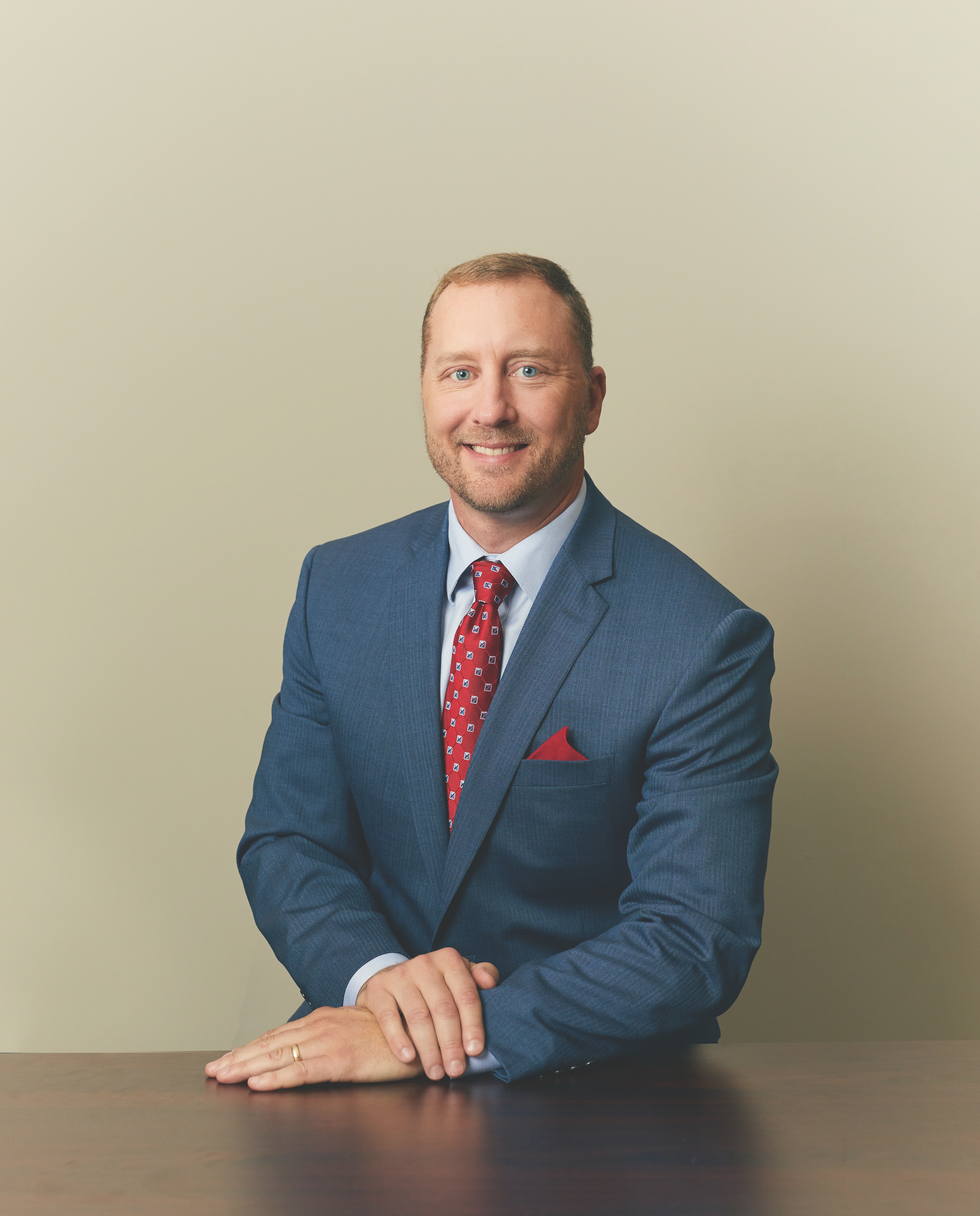
2 min read December 2019 — The real estate market in Palm Beach County and South Florida is one that is marked with ebbs and flows, so it takes real market knowledge to be able to successfully navigate it. Invest: spoke with local market expert William Reichel, president of Reichel Realty & Investments, on all things related to commercial real estate in the county. He spoke of embracing the current regulatory environment as opposed to holding out hope it will change, his outlook for the real estate market and some significant emerging trends in the industry. 


 What challenges does Palm Beach County present in terms of the commercial real estate sector? 

Generally speaking, Palm Beach County is very pro-business, but it presents challenges as well for the commercial real estate sector. So much of business growth is dependent upon the process, and the ability to deal with the complexities, various codes and government agencies within the county and its 39 municipalities. 

I had a partner who would say, “It’s harder than it used to be, but it’s easier than it’s going to be.” That means it’s important to embrace the current regulatory environment rather than holding off in hopes it may change. We focus our 30-plus years of commercial real estate experience in this market on navigating the challenges for clients, which includes knowing which professionals to utilize in the approval process depending on where in the county the project is located. 

What do you predict for the next year in the real estate market? 

The real estate market in Palm Beach County will continue to grow, and I don’t see anything stopping it. While there will be ebbs and flows, there’s a lot of capital and tremendous wealth in the area that is driving the market. As a broker, we get paid when the transaction is completed, so we are incentivized to be engaged in the whole process, to make sure that it goes smoothly, is done properly and is as timely as possible. 

What emerging trends have you observed over the last year and how have these affected demand on the market? 

One of the large, emerging trends weve seen in commercial real estate is shared office space, which has become a national phenomenon, and it’s growing here in Palm Beach County. Another trend we‘re seeing is growth of health- and fitness-related facilities that aren’t just gyms but also incorporate other modalities such as yoga, recovery, saunas and more. As the baby boomer generation gets older, they want a quality of health and fitness, which includes exercise as well as recovery. We’re seeing an influx of those types of prospects, which we believe is a terrific fit in this market, given the demographics with significant wealth, and who are willing to spend money on their health. 

To learn more about our interviewee, visit:

https://www.reichelrealty.com/


Spotlight On: Richard Helber, President and CEO, Tropical Financial Credit Union

Spotlight On: Richard Helber, President and CEO, Tropical Financial Credit Union

By: Max Crampton-Thomas

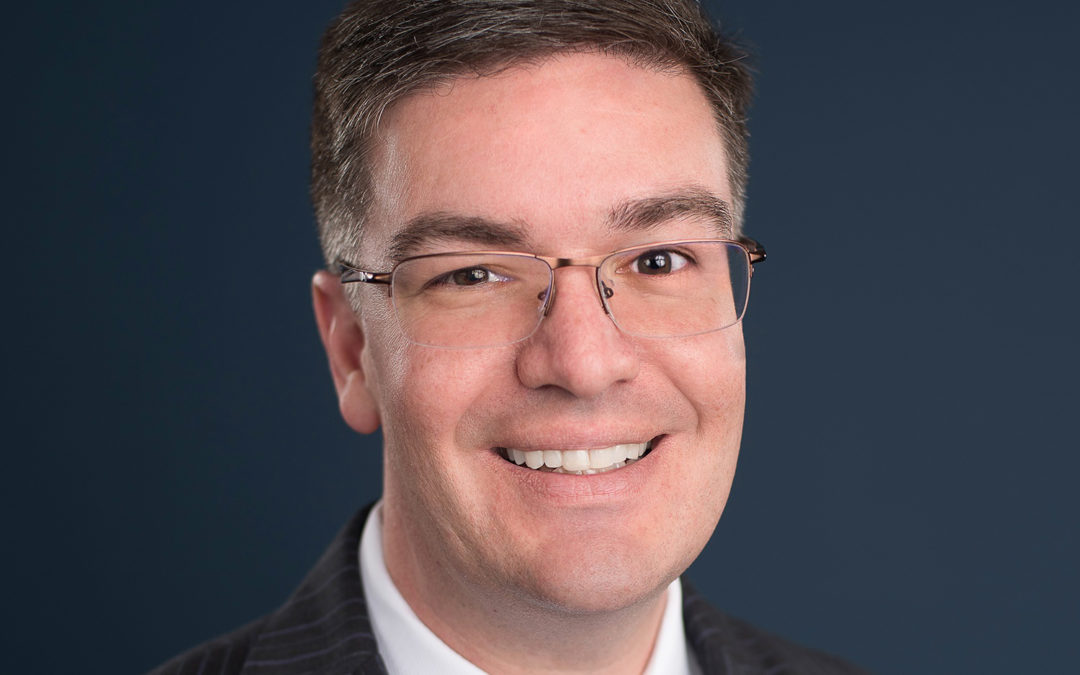
2 min read December 2019 — There are options when it comes to banking and it’s not just choosing between the multitude of traditional banking institutions. When Invest: spoke with Richard Helber, president and CEO of Tropical Financial Credit Union, he made sure to convey that unlike traditional banks, its credit union is a not-for-profit cooperative whose main goal is putting the customer’s interests first. He also spoke highly of the benefits of being located in South Florida and the trends he is keeping a close eye on as we turn the corner into 2020.


What advantages are afforded to customers who bank with a credit union like Tropical Financial as opposed to traditional banks? 

One factor that really makes us different from our banking counterparts is that we are not for profit. We are organized as a cooperative, so we refer to our customers as members because they actually own us. They elect among themselves individuals who will be on our board of directors. Our board of directors are all volunteers. Because we are a nonprofit, we do not pay income taxes and also do not have a profit motive. 

Banks are organized for profit and we are organized for service, with the philosophy of people helping people. What this means to consumers is that we are putting their interests first. There is no stock and we have no stock options. Our goal with our volunteer board is to put the interests of our members first. This translates into trying to be more competitive on our rates and fees and providing better service. In this day and age when there are so many people with busy lives, our mission is to help them make their finances easy to access and affordable so that they can get on with the things that are important in their lives.

How is the location of South Florida conducive to the future success of your operations? 

There are a lot of positive things happening in South Florida. The state is still seeing over 1,000 people a day moving within its borders. There are still companies that want to relocate here or anchor themselves in Florida. It also helps that this is an international market as well. This has increased the amount of diversity in terms of the number and types of companies that are here, in addition to the variety of professionals who have moved into the state.

What are the continuing or emerging trends in banking that you are keeping a close eye on as we move into 2020? 

One of the trends we are watching carefully is the tellerless branch. This is just starting to happen in South Florida and in different markets across the county. This machine is more or less a highly sophisticated ATM. But it can do a lot more than just take a deposit and dispense cash. They can do all the same things a human teller would do and unlike a human, they can be available 24 hours a day. The branch is being transformed into a financial consultation center not a transaction center.

Another trend we have observed is that when it comes to banking, the younger segment of the population wants tools to help them better organize their finances and make good decisions. For that reason, we have created the Get Beyond Money platform where an individual can sign up to meet with a money coach and develop a financial action plan. 

To learn more about our interviewee, visit: 

https://www.tropicalfcu.com/

Truist completes merger to create country’s sixth-largest commercial bank

Truist completes merger to create country’s sixth-largest commercial bank

By: Felipe Rivas

2 min read December 2019The banking industry welcomed the nation’s sixth-largest commercial bank earlier this month as regulatory authorities completed the merger between BB&T and SunTrust banks, now officially known as the Truist Financial Corporation. The new bank will be headquartered in Charlotte, North Carolina, while Atlanta retains its corporate and investment banking division. The conversion to the Truist brand will be phased out over two years as systems are integrated and will serve approximately 10 million U.S consumer households and businesses. The Truist brand will keep its predecessors’ philanthropic culture by contributing close to $100 million annually to various metro Atlanta community organizations over the next three years.  

“This is a historic moment for Truist – a financial services organization created from two companies with shared values and a deep commitment to building a better future for our clients and communities,” said former BB&T Corporation CEO and Truist Chairman Kelly King in a press release. “The completion of this merger of equals is a tremendous achievement and a testament to the thousands of Truist teammates who have diligently worked to ensure its timely conclusion.”

Truist will have the largest market share of any bank in metro Atlanta and will rank as one of the leading commercial banks in most of the major markets in its territory. Prior to the merger, SunTrust had been Georgia’s largest bank. “We have much work ahead of us, but we’re well-positioned to create meaningful change for the clients we serve and the communities where we live and work,” said former SunTrust CEO and Truist President William Rogers in a press release. 

To that end, its leaders announced a $60 billion community benefits plan in July earmarked for lending or investment in low- and moderate-income communities from 2020–2022. The commitment includes monies slated to help customers with home purchase mortgages and small business loans, as well as creating affordable housing developments and investments in local community redevelopment agencies across its markets.

Metro Atlanta can expect close to $100 million in community investments annually for the next three years. The community investments will support varying initiatives each year aimed at addressing the diverse needs of the region. Previously, SunTrust supported nonprofit organizations such as the Boys & Girls Club of Atlanta, YMCA of Metro Atlanta, as well as investing more than $10 million in Low-Income Housing Tax Credits to help construct 175 units of affordable senior housing in greater Atlanta, according to its website.

As for the Atlanta Braves’ newly built home, SunTrust Park will keep its namesake for now.  Much like the systems integrations, the rebranding efforts, including BB&T and SunTrust sports related facilities, could take close to two years to bear the Truist name, per different reports. 

For now, clients can continue to use their perspective BB&T or SunTrust branches, websites, mobile apps, financial advisers and relationship managers, as well as use BB&T and SunTrust ATMs to make withdrawals without incurring out-of-network fees, Truist officials said. 


To learn more, visit: https://www.thepremierfinancialinstitution.com/

Spotlight On: Kevin Miller, President & CEO, Addition Financial

Spotlight On: Kevin Miller, President & CEO, Addition Financial

By: Yolanda Rivas

2 min read November 2019 — As the banking sector gets more concentrated, some financial institutions are implementing rebranding efforts to meet the demands of customers and keep up with the latest innovations and technologies. Addition Financial recently went through a rebranding effort and is now focusing on expanding its footprint. President and CEO Kevin Miller shared the financial institution’s latest updates with Invest: Orlando. 


What has been the impact of rebranding as Addition Financial?

In the last year we have made multiple changes, the biggest being our transition from a federal charter to a state charter. The state of Florida has a business-friendly environment and they were able to offer us some additional regulatory flexibility, for example a much larger territory and additional flexibility in the way we conduct our business and investments. We changed our name from Central Florida Educators Federal Credit Union to Addition Financial. We have also been expanding our footprint and recently acquired a small bank. These efforts have been part of our focus on expanding our presence throughout Central Florida.


We are focusing on our name change and rebranding effort to make it clear that more people can join the credit union. The rebranding has been positive, we have more people joining us and our new message, image and culture have been well-received. We have been in Orlando for more than 80 years. We have a great relationship with the community, which is vibrant and growing at a rapid pace. The diversity of culture in Orlando, provides us with numerous opportunities to continue our expansion and reach more people. 


What differentiates Addition Financial from the competition?

As a credit union, we are a not-for-profit financial institution, which means that our motivations are different than the for-profit institutions. A differentiator for us is our focus on the community and our educational ties. When we interact with our members we focus on the educational aspect. We support education and we also make sure that we educate people about financial literacy. We partner with K-12 schools in Orange, Osceola and Seminole counties and we have student-run branches in some high schools in each of those counties. We train the students to run the branch and teach financial literacy to their peers. We also have a program to educate college students on meeting their unique financial needs. In addition, we are working on housing affordability with these partners. We partnered with the districts to create a custom program to help teachers live in the communities where they work. 


What are some notable changes in Orlando’s banking and finance sector over the last few years?


A lot of the people who come into our branches are surprisingly young. The younger generations are looking for consulting and advisory types of services, while the older generation comes to our branches mostly for transactions. In terms of services, we have seen an uptick in small business demand. We focus on smaller businesses that maybe don’t feel like they have enough size or capital to go to some of the larger financial institutions. Lending is at an all-time high for us. We are seeing a lot of refinancing, especially with interest rates being so low.


To learn more about our interviewee, visit:

Addition Financial: https://www.additionfi.com/ 


Spotlight On: Sam Miles, First Senior Vice President, Central Florida Regional President, Valley Bank

Spotlight On: Sam Miles, First Senior Vice President, Central Florida Regional President, Valley Bank

By: Yolanda Rivas

2 min read November 2019 — Central Florida’s economic growth has driven many financial institutions to rebrand and adjust to the latest innovations and client needs. That is the case of Valley Bank. In a discussion with Invest:, First Senior Vice President Sam Miles, who oversees the regional bank’s Orlando and Jacksonville markets, addressed trending business areas for the bank, the impact of its Professionals Group and the bank’s branch rebranding effort. 


Which of the bank’s lending areas are seeing the most demand?


Our largest piece of business revolves around commercial real estate financing. There is a significant amount of capital being invested in real estate in Central Florida. As an example, there are 38 new multifamily projects either under construction or in the planning stages that represent $1.7 billion in investment. That growth, combined with strong employment, is creating high demand for residential developments, and we are very active in multifamily construction lending. In the last year, we also expanded our SBA team to help address the small-business lending market in Orlando. We have a full array of professionals in place with expertise in residential lending and SBA lending to complement our commercial real estate and C&I teams. 

What are your expectations for the relaunched Professionals Group? 

With the relaunching of the Professionals Group we’re trying to reach an affluent population that we haven’t specifically targeted previously. The Professionals Group is a team of commercial lenders dedicated to customizing products and services for any 

group of professionals, including doctors, attorneys, accountants and centers of influence operating throughout our bank’s footprint. It can be a wonderful source of referrals and, by establishing relationships with these professional groups, we will be able to drive new business.


How is Valley Bank improving customer experience? 


We are in the process of rebranding and redeveloping our branches to make them more user friendly. Clients will no longer have the traditional walk-in when they visit our branches. We are providing a modern feel with a warm and welcoming setting. Each branch that we are building now is going to have that model. We are also refurbishing existing branches to fit a more modern and welcoming environment. These new branches fit the trend of people wanting a different, fast-paced environment. 


How does Valley Bank give back to the Orlando community? 


We’ve played a big part in LIFT Orlando, and the redevelopment of the West Lakes area. We have been heavily involved in financing the projects there that are revitalizing that community. That is a wonderful community effort and we’re proud to play a part in it. Our team also spends a lot of time in the community with local groups such as The Ronald McDonald House, Second Harvest Food Bank and The Coalition for the Homeless. We provide paid days off to encourage our employees to volunteer and give back to the communities where we serve. 


To learn more about our interviewee, visit:

Valley Bank: https://www.valley.com/


Spotlight On: Tansy Jefferies, Principal, International Tax Services, RSM US LLP

Spotlight On: Tansy Jefferies, Principal, International Tax Services, RSM US LLP

By: Max Crampton-Thomas

2 min read November 2019 — In today’s tight labor market, companies are feeling the pressure more than ever to stand out as leaders both in their industry and in their community. This includes efforts to promote diversity and inclusion within their organizations. Tansy Jefferies, principal for international tax services at RSM US LLP, spoke with Invest: about how RSM is leading the way in shattering the gender barriers in the accounting industry with 30 percent female ownership within the company, and the firm’s efforts to empower their employees with constant investment into enhancing the employee experience. 


How is RSM tackling gender challenges in the accounting industry?


We are proud to report that RSM in South Florida is leading the charge and breaking the proverbial glass ceiling with 30 percent female ownership in an industry where the average is approximately 16 percent. RSM places a high emphasis on coaching and mentoring our high-performing women to retain and accelerate them into leadership positions. We also want to increase diversity and inclusion more broadly throughout our organization. Culture, diversity and inclusion are strategic business drivers and have shown to be great catalysts for business growth. Our mission is to be the first choice adviser to middle market companies globally and to do that, we need a workforce that is as diverse as our clientele. This is the best way to truly deliver the power of being understood. 


How is RSM finding the talent it needs, given the county’s low unemployment rate?


We have found that our focus on culture, diversity and inclusion has also differentiated us from other firms when it comes to recruiting and retaining talent. RSM places a great deal of emphasis on delivering the power of being understood, not only to our clients but to our people as well. Through the RSM talent experience, we empower each other to enhance our value and build successful careers. We build rich, enduring relationships based on a profound understanding of each other, our goals and our aspirations. Because when we feel truly understood, we are empowered to move forward with confidence, both personally and professionally. RSM is constantly enhancing the talent experience by investing in and implementing new training, tools and resources. Specifically related to recruiting, we align with the State’s top universities to bring students into our internship programs. We also drive recruitment through diverse professional organizations, such as the National Association of Black Accountants (NABA) and the Association of Latino Professionals for America (ALPFA), which aligns with our goals of building a diverse workforce for the future.


In what areas is RSM seeing the greatest demand for its services?


As a specialist in transfer pricing, I have seen an uptick in services that affect multinational, middle market organizations. From tax reform to changes across the broader global tax landscape, there has been a significant impact on international companies. We have also seen a rise in enquiries from investors on the tax programs related to Opportunity Zones. On the assurance side, there have been increased activities related to implementing the new revenue recognition and lease accounting standards for public, private and government entities. Our financial advisory services practice has also been growing, as the economic outlook makes it a favorable market for buying and selling businesses. As for RSM’s consulting services, our cybersecurity, blockchain, infrastructure, managed IT services, and risk consulting practices are all growing at a rapid pace.


What is enticing investors into the Broward market?


South Florida is an enticing climate for a multitude of reasons, including the federal tax changes and incentives that have fostered an interest from our clients determined to keep jobs and intellectual property in the United States. One of the usual challenges for inbound foreign investors is understanding the complexity of U.S. tax law, because of the different layers of taxation at the federal, state and local levels. Fortunately, for businesses seeking relocation into Broward County, those layers are not quite as complex as in other parts of the country, which makes Broward a favorable option. From an economic perspective, Broward has a high quality of life, strong economic growth, and is dedicated to investing in infrastructure and the community, all of which are great reasons for businesses to invest in our community. 


To learn more about our interviewee, visit: 


https://rsmus.com/

Spotlight On: Jesse Flowers, Community President, CenterState Bank

Spotlight On: Jesse Flowers, Community President, CenterState Bank

By: Max Crampton-Thomas


2 minute read November 2019 — Staying competitive and emerging as a leader in a crowded banking field takes smart growth strategies, remaining cognizant of trends in the industry and an ever-increasing focus on the technological wants and needs of customers. Jesse Flowers, the community president for CenterState Bank, spoke to Invest: about how his bank is ensuring continued growth into the future.  

How does your bank ensure continued and sustainable growth? 


We continue to grow, hire more people and expand our client base. We are always looking for acquisitions and good partnerships. We have acquired five banks over the last six years in South Florida, and all of them have been a strong fit. We want to make sure that our culture fits with the companies we acquire. We still run like a small bank, and all our decisions are made locally.


We stick to our fundamentals. We make sure that the loans that we provide are to good, qualified borrowers that can withstand a recession. On the commercial lending side, most of the demand is driven by real estate. We are paying close attention to where we are in the real estate cycle because Florida is mostly driven by tourism and real estate.


What is a particular trend you are keeping a close eye on? 


Banking is always changing. One of the trends that we have seen over the last five years is people using alternative lenders. Whether it be hedge funds, internet lenders or hard-equity lenders, a high number of those lenders have stepped into the market, more than they used to in the past. That might continue to be a trend because they are often able to be more flexible on the terms and conditions of their loans due to less regulation.


How does CenterState Bank remain client-focused in a rapidly changing banking environment? 


People are more focused on technology. We have to focus on the services that people want, like better and easier online technology. Those are the services that are expanding with people using phone and online banking. CenterState has invested in technology over the last several years because we know how important it is. Now, with open source platforms, access is getting cheaper, and we have hired in-house programming professionals to develop software for us.


To learn more about our interviewee, visit:

https://www.centerstatebank.com/

Spotlight On: David Druey, South Florida Regional President, Centennial Bank

Spotlight On: David Druey, South Florida Regional President, Centennial Bank

By: Max Crampton-Thomas

2 min read October 2019 — Connectivity to the community is the key differentiator when it comes to the variety of banks in the region, David Druey, South Florida regional president for Centennial Bank, told Invest:. He also raised some significant points about determining the right talent fit for a role in his bank, and how millennials could benefit from understanding and appreciating the significant advantages that having a human relationship with their bank can bring. 


How does your bank differentiate itself in a crowded financial market? 

Whether it is a large, regional, super-regional or community bank, the key difference is the connectivity the bank has to the community. Typically, larger banks have a tendency not to focus on small business. They look for large corporations that take out massive loans. They underserve the communities that they have branches in and use their branches for deposit gathering rather than actually servicing the customer’s needs on both the loans and deposits sides. While we are a $15 billion organization, we have allowed each branch to go with what I call their bend, which is allowing them to do the kind of work that they will succeed in. For instance, if there is a need for construction lending in their market, then they should be doing construction lending. This allows our branches to be in the markets on a much more granular level, and not a large-scale or silo level like some of the other larger banks.

How do you determine the right talent to hire from a tight labor pool? 

Talent must have the finesse to understand financial statements, business models, clients, people and be good enough to get all the details correct in order to have loan documentation approved. There is a very small group of people who can do this job extremely well, and those who do it well are in high demand. The key is to court them to come work for you, and entice them to come over based on whatever it is that they are not getting at their current institution. When identifying these people, we also look at their reputation and overall if they are a high-quality individual. 

Have you observed any significant changes in demand for your services with the influx of millennials into South Florida?

Millennials have a tendency to do everything on their phone, which is fine and we appreciate that technology, but they are missing out on the human component of a banking relationship. Having a relationship with one’s bank is vitally important to their financial well-being. When that relationship solely exists on technology, there is no connection with the financial institution. Millennials are missing out on the connectivity and relationships with banking professionals that could ultimately help them with whatever they may need. The positive trend we are observing is that as these millennials age, they are starting to realize that to start a business or buy a home they need to have some connectivity and relationship with their bank. They are migrating more toward having relationships with financial advisers and banks because they need them as a service provider.

Due to the strict regulatory banking environment, have you seen a trend of people looking at more nontraditional lenders?

In South Florida, we are always competing against two things, cash and nontraditional financing. South Florida has quite a few nontraditional financing options, but these options typically charge for the nontraditional financing through fees and a higher interest rate. This idea is comparable to the convenience store versus a chain grocery-store mentality. A convenience store may be easier to access but you will pay $6 for a gallon of milk, while a chain grocery store may be a bit more effort to access but will result in a savings of $2 for the same product. The same idea applies for lending from a traditional source like a bank versus a nontraditional lender.


To learn more about our interviewee, visit: 


https://www.my100bank.com/