It’s Go Big or Go Home for Miami’s OZs

It’s Go Big or Go Home for Miami’s OZs

Writer: Sara Warden

2 min read October 2019- When the Opportunity Zones (OZs) were created by the federal government in the 2017 Tax Cuts and Jobs Act, they were focused on 8,764 across the 50 states covering almost 35 million Americans. The program was designed to direct investment to regions with an average poverty rate over 32%, compared with the national average of 17%.

“We anticipate that $100 billion in private capital will be dedicated toward creating jobs and economic development in Opportunity Zones,” said US Treasury Secretary Steve Mnuchin in a press release. “This incentive will foster economic revitalization and promote sustainable economic growth, which was a major goal of the Tax Cuts and Jobs Act.”

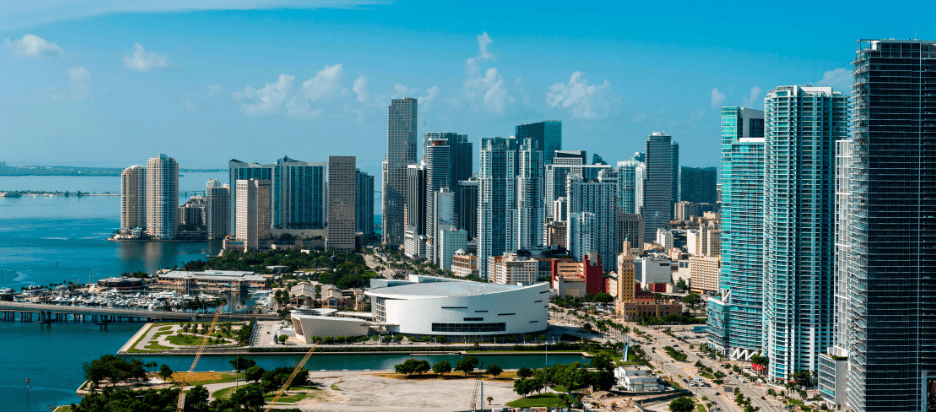
Florida is home to 427 of these OZs and Miami-Dade houses 68 of them. “The creation of these new Opportunity Zones provides new investment opportunities for some of Miami’s economically distressed areas,” said Michael Finney, president and CEO of the Miami-Dade Beacon Council, in another press release. “This means greater consideration will be given to investing and providing jobs in areas of the county where they are needed most.”

The program works on the basis of deferral of taxes until either the property is sold or Dec. 31, 2026, whichever comes first. Investors can claim a 15% tax reduction if they invest over the entire 10-year period.

But the program is still new, and many investors are struggling to work out the best way to obtain returns. “Every real estate developer in the country is trying to figure out their Opportunity Zone strategy,” Reid Thomas, principal at NES Financial, told the Miami Herald. “Some are deciding it’s not worth the hassle, (and) that they’re not going to bother doing this kind of development.”

But those that do bet are betting big. Developer Russell Galbut closed a deal for the final piece of acreage from Northeast 29th to 32nd streets, and Northeast Second Avenue to Biscayne Boulevard. The $4.9 million purchase of 2901 Northeast Second Avenue brings Galbut’s total investment in the project to over $37 million. The site will house a major mixed-use development built by Galbut’s company Crescent Heights. It plans to build 800 residential units and use over 600,000 square feet for retail and office space.

Galbut told Miami-based real estate magazine The Real Deal that the OZ incentive was “some of the smartest legislation that has come out of Congress in a long time,” adding that his company is buying properties in all markets across the OZs.

But some investors saw the virtues in the Miami real estate market before the OZs arrived, and now there’s an added bonus to their investments. Developer BH3 invested $60 million in a retail and showroom and the space happened to be placed in one of Miami’s OZs. “The fundamentals, economics, and merits must stand on their own, whereby the tax benefits are purely an added bonus. A bad deal with good tax benefits is still a bad deal,” Greg Freedman, principal and founder of BH3, told the Miami Herald.

Although some are sceptical that the OZs will provide tangible benefits to anyone other than the investors, Neisen Kasdin, managing partner at law firm Akerman LLP, told the Miami Herald the zones are still in their infancy. “At the end of the day, these neighborhoods will benefit the most when people invest money in them,” he said. “Whether it’s a real estate development, or a capital-intensive project or businesses…You have to start with the assumption that investment in neighborhoods [that have] only seen disinvestment is a good thing.”


To learn more about our interviewees, visit their websites: 

https://www.miamigov.com/Home

Spotlight On: Chuck Cross, Executive Vice President & Commercial Banking Executive, Seacoast Bank

Spotlight On: Chuck Cross, Executive Vice President & Commercial Banking Executive, Seacoast Bank

By Max Crampton-Thomas


2 min read October 2019 – With over 30 years in the banking industry, Chuck Cross has witnessed seismic changes in the way the banking sector conducts business. Currently serving as the executive vice president and commercial banking executive for Seacoast Bank, Cross has a unique perspective on the prominent growth of the banking sector in the past couple of years. He recently sat with Invest: Palm Beach to discuss how Seacoast has sustained continuous growth, why the business ecosystem in Palm Beach County is a benefit for banks and some of the reasons he attributes to the overall growth of Palm Beach County. 

How has Seacoast Bank sustained continuous growth? 

Seacoast Bank has been growing organically by hiring people and building relationships with customers since the recession, but we augment that organic growth with strategic M&A activity as well. We acquired Palm Beach Community Bank in November 2017, expanding our branch locations in the county from three to five and getting access to new customers. We also have  two commercial offices in the market, which is another catalyst for growth.


Why is Palm Beach County a conducive business environment for the banking sector? 

From a macro perspective, when you have a half million people relocating to Florida and a good amount of that coming to Palm Beach County, it drives the kind of growth we hope to see for the next couple of years. From a financial services perspective, Palm Beach is a great place to be operating and providing service.

Palm Beach County has really grown over the past decade. Dense population provides great opportunities for banks. Palm Beach is growing like the whole state of Florida is growing. Everyone wants to move to Florida either for the weather or for some of the changes in the tax reform, and people have always wanted to retire here. Palm Beach also has great infrastructure in terms of education. In addition, there’s a lot of oceanfront property that attracts high-net-worth individuals, which in turn attracts retail, recreation and service jobs.


To what do you attribute the growth of the local economy in Palm Beach County?

The Business Development Board of Palm Beach County has done a great job of attracting a lot of wealth management and private equity firms where the owners can live on the island and operate their companies from there. In the northern part of the county, there are also some aerospace companies, and there are healthcare technology companies like Max Planck and Scripps that are providing higher-level jobs as well. Hopefully this will help attract other types of high-level businesses.


To learn more about our interviewee, visit:

https://www.seacoastbank.com/

Face Off: The Bay’s Banking Bosses

Face Off: The Bay’s Banking Bosses

Writer: Max Crampton-Thomas

4 min read September 2019 The health of the banking sector is a great way to gauge the overall health of the economy, so when the banking sector is prospering it is normally on par with a healthy economy. This remains true in Tampa Bay as the local economy has been experiencing a long and healthy growth that is also shared by the banking sector in the region. Invest: Tampa Bay recently spoke with David Call, Florida regional president of Fifth Third Bank, and Allen Brinkman, region president for Seacoast Bank, two of the premier banks in the Tampa Bay region. Discussions with both banking institutions covered their view of the current state of the market in Tampa Bay, how emerging technologies are impacting their banking practices, and ways to keep growth in the sector and Tampa Bay sustainable for the future.

What is your view of the local market in light of the burgeoning economy in the region?

David Call: Everything is moving at a fast pace in the Tampa Bay region, and from my perspective there is not one particular sector or segment of the market that is doing better than another. Our bank has five lines of business in the region: commercial, small business, retail, wealth and mortgage. All five of those lines are doing well and we are still seeing strong momentum. We have seen this growth for the last four years, and while we are prepared for any kind of slowdown, we haven’t seen any sign of that for the near future.

Allen Brinkman: As long as the economy does well and as the spirit of Tampa Bay continues to rise, the market will remain prosperous. There is a growing sense of pride in the city. This pride is creating opportunities for new businesses to start, established businesses to expand and investments into the business market to remain lucrative. It has been a great market for quite some time, and outside of a global economic issue, Tampa Bay is going to continue to do well. I believe that even if the global economy slows down, Tampa Bay is somewhat insulated because it is a place that people want to be, for both a younger and older demographic. There is almost nowhere else in Florida that is as cost-effective, beautiful and offers as many cultural and economic opportunities as Tampa Bay.

With the prominence of emerging technologies in the financial sector, how can banks find the balance to still deliver a personal experience?

Call: Technology has not taken the place of our physical centers, but everything that we do around technology has definitely taken off. Whether that is depositing a check or checking an account balance, all of these uses are being adopted at a much quicker pace than how technology was adopted in the past. That being said, we believe at least 60% of our clients still want to come to a branch and bank with a human being. That does not mean that they do not want technology, because they do, so it is a balancing act. We are still building branches in the state of Florida, and we will have more branches in the Tampa Bay area too. We want to offer all these various channels for people to use because ultimately we need to stay in line with the voice of the customer and keep them at the center of what we do.

Brinkman: The online and digital experience is more of a convenience vehicle than it is an alternative to all banking. Simple transactions like depositing a check or finding a branch can be accomplished with technology,  but more complicated transactions are usually going to involve an interaction with a banker. Banks are somewhat of a commodity today, and the only way to set yourself apart from other banks is by the advice you give. Our bankers are trained and spend a lot of time on their consultative approach. For example, in the past, we knew that the mortgage business was about borrowing as much as you could to get the biggest house, and hopefully everything worked out. Today, bankers give a little more advice and guidance on what is a responsible financial decision for a customer to make. This type of personal interaction could not be accomplished by technology.

What are some ways to keep banking sector growth and that of Tampa Bay sustainable and recession resilient?

Call: When we adapt to this influx (of high-net-worth investors), it has a positive affect on our business, and this is true for all of Tampa Bay, not just our bank. There are a lot of businesses and people bringing money to Tampa Bay because they see the growth. Outside investment is a huge part of keeping this growth sustainable because we need an infrastructure that matches the influx of people coming to Tampa Bay. In regards to our bank, we are investing our time and resources into making sure that we are a part of the change so we can help our communities thrive.

Brinkman: We are quite conservative in terms of our approach to lending, which some could misinterpret as not offering loans. However, we do offer loans just as much as most banks, we just tend to be conservative in how we advise our customer. Our bankers sit down with customers to understand why they need a loan, what the purpose is and inform the customer of whatever risk elements are out there that they may not have thought of. When a loan is done with Seacoast, a relationship is formed. We make the decision jointly versus just providing a loan that may not be right for the customer. Our role as a bank is to protect the customer, which creates a greater sense of responsibility to really develop a product that’s customized to their needs. If there is another recession, we believe we will fair well because of this practice.

To learn more about our interviewees, visit:

https://www.seacoastbank.com/

https://www.53.com/

Spotlight On: HBK CPAs & Consultants, James Bartolomei, Principal

Writer: Yolanda Rivas

2 min read SEPTEMBER 2019 — Technology is disrupting every industry in the world. From healthcare to banking and finance, numerous companies are reinventing themselves to be at the forefront of technology and innovation. In the accounting and finance segments, these innovative tools are rapidly transforming customer experience and data management. The Invest: Philadelphia team recently sat down with HBK CPAs & Consultants Principal James Bartolomei to get his insights about the performance of Philadelphia’s financial sector.

In what ways is technology disrupting the accounting and finance industry?

Technology is disrupting every industry. Innovation and technology allow companies to get creative and find ways to improve processes and, more importantly, customer experience. The biggest challenge faced by the financial industry is to improve customer experience while protecting sensitive data. To assist our clients in this area we recently developed a cybersecurity offering, which has been well-received. 

With the rapid and dynamic change in technology, businesses can be eliminated and displaced very quickly today. This represents a big challenge as the value one thought was built up in their business could vanish. This is why it is vitally important for business owners to build wealth both inside and outside their businesses. Our firm combines tax and accounting services with our wealth management services to help deliver on this objective and minimize risk for our clients.

What are the services and industries where you’re seeing the most demand?

We have seen increased demand from clients looking for our advice about the effects of the federal tax reform, especially because of the substantial changes in the privately-held business area. Clients are concerned that their accountants and tax advisers fully understand the new tax law and how it impacts them. There are significant changes to the way small businesses are taxed under this new law.

Philadelphia’s real estate and biotech sectors are growing. We have numerous clients in the real estate sector and we have seen a substantial uptick in activity and development, especially in rental properties. In the biotech sector, we have seen a high amount of activity in the medical technology segment.

What is your outlook for Philadelphia’s accounting and finance sectors?

We are continuing to see growth in the Philadelphia market. We are relatively new to the market and we are expanding our client base and attracting good, young talent. We have hired a number of recent college grads over the last two years with great results. Philly is one of the strongest and youngest markets in the United States and the outlook is great for HBK and the local financial services sector. 


To learn more about our interviewees, visit:

HBK CPAs & Consultants:  https://www.hbkcpa.com/

Big Banks’ Long-Term Investment Vision for Charlotte

Big Banks’ Long-Term Investment Vision for Charlotte

Writer: Sara Warden

2 min read AUGUST 2019 — Charlotte has long been the eastern hub of Bank of America (BofA) and is one of the headquarters of Wells Fargo. But this year it has been attracting attention from the third bank belonging to the Big Four, which together hold around 45% of total U.S. deposits. JP Morgan Chase announced earlier this year that it will add up to 21 branches in Charlotte in the next three years.


“We’ve been serving the Carolinas for more than a decade and opening branches allows us to lend to more consumers and small businesses, and offer good paying jobs,” Thasunda Duckett, CEO of Chase Consumer Banking, said in a press release.

JP Morgan Chase will be entering a market where many are seeing huge potential. In April this year, U.S. Bank announced it will open 10 branches in the city by 2020. The bank, which emerged from the $66 billion merger between BB&T and SunTrust, will also be headquartered in Charlotte.

Despite Wells Fargo and BofA controlling around 89% of the area’s deposits, the new entrants seem confident there will be a big enough piece of the pie for them to get their teeth into. “This expansion marks a major milestone for our firm by allowing us to serve more customers, small businesses and communities across the country,” said Duckett. “To us, this is so much more than building branches. This is about new customer relationships, better access to credit and local jobs.”

Charlotte is home to 425 corporate headquarters in the finance industry. At 2.5%, the city has the lowest corporate tax rate in the country. For three years consecutively, North Carolina’s annual residential growth has exceeded 100,000 people.

“I don’t think there’s any industry that’s having an easy time staffing with the kind of human capital that they need, so one of North Carolina’s biggest advantages right now continues to be population growth,” says Christopher Chung, CEO of the Economic Development Partnership of North Carolina told WeWork publication FiveThirtyEight.

Charlotte’s finance industry is the second-largest banking hub in the country behind only New York City, with banks holding more than $2.3 trillion in assets. The city has added more than 200,000 jobs since 2001.

“We’ve built a great city that helps companies attract and retain today’s best talent,” Frances West, business recruitment and retention leader in Charlotte’s Economic Development Office, said to FiveThirtyEight. “Where we are today is not by happenstance and where we will be in 10 years is not by happenstance — it’s all by intentional growth.”

And the financial institutes have Charlotte in their crosshairs for the long run. U.S. Bank announced it reached an agreement with the city’s authorities this month to be the lead sponsor of a delayed pedestrian bridge project that connects Charlotte’s uptown and South End. U.S. Bank will contribute $1 million to the $11 million infrastructure project.

“Bridging the gap between uptown and South End will provide additional connectivity for residents, workers and guests, while further knitting together two of our great urban neighborhoods,” Michael J. Smith, CEO of Charlotte Center City Partners, said in a press release.


To learn more about the companies mentioned, visit:

https://www.charlottecentercity.org/

https://charlotteregion.com/eco-dev/charlotte-regional-business-allianceeconomic-development/

https://edpnc.com/

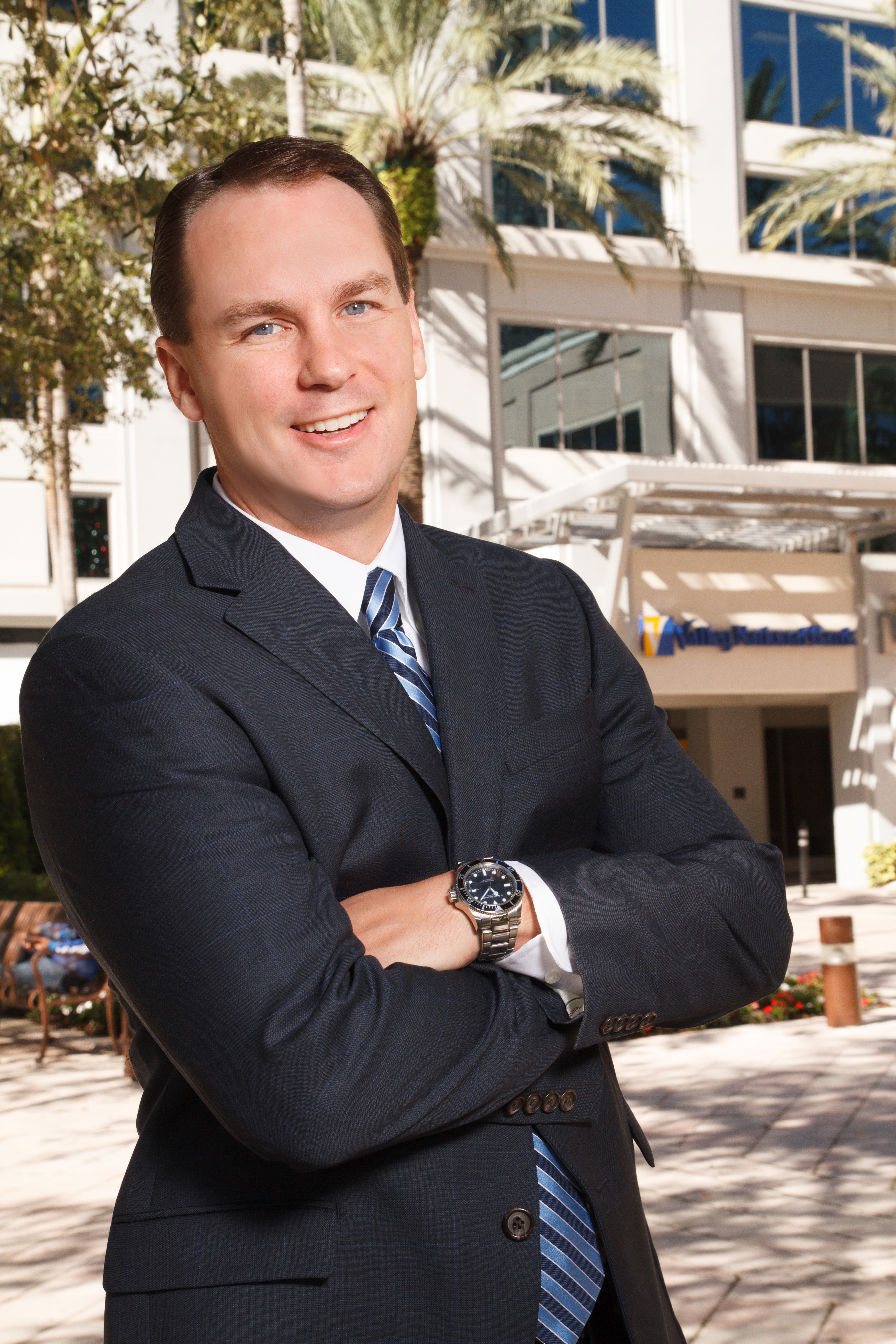
Spotlight On: Jeffery Klink, First Senior Vice President & Southern Florida Regional President, Valley Bank

Spotlight On: Jeffery Klink, First Senior Vice President & Southern Florida Regional President, Valley Bank

By Max Crampton-Thomas


2 min read August 2019 —During times of economic prosperity, the banking sector is primed to benefit the most, but when the economy begins to slow, or a recession hits, lenders normally feel the harshest effects. This forces banks and financial institutions to be innovative and mindful of how they approach their day-to-day business. There are, of course, the outliers like Valley Bank, which, as noted on its website, has never produced a losing quarter since its founding in 1927. Invest: Greater Fort Lauderdale recently spoke with Jeffery Klink, first senior vice president and Southern Florida regional president for Valley Bank, who spoke about the bank’s efforts to ensure great customer experience, how it differentiates itself in a crowded South Florida marketplace and the biggest challenge facing the banking sector. 

How does Valley Bank ensure a community bank feel while still providing the services of a large regional bank? 

We are a community bank with a regional overlay and that is how we choose to operate. What has been really interesting is that our clients in many cases do not realize that we are a large regional bank unless they need access to loans that are $25 million to $35 million or above. Our core business clients that are looking to borrow $500,000 to $5 million still view us as a community bank because that’s the space that we operate in.

How does Valley Bank differentiate from the competition in the region? 

Being client-centric is really our main differentiating factor in banking. Valley Bank, like most regional and national banks, has a similar technology platform. These systems allow users to access their accounts remotely, and they may very rarely come into our branches. How we mitigate this so the banking experience doesn’t become impersonal is to ensure that each client has a core group of bankers who they know and who know their needs. When customers call our bank, they are actually talking to somebody who knows the client not just from a business standpoint, but also on a personal level. This personal service combined with our technology platform has really allowed us to compete from a service perspective with the community banks.

What is the biggest challenge facing the banking sector? 

The main challenge in banking is balancing interest rate movements. Throughout 2018, we saw Treasury rates increase significantly and that was allowing banks to adjust and increase the rates they were collecting on new loans. In 2019, we have seen interest rates pull back, which has been to the benefit of borrowers because rates have dropped to nearly historical lows. Banks are going to have to address and combat margin compression throughout 2019 because we are collecting less on the loan side and we are paying more than we have for close to 10 years on the deposit side of the balance sheet.


To learn more about our interviewee, visit:


https://www.valley.com/

Tackling Affordable Housing in the Bay

Tackling Affordable Housing in the Bay

Writer: Max Crampton-Thomas

2 min read August 2019   Growth in the Tampa Bay region has been twofold, with a  significant boom in the economy and the population. As the population grows so does the need for more affordable housing options in the region. While there has been a notable increase in the development of luxury apartments and multifamily units, which are popping up all over Downtown, there is a notable deficit of affordable housing options. Mayor Jane Castor, her administration and community organizations like the Tampa Housing Authority recognize that they must work together to find- a solution for this problem.

Since her election in April, Mayor Castor has identified access to affordable housing solutions as one of her top priorities, as noted when she spoke with Invest:. “In reality, the most pressing issues in our community are transportation, affordable housing and workforce development.” She has since taken action to address the housing issue with the recent formation of the Affordable Housing Advisory Team as part of her “Transforming Tampa’s Tomorrow” transition. The role of the advisory team will be to ensure home ownership for all residents in Tampa regardless of economic status. It  will be one of five advisory teams guiding the mayor’s strategic vision for addressing key issues in Tampa Bay. 

One of the members of the Affordable Housing Advisory Team is Leroy Moore, the senior vice resident and chief operating officer for the Tampa Housing Authority. The Authority is not only focused on providing housing assistance to low-income residents. Its role has evolved over the years to better address the affordable housing issue in the region. Invest: recently spoke with Moore, who discussed how the Authority is addressing this need. “The Housing Authority has evolved to not only manage affordable housing, but also to redevelop this housing into real estate that functions as more than just a roof over someone’s head. We consistently ask ourselves what else does a community need? A community needs jobs, quality food and transportation accessibility, which brings in the need for collaboration with transportation agencies in the region. We can meet the needs of the community by developing housing, especially affordable and attainable housing, around accessible transit options. Great transit translates into better housing costs.” 

The Authority’s actions to tackle affordable housing include the redevelopment of a 28-acre superblock of public housing that will be known as the Encore District. In his discussion with Invest:, Moore spoke about the Authority’s approach to this development and how it differs from the original construction., “Seventy-five years ago, the Tampa Housing Authority developed a 28-acre superblock of public housing on the doorstep of what is now Downtown. Seventy-five years later, we are redeveloping that site and realizing that its potential today is far greater than what was ever imagined back then. Instead of just having a 28-acre single-use affordable housing community, we now have 12 city blocks of diverse development called the Encore District.” He continued: “Encore will be a LEED Gold neighborhood development community. All the buildings have a commitment to be LEED Silver or higher. We replaced the affordable and workforce housing and increased the number of affordable units on that exact same footprint. We are also adding other uses like hotels, museums, schools, market-rate housing and grocery stores all within the same 28-acre area.”

The need for more affordable housing is not an issue that will resolve itself and will only continue to manifest into a larger challenge as the population in Tampa Bay grows. The solution is not clear-cut, but community leaders like Mayor Castor and Moore are working to find actionable answers.  

To learn more about our interviewees, visit:

https://www.tampagov.net/


https://www.thafl.com/

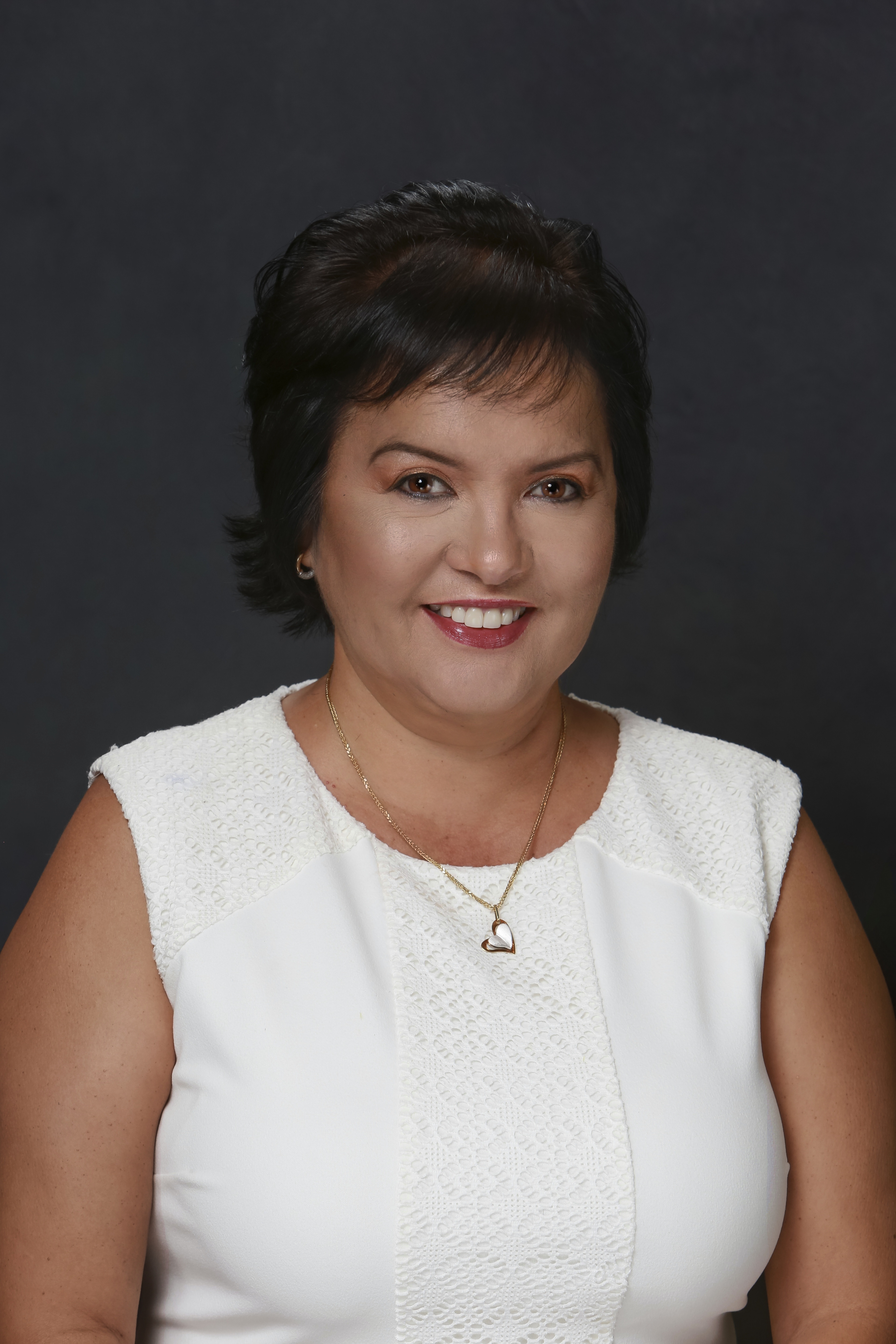
Spotlight On: Roxana Scaffidi, CEO and Owner, Florida Accounting & Advisers

By Max Crampton-Thomas


2 min read August 2019 — There are multiple factors that attract people to Florida, including wonderful weather, a growing economy, an ecosystem that is conducive to successful businesses and perhaps most attractive, the tax climate. After the passage of the sweeping tax reform known as the Tax Cuts and Jobs Act of 2017, the tax climate in Florida only became more attractive to both people and businesses looking to relocate. Now, almost a year and a half since the reform has been in effect, there is a greater need for proficient accountants and financial professionals to help navigate this legislation. Invest: Palm Beach spoke with Roxana Scaffidi, CEO and owner of Florida Accounting & Advisers about how the new tax code is affecting people’s lives, the key to success within the accounting and financial world, and how she created a successful business in Palm Beach County. 

How have you seen the tax reform affect people’s lifestyle? 

The new tax code has really changed people’s lives, and we are now seeing certain individuals immigrating to Florida because of the business opportunities that the state offers and its quality of life. High income tax states include New York, California and Massachusetts, and those are the people coming here. To qualify for Florida’s tax benefits you must be a legal resident here, which means six months and one day of residency. Under the new tax laws, individuals are capped at $10,000 as a deduction for their state income taxes, personal property taxes and their sales tax. In addition, if they have a large mortgage on their house, the new tax code only allows them to deduct interest up to $750,000.


What is the key to success in this industry? 

The key in this industry is to be proactive rather than reactive. We observe what’s going on in the world today with the national and world economies. Everything is changing and as it changes you start to see more vacancies in areas where there used to be none. This is demonstrated with how Amazon has essentially killed a lot of the big-chain retail stores. To succeed in today’s market you need to stay on top of emerging trends and you can’t be afraid to point out these things.


To what do you credit the success of your business in Palm Beach County? 

When I started this company I knew that to run a successful business I needed to not only have a great product but also to always remain community-minded. As the 2018 Small Business of the Year recipients, I realized quickly that Boca Raton is very business and community-minded, so it was the perfect place to set up my business. I set out to build this business based on my values, knowing that those same values would translate to trust among our clients. In this business there is nothing more important than having your clients’ full support and trust.


To learn more about our interviewee, visit:

https://www.fl-accounting.com 

Buccaneers Hope Offseason Moves Score Touchdown

Writer: Max Crampton-Thomas

2 min read August 2019   There is perhaps nothing more synonymous with Tampa Bay than its football team, the Tampa Bay Buccaneers. Since officially joining the NFL in 1976, the Bucs have become a staple in the Tampa Bay region. The team’s history includes the highest highs and lowest lows, from a dismal 0-14 inaugural season to a Super Bowl title in 2003. Now only weeks away from the start of the 2019-2020 season, the Bucs are looking to bounce back from last year’s tumultuous campaign that resulted in a 5-11 win-loss record and a last-place divisional finish for a second straight year.

The Bucs have not allowed last year’s disappointing season to distract them from what could possibly be a comeback season in the making. After the final loss last season, the Bucs dismissed head coach Dirk Koetter. They have since hired two-time Associated Press NFL Coach of the Year Bruce Arians, who has been swift in his moves to strengthen the team’s defense and instill a winning culture within the locker room. The Buccaneers added some significant depth to their defense with their 2019 first round pick, linebacker Devin White, and with the addition of five-time Pro Bowl defensive end Ndamukong Suh.

While the city of Tampa Bay is eager to see the team return to its glory days as Super Bowl champs, there may be no one more focused on having a winning season this year than Bucs’ quarterback Jameis Winston. The national championship and Heisman Trophy winner has had what can be best described as an inconsistent NFL career. Entering the fifth and final year of his rookie contract, the former first round pick will undoubtedly look to use this season as his campaign to remain the team’s franchise quarterback. 

The Buccaneers franchise and fanbase can also look forward to an improved Raymond James Stadium, which underwent a $160 million renovation in the offseason. The stadium, and more broadly the City of Tampa Bay, will be home to Super Bowl LV in 2021, marking the fifth time Tampa Bay has hosted football’s biggest event. Invest: Tampa Bay spoke with Brian Ford, COO of the Tampa Bay Buccaneers, who discussed what it means to host this event once again. “It’s going to be Tampa’s fifth Super Bowl, which is great when you think about all the many, very exciting cities that can host the Super Bowl. We’re very proud of that. Tampa hosts a ton of big events, and we do them well. We worked closely with Rob Higgins of the Tampa Sports Commission, Eric Hart and Mickey Farrell of the Tampa Sports Authority, Commissioner Ken Hagan of Hillsborough County and the city of Tampa in putting together the best bid and best format for this mammoth event. When you sit down and look at it, it’s truly remarkable that so many in Pinellas County and Hillsborough County all came together for one event. And there’s no way that we would’ve been offered this opportunity if we hadn’t made a major investment in the renovations, of which we’re also very proud.”

The only thing that could make hosting a Super Bowl better for the Tampa Bay region would be to see the home team competing in it. While that may be a long shot at this point, the Buccaneers will have this season and next to prove they are a franchise that can compete at the highest level. It’s still early, but all signs seem to be pointing to a brighter future for the Tampa team. 


To learn more about our interviewee, visit:

https://www.buccaneers.com/