Face Off: The growth of Gaston County
By: Felipe Rivas

2 min read January 2020 — In the last few years, Gaston County, located an hour away from the Queen City, has greatly benefited from the activity happening in Mecklenburg County. As a result, Gaston County, home to cities like Gastonia and Mount Holly, is experiencing growth in its residential, commercial and industrial sectors. Its proximity to the Charlotte Douglas International Airport and available land make it a suitable place for businesses and new residents to settle in and still tap into the energy of nearby Charlotte. In an interview with Invest: Charlotte, city of Gastonia Mayor Walker E. Reid and Mount Holly Mayor Bryan Hough talk about how their perspective cities are adapting to the growth, changes in infrastructure, and their vision for their cities moving forward.
What areas are witnessing growth in your cities?
Walker E. Reid: Residential is growing in the southeast part of the city. It is an area we invested in a while back in hopes of developing it. As we speak, 411 single-family homes are being built within Nolen Farm. Also, we are going to bolster the zone’s water infrastructure and improve the sewage system. Eastridge Mall is in the process of being revitalized as well. For this project, some investors are willing to inject between $100 million and $150 million. It will include apartments and an aquatic center. We are working on the details of traffic patterns in and out of the mall. We are also working with the Transportation Commission to get the Silverline light rail into Gaston County.
Bryan Hough: We are one of the closest cities to the Charlotte Douglas International Airport. Our proximity to the airport provides an opportunity for travelers and professionals to see Mount Holly and take an interest in the city. They’ll see that we have a small town atmosphere but can take advantage of a large place like Charlotte and the amenities they provide. The exposure the airport provides is good for job growth and opportunities for commercial growth. For 2020, we expect to see more investment coming to Mount Holly. We are going to see additional growth in both residential and commercial. We also plan to expand the greenway system. Our arts community has been blossoming and we expect it to continue to grow.
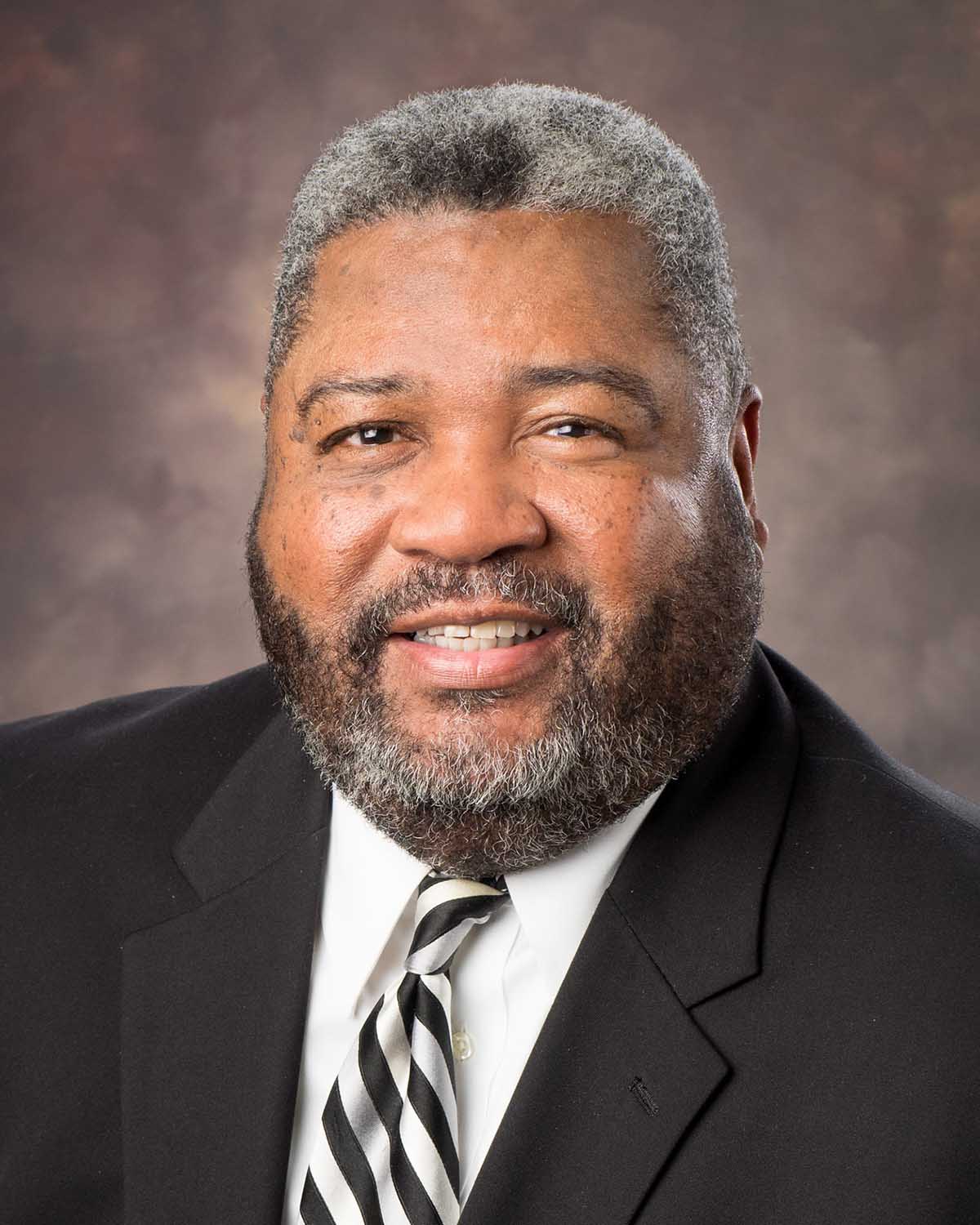
Walker E. Reid
How is the local infrastructure dealing with the region’s growth?
Reid: The county was traditionally and primarily focused on the textile industry. When those businesses and jobs were lost, we had to adapt to find our next business niche, which turned out to be infrastructure. Now, we sell water to municipalities in Gaston County as well as in Clover, South Carolina. We also provide water, sewage and electricity services. The Gastonia Technology Park is a great testament to our diversification efforts. Businesses from all over the world have come to Gaston County to capitalize on this park. It has 24-hour uninterrupted power. We have a qualified workforce, training facilities and the infrastructure to assist new businesses looking to set up shop in Gastonia.
Hough: “Mount Holly, located in Gaston County, is home to 16,000 residents. In the past year, we have seen a lot of investor interest and development in Mount Holly. Investors in the manufacturing and distribution sectors are interested in development opportunities. We have a new hotel being built on the edge of our city, off of Interstate 85, which is connected to Charlotte, and is 10 minutes away from the Charlotte Douglas International Airport. Our economic development department created a strategic vision plan based on significant economic input that highlights the attributes of Mount Holly, and provides investment information for businesses that want to bring their operations to the area. We work with the Gaston County Economic Development Commission to attract and retain large commercial companies. We want to make investment information accessible to investors.
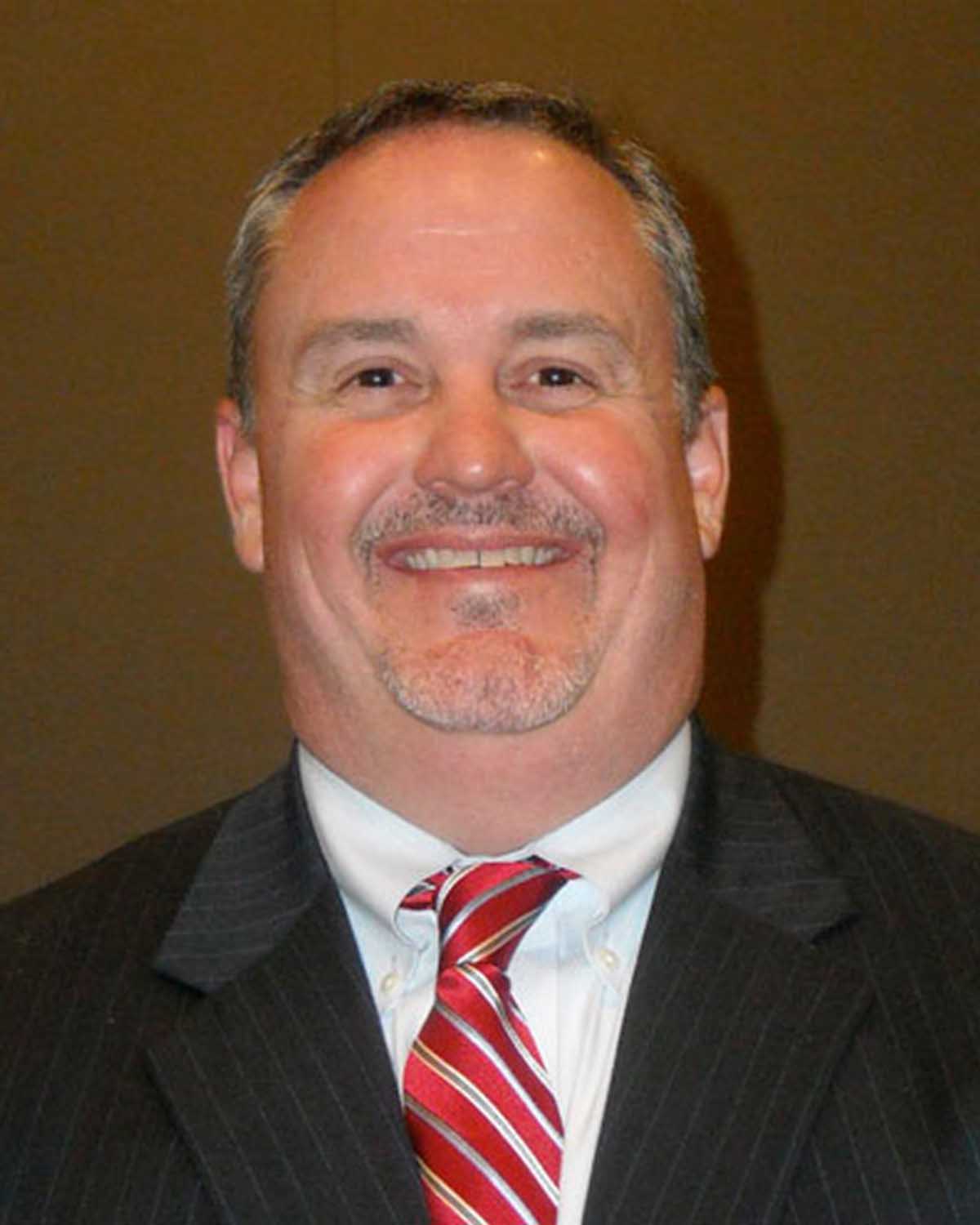
Bryan Hough
As mayor, where do you see your city heading in the future?
Reid: We have set some very aggressive goals related to our infrastructure, healthy communities, good government, economic vitality, our community identity, and for the safety of our community. In the coming years, we will continue to build on our momentum of growth and entrepreneurship. We also must continue to bring everyone to the table because we are a diverse city. One other goal that I would like to see the city work toward is for more diversity and inclusion. I want to put more emphasis on getting our residents from different cultures and different age groups involved in our city’s future – to build a sense of belonging and bring everyone together. Let’s hear more and different voices. I want the city of Gastonia to become the best city we can possibly be. Considering we are between Charlotte and Atlanta, we have a lot to offer.
Hough: Quality of life has been a key focus for the city. We want to be connected to the Catawba River via a greenway system that we are developing. We will have around 9 miles of greenway development near the river and 200 acres have been preserved for eco-tourism, such as canoeing and kayaking. We will have a bridge near the Dutchman’s Creek greenway area that will help with development near the river. The greenway system will stretch from I-85 to Highway 16 once it is completed. Mount Holly is home to very active residents who like to swim, bike and kayak. We want to connect with nature, which is part of our logo. That is our niche in the Charlotte Metro Area.