Spotlight on: Chad Dobbs, General Manager for Pennsylvania, Uber

Writer: Yolanda Rivas
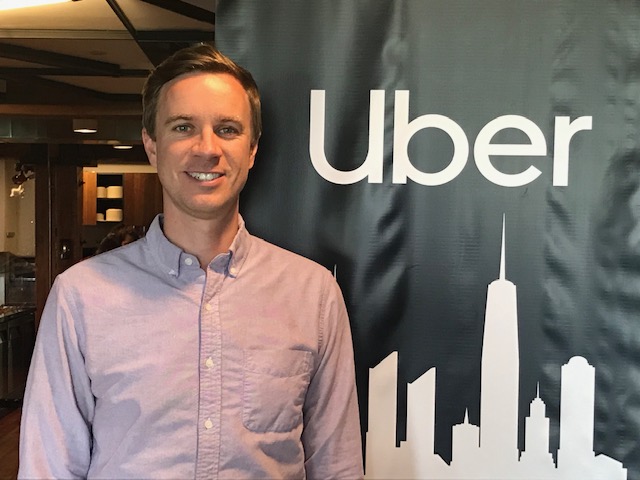
2 min read JULY 2019 — Ride sharing is here to stay. Although the concept is not new, it has gained significant popularity over the last few years. According to Statista, a survey indicated that 36% of 11,000 participants in the U.S. used ride sharing services in 2018, an increase from 15% in 2015. Our ‘Spotlight on’ for this week, Uber’s general manager for Pennsylvania Chad Dobbs, shared with Invest: Philadelphia the latest highlights and growth areas for the company in the region. 

What were some highlights that Uber saw in the region during the past 12-18 months?

We rolled out Express POOL, which is a new version of Uber POOL. This new shared ride option allows passengers to get more affordable rides by taking a short walk to a spot along the route to meet their Uber, and joining other users with similar routes — which makes ridesharing more efficient. We also made significant progress on our wheelchair accessibility, through a partnership with MV Transportation, to get more wheelchair accessible vehicles on the road and massively improve the reliability of that service. Finally, we launched Uber Rewards in late 2018, which is a loyalty program for riders. Whether you’re using Uber as a rider or to get food you can accumulate points and unlock special features on the Uber app.

What are the main growth drivers for Uber in Philadelphia?

In Philadelphia and other similar-size cities, our fastest growth areas are typically outside of the core. We’re excited to bring portable options to places that are not traditionally served by public transportation, and need a quick, reliable and cheap alternative. Outside of our ride program, we’re expanding the Uber concept as a platform and joining other transportation modes. For example, we recently launched a transit planning pilot program in Denver with the local transit system. The biggest opportunity for growth is around this concept that Uber is a platform and a way to get from point A to point B, but not necessarily in the back of a car. That part of the business has grown substantially over 2018 and is continuing to grow.

What are you doing to grow and improve the driver side and experience in the city?

We’re sitting in our Greenlight Hub facility, which is a physical location where drivers can come to receive in-person support with the on-boarding process. It’s very important for us to make sure the drivers have the support they need. We have also launched a number of different tools over the last 18 months to improve the drivers’ experience. For example, we had our 180 Days of Change campaign to make substantial improvements to our product based on the feedback of our local and national drivers. 

To learn more about our interviewee, visit:

Uber: https://www.uber.com/

No Slowdown in Sight for Miami Construction

By Yolanda Rivas

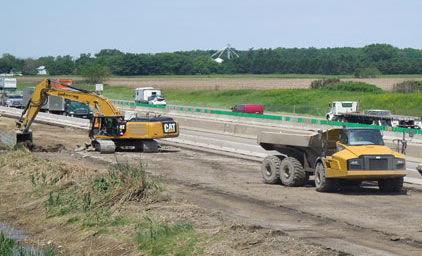
2 min read JULY 2019— Employment in the U.S. construction sector continued to trend upward last month, with the addition of 21,000 new jobs, according to data from the U.S. Bureau of Labor Statistics (BLS). The strength in the sector, reflected also in the latest Miami regional data, suggest the industry is not slowing as quickly as projected.

According to the most-recent BLS data for Miami, the construction industry added 5,100 jobs in May, a 3.7% year-on-year increase and above the 2.8% national figure for that month. The numbers aren’t surprising, given the amount of development in the Miami area.

“What has been impressive to me over the last year is the number of projects we have under construction,” Andrew Burnett, senior principal at Stantec Architecture, told Invest:. “We have around 26 to 30 projects that are either in construction or looking to start construction next year. A large percentage of them are mixed-use residential, and we’re not only providing architecture and interior design services but often engineering and MEP (Mechanical, Electrical and Plumbing) as well.”

As stated in Invest: Miami 2019, residential development remains the top driver of construction in Miami. Although there has been a slight slowdown in the condo market, some experts expect the strong performance to continue.

“I see the right projects and developments continuing to thrive,” Manny Varas, president and CEO of MV Group, told Invest:. “Buyers are taking their time to make better decisions. They’re seeking out developers with strong track records as well as the quality of interiors and finishes that they’re looking for and can count on,” he said.  

In 2018, Miami ranked among the Top 10 U.S. metropolitan areas for commercial and multifamily construction starts, according to Dodge & Data Analytics. The construction in Miami’s residential real estate is characterized by the trend of continued foreign investment in high-profile luxury condos.

Another area with strong demand is infrastructure construction, according to Luis Lugo, Hill International’s senior vice president and regional manager for the Southeast U.S. and Latin America. For example, Miami International Airport and Fort Lauderdale International Airport, will soon start major expansion and modernization projects and the Miami-Dade Transit SMART program is expected to start construction activity soon. 

“We also do a lot of work with the hospitality industry. We’re building about a dozen hotels throughout the region. That’s a big market for us, and it’s a space in which we excel,” Lugo said. 

Despite speculation about a national economic slowdown, the outlook for Miami’s construction sector is positive. “The market will continue to be strong. A little slowdown is expected, but construction is going to pick up in 2019 and beyond,” Lugo said. 

To learn more about our interviewees, visit their websites:

Stantec Architecture: https://www.stantec.com/en/services/architecture-interior-design 

MV Group: https://www.mvgroupusa.com/ 

Hill International: https://www.hillintl.com/en 

Philly Life Science Leaders Boosting Infrastructure, Partnerships

by Yolanda Rivas


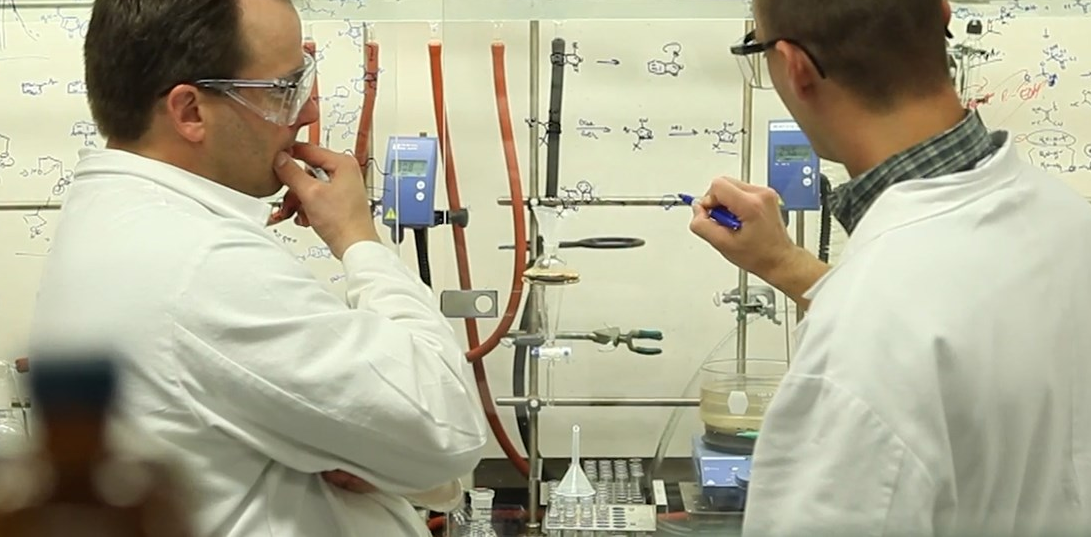
2 min read July 2019 — With more than 800 related companies and a rich network of health and education systems, the life sciences sector in Greater Philadelphia is growing at a steady pace. All the activity is driving local organizations to develop new infrastructure and local partnerships to cater the burgeoning segment. One prime example: uCity Square 

“There’s nothing like it right now in the Philadelphia region,” Steve Zarrilli, president and CEO of the University City Science Center, told Invest:. A community for entrepreneurs and innovators, uCity Square is an example of the recent efforts to connect businesses, residents, institutions and innovators to form a growing hub in Philadelphia.“Spark Therapeutics and Invisible Sentinel are two of the companies located in University City, and we recently announced that Amicus Therapeutics is creating one of its research centers here as well. These and other companies at uCity Square will play a significant role in the growth of Philadelphia’s life sciences sector,” Zarilli said. 

More than 80 percent of all companies in the life sciences industry have a presence in the Greater Philadelphia region. As stated in Invest: Philadelphia 2019, health-focused sectors provided an economic impact of $88.5 billion for Pennsylvania in 2016 and an economic output of $24.6 billion total between 2011 and 2016 for the Greater Philadelphia region.

Numerous research, biotech and medical devices organizations contribute to the role of life sciences as a key player in Philadelphia’s economy. The pharmaceutical company GlaxoSmithKline (GSK) is an example of that impact, with more than 3,400 people employed at its Upper Providence research and development facility. According to GSK Vice President of Medicine Opportunities Research Unit David Payne, the site is the company’s hub for pharmaceutical R&D in the United States, and represents 40% of its global pharmaceutical R&D workforce. 

As part of its efforts to contribute to the local life sciences sector, GSK continues to look for partnerships and alliances. “We want our U.S. R&D hub at Upper Providence to be a magnet for talented scientists, researchers and physicians. This is a great research center for innovators to build their careers. Every function required in the ‘molecule to medicine’ journey is represented at our hub, providing opportunities for employees to broaden their R&D knowledge and enable career progression and diversification,” Payne said.

Besides the demand for qualified professionals, there is also a need for infrastructure development to support the region’s scientists, entrepreneurs and life sciences companies. As Zarrilli explains, the Science Center’s goal is “to build an additional 3 million square feet of office, lab, residential and retail space over the next seven to 10 years, to further define the leading-edge community we envision at uCity Square. We will do our part to help make Philadelphia a leader in gene therapy and other areas of life sciences.”

As the growth in Philadelphia’s life sciences sector continues, it will impact different areas and draw more entrepreneurs and companies to the region. According to Zarrilli, the advances in the life sciences arena, especially in therapeutics, will lead to additional advancement in areas such as medical devices and digital health. “Life sciences is clearly the strongest area of innovation in Philadelphia, but it will spawn activity in other areas that are complementary.”  

To learn more about our interviewees, visit their websites:

University City Science Center: https://sciencecenter.org/ 

GlaxoSmithKline: https://us.gsk.com/en-us/ 

uCity Square: https://ucitysquare.com/