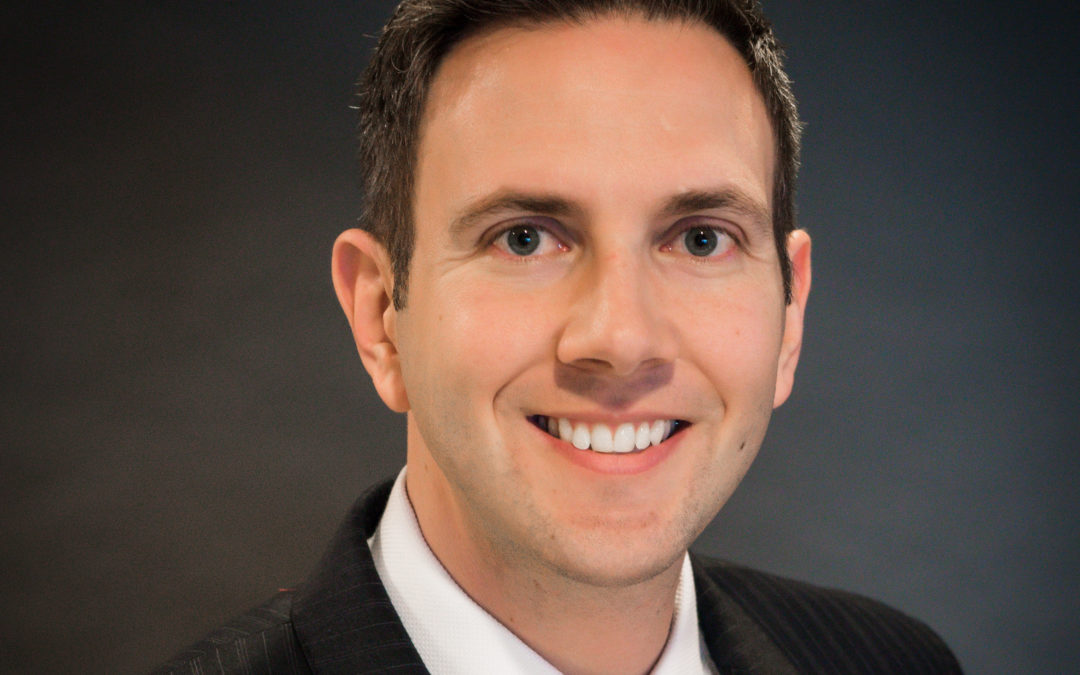
Spotlight On:  Arnold Johnson, Market Director – Banking, Chase Bank

Spotlight On: Arnold Johnson, Market Director – Banking, Chase Bank

By: Yolanda Rivas
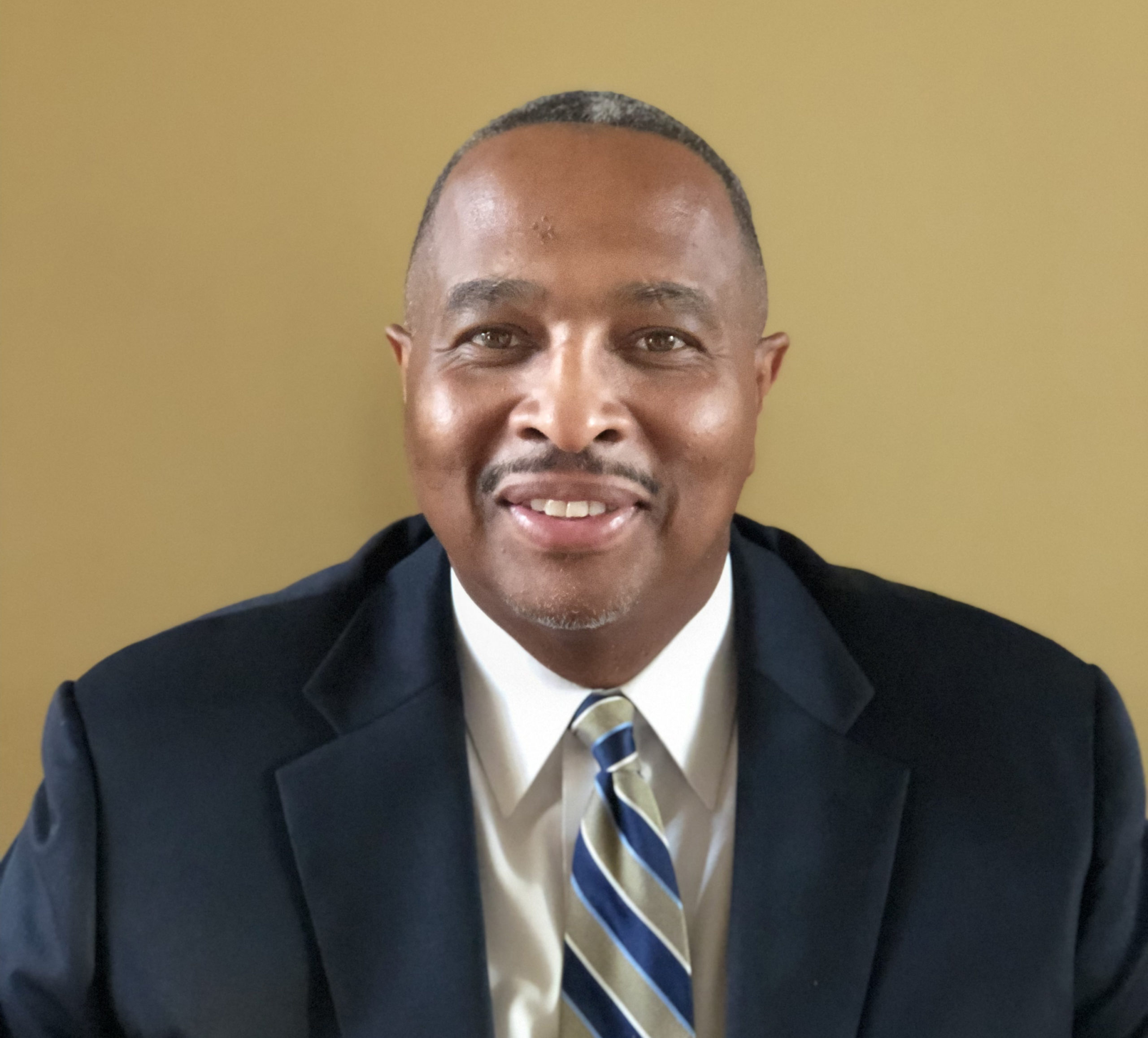
2 min read March 2020 — Chase is the U.S. consumer and commercial banking business of JPMorgan Chase & Co., a leading global financial services firm. Chase serves nearly half of America’s households with personal banking, credit cards, mortgages, auto financing, investment advice, small business loans and more. The bank began expanding into the Delaware Valley in 2018, opening its first local branch in Camden. Chase’s Delaware and South Jersey Market Director Arnold Johnson spoke with Invest: about the bank’s expansion efforts in the region, why Chase is unique and some of the challenges facing the banking sector.

What is the status and impact of your expansion effort in the South Jersey region?

One of our main efforts in the region is making sure we are opening enough branches to support the community. In the past year, we have opened four new branches: Camden, Cinnaminson, Mount Laurel and Marlton. We are excited to be expanding in Southern New Jersey and our fifth location, in Cherry Hill, is scheduled to open this summer. From a performance standpoint, we’ve been doing very well. The community has received us well and we are glad to be taking care of all their financial needs. 


Is there anything different or new about these new branches?

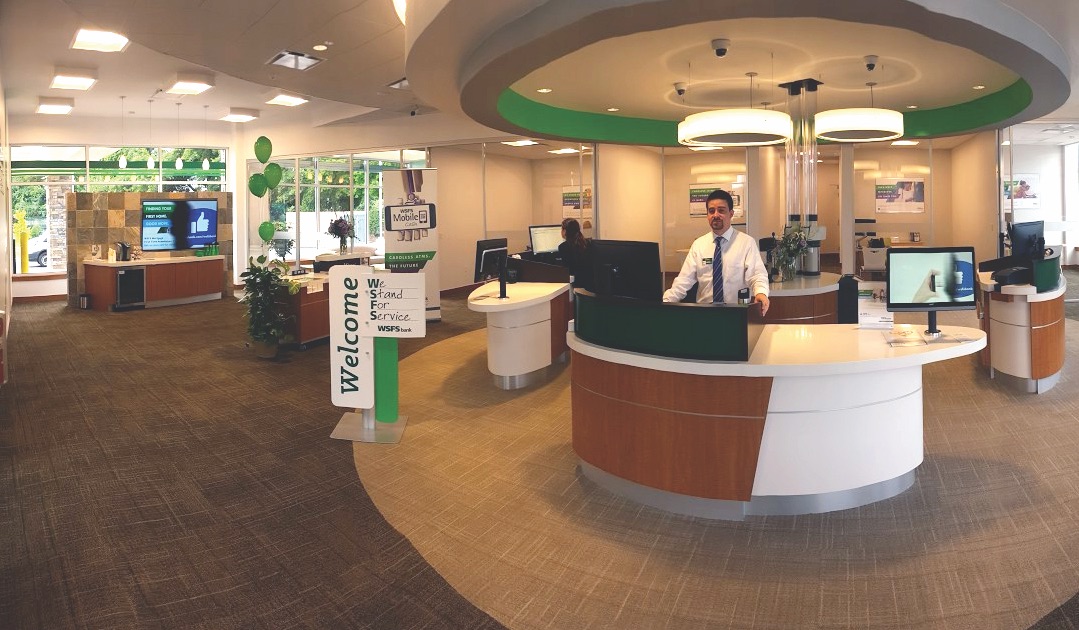
The branches we are building, as we expand, have a home feeling. For example, we have a living room-style setting in each branch’s lobby. We have digital technology, which provides Wi-Fi, charging stations, and enhanced ATM machines both inside the lobby and at standalone locations. One of our goals is to make sure that we are talking about our digital opportunities, so that people know we facilitate the tools for customers to experience the total digital power of Chase. 


What makes Chase unique?

We are focusing on providing a holistic approach to our customers. We offer expertise within the branch in the whole life cycle of a customer. We are able to take care of basic checking and credit card needs, but also holistic needs, whether it’s retirement, buying a home, small business or learning about the financial aspects of life. For example, we offer Chase Chats, which are Chase-led conversations held in our branches on a variety of topics, especially financial health. We’ll do them in every Chase branch in 2020, across the country, including right here in Southern New Jersey. The Chase Chats allow our customers to visit us and learn about banking and how to help make the most of their finances. It’s an example of one of the things we always offer: education. By helping customers from a financial and educational standpoint, we are able to build solid relationships with the communities we serve. 


What are some challenges in banking?

Some of the challenges that banks may see in their brick and mortar locations would be traffic coming into the branch. For Chase, we really utilize technology within the branch to help make sure we’re helping all of our customers as efficiently and effectively as possible. As an example, our enhanced ATMs can perform close to 70% of routine transactions. Our Associate Bankers are always on-hand to help customers however they would like to transact. Whether that’s helping them open an account digitally, or processing a traditional transaction at the window, we want our customers to know they can come in and be serviced the way they prefer to be serviced. That’s why it’s such a big deal for us to be increasing our presence in South Jersey. We were not local before, so many of our clients had a particular product with us, like a credit card. Now that we have a physical presence in the region, we want our customers and prospective customers to know that we are here as your local bank. Our challenge is to get the message out, let the communities know that we are open and help them understand that we can serve all of their financial needs.


To learn more about our interviewee, visit:

Chase Bank:  https://www.chase.com/ 


Spotlight On: Daniel Zagata, Managing Partner, Evershore Financial Group

Spotlight On: Daniel Zagata, Managing Partner, Evershore Financial Group

By: Yolanda Rivas

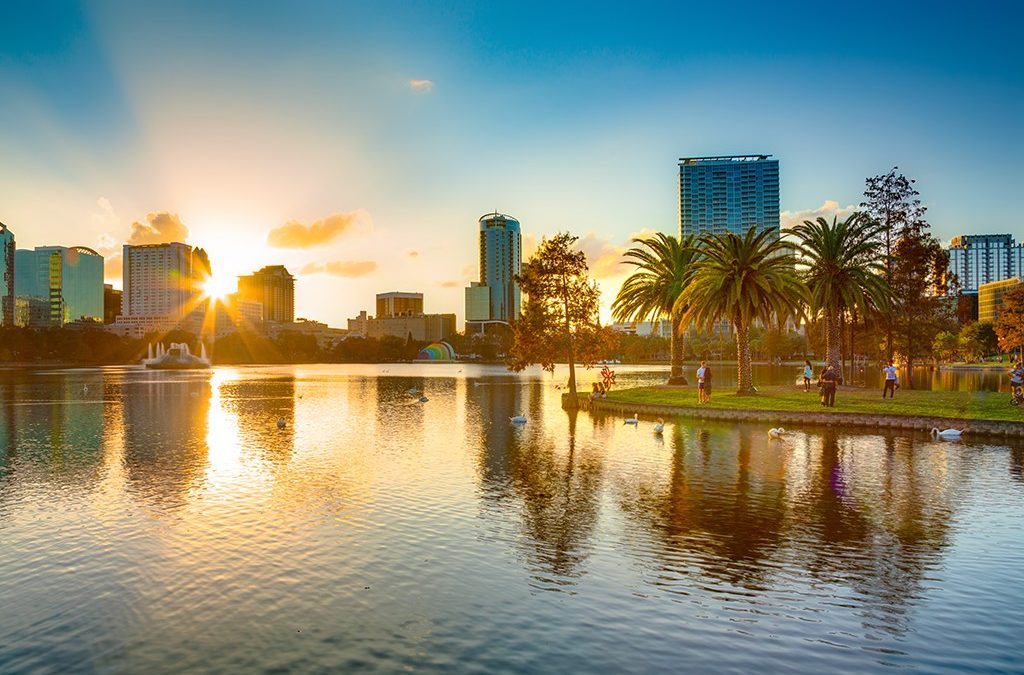
2 min read March 2020 — Orlando’s diversifying economy has been attracting a high amount of investment to the region. The population of high-income earners and the number of high-income jobs continue to grow, according to Daniel Zagata, managing partner at Evershore Financial Group. Zagata shared the latest market trends and changes in an interview with the Invest: team. 

How did 2019 develop for Evershore Financial?

We have multiple locations in Florida: Orlando, Boca Raton, Palm Beach Gardens and The Villages. In Orlando, we purchased our first office building in 2019 and are looking at real estate acquisitions over the next couple of years as our firm expands. Overall, as a financial services company, we have been working to help people with their concerns over the market’s 12-year bull run, which has been the longest we have ever seen. Market volatility has pushed the consumer to engage us for financial advice and financial services due to the uncertainty that is emerging. Younger clients and people just getting started in the financial game are moving toward the automated system of robo-advisers, demonstrating a more of a do-it-yourself preference. The more affluent client has been engaging financial planners because they require more dynamic, complex, and customized solutions. On top of that, wealth management has changed drastically. It is not just about ROIs anymore. There are more family dynamics, multiple marriages, divorces, legacy issues and tax issues, just to name a few.


What shifts are taking place in the financial services sector?

There is an increasing demand for customized advisory services and guidance. We have been dealing with a greater number of business owners looking to not only sell their business but also looking for succession plans. The logistics behind planning have become extremely important. Most recently, the term “fiduciary,” and being able to engage a financial planner and adviser as a fiduciary, has become paramount and top of mind with most clients. That type of advice and engagement with clients is growing in demand while several financial advisers are either not properly licensed or do not have the capacity to work as a fiduciary. It has always been a priority for our firm to engage clients on their terms at the level they need. 


What trends are emerging in retirement and succession planning?

Many business owners do not have a written, executable succession plan, and have not identified the person who will take over. The problem becomes who to transfer the business to, how to bring that person in, whether or not they have a vested interest, if they have the required resources to purchase the business and if the resources are delivered as a lump sum or serial payment. It is often said that the top concern of a business owner relating to a succession plan is the impact on employees, along with preserving the business’ reputation. We have seen several business owners resort to repossessing their business when the transition was poorly executed or did not have the intended consequences.  


What is your outlook for 2020 and what are your areas of focus?

Election years tend not to be volatile because there is pressure to keep the economy stable. However, there are always events that are unpredictable, such as the Coronavirus, that can cause immediate volatility. From the firm’s standpoint, we continue to expand. We are looking to bring in highly qualified advisers to add value to what we do. As big proponents of education, clients today want to receive advice and information that are valuable to their investment strategies. I teach retirement classes at the Rollins College STARS program and Celebration Foundation for Lifelong Learning, to name a few. Our reputation, high-quality content and transparency has many schools and universities using Evershore Financial to deliver education. We understand people, and how behavior impacts investing and life. We will continue to grow and expand our firm as we help our clients navigate life’s transitions. 


To learn more about our interviewee, visit:

Evershore Financial Group: https://www.evershore.com/

South Jersey’s higher-ed sector at the forefront of workforce readiness

South Jersey’s higher-ed sector at the forefront of workforce readiness

By: Yolanda Rivas

2 min read March 2020 — Education affordability, talent retention and the demographic change of fewer students going onto college are some of the challenges facing the industry. Educational institutions in South Jersey and the state government are placing a particular focus on affordability and workforce readiness. 

 Many universities and colleges now see that workforce development and curriculum updates are necessary to meet the demands and needs of employers and the jobs of tomorrow. That is the case of the Rowan University/Rutgers-Camden Board of Governors. Part of its mandate is to facilitate collaboration between Rutgers-Camden and Rowan University in the development of curricula and programs related to health sciences. 


“Presently, we are working together to respond to projected employment growth in healthcare professions,” said Dana Redd, CEO of the Rowan University/Rutgers-Camden Board of Governors, in an interview with Invest:. “Some of the initiatives that we have launched include a Medical Assistant workforce development and training program for graduating high-school students from Camden’s traditional public schools.”


Another projected demand is the increased need for healthcare providers to assist individuals diagnosed with Alzheimer’s and dementia-related disorders. In anticipation, the board launched the Alzheimer’s Navigator Program in 2017. “The curriculum is taught by Camden County College. Inspired by the Patient Navigation model in oncology, Alzheimer’s Journey Coordinators aim to improve access to care and treatment for people with Alzheimer’s,” Redd said.


A challenge not only affecting South Jersey but the whole country is declining enrollment rates. Data from the State of New Jersey’s Office of the Secretary of Higher Education shows that the overall number of people attending higher education institutions in the state slightly declined over the last decade.


Unlike some universities that are struggling with declining enrollment, Rowan University doubled enrollment in the past 10 years to 19,600. During that time, the university transformed from a well-regarded regional university to a nationally ranked, Carnegie-classified R2 research university. According to Ali A. Houshmand, President of Rowan University, the STEM fields and businesses are the areas seeing the greatest growth. “We built new facilities for our colleges of engineering and business three years ago and doubled enrollment in their programs,” he said.


“Another growth area is our medical schools. We are one of only three institutions in the nation to offer both M.D. and D.O. medical degrees. Our commitment to medical education is important given the nation’s growing physician shortage,” Houshmand stated in an interview with Invest:.


Community colleges also play a key role in the workforce development of any community. In the southern New Jersey region, Camden County College (CCC) offers the most certification programs. According to CCC’s President Donald Borden there is great demand for machinists in the region. “Companies come to hire them as soon as they become proficient,” Borden told the Invest: team. 


“Students trained in robotics, automobile tech and optometry all find work after graduating. We offer some of those programs that are not traditionally seen as higher ed, but they have been in very high demand,” Borden said. Business and education and criminal justice are also in-demand programs at CCC. 


To fulfill the needs of the employers and provide access to education for all students, it is imperative that colleges, universities and government provide initiatives for education affordability. In February 2020, Gov. Phil Murphy announced the “Garden State Guarantee,” which is a $50 million investment in four-year senior public colleges and universities through his proposed FY2021 budget that would allow all eligible New Jersey undergraduate students to attend any public college or university in the state tuition-free for two years.


“We know students drop out of college — or worse, rule it out as an option for them — because they believe the price tag is unaffordable. After more than a decade of decreased state investments in higher education, our administration’s innovative plan creates a path for broader college affordability,” Gov. Murphy said in a written statement. “This complementary program underscores New Jersey’s continued commitment to tuition-free community college. We remain laser-focused on retaining in-state talent through our Jobs NJ initiative and expanding opportunities for low-income communities and communities of color.”

The program complements similar existing efforts at William Paterson University, Rutgers-Camden, Rutgers-Newark, and New Jersey City University. According to the “Garden State Guarantee” official press release, the guarantee builds on existing state programs to make college affordable, including financial aid provided to students through the Community College Opportunity Grant, Tuition Aid Grants and New Jersey Student Tuition Assistance Reward Scholarships. 


To learn more about our interviewees, visit:

Rowan University/Rutgers-Camden Board of Governors: https://rurcbog.com/ 

Camden County College: https://www.camdencc.edu/ 

Rowan University: https://www.rowan.edu/

State of New Jersey: https://nj.gov/governor/index.shtml 


Face Off: How local chambers of commerce are responding to the region’s population growth

Face Off: How local chambers of commerce are responding to the region’s population growth

By: Yolanda Rivas

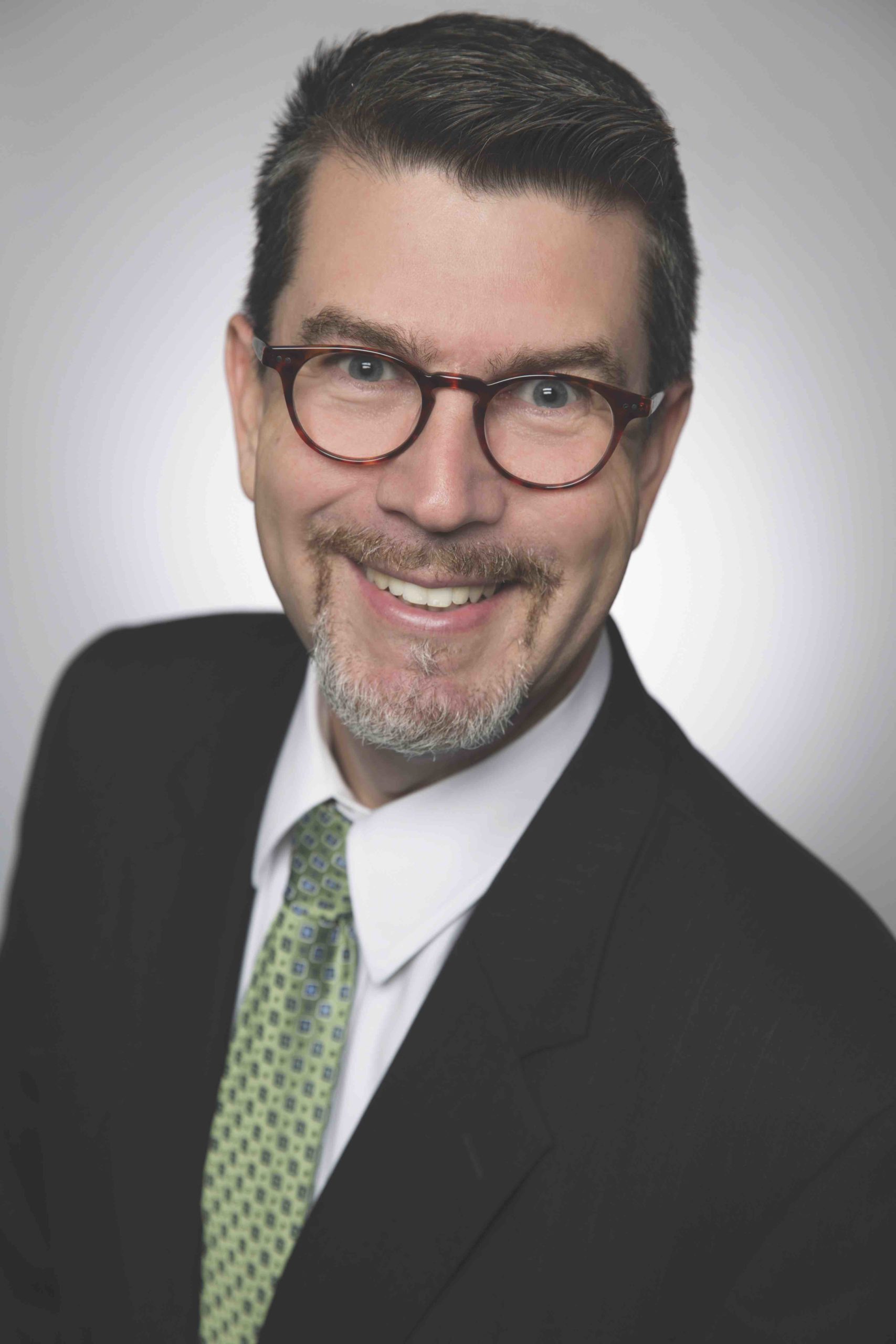
2 min read February 2020 — Both the number of visitors to Orlando and its population are on the rise. The Invest: team spoke with Betsy Gardner Eckbert, president and CEO of the Winter Park Chamber of Commerce, and Andrew Cole, president and CEO of the East Orlando Chamber of Commerce, about their latest efforts to respond to the local growth and the challenges their chambers face.

Andrew Cole

How is the community responding to the region’s visitor growth?

Betsy Gardner Eckbert: The Winter Park Chamber of Commerce started several efforts to target and reach international guests. The second-biggest group of visitors that we receive in Winter Park is international. Half of the international visitors we received two years ago were coming from the United Kingdom. To respond to that demand we put together our Tourism Task Force, which created a business plan through destination marketing efforts, and as a result we had a 560 percent increase in traffic to our website from people from the U.K. We increased by 86 percent the traffic of people from the U.K. through the door of our Welcome Center. We will continue to expand our reach to international guests from different countries as well, including Canada and Brazil. 

Andrew Cole: We’re anticipating having almost 2 million people in Orange County by 2030. I think that speaks volumes, and we’re preparing for that population growth. Our transportation infrastructure is being enhanced, Virgin Trains is making its way into Orlando, the Orlando International Airport is building a new terminal, and our local governments are looking at additional transportation solutions and housing affordability issues. Businesses are expanding, creating new jobs, such as Universal Studio’s new Epic Universe theme park, Disney’s continued growth of their parks, and the Creative Village in Downtown Orlando is an innovation district for high-tech, digital media and creative companies providing new opportunities. Tourists and visitor numbers continue to increase providing plenty of opportunities for businesses to thrive. It’s exciting to know that businesses that are here and those relocating here have opportunities to grow and expand their footprint in Orlando.

Betsy Gardner Eckbert

What are some challenges for your chamber?

Eckbert: One of the challenges for our members is attracting and retaining the appropriate talent. To support them, we launched a pilot program to identify talented professionals — mostly women with impressive degrees who have stayed home to raise a family. Our program helps them get back into the workplace. Through this pilot return-to-work program we placed 83 percent of the participating women within six months in local and global companies. We are very excited to have the ability to furnish our members with a talent base of people who are reliable and have the skills and talents they are looking for. 

Cole: One of our biggest challenges is making sure that we have smart growth in that we’re looking at all aspects of the impact any new development will have on the area. We also have the battle between people who want to stay rural and those who want to see development. As long as we can plan smart growth, continue to address our challenges and remain forward thinking, I know Orlando will continue to be the place to be.

To learn more about our interviewees, visit:

Winter Park Chamber of Commerce: https://winterpark.org/ 

East Orlando Chamber of Commerce: https://www.eocc.org/

Face Off: Bringing More Energy to the Bay

Face Off: Bringing More Energy to the Bay

By: Max Crampton Thomas

4 min read February 2020 As the Tampa Bay region continues to grow both in population size and new developments, the need for access to more energy and cleaner energy solutions grows with it. Invest: spoke with the leaders of two of the main sources of energy for the region and their innovative approach to creating cleaner energy solutions. T.J. Szelistowski serves as the president for Peoples Gas, which has provided Florida residents and businesses with reliable, environmentally-friendly, economical natural gas products and service since 1895. Nancy Tower leads Tampa Electric as its president and CEO. The utility has served the Tampa Bay area for 120 years, with more than 5,000MW of generating capacity. 

How is your company innovating in terms of technology?

T.J. Szelistowski: The last time we spoke, we discussed implementing gas-fired heat pumps that use natural gas instead of electricity for air conditioning. We are working with several customers on installations of this technology.  Additionally, we have installed the technology in three of our facilities and have been pleased with the performance.  

In terms of other technologies, we are targeting farming and waste facilities that release methane into the air. Our environmental solution is to capture that methane and clean it up to reinject it into the system. This not only provides a cleaner form of natural gas but also reduces methane emissions. We look forward to announcing some significant projects with this technology in the near future.

Nancy Tower: We believe battery storage is a part of our energy future. The technology is new, and we’re not ready to deploy that on a large scale until we figure out the true impact it will have on our system. We have put in place a battery storage project this year near our Big Bend solar project, which will give us really good information on how solar and battery storage interacts with our system. We’re really looking at how we can integrate battery storage into the complexity of the renewable energy ecosystem.

In other technologies, we are also in the middle of a large-scale installation of smart meters, which provide a lot more information and allow us to provide customers with superior service. 

T.J. Szelistowski

Why has investment in cleaner, more renewable energy and environmental sustainability been such a focus for your company?

Szelistowski: Natural gas is the perfect partner to renewable solar energy to provide capacity when the sun is not shining and to ensure energy is available to customers around the clock. Additionally, natural gas can provide great environmental benefits by replacing diesel fuel usage in large vehicles, such as buses and waste-management trucks.   

 A variety of ships are starting to convert to natural gas because of changing environmental regulations, specifically IMO 2020, which slashes permissible levels of sulfur permitted in fuel for seaborne vessels to minimal levels and opens the door for liquefied natural gas (LNG) as an alternative.

Tower: The biggest factor is that customers want it. When thinking back over the last few years, the number of people focused on a cleaner environment has increased exponentially. This is symbolic of the focus citizens and our customers have on environmental stewardship, and that is not going away. We are very happy with our progress.

I think it’s our obligation on behalf of customers to demonstrate that clean energy is not only our responsibility in terms of an environmental perspective, but also from a cost perspective. We are focused on both of those things simultaneously. As the entity generating electricity, we have the responsibility of doing that in the most responsible way.

Nancy Tower

How would you respond to the argument that clean energy is not yet cost-effective or readily available?  

Szelistowski: Natural gas interstate transmission pipelines are relatively new to Florida compared with the Northeast, having been introduced only in the 1950s. In addition, natural gas is a primary source of space heating in many parts of the country. With limited space heating in Florida, natural gas is primarily used for cooking, water heating and clothes drying in addition to industrial uses. We see a great desire for natural gas by people who have moved from other parts of the country and have enjoyed using natural gas in the past.  

In terms of misconceptions, people do not realize the widespread availability of natural gas in Florida. Additionally, they may not realize the affordable nature of home and business use of natural gas. With low and steady gas prices, natural gas provides a great alternative to both business and homes.  

Tower: It is our job to ensure that our generation portfolio is the most cost-effective for customers. Over the long term, we have carried out extensive cost modeling to ensure we can meet these expectations. In the next number of years, we will add more solar capacity and our generation will include more small-scale methods combined with battery storage. This doesn’t come without hard work and we need to find the right ways to keep costs low. This involves finding the right land close to our transmission infrastructure, ensuring suppliers are providing competitive prices and efficient cost management. Costs have come down, but we need to ensure we tightly manage this.

To learn more about our interviewees, visit:

https://www.tampaelectric.com/

https://www.peoplesgas.com/

Miami’s Top 5 Fantastic Food Festivities

Miami’s Top 5 Fantastic Food Festivities

By: Max Crampton Thomas

4 min read February 2020 This weekend on Miami Beach there are guaranteed to be three things – food, wine and good times. While this is the recipe for most memorable times had in one of Miami’s top tourist destinations, this weekend in particular is heightened by the annual The Food Network & Cooking Channel South Beach Wine & Food Festival. In most markets, a festival like this would be an outlier as the premier food and beverage event for that year, but Miami is not most markets. The fact is, Miami-Dade is home to an onslaught of premier food and beverage festivities that would make any culinary connoisseur’s mouth water. Invest: explores five of the top foodie festivities in the Miami-Dade region. 

South Beach Seafood Festival  

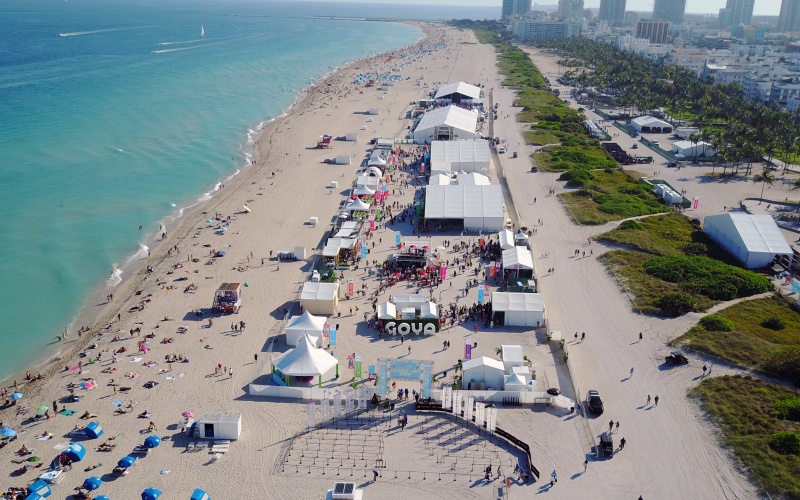
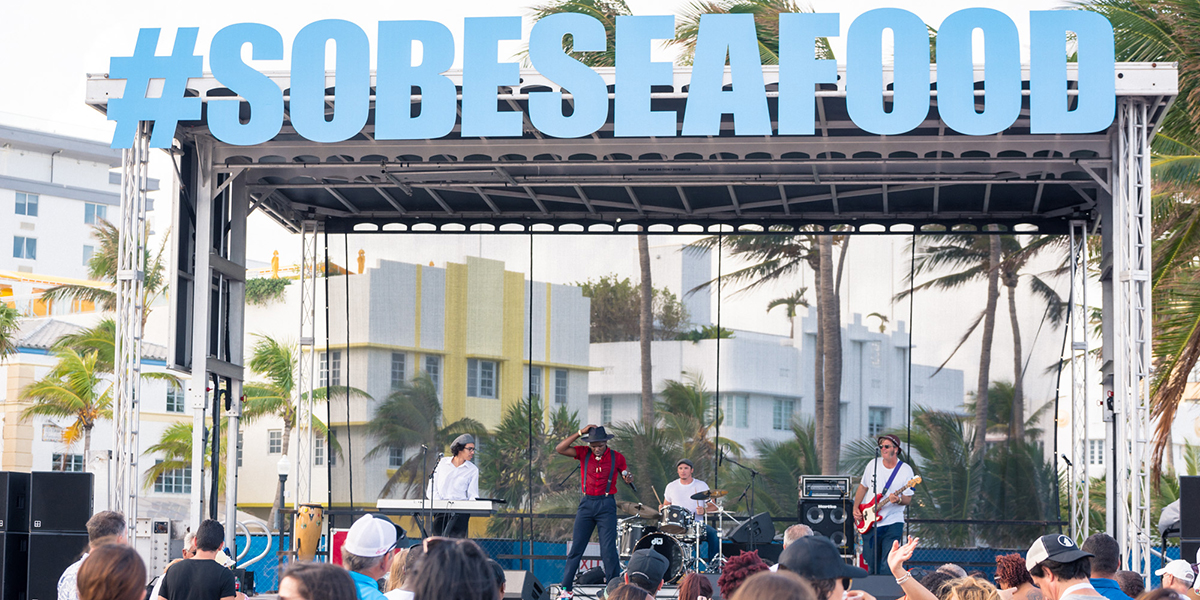
To be considered a Top 5 Speciality Festival by USAToday, listed by Forbes as a Top 5 thing to do in fall and recognized by Travel Channel as the best seafood festival in the United States is no small accomplishment. This four-day festival features three nights of culinary events that lead up to the ultimate seafood festival experience. These preliminary events include an exclusive VIP experience, An Evening at Joe’s, brought to life by food from the historic Joe’s Stone Crab, a cocktail hour-type event called Crabs, Slabs and Cabs featuring Surf N Turf favorites paired with various cabernets, and finally the VIP Chef Showdown, which showcases 14 of the best local chefs cooking up their greatest culinary creations. All of these lead into the big event on the fourth day that spans over four blocks of Miami Beach, features 30 bars, music, culinary demonstrations and enough delicious seafood to please the over 15,000 attendees. This event takes place from Oct. 21-24, 2020. 

For more, visit: https://sobeseafoodfest.com/


Seed Food & Wine Week 

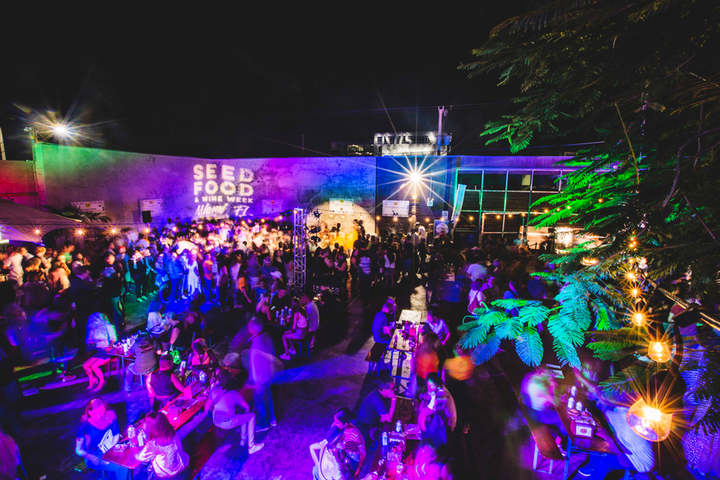
Plant-based diets may not be for everyone, but this four-day event features culinary dishes and experiences that could make even the most devout carnivores consider incorporating more meat-alternatives into their meal plan. Spanning the course of four days, this event touts itself as more of an experience than just a festival as it features a plant-based burger battle, a plant-based pitch off, taco tailgate party, rise and shine yoga experience and meditation, and finally the big event: Seed Festival Day Tasting Village. This vegan-inspired week is also unique in that its events are not centralized and take place in various spots around Miami-Dade, including Wynwood and Downtown Miami. The event runs from Nov. 7-10. 

To learn more, visit: https://www.seedfoodandwine.com/

Doral Food & Wine Festival 

This food and wine festival is going on its fourth year, and while the event has grown significantly since its inception in 2016, this year promises to be bigger, better and even tastier. Over the course of two days, families are encouraged to come out to Doral Central Park and experience live entertainment and live cooking demonstrations. While wine may be in the title, the event is geared toward the entire family, with free entry for kids and an entire area, referred to as the Kids Zone, dedicated to fun activities and games for the little ones. Taking place over March 21 and 22, this year’s event looks to attract over 10,000 people. 

For more, visit: https://doralfoodandwinefestival.com/

South Florida’s Taste of the Nation

This culinary adventure is a one-night experience that is not only delicious and fun, it also supports a great cause. Described as an elegant evening with some of South Florida’s greatest chefs and mixologists, Taste of the Nation offers guests a chance to try food and drinks from over 50 different South-Florida based restaurants and bars. While normally the best parts of these events are the food and drink, it is actually the impact of dollars collected from the night that is most significant as 100% of local proceeds support the No Kid Hungry campaign’s work to bring an end to childhood hunger in Florida. The event takes place the night of May 16, 2020. 

For more information, visit: https://events.nokidhungry.org/events/south-floridas-taste-nation/

The Food Network & Cooking Channel South Beach Wine & Food Festival (SOBEWFF) 

SOBEWFF is a five-day gathering of “who’s who” in the culinary world, over 100 different festival events and over 65,000 people in total attendance. This world-renowned festival has an event for everyone, from the casual food and wine fan to the highest class of food critic. While many of these events could be considered the “big event,” perhaps most well-known is the Goya Foods’ Grand Tasting Village showcasing offerings from more than 50 restaurants and a variety of wines and spirits as well as a closing cooking demonstration by well-known celebrity chef Guy Fieri. The festival is in full swing Feb.19-23. 

To learn more, visit: https://sobewff.org/

Small business, commercial and construction lending drive strong growth for South Jersey banks

Small business, commercial and construction lending drive strong growth for South Jersey banks

By: Yolanda Rivas

2 min read February 2020 — The Southern New Jersey region is mainly driven by the healthcare, education and retail sectors, but small businesses remain key cogs in the region’s economic machinery. Their financial needs are among the busiest service areas for lenders along with commercial and construction lending, according to local banking leaders who spoke with Invest: South Jersey.


Small businesses represent growth opportunities for South Jersey financial institutions, as evidenced by the robust professional sector in the region that continues to grow rapidly as more individuals start their own businesses. 

WSFS Bank has about 50,000 primary core customers in South Jersey, with millennials being its second-largest demographic. Phil Corradino, Senior Vice President and New Jersey Regional Director at WSFS, is focusing on growing alongside millennials as they launch their own companies, purchase their first properties and start their families. 

“In terms of small business, we feel that we’re in a great growth position. The small-business sector went through a very difficult period from 2008 and onward, even as recently as 2015, but now you see a lot of small business growth and lending, especially in South Jersey. We’ve put dedicated lenders in place at the local level to serve these business owners, and it’s their mission to be there to help educate them, with roundtables, focus groups and networking events.”

Louisville, Kentucky-based Republic Bank has consistently been a top small-business lender in the region over the last few years and is also experiencing growth in that segment. “We focus on small businesses because South Jersey is known for its mom and pop shops. We promote our commercial customers and make donations to help attract consumers to their businesses and support their growth. We don’t limit our services to just one industry or type of business, we try to serve every business and prospect in any industry,” said Joe Tredinnick, market president at Republic Bank.

Financial institutions are positive about the near-term growth outlook for the small-business segment.”The small-business potential and growth that I believe we are going to see over the next three to five years in South Jersey is going to be monumental, and WSFS is excited to be in the middle of it,” Corradino stated.

According to Parke Bank President and CEO Vito S. Pantilione, its construction lending product is enjoying strong demand in the Philadelphia and South Jersey areas. “It is a very attractive product, especially because many banks have discontinued this banking product. Even though the regulations for construction lending have become much more stringent, our structure allows us to handle it because we are well-capitalized and we have the experience and expertise,” said Pantilione.  

Most recently, the bank has also seen an increased demand further north, in the Bronx and Brooklyn areas of New York City. “We carefully entered the Bronx and Brooklyn markets and now have multiple multifamily projects and commercial loans in these areas,” he said. 

Similarly, New Jersey-based OceanFirst Bank is seeing fast growth in its commercial lending activities. Vincent D’Alessandro, OceanFirst’s southern region president, said the bank’s growth has been driven by its talented commercial relationship managers. “Our business customers have a specifically assigned relationship manager who focuses on those businesses. Our expansive growth has enabled our relationship managers to dive deeper into businesses that they may not have been able to tap into before, in providing more sophisticated products and services.” 


To learn more about our interviewees, visit:

Parke Bank: https://www.parkebank.com/ 

OceanFirst Bank: https://oceanfirst.com/ 

WSFS Bank: https://www.wsfsbank.com/ 

Republic Bank: https://www.myrepublicbank.com/ 


Tourists, Flight Availability Underpin MCO’s Record Growth

Tourists, Flight Availability Underpin MCO’s Record Growth

By: Sara Warden

2 min read February 2020 — Orlando’s tourism industry is going from strength to strength, generating $75.2 billion from 75 million people in 2018. The industry’s success at drawing in new customers benefits almost every other industry in the region, not least aviation. In 2019, Orlando International Airport experienced a record-breaking year, welcoming 50.6 million passengers – a 6.1% increase on the previous year.

“Orlando lnternational’s growth in 2019 is due to a combination of factors,” said Phil Brown, CEO of the Greater Orlando Aviation Authority (GOAA) in a press release. “A strong Central Florida economy, continued innovative attractions being unveiled by the local theme parks, increased air service to new markets around the world and more seats coming into the area all equal record traffic at MCO.”

Currently, 38 airlines operate flights out of Orlando International, and in 2019 seat capacity was increased by 5.9% — around another 3.25 million seats. Most of this growth was generated by Spirit and Frontier, two budget airlines that continue to expand in Orlando. Spirit Airlines announced this month that it would expand the frequency of 16 routes from Fort Lauderdale-Hollywood International Airport and Orlando International Airport in 2020.

“Florida is very important to Spirit Airlines, and we are going to keep growing in the state we call home,” said John Kirby, Vice President of Network Planning for Spirit, in a statement. “As the only major airline headquartered in the Sunshine State, Spirit Airlines continues to add new destinations and more nonstop service to meet the needs of Florida’s growing economy.”

And 2020 is shaping up to be an equally exciting year. According to GOAA, there will be 39 new destinations launched from airlines including Air Canada, Westjet, JetBlue, Emirates, Delta and Virgin Atlantic over the course of the year.

The first half of 2020 is full of exciting new attractions such as Mickey and Minnie’s Runaway Railway at Disney’s Hollywood Studios and Hagrid’s Magical Creatures Motorbike Adventure at the Wizarding World of Harry Potter. Cirque du Soleil is also stopping by to perform Drawn to Life, which is sure to make 2020 a year to compete with its predecessor.

And Universal Orlando Resort is planning a new theme park resort, plunging billions of dollars into 700 acres on Universal Boulevard for its Epic Universe. The park is set to integrate the traditional theme parks and rides, as well as hotels, restaurants and other entertainment facilities. “Our vision for Epic Universe will build on everything we have done and become the most immersive and innovative theme park we have ever created. It is an investment in our business, industry, team members and our community,” said Universal Parks & Resorts Chairman and CEO Tom Williams at the unveiling of the project last August.

Orlando International is growing to accommodate this influx of tourists, with $4 billion in construction projects in the pipeline. The new $2.1 billion South Terminal is now 45% complete, will add 19 gates and is scheduled to open by 2021.


To learn more, visit:

https://orlandoairports.net/

https://www.spirit.com/

https://www.universalorlando.com/web/en/us

Commercial Real Estate to Remain Steady in 2020

Commercial Real Estate to Remain Steady in 2020

By: Max Crampton-Thomas

2 min read February 2020 If there were ever a time or place to consider investing in commercial real estate, now would be that time and the Tampa Bay region would be that place. 2019 proved to be another banner year for the real estate sector and with interest rates remaining low, consistent inmigration into Florida and the Tampa Bay region, rising rental rates and ongoing outside investment into the area, all indicators point to 2020 being just as strong if not better for the commercial real estate sector. 


2 min read February 2020 If there were ever a time or place to consider investing in commercial real estate, now would be that time and the Tampa Bay region would be that place. 2019 proved to be another banner year for the real estate sector and with interest rates remaining low, consistent inmigration into Florida and the Tampa Bay region, rising rental rates and ongoing outside investment into the area, all indicators point to 2020 being just as strong if not better for the commercial real estate sector. 

“Around $17 billion has migrated to Florida, the No. 1 destination for capital in the country followed by Texas, at $2 billion. People are leaving states that are not tax friendly and coming to Florida, which is very tax friendly. Because the stock market can go up or down, hard assets are attractive. The returns investors can get in commercial real estate are attractive. People are looking at commercial real estate as a means for retirement, passive income,” Christopher Travis, sales manager for the Tampa office of Marcus & Millichap, remarked to Invest:.  

Perhaps the clearest indication of the sector’s continued success has been the large-scale mixed-use projects that are happening throughout the region. Larry Richey, the managing principal and Florida market leader for Cushman & Wakefield, spoke about what these developments mean for the sector. 

“The most talked about projects happening in Tampa Bay at the moment are in the office and mixed-use sectors. In the Hillsborough County market, we have four mixed-use projects that are all very active. Those four new projects are Water Street Tampa in Downtown, Heights Union just on the northern fringe of Downtown, the Midtown project that is being developed at the intersection of I-275 and Dale Mabry and fourth is the MetWest project in the Westshore District on Boy Scout Boulevard,” Richey told Invest:. “We are seeing the highest office rents in the history of the Tampa Bay area right now, and it is because we have the strongest demand for office space that we have ever had. This is good news because it means new development and jobs in the commercial real estate sector. It also means that buildings that were always below what they should have been charging are now charging rents that are justifiable based on the investment that people have put into these properties.” 

These projects, and ultimately the continued success of commercial real estate in Tampa Bay, are the product of taking note and early adaptation to emerging and developing trends within the industry and local economy. While basically all subsectors of commercial real estate are prospering, there are some that industry professionals are keen to keep a particularly close eye on. What may come as a surprise to some is that one of these prosperous submarkets is retail. 

“The retail market continues to be very strong here.  Demand continues to exceed supply in many of the strongest retail markets throughout Tampa Bay.  This continues to drive up rental rates and has limited cap rate decompression for stabilized retail assets,” Scott Dobbins, the founder and principal of Hybridge Commercial Real Estate, said. 

Travis agreed that retail remains one of the stronger segments in commercial real estate, touching on the fact that the e-commerce trend is not as bad as some may think. “Retail has remained strong during the real estate market recovery. Everybody was scared about e-commerce, but it only makes up about 14% of the overall market. Retail is going to be just fine, especially retailers like dollar stores, gas stations, and fast food.” 

While all indications point to another strong year for the commercial real estate market, it will not be without its challenges. Besides 2020 being an election year that could possibly send the national economy into flux, Tampa Bay must address unaffordability in the housing sector and ongoing challenges with transportation in the region. 

Nonetheless, commercial real estate professionals continue to have a positive outlook for the Tampa Bay Region. 

It has always been in the core submarkets, like Westshore and the Central Business District (CBD). Historically, they’ve been the focus of development and I think that will continue. We are seeing new developments in areas like the Heights and Water Street Tampa. Time will tell how these developments impact the marketplace. I think they are both going to be extremely successful, but they are on the outskirts of the Tampa CBD. Perhaps we will see the core of the Tampa CBD start to shift,” Gary Godsey the Managing Director for JLL, said to Invest in regards to the next year for commercial real estate. “Additionally if you just look at the rooftops in Pasco County and in South County, it makes sense for these areas to be considered for future commercial real estate development, despite the lack of transportation. I think we will see developers get creative and maybe look at areas like this. If you look at the I-4 corridor, that is going to continue to be a main driver in the industrial sector.”

To learn more, visit:

https://www.marcusmillichap.com/about-us/offices/tampa-florida

https://www.cushmanwakefield.com/en/united-states/offices/tampa

http://www.hybridgecre.com/

https://www.us.jll.com/en/locations/southeast