The Real Winner in Super Bowl LIV

The Real Winner in Super Bowl LIV

By: Max Crampton Thomas

2 min read February 2020 Over the course of last week the excitement for Super Bowl LIV was palpable throughout Miami-Dade County, which was not surprising with over 200,000 people visiting South Florida to watch the Kansas City Chiefs take on the San Francisco 49ers. Ultimately the Chiefs came from behind to snatch their first Super Bowl title in 50 years. While the final numbers aren’t yet in, the early indications suggest another winner from the NFL championship: Miami-Dade County.

 The expected economic impact for the Miami-Dade area when the final numbers are reported from the past week’s events? $500 million. This would be a significant boost from Miami’s last Super Bowl (XLIV) in 2010, which generated $234 million for the region, and the 2007 Super Bowl (XLI), which accumulated $463 million in economic impact.  

The stellar financial results are thanks to well-thought-out events and years of deliberate planning by local leaders and organizations, like the Super Bowl Host Committee. Events like Miami Beach’s Super Bowl Experience and Bayfront Park’s Super Bowl Live were glowing examples of why this Super Bowl was a major win for Miami-Dade. 

Equally impressive was the windfall from “free publicity” that was afforded to Miami, thanks to media coverage of the game and the surrounding large-scale events. In fact, according to the South Florida Business Journal, during a panel discussion on Feb. 3 between local leaders for Super Bowl LIV at the University of Miami’s Carol Soffer Indoor Practice Facility, Miami Super Bowl Host Committee Chairman Rodney Baretto said the figure related to free publicity would be “in excess of $200 million” for Miami-Dade. 

This Super Bowl also provided an opportunity to some of the smaller, local businesses in the region through the Business Connect program. This program afforded close to 300 South Florida-based minority-owned businesses with vendor contracts in order to help in supplying their services and products for the events happening in the region and on the day of the game. 

Another opportunity resulting from Super Bowl LIV was the Super Bowl Legacy Grant Program. This program consisted of the NFL Foundation donating $1 million to the host city, which was then supplemented by funding from the Miami Dolphins and the Miami Super Bowl Host Committee, bringing the grand total to $2.4 million. The money has since been distributed to five capital improvement initiatives throughout the South Florida area. These include new lighting for Bayfront Park in Miami, new synthetic turf for Gwen Cherry Park and a new Outdoor Fitness Zone for Plantation Heritage Regional Park in Broward County. 

One of the biggest winners from the Super Bowl events was the hospitality sector in Miami-Dade and Broward County. With room rates in the Downtown Miami and Brickell areas ranging anywhere from $500 to $5,000, the Super Bowl provided local hotels with an opportunity that couldn’t be missed. The South Florida region was prepared for this onslaught of new guests into the area, with more than 10,000 new rooms being added since the last Super Bowl in 2010. 

While the Chiefs may be walking away the official winners of Super Bowl LIV, Miami-Dade and the South Florida region are the true beneficiaries of a job well done. 

To learn more visit: 

https://www.miasbliv.com/


Spotlight On: Carl H. Bagell, Managing Partner – Southern NJ,Friedman LLP

Spotlight On: Carl H. Bagell, Managing Partner – Southern NJ,Friedman LLP

By: Yolanda Rivas

2 min read February 2020 — Friedman LLP has been serving the accounting, tax and business consulting needs of numerous businesses in a wide variety of industries since 1924. Friedman’s South Jersey offices have more than tripled in size since they started doing business in the region. Southern NJ Managing Partner Carl H. Bagell discussed the firm’s main areas of growth and industry trends in an interview with Invest:


What services are seeing the most demand?


As a multidisciplinary firm with a growth mindset, we provide a wide variety of services and seek new opportunities to better serve our clients. In South Jersey, we focus on tax preparation, business valuation, forensic and matrimonial, international tax and tax controversy, and every area is expanding. For example, we expanded the number of our international tax practice partners in response to our clients’ growing needs in the face of ever-evolving global trends; the qualified Opportunity Zones segment of our real estate practice is seeing an increased demand for investment advisory; and our cybersecurity division is one of the fastest-growing areas in the region and abroad due to the cyber-threat landscape. 


Notably, SEC audits consistently play a major role in driving revenue for the firm and as such, we have offices in China with about 50 team members to address our clients’ needs. 


Not only has our client base expanded, but so have our employee numbers. To accommodate this growth, we almost doubled our size by relocating to a new office in Marlton. We have a lot of room for expansion and an amazing, flexible space where we can hold seminars, staff meetings and business events. We have a great collaborative working environment. 


What impact is technology having on the accounting and financial sectors?


Technology is a crucial part of our workflow. We have advanced technology at Friedman that allows us to leverage data to support our clients and attract new clients. Our cloud-based accounting software allows us to have faster, more effective internal communication. We also have a team specialized in cryptocurrency and blockchain, and we are now seeing more and more clients coming to us for advisory services. 


What are some trends in the region’s accounting sector?


A big trend is outsourcing a significant amount of our tax work. This helps reduce costs for clients and increases production. There is also a trend of clients looking for education and advisory services. Clients are looking for a customized experience and a trusted adviser. 


More broadly, a trend we continue to see is the impact of changes in tax law with each year and each administration. Our clients today need to be even more engaged with their accountants due to the ever-changing federal tax laws, especially when it comes to estate planning.  


What are your main areas of focus in South Jersey in 2020?


We have more than tripled our size since we started doing business in South Jersey. Our goal is to continue that growth and keep informing our clients and the community about all of our divisions and services. We provide support to numerous industries and types of businesses. We are also focusing on attracting top talent to support our expansion. 


To learn more about our interviewee, visit:

Friedman LLP: https://www.friedmanllp.com/ 


Spotlight On: Leor Hemo, Founder & Managing Principal, Vantage Real Estate Services

Spotlight On: Leor Hemo, Founder & Managing Principal, Vantage Real Estate Services

By: Yolanda Rivas

2 min read January 2020 — Real estate investors from high-valuation areas like New York, North Jersey, Texas and California are bringing considerable activity to the Southern New Jersey region due to its affordability, according to Leor Hemo, founder and managing principal of Vantage Real Estate Services. The Invest: team recently interviewed Hemo about the strengths, challenges and areas of growth in South Jersey’s real estate market. 


 What unique investor opportunities does South Jersey offer?

South Jersey geographically is positioned to attract not only investors but also companies that require space, such as those in logistics, transportation and warehousing. South Jersey has the land mass to allow for large-scale, industrial developments. I-95 and or I-295 and the New Jersey Turnpike connect to New York, Washington, D.C., Maryland, and further down to the Southern states. Comparatively, the eastern Pennsylvania and Philadelphia markets lack this land mass. With the national economy so strong, low interest rates and small business confidence up, we are experiencing an influx of small businesses leasing office space. There has even been increased activity in the retail world in the past few years. Retail space is being occupied by service providers, such as healthcare and financial services. There is a soaring demand for large-scale developments for multifamily projects in South Jersey. 


What is the landscape for healthcare real estate?

The large healthcare systems are taking over the traditional family practices and specialties. Dental specialists and oral surgeons are active in starting new practices or expanding them. The same can be said for physical therapists and chiropractors. These specialty practices are growing and fueling a large demand for space. By the nature of their business, chiropractors, physical therapists and dentists are always interested in retail space for visibility and exposure purposes.


What challenges do you face in South Jersey?

The biggest challenge is the bureaucracy from our local governments, as well as the tax burden on businesses and individuals. Real estate taxes are still the No. 1 issue for property owners and businesses because of the impact on rents. Some regulations in place are hampering business and growth.


What is your outlook for the company and the market?

In terms of Vantage Real Estate, we just opened a new office in Philadelphia. It is a market we are rapidly growing into. We are also expanding our services portfolio: We have expanded our services and specialties and offer healthcare real estate, business brokerage, investment sales and multifamily as well. If the economy does well, South Jersey will do well, provided the regulatory framework remains unrestrictive. 


To learn more about our interviewee, visit:

Vantage Real Estate Services: https://www.vantageres.com/ 


Spotlight On: Julie Kleffel, EVP, Community Banking Executive, Seacoast Bank

Spotlight On: Julie Kleffel, EVP, Community Banking Executive, Seacoast Bank

By: Yolanda Rivas

2 min read January 2020 — Mergers and acquisitions are a trend in the banking industry. A little over a year after Seacoast Bank expanded its presence in the Central Florida area, through the acquisition of First Green Bank, Julie Kleffel, executive vice president and community banking executive at Seacoast Bank, spoke with Invest: about the impact of the merger.

What were some highlights for Seacoast Bank in Orlando over the last 12 to 18 months?

The most exciting highlight we had in the Orlando market was the acquisition of First Green Bank, which added significant customers and team members to our Orlando group, as well as the company at large. But the primary focus was in the Orlando metropolitan statistical area (MSA). As a result of that acquisition, as well as our organic growth strategy, Seacoast is now the No. 1 Florida-based company in the Orlando MSA by way of deposits. 

Highlight No. 2 is that this is the fastest-growing market among all the MSAs that Seacoast serves across the diverse state of Florida. The dynamic growth and diversification of the Orlando economy has been beneficial to the bank’s overall growth, which has also improved our ability to invest in our community. Seacoast also was recently named by Forbes 100 as one of the fastest-growing companies in the world as measured by growth in revenues, profits, and stock return. We are very proud of that because it is not just about growth but about profitable growth that we’re returning to shareholders.


How do you plan to incorporate First Green’s environmental initiatives into Seacoast? 

Seacoast has been very focused on its promise to invest in you and your community, and this initiative aligns with that purpose. Probably, the biggest pillar is offering financing to consumers and businesses to instal solar panels to provide sustainable energy. Because we’re a bigger institution now, we were able to extend the solar panel loan program and make it easier for customers. We were able to give them access to capital faster by using some of our technology platforms. As well, First Green offered charging stations for hybrid and electric vehicles at their branch locations. We have expanded this program and are working now with some local partners to continue expanding it. The response has been very positive, and we look forward to doing the same across the state. We have also started recycling at our Orlando branches by partnering with local municipalities.


To learn more about our interviewee, visit:

Seacoast Bank: https://www.seacoastbank.com/ 

Face Off: Osceola County Cities Sharpening Economic Growth Plans

Face Off: Osceola County Cities Sharpening Economic Growth Plans

By: Yolanda Rivas

2 min read January 2020 — Amid the growth in Orlando’s economy and population, local cities are emphasizing the unique characteristics of their respective business communities. The city of Kissimmee is taking advantage of its aviation industry, while the city of St. Cloud is looking to expand its experiential and entertainment retail offer. The Invest: team spoke with Belinda Ortiz Kirkegard, economic development director at the city of Kissimmee, and Antranette Forbes, St. Cloud’s economic development manager, about their efforts to grow their economies while taking care of their existing businesses. 

What are the key industries for the city’s economy?

Belinda Ortiz Kirkegard: Aviation is a growing industry in Kissimmee, as the city owns a general aviation airport, Kissimmee Gateway Airport. This airport is predominately the airport of choice for corporate jets or private plane owners arriving to go to the Orange County Convention Center or a Central Florida theme park. Kissimmee Gateway Airport is also a relief airport for Orlando International (OIA), providing services for noncompatible OIA uses.  Additionally, understanding the value of high-wage aviation jobs, the city launched its Aerospace Advancement Initiative to attract companies to our airport. A recent Florida Department of Transportation study showed our airport yields a direct annual economic impact of $190 million. In the last seven years, the airport has grown by over 300 jobs.

Another growing field in Kissimmee is the medical sector. The city of Kissimmee is home to two strong, growing hospitals, AdventHeath-Kissimmee and Osceola Regional Medical Center. Combined, these hospitals have invested over $300 million in campus expansions or are growing their service lines. To capitalize on that growth, the city launched its Kissimmee Medical Arts District, providing economic development incentives specifically to attract more physicians and medical companies to the area. When new medical companies enter the market, they provide new job opportunities, but it also results in more medical services available to residents. It’s a win-win.   

Antranette Forbes: Retail and professional services are our key industries. In fact, 35% of our business is service-oriented. In the medical industry, St. Cloud Regional Medical Center is our largest nongovernmental employer. They have over 500 employees and the majority are in medical or medical-related professions. We also have a large population of dentists. From a business recruitment standpoint, that is a great opportunity for medical device providers, assisted living facilities and other related companies.

We are focusing on diversifying our retail footprint. We are looking to attract experiential and entertainment retail. We have places to shop and eat, and now we are focusing on providing options to play. We also need more diversity in our industrial sector. While we may not have a high amount of space to do industrial, we do have talent who can perform in the sector.

How do you support the interests of residents, while focusing on expanding the city’s business community?

Ortiz Kirkegard: Meeting the needs of our residents is always at the forefront of economic development. Programs are designed to attract companies that provide high-value, high-wage jobs to the community. As our economic development program has evolved, so have the job opportunities, and that helps advance our household income levels. Additionally, the evolution of the program has worked toward diversifying our economy by no longer being solely tourism centric with jobs circling retail and hospitality. Although tourism will always be at the heart of Central Florida, diversifying industries increases our economic resilience.  

Forbes: We are implementing numerous strategies to diversify our economy. We have over 1,300 registered businesses in St. Cloud. Over 35 percent of those are home-based businesses. These types of businesses are an important contributor to our economy. These “mom and pop” types of companies are a major focus for us. We are looking to move them out of their homes and into office or storefront space. By helping them to reach that next level, these are the businesses that will be hiring more employees and supporting our growth.

To learn more about our interviewees, visit:

City of Kissimmee: https://www.kissimmee.org/government/economic-development/economic-development-office 

City of St. Cloud: http://stcloud.org/926/Economic-Development 

Face Off: The Sunshine City’s Future Shines Bright

Face Off: The Sunshine City’s Future Shines Bright

By: Max Crampton-Thomas


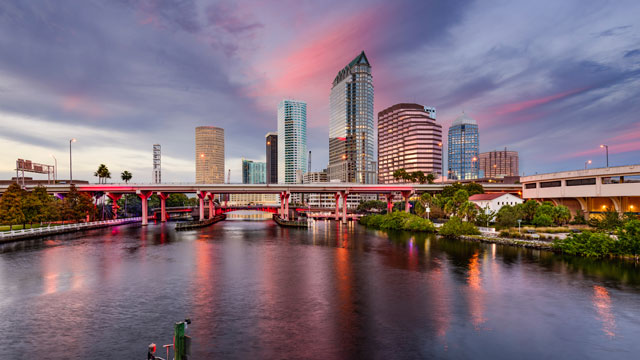
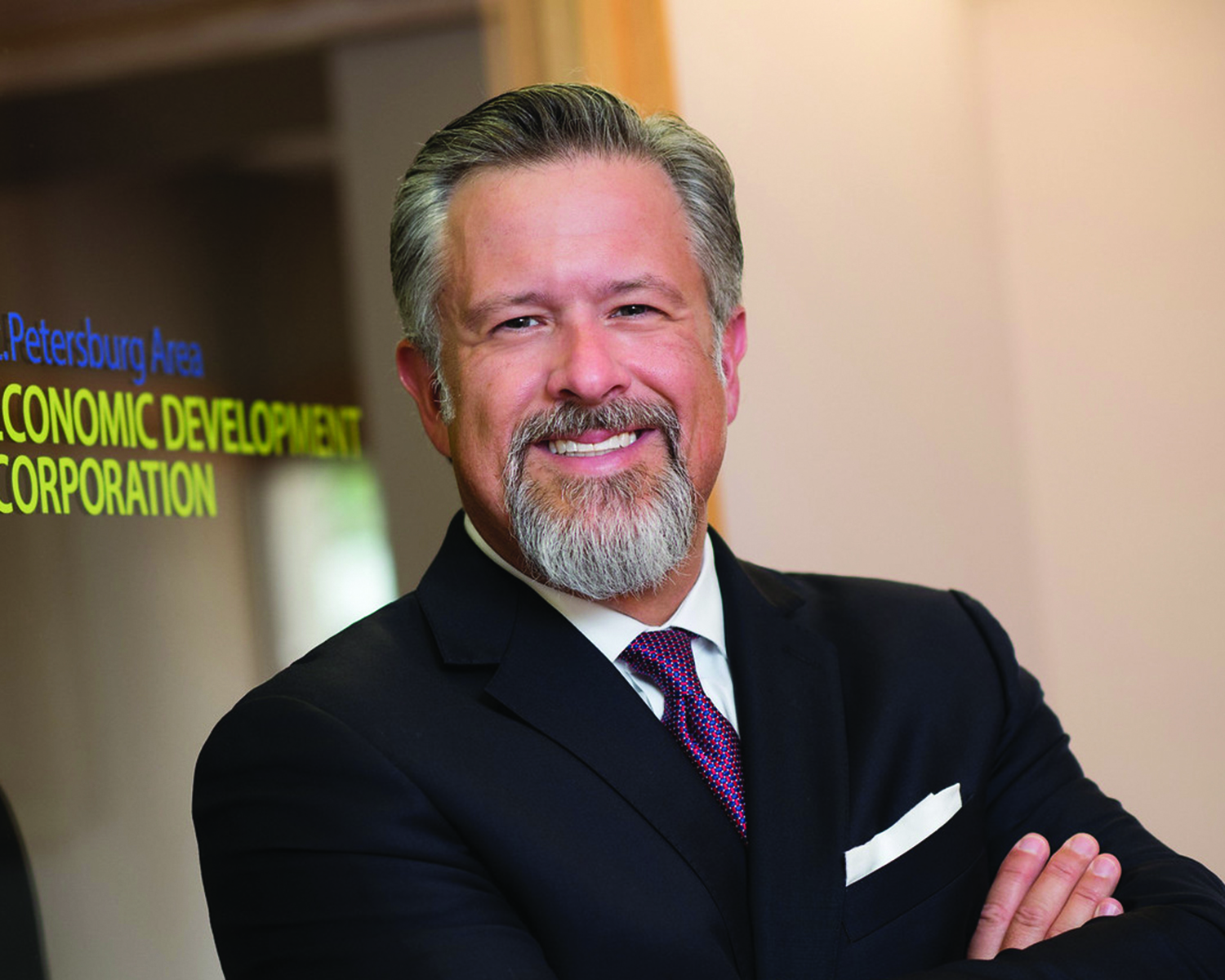
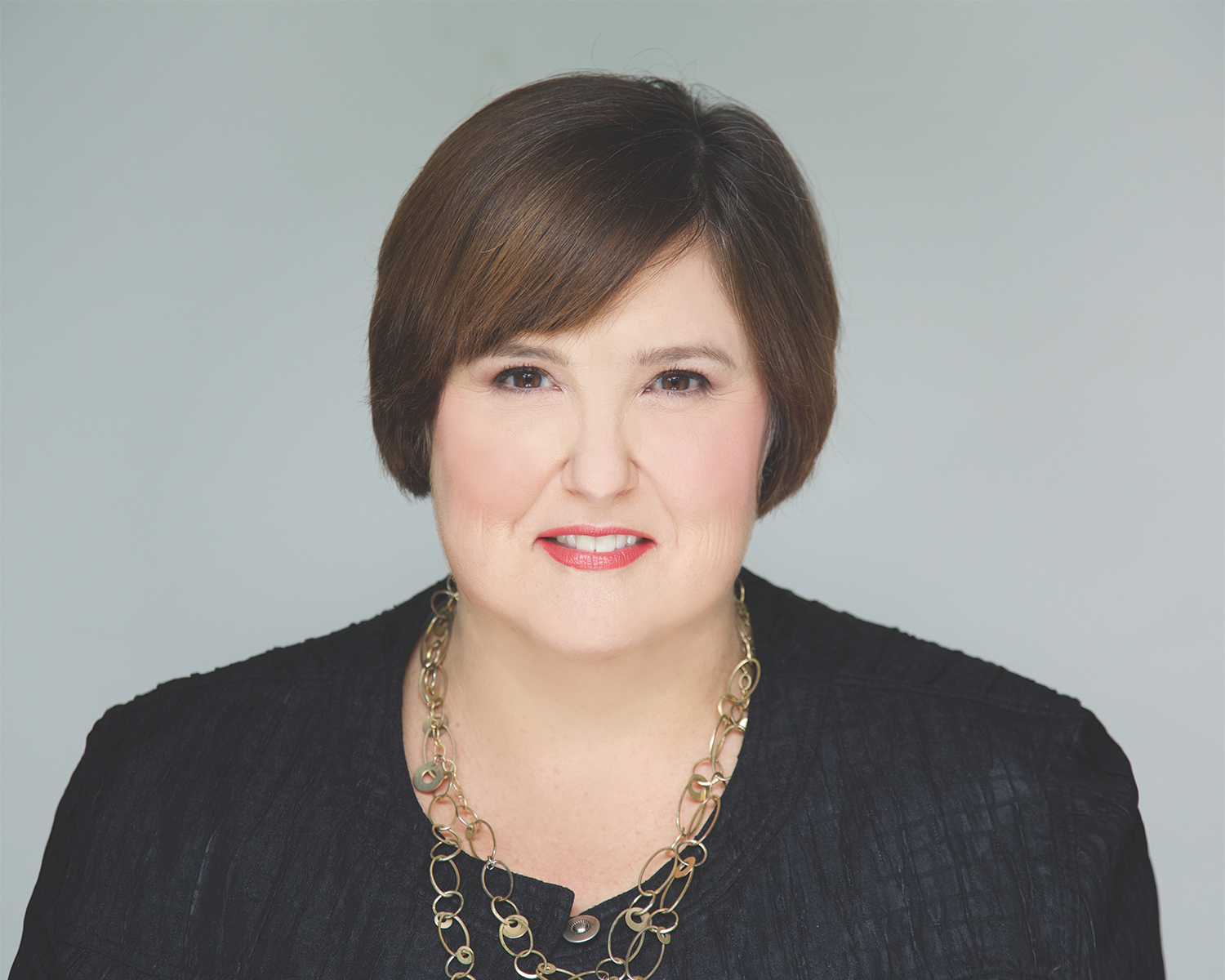
4 min read January 2020 Deliberate, calculated and fast-moving are just a few of the ways to describe the economic growth happening in the city of St. Petersburg. Long known as the “Sunshine City,” St. Pete has developed into an economic and arts and culture powerhouse within the Tampa Bay Region. This is in large part thanks to efforts by a motivated business community and community leaders. Invest: spoke with two of the prominent figures in the St. Pete community about their organization’s efforts to maximize the potential of their city. J.P. DuBuque, the president of the St. Petersburg Area Economic Development Corporation, and Alison Barlow, the executive director of the St. Pete Innovation District, also discussed their view of the future and the challenges that await. 


How are you working to promote economic expansion in St. Petersburg?

J.P. DuBuque: As an EDC, our primary role is to help grow jobs in the St. Petersburg area. One way we can contribute to that is by attracting new companies into our community. The most effective means of doing this is by telling our story, and to tell the story we have to know what the story is. This means we have to understand what our local community looks like. We are spending a good bit of time focusing on our local community to really understand the targeted industries that we want to enhance and grow. We are working with groups like the data analytics community and marine science community to best understand their needs. This in turn relays to us where the opportunities lie to attract new businesses to the region. Apart from this, we spend a lot of time out of the market, meeting with individual companies and other markets to tell them the great story of doing business in St. Petersburg. Sometimes this is through coordinated business development missions, while other times it is by leveraging non- economic-development-related conferences like South by Southwest or through focused sales development efforts.

Alison Barlow: The entrepreneurial ecosystem and talent development are two big areas of focus for us. We are doing a program called Innovation Scholars, which provides unique job shadowing opportunities for first-year students at USF St. Petersburg. We have already paired 39 students with companies in the Innovation District and around Downtown. We are also exploring ways to incubate more marine technologies, such as sensors, drones and ROVs, as well as encouraging the link between marine and life sciences.

As part of our efforts to attract businesses and talent to the district, we offer a variety of office space types. We are also focusing on connecting people who are located near the St. Pete Innovation District and making them part of the district. We are supporting the creation of social spaces by encouraging restaurants and retailers to come to the area. We are also supporting the full range of housing, from fully-assisted affordable housing to workforce, multifamily and luxury condos.

From your perspective, what is one of the most significant challenges for economic growth in St. Petersburg?

DuBuque: The biggest challenge for us is perception versus reality, and I believe this is a statewide challenge. When you look at what people think regarding some of the things that are necessary to build a successful business, and a successful quality of life, there are some perception challenges for Florida. The perception that Florida is not a good business environment, and that our school systems are not up to par are a real challenge. The perception, and reality, of Florida’s lack of mass transit is a real issue that needs to be overcome. When we have an opportunity to show folks what the reality is, they are typically pleasantly surprised.

Barlow: We are leading conversations with local health institutions about how changes in our oceans have an impact on our people. Human and ocean health are becoming much more related. For example, last year we had a significant red tide, and while the marine scientists were looking at the causes that were making it worse and the impact on marine life, the physicians in our area were seeing an uptick in asthma issues due to the airborne aspect of red tide.

We have some of the best sea level rise experts in St. Petersburg. It is encouraging to see the progress of their research looking at temperature fluctuation, the infiltration of bacteria and nutrients in the water that is contributing to algae blooms such as blue-green algae and red tide. They are turning this deep research into practical knowledge for the community. 

What has you excited for the future economic growth in St. Petersburg?  

DuBuque: It is important to remember that growth is necessary for us to move forward as a society. If we are not growing as individuals and as a community, then we are actually moving backward. That said, the level of proactivity from the Economic Development Corporation allows us to select the types of businesses that we want to really bring here. That in and of itself will help move us forward. We also have a full community commitment to the Grow Smarter Strategy, which gives us a common road map for every person in the economic development game. Those things allow us to maintain the culture and character of St. Petersburg while still moving forward. The worst thing that we could do is to kill the golden goose, which for us is the vibrancy, authenticity, arts, creativity, innovation and “funk” of St. Pete.

Barlow: We are excited about our progress on our smart city project. The St. Pete Innovation District is partnering with Spectrum and US Ignite to test concepts around smart city technology to improve the lives of the people in our community. It is also a chance for us to try sensor technology and think about what it would mean for educational and workforce opportunities. We are getting closer to installing four smart light poles on the University of South Florida St. Petersburg campus that will have power, internet and the ability to host environmental and traffic sensors.

To learn more about our interviewees, visit:

https://stpeteinnovationdistrict.com/the-district/

https://stpeteedc.com/


Gloucester County Emerges as the Jewel in South Jersey’s Crown

Gloucester County Emerges as the Jewel in South Jersey’s Crown

By: Sara Warden

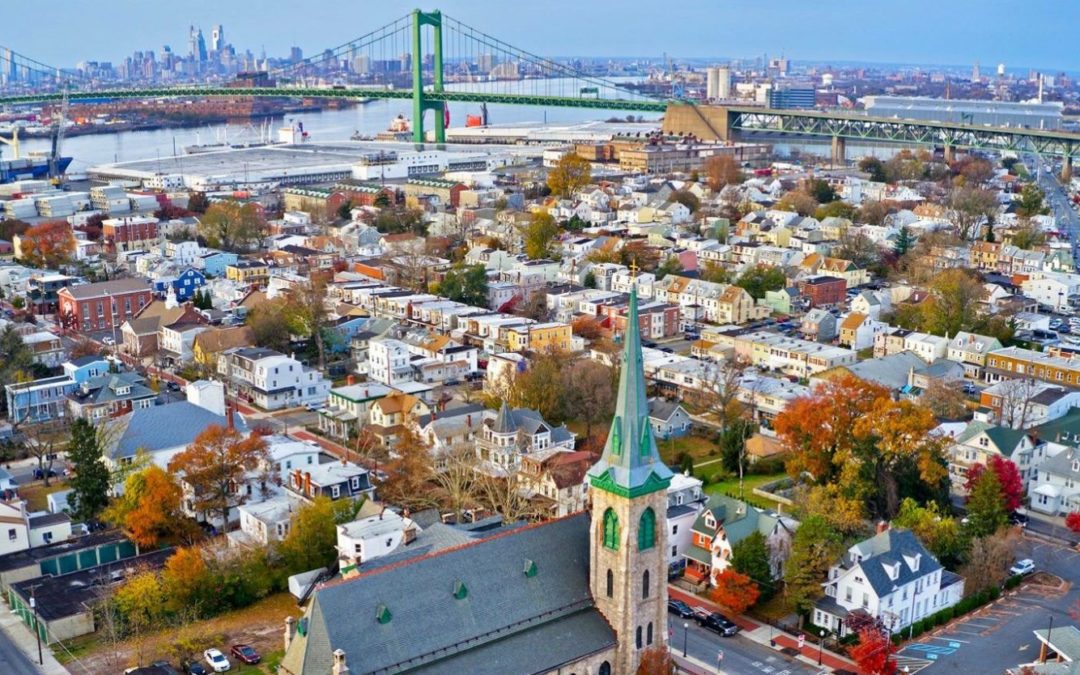
2 min read January 2020 — In a roundtable published in Forbes this week, the magazine’s Real Estate Council made a definitive ranking of the 14 Up-and-Coming Real Estate Locations to Watch. Coming in at No. 13 was none other than South Jersey’s very own Gloucester County. “For the most inspired growing area, look to Gloucester County in South Jersey!” said panelist Nancy Kowalik, owner of Nancy Kowalik Real Estate Group. 


But why is this county gentrifying so quickly? According to Kowalik, it’s because Gloucester County has everything. “Located close to the city and the shore, we have green spaces, room to breathe, wineries, a quaint Downtown and bike paths,” she said. “It’s all here, and that’s why world-class Rowan University is growing. A new 1,000-bed, state-of-the-art hospital is opening, too.”

The hospital to which she is referring is the Inspira Medical Center Mullica Hill, 465,000-square-foot development over 100 acres with 210 private rooms, a maternity center and 62-room emergency department. The project, the county’s first new hospital in almost 45 years, was built with raised funds of $23 million, a campaign that took just seven months to reach its target.

“This is a tremendous day for South Jersey, Gloucester County and our health system,” John DiAngelo, Inspira Health’s CEO and president, said at the hospital’s ribbon-cutting ceremony in December. “With this new hospital, our commitment to providing exceptional care for our community, in our community, reaches a new level. We are excited to bring the latest in healthcare to the people of Gloucester County and surrounding communities.”

As far as the university expansion, one of the main developments has been the $400 million, 26-acre Rowan Boulevard project. 

As well as the healthcare sector and academia, Gloucester County is also proving to be attractive for the private sector, and has become somewhat of a home to craft breweries. The most recent addition is Core3Brewery, a new player that joins the ranks of Human Village Brewing Co. in Pitman, Eight & Sand Beer Co. in Woodbury, Cross Keys Brewing Co. in Williamstown and Death of the Fox Brewing Company in Clarksboro. 

“We were really drawn to the way they are building up the area around the college and definitely see the positive direction the area is moving in,” Krystle Lockman, owner of Axe and Arrow Microrewery, told South Jersey Business Journal. “It’s great to be on the ground floor of this redevelopment project in an area we have so many ties to.”

And Core3’s owner, Lawrence Price, told South Jersey Business Journal that the ease of doing business in the county will only contribute to its continued growth. “[The borough] has been so supportive and helpful and business friendly. Everything they could do to help us, they did,” he said. “Mayor Tom Bianco has always been upfront with us and in the mix of things, stopping by at least once or twice a week to see how things are going and if there is anything he can do.”


To learn more, visit:

https://www.nancykowalik.com/

http://www.inspirahealthnetwork.org/mullicahill

https://www.rowan.edu/

http://www.core3brewery.com/

https://axeandarrowbrewing.com/


Spotlight On: Daryl Tol, President & CEO, AdventHealth — Central Florida Division

Spotlight On: Daryl Tol, President & CEO, AdventHealth — Central Florida Division

By: Yolanda Rivas

2 min read January 2020 — The increase in free-standing healthcare locations across the nation continues to be a great part of many healthcare institutions’ renovation efforts. Faith-based, nonprofit organization AdventHealth has been expanding its free-standing locations in response to this trend. AdventHealth is also re-designing its system to adjust to the diverse population moving to Florida. President and CEO of AdventHealth’s Central Florida Division Daryl Tol spoke with Invest: about the network’s efforts to respond to national and local trends. 

What are the fastest-growing areas of service and care in Orlando?


There are several. One is the free-standing emergency room. We have added quite a number of free-standing locations with doctors and emergency services in areas of need, instead of having to build a whole hospital. We are growing our academic work around community cancer research. The cardiovascular institute is seeing high demand as well. We are also redefining our primary care model to include virtual care, which will allow patients to connect via video or text messages with their doctor.

What has been the impact of the healthcare industry as a dominant growth driver in the region?


If you look at Florida, and Central Florida in particular, growth is happening here in a significant way. We are managing a considerable line of growth in the senior and multicultural population. People from all kinds of backgrounds are moving into the state. We are responding to that in the way we design our system. We provide care for seniors and for people from all kinds of different backgrounds to communicate more clearly, enhance translation services and build locations in new communities, including communities of need that haven’t had healthcare historically. We believe our network should be accessible to everybody.


What are some of Advent Health’s strategies for innovation in providing quality care and patient experience?


The Center for Genomic Health is an important effort. It will focus on personalization around the patient’s personal profile. It will help us understand which medications and types of treatments work better for each person and identify risk factors. We can start really investing in each patient’s particular needs. A second effort is putting technology in the hands of consumers through our mobile app, which will launch its 2.0 version this year. It will alert people about care that is needed, help them in the scheduling of certain services and create price transparency. We have also launched a command center — the largest of its kind in the nation, both in size and scope of operations — where artificial intelligence will be used to provide the best care in how people get to our locations.


We’re a significant leader in robotic surgery. For a long time, our Nicholson Center has been a training center for robotic surgery. We have a number of robots there that surgeons use to perform surgery. In 2018, we were the first to purchase and perform a procedure with a new robot. We see robot technology improving, and we’re on the leading edge of that work as well.


To learn more about our interviewee, visit:

AdventHealth: https://www.adventhealth.com/hospital/adventhealth-orlando 

New inventory, worldwide recognition to expand Philly’s hospitality in 2020

New inventory, worldwide recognition to expand Philly’s hospitality in 2020

By: Yolanda Rivas

2 min read January 2020 — Philadelphia’s hospitality industry welcomed a variety of hotels and restaurants in 2019, and the new year will see that growth continue. The city’s expanding and diversifying hotel inventory is a trend that even industry leaders are keeping an eye on.

“We are closely monitoring the impact of additional supply entering the market in 2020, and continue to ensure we are providing our guests with a unique and personal experience that helps to create the loyalty we know will keep our valued guests staying with us year after year, as the options in our city continue to expand,” Michael Roberts, area general manager at The Windsor Suites Philadelphia told Invest:.

Philadelphia’s growing business community has presented a variety of opportunities for the city’s hospitality sector. According to Visit Philadelphia President and CEO Jeff Guaracino, cities around the world are looking at private and public investments made in Philadelphia and how they’ve positively impacted the city’s tourism ecosystem.

“Recently, we’ve seen enhancements to the city’s historical, cultural and dining options, the Pennsylvania Convention Center and to our stadiums in South Philadelphia. These are just a few examples, but they show us how appealing our city’s product is when viewed holistically,” Guaracino said in an interview with Invest:

Another fact that can have a positive impact in the City of Brotherly Love’s hospitality sector is its recognition as one of the top destinations to visit in 2020 by National Geographic. Philadelphia was one of only two U.S. destinations (alongside the Grand Canyon) among the 25 must-see destinations and travel experiences in this year’s list of the Best Trips to take. “We’re thrilled that Philadelphia is featured so prominently and beautifully in this influential publication that we know drives travel decisions,” said Visit Philadelphia’s Guaracino in a written statement. 

In 2018, the Greater Philadelphia region marked its ninth consecutive year of record visitation and the highest number of passengers through Philadelphia International Airport since 2008, according to Guaracino. 

“The city is fairly evenly split in thirds between corporate, leisure and group business. We value each, and are always working to develop each segment. The type of traveler segment that is most prevalent does vary throughout the year. We experience the same variations in the business cycle,” said Roberts. 

Philadelphia’s new hotel inventory for 2020 includes: 

  • Canopy by Hilton Philadelphia Center City opening in May 2020
  • W Hotel opening June 2020
  • Element Hotel Philadelphia opening June 2020
  • The Hyatt Centric Hotel opening June 2020
  • River House at Odette’s opening June 2020
  • Live! Casino & Hotel Philadelphia opening December 2020


To learn more about our interviewees, visit:

The Windsor Suites Philadelphia: https://www.thewindsorsuites.com/ 

Visit Philadelphia: https://www.visitphilly.com/