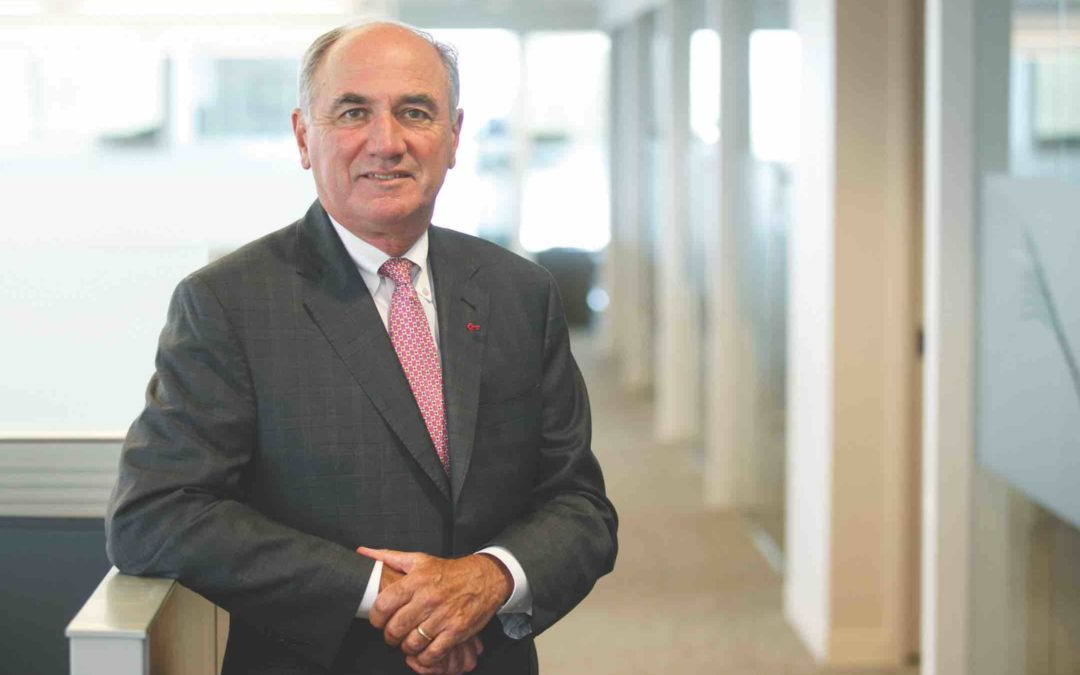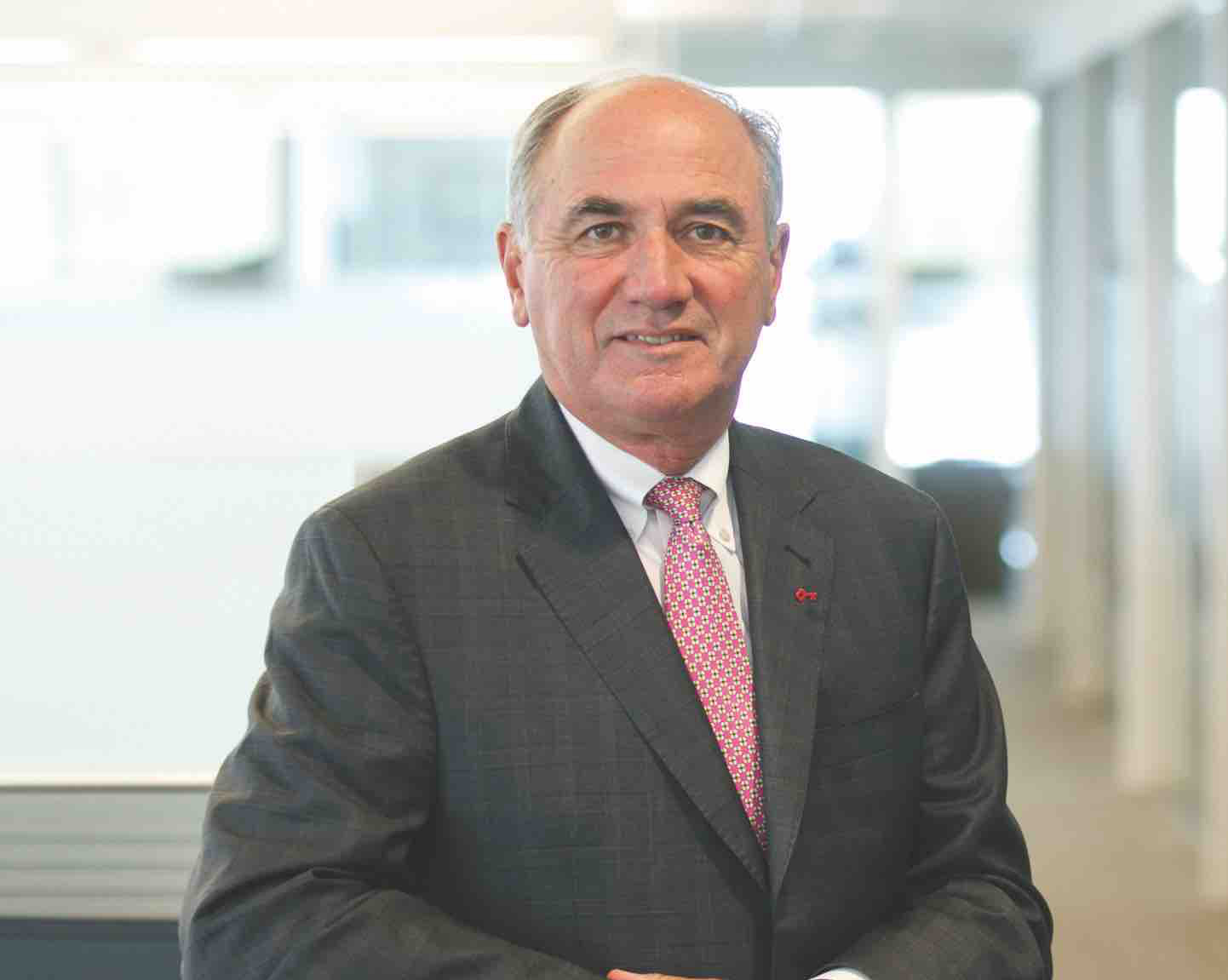
Spotlight On: Johanna W. Clark, Co-Managing Shareholder, Orlando Office, Carlton Fields

Spotlight On: Johanna W. Clark, Co-Managing Shareholder, Orlando Office, Carlton Fields

By: Yolanda Rivas
2 min read December 2019 — Orlando, known for its thriving tourism industry, is growing quickly and diversifying its economy to attract new companies to the region. Sectors like construction and technology are seeing healthy growth and with that comes the need for a knowledgeable legal team. In an interview with Invest: Orlando, Carlton Fields Orlando office co-managing shareholder Johanna Clark talks about the impact the growing economy has had on the firm’s legal practices, efforts to help the business community in the region, and outlooks for the legal sector heading into the new year. 


What are the benefits of being located in the Orlando market?

The Orlando market is unique as it is one of the fastest-growing cities in the country. Orange County leaders project growth of over 1,000 new residents per week. Business is also booming. Carlton Fields’ Orlando office is centrally located in the heart of the Business District. We are in the SunTrust Center and our new office offers a more modern and efficient workspace to better serve our clients in this growing region.


From what types of industries are you getting the most demand?


Technology is a growing sector of Orlando’s economy and our attorneys are handling a lot of tech-related client needs. The gaming company Electronic Arts recently announced plans to move its headquarters from Maitland to downtown Orlando’s Creative Village. On top of that, with universities like Full Sail and the University of Central Florida in the area, there is an influx of great gaming-related talent coming to Orlando. To meet client needs, we have a team of attorneys who specialize in electronic gaming. Our attorneys help our tech-based clients with cybersecurity, as well as licensing, labor and employment, mergers, or any type of technology issue. They help companies and tech-based entrepreneurs navigate this developing aspect of the law. The same is true with the growing construction industry in the region. The influx of new businesses is impacting our practice areas. 


What are some of your focus areas in the Orlando market?

Our main goal is to attract, train and retain attorneys. We have a culture that seeks to develop young lawyers into exceptional professionals. As Orlando continues to grow and its economy continues to diversify, we are keeping an eye on the incoming businesses. Many new companies are arriving and we want to know how we can best serve their needs. We also provide free business and legal resources online for entrepreneurs and startups where they can get information to develop their companies through LaunchToThrive.com. That is how we can gauge the changing business climate in the region. As lawyers, our priority is to offer our services to help companies thrive in the Orlando area and beyond.


What is your outlook for the region’s legal sector and economy?


The forecast for Central Florida is superb. New businesses and high-paying jobs are coming to the region. Our local leaders are doing a great job attracting companies to the area. Orlando is a great place to live and work. From a business perspective, the outlook for 2020 is exceptional. From a legal perspective, it will also continue to be a booming area. Companies need help and deals need to be done, and lawyers help make that happen. With so much development and construction, there will be a demand for representation in litigation matters as well.


To learn more about our interviewee, visit:

Carlton Fields: https://www.carltonfields.com/ 
Public and Private Collaboration Key to Camden’s Eds and Meds Corridor

Public and Private Collaboration Key to Camden’s Eds and Meds Corridor

By: Yolanda Rivas

2 min read December 2019 — The life sciences industry is one of the fastest-growing industries in New Jersey, with the largest concentration of scientists and engineers per square mile in the world. The southern New Jersey region is no exception, with Camden’s “eds and meds” corridor boasting numerous healthcare, educational and research institutions.

The city’s eds and meds corridor has been experiencing steady growth over the last few years, thanks to the commitment of anchor institutions and the city’s leadership. According to Cooper’s Ferry Partnership statistics, the corridor employs almost 40% of the Camden workforce and over $1 billion has been invested in the “eds and meds” sector, with an additional $175 million planned. 

Created in 2012 by the New Jersey Medical and Health Sciences Education Restructuring Act, the Rowan University / Rutgers – Camden Board of Governors has been a catalyst in the corridor’s extension and economic development. In October, the board reached a milestone with the opening of the new Joint Health and Sciences Center, which provides lab and training spaces for Rowan University, Rutgers-Camden and Camden County College. 

“By leveraging the power of these institutions, the Center is poised to become the research and innovation hub of South Jersey. This campus will be the beating heart of Camden’s eds and meds corridor, injecting opportunity, growth, and innovation throughout the entire region,” said  Joint Board CEO Dana Redd in a press release. 

The center houses research laboratory spaces for both Rowan and Rutgers-Camden, simulation rooms for medical students at Cooper Medical School of Rowan University, instructional space and additional simulation labs for Camden County College, and office space for the Joint Board, according to the press release. The center will help expand the city’s transformation into a hub for medical research and innovation and attract top talent into the region. 

Camden’s “eds and meds” corridor growth is also due to the numerous partnerships between healthcare and education organizations in the area. These community collaborations and initiatives have helped combat social determinants and support local residents. For example, Camden residents now have expanded access to care as a result of efforts by institutions such as Cooper University Health Care, Virtua Health System, CAMcare Health Corporation and Camden Coalition of Healthcare Providers.  

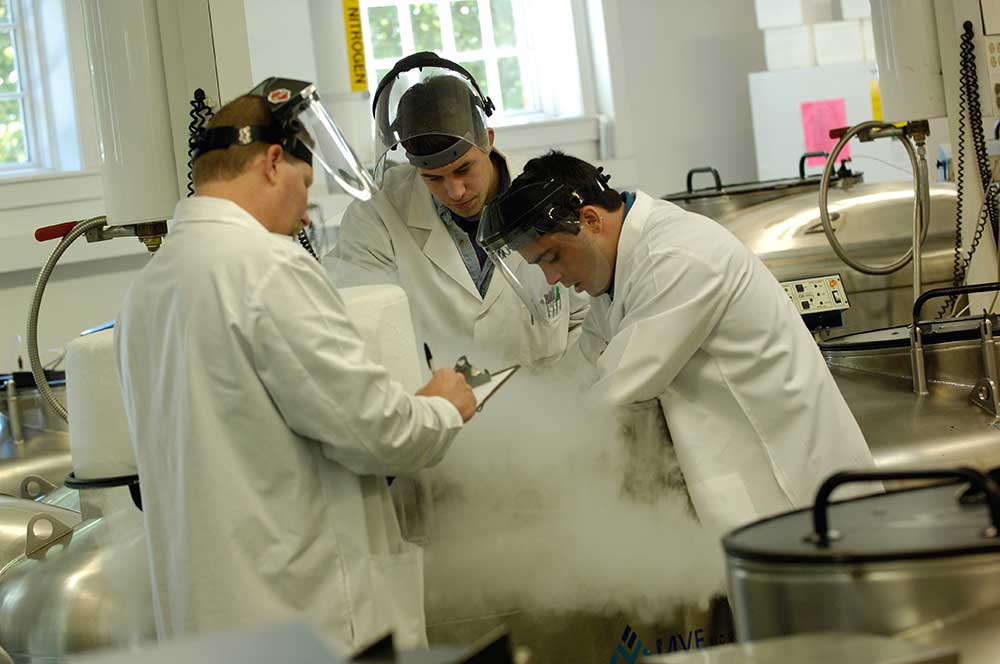
The Coriell Institute for Medical Research, an independent, nonprofit biomedical research center, has been a leader in Camden’s health sciences sector. The institute hosts one of the world’s leading biobanks, distributing biological samples and offering research and biobanking services to scientists in 85 countries around the globe. By conducting groundbreaking research in biobanking, personalized medicine and stem cell biology, the Coriell Institute has been and continues to be a main driver of the corridor’s growth.

Another example is the MD Anderson Cancer Center at Cooper, which has also significantly contributed to Camden’s eds and meds corridor since its opening in 2013. The center not only brought a new option for cancer patients across the region, but its innovative clinical trials and research has helped Camden’s reputation as a hub for groundbreaking healthcare research and education.


To learn more, visit:

Cooper’s Ferry Partnership: https://coopersferry.com/  

Rowan University / Rutgers – Camden Board of Governors: https://rurcbog.com/ 

Coriell Institute for Medical Research: https://www.coriell.org/ 

MD Anderson Cancer Center at Cooper: https://www.mdanderson.org/about-md-anderson/our-locations/md-anderson-at-cooper.html 

Why Orlando is an ideal city for esports hub

Why Orlando is an ideal city for esports hub

By: Yolanda Rivas

Over the last few years, Orlando has been increasing its presence in the esports scene. Already home to numerous simulation, training and tech companies, there’s no doubt about the City Beautiful’s potential as a main driver in the gaming arena.

One of the pillars in Orlando’s gaming scene has been Full Sail University. The institution opened The Fortress last May, which is the largest esports arena on a college campus in the nation. Since then, it has attracted several major events like an NBA 2K League competition and a qualifying event for the Red Bull Conquest.

“When we were planning and building The Fortress, we knew, like other facilities on campus, it would need to function as a professional-caliber facility since we are educating our students to work in the real world,” said Full Sail President Garry Jones in an article from the Orlando Sentinel. 

Although the esports boom is just starting and there’s only a handful of arenas in the country, these events represent a boost to the economy, especially with the presence of teams and fans attracted by the tournaments. 

A recent report from WalletHub ranked Orlando as the fourth-best city for gamers and No. 2 for gaming environment. The study compared the 100 largest U.S. cities across 23 key indicators of gamer-friendliness.

Philly Leads in ‘Taking Care of Business’

Philly Leads in ‘Taking Care of Business’

By: Sara Warden


In NBC’s 2019 ranking of Top States for Business, Pennsylvania landed a lacklustre 28th position – lower than half way down the poll for business friendliness in the country. The state was in 39th place in terms of economy, 32nd in quality of life and 31st in workforce. But there is potential. The state ranked ninth in terms of education and sixth in access to capital. The Philadelphia authorities are grabbing onto these roots and nurturing them into shoots with the new PHL Taking Care of Business Initiative.


“This new investment will have a big impact on neighborhoods all across our city by providing businesses and neighborhoods beyond Center City with the resources they need to succeed and to thrive,” Mayor Jim Kenney said to the Philadelphia Tribune. “Reducing blight not only makes our city more beautiful but it helps small businesses — especially minority and women-owned businesses — attract shoppers and employees. When small businesses succeed, our economy grows stronger.”

The program was pioneered by city Councilwoman Cherelle Parker, with the goal of reducing blight while creating 300 jobs for local residents – that’s 30 part-time employees in each district who are paid $15 per hour. “We are committed to building a strong workforce and job market that will in turn help us attack poverty and crime to ensure inclusive growth across the city,” added Kenney.

But rather than making the employees public servants, they will instead be Cleaning Ambassadors, paid by the Commerce Department to Philadelphia Industrial Development Corporation (PIDC), which will issue RFPs and/or contract with CDCs. “This program will pay workers a living wage and introduce them to workforce training that can lead to other professional opportunities and jobs. I strongly support PHL Taking Care of Business,” said Council President Darrell Clarke in a press release.

For initial costs related to the program, the city has now pledged $10 million to fund the initiative, which is a way to attract new business, improve conditions for existing companies and improve quality of life. “Strengthening our commercial corridors, which are the lifeblood of communities throughout my district and across the city, is essential to stabilizing our neighborhoods,” said Councilwoman Parker in a press release. “PHL Taking Care of Business will help ensure that every business corridor in the city, regardless of size or neighborhood, will be clean and attractive, allowing the businesses to focus more time on growing their enterprise. It will also help to change that awful characterization of our city as ‘Filthadelphia.’”

Several local business owners that are already part of the program’s pilot catchment area are delighted with the results. “Living on a busy street with lots of businesses, you always see trash on the street. Ever since the 9th District street cleaning team started, you definitely see a difference. I believe neighbors see the difference too. People walk around prouder and are more likely to speak up when they see people throwing trash on the ground,” said local resident Frank Huynh.

To learn more, visit:

https://kenneyforphiladelphia.com/

http://phlcouncil.com/darrellclarke/

http://phlcouncil.com/cherelleparker/

Spotlight On: Robert Kane, Market President, KeyBank

Spotlight On: Robert Kane, Market President, KeyBank

By: Yolanda Rivas

2 min read December 2019 — Philadelphia’s growing economy and robust education and life sciences sectors have been some of the main drivers of small businesses to the area. As reported in our Invest: Philadelphia 2020, many banks are seeing growth in small-business lending and services. KeyBank Market President Robert Kane, spoke to the Invest: Philadelphia team about the ways the institution supports the region’s small businesses and other services in high demand. 

How have you seen the small-business community grow in Philadelphia over the last few years and how is the bank supporting these businesses?


Philadelphia has long been home to successful small businesses, but in recent years the collaboration between the public, private and nonprofit sectors is spurring a new level of growth. Companies are creating quality jobs that are attracting a new generation of talented workers to the region. It is very exciting. As a bank, our most direct link to supporting these businesses is to provide them with the solutions they need to identify and realize their goals. From accounts to lending, payments, workplace solutions and more, we help small businesses thrive. For example, KeyBank is 13th among more than 1,800 SBA Lenders nationally. In the last five years, we have loaned more than $1.13 billion to small businesses across our footprint. We also created an award-winning, AI-enabled tool that provides clients with customized attention and allows a deeper understanding of their needs: the top challenges they face, sales and payment trends and entrepreneurial motivation. In 2019, the biggest challenges small-business owners face are improving cash flow, reducing operating costs, improving financial wellness, balancing growth with quality and hiring and retaining talented employees. We have a number of products to aid in meeting these challenges, including Key@Work, which is a comprehensive, no-cost employee financial wellness program. We also have a program, Key4Women, that supports the financial progress of women in business. It’s a great program, offering mentorship opportunities, access to capital and professional development. 

Which of your services is seeing the most growth in Philly and what opportunities does this present?

We’re seeing the most growth in commercial lending, which serves the needs of companies with $10 million to $250 in annual sales. In 2018, we had growth just short of 16 percent. Our differentiator in the market is we are both a commercial and investment bank. Years ago, you had commercial banks and investment banks. They were separate entities. This is important because when a company decides they want to sell, they typically need to hire an investment banker. KeyBank can provide our commercial clients with access to investment bankers as well as industry experts. It really helps us build deeper relationships. In the greater Philadelphia region, we have a few companies under mandate with KeyBanc Capital Markets to be the companies’ investment banker as part of the sale process. What that does is helps KeyBank become more of a trusted financial adviser to their commercial borrower. If the commercial borrower is going to be sold, we can also introduce our wealth management team to the entrepreneur for advice on his or her estate plan and investment strategy for the proceeds from the sale of the company. All of this results in KeyBank acting as the lender, the investment banker and the wealth manager. Clients value deep relationships. Our model provides that, and we’re experiencing great growth as a result. Last year was our strongest year yet, and 2019 looks equally promising.

What is your outlook for the industry in Philly over the next 18 months?

The outlook for the region is good and overall the economy is very healthy. Manufacturing, industrial technology, healthcare, sustainability—each of these areas and many others are poised for continued growth. At KeyBank, our goal is to grow as well. My job is to expose the bank even further in the marketplace. 2017 was a year of complete consolidation for us. 2018 was a transitional year that got things moving in the right direction and created momentum. 2019 is our year to hire the right people and continue to expand the products we have and begin winning in the market. We want to compete with the Top 5 banks in the region. It’s a very competitive marketplace, and we currently rank 10th. We’re actively trying to grow households and add new clients. This will further grow our loan base. These are the most important factors to our outlook for the future.


To learn more about our interviewees, visit:

KeyBank: https://www.key.com/personal/index.jsp

Face Off: Hot Hotel Market to Remain Steadfast Into 2020

Face Off: Hot Hotel Market to Remain Steadfast Into 2020

By: Max Crampton-Thomas

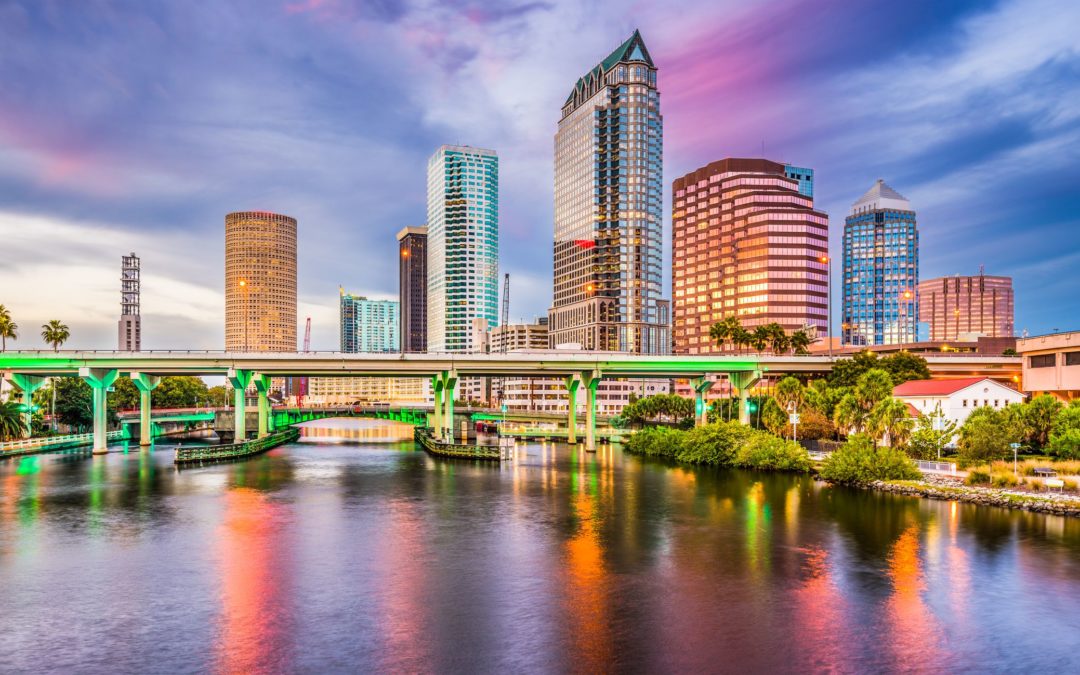
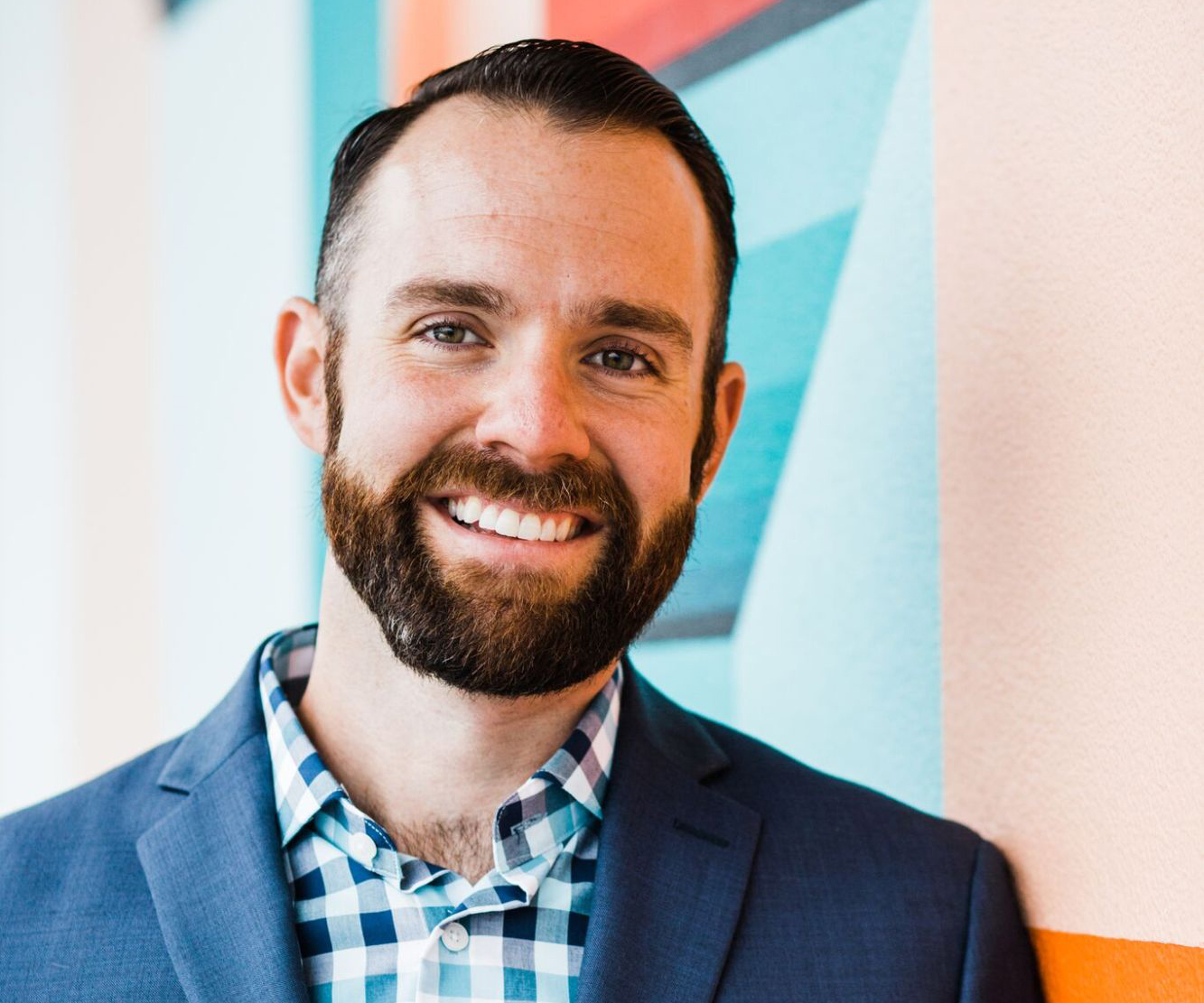
4 min read December 2019 Hospitality may be one of the most competitive industries in Florida, and in an economically thriving region like Tampa Bay the competition is only heightened. To rise to the top of this crowded market takes leadership that not only understands the local market and can easily adapt to change, but can also create a work culture that attracts the best and brightest. Invest: explored what it takes to be successful in this market with the general managers for two of the region’s most highly regarded hotels, Kevin Scott with The Epicurean Hotel and David Rowland with The Westshore Grand.

How do you ensure you are attracting and retaining the highest quality employees?

David Rowland: When we hire what we call our associates, we do not hire based on technical ability. We hire friendly individuals who we can train on the technical aspects. Every associate meets with me and usually I only ask them a couple of personality-based questions, like what they do for fun or about their worst day at work and how they overcame it. This is first and foremost a customer service business and you must have a personality that fits that.

Kevin Scott: Employee turnover in this industry is an ongoing challenge that does not have a clear-cut resolution, especially in Tampa where new hotels and restaurants are opening on a weekly basis. Our key to navigating this issue is to ensure that we create a safe environment where employees are encouraged to speak their minds, give feedback and relay their input without the threat of it affecting their jobs. We work to empower our leaders to lead by example and foster great relationships between their departments. We are also in a sweet spot because we are a midsized hotel with a staff that consists of around 150 people, which means that if one person suddenly calls off or quits, it is not the end of the world.

Do you believe the demand curve will stay strong enough to support the new inventory of hotels coming online in the region?

Rowland: I do, because the market is so strong right now. Tampa Bay is a great area and it is still growing rapidly. The airport is consistently ranked among the Top 5 airports in the United States, and the international hub that they are building is going to bring even more business into the region. We are a city where you can host massive meetings, relocate large businesses into and start a business within. The ability to get in and out of the city quickly is also a significant factor in keeping this new supply sustainable. Tampa has done a good job of making sure the infrastructure and the supply of hotel and businesses is grown at the same pace. The only danger is a hotel worrying about all the new supply so they drop their rates just to be competitive. If one person does that, it causes a ripple effect in the industry where we now all have to drop our prices.

Scott: Tampa as a market needs more hotel rooms to attract bigger conventions that bring more people to town. The challenge is that we are capped off at a certain number right now, which limits how many people we can bring into the city, but with so many new hotel rooms coming into the market in the next year or so, there is an opportunity to steal some share from Orlando, Miami and Fort Lauderdale for these conventions. It is the perfect time to capitalize on this opportunity; the updated urban planning is now in play, and the city has never been laid out better than it is now.

How is your hotel primed for continued growth within the region?  

Rowland: We are a part of the Marriott Tribute Portfolio, which is considered its luxury tier, but we get to act as an independent boutique hotel. The hotel has 325 rooms, over 15,000 square feet of meeting space and 14 meeting rooms where people can work, network and convene. We are known for having the flexibility to tailor events in our event space to a customer’s needs. The nice part about being independent is we have a lot of leeway and wiggle room to do what we want to make our customers’ meetings the most successful they can be. We are also very fortunate that we sit inside the Urban Center building. We are the primary hotel for the over 2,000 tenants that rent office space in the building.

Scott: To stay economically sustainable in this business, especially in the instance of another recession, we focus on attracting more groups and business travel. We want people to be aware of our offerings whether they are our neighbors in Tampa or looking for a destination from across the country. Our advantages are that we are centrally located, and people will always love food and wine. Even in a recession, wine, beer and alcohol are always in demand, so we are ready to ride that wave when it happens. Overall, we feel strong about where the Epicurean stands as a hotel and historical landmark that Tampa can be proud of.

To learn more about our interviewees, visit:

https://epicureanhotel.com/

https://westshoregrand.com/

Spotlight On: Kevin Miller, President & CEO, Addition Financial

Spotlight On: Kevin Miller, President & CEO, Addition Financial

By: Yolanda Rivas

2 min read November 2019 — As the banking sector gets more concentrated, some financial institutions are implementing rebranding efforts to meet the demands of customers and keep up with the latest innovations and technologies. Addition Financial recently went through a rebranding effort and is now focusing on expanding its footprint. President and CEO Kevin Miller shared the financial institution’s latest updates with Invest: Orlando. 


What has been the impact of rebranding as Addition Financial?

In the last year we have made multiple changes, the biggest being our transition from a federal charter to a state charter. The state of Florida has a business-friendly environment and they were able to offer us some additional regulatory flexibility, for example a much larger territory and additional flexibility in the way we conduct our business and investments. We changed our name from Central Florida Educators Federal Credit Union to Addition Financial. We have also been expanding our footprint and recently acquired a small bank. These efforts have been part of our focus on expanding our presence throughout Central Florida.


We are focusing on our name change and rebranding effort to make it clear that more people can join the credit union. The rebranding has been positive, we have more people joining us and our new message, image and culture have been well-received. We have been in Orlando for more than 80 years. We have a great relationship with the community, which is vibrant and growing at a rapid pace. The diversity of culture in Orlando, provides us with numerous opportunities to continue our expansion and reach more people. 


What differentiates Addition Financial from the competition?

As a credit union, we are a not-for-profit financial institution, which means that our motivations are different than the for-profit institutions. A differentiator for us is our focus on the community and our educational ties. When we interact with our members we focus on the educational aspect. We support education and we also make sure that we educate people about financial literacy. We partner with K-12 schools in Orange, Osceola and Seminole counties and we have student-run branches in some high schools in each of those counties. We train the students to run the branch and teach financial literacy to their peers. We also have a program to educate college students on meeting their unique financial needs. In addition, we are working on housing affordability with these partners. We partnered with the districts to create a custom program to help teachers live in the communities where they work. 


What are some notable changes in Orlando’s banking and finance sector over the last few years?


A lot of the people who come into our branches are surprisingly young. The younger generations are looking for consulting and advisory types of services, while the older generation comes to our branches mostly for transactions. In terms of services, we have seen an uptick in small business demand. We focus on smaller businesses that maybe don’t feel like they have enough size or capital to go to some of the larger financial institutions. Lending is at an all-time high for us. We are seeing a lot of refinancing, especially with interest rates being so low.


To learn more about our interviewee, visit:

Addition Financial: https://www.additionfi.com/ 


Top 5 Thanksgiving ‘To Do’s’ in the Bay

Top 5 Thanksgiving ‘To Do’s’ in the Bay

By: Max Crampton-Thomas

4 min read November 2019 Thanksgiving season has once again descended upon the Tampa Bay region. While the holiday is traditionally known for the three F’s, food, family and football, there are other options available to those in the Tampa Bay region who are looking to break traditions and start new ones. These options range from activities that will help work up an appetite for the big meal to options that completely change course from the normal fixings of a Thanksgiving meal. Invest: explores five of the best alternatives for those looking to shake up their Thanksgiving experience.

 Turkey Trots

A traditional Thanksgiving meal is known for two things: oversupply and overconsumption. There may be no better way to prepare the body for this endeavour than participating in one of the variety of “turkey trots” and “fun runs” available to the public on Thanksgiving Day. These exercise-driven events include the Goody Goody Turkey Gobble, which starts at 7 a.m. in front of the Amalie Arena and features options like a 5K, 8K or 1-mile course to be walked or ran. There is also the Clearwater-based Tampa Bay Times Turkey Trot, which has become the largest running event in the Tampa Bay area with an annual average of participation from over 17,000 runners. 


Thanksgiving Cruises

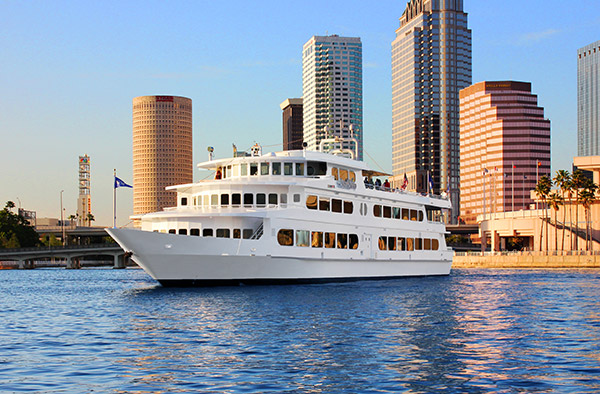
Breaking tradition can be difficult, but a Thanksgiving dinner on a yacht may make that change a bit easier to digest. The company Yacht StarShip offers an opportunity to feast on traditional Thanksgiving foods in a completely nontraditional fashion. With options to sail in either Clearwater or Tampa, the promise of no meal preparation or cleanup, and the chance to truly relax for the holiday, a yacht cruise for the night could be a welcomed change from the norm. 

To read more, visit: https://www.yachtstarship.com/event/thanksgiving-cruises/

Wonderland Of Lights And Santa’s Village

Besides being a day to enjoy a nice meal with family, for some, Thanksgiving also signifies the official countdown to Christmas Day. In the Tampa Bay region, residents can begin this countdown with a visit to the Wonderland Of Lights And Santa’s Village. This holiday theme park becomes available to the public Thanksgiving Day and runs until Jan. 5. Theme park visitors can partake in the amusement rides, camel rides, over a mile of light displays and everything else this park has to offer. This is a great option for those looking to not completely break tradition, as the park offers the opportunity to enjoy all its amenities at night, giving time for the traditional Thanksgiving meal at home beforehand. 

For more, visit: www.thewonderlandoflights.com/

13th Annual ThanksVegan Feast

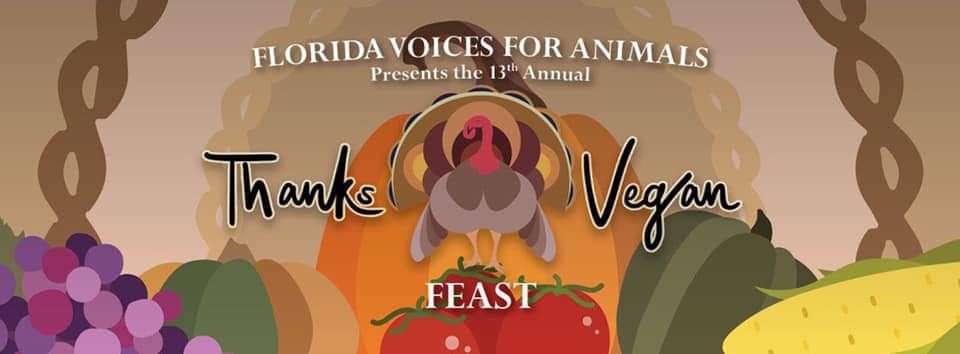
It may be a holiday best known for a feast centered around poultry, but that does not mean that there aren’t options in the region for those who prefer veggies over meat. For the last 13 years, Florida Voices for Animals has been holding their annual ThanksVegan Feast that features zero animal products or byproducts. Held at the Unitarian Universalist Church of Tampa, this potluck dinner encourages those attending to bring a vegan dish to contribute to the holiday feast. The event runs from 1:30 p.m.-5:30 p.m. and includes a raffle with prizes. 

For more information, visit: https://www.floridavoicesforanimals.org/thanksvegan

Black Friday Shopping

While technically starting the day following Thanksgiving, some Black Friday deals become available to the public the night of the 28th. For some, it has become a tradition to go straight from their Thanksgiving meal to waiting overnight in lines that sometimes stretch multiple blocks, all with the intention of cashing in on mega savings. Thankfully for the residents of Tampa Bay, the region not only offers access to all of the big box retailers, it is also home to a variety of world-class shopping malls like International Plaza and Bay Street, Hyde Park Village and many others. 

Spotlight On: Sam Miles, First Senior Vice President, Central Florida Regional President, Valley Bank

Spotlight On: Sam Miles, First Senior Vice President, Central Florida Regional President, Valley Bank

By: Yolanda Rivas

2 min read November 2019 — Central Florida’s economic growth has driven many financial institutions to rebrand and adjust to the latest innovations and client needs. That is the case of Valley Bank. In a discussion with Invest:, First Senior Vice President Sam Miles, who oversees the regional bank’s Orlando and Jacksonville markets, addressed trending business areas for the bank, the impact of its Professionals Group and the bank’s branch rebranding effort. 


Which of the bank’s lending areas are seeing the most demand?


Our largest piece of business revolves around commercial real estate financing. There is a significant amount of capital being invested in real estate in Central Florida. As an example, there are 38 new multifamily projects either under construction or in the planning stages that represent $1.7 billion in investment. That growth, combined with strong employment, is creating high demand for residential developments, and we are very active in multifamily construction lending. In the last year, we also expanded our SBA team to help address the small-business lending market in Orlando. We have a full array of professionals in place with expertise in residential lending and SBA lending to complement our commercial real estate and C&I teams. 

What are your expectations for the relaunched Professionals Group? 

With the relaunching of the Professionals Group we’re trying to reach an affluent population that we haven’t specifically targeted previously. The Professionals Group is a team of commercial lenders dedicated to customizing products and services for any 

group of professionals, including doctors, attorneys, accountants and centers of influence operating throughout our bank’s footprint. It can be a wonderful source of referrals and, by establishing relationships with these professional groups, we will be able to drive new business.


How is Valley Bank improving customer experience? 


We are in the process of rebranding and redeveloping our branches to make them more user friendly. Clients will no longer have the traditional walk-in when they visit our branches. We are providing a modern feel with a warm and welcoming setting. Each branch that we are building now is going to have that model. We are also refurbishing existing branches to fit a more modern and welcoming environment. These new branches fit the trend of people wanting a different, fast-paced environment. 


How does Valley Bank give back to the Orlando community? 


We’ve played a big part in LIFT Orlando, and the redevelopment of the West Lakes area. We have been heavily involved in financing the projects there that are revitalizing that community. That is a wonderful community effort and we’re proud to play a part in it. Our team also spends a lot of time in the community with local groups such as The Ronald McDonald House, Second Harvest Food Bank and The Coalition for the Homeless. We provide paid days off to encourage our employees to volunteer and give back to the communities where we serve. 


To learn more about our interviewee, visit:

Valley Bank: https://www.valley.com/