Face Off: Education Updates to Keep Feeding Orlando’s Growing Job Market

Face Off: Education Updates to Keep Feeding Orlando’s Growing Job Market

By: Yolanda Rivas

2 min read November 2019— Orlando has ranked among the country’s fastest-growing job markets for several years and it is also ranked by Forbes as the No. 3 city for future job growth. To continue its recognition as a great job market, there is a need for qualified talent with the necessary skills for the jobs of tomorrow. Invest: Orlando recently spoke with leaders of two major colleges in the area: Grant Cornwell, president of Rollins College, and Georgia Lorenz, president of Seminole State College of Florida, to learn about the efforts to feed the local talent pipeline.
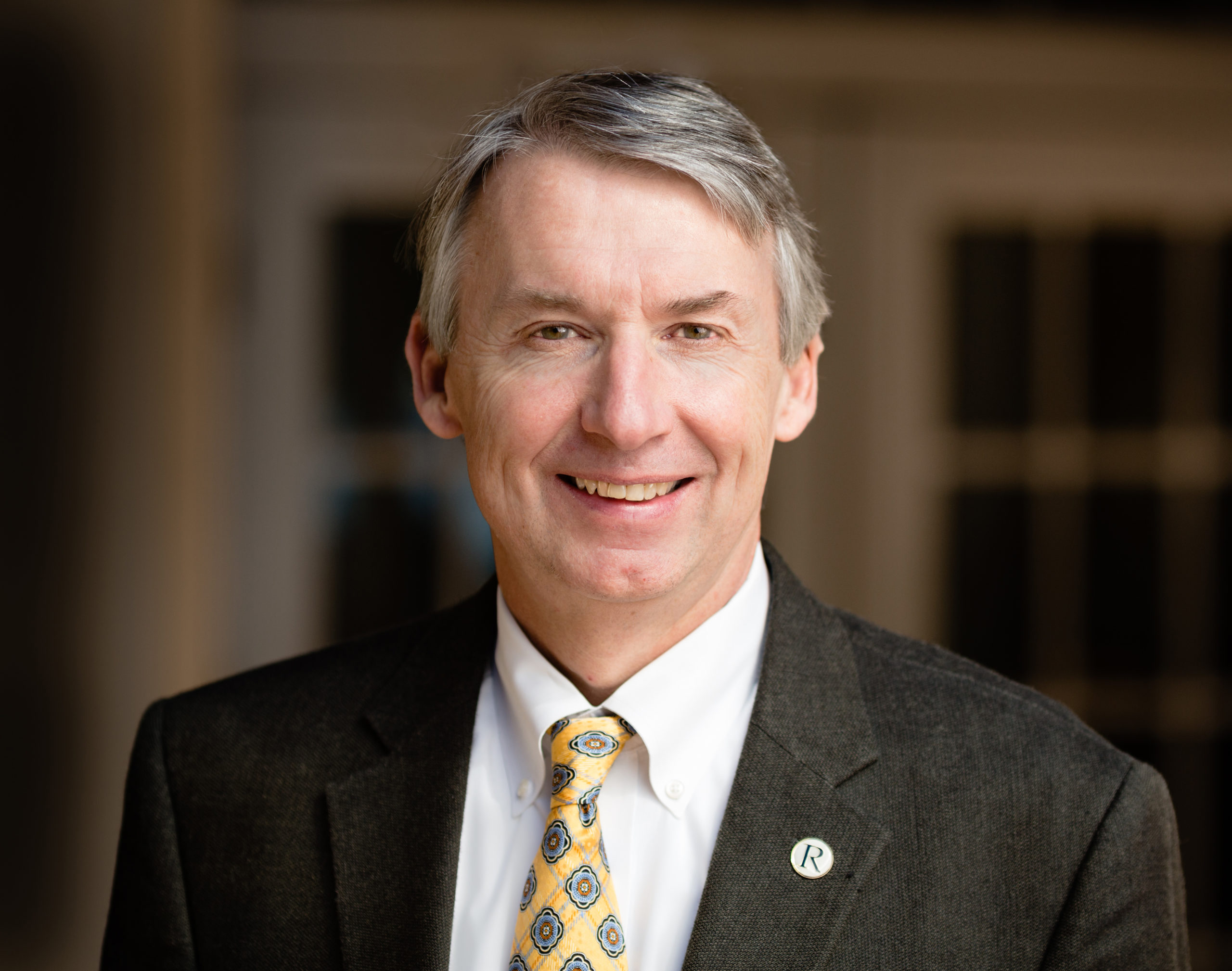
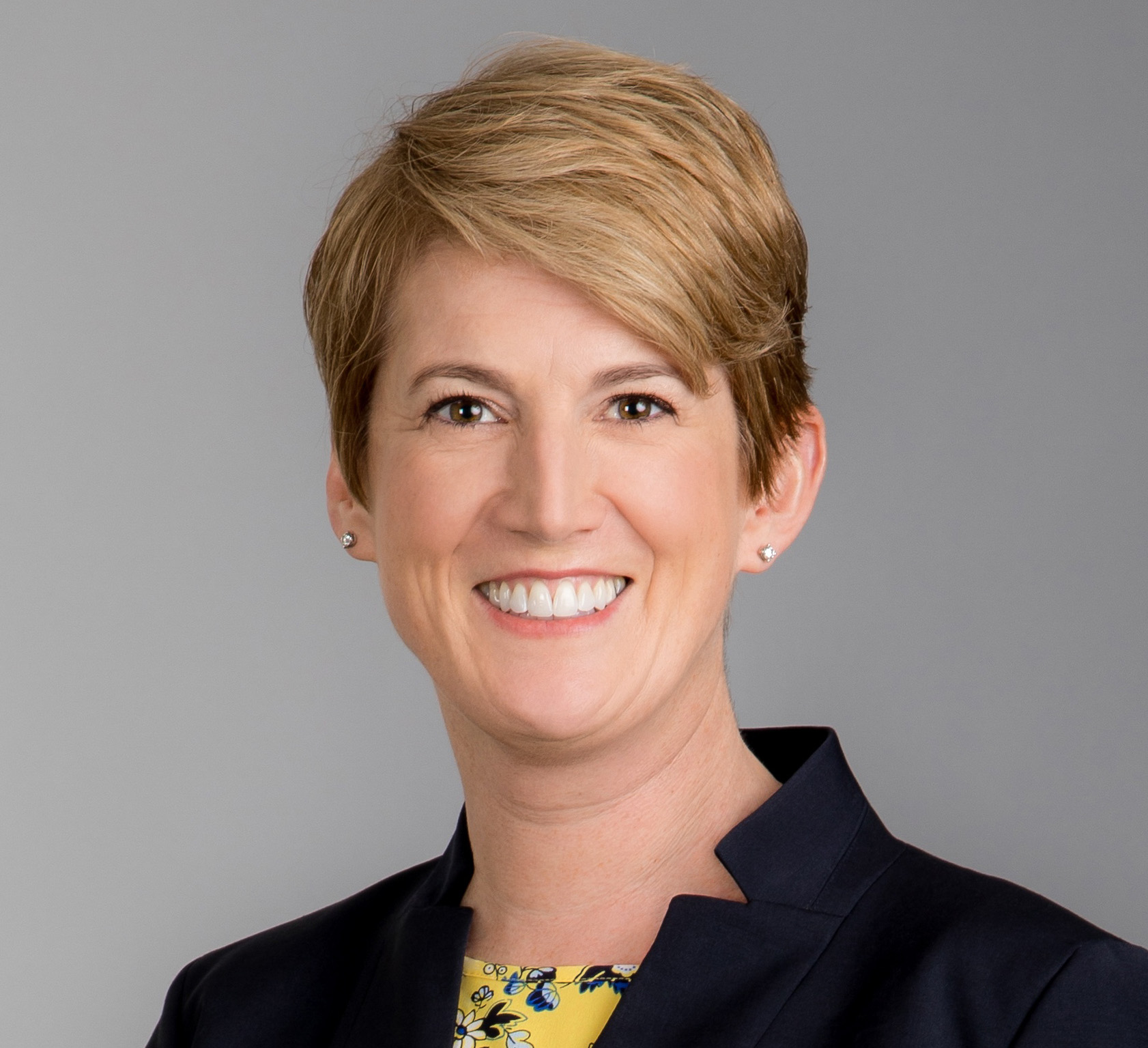
What academic programs are seeing the most demand?

Grant Cornwell: Overall, we’re seeing increasing demand for our future-proof brand of liberal arts education. In terms of majors, our most popular programs include biology, communication studies, psychology, and our three undergraduate business degrees: business management, international business, and social entrepreneurship. That last one, social entrepreneurship, is one of our fastest-growing majors, and it was the first program of its kind to earn accreditation from AACSB International, which is the gold standard for business education. It teaches students how to apply business skills and entrepreneurial thinking and action to tackle social and environmental problems around the world. That is very appealing to this generation of students who want the tools to solve some of the global challenges that they’re inheriting and who want to make a positive impact in their lives and careers. 

Georgia Lorenz: Healthcare in general is one of the fastest-growing areas. As the Central Florida region continues to grow, there is a need for an additional 1,000 bachelor’s degree-trained nurses each year for the next decade. Our bachelor’s degree in health sciences is also experiencing great demand because it prepares students for a variety of health-related careers. We also launched our hospitality management program in fall 2019, to meet the high demand for restaurant and hotel management professionals. In the area of technology, our mechatronics and robotics program continues to expand. We want our students to be able to adapt as the industry changes. In spring 2020, we’re going to start a new focus area in simulation, which is a huge industry in Central Florida. Another area of growth for us is cybersecurity, which leads to great job opportunities. 

What are you efforts to attract and retain talent in Orlando?

Georgia Lorenz: First and foremost, the tremendous population and economic growth in Orlando represents an incredible opportunity for our students and graduates. At Rollins, we’re preparing graduates who are not only uniquely prepared to thrive in this dynamic economy right away but are also ready to help Orlando reach even greater heights through lifelong leadership. Second, Orlando’s growth is providing our students more and more opportunities to put their ideas to work in the world. Every semester, our students gain professional experience through internships at some of the world’s most innovative companies and organizations right here in Central Florida — from ALDI and NASA to Universal and The Walt Disney Co. Rollins’ also boasts some of the best community-engagement programs and initiatives that you’ll find at any college anywhere in the country. Every single day, our students partner with local and national organizations to create positive change in our community. In the process, they not only learn the importance of engaged citizenship but also develop experience that will give them a competitive advantage in the job market.

Grant Cornwell: Research has shown that the better education ecosystem a region has, the more likely they are to attract new businesses and retain the businesses that are already in the area. Seminole State continues to work closely with Seminole County Public Schools to create pathways for our students throughout their school careers and into higher education. As the population and the business community grow, we will need more professionals in a number of industries. And we are making sure we provide the talent to these new and emerging areas to help with the social and economic infrastructure of Central Florida. We are using technological advances to serve our students more effectively. We’re always looking for new software or innovations to better serve our students. Every program at Seminole State has an advisory board, made up of local business leaders and faculty members, to ensure that we’re preparing our graduates for the jobs of tomorrow. We also prepare students with hands-on learning experiences through internships and work-based problem solving to give them real world experiences with the latest technologies before they graduate. That’s something that distinguishes a Seminole State educational experience from many other institutions.

To learn more about our interviewees, visit:

Rollins College: https://www.rollins.edu/

Seminole State College of Florida: https://www.seminolestate.edu/

 

Face Off: Two Legal Leaders on Growth, Talent and Tech

Face Off: Two Legal Leaders on Growth, Talent and Tech

By: Max Crampton-Thomas

4 min read November 2019 Seemingly every industry in the Tampa Bay region is firing on all cylinders as the area continues to exceed expectations in terms of economic growth. In concurrency with this growth is increased demand from businesses and individuals for legal services and counsel. Law firms in the region have taken notice and are acting swiftly to establish or reestablish themselves as prominent figures in this space. Invest: spoke with Michael Lundy, the managing and founding partner of Older, Lundy & Alvarez, and Kevin Johnson, a shareholder of Johnson Jackson, about the role of Tampa Bay in their businesses, navigating the lingering challenge of labor and the importance of technological advancements in the legal sector. 


How is the setting of Tampa Bay conducive to your business and legal practice?

Michael Lundy: The Tampa Metro Area is growing rapidly in about every sector. I think that the local political climate is conducive to this growth. We are seeing development driven by businesses that want to operate in Tampa, as well as an influx of outside capital investment from sophisticated sources that see the area as ripe for growth. It seems as though all the pistons are firing at the same time.

My personal practice is marital and family law, but Older, Lundy & Alvarez handles real estate transactions and litigation, commercial litigation, tax work and corporate counsel. With so much local development and population growth, we have benefited greatly because there is a higher demand for the many services that we provide. It is our goal to provide legal services for every aspect of one’s life, or what we call “the ultimate representation.”

Kevin Johnson: For our business, Tampa is a great location for a multitude of reasons. One is that it is extremely easy to reach the entire state from this region. We are only a couple hours from Naples, Jacksonville and Tallahassee. We also have a terrific airport. Most significant would be the strong business climate in the region. Tampa has done a lot of things well over the last 20 years in regards to establishing a conducive environment for businesses in the region. We have been lucky because this city has had a string of progressive and insightful mayors who have gone to great lengths to really improve the business environment. 

Has your firm been challenged in navigating the tight labor pool for legal professionals in the region? 

Lundy: Recruiting talent has not been a challenge. We have been able to recruit incredible lawyers. Tampa has a large pool of amazing legal talent. Tampa is a great place to live. It is an area that has had undervalued real estate, especially in the Downtown area, and that has attracted a lot of development. There has been a steadily growing young population. It has become a city where we talk about technology all the time. Local leadership has had a great positive impact in the area as well. The county commissioners and past and present mayors have had their eyes on the future and have worked very hard to develop a true vision for Tampa. Also, we do not have an income tax in the state of Florida, which is an attractive factor on top of all the amenities Tampa has to offer.

Johnson: The labor pool for legal staff is tight, but we are happy with the people we have on our team. We have found that there are good people out there who you can hire, but there is obviously a lot of competition for them. As a smaller firm, we have to work harder to find those right people, and it really depends on finding the right recruiter to help with that process. It is also very much about the type of work environment we can offer potential candidates. Culture is truly the big driver behind this. We made a commitment to create the kind of culture where people would enjoy working for us. Not only do we offer competitive pay and good benefits, but they also have a lot of freedom in terms of being flexible with their work time to meet family obligations. We also offer legal staff the opportunities to learn and grow so that they can adapt to new skills and new positions. It is all about creating an environment where people really enjoy coming to work and where work doesn’t feel like a job.

How important is new technology to the future success of the legal sector in Florida? 

Lundy: We have embraced technology. We are completely electronic, especially in our research and court filing. We are also all mobile and can work remotely when needed. We embraced technological improvements faster than other law firms and will continue to do so. It will be interesting to see how artificial intelligence will change law practices. Historically, the manner in which legal services were delivered has been very old school, but that is changing.

Johnson: The Florida Bar has been quite progressive when it comes to technology. The Florida Bar is really taking a leadership role and we are seen as the national leader in introducing lawyers to new technology and helping them deal with the effects as technology takes over their practices. We are fortunate to have such a progressive Bar in that respect. Our Supreme Court also has done a good job of trying to figure out where our rules should be so that it is easier for us to deal with the challenges that we face as lawyers. These elements combined make Florida a pretty good environment to practice in.

To learn more about our interviewees, visit:

https://www.olalaw.com/

https://www.johnsonjackson.com/


Spotlight On: Jesse Flowers, Community President, CenterState Bank

Spotlight On: Jesse Flowers, Community President, CenterState Bank

By: Max Crampton-Thomas


2 minute read November 2019 — Staying competitive and emerging as a leader in a crowded banking field takes smart growth strategies, remaining cognizant of trends in the industry and an ever-increasing focus on the technological wants and needs of customers. Jesse Flowers, the community president for CenterState Bank, spoke to Invest: about how his bank is ensuring continued growth into the future.  

How does your bank ensure continued and sustainable growth? 


We continue to grow, hire more people and expand our client base. We are always looking for acquisitions and good partnerships. We have acquired five banks over the last six years in South Florida, and all of them have been a strong fit. We want to make sure that our culture fits with the companies we acquire. We still run like a small bank, and all our decisions are made locally.


We stick to our fundamentals. We make sure that the loans that we provide are to good, qualified borrowers that can withstand a recession. On the commercial lending side, most of the demand is driven by real estate. We are paying close attention to where we are in the real estate cycle because Florida is mostly driven by tourism and real estate.


What is a particular trend you are keeping a close eye on? 


Banking is always changing. One of the trends that we have seen over the last five years is people using alternative lenders. Whether it be hedge funds, internet lenders or hard-equity lenders, a high number of those lenders have stepped into the market, more than they used to in the past. That might continue to be a trend because they are often able to be more flexible on the terms and conditions of their loans due to less regulation.


How does CenterState Bank remain client-focused in a rapidly changing banking environment? 


People are more focused on technology. We have to focus on the services that people want, like better and easier online technology. Those are the services that are expanding with people using phone and online banking. CenterState has invested in technology over the last several years because we know how important it is. Now, with open source platforms, access is getting cheaper, and we have hired in-house programming professionals to develop software for us.


To learn more about our interviewee, visit:

https://www.centerstatebank.com/

Spotlight On: Brett Gray, Managing Principal, Cushman & Wakefield

Spotlight On: Brett Gray, Managing Principal, Cushman & Wakefield

By: Felipe Rivas

2 min read November 2019 – In the last few years, the Charlotte Metro Area has enjoyed consistent growth, thanks largely to its strong banking sector. As the region continues to grow, Charlotte’s economy is diversifying and attracting large companies that need commercial real estate solutions. In a recent interview with Invest:Charlotte, Cushman & Wakefield Managing Partner Brett Gray talks about the state of Charlotte’s real estate market, use of technology to improve client needs and his outlook for the region heading into 2020. 

How is Cushman & Wakefield addressing the growth of the Charlotte metro area?


We are organized across a suite of services with specializations that directly tie to Charlotte’s explosion as a high growth city.  These services include Capital Markets, Tenant Representation, Landlord Representation, Project & Development Services, Asset Services, Facility Management, Valuation and Advisory Services and Consulting to name a few.  Under each of those service lines, we have additional services that clients can tap into for all of their needs. 


This is a thriving city. It has often been thought of as a secondary market, but it’s practically a regional hub that’s led by the banks. That has been the driver for development since the 1980s. It is essential for us to have key leaders in this space to help grow. For example, we have one of our National Emerging Tech Advisory Group members here in town, which is important as tech has been a big part of Charlotte’s recent growth. Our Multifamily National Practice Co-Leader sits here, our Southeast Valuation and Advisory leader is here.  These are just a few examples that show our commitment to this market and the depth and breadth of our resources and services.


How is Cushman & Wakefield implementing new technologies to address client needs and provide better service?


Cushman & Wakefield’s property technology (PropTech) strategy focuses on strategic partnerships across our global platform with a variety of organizations, including Fifth  Wall, MetaProp NYC, Plug and Play and 1871.  The firm recently entered into technology relationships with innovative companies like Saltmine and Reonomy.  It is essential for us to partner with organizations to identify technology that will disrupt our industry.  PropTech drives efficiencies ensuring Cushman & Wakefield evolves quickly in this ever changing environment to deliver excellence to our clients.  It is our responsibility to drive the latest solutions to them as their advisor. 


How is Cushman & Wakefield addressing growth while preparing for a potential recession?


We’ve seen some inverted yield curves, and while the curve is a good historic warning sign of a recession, it doesn’t mean it’s right on the edge. The difference is that consumer confidence, which makes up 70% of the economy, continues to rise. Government spending remains strong. You’ve got a record unemployment rate continuing at an all-time low. You’ve got wage growth. As long as we continue seeing wage growth and low unemployment numbers, with consumers making up so much of that, we feel really good about where we are. We don’t see anything happening in the next year and a half to two years, but we continue to advise clients to be aware. We take a look at the “what if?” models out there. If a recession happens, what will happen? We’re always looking at those things, but right now we feel really good. 


How does Cushman & Wakefield view the commercial real estate landscape?


If you look at the past 12 months like a report card, it’s arguably the most exciting time in the history of Charlotte. We look out everyday to cranes looking into our windows, and you see the growth of the light rail happening. The airport is expanding. The logical places of growth are emerging. It followed predictable patterns, where before some of the wealth was concentrated, but now you’re seeing emerging corridors appear. Opportunity Zones help drive some of that investment. Companies are selling their properties for record prices, and moving into emerging corridors. When you think of a big city, you put a dot in the middle of the city and there are no gaps expanding outward a mile or two. Charlotte still has some opportunity to develop around those gaps, and you’re starting to see that happen.


To learn more about our interviewee, visit: http://www.cushmanwakefield.com/en

James Fox, President, Maddox Group

James Fox, President, Maddox Group

By Max Crampton-Thomas


2 min read October 2019 — To be successful in the construction industry, a company needs to be flexible and cognizant about the sector’s constant state of change. A construction company also needs to be wary that even with new technologies in the market, at the end of the day, there is no way to control unforeseen issues and challenges. James Fox, president of Maddox Group in Boca Raton, discussed these ideas with Invest: as well as how his company is ensuring it remains as recession proof as possible in preparation for an eventual economic dip. 

With which business sectors are your services most in demand?


The sector where we’re seeing the most demand is, first and foremost, corporate interiors. Second would be medical offices, then industrial and finally retail. The demand for medical offices seems pretty self-explanatory: retired people relocate to Florida and enjoy the weather, which ultimately increases the need for more medical services. In regards to the demand for more corporate offices, the trend seems to be going toward Palm Beach County due to the simple fact that, in comparison to Miami, there’s more land and more opportunity here now.


How have you seen the demand for office types change? 


Traditionally a typical build-out would consist of new ceilings, new flooring, new lighting and specified work stations. Today’s young entrepreneur is building offices that aren’t really offices; rather, they are 360-degree workspaces where there isn’t an emphasis on a desk or workspace belonging to any one individual.


How has new technology changed the construction industry? 


In our industry there are always new technologies popping up to make construction quicker, but at the end of the day it’s still construction. The fact is that you’re building things, and issues are going to arise that are out of anyone’s control. What we do is tell our clients that this is our schedule and barring any unforeseen challenges you’ll be able to move in by this date. But like I said, things happen, and technology can’t always help avoid them.


How do you best protect your business in the case of another economic slowdown? 


Everybody wants to talk about when things are going to come back to reality in the construction market. People can theorize but no one actually knows. My thought process is to stay recession proof. Doing interior build-outs has been the key to this. When the economy dips, businesses don’t have the capital to relocate and build a new office; instead, they will take the space they are working out of and change the interior. Instead of going out into the market and claiming we do 20 different things, we focus our efforts on interiors and it works for us.


To learn more about our interviewee, visit:

https://maddoxgc.com/

Top 5 Haunted Happenings in Tampa Bay

Top 5 Haunted Happenings in Tampa Bay

Writer: Max Crampton-Thomas

4 min read October 2019 The month of October is known for seasonal change, pumpkin-spiced everything and the nationally celebrated horror day, Halloween. While the actual day is regarded as a time for candy, treats and Halloween scares, the weeks leading up to it have been appropriately dubbed “spooky season.” This is an exciting time for thrill seekers and Halloween enthusiasts in the Tampa Bay area as there are a variety of haunted happenings and spooky activities to experience. The following are five of the best and scariest events and places to make this Halloween a memorable one. 


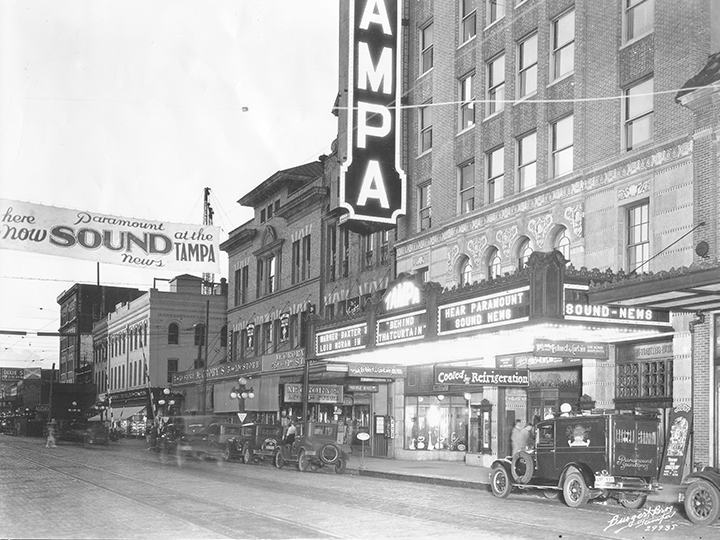
Tampa Theatre

Regarded as Tampa’s most historic and most haunted movie palace, the Tampa Theatre has embraced its haunted lore for this year’s spooky season. The theater is known for haunted happenings involving former employees whose spirits seem to have never left the theater, like the theater’s old projectionist Foster “Fink” Finley whose footsteps are thought to still be heard from time to time. Not only has the theater showcased 14 nights of frightening films from Oct. 18th until Oct. 31, it is also featuring ghost tours and a special Halloween-themed happy hour event called PAUSE-O-WEEN on Oct. 31. 

For more on Tampa Theatre visit: https://tampatheatre.org/


Howl-O-Scream

Carrying the title as Tampa Bay’s No.1 haunted attraction, Howl-O-Scream at Busch Gardens Tampa Bay has been a staple of the community for 20 years. Not only does the event offer horror-heads the opportunity to walk through terrifying “scare zones,” it also features multiple haunted houses, access to many other twisted terrors and some of Busch Gardens most iconic rides. This weekend event runs from Sept. 20 to Nov, 2, and promises to “twist daydreams into nightmares.” 

To read more about Howl-O-Scream visit: https://buschgardens.com/tampa/events/howl-o-scream/

Undead in the Water

Undead in the Water is an annual haunted house with a twist. It is the only authentic nautical haunted attraction in the region and takes place on the historically famous 1945 WWII vessel the American Victory Ship. Thrill seekers will rejoice in the challenge of venturing through the multiple decks of this historic vessel as they avoid consumption by an infected zombie hoard onboard the ship. Undead in the Water is infamous for being one of the scariest annual attractions that the region has to offer. This event runs every weekend from the beginning of October until Nov. 2. 

For more on Undead in the Water visit: https://www.undeadinthewater.com/

Ybor City Ghost Tour

While it is known for being a National Historical Landmark District in Tampa Bay and one of the preeminent spots for tourists and residents to frequent, Ybor City is also known as one of the top destinations for hauntings. With a deep rooted history in the development and emergence of the Tampa Bay region, Ybor City has seen its fair share of diverse demographics settling in the region and calling it home. According to urban legend some of these souls just decided to never leave, which is why Ybor City is home to the critically acclaimed Ybor City Ghost Tour. Rated as the No. 1 haunted tour in the United States by US City Traveler and rated in USA Today’s 10 best lists, this tour promises an informative and scary walk through the ghostly history of Ybor City. 

For more information on the Ybor City Ghost Tour visit: http://www.yborghosttour.com

Cuban Club

Located in Ybor City, the historic Cuban Club has a history that spans over a century and includes shows by world-renowned entertainers, weddings, parties and the occasional haunting. The club itself is a wonderful multipurpose rental facility with amenities like a grand ballroom, theater and courtyard. With numerous reports of ghostly sightings and paranormal activity, it is not a surprise that this location was named by The Travel Channel as one of its Top 10 most haunted places. The Club leaves it up to guests to decide whether they believe it to be haunted or not as stated in the FAQ on its website: “We are reputed to be haunted, but we will let you make up your own mind on this subject…”

To see more on the Cuban Club visit: http://cubanclubybor.com/

Top 5 Family-Friendly Destinations in the Tampa Bay Region

Top 5 Family-Friendly Destinations in the Tampa Bay Region

Writer: Max Crampton-Thomas

4 min read October 2019 With almost 1,000 people moving into Florida every day, the appeal of the state is quite apparent. From our favorable tax climate to ideal weather and everything in between, Florida is the hotspot in the southeast. The Tampa Bay region has been a beneficiary of this population boom, as represented in the more than 51,000 people that moved into the region last year. One of the major appeals for Florida, and more specifically the Tampa Bay MSA, is the welcoming, family-friendly environment that has been cultivated throughout the state. Supporting this are the multitude of family-friendly activities and destinations available throughout the region. With so much choice, Invest: thought it would be fun to narrow it down. Here are five of the best family-friendly destinations in the Tampa Bay region.

Florida State Fairgrounds

Known for their title event, the Florida State Fair, the Fairgrounds are also a destination for festivals, trade shows, conventions and outdoor shows. The 12-day Florida State Fair is the premier family-oriented event in the Tampa Bay region. The emphasis on family fun is cultivated in the Fair’s various offerings like rides, animal interactions, fair food, and activities and shows for children. Cheryl Flood, executive director for the Florida State Fair, spoke to Invest: about just how significant this family-friendly event is to the region. “We are known for our 12 days of family fun during the annual state fair festivities, when families from across the state gather to celebrate agriculture, education and community. Annually, we boast 500,000 visitors who generate over $152 million dollars in sales throughout the state of Florida. The Florida State Fair is the first state fair of the year throughout the entire country. As a result, we set the trends of what the fair industry and fairgoers can expect nationally. We think of ourselves as a catalyst for innovation within this niche industry.”

For more information on the next Florida State Fair & the Fairgrounds visit: https://www.floridastatefair.com/

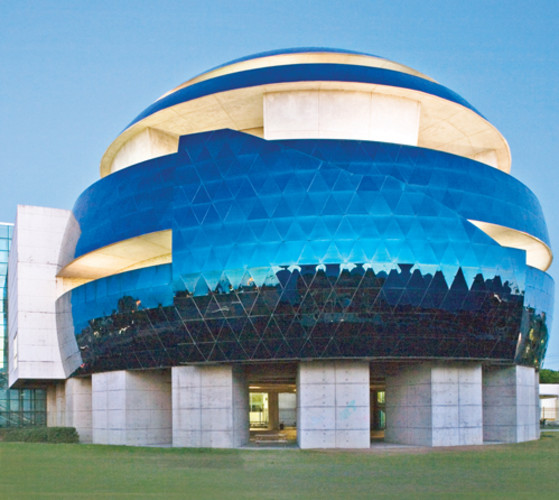
Museum of Science and Industry

Tampa’s Museum of Science and Industry (MOSI) is not the typical museum destination that some may be accustomed to. Instead of taking a more traditional approach to teaching principles of STEM and STEAM, this museum prides itself on being a scientific playground that offers more than 100 different hands-on activities for parents and children alike. The museum was not always known for its innovative approach, but after a restructuring and renovation in November 2017, they have been working to change that narrative. Julian Mackenzie, president and CEO of MOSI, elaborated on this deliberate effort, “In our second year of ‘new MOSI,’ after the completion of our restructuring and renovation in November of 2017, our reputation in the community was re-established. Prior to our reopening, the venue had a reputation for outdated exhibits that in some cases just simply didn’t work as they should. Our main focus for MOSI since then has been to re-engage the community with expanded participation in popular public events. In this fashion, it put our No. 1 asset in full view, that being our staff and the passion they have for making science real for all ages and demographics. Also, it has been about the exhibit path experience. Guests can now count on a dynamic experience at MOSI with hands-on activities and exhibits that not only function as they should, they also entertain, educate and inspire.”

To see all of MOSI’s offerings visit: https://www.mosi.org/

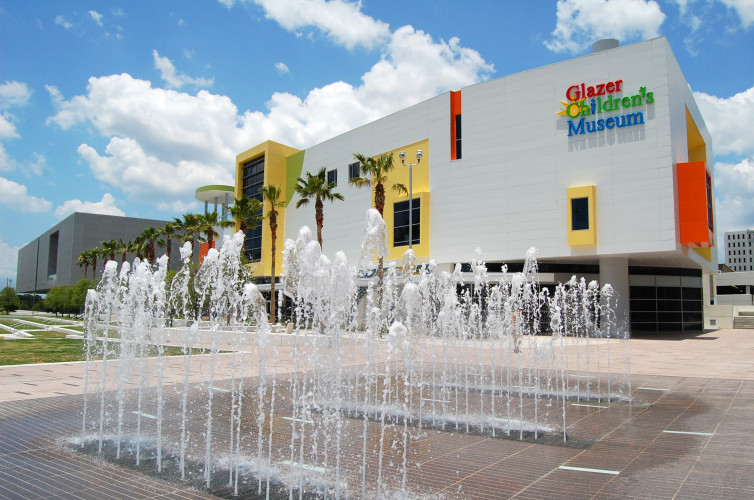
Glazer Children’s Museum 

The Glazer Children’s Museum is a prime example of a family-friendly destination that is using innovation and inclusivity to rise above the variety of options in the region. The museum, which saw its third-busiest year on record in 2018, understands the importance of being a viable option for all different types of families and children. Sarah Cole, the president and CEO of Glazer Children’s Museum, expounded upon this to Invest:. “At the Glazer Children’s Museum, we believe that all children deserve the opportunity to play with purpose. We strive to provide accessible and inclusive programs, events, and exhibits to serve the diverse needs of our guests. For families with special needs, we offer programs like our monthly Sensory-Friendly Sunshine Sundays and Autism-Friendly Camps. When families visit the museum, they have access tools, from an experience book to plan their visit to sound-blocking headphones, sensory kits, accessibility chairs, and more. We are proud to be designated an Autism-Friendly business for eight years running through the Center for Autism and Related Disabilities and we were recently named Employer of the Year by the Mayor’s Alliance for People With Disabilities.”

For more on Glazer Children’s Museum visit: https://glazermuseum.org/

Clearwater Marine Aquarium

In the case of the Clearwater Marine Aquarium, being a family-fun destination is only part of who they are. The Aquarium, which was the backdrop for the films Dolphin Tale 1 & 2, serves as both a family-friendly destination to observe marine life in an interactive and educational manner as well as a marine research and rehabilitation sanctuary. They are currently under major construction as they work to not only improve their facilities for guests but also for their marine rescue and rehabilitation efforts. Frank Dame, executive vice president and chief operating officer for Clearwater Marine Aquarium, spoke to Invest: about what could be expected from the new facilities, “When we open the doors to our new facility, sometime next year, we are going to have almost four times the guest space we have now. We are also building five new dolphin pools. Currently, between all our facilities we have about 985,000 gallons of water, and these five new dolphin pools will add another million and a half gallons. We are really ramping up our ability to rescue more animals and provide a better living environment for our dolphins, as well as drastically improve the guest experience.”

To read more about Clearwater Marine Aquarium’s aquatic initiatives visit: https://www.seewinter.com/

Clearwater Beach

To be named the No. 1 beach in the country is no small accomplishment, so the significance of Clearwater Beach being dubbed this title two years in a row by TripAdvisor cannot be understated. From in-water activities to fun festivals to simply sunbathing on the white sands, this family-friendly destination has something for everyone to enjoy. Sights are now set on retaining this title for the foreseeable future, and Frank Dame of the Clearwater Marine Aquarium weighed in on how to best accomplish this. “We need to focus on maintaining our recognition as the No. 1 beach in the nation, and we can’t accomplish this by just promoting ourselves as No. 1. The mission now is to make us the No. 1 beach because we are ocean-friendly. We can do this by eliminating trash and doing things like stopping the use of single-use plastics,” he told Invest:. 

For more on the #1 Beach in the nation visit: https://www.visitstpeteclearwater.com/communities/clearwater-beach

Spotlight On: Jeffrey Mylton, Charlotte Market President, HomeTrust Bank

Spotlight On: Jeffrey Mylton, Charlotte Market President, HomeTrust Bank

By Felipe Rivas

2 min read October 2019 — The Charlotte Metro Area is home to a plethora of banks and financial institutions. While local and nationally-recognized banks provide similar services, many residents prefer to go to a local bank for their banking needs. HomeTrust Bank is a local bank keen on providing personalized service to its clients.  In an interview with Invest: Charlotte, HomeTrust Bank Charlotte Market President Jeffrey Mylton talks about the advantages of local banks, the challenges they face, its relationship with the local business community and the outlook for Charlotte’s banking sector.  

How would you describe the bank’s trajectory since entering the Charlotte market five years ago?

It has been a nice steady climb. We have added new relationship managers who are more in line with midmarket-type lending. We’ve also added several new divisions, one of which is equipment finance and the other is our SBA division, as well as a larger, more robust residential mortgage area. Two of the three divisions are headquartered here, as opposed to our headquarters in Asheville, so the bank realizes where a lot of the growth will come from over time.

What advantages does the Charlotte market provide over bigger national banks?

I would say a lot of customers are looking for personalized service. Just about every big bank has small business lending somewhere else. You come to them locally, but the approval process is out of the market. We provide the speed, flexibility, and personal service that a big bank can’t provide.


What will your partnership with fintech company AvidXchange accomplish?

A client that would take advantage of AvidXchange would have to be processing a lot of transactions. That’s more of a middle-market company, which is the type of company we are seeking in that middle-market segment where we would like to be more prominent. It’s a way to get our name out and have people realize our capabilities are just as good as the bigger banks.

What are the greatest challenges facing community banks in Charlotte?

A lot of community bank growth has been done by boosting the balance sheet with real estate. I think everybody understands you have to be diversified. You have to have a deposit base in order to lend. Real estate’s great, but you can’t do everything with real estate. There are so many more business opportunities for a bank when it is servicing business customers. 

As this market grows, people are looking for a bank that can satisfy their needs. Other than a few things that a big bank does, such as mergers and acquisitions, we can do what they can do. Most of the time we can provide it either more efficiently or less expensively.

We’ve seen just about all but about two community banks disappear here in Charlotte, but you’re also seeing big growth in credit unions. I think the reason that they’re becoming so active is because of the void of community banks. People would rather deal with a personal relationship where somebody locally cares. Big banks don’t provide that. So you’re seeing us thrive as one of the few left, as well as the credit unions.

How can regulators or economic engines like the Charlotte Regional Business Partnership help address some of those challenges?

They are directing attention to a need. They’re attracting customers and business to the city, which gives us an opportunity to do business. When those companies come here, they are looking to work with someone that actually works and makes decisions locally. Many large banks don’t make business decisions here.

How is HomeTrust responding to the emerging millennial market and the demands of this generation?

Whether it’s remote data capture, creating our app so you can do all your banking services on your phone, or Popmoney, where you can transfer money between different accounts, those are all things that can continue to evolve. And as they evolve we continue to make sure we have what we need to be competitive.

What’s your outlook for the finance sector in Charlotte and what emerging businesses are you involved with?

There are so many multifamily projects being done. Opportunities are there for all residents of these multifamily projects to be banking customers. We aim to serve all customer segments, millennials to retirees, as well as small to middle-market companies.

As for emerging businesses, we have relationships with quite a few of these types of companies. Those that are involved in cloud computing, data centers, and related businesses in fiber optics. Technology and digital businesses just keep changing, but we’re active on all fronts. We have quite a few cloud computing-related businesses.


To learn more about our interviewees, visit: 

https://www.htb.com/

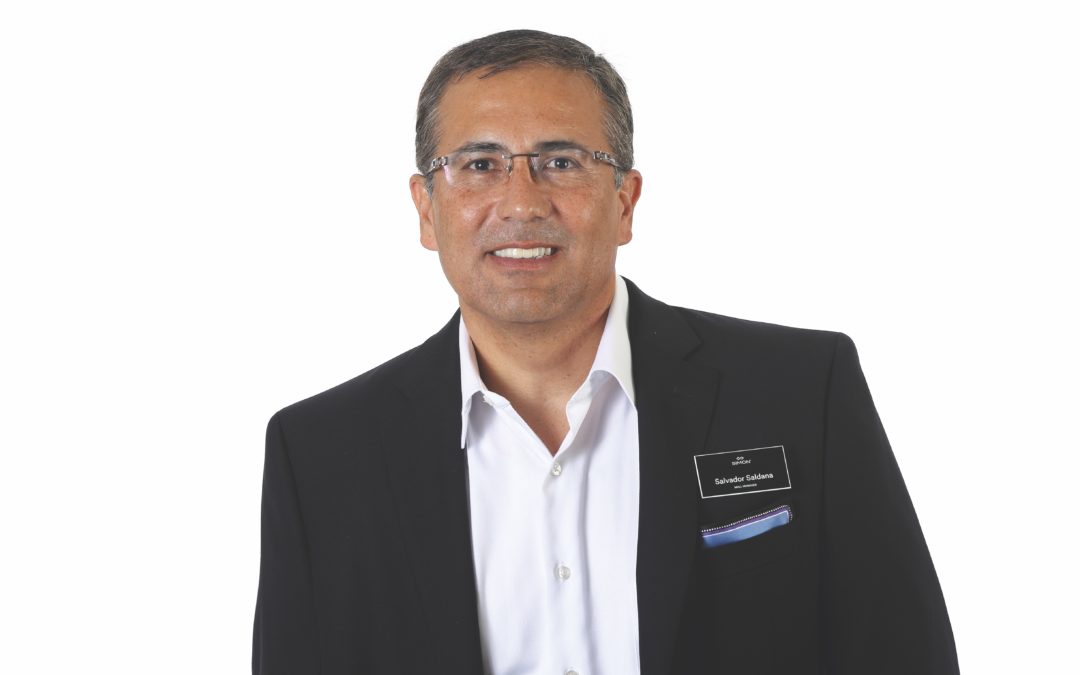
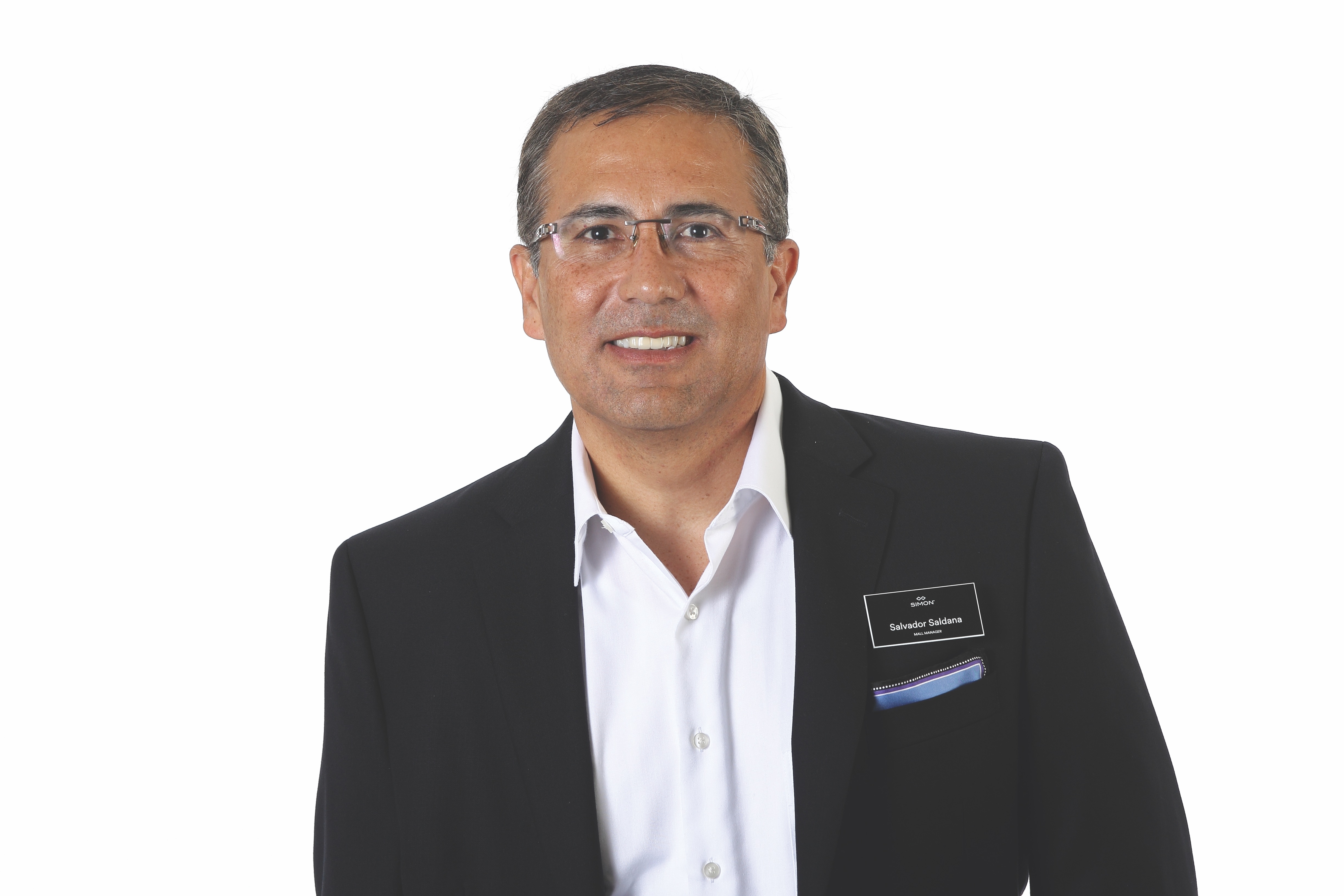
Spotlight On: Sal Saldana, General Manager, Town Center at Boca Raton

Spotlight On: Sal Saldana, General Manager, Town Center at Boca Raton

By Max Crampton-Thomas


2 min read October 2019The world is changing rapidly thanks to technology. For certain segments of business this means changing with the times or risk falling into obscurity. The traditional mall has become one of these segments, and with the rising popularity of e-commerce, the need for innovation is at an all-time high. One of the malls that recognized this early on was Town Center at Boca Raton, whose General Manager Sal Saldana spoke to Invest: about the mall’s successful longevity in the market, how it is handling the challenge of evolving customer demands and how it is innovating its business model to become much more than just a shopping center. 

How is Town Center at Boca Raton a staple for Palm Beach County? 

This mall is a regional shopping center that is owned by Simon Property Group. It has been in the Palm Beach County area for a number of decades, and over that period of time there has always been an emphasis on making sure it always meets the quality and brand recognition of Boca Raton and Palm Beach County. The mall is an extension of Boca Raton, which is known for its beauty, quality of life and wealth. It also has an international flavor because it houses some of the most widely recognized and regarded retail shops. Overall, the mall is an important asset to the community, and will continue to be for the foreseeable future. 

What has been the key to Town Center’s longevity and success in the wake of an e-commerce-centric world? 

Simon Property Group is an amazing company and has a phenomenal group of shopping centers nationwide. We have been able to really cater to the community and meet its needs and demands from a domestic and international standpoint. We also have the resources to continue improving our operations and attractions. What we do is make sure that we are meeting and surpassing the expectations of a traditional mall. We maintain a very high standard of what we are because we are not only a shopping center, we are also an entertainment destination. 

What challenges is Town Center facing, and how are you mitigating those challenges? 

We are always looking to see how we can improve customer experience, and in this business there is the challenge of keeping up with the times while making sure that we meet customers’ demands. Our competition now comes in many forms, whether that is the internet or a direct competitor in the region. We always want to be projecting new and improved, and this isn’t always necessarily a challenge, but more of an opportunity. To be successful, we have to have a team that is always thinking of what we can do next to make sure that we are staying ahead of the curve. For instance, we are adding a 1,600-square-foot recreational space called PLAY that will feature a combination of seating and interactive play elements inspired by local waterways and waterfronts. Everybody that we work with has to be on the same team and have a philosophy of approaching this shopping center as a five-star resort.


To learn more about our interviewee, visit:

https://www.simon.com/mall/town-center-at-boca-raton