Spotlight On: Ronnie Felder, Mayor, City of Riviera Beach

Spotlight On: Ronnie Felder, Mayor, City of Riviera Beach

By Max Crampton-Thomas


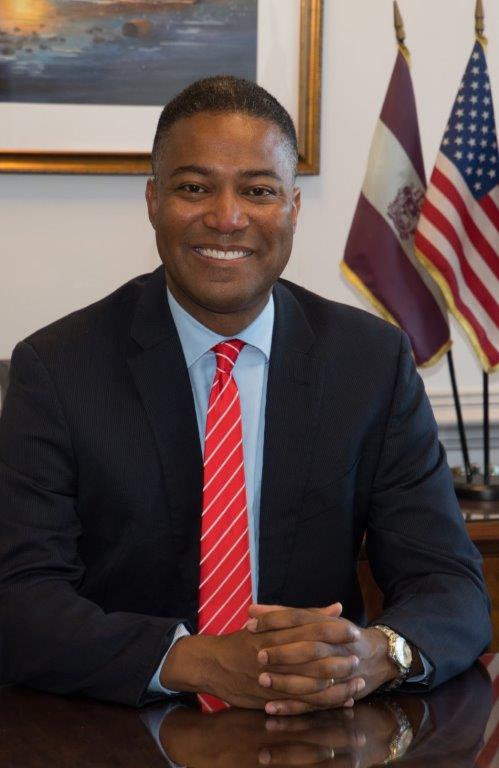
2 min read September 2019 — When Ronnie Felder won the runoff race for mayor in March, he had campaigned on the idea of revitalizing the city of Riviera Beach. Invest: Palm Beach sat down the mayor to discuss how he is encouraging economic revitalization and development in the city by rebuilding relationships with the local business community, specific industries he is targeting as part of his economic development plan and what the next few years will look like for Riviera Beach.

How are you working to strengthen the city’s relationship with local businesses? 

One of our goals is to meet with every business in this city to become more familiar with the organizations that are out there and their needs. We are learning through these relationships that a lot of these companies want to hire individuals from Riviera Beach but there is a lack of experienced workforce. We want Riviera residents to know that these job opportunities exist, and as the mayor, I feel it is my responsibility to make sure that happens. In past years, Riviera Beach did not have this established dialogue with the business community. For us to progress as a city and to have the trust of the business community, we must continue to build and strengthen this dialogue.


What are some industries you are targeting to help grow the city’s economy? 

We need more hotels and restaurants, which is a significant way for us to begin to push this city into the future. We do not have enough hotels to accommodate a large influx of tourism, which is impeding our growth. We have to be aggressive in our development efforts. I want to see cranes throughout Riviera Beach because when you see cranes in the city, that means economic growth, it means we are tapping into our potential and other businesses will see this and also want to be part of our city.


What are your short-term goals for the city’s economic development? 

We want to see exponential growth in the next two years. We will be working with businesses to encourage them to hire our young people when they graduate so we can retain some of that local talent. We have to begin to address the long-neglected infrastructure improvements and redevelopment of our public facilities like city hall, the police station and our schools. Everyone from the private and the public sectors should start seeing the benefits from our efforts to grow the local economy.


To learn more about our interviewee, visit:

http://www.rivierabch.com/

Philly Legal: These Sectors Are on the Right Side of the Law

by Yolanda Rivas

2 min read SEPTEMBER 2019 — Over the last few years, Philadelphia’s legal sector has seen a steady flow of law firms entering the market as well as local firms expanding in and outside the region. As the market gets more concentrated, many firms are betting on key growth areas to expand their practices. 

According to Invest: interviews with leading legal voices in the Philly area, health and life sciences, technology, real estate and finance are some of the sectors keeping attorneys busy. With a diverse business ecosystem in Philadelphia, firms like Zarwin Baum DeVito Kaplan Schaer Toddy, P.C. are experiencing high demand in commercial business, especially in the areas of banking, leasing, real estate financing and real estate development.

“We also have seen growth in our employment practices area, in part due to the #MeToo movement, which is generating many more workplace claims. Commercial litigation is also a growth area for us,” Mitchell Kaplan, managing shareholder at Zarwin Baum, told Invest:. “But we are currently seeing the most growth in our data privacy and cyber-liability department. That department gets involved in the training of businesses to prevent data leaks and breaches. We provide training, prevention and breach response,” Kaplan said. 

Similarly, St. Louis-based Armstrong Teasdale LLP is growing its intellectual property presence in Philadelphia as a result of the increasing demand in technology litigation around the country. “Intellectual property services, whether it be trademark, patents or copyrights, are required by any business. We support our clients with many trademark and retail issues. For example, in the science, healthcare and pharmaceutical fields, we do a lot of patents and protection of intellectual property. There is high demand for intellectual property services in Philly,” Armstrong Teasdale’s Eastern U.S. Partner and Leader Richard Scheff said in an interview with Invest:. 

According to an article from The Legal Intelligencer, Pennsylvania-based firms saw demand growth of 2.6 percent last year, slightly above the industry average of 2.3 percent. One of the benefits of Philadelphia’s legal sector is the presence of 20 Fortune 500 companies and over 75 Fortune 1000 companies. 

Besides technology and intellectual property services, financial institutions and real estate companies are particularly robust areas for Philadelphia’s legal sector. “Blank Rome’s Real Estate and Financial Services practices are very strong, particularly in Philadelphia. Both continue to be core areas of our law firm with a strong national presence,” Alan J. Hoffman, chairman at Blank Rome LLP, told Invest:.

Finance and technology also form part of Duane Morris LLP’s Top 5 sectors in terms of revenue and areas of focus. “About 85% of our revenue is in the following industries: financial institutions, health and life sciences, technology and telecommunications, infrastructure (including construction and energy) and finally, retail and consumer products. Those areas are our focus across the firm and in Philadelphia, which is our largest office with over 200 lawyers,” Matthew Taylor, chairman & CEO at Duane Morris LLP, told Invest: 

Citi Private Bank Law Firm Group’s Q2 2019 report projects a good year in 2019 relative to earlier post-recession years, although it will be a challenge for the industry to see a repeat of 2018’s strong performance.


To learn more about our interviewees, visit:

Zarwin Baum DeVito Kaplan Schaer Toddy, P.C.: https://www.zarwin.com/ 

Armstrong Teasdale LLP: https://www.armstrongteasdale.com/ 

Blank Rome LLP: https://www.blankrome.com/ 

Duane Morris LLP: https://www.duanemorris.com/ 

Big Banks’ Long-Term Investment Vision for Charlotte

Big Banks’ Long-Term Investment Vision for Charlotte

Writer: Sara Warden

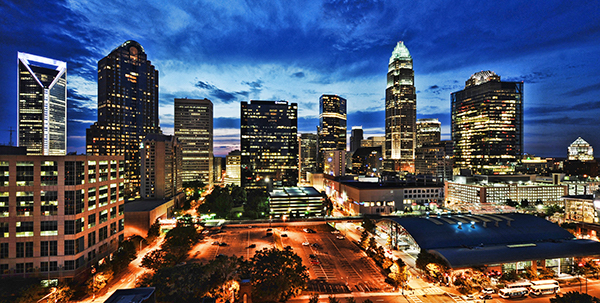
2 min read AUGUST 2019 — Charlotte has long been the eastern hub of Bank of America (BofA) and is one of the headquarters of Wells Fargo. But this year it has been attracting attention from the third bank belonging to the Big Four, which together hold around 45% of total U.S. deposits. JP Morgan Chase announced earlier this year that it will add up to 21 branches in Charlotte in the next three years.


“We’ve been serving the Carolinas for more than a decade and opening branches allows us to lend to more consumers and small businesses, and offer good paying jobs,” Thasunda Duckett, CEO of Chase Consumer Banking, said in a press release.

JP Morgan Chase will be entering a market where many are seeing huge potential. In April this year, U.S. Bank announced it will open 10 branches in the city by 2020. The bank, which emerged from the $66 billion merger between BB&T and SunTrust, will also be headquartered in Charlotte.

Despite Wells Fargo and BofA controlling around 89% of the area’s deposits, the new entrants seem confident there will be a big enough piece of the pie for them to get their teeth into. “This expansion marks a major milestone for our firm by allowing us to serve more customers, small businesses and communities across the country,” said Duckett. “To us, this is so much more than building branches. This is about new customer relationships, better access to credit and local jobs.”

Charlotte is home to 425 corporate headquarters in the finance industry. At 2.5%, the city has the lowest corporate tax rate in the country. For three years consecutively, North Carolina’s annual residential growth has exceeded 100,000 people.

“I don’t think there’s any industry that’s having an easy time staffing with the kind of human capital that they need, so one of North Carolina’s biggest advantages right now continues to be population growth,” says Christopher Chung, CEO of the Economic Development Partnership of North Carolina told WeWork publication FiveThirtyEight.

Charlotte’s finance industry is the second-largest banking hub in the country behind only New York City, with banks holding more than $2.3 trillion in assets. The city has added more than 200,000 jobs since 2001.

“We’ve built a great city that helps companies attract and retain today’s best talent,” Frances West, business recruitment and retention leader in Charlotte’s Economic Development Office, said to FiveThirtyEight. “Where we are today is not by happenstance and where we will be in 10 years is not by happenstance — it’s all by intentional growth.”

And the financial institutes have Charlotte in their crosshairs for the long run. U.S. Bank announced it reached an agreement with the city’s authorities this month to be the lead sponsor of a delayed pedestrian bridge project that connects Charlotte’s uptown and South End. U.S. Bank will contribute $1 million to the $11 million infrastructure project.

“Bridging the gap between uptown and South End will provide additional connectivity for residents, workers and guests, while further knitting together two of our great urban neighborhoods,” Michael J. Smith, CEO of Charlotte Center City Partners, said in a press release.


To learn more about the companies mentioned, visit:

https://www.charlottecentercity.org/

https://charlotteregion.com/eco-dev/charlotte-regional-business-allianceeconomic-development/

https://edpnc.com/

Tackling Affordable Housing in the Bay

Tackling Affordable Housing in the Bay

Writer: Max Crampton-Thomas

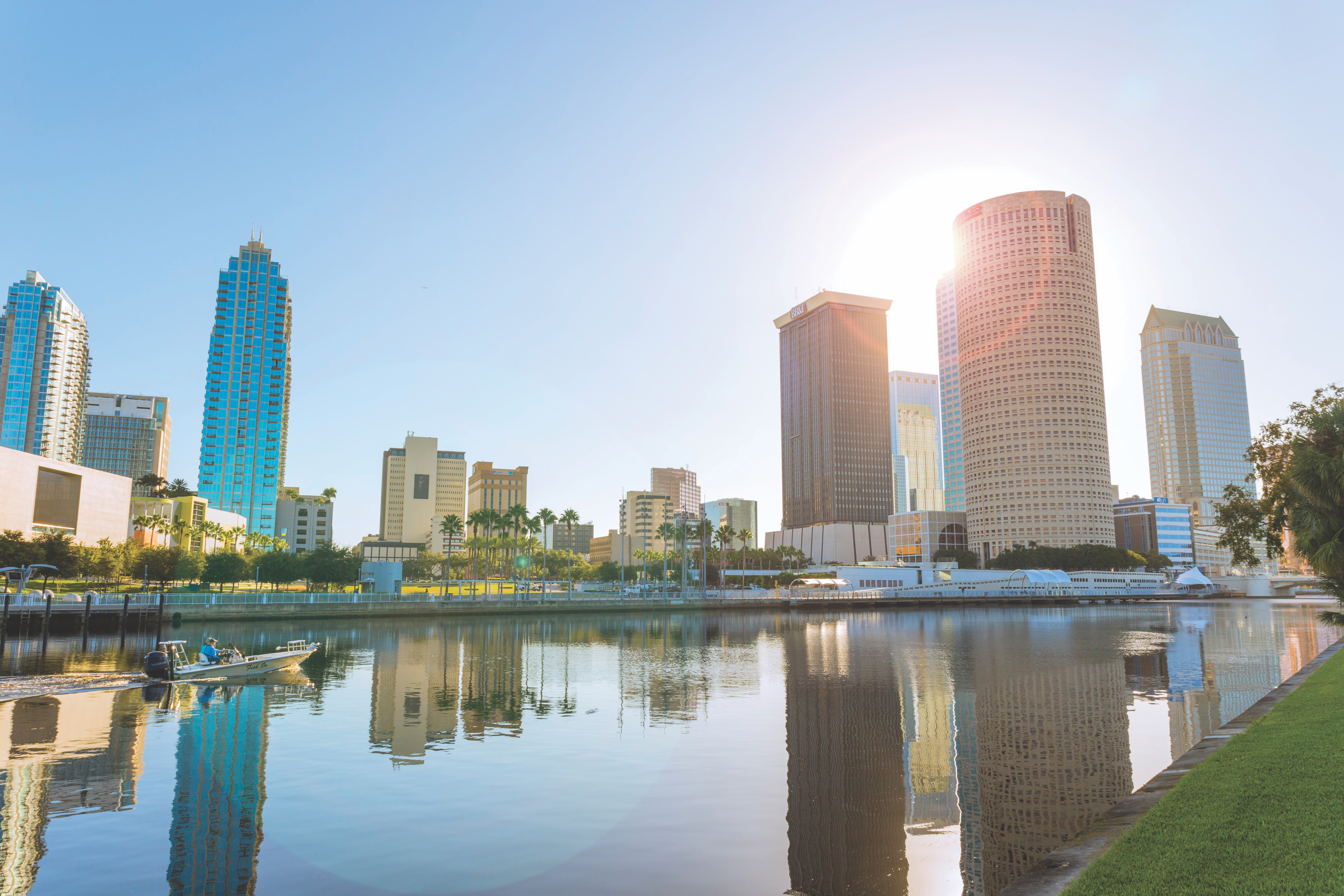
2 min read August 2019   Growth in the Tampa Bay region has been twofold, with a  significant boom in the economy and the population. As the population grows so does the need for more affordable housing options in the region. While there has been a notable increase in the development of luxury apartments and multifamily units, which are popping up all over Downtown, there is a notable deficit of affordable housing options. Mayor Jane Castor, her administration and community organizations like the Tampa Housing Authority recognize that they must work together to find- a solution for this problem.

Since her election in April, Mayor Castor has identified access to affordable housing solutions as one of her top priorities, as noted when she spoke with Invest:. “In reality, the most pressing issues in our community are transportation, affordable housing and workforce development.” She has since taken action to address the housing issue with the recent formation of the Affordable Housing Advisory Team as part of her “Transforming Tampa’s Tomorrow” transition. The role of the advisory team will be to ensure home ownership for all residents in Tampa regardless of economic status. It  will be one of five advisory teams guiding the mayor’s strategic vision for addressing key issues in Tampa Bay. 

One of the members of the Affordable Housing Advisory Team is Leroy Moore, the senior vice resident and chief operating officer for the Tampa Housing Authority. The Authority is not only focused on providing housing assistance to low-income residents. Its role has evolved over the years to better address the affordable housing issue in the region. Invest: recently spoke with Moore, who discussed how the Authority is addressing this need. “The Housing Authority has evolved to not only manage affordable housing, but also to redevelop this housing into real estate that functions as more than just a roof over someone’s head. We consistently ask ourselves what else does a community need? A community needs jobs, quality food and transportation accessibility, which brings in the need for collaboration with transportation agencies in the region. We can meet the needs of the community by developing housing, especially affordable and attainable housing, around accessible transit options. Great transit translates into better housing costs.” 

The Authority’s actions to tackle affordable housing include the redevelopment of a 28-acre superblock of public housing that will be known as the Encore District. In his discussion with Invest:, Moore spoke about the Authority’s approach to this development and how it differs from the original construction., “Seventy-five years ago, the Tampa Housing Authority developed a 28-acre superblock of public housing on the doorstep of what is now Downtown. Seventy-five years later, we are redeveloping that site and realizing that its potential today is far greater than what was ever imagined back then. Instead of just having a 28-acre single-use affordable housing community, we now have 12 city blocks of diverse development called the Encore District.” He continued: “Encore will be a LEED Gold neighborhood development community. All the buildings have a commitment to be LEED Silver or higher. We replaced the affordable and workforce housing and increased the number of affordable units on that exact same footprint. We are also adding other uses like hotels, museums, schools, market-rate housing and grocery stores all within the same 28-acre area.”

The need for more affordable housing is not an issue that will resolve itself and will only continue to manifest into a larger challenge as the population in Tampa Bay grows. The solution is not clear-cut, but community leaders like Mayor Castor and Moore are working to find actionable answers.  

To learn more about our interviewees, visit:

https://www.tampagov.net/


https://www.thafl.com/

Banks increasing support for Philly’s growing small businesses sector

Banks increasing support for Philly’s growing small businesses sector

Writer: Yolanda Rivas

2 min read AUGUST 2019 — The economic environment in Philadelphia, with many world-class educational and healthcare institutions, a diverse population and affordable rents, represent an ideal space for entrepreneurs to start their small or medium-size businesses. At the heart of the small-business community is an industry that plays an essential role: banking.


Many Philadelphia banking leaders say they have seen increased demand for lending and other services from small businesses. “Philadelphia has long been home to successful small businesses, but in recent years the collaboration between the public, private and nonprofit sectors is spurring a new level of growth,” Robert Kane, market president at KeyBank, told Invest:. 


According to Kane, KeyBank ranks 13th among more than 1,800 SBA lenders nationally. In the last five years, the bank has loaned more than $1.13 billion to small businesses across its footprint.  

Similarly, Philadelphia is one of the largest portfolios in BB&T’s footprint for small business. In an interview with Invest:, Regional President Greater Delaware Valley/Lehigh Valley Region for BB&T Travis Rhodes explained that the number of small business clients the bank is serving in Philadelphia is disproportionately larger than any other market in BB&T’s footprint. As a result, it created the “Bank on Your Success” initiative, which is directed to this community. 

“This free financial knowledge program helps entrepreneurs begin to understand the value of an income statement, a balance sheet and other banking basics. When they begin to think about their kind of profitability, how to manage their short-term assets, receivables and inventory, this education is essential. That education is ultimately what prepares somebody to be able to withstand or to handle the next downturn, because it helps them understand the levers of a company,” Rhodes said. 

Some of the biggest challenges small businesses face are improving cash flow, reducing operating costs, improving financial wellness, balancing growth with quality and hiring and retaining talented employees. To help mitigate those challenges, Keybank has developed Key@Work, which is a comprehensive, no-cost employee financial wellness program. 

“We also have a program, Key4Women, that supports the financial progress of women in business. It’s a great program, offering mentorship opportunities, access to capital and professional development,” Kane said.  

The small-business sector also helps banks to maintain a local presence. “We have small-business relationship managers who know the people in the community and become the point of contact for growing their small-business loans. Business sales also come with a lot of deposits, and that’s been a very healthy growth vehicle for us over the last couple of years,” Rodger Levenson, CEO of WSFS Bank, said in an interview with Invest:. 

Small businesses also have a significant impact on Philadelphia’s employment. According to the Pew Charitable Trusts’ Philadelphia 2019: State of the City report, about 26% of private sector employees in the Philadelphia region worked in small businesses in 2017, a number that was typical for the comparison regions. Also, 17% of Philadelphia employees worked in firms with fewer than 19 employees, second-highest behind the Boston region.

“Small business continues to be the primary generator of jobs and economic activity, not just in Philadelphia but in our entire region. And we see significant growth in our small-business lending activity over the next few years,” Levenson said.  


To learn more about our interviewees, visit:

KeyBank: https://www.key.com/small-business/index.jsp 

BB&T: https://www.bbt.com/small-business.html 

WSFS Bank: https://www.wsfsbank.com/Small-Business 

Our Picks: Top 5 Miami Neighborhoods to Live, Work and Play

By Yolanda Rivas

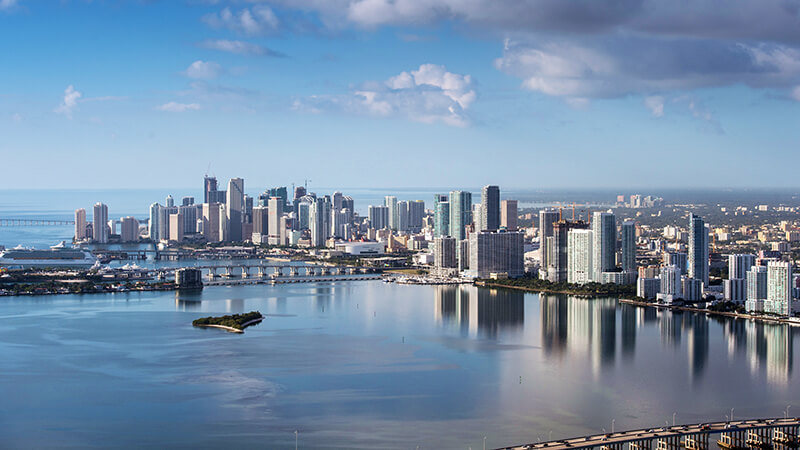
2 min read AUGUST 2019 — With warm weather, a diverse population and a strategic location, Miami is a magnet for new residents. From luxury condos to mixed-use developments and single-family homes, the city’s residential sector remains strong. These are five thriving neighborhoods to live, work and play.

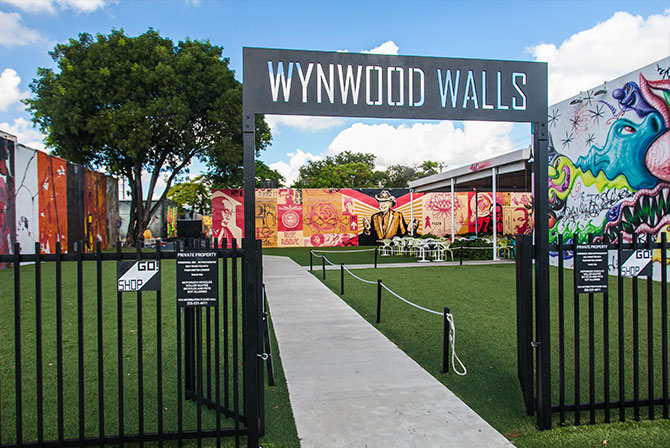
Wynnwood

The popular art district is a must for many visitors. What once was an area with shuttered factories and warehouses is now recognized as a premier destination for arts, culture and innovation. Wynwood is home to over 400 businesses, including art galleries, antique shops, artisanal food and beverage restaurants and innovative companies. The neighborhood’s street art and hundreds of murals and graffiti are a main driver to the area. The 2018-19 Wynwood Market Report states both multifamily and office inventory in the Wynwood Business Improvement District market are poised to double over the next three years, as projects that are under construction are delivered.

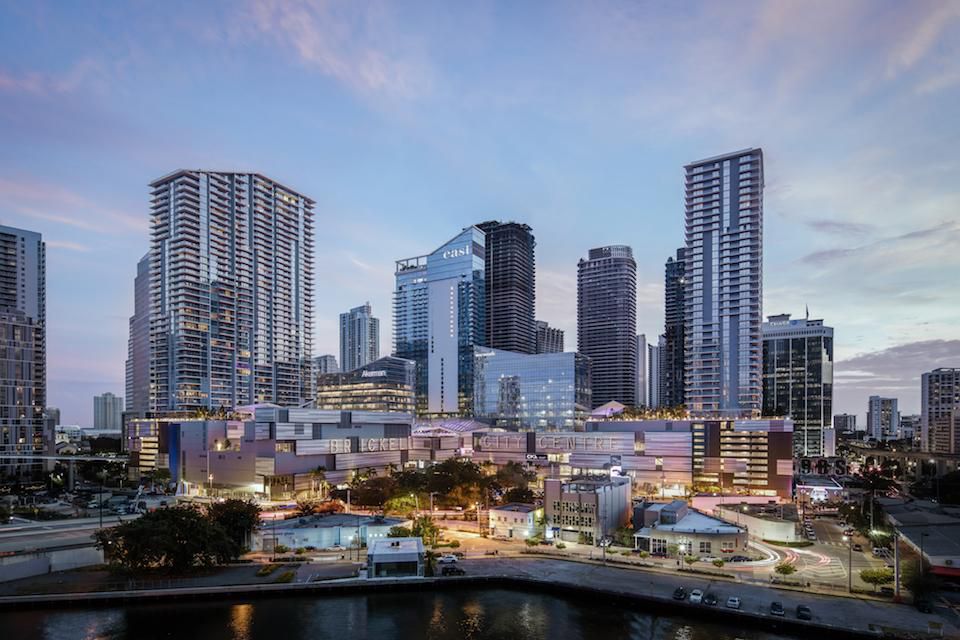
Brickell

Known as the financial district of Miami, Brickell has much more to offer than just business and office space. With many trendy bars and restaurants, hotels, condominiums and business opportunities, Brickell is among the fastest-developing areas in Miami. The opening of the $1.05-billion shopping and mixed-use Brickell City Centre in 2016 has been a catalyst for growth. The walkability in Brickell and access to the metromover are also some of the benefits for families and businesses in the area. 

“Brickell offers the ultimate live, work and play lifestyle. Apart from its walkability and nightlife, it also serves as a central point between the best Miami has to offer. It’s minutes from Coconut Grove, Key Biscayne, Wynwood and Miami Beach,” Diego Valencia, founder of WeRentBrickell.com, told Invest:.


Coconut Grove

Located south of Downtown Miami, Coconut Grove is a pedestrian- and bike-friendly neighborhood that is perfect for an escape from the city’s noise. It has been the sailing capital of Miami and it is known for its lush green landscape, bohemian setting and the beautiful Biscayne Bay waters. The renovation of the iconic, open-air mall CocoWalk is expected to attract national and international brands to the area. “The entire retail and office landscape of Coconut Grove is being redeveloped, and there are a significant number of baby boomers who are living in large homes and are reaching a stage in life where relocation makes sense. This creates opportunities for new buyers and developers,” Jay Phillip Parker, CEO of Douglas Elliman Real Estate, said in an interview with Invest:.


Edgewater

Located north of Downtown, next to Wynwood Arts District and south of the Design District, this neighborhood has great potential as a live, work, play community. Residential and office towers in the area have great views to Biscayne Bay and a strategic location near some main highways, major neighborhoods and arts and culture offerings. Property prices are usually lower than those in Miami Beach or Downtown and construction activity is on the rise.


Doral

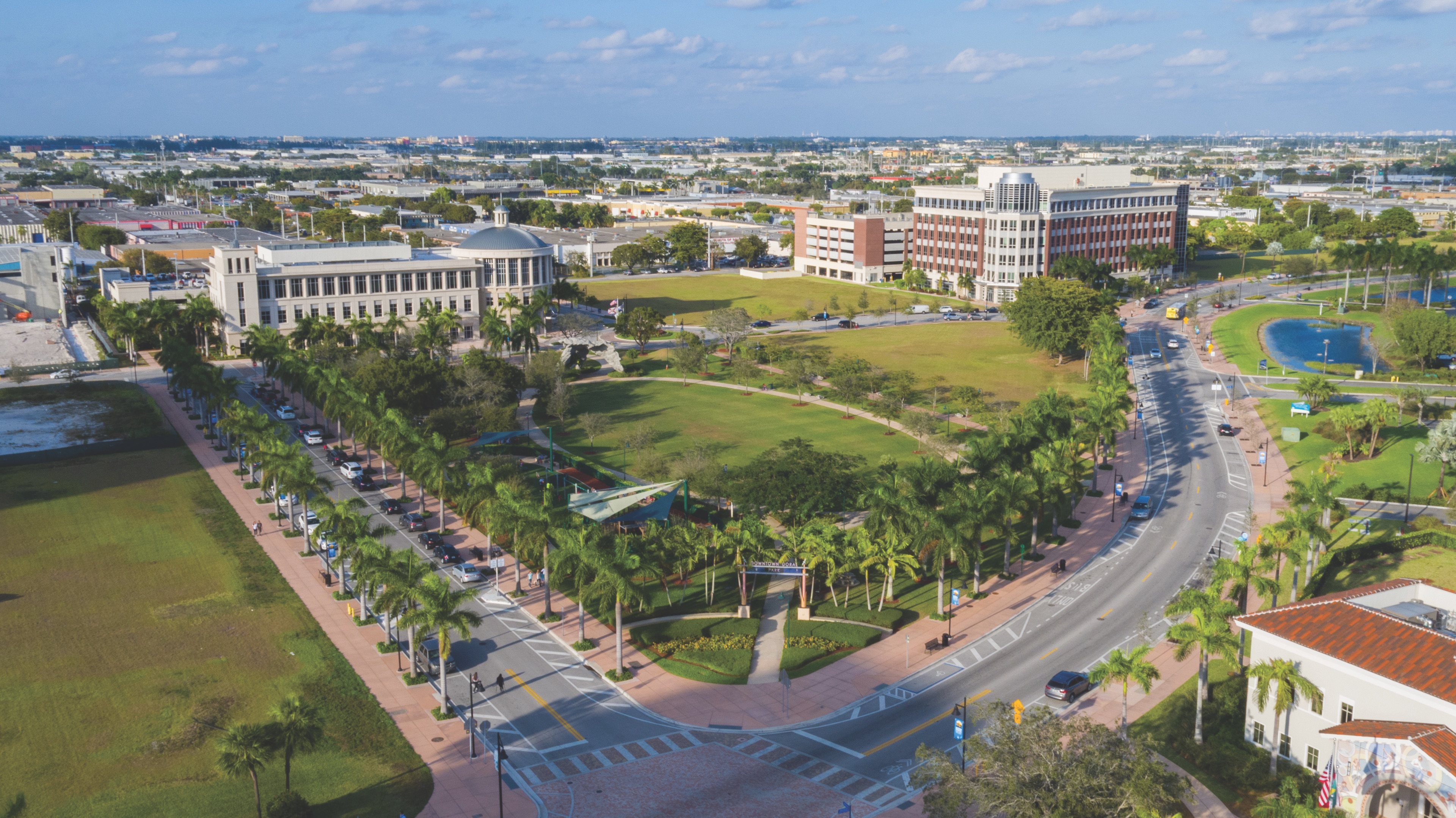
Doral is one of the fastest-growing cities in Miami-Dade. The city’s population has grown 77% in the last eight years and is ranked No. 2 in Forbes Magazine’s America’s Top 25 Towns To Live Well, which cites the city’s cultural amenities, pro-business environment, and highly educated workforce. 

“Doral is one of the best locations to live, work and play. It has the parks, restaurants and amenities, and it’s located between the major highways and near the airport. A lot of major companies are headquartered in Doral, and many of the industrial players are located in the city as well. The government is very approachable and they understand business needs,” Rich Guertin, regional vice president of PS Business Parks, told Invest:.


To learn more about our interviewees, visit:

WeRentBrickell.com: http://www.werentbrickell.com/ 

Douglas Elliman Real Estate: https://www.elliman.com/florida 

PS Business Parks: https://www.psbusinessparks.com/ 

Spotlight on: Kenneth Lawrence Jr., Commissioner, Montgomery County

Writer: Yolanda Rivas

2 min read AUGUST 2019 — Montgomery County is the third-most populous county in Pennsylvania and the state’s the No.1 county for manufacturing. With an extensive trail network, the largest indoor mall in the country, a growing population and diverse economy, Montco presents unique opportunities for businesses among several industries. Commissioner Kenneth Lawrence recently spoke with Invest: about the county’s efforts to grow its economy, attract businesses and embrace sustainability.

What were some highlights for Montgomery County over the last 12 to 18 months?

Montgomery County had its AAA bond status restored by Moody’s. We are working hard on our transportation and infrastructure, repairing our roads and bridges, and making sure these are in good, working condition. We implemented a parental leave policy for our employees. The new policy is not gender-specific and employees can get six weeks off for the birth, adoption or guardianship of a child. We believe that will spur area companies to implement similar initiatives. Montgomery County has the best trail network in the region. We have over 90 miles of trails, including the Schuylkill River Trail, which is the most popular trail in the region, and we are working on expansion, improvements and new connections for many of our trails.

What are some business opportunities unique to Montgomery County, in relation to other counties in the region?

Montgomery County is the No. 1 county in Pennsylvania for manufacturing. We have more manufacturing jobs than any of the 67 counties in the state. There are numerous opportunities in manufacturing, especially in the biotech and pharmaceutical industries. For example, Thomas Jefferson University recently opened the Jefferson Institute for Bioprocessing in Lower Gwynedd, which is a specialized education and training institute for biopharmaceutical processing. Upper Merion is the third-largest employment hub in this region, following Center City and University City. We are working with SEPTA (Southeastern Pennsylvania Transportation Authority) on King of Prussia Rail to connect University City, Center City, and Upper Merion with public transportation. This is a 10-year project, but we are working very hard to connect the three major employment hubs in the region.

The pharma and healthcare sectors keep growing in the county. Tourism in Montgomery County is a $1.2 billion industry. Valley Forge National Historical Park gets over 2 million visitors a year. King of Prussia Mall is the largest shopping mall on the East Coast.

What is the county doing to develop sustainable operations?

Sustainability is very important for us as a county government and we want to take a leadership role. We recently announced a wind energy purchase that will power all of the county’s electrical accounts. The commissioners also made a commitment to transition to

renewable energy for heating all county-owned buildings and powering all county-owned vehicles by 2050. Another major project is a new justice center, which is part of six individual construction projects in downtown Norristown to address service, operational and energy inefficiencies and modernize county buildings for the future. We are taking every step possible to make sure that sustainability is a major part of that project so that we’re not increasing our energy footprint. We are also working with our municipalities across the county to explore options for sustainability.


To learn more about our interviewees, visit:

Montgomery County: https://www.montcopa.org/ 


Spotlight On: Mayor Sandra Bradbury, City of Pinellas Park

Writer: Max Crampton-Thomas

2 min read August 2019 — The unprecedented economic growth the Tampa Bay MSA, including Pinellas County, is enjoying comes with both benefits and challenges. At the very center of Pinellas County is it’s fourth largest city, Pinellas Park. Invest: Tampa Bay recently spoke with Mayor of Pinellas Park Sandra Bradbury. She discussed how the city is handling the region’s growth, its focus on remaining economically and environmentally sustainable, and her outlook for the next year.


What efforts are being made to encourage environmental sustainability in the city? 

In a partnership with the Wounded Warriors Abilities Ranch, we just started development on a new park called Lurie Park. This park is going to be completely accessible for all handicapped people, from children to the elderly, and will be geared toward our veterans. We also just purchased a four-acre property that was a horse stable, which we are in the process of converting to a farm. It is an extension of the existing Helen Howarth Park. Our goal is to work with the U.S.-based network of youth organizations 4-H and bring students to the farm to teach them how to sustainably raise and grow their own food.

How are you supporting local business growth? 

Businesses come to us all the time because we have a relatively large amount of commercial area that’s available for development. The city council and voter referendum created a package of incentives that we could use to retain businesses that want to grow and expand. These incentives allow businesses the flexibility to move offices or add square footage to their buildings. We are one of the few places that has this ability. It is within our ordinances to allow our economic development manager and her team to offer incentives to local businesses, which revolves around how much they are growing and how many employees they will be hiring with the expansion. So far, city council has provided seven packages to different companies that have grown in Pinellas Park. 

What does the next year look like for Pinellas Park? 

We think the future is bright. We have a lot of businesses that are still looking at us as a place to expand into. Our position is unique because we are at the very center of the county. We are also one of the few cities that still has vacant land available, especially in our industrial area. This gives a business the opportunity to come here and develop their work space. With the economic growth in the region, our homes have gone up in value over the years, but overall the Pinellas Park area is still affordable. We have parks in the area, and our citizens assist in the conservation and revitalization of those parks as necessary. Overall, we feel extremely positive about the next year. 


To learn more about our interviewee, visit:

https://www.pinellas-park.com/

Spotlight on: Gary Jonas, President & Principal, The HOW Group

Writer: Yolanda Rivas

2 min read AUGUST 2019 — Philadelphia’s real estate market has been growing steadily over the last few years. Many international and national investors are targeting the sector, where rents are affordable, when compared to surrounding markets, and there are numerous low-risk investment opportunities. This week’s “Spotlight On,” with Gary Jonas, president and principal of the The HOW Group, illustrates the landscape for the city’s real estate industry, including the most in-demand services, top neighborhoods and the trends in the sector.

What HOW Group business lines are seeing the most growth in Philadelphia today? 

The two divisions that are seeing the most growth are construction and real estate. We attribute that to the hole in the market between companies working for themselves and building a small number of units and companies building hundreds of units. There is a spot in the middle where people need contractors to build 50 to 100 units. It is hard to find companies to fill that space because of the labor shortage. It is also hard to find companies that are capitalized enough to work in that space. Because we are able to fill that gap, we have seen significant growth in our construction division over the last year. There is a huge need for that type of work.

Our real estate company does a lot of new construction sales, which speaks to the Philadelphia market. We expect this division to double its business this year. We made a big investment three to five years ago to launch this division, and now we are seeing significant growth. Between those two companies, we are going to do north of $100 million this year.   


What areas of Philadelphia are most in demand in residential real estate?

There is a huge growth opportunity in neighborhoods where you can provide housing that is in the $300,000 to $400,000 range. That is an underserved market and there is a lot of development starting to happen in that price range. For example, Mantua is a neighborhood right on the edge of Schuylkill Yards, education centers and the development going on in the area, and it is a great place for these types of projects. University City has a 17% to 20% homeownership rate, but it’s the second-biggest job hub and there is a need for affordable housing in the area. The edges of University City are primed for significant growth. There is a neighborhood next to Grays Ferry, known as the forgotten bottom, which is another great area for development because of its location and access to major highways. We also expect to see growth in south Philly. 


What are some trends in Philly’s real estate sector?

We are seeing people who want to do co-living spaces. We are seeing a lot more buildings that provide a product similar to Airbnb. We are also starting to see more micro units because affordability is starting to become an issue. As construction and land costs continue to rise, we are seeing unit size starting to decrease and become a popular option. Because of the inadequate labor pool, we are also starting to see more manufacturing stock like modular and prefab units being placed.

We are always looking to create advancements within the construction division. We are working with manufactured housing developers to figure out ways to use technology to build in a more efficient and cost-effective way. We are working with foundation companies that use proprietary systems and build foundation walls that are more energy efficient and cost-effective than concrete. We are doing these things to differentiate our products.


How does The How Group impact the community?

Our charity division, HOW Charities, supports underserved families with homeownership and financial literacy. We want to get people to financial freedom and this year, we are donating two houses. We are working with the Building Industry Association of Philadelphia (BIA) to figure out ways to duplicate this effort on a broader scale. Along with the BIA, we are looking at solutions with the private sector toward affordable housing and job placement within the industry. There is a lot of momentum because of how great the sector and the city are performing.


To learn more about our interviewee, visit:

The HOW Group: https://howgroup.com/