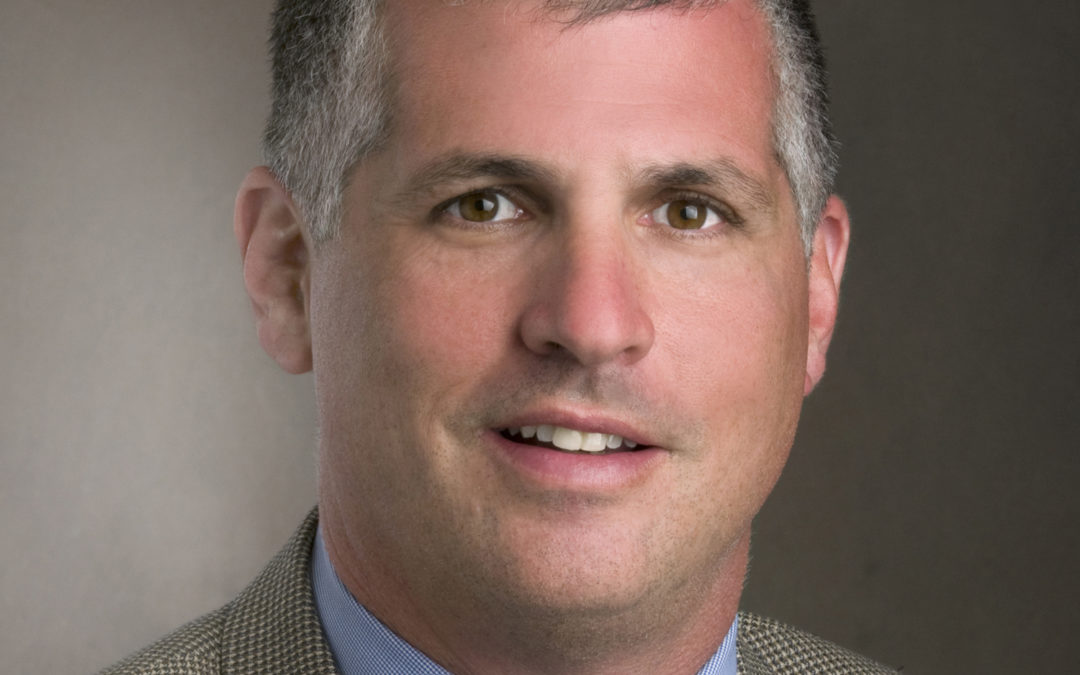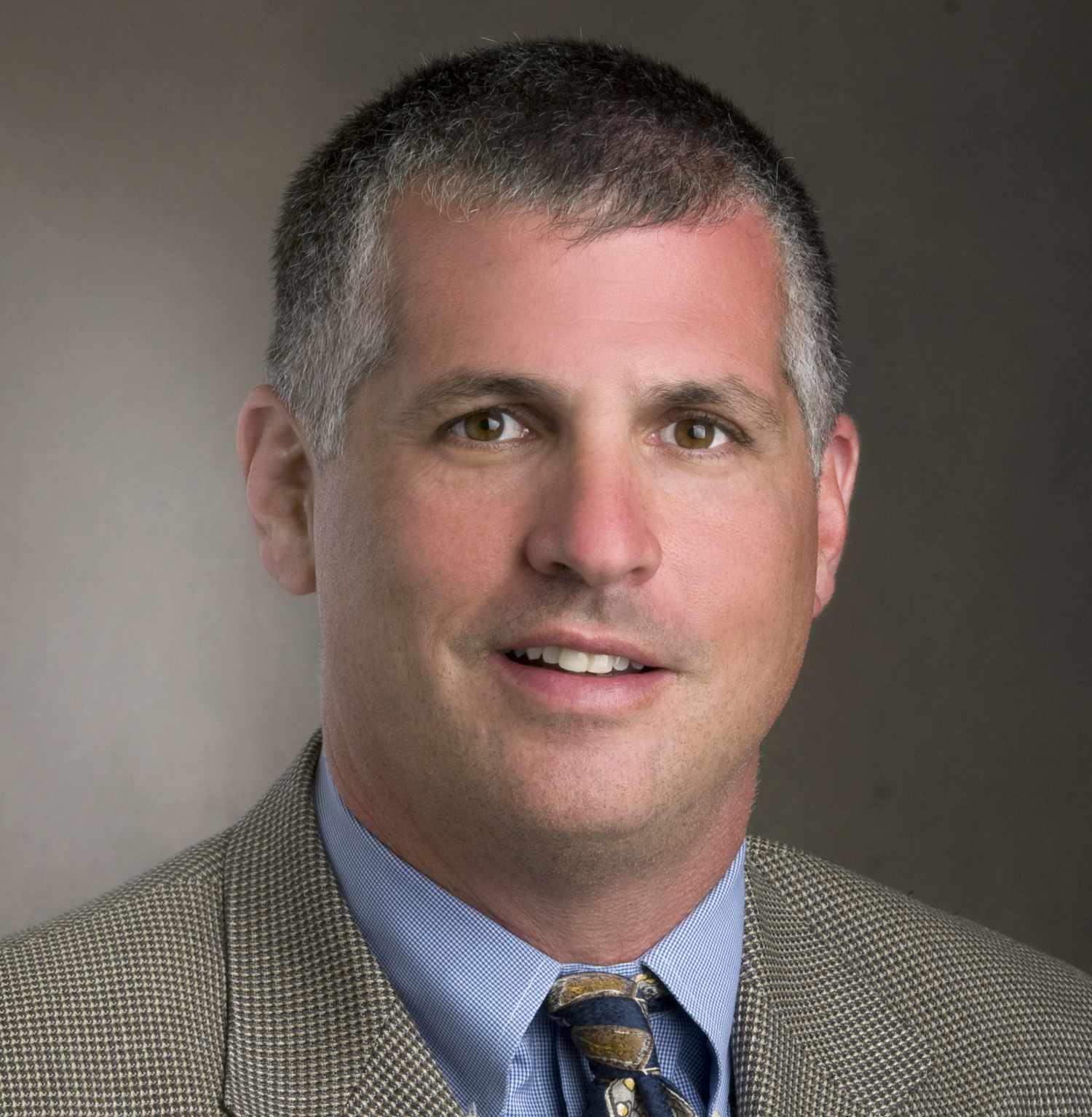
Spotlight On: Joe Devine, Executive Vice President and Chief Experience Officer, Jefferson Health

Spotlight On: Joe Devine, Executive Vice President and Chief Experience Officer, Jefferson Health

By: Max Crampton- Thomas

2 min read March 2020 — The healthcare industry is poised to revolutionize how it cares for its patients through cutting-edge technology, at a time when a transition toward outpatient services is further consolidating. Executive Vice President and Chief Experience Officer at Jefferson Health Joe Devine discusses with Invest: the priorities for the group amid these new trends. 


How does Jefferson Health stand out from other healthcare players in the region?

We have a seamless care system in the region. Our location in South Jersey is less than 17 miles from the main Thomas Jefferson University Hospital in Philadelphia. We also provide services in South Jersey that have historically only been provided by Jefferson in Philadelphia, such as Magee Rehabilitation, which recently opened a service at our Cherry Hill hospital. Our technological innovations and telehealth are also sizable differentiators. Jefferson is a truly focused clinical academic medical center that combines teaching and medical care. In New Jersey, we are a teaching hospital for the Rowan University School of Osteopathic Medicine, as well as a training location for the Jefferson University Physician Assistant program. 


In what ways has technology disrupted the healthcare industry?

Technology is so advanced and outstanding that it works extremely well. For example, we have a neural flow program for patients with mental health issues that helps us with their evaluation. We also have implemented home-monitoring care technology that improves access, and we have succeeded in advancing our linear accelerator when it comes to treating cancer patients, an area that is more precision-driven. The cost of such technology is higher, but we do not transfer that cost to our patients. We are working on ways to inject further efficiencies in the process to continue providing benefits to our patients, including our telehealth program (JeffConnect), 3D mammography, 3D ultrasound, and other advancements like ABUS (Advanced Breast Ultrasound System). These have gone through substantial technological improvements, which are critical in the delivery of care. Technology will continue to be at the forefront of what we do, combined with the important humanistic aspect of providing care. We are also bolstering our smartphone app platforms to improve communication and follow-up processes with our patients. JeffConnect enables patients to receive personalized healthcare through their smartphone or computer. 


How is Jefferson Health tackling the local community’s health issues?

Every three years, we are required to undertake a community health needs assessment. What is great about this initiative is that all hospitals in Camden County work with the Departments of Health to shed light on the key health categories in which we should invest. In 2017, for example, it was primarily diabetes. We created a medical school and a district program with a comprehensive diabetes management program for Medicaid recipients, powered by telehealth services and coupled with a robust home care component. It helped improve patients’ health while minimizing their hospital visits. We are looking to continue providing innovative services, while at the same time contributing to building an effective population health model, as healthcare transitions more into outpatient services. As shown from the most recent community health needs assessment, the priority continues to be tackling metabolic diseases. We have a robust diabetes education program, as well as a very successful bariatric surgery program to assist with those needs.


How does Jefferson Health contribute to local efforts to reduce the disparities in care access?

For years, we have had family health centers, which in yesterday’s terminology were called clinics. We have two robust centers, one in Washington Township, Gloucester County, that offer comprehensive internal medicine, pediatrics and OB/GYN services. The other center is located near our Stratford hospital to service the Camden County community. We see a minimum of 20,000 patients a year in those facilities. The purpose of those centers is to serve the underserved.

We also have a partnership in South Jersey with the Food Bank of South Jersey. Any one of our 5,200 employees in New Jersey can participate in some way with the Food Bank. We encourage donations four times a year. It is tied to the health of people we serve.


What are the fastest-growing areas of care and service in the South Jersey region?

End-stage renal disease is more prominent throughout this nation for a lot of different reasons. We started a dialysis program in 1992 to attend to this growing issue with a single, six-bed station. We now have 55 stations. In this market alone, there are more than 200 stations nationwide. It is something we need to address. A close second is the opioid crisis. We do see patients come back multiple times. Unless you have the right post-care model, you cannot treat this illness. Unfortunately, it is growing. Third, is cancer care. This area is becoming increasingly robust with procedures like genetic testing and screening. We are working to put models in place so that when a patient is diagnosed with cancer, we look at the entire family. 


What is your outlook for South Jersey’s healthcare sector for 2020?

The sector in New Jersey continues to grow. We have some great hospitals here. Having served as board chair of the New Jersey Hospital Association in 2019, I can attest to these outstanding facilities. By 2025, it is likely we will see the consolidation of close to five healthcare systems across the whole region. We are going to continue to expand and develop a model that provides the ability for patients to have choices and become part of our network. We are working to become the most patient-centric organization in healthcare in the region. 


To learn more about our interviewee, visit: 

https://newjersey.jeffersonhealth.org/


GFL Businesses Adapt as Coronavirus Threat Looms for US

GFL Businesses Adapt as Coronavirus Threat Looms for US

By: Sara Warden

2 min read March 2020 — Businesses across South Florida have been hit by the impact of the Coronavirus pandemic, as the government issued new advice urging people to stay home if possible. Drastic measures have been taken to prevent the further spread of the virus, but some Fort Lauderdale companies are taking the crisis in stride.


Fort Lauderdale made the decision to close all public beaches, bars, nightclubs and restaurants. All meetings of city boards and committees have been postponed until the end of March at the earliest. Only essential businesses such as pharmacies and grocery stores are excluded from the measures. The TSA reported that one of its agents at the Fort Lauderdale-Hollywood Airport tested positive for the virus, bringing the tally to two officers across the state.

“We have to do everything possible to minimize crowds and unfortunately, our beautiful beaches must be part of that plan,” said Fort Lauderdale Mayor Dean Trantalis to South Florida Business Journal. “I want to be clear that this is not an overreaction, but a way for us to help stop further cases of COVID-19 in our community.”

With the measures set to last until April 12, one of the biggest concerns for Fort Lauderdale residents – and for people all over the world – is of a potential shortage in supplies of essentials such as canned goods, medicine and toilet paper. 

As the virus response ramped up, Postmates and Walgreens announced an expansion of their partnership to allow customers to order Walgreens pharmacy goods through Postmates and have them delivered to their doors. The service was piloted in New York six months ago but its ramp up to cover a handful of cities including Fort Lauderdale comes at an opportune time to allow citizens to comfortably practice social distancing. 

Businesses are urging employees to work from home, but are threatened by a drop in productivity. Some forward-thinking businesses had already made preparations, having monitored the unfolding situation from its roots in China’s Wuhan region in December. Davie-based Bankers Healthcare Group implemented home office last Friday after extensive testing of its digital systems. 

“We’ve been preparing for this transition for more than a month, checking and testing our systems to ensure we could continue to do business as usual,” co-founder Eric Castro told South Florida business Journal. “We don’t anticipate any challenges or disruption to our business, and are confident we will not lose productivity.”


To learn more, visit:

https://www.broward.org/Airport/Pages/default.aspx

https://postmates.com/

https://www.walgreens.com/

https://bankershealthcaregroup.com/


For up-to-date advice on the Coronavirus response, you can check the CDC website here.  For Florida-specific information, click here 

Spotlight On:Bruce Cohen, CEO, OrthoCarolina

Spotlight On:Bruce Cohen, CEO, OrthoCarolina

By: Felipe Rivas

2 min read March 2020 Shifting from the traditional fee-for-service environment prevalent in the U.S. healthcare system to value-based care programs requires innovative processes and outside-the-box thinking, all to the benefit of the patient. Bruce Cohen, CEO of OrthoCarolina, shares how the company is spearheading this transition.

What are the drivers of OrthoCarolina’s success and what does that entail for 2020?

OrthoCarolina is a large, independent musculoskeletal group. Our geography stretches outside of Charlotte, all the way up into the Piedmont Triad and Winston-Salem, including Hickory, Shelby and Laurinburg, with our hub in Charlotte. What makes us different is that we are on the cutting edge, embracing value-based care, seeking to lower care costs for our patients, getting them to the right facilities and providers. Our No. 1 goal is to increase access. Historically, healthcare has lacked transparency, leading to poor access and communication and resulting in high costs. We had close to a million patient visits in 2019. OrthoCarolina has 40 locations, including offices, physical and occupational therapy. We are also involved in outpatient surgery centers, which are critical for orthopedic care. 


How is OrthoCarolina bolstering accessibility from a business standpoint?

The transition from the traditional fee-for-service environment into an innovative, outside-the-box, value-based care program is complex. Physicians are resistant to change so empowering and engaging them, promoting the fact that this transition comes out of a true necessity and obligation is a lengthy process. We are on the forefront at the national level in that regard. The first step is to educate people that this new option translates into better care and better access, providing different choices for our patients. We have to look at our patients as consumers, inject transparency over treatment costs and inform them what their options are. Wait times at doctors’ offices or hospitals that go for hours on end, for instance, are no longer acceptable. The challenge is to provide quality care and service without the patients feeling like a commodity or that they are on an assembly line. We developed a set of benchmarks relating to patient satisfaction, which we published online and internally so our doctors know where they stand.


How can your success move to the larger healthcare systems?

North Carolina is a Certificate of Need (CON) state, which has attracted powerful healthcare organizations that we work with closely. It is difficult from a regulatory standpoint because they often have much more control over the healthcare dollar than the rest of us do. That is all changing, however, with much more ongoing collaboration than there used to be. The systems are open to it and Charlotte is a great example. Healthcare systems are starting to embrace and acknowledge the fact they have to look at costs and stress quality and state-of-the art facilities and offer all services. Charlotte is one of the higher-cost healthcare markets in the country. It is not a sustainable model. 


What health trends have you identified in Charlotte?

Our community has a primarily young component to it parallel to an aging population. On the one hand, it is healthy but more active, which creates the need for orthopedic services given the training-related injuries and other issues related to an active population. On the other hand, we are witnessing big retirement communities coming to town. Those needs, especially on the musculoskeletal side, are growing. The technology and advances in orthopedic care have enabled people to do well and be more active. 


How is OrthoCarolina tackling the talent issue?

It is a competitive field. As we expand and look to provide more access, we are facing two large healthcare systems in town that make their presence felt when they open a new facility and launch a hiring campaign. Charlotte’s workforce is also highly competitive. Unemployment rates are low, it is a nice place to live, people want to be here. On the provider side, 2018 was the first time in orthopedics that more professionals finishing their training went into hospital employment positions rather than joining an independent practice.  


What is on the near-term horizon for OrthoCarolina?

We are leading the charge particularly on joint and spine replacements. We launched our coordinated care program to tackle episodic care, which up until 2019 had amounted to 150 patients a year, and we are looking at potentially 1,000 cases for 2020 to become a part of this program. It includes a care navigator that checks on our patients throughout the whole episode, preoperatively and postoperatively. Our outcomes have shown close to zero complications or readmissions for program participants. 

The next step is population health. This revolves around developing a program to manage the entire health of the population in coordination with different stakeholders: physicians, hospitals, insurance companies. For us, it means focusing on the musculoskeletal aspect of the program. That is when algorithms and protocols come into play to avoid redundancies, unnecessary tests and undergoing procedures at the right time and for the right patient. Our priority is to serve our community. 


To learn more about our interviewee, visit: https://www.orthocarolina.com/

Pharmacies Going the Extra Mile in Philadelphia

Pharmacies Going the Extra Mile in Philadelphia

By: Sara Warden

2 min read February 2020 — According to research from the University of Texas, 13-27% of ER visits in the United States could be managed in physician offices, clinics, and urgent care centers, generating $4.4 billion in annual savings for the health system. As the population grows and hospitals become saturated, Philadelphia’s private sector innovation is helping to lift the burden.

Last month, pharmacy giant CVS launched 13 HealthHUBs across Philadelphia and South Jersey, with the goal of offering patients a broader range of health services than are normally available in pharmacies. “The purpose of this model is to put patients at the center of their care,” said Anthony Riccardo, regional director for CVS Pharmacy, at the launch of the Folsom HealthHUB in the Delaware County branch. “Customers tell us they want local access to convenient, personalized and integrated healthcare. Our HealthHUB locations do just that — helping to elevate the store into a community-based healthcare destination.”

CVS leverages its impressive countrywide coverage on the front lines to bring additional services to the community, decreasing the probability that symptoms will worsen and lessening the burden on secondary healthcare providers. The services provided range from counseling patients with chronic conditions, to smoking cessation plans and health screenings, with a focus on addressing potential problems before they arise.

The company is not the only business in the private sector that sees the potential pharmacies can contribute to the healthcare sector. Last month, Philadelphia also welcomed Medly Pharmacy, a company that is tackling inefficiencies in pharmacy operations through an app and service platform that simplifies the process of filling a prescription.

Although the main draw of the store is its online platform, the company’s co-founder, Chirag Kulkarni, recognizes the need to also have a physical store established in the city. “I can say 99% of our customers have never walked into our pharmacy,” he said in an interview with Philadelphia Business Journal. “But it’s critical from a brand perspective to have a pharmacy a person can go into if they wanted. There is a level of trust in medicine, and with a pharmacy having that brick and mortar location brings legitimacy.”

So why are these companies attracted to Philadelphia? For Medly, the city has proximity to its key markets in New York and New Jersey and a similar level of population density, making it a logical choice for expansion. The median age in Philadelphia is also 34.3, and with a younger population also comes the desire for new technological advances to make everyday life more convenient. “Our research found that from a geographic viewpoint, Philadelphia is very similar to where we operate now in that it has high concentrations of population in certain areas,” he said. “We also saw a strong need for something like what we offer.”


To learn more, visit:

https://www.utexas.edu/

https://www.cvs.com.html

https://www.medlypharmacy.com/


Addressing Health Disparities in South Jersey

Addressing Health Disparities in South Jersey

By: Yolanda Rivas

2 min read February 2020 — The healthcare and education sectors are significant contributors to the economic growth in the South Jersey region. Amid this growth, healthcare leaders are focusing on making healthcare accessible to the underserved population. 


According to the latest Leading Health Indicators Profile Report Index, the access to primary care for the state was not met as of 2017 and there is little or no detectable change in the trend. However, the objectives related to the infant death rate, the death rate due to coronary heart disease and teen obesity have been met, while the objectives for childhood immunization are improving. The leading health indicators are part of the Healthy New Jersey 2020 objectives to communicate high-priority health issues and actions to address them. 

Private and nonprofit healthcare organizations are also playing a key role in addressing healthcare disparities across the state. Such is the case of the charitable, nonprofit organization Inspira Health, which is present in two of the poorest counties in the state: Cumberland County and Salem County. 

“The social determinants of care are problems that cross areas; they are not necessarily healthcare-related. But our goal is to take care of people who live near here and who need our help,” John DiAngelo, president & CEO of Inspira Health, told Invest:. “We have been able to do that for the 20 years that I’ve been with Inspira Health. In fact, we are the only hospital in Cumberland County,” he said. 

Access to basic health treatment due to transportation and affordability is also a big challenge in the region. One of the largest private employers in South Jersey, Virtua Health, is looking to make healthcare accessible to the underserved through its mobile and home-based programs. Virtua Health President and CEO Dennis W. Pullin said in an interview with Invest: that its health system has re-invested over $400 million in the treatment and prevention of chronic health issues over the last five years. 

“We also have an active mobile program, in which we take certain services closer to where our patients live or work. For instance, our mobile pediatric unit provides screening for lead blood levels, flu shots and other services that many times are not available to children due to transportation or affordability issues. We also have a mobile mammography unit, with which we provide over 900 free mammograms yearly to women who are uninsured or underinsured. We have a mobile farmers’ market to provide fruits and vegetables to people at a below-wholesale cost. This year, we distributed over 75,000 pounds of fresh produce,” Pullin said.

Education and awareness are also big factors in the path to make health more accessible. Rothman Orthopaedic Institute is focusing on creating more partnerships to provide affordable care and improve community health, while raising awareness in the communities they serve. 

“We look at the social determinants of health and we do community outreach programs to help raise awareness of ways to improve bone and musculoskeletal health in the communities. We are ahead of the game in understanding what needs to be done to reduce costs,” Rothman Orthopaedic Institute’s president, Alexander Vaccaro, said in an interview with Invest:. “We are looking to create more relationships with healthcare systems and health insurance companies. That is the right thing to do. We are working together with multiple stakeholders to make healthcare safer and more affordable.” 

The Healthy New Jersey 2020 objective is to increase the proportion of adults aged 18 and older with a personal doctor or healthcare provider to 90.0 percent. According to the most recent data from New Jersey State Health Assessment Data, in 2017, 79.2% of New Jerseyans reported having at least one person they think of as their personal doctor or healthcare provider. 


To learn more about our interviewees, visit:

Inspira Health: http://www.inspirahealthnetwork.org/ 

Virtua Health: https://www.virtua.org/

Rothman Orthopaedic Institute: https://rothmanortho.com/ 


Face Off: Osceola County Cities Sharpening Economic Growth Plans

Face Off: Osceola County Cities Sharpening Economic Growth Plans

By: Yolanda Rivas

2 min read January 2020 — Amid the growth in Orlando’s economy and population, local cities are emphasizing the unique characteristics of their respective business communities. The city of Kissimmee is taking advantage of its aviation industry, while the city of St. Cloud is looking to expand its experiential and entertainment retail offer. The Invest: team spoke with Belinda Ortiz Kirkegard, economic development director at the city of Kissimmee, and Antranette Forbes, St. Cloud’s economic development manager, about their efforts to grow their economies while taking care of their existing businesses. 

What are the key industries for the city’s economy?

Belinda Ortiz Kirkegard: Aviation is a growing industry in Kissimmee, as the city owns a general aviation airport, Kissimmee Gateway Airport. This airport is predominately the airport of choice for corporate jets or private plane owners arriving to go to the Orange County Convention Center or a Central Florida theme park. Kissimmee Gateway Airport is also a relief airport for Orlando International (OIA), providing services for noncompatible OIA uses.  Additionally, understanding the value of high-wage aviation jobs, the city launched its Aerospace Advancement Initiative to attract companies to our airport. A recent Florida Department of Transportation study showed our airport yields a direct annual economic impact of $190 million. In the last seven years, the airport has grown by over 300 jobs.

Another growing field in Kissimmee is the medical sector. The city of Kissimmee is home to two strong, growing hospitals, AdventHeath-Kissimmee and Osceola Regional Medical Center. Combined, these hospitals have invested over $300 million in campus expansions or are growing their service lines. To capitalize on that growth, the city launched its Kissimmee Medical Arts District, providing economic development incentives specifically to attract more physicians and medical companies to the area. When new medical companies enter the market, they provide new job opportunities, but it also results in more medical services available to residents. It’s a win-win.   

Antranette Forbes: Retail and professional services are our key industries. In fact, 35% of our business is service-oriented. In the medical industry, St. Cloud Regional Medical Center is our largest nongovernmental employer. They have over 500 employees and the majority are in medical or medical-related professions. We also have a large population of dentists. From a business recruitment standpoint, that is a great opportunity for medical device providers, assisted living facilities and other related companies.

We are focusing on diversifying our retail footprint. We are looking to attract experiential and entertainment retail. We have places to shop and eat, and now we are focusing on providing options to play. We also need more diversity in our industrial sector. While we may not have a high amount of space to do industrial, we do have talent who can perform in the sector.

How do you support the interests of residents, while focusing on expanding the city’s business community?

Ortiz Kirkegard: Meeting the needs of our residents is always at the forefront of economic development. Programs are designed to attract companies that provide high-value, high-wage jobs to the community. As our economic development program has evolved, so have the job opportunities, and that helps advance our household income levels. Additionally, the evolution of the program has worked toward diversifying our economy by no longer being solely tourism centric with jobs circling retail and hospitality. Although tourism will always be at the heart of Central Florida, diversifying industries increases our economic resilience.  

Forbes: We are implementing numerous strategies to diversify our economy. We have over 1,300 registered businesses in St. Cloud. Over 35 percent of those are home-based businesses. These types of businesses are an important contributor to our economy. These “mom and pop” types of companies are a major focus for us. We are looking to move them out of their homes and into office or storefront space. By helping them to reach that next level, these are the businesses that will be hiring more employees and supporting our growth.

To learn more about our interviewees, visit:

City of Kissimmee: https://www.kissimmee.org/government/economic-development/economic-development-office 

City of St. Cloud: http://stcloud.org/926/Economic-Development 

Spotlight On: Daryl Tol, President & CEO, AdventHealth — Central Florida Division

Spotlight On: Daryl Tol, President & CEO, AdventHealth — Central Florida Division

By: Yolanda Rivas

2 min read January 2020 — The increase in free-standing healthcare locations across the nation continues to be a great part of many healthcare institutions’ renovation efforts. Faith-based, nonprofit organization AdventHealth has been expanding its free-standing locations in response to this trend. AdventHealth is also re-designing its system to adjust to the diverse population moving to Florida. President and CEO of AdventHealth’s Central Florida Division Daryl Tol spoke with Invest: about the network’s efforts to respond to national and local trends. 

What are the fastest-growing areas of service and care in Orlando?


There are several. One is the free-standing emergency room. We have added quite a number of free-standing locations with doctors and emergency services in areas of need, instead of having to build a whole hospital. We are growing our academic work around community cancer research. The cardiovascular institute is seeing high demand as well. We are also redefining our primary care model to include virtual care, which will allow patients to connect via video or text messages with their doctor.

What has been the impact of the healthcare industry as a dominant growth driver in the region?


If you look at Florida, and Central Florida in particular, growth is happening here in a significant way. We are managing a considerable line of growth in the senior and multicultural population. People from all kinds of backgrounds are moving into the state. We are responding to that in the way we design our system. We provide care for seniors and for people from all kinds of different backgrounds to communicate more clearly, enhance translation services and build locations in new communities, including communities of need that haven’t had healthcare historically. We believe our network should be accessible to everybody.


What are some of Advent Health’s strategies for innovation in providing quality care and patient experience?


The Center for Genomic Health is an important effort. It will focus on personalization around the patient’s personal profile. It will help us understand which medications and types of treatments work better for each person and identify risk factors. We can start really investing in each patient’s particular needs. A second effort is putting technology in the hands of consumers through our mobile app, which will launch its 2.0 version this year. It will alert people about care that is needed, help them in the scheduling of certain services and create price transparency. We have also launched a command center — the largest of its kind in the nation, both in size and scope of operations — where artificial intelligence will be used to provide the best care in how people get to our locations.


We’re a significant leader in robotic surgery. For a long time, our Nicholson Center has been a training center for robotic surgery. We have a number of robots there that surgeons use to perform surgery. In 2018, we were the first to purchase and perform a procedure with a new robot. We see robot technology improving, and we’re on the leading edge of that work as well.


To learn more about our interviewee, visit:

AdventHealth: https://www.adventhealth.com/hospital/adventhealth-orlando 

Healthcare in Philadelphia Going from Strength to Strength

Healthcare in Philadelphia Going from Strength to Strength

By: Sara Warden

2 min read January 2020 — Innovation in Philadelphia’s healthcare industry has long been recognized as exemplary, and it served as a focal point of Philly’s B.PHL Innovation Fest held in September. Recent developments show that healthcare pioneers were right to bet on Philadelphia.

It’s only a week in and already 2020 has been a big year for healthcare in Philadelphia. Healthcare software company Repisodic announced this week it has raised $1.75 million from a private stock sale led by VC company American Enterprise Ventures. Repisodic was nominated among just 17 early-stage companies that received a total of $3 million in pre-seed funding from Ben Franklin Technology Partners of Southeastern Pennsylvania in 2018.

The technology produced by the company is based on patient discharge care and was catalyzed by the “discharge planning rule” enacted by the Centers for Medicare and Medicaid Services (CMS) in November, which mandated that patients “be in the driver’s seat, playing an active role in their care transitions to ensure seamless coordination of care,” according to CMS Administrator Seema Verma.

Repisodic allows patients to access a list of post-acute care providers in a seamless and easy way, with search functions tailored to the patient’s specific medical records and requirements. “The sheet of paper (given to post-acute care patients by hospitals on discharge) may have names and addresses and phone numbers, but not a whole lot of other information,” Mike Cwalinski, the company’s co-founder and CEO, said to Philadelphia Business Journal. “We help patients make better and faster decisions at the time of discharge.”

Elsewhere, Philly-based gene therapy company Spirovant Sciences was last week acquired by Japanese pharma company Sumitomo Dainippon Pharma in a $3 billion transaction. “(Sumitomo) is incredibly committed to Spirovant and to gene therapy, particularly the work going on here in the Philadelphia area,” said Joan Lau, Spirovant’s CEO, in an interview with Philadelphia Business Journal. “They will be spending time here to get to know the area more intimately.”

Spirovant’s gene therapies aim to repair mutations that come as a side-effect from cystic fibrosis and cause difficulties with breathing. Earlier in the year Spirovant had been acquired by New York-based Roivant, which sold its ownership stake in five companies – one of which was Spirovant – to Sumitomo. “I think it’s a testament to our underlying technology from the University of Iowa and CHOP,” said Lau when asked about being acquired twice in one year. “We’ve been able to show strong preclinical data.”


To learn more, visit:

https://www.repisodic.com/

https://benfranklin.org/

https://www.cms.gov/

https://spirovant.com/

https://www.ds-pharma.com/

https://bphlfest.com/

https://www.americanenterprise.com/aeventures


Spotlight On: Mike Schultz, President & CEO – West Florida Division, AdventHealth

Spotlight On: Mike Schultz, President & CEO – West Florida Division, AdventHealth

By: Max Crampton-Thomas

4 min read December 2019 — AdventHealth promotes a model of healthcare based on prevention and promotion of healthier lifestyles to help keep a lid on the rising costs of medical attention. The organization is also trying to make use of technology to make it easier for patients to access healthcare even from their cellphones and make educated decisions about their wellness, said President and CEO of the West Florida Division Michael Schultz.


What has been AdventHealth’s key focus over the last year?


We worked to rebrand our healthcare business, including a name change to AdventHealth. The change was focused on bringing a new definition to healthcare. Historically, providers have been in the business of fixing health, but our philosophy is to maintain health and prevent episodes that could have been avoided through a healthy lifestyle.


Along with our rebranding as AdventHealth, we introduced the tagline, “Feel Whole,” which clearly illustrates our intent to promote a healthier lifestyle. We have been successful in the Tampa Bay market with respect to building a solid brand. Our expansion and acquisition projects are geared toward better covering the expanse of growth in the Tampa Bay market. We have a variety of things going on, from projects being completed or in the process of starting. We have also added to our list of assets, acquiring a couple of hospitals in Dade City and Ocala. 


We are also looking into partnerships to bring healthcare to the home. I believe that is the way of the future for the delivery of healthcare because you can do so many things now with high-speed Wi-Fi that helps patients avoid unnecessary trips to the hospital to get diagnosed and treated.


Why has your organization decided to focus on preventative healthcare?


One of the key aspects of preventive healthcare is our model of never discharging a patient. Historically, hospitals wheel out their patients and wave goodbye to them. We have taken the stance that we don’t ever want to discharge a patient. A visit may end, but we connect with our patients before they leave any of our facilities and ask them if we can assist them through the next level of care. That may be a follow-up visit, a better dietary regimen or access to medication. We offer 95% of our 200,000-plus annual patients access to care navigation and a large percentage of our patients accept the offer. That is a way of making sure they don’t go home and start repeating the same actions that brought them to the hospital in the first place. This helps with maintaining health, reducing cost of healthcare and gets us in a space where we are directly connected to the patient. 


We have been intentional in making sure our consumers have a wide variety of access to different sites of service based on cost. This allows them to make the smart decision and not go to an emergency room for a simple cough that could be treated at a physician’s office or an Urgent Care Center. We want to be transparent about the cost of healthcare so that consumers can make educated decisions regarding their medical needs.


We also are careful about marketing our different levels of care. One of the biggest initiatives we have begun to promote is connecting to our consumers via the way people get connected today, through their smartphones. We offer an app that helps you understand where you should and should not go for cost-effective care. We are hoping that through these types of apps we can better educate people to make decisions based on their condition and financial resources.


What challenges emerge from providing healthcare to diverse demographics, younger and older populations?


In many markets in and around Tampa Bay we are seeing a more elderly population moving in. Retirees are starting to discover the beauty of Tampa Bay. But in general Tampa Bay is a fast-growing, diverse community and it is a large geographic area. The key to addressing the healthcare needs of the diverse demographics is to ensure close to home access points, and the ability to connect anytime, anywhere.


We also believe we need to make every effort to make healthcare more affordable. Perhaps the way of the future is to help change the reimbursement model.  Currently, you pay when you are sick; a health system is incentivized to provide services to get you well. What if we changed that? For example: a health system might get $10,000 a year regardless if you are well or sick. If you get sick, and it costs the health system $25,000 to take care of you, it loses money. If the Health System keeps you well, and able to keep medical costs at $5,000 because it was proactive in looking out for your wellness, the system makes money.  


If we are going to help solve the cost problem in healthcare, we are going to have to work on aligning incentives around health.


How is the organization coping with the challenges of recruiting new healthcare talent?


First, there is a nursing shortage. At any given time, we have around 800 open positions at our seven facilities in the greater Tampa Bay market. It is difficult, particularly in Tampa, to recruit nurses because the sector is growing and there are many providers. We have developed partnerships with a number of schools to ensure that their nursing students have an opportunity to rotate through our facilities. We also have a partnership with Lincoln Memorial University and opened a nursing school at the AdventHealth Tampa campus. We started late in 2017 and our first class graduated in 2018.


Regarding the physician population, we have determined that there will be a supply shortage in the very near future. In this area, too, we have partnerships with several schools to make sure their students can do their rotations through our facilities, so they get exposed to us during their education and perhaps be invited to come work with us.


To learn more about our interviewee, visit: 

https://www.adventhealth.com/