Spotlight On: Daniel J. Hilferty, CEO, Independence Health Group

Spotlight On: Daniel J. Hilferty, CEO, Independence Health Group

By: Yolanda Rivas
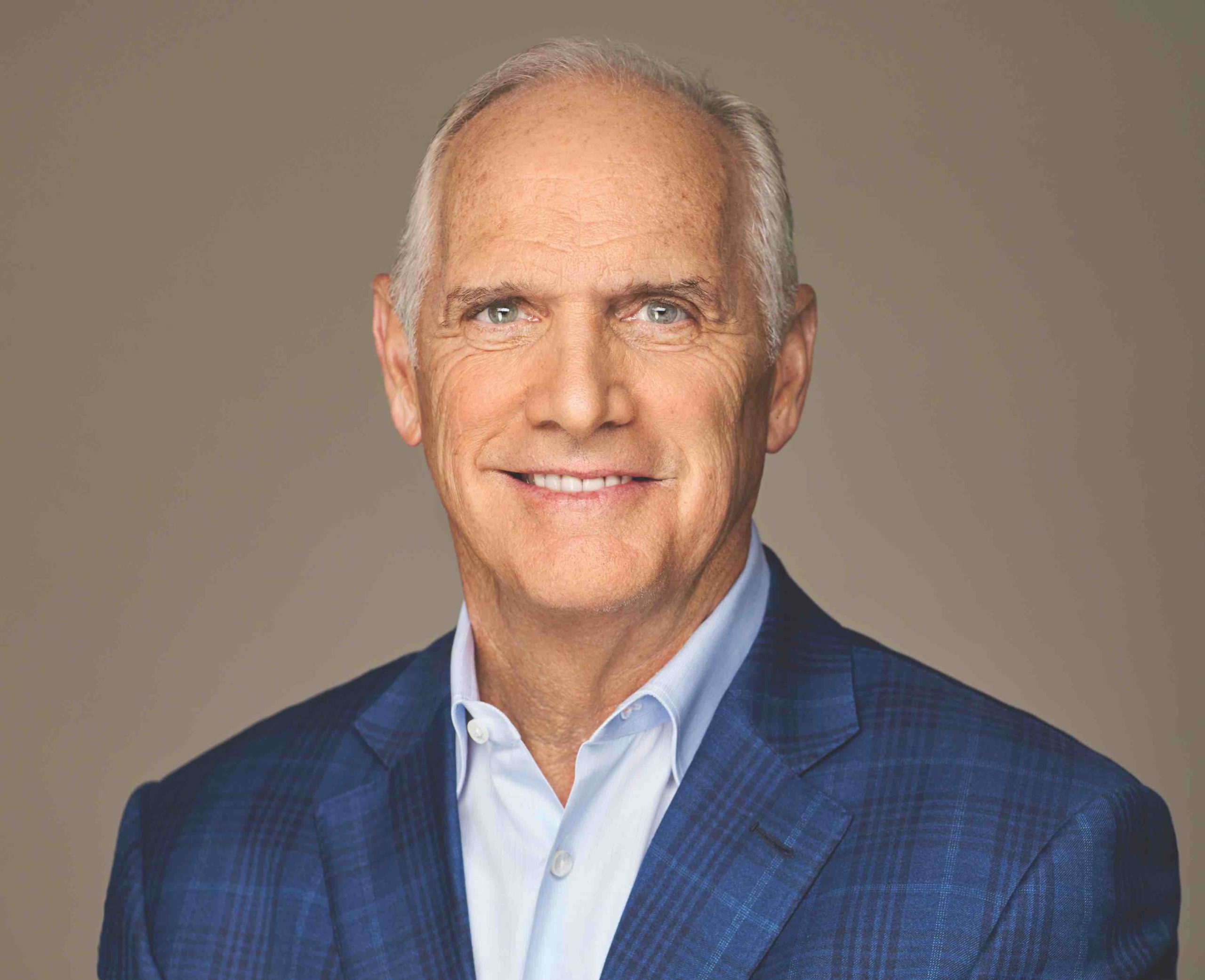
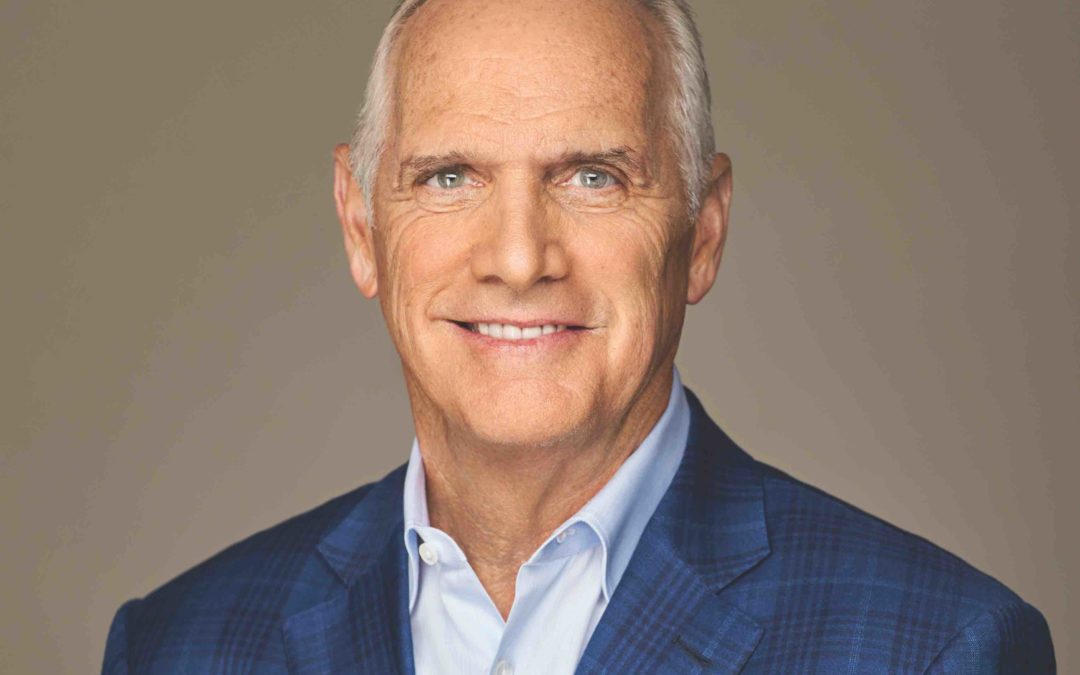
2 min read December 2019 — The business community is responsible in a great way for the environment and success of any city. That is the case of leading health insurance company in the Philadelphia region Independence Blue Cross, which for decades has provided families with health security and stability. Under CEO Daniel Hilferty’s leadership, the company has tripled in size, serving about 8 million people nationwide. Hilferty shared with the Invest: team the company’s recent efforts toward innovation, while also addressing community challenges like the opioid crisis and healthcare affordability. 


 How is innovation transforming the way healthcare is designed, delivered and experienced? 

At Independence, innovation is in our DNA. Our members expect us to keep pace with the latest technologies and innovations. We also want to drive new ways of thinking throughout the region, which ultimately make this a better place to live, work, and play. We are very proud of our role in creating an innovative environment in the Philadelphia area. 

Here’s an example: We foster the innovation process by leading organizations, including our customers, through design thinking sessions, innovation events, and projects that promote out-of-the-box solutions. Now, all this work will take place in the new, state-of-the-art Center for Innovation located at our Center City headquarters on the West Market Street corridor, where our campus is located. The Center for Innovation is a phenomenal two-story space connected by an open staircase that has a very modern feel to it. This amazing physical space matches the strategic focus that we have always put on innovation.

Independence also develops partnerships to create solutions to some of the toughest healthcare challenges. For instance, the technology developed by Quil, our joint venture with Comcast, will change the way that people use technology in their journey to good health. Think about how confusing it can be to go through a medical procedure. What do you do before you go to the hospital? Or when you’re home recovering? Quil is going to lead you through those types of journeys and create a better, and healthier, experience.  

Independence also uses technology, research, and data analytics to help our members get and stay healthy. Take our work with Relay Network, also a national company based in the Philadelphia region. Together, we developed a personalized, HIPAA-compliant mobile communication program called IBXWire. It’s a great way to connect with our members. We send reminders about care gaps and flu shots and the type of information that is important but maybe isn’t at the front of your mind. By using this platform, Independence has created an effective way of communicating that helps members retain control and make better decisions about their healthcare. 

Finally, we celebrate and foster the spirit of innovation in our region. The most recent example is our support of the first ever B. PHL Innovation Festival that took place in October 2019. The festival was designed to build Philadelphia’s reputation as the most innovative city on the East Coast – a true place of choice for people looking to inspire new ideas, make connections, and ignite new ways of doing things.

How is Independence continuing to address crises, such as opioids, and how is it impacting the way that insurance companies do business?

Opioid abuse is the worst drug crisis in American history. At Independence, we are keenly focused on doing whatever we can to reverse this tragedy. Independence was one of the first insurers in the country to restrict first-time, low-dose opioid prescriptions to a five-day limit, except for patients with cancer or on hospice care. We also require prior authorization on all long-acting opioids. And it’s having an impact. We have seen an almost 60 percent decrease in the strength and quantity of opioids used by members with noncancer pain in four years.

We’ve also partnered with other experts to raise awareness and remove barriers, like the stigma of addiction. The Independence Blue Cross Foundation launched an effective public awareness campaign called Someone You Know that features people impacted by the opioid crisis telling their stories. We’re in our second year. Our Independence Foundation has also worked on a regional study to evaluate the effectiveness of “warm hand-off” programs that connect overdose survivors immediately with recovery programs.  


We’ve also worked closely with local, state and national leaders to elevate the importance of this epidemic. We have a moral imperative to end this crisis. People who are suffering are not faceless. They are our family, friends, business colleagues, neighbors. It’s personal.

What are some of the unique challenges and opportunities provided by the Philadelphia healthcare landscape?

People in the Philadelphia area are extremely fortunate to have access to some of the best hospitals and health systems in the country. At Independence, we have a long history of effectively working with area hospitals, doctors, and other healthcare providers, and that collaboration is only getting stronger.

But we have a lot of work to do. A study by the Kaiser Family Foundation found that Pennsylvanians were more likely to report skipping or delaying healthcare, including skipping dental care or check-ups, not filling a prescription, or relying on home remedies and over the counter drugs instead of visiting the doctor, due to cost, compared to other states. The Blue Cross Blue Shield Association identified 10 common health conditions, including hypertension, major depression and high cholesterol, that have the greatest impact on Americans’ quality of life. We need to work to address these fundamental and chronic health problems.   

We can also do better when it comes to containing costs. According to the Pennsylvania Department of Health, our state faces higher healthcare costs without demonstrating higher quality of care than the rest of the United States. 


Healthcare must be affordable. We have to lower the overall cost of care, especially when it comes to prescription drugs. More than 23 percent of every healthcare premium dollar is spent on prescription drugs. To keep prices in check we need increased transparency, competition and consumer choice, and affordable access to generic and biosimilar drugs in a timely and cost-conscious manner. Drug costs are the fastest-growing costs in healthcare, led by injectable drugs. 


To learn more about our interviewee, visit:

IBX: https://www.ibx.com/ 

 

Philly Zoo Embraces the Festive Spirit with LumiNature

Philly Zoo Embraces the Festive Spirit with LumiNature

By: Sara Warden 

2 min read December 2019 — During the Christmas season, electricity usage skyrockets as homes, businesses and local authorities light up the streets with Christmas displays and twinkling lights sure to make even the coldest hearts feel festive. This year, Philadelphia Zoo is getting in on the action with its inaugural LumiNature festival. 


After two years of planning and a $3.5 million investment, LumiNature will take place from Nov. 20 to Jan. 5, featuring 12 immersive displays containing over 600,000 lights inside the zoo’s boundaries. “LumiNature will transform the Zoo from its daytime magic into a winter wonderland, immersing guests in a joyous multimedia light and music spectacular,” said Philadelphia Zoo’s Chief Marketing Officer Amy Shearer in a press release. “We will shine a light on the world’s elusive big cats and flamboyant peacocks, …all through the artistry of lights, media, sound and nature itself.”

Tickets start from a very affordable $19 for the night tour of the zoo while the animals slumber, where guests can see, among other displays, “lit flamingos … on their own 25-foot tree, a 35-foot polar bear made out of 23,000 pounds of recycled car doors … and all four seasons,” according to Shearer. The event, presented by JP Morgan Chase, promises 200 festively lit penguins, 45 completely custom LED light structures and a 21-foot snake. “LumiNature is set to be the most unique and memorable holiday-season light extravaganza in the entire Philadelphia and tri-state region,” added Shearer.

The intention is for LumiNature to be an unmissable family experience each year at Christmas. The event is also expected to attract visitors from out-of-town, just to see the fantastical light and sound show. Hilton hotels partnered with the event to offer Hilton Honours Members a special gift when attending LumiNature.

Hot chocolate and mulled wine will be on offer to guests as they stroll through the zoo, admiring the 12 difference displays. Here’s what the event organizers say guests should expect:

  • Wonder of Slumber: A beautiful and dreamy setting of lit orbs and giant illuminated flowers.
  • The Dreamery: A wishing well of sorts with a wave of the hand, bubbles, lights, and steam.
  • Snake Awake: Slither through brilliant purples, blues and greens as a giant snake slithers along beside you…
  • Frog Fantastical: Color washes throughout the trees and water-like images appear on the path before you.
  • Color me Chameleon: A kaleidoscope of color fills this festive plaza inviting guests to shop for their favorite light up items at the Zoo’s very first glow bar.
  • Big Cat Stalk: As you meander through this path of tall illuminated ‘grass’, the stalking eyes of these frisky felines will appear and disappear making you wonder if you are what they are dreaming of.
  • Evergreen Dreams: Situated in this lovely outdoor hang out are some surprising trees that come to life as they sing and welcome you to LumiNature.
  • Seasonbration: Spring, Summer, Winter and Fall all have a point of view that comes to life via lights, music, and special effects.
  • Northern Lights: A 35-foot polar bear named Polaris made entirely from white recycled car doors transforms into a gigantic screen that shares the magnificence and diversity of our planet. 
  • Flamingo Fancy: Guests will be surprised as they walk along brilliantly lit 8-foot pink “flamingos” when they encounter the most whimsical tree within LumiNature: a 25-foot beauty made entirely of lit flamingo lawn ornaments!
  • Peacock Spectacular: Standing before giant, lit peacock feathers, people can get the most unique holiday picture of the season. 
  • Penguin Peace on Earth: Hundreds of illuminated penguins will fill the zoo’s lawn to bid guests farewell and wish them a very special holiday season in true zoo fashion.


To find out more, visit:


https://philadelphiazoo.org/luminature/

Public and Private Collaboration Key to Camden’s Eds and Meds Corridor

Public and Private Collaboration Key to Camden’s Eds and Meds Corridor

By: Yolanda Rivas

2 min read December 2019 — The life sciences industry is one of the fastest-growing industries in New Jersey, with the largest concentration of scientists and engineers per square mile in the world. The southern New Jersey region is no exception, with Camden’s “eds and meds” corridor boasting numerous healthcare, educational and research institutions.

The city’s eds and meds corridor has been experiencing steady growth over the last few years, thanks to the commitment of anchor institutions and the city’s leadership. According to Cooper’s Ferry Partnership statistics, the corridor employs almost 40% of the Camden workforce and over $1 billion has been invested in the “eds and meds” sector, with an additional $175 million planned. 

Created in 2012 by the New Jersey Medical and Health Sciences Education Restructuring Act, the Rowan University / Rutgers – Camden Board of Governors has been a catalyst in the corridor’s extension and economic development. In October, the board reached a milestone with the opening of the new Joint Health and Sciences Center, which provides lab and training spaces for Rowan University, Rutgers-Camden and Camden County College. 

“By leveraging the power of these institutions, the Center is poised to become the research and innovation hub of South Jersey. This campus will be the beating heart of Camden’s eds and meds corridor, injecting opportunity, growth, and innovation throughout the entire region,” said  Joint Board CEO Dana Redd in a press release. 

The center houses research laboratory spaces for both Rowan and Rutgers-Camden, simulation rooms for medical students at Cooper Medical School of Rowan University, instructional space and additional simulation labs for Camden County College, and office space for the Joint Board, according to the press release. The center will help expand the city’s transformation into a hub for medical research and innovation and attract top talent into the region. 

Camden’s “eds and meds” corridor growth is also due to the numerous partnerships between healthcare and education organizations in the area. These community collaborations and initiatives have helped combat social determinants and support local residents. For example, Camden residents now have expanded access to care as a result of efforts by institutions such as Cooper University Health Care, Virtua Health System, CAMcare Health Corporation and Camden Coalition of Healthcare Providers.  

The Coriell Institute for Medical Research, an independent, nonprofit biomedical research center, has been a leader in Camden’s health sciences sector. The institute hosts one of the world’s leading biobanks, distributing biological samples and offering research and biobanking services to scientists in 85 countries around the globe. By conducting groundbreaking research in biobanking, personalized medicine and stem cell biology, the Coriell Institute has been and continues to be a main driver of the corridor’s growth.

Another example is the MD Anderson Cancer Center at Cooper, which has also significantly contributed to Camden’s eds and meds corridor since its opening in 2013. The center not only brought a new option for cancer patients across the region, but its innovative clinical trials and research has helped Camden’s reputation as a hub for groundbreaking healthcare research and education.


To learn more, visit:

Cooper’s Ferry Partnership: https://coopersferry.com/  

Rowan University / Rutgers – Camden Board of Governors: https://rurcbog.com/ 

Coriell Institute for Medical Research: https://www.coriell.org/ 

MD Anderson Cancer Center at Cooper: https://www.mdanderson.org/about-md-anderson/our-locations/md-anderson-at-cooper.html 

Spotlight On: Douglas Zaren, CEO, Memorial Regional Hospital South

Spotlight On: Douglas Zaren, CEO, Memorial Regional Hospital South

By: Max Crampton-Thomas

2 min read December 2019 — As the population continues to grow, the need for specialized healthcare follows suit. For Memorial Regional Hospital South, the focus is on being able to adapt and grow areas that will benefit the future of post-acute care. Invest: spoke with CEO Douglas Zaren about how the hospital is adapting its practices to meet increased demand while also being open and flexible when it comes to adopting new technology into the hospital. 


What differentiates Memorial Regional Hospital South from the other hospitals in the region? 

As the home of the Memorial Rehabilitation Institute, Memorial Regional Hospital South is made unique by our focus on post-acute care. One of our rehabilitative programs is Determination Drive, where we have created a community with an ATM, grocery store, library, park and a MINI Cooper. We use these environments to help patients re-learn different skills in realistic scenarios. By practicing everyday tasks under the supervision and guidance of our therapists, our patients will be ready to leave our hospital with confidence. We also take pride in our Adaptive Sports program, which helps our disabled patients reach their maximum potential. Different activities, such as wheelchair basketball, adaptive bowling and adaptive cycling help our patients gain confidence as they adapt to life with a disability. Our patients are the center of all that we do, and we strive to help them recover both physically and emotionally. 

As the population in Broward County continues to grow, how is the hospital preparing for the increased demand? 

As our population grows, it is important for us to be able to adapt and grow the areas that will be necessary for the future of post-acute care. This need to adapt is further exacerbated by pressures to provide more efficient care. As a result, we focus on the entire continuum of post-acute care, going beyond inpatient rehab to outpatient rehab, home health and Memorial Manor, our Skilled Nursing Facility. By expanding the capabilities to these providers, more patients are able to receive appropriate care. An example of this dedication to growth is the expansion of our electronic medical records technology to Memorial Manor, which will allow the caregivers to easily see the patient’s medical history. Our expansions of outpatient rehab and home health services allow more patients to receive care outside of the hospital setting, in the comfort of their home and on their schedule. Finally, our continued focus on excellent quality in our hospital still gives those patients with higher needs the care they need through our inpatient rehabilitation services, 

How are you implementing new technology to better serve your patients and physicians. 

Technology is advancing rapidly in all aspects of life, including patient care. We have a strong commitment to leverage this expanding technology to provide our patients with the most modern and innovative care in the market. An example of this is our recent acquisition of a C-mill treadmill, which utilizes virtual reality technology to simulate realistic environments for patients. This allows patients to get acclimated to walking in environments they would see outside the hospital, while still being in a safe, monitored situation. In addition, we help our patients become accustomed to using technology in their everyday life. By training our patients with an Amazon Alexa smart home system, they will be able to use these tools in their homes after discharge to help with tasks, such as turning on the lights and controlling the TV, that may be difficult for them as they continue their recovery. 

For more on our interviewee, visit:

https://www.mhs.net/locations/memorial-south

Philly Bets Big on Biotech

Philly Bets Big on Biotech

By: Sara Warden

2 min read December 2019 — The biotech industry is unlike almost any other. Companies spend billions of dollars in drug development that can end in failure, generate little to no revenue but can still be worth billions of dollars. According to Toptal Finance, almost 80% of the companies listed on the Nasdaq Biotech Index (NBI) – around 150 – have no earnings, but they represent over $250 billion in market capitalization.

The average venture investment in biotech has more than doubled over the past decade, from $4.6 billion in 2005 to $12.9 billion in 2015. Why? Because when a biotech company wins, it wins big. And Philadelphia is one of the cities channeling its energies into attracting biotech investment.

“In general, we are punching below our weight,” said Dean Miller, the president of the Philadelphia Alliance for Capital and Technologies (PACT), during the Regional Biotech Conference hosted by the Pennsylvania Biotechnology Center last month.

In 2018, Philadelphia made it into the Top 10 ranking in the country in terms of most venture capital deals completed with 214, amounting to around $1.4 billion. During the first nine months of 2019, the number stood at 178. About 80% of VC is from other regions, said Miller, but “that’s not a big thing because capital is portable,” he added.

But Miller believes the $50 million Hatch BioFund life science incubator, established in July, will turn that trend around and allow Philadelphia-based companies to invest more in life sciences. “Entrepreneurs selected for the investment program will have the opportunity to be part of a highly successful ecosystem of support, resources, collaboration and knowledge sharing. We have tremendous talent and knowledge in our network, and are excited to bring the ideas and science that are incubating to the forefront of the life sciences industry,” said Vladimir Walko, CEO of Hatch Management, in a press release.

Another factor that boosts the sector is the fact that more and more companies are moving to the city daily as they can see the benefits it provides as a biotech hub. The latest to move to Philadelphia is Diverse Biotech, a biopharmaceutical company developing cannabidoil therapeutics for hard-to-treat cancers, including basal cell carcinoma, pancreatic cancer and glioblastoma.

The Pennsylvania Biotechnology Center, which opened in 2006, is one of the primary reasons why the company decided to make the move. Already home to a network of around 50 biotechnology, pharmaceutical and medical devices companies, Stella Vnook, Diverse Biotech’s CEO, said in an interview with the Philadelphia Business Journal that the center is “truly a tremendous scientific community and a perfect place for Diverse Biotech to continue its growth journey.”

Bradley Campbell, president and chief operations officer of Philadelphia-based Amicus Therapeutics, said innovation, talent and like-minded companies make the city one of the best places to set down roots for biotech companies. “We could’ve gone to Silicon Valley or to Cambridge, anywhere in the world really, but it was clear to us that we needed to be near the momentum, that spark of innovation, the entrepreneurship, the acquisitions, the medical centers — Penn, Temple, and Drexel, all right here in Philadelphia,” he told Philly Mag. “Being in proximity to so much innovation has been amazing for us.”

To learn more, visit:

https://www.toptal.com/finance

https://philadelphiapact.com/

http://www.pabiotechbc.org/

https://hatchbiofund.com/

https://diversebiotech.com/

https://www.amicusrx.com/

Spotlight On: Dr. Winnifred McPherson, Director & CEO, Virtue Medical Staffing Services, LLC

By Max Crampton-Thomas

July 2019

2 min read  — The staffing industry is a multi-billion dollar market that quite often flies under the radar, but its impact and contribution to the overall economy should not be understated. With almost 17 million temporary and contract employees being hired by American staffing companies, this industry is vital to not only a sustainable economy but also to the country’s growing workforce. Staffing companies service a variety of markets including I.T., advertising, and perhaps most important healthcare. 

Although they are a relatively new staffing agency in the market, Broward County based Virtue Medical Staffing Services LLC has big plans to quickly expand their footprint within South Florida’s healthcare industry. Invest: Greater Fort Lauderdale spoke with Dr. Winnifred McPherson, CEO of Virtue Medical Staffing Services LLC and discussed the keys to success and plans to expand within the staffing industry.  

What is the key to success in the staffing industry? 

“In this type of business you have to have employees who meet the demands of your clients, and because the unemployment rate is so low in South Florida for medical professionals, we have to find these quality candidates wherever we can. We cannot be confined to only looking for those who have years of experience, and we must look to our recently graduated or graduating students in the area. As a staffing agency, we do not ever like to say that we do not have anybody for a position. We try our best to be proactive in making sure there is always a candidate ready to go.”

How do you plan to grow your business into the future? 

“We hold two licenses that let us service a larger audience. The first is a nurse registry license that allows our employees to work in Broward and Palm Beach counties, both in medical facilities as well as homes. Then we have a Health Care Services Pool license that allows us to work anywhere in the state of Florida but only in a facility. Our plan is to keep expanding further north, and the Health Care Services Pool license will allow us to do that. To be successful in staffing, we have to be both flexible and have the ability to work anywhere that has demand.”

Where are you currently finding the most demand for your services? 

“Right now, the majority of our demand is in elderly care. We have corporate hospice clients, so a large portion of our business and workforce is in hospice care. We are striving to attract both corporate and private clients. Private clients will normally require full-time care because they may be living alone or with a family member who cannot be home all the time to take care of them. We also target senior living communities, and we will speak with these homeowners associations to let them know that we are an asset they can depend on.” 

To learn more about our interviewees, visit their websites:

http://www.virtuemedicalstaffing.com/