Spotlight On: Daniels Ikajevs, Chairman, The Ring Workspaces

Spotlight On: Daniels Ikajevs, Chairman, The Ring Workspaces

Writer: Max Crampton-Thomas
2 min read October 2019 — As the need for office space continues unabated, innovative solutions like coworking spaces are rising to fill the gap. One such coworking space is The Ring, which is a state-of-the-art co-working space with an emphasis on health and wellness. It is based in Downtown Clearwater. The Ring held its grand opening on April 26 and is home to over 70 companies across the Tampa Bay area, with about 110 people coming to the space on a daily basis. Invest: spoke with Daniels Ikajevs, chairman of The Ring Workspaces, about his innovative approach to office space, its collaboration with Harvard University and why Clearwater is the perfect location for The Ring Workspaces. 

Why was it important to construct The Ring to WELL standards? 

WELL standards are still fairly new, but they are becoming more commonplace. There is some similarity with LEED building standards, but WELL is more human-centric, and it looks at what is important for people inside the physical space, such as quality of the air, nutrition inside the space, access to daylight, biophilia and other health and wellness-related aspects. It also focuses on everything that LEED emphasizes, like quality of the materials, energy efficiency, and so forth. There is only one WELL-certified co-working space in the world and that is in Boston. We are in the process of getting our certification, and unlike in Boston where they have silver-level certification, we are going for the platinum level. 

What are some ways The Ring is working to help promote and foster the startup and tech ecosystem in the region? 

One of the ways we are doing this is through a collaboration The Ring entered with Harvard University T.H. Chan School of Public Health to pilot their innovation and sustainable technology program in Tampa Bay. This will be the first U.S.-based location for this program. It will happen over the course of two years, and will consist of a first and second round in which the university professors will teach young startups how to bring their ideas into reality. They will provide a blueprint on what investors are looking for when they go out and try to raise money. At the end of the program, people who are successful in funding their ideas will receive a certificate of completion from Harvard University T.H Chan School of Public Health. 

How is Clearwater the perfect match for a coworking space like The Ring?

When we were looking at locations for The Ring, we looked at what makes Clearwater a more attractive market for startups. Clearwater offers lower real estate costs in comparison to similar Tampa and St. Petersburg markets. We are geared more toward the startup culture, and because the cost of doing business in Clearwater is less than anywhere else in Tampa Bay, we thought we could use this environment to attract more startups. As a startup you try to save money every step of the way until you reach the maturity stage of the business, so real estate is one of the biggest values that Clearwater can offer. The overall business environment in Clearwater is also in line with the four principles of The Ring, which are health, innovation, sustainability and productivity.

What does the future of coworking spaces look like? 

Coworking spaces will continue on an upward trend, especially as more startups emerge all around the Tampa Bay region. In this fast-moving business environment it is very difficult for these startups to predict the amount of space they will need in the near future, so coworking spaces like The Ring that offer flexible memberships where these businesses can upgrade or downgrade with ease are a huge benefit. Flexibility is key for startups, which is why big players in the coworking space, like Spaces, are expanding quickly to address the growing demand. It will also be interesting to see how the coworking concept works in a down market, as this has not been properly tested yet. There is no doubt in my mind that there will be a down market in real estate in the near future, so we will pay special attention to see how this market adjusts and operates when this happens. 


To learn more about our interviewee, visit: 

http://theringworkspaces.com/


Spotlight On: Brian Katz, CEO & Founder, Katz Capital

Spotlight On: Brian Katz, CEO & Founder, Katz Capital

Writer: Max Crampton-Thomas

2 min read October 2019 —There has never been a more perfect time to invest in Tampa Bay then the present. With seemingly all sectors of the economy in expansion mode, it is not a surprise that both foreign and domestic investment has been streaming into the Bay area at a rapid rate. Invest: Tampa Bay spoke with Brian Katz, the CEO and founder of Katz Capital whose business is headquartered in Tampa Bay  and focused on investing in the real estate and financial services sectors. Katz covered the advantages of being headquartered in the region, keeping his company’s growth sustainable and what makes Tampa Bay resilient in the face of real estate market changes.  

What makes Tampa Bay a conducive environment for your business? 

From a pricing standpoint, although nationally we are in a low interest rate environment, Tampa relative to Orlando, South Florida or places like Atlanta is still an affordable market. My personal feeling is that we are soon going to have negative interest rates. Six months ago, the collective mindset was that we would be in a rising rate environment, but that is simply not the case. A good analogy for what Tampa Bay is in terms of the scope of the market is that the region is a value stock. As a real estate and financial services private equity firm, this is a really great time for us to be in this market.

How does a business like Katz Capital sustain its growth in Tampa Bay’s business environment? 

Our various businesses employ different investment strategies for us to be able to remain sustainable. When I think of being an investor, I view the business world in terms of hunting and farming, so psychologically I am more of a farmer and all of these businesses are my crops that I can reap the benefits of on a regular basis. The problem with a hunter mentality is you can get the big kill, but it can be a long time before getting another kill, which is risky. To remain sustainable in this business environment, it’s better to diversify your business so that you’re not reliant on one source of income.

How susceptible is Tampa Bay to fluctuations in the real estate market? 

The fact that real estate pricing in Tampa is still relatively attractive versus other markets, I believe insulates Tampa Bay to a degree from real estate sector cycles and general market cycles. This is the opposite of South Florida, where there tends to be more dependency on these market cycles. When the South Florida market is hot, there is tons of money pouring in and prices push up. Although it’s increasingly on investors’ radar, Tampa Bay still has a lower modulation in these cycle waves. The big concern is that asset values keep rising. If we look at real estate development in the region, land values are up, labor costs are up and material prices are up. That means to achieve the same return for the amount of risk an investor is taking, you have to raise the exit price. This is going to be one constraint that Tampa Bay is going to face, and will have to figure out how to navigate that. 


To learn more about our interviewee, visit:

https://katzcapital.com/

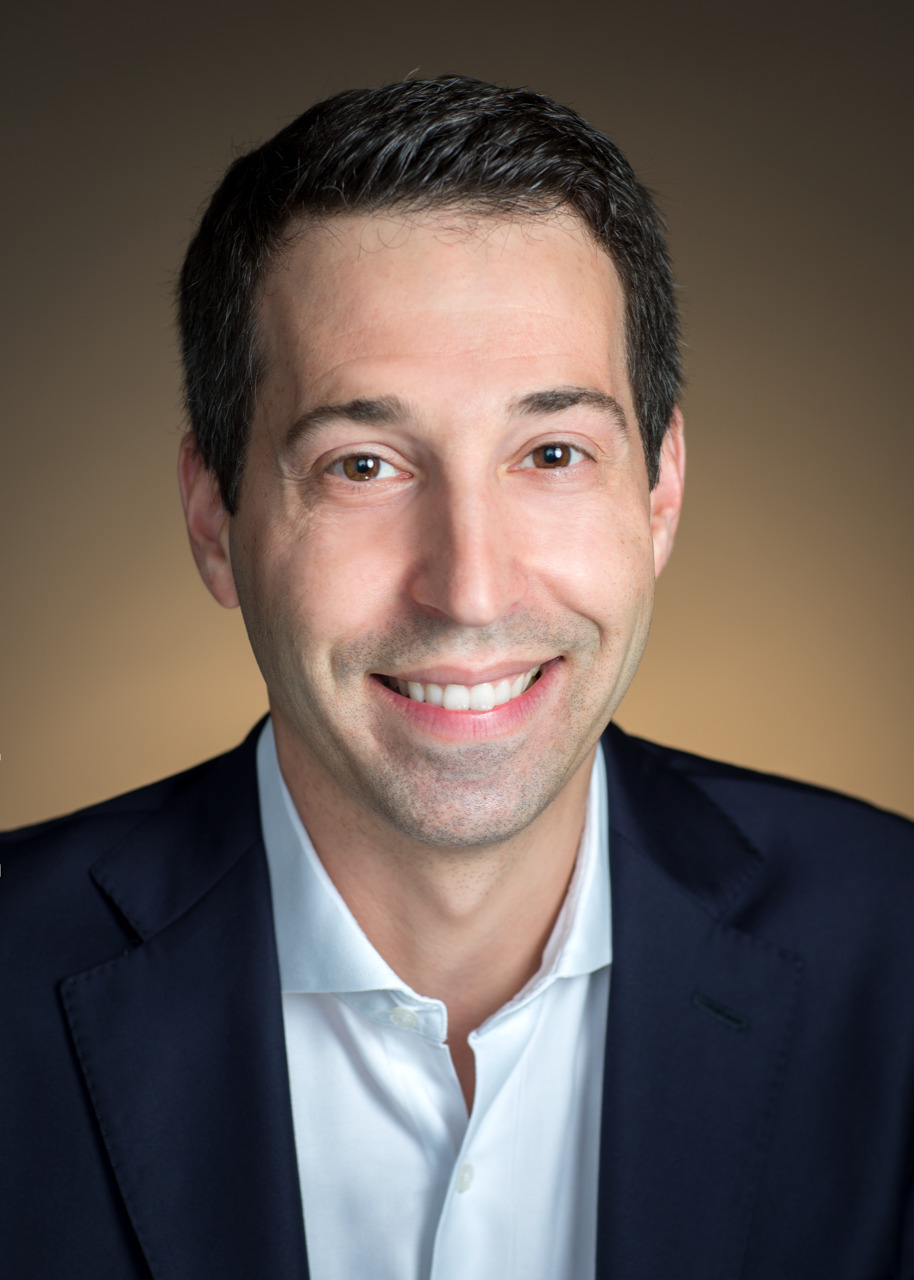
Spotlight On: Mark Hardy, Vice President & Regional Manager, Universal Engineering Sciences

Spotlight On: Mark Hardy, Vice President & Regional Manager, Universal Engineering Sciences

Writer: Max Crampton-Thomas

2 min read August 2019 — Growth in the Tampa Bay construction industry has not only benefited construction and real estate development companies in the area, it has also been a massive plus for engineering firms. Quality development and construction is dependent upon the availability of highly professional and proficient engineers, and demand can quickly outweigh supply. Invest: Tampa Bay recently sat down with Mark Hardy, vice president and regional manager for Universal Engineering Sciences’s Tampa Bay office. Among the many topics covered, Hardy discussed the growth in demand for building inspection services, a growing focus on environmental sustainability and what the next year will hold for his office.

Which of your services are seeing the most growth in demand? 

We are seeing tremendous growth in demand for our building inspection services. A new law signed by Gov. DeSantis, allows companies like ours to provide plan review and inspections that municipalities would normally conduct. While the private provider option has been available since 2002, the new law reduces the time frame and cost that this would normally entail. As a private firm we can help accelerate the process during a time when municipalities are overwhelmed.


How much of a focus is environmental sustainability to your clients? 

As new projects get underway, they are hitting some roadblocks because they are infringing on wetlands. We have hired an individual who specializes in wetlands and endangered species so we can better assist clients in finding the balance between being able to do a new development and still remain cognizant of those environmental areas. Another area where we are seeing a lot of expansion is renewable energy projects, like solar farms; we are getting frequent calls to provide expertise on how to get them planned and constructed.


What does the next 12 months look like for your office? 

We have a lot of projects on the books that haven’t started yet but are on the horizon for the new year. This includes a new performing arts center and new contracts with Pasco County Schools, Hillsborough County Public Schools and Hillsborough County for infrastructure improvements. This year, we surpassed 100 employees at this office and we will look to build off that momentum. The remainder of 2019 and 2020 are shaping up to be really great years for the company.


To learn more about our interviewee, visit:
https://universalengineering.com/

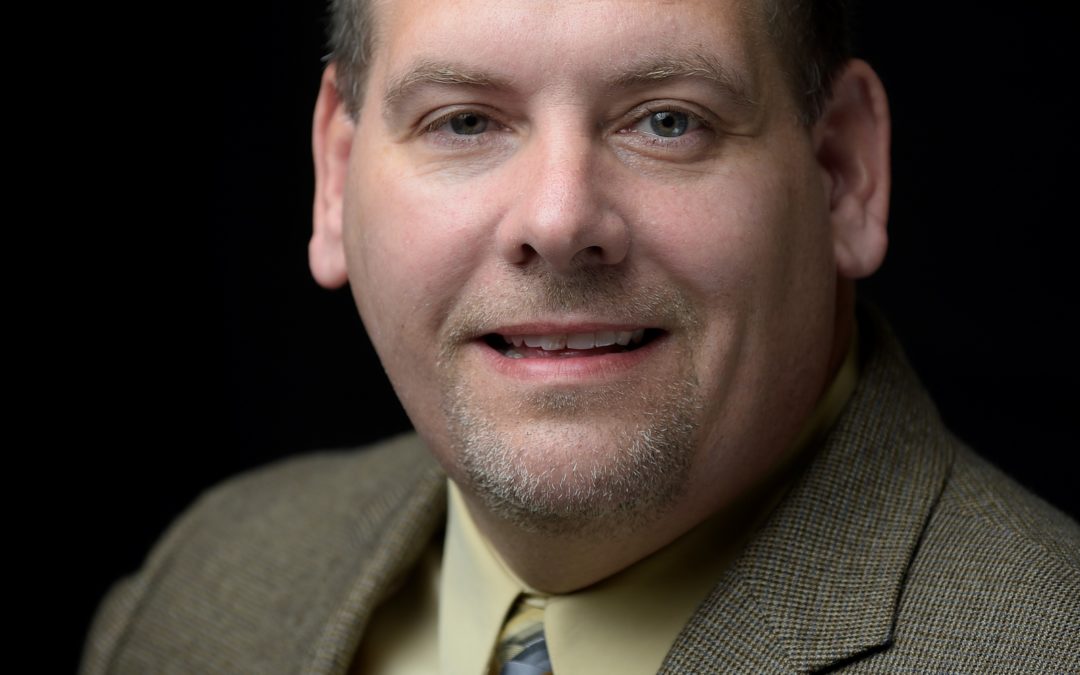
Spotlight On: Brian Kornfeld, President and Co-Founder, Synapse

Writer: Max Crampton-Thomas

2 min read August 2019 — The growth of Tampa Bay’s entrepreneurial ecosystem is a testament to the boom of innovation, collaboration and economic rise that the region is experiencing. The key to keeping this growth sustainable comes down to multiple factors, including attracting more venture capital into the region, improving connectivity between startups and the continuous marketing of Tampa Bay as the place to start a business. One of the leading forces behind Tampa Bay’s entrepreneurial ecosystem is a nonprofit 501(c)(3) organization known as Synapse. Invest: Tampa Bay recently sat down with President and Co-Founder of Synapse Brian Kornfeld to discuss how the organization is attracting and retaining quality talent, how their program Synapse Connect will help to improve connectivity between entrepreneurs, the key to attracting more venture capital to Tampa Bay and the challenges still facing the startup community.

How is Synapse working to help retain quality talent in the Tampa Bay workforce ecosystem?

Talent is one of the most important focus areas for Synapse because talent attraction and retention in Florida are vital to our future. Synapse helps to tell the top stories of growth and success on a statewide and national level. This helps to ensure people know about all the great things happening in Tampa Bay. We enable connections between talent, startups, and companies through our Synapse Summit, Synapse Challenges, and the Synapse Connect digital platform. By enabling the right stories and the right connections to take place, people can truly see a bright future in Tampa Bay.

How is Synapse Connect helping to connect entrepreneurs and bring their ideas to life?

When we first started Synapse, the idea was this platform that has become Synapse Connect. The thought of running a conference was not even on our radar, so it is interesting that our conference is what we are now best known for while Connect is still up and coming. The goal is that in the future Synapse Connect will be at the center of Florida’s innovation community. It will be the logical first step when somebody joins the innovation community, so they can find what they need or share what they have. We feel it will be vital because the geographic regions in Florida are so separate. If we can shrink the state virtually than we can help people find the right resources no matter where they may be physically located. 

What is the key to attracting venture capital to Tampa Bay?

Steve Case, founder of AOL, noted that 75% of venture capital is spent in San Francisco, New York, and Boston. That is three markets receiving 75% of all available venture capital in this country, while the state of Florida only sees 3% of all venture capital. One of the main reasons we do not see more venture capital across the state is because we do not have the volume and critical mass of startups quite yet. This will change in Florida as we are starting to see more people rapidly getting into the startup and innovation worlds. As more quality companies build and grow, we will see more money put to work.  Organizations like Florida Funders are doing a great job as the leading edge and thinking differently on investing, helping to enable and encourage more of the state’s accredited investors to get involved.

What is the most notable challenge facing the startup and entrepreneurial community in Tampa Bay?

Part of the challenge with the startup community in Tampa Bay is trying to find our identity. We are pretty wide in terms of the different industries that we are trying to service, but we need to focus our efforts on being great in just a couple areas. This will allow us to be an inch wide and a mile deep. We have core leading industries, such as cybersecurity, digital health, and financial tech. We need to continue to play to our strengths. Startup companies also need to be educated on how to build for a customer’s needs, to solve a problem and learn how to create a product better than their competitors. After these companies have mastered this, then they can learn how to grow and scale. 


To learn more about our interviewee, visit:
https://synapsefl.com/

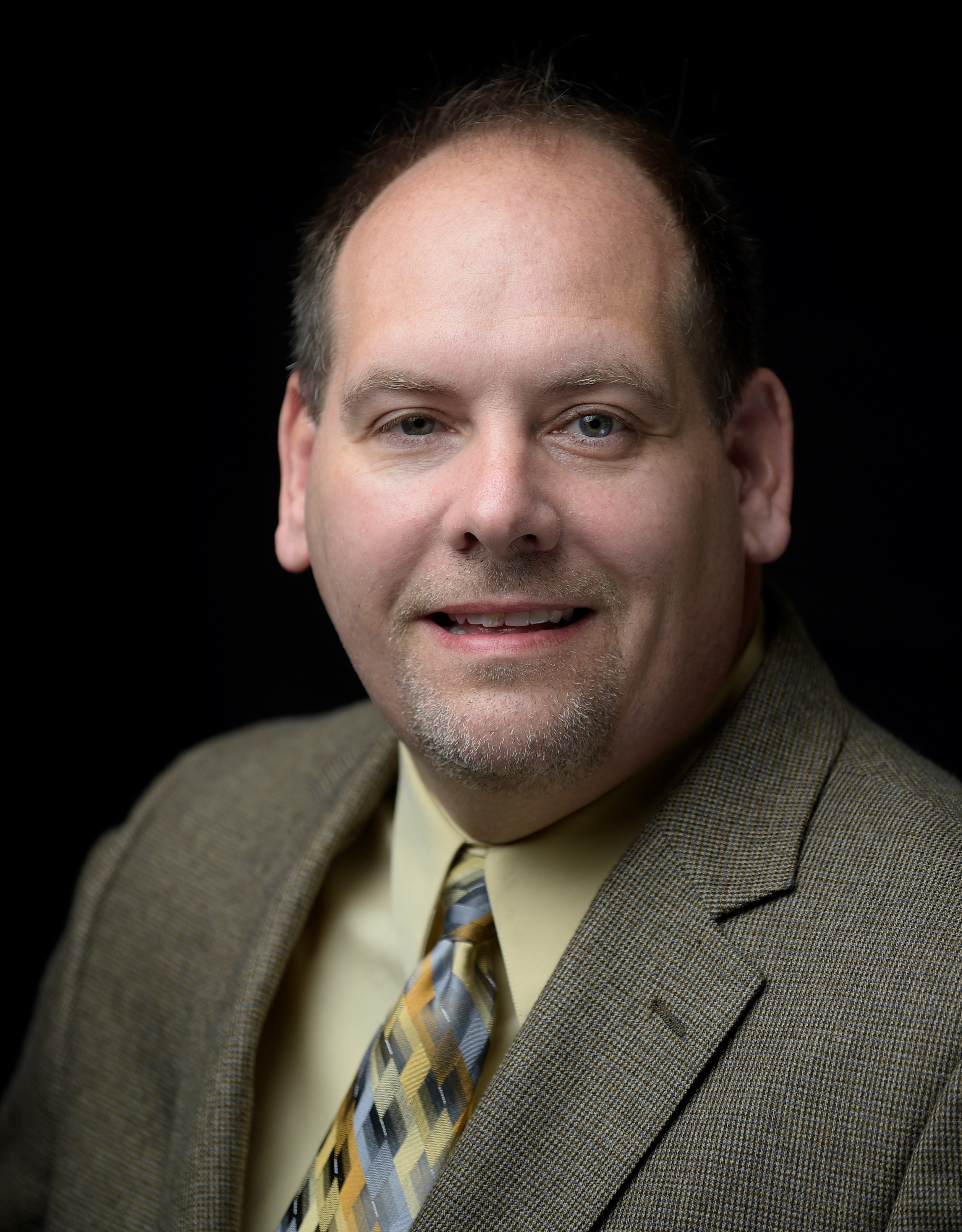
Spotlight On: David Gwynn, District Seven Secretary, Florida Department of Transportation

Writer: Max Crampton-Thomas

2 min read July 2019 — Challenges with transportation, traffic and transit options are not new issues for the Tampa Bay region. As the area continues to make strides in its economic and population growth, there is a heightened emphasis on finding solutions. Invest: Tampa Bay recently sat down and discussed these issues with David Gwynn, District Seven Secretary for the Florida Department of Transportation. Gwynn spoke about how FDOT is working to mitigate these challenges, enact forward-thinking initiatives and his outlook for transportation in Tampa Bay for the next year.

What is the biggest initiative for Florida Department of Transportation in District 7? 

We have been working on a program called Tampa Bay Next. Over the last two and a half years, we have had hundreds of public meetings with big and small interest groups, elected officials and general members of the public, which we used to gather some great input. A key issue that we identified was transportation. Although we recognize that our interstate needs some work, there are other areas, like the downtown interchange, where infrastructural improvement would have a pretty massive impact on the surrounding neighborhoods. As a result, we are focusing on ways we can improve transit and intersections in those areas to help make them safer, while also not requiring a significant expansion of the highway footprint.

How are you working to mitigate the traffic issues in the region? 

We have come to the conclusion that simply widening and continuing to build more roads is not going to completely mitigate this issue. We have shifted our efforts to also look at multimodal solutions, like the streetcar system in downtown Tampa. Until last year, it was underutilized, but we recognized that this could be a good part of a transit system. The question was how to make it more attractive for people to start riding it. What we found was because there was not a lot of local money to fund it, it was only running from 11 in the morning until 8 at night. We were able to get a grant to allow the streetcar to run from 7 in the morning until 11 at night and on a more frequent basis. The ridership has since tripled, and that is important because we now have a strong case for the federal government to invest in expanding that streetcar system further out into Tampa Heights. If we can get federal funding, they will put 50% of the cost in, the locals put in 25%, and then our department covers the last 25%. 

What is the outlook for the transportation sector in Tampa Bay for the next year?

The passage of the sales tax in Hillsborough County was a big step forward because the local money allows us to do things with state and federal matching money. We will start to see an increased frequency of buses, better stations and more opportunities to expand the systems. On the highway side, we continue to build road and safety improvements. Four hundred of our signalized intersections that had the highest number of crashes are in the process of receiving new LED lighting that will illuminate these intersections at night much better than they have been. We are going to start the Howard Frankland Bridge project, and the Gateway Expressway will probably be completed in another two years. 

To learn more about our interviewee, visit:
https://www.fdot.gov/home

No Stopping Tampa Tourism Rocket

Max Crampton-Thomas

2 minute read July 2019 — Quite often when the city of Tampa Bay is mentioned it is in the context of how rapidly the area is growing both in population and economically. The boom Tampa Bay is experiencing can be attributed to a great many things, including a bustling tech sector, a revolutionary healthcare market and first-class educational institutions. Perhaps most influential in all this growth, however, has been the economic rocket that is the city’s tourism sector. Tourism in Tampa Bay has steadily risen year after year, and with events like Super Bowl LV and Wrestlemania 36 on the horizon, that trend shows no signs of slowing down.

The spike in tourism to the region has not been by chance. Rather, it can be attributed to the focused and deliberate efforts made by local businesses, government and community organizations. Invest: Tampa Bay recently spoke with Santiago Corrada, the president and CEO of Visit Tampa Bay, about the record year the city had in 2018. “We had an incredible end to the 2018 calendar year. It was another record-setting year for hotel revenue, which is phenomenal given that we have had record-setting years every year since 2014. We ended 2018 at $673.5 million in hotel taxable revenue, which was almost 5% higher than the previous year at $644 million. This is important for us because anytime a county hits $600 million in taxable revenue, it is granted the designation of a high-impact tourism destination. We have been able to reach that designation for two years in a row, and this year was even more important because our county commission just approved a rise in the tourism tax from 5% to 6%, which is the highest that any county can collect.” The growth in tourism throughout Tampa Bay also has a spillover effect. As demand increases and new attractions open they bring with them fresh job opportunities for local residents.

To sustain momentum and build on these milestones, Corrada says that attracting new hotels to the city makes sense. “There are certain big-name, five-star brands we do not have in Hillsborough County, and as the business plan makes sense to add these properties then we will. These new properties will yield different business groups and markets for the region. We have to continue to capitalize when we have an opportunity to expand our reach, refresh our brands and to always have something new to bring visitors back,” Santiago told Invest. “That’s why new developments like the Tampa Riverwalk are so important, why food halls are so important and why Busch Gardens updating and adding its roller coasters is significant because it gives people a reason to want to come back to Tampa Bay. Sustainability in this industry has to do with still being aggressive and still going after it.”

Tampa Bay is quickly becoming a premier, must-visit destination in Florida. Tourism in the city of Tampa Bay shows no signs of slowing down, and due to the efforts of organizations like Visit Tampa Bay will likely reach new heights in 2019. 

To learn more about our interviewees, visit their websites:

https://www.visittampabay.com/