How the hospitality industry is staying afloat during the flash recession

How the hospitality industry is staying afloat during the flash recession

By: Beatrice Silva 

2 min read FORT LAUDERDALE — The hospitality sector is a vital factor in South Florida’s economy. Around 1.3 million Floridians have jobs related to the tourism industry, which contributes $85.9 billion of the state’s GDP, according to A Banner Year for Florida Tourism Performance. On April 1, Gov. Ron DeSantis issued a statewide stay at home order that forced nonessential businesses like restaurants, hotels and shopping centers to close their doors. Within days of the shut down, an estimated 1.2 million people lost their jobs and more than 1.5 million unemployment claims were filed, according to the Florida Department of Economic Opportunity.

 Although Broward County is a few weeks into phase one of reopening, uncertainty still looms. However, it has become apparent that the hospitality industry is doing everything in its power to stay afloat during the flash recession. The hospitality industry has endured a difficult four months and although it is making strides, no one knows how long it’s going to take for it to make a full recovery. 

Many industry leaders speculate that normal life won’t resume until a vaccine for the virus is discovered and easily accessible to the masses. The pharmaceutical industry indicates that a cure for COVID-19 could take years. In the meantime, businesses are having to come up with innovative ways to stay profitable. Unlike other sectors of the economy like technology and banking, the hospitality industry relies heavily on face-to-face interaction and physical guest services. “The hospitality industry will have to learn to function in a way not seen before. As the relationship between each brand and consumer starts by building trust, regaining customer confidence will be the first step in overcoming the crisis. Strict sanitary and hygiene measures will need to be applied, with new practices put in place to monitor and control the environment in which the business takes place,” Hassan Djeebet, food and beverage manager for Les Roches Marbella told hospitalitynet. 

Being transparent with guests will become even more important during the transition into a post-pandemic world. Managers will have to make their workers feel just as safe as their customers to ensure an overall positive guest experience. Although Broward County is just a few weeks into its phase one reopening plan, restaurant owners have noticed more and more people venturing out to indulge in their favorite food and drinks. “Eating outside is less risky than eating inside, if everybody is six feet apart and the wait staff are all wearing masks. That keeps the risk as low as it can be,” Dr. William Schaffner, a professor of preventive medicine and infectious diseases at Vanderbilt University School of Medicine in Nashville, told CNN Travel. 

Some argue one brightside to the pandemic is the emergence of new innovations in the hospitality industry. Many restaurants have adopted new technologies to ensure the customer experience is as hands free as possible. For example, instead of having a physical menu, restaurants are offering digital menus that can be accessed by scanning a QR code. Other innovations include artificial intelligence systems like FAQ bots to answer customer questions, virtual tours, and smart amenities like voice-controlled rooms and facial recognition. It’s safe to say that the pandemic has pushed businesses out of their comfort zones. However, as a result, easier and more efficient ways of doing things have surfaced. Some industry leaders even go so far as to say that the pandemic has propelled them at least five years into the future. 



Tourism in Orlando pushing forward despite rise in COVID-19 cases

Tourism in Orlando pushing forward despite rise in COVID-19 cases

By: Beatrice Silva

2 min read July 2020 — It has been almost six months since the World Health Organization declared the novel coronavirus a pandemic. Within days, each sector of the economy had to discover new ways to keep businesses afloat despite being forced to close their doors. Unlike banking and technology, tourism relies on almost every aspect of life that is now restricted, like travel and face-to-face interaction. For cities like Orlando, tourism is a major factor in the economy, to the tune of $75 billion a year.


 Tourism supports an estimated 41% of Orlando’s workforce. Around 463,000 jobs have been affected and millions of dollars worth of wages are being lost each day during the area’s local tourism shut down. Tourism also accounts for $5.8 billion in state and local taxes, finances which go to support local schools, roads and other crucial services, according to Visit Orlando. The city’s resilience, however, is proving that it is not going to let a microscopic organism bring it down as tourism continues to push forward.

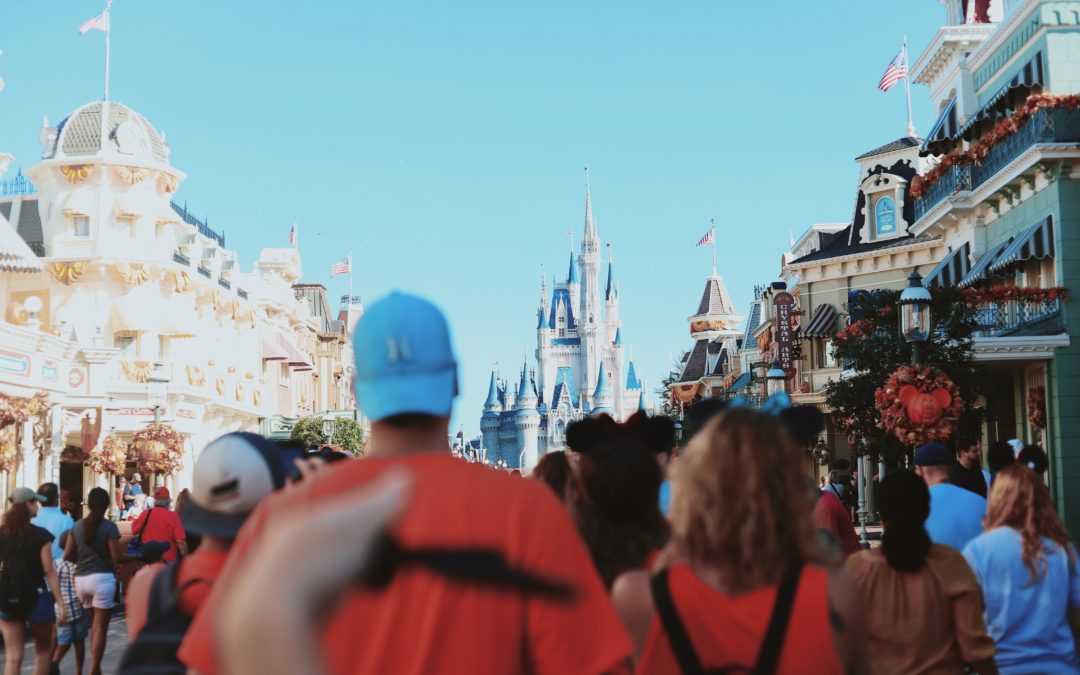
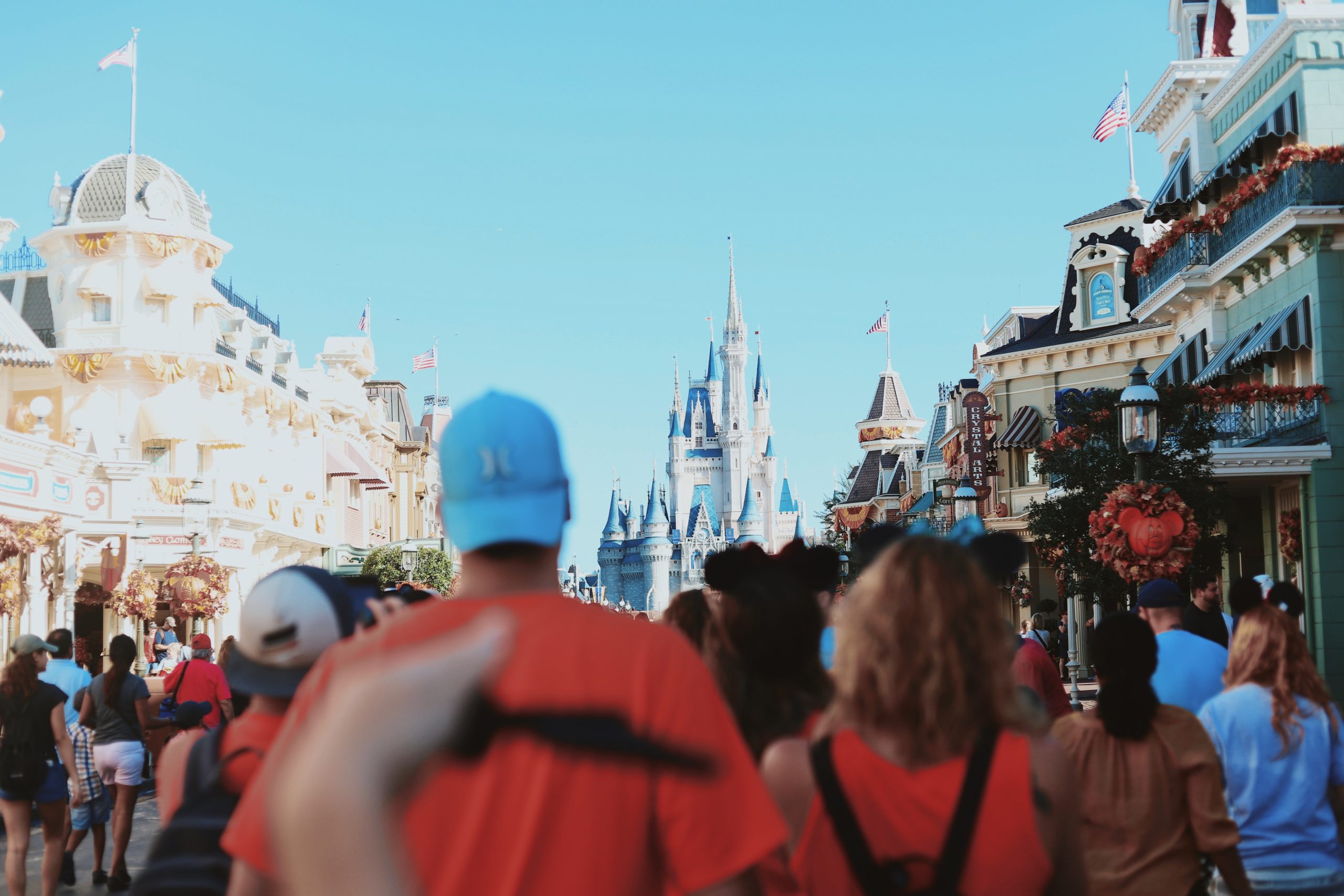
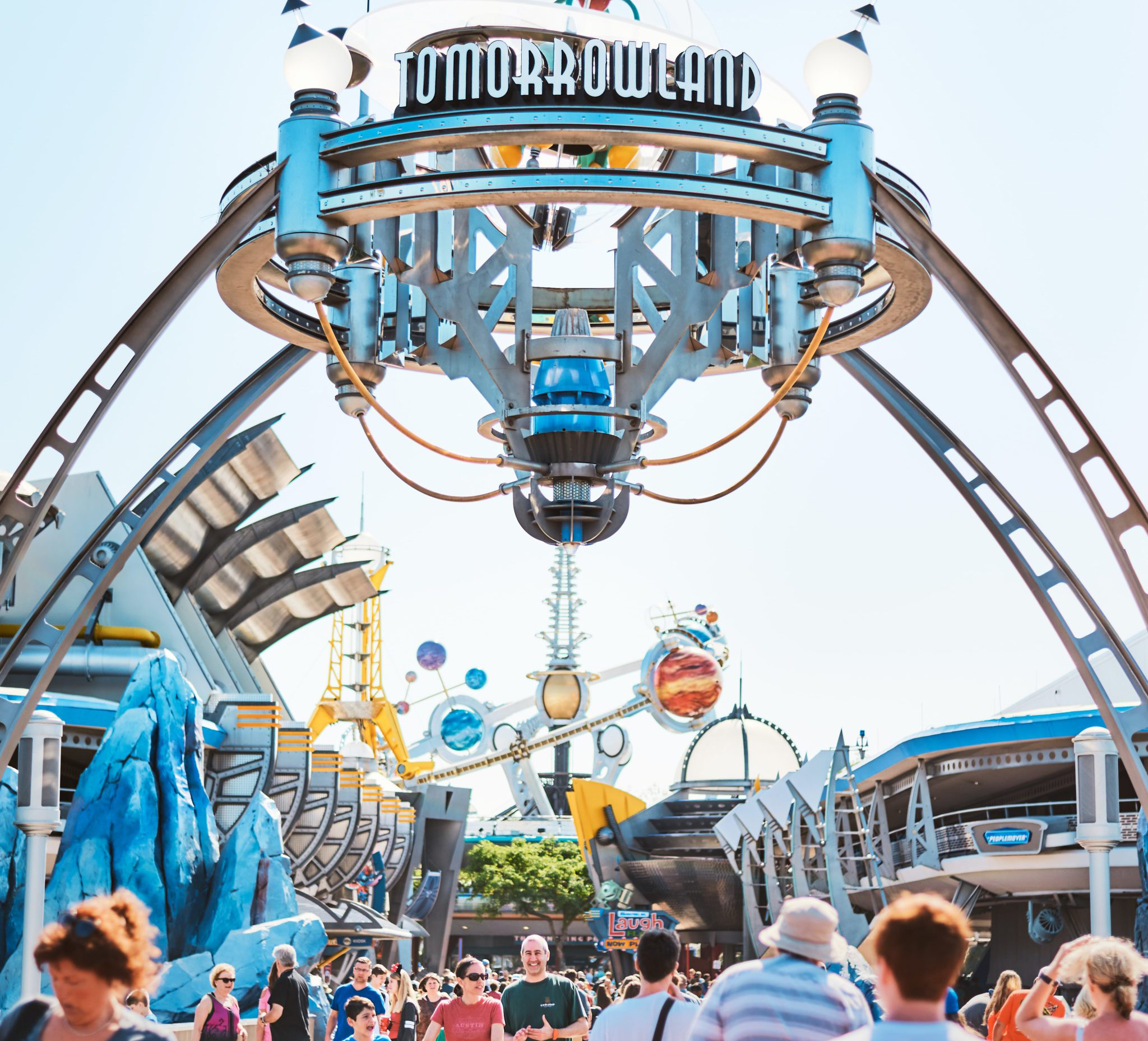
Although the hotel industry has been wrestling with obstacles caused by COVID-19, activity in that area is starting to gain traction again. One example is the development of a five-star convention hotel that was recently announced. Summa Development Group LLC has proposed a 33-story project in Thornton Park and the construction is expected to begin sometime next year, according to Orlando Business Journal. As for the big players like Walt Disney World, SeaWorld and Universal Studios, they too have begun to jump-start their operations. Disney’s Hollywood Studios and Epcot officially opened on July 15. Universal Studios welcomed guests back to its park on June 5, after almost two and a half months of closure. Of course, the theme parks will each have their own updated operational guidelines, including mandatory face coverings, temperature checks and social distancing regulations.  

When we first made the decision in March 2020 to close Universal Orlando Resort in response to the coronavirus pandemic, we didn’t know how long it would be for. We didn’t know what the future held or what a reopening would entail … Getting us here has been an in-depth process, and I am incredibly proud of the ways our Team Members have listened to experts and implemented new operational guidelines for the safety of our guests. At Universal Orlando Resort, we are following what we’re calling the three Ss. That’s screening, meaning we’re taking everybody’s temperature before they enter; sanitization, because we are constantly sanitizing areas and high-touch surfaces in the parks; and spacing, providing markings and reminders throughout our resort so guests can socially distance themselves from other parties,” said Bill Davis, president of Universal Orlando Resort, in a welcome back letter. 

It’s safe to say that tourism is the bloodline of Orlando’s economy. While there is hope for a new beginning and a new normal after the pandemic, the city isn’t in the clear just yet. Despite every attempt by public officials to stop the spread of the novel coronavirus, cases continue to surge and hospitals are starting to fill up. On July 19, Florida reported 10,328 new positive COVID-19 cases and 90 Florida resident deaths related to COVID-19. Orlando has been listed as the second highest city, behind Miami, with the most confirmed number of COVID-19 cases, according to The Florida Department of Health


Orlando scores a win for its tourism sector

By: Felipe Rivas

2 min read June 2020 — Hospitality leaders and sports fans alike are cheering for the Central Florida region as the city of Orlando prepares to score a major win for its embattled tourism sector this summer. 


 Orlando will be the epicenter of professional sports this July as both the National Basketball Association and Major League Soccer set up camp at Disney’s ESPN Wide World Of Sports Complex in an effort to resume their respective seasons following the aftermath of the coronavirus outbreak. 

Earlier this month, Major League Soccer announced plans to restart the 2020 season with all 26 clubs competing in the “MLS is Back Tournament,” a month-long World Cup-style tournament set to begin on July 8. The tournament, which will be played without fans in attendance, allows the league to salvage its 25th season. 

“We are pleased to team up with Disney to relaunch the 2020 MLS season and get back to playing soccer,” said MLS Commissioner Don Garber, according to a press release. “The opportunity to have all 26 clubs in a controlled environment enables us to help protect the health of our players, coaches and staff as we return to play,” he said. 

In similar fashion, NBA fans will cheer for their favorite team from afar as players, coaches and staff settle in Orlando for the coming months. A 22-team NBA season is set to resume on July 31 with the playoffs slated to end in early October.  

Though the different games will be played without fans in attendance, these major sporting events will likely introduce visitors to the ESPN Wide World Of Sports Complex, further solidifying Orlando’s penchant for holding world-class events while helping mitigate the immediate impact of the coronavirus on Orlando’s hospitality and tourism industry. 

“Event organizers are familiar with Orlando as a destination, but for the public, they’ll learn an awful lot about what a wonderful venue the Wide World of Sports is,” Greater Orlando Sports Commission President and Chief Executive Officer Jason Siegel said, according to Front Office Sports. “It enhances the already great perception of the community for when we have the next conversations with FIFA as it relates to the World Cup or the bids we’ve put out for the 2022 to 2026 NCAA championship events. It just lends itself to an already robust portfolio of hosting marquee events,” he said.


Since March, 13 events have been canceled and not rescheduled, according to Front Office Sports, while another seven have been postponed, costing the region more than $49 million in economic impact. 

Another estimate by Orange County Comptroller Phil Diamond showed that tourism and development tax dollars dropped 97 percent in March, according to WKMG News 6. Diamond’s report said last year in March, the county collected nearly $27 million in tourism and development tax dollars. This March, less than $800,000 was collected, WKMG News 6 reported. 

Hoteliers and theme park officials are also rooting for the success of the region’s tourism sector. Hotels and parks are beginning to open up after more than three months of closures and severe layoffs and furloughs. 

Major parks like SeaWorld, Universal, and Islands of Adventures are operating under limited capacity and following the CDC guidelines, while Disney World is expected to begin its phased opening in July. “We are seeing the impact slowly coming back,” Visit Orlando CEO and President George Aguel told WKMG News 6. “Seeing Universal kicking off, SeaWorld following and naturally Disney coming into their own in July is big news.”


New inventory, worldwide recognition to expand Philly’s hospitality in 2020

New inventory, worldwide recognition to expand Philly’s hospitality in 2020

By: Yolanda Rivas

2 min read January 2020 — Philadelphia’s hospitality industry welcomed a variety of hotels and restaurants in 2019, and the new year will see that growth continue. The city’s expanding and diversifying hotel inventory is a trend that even industry leaders are keeping an eye on.

“We are closely monitoring the impact of additional supply entering the market in 2020, and continue to ensure we are providing our guests with a unique and personal experience that helps to create the loyalty we know will keep our valued guests staying with us year after year, as the options in our city continue to expand,” Michael Roberts, area general manager at The Windsor Suites Philadelphia told Invest:.

Philadelphia’s growing business community has presented a variety of opportunities for the city’s hospitality sector. According to Visit Philadelphia President and CEO Jeff Guaracino, cities around the world are looking at private and public investments made in Philadelphia and how they’ve positively impacted the city’s tourism ecosystem.

“Recently, we’ve seen enhancements to the city’s historical, cultural and dining options, the Pennsylvania Convention Center and to our stadiums in South Philadelphia. These are just a few examples, but they show us how appealing our city’s product is when viewed holistically,” Guaracino said in an interview with Invest:

Another fact that can have a positive impact in the City of Brotherly Love’s hospitality sector is its recognition as one of the top destinations to visit in 2020 by National Geographic. Philadelphia was one of only two U.S. destinations (alongside the Grand Canyon) among the 25 must-see destinations and travel experiences in this year’s list of the Best Trips to take. “We’re thrilled that Philadelphia is featured so prominently and beautifully in this influential publication that we know drives travel decisions,” said Visit Philadelphia’s Guaracino in a written statement. 

In 2018, the Greater Philadelphia region marked its ninth consecutive year of record visitation and the highest number of passengers through Philadelphia International Airport since 2008, according to Guaracino. 

“The city is fairly evenly split in thirds between corporate, leisure and group business. We value each, and are always working to develop each segment. The type of traveler segment that is most prevalent does vary throughout the year. We experience the same variations in the business cycle,” said Roberts. 

Philadelphia’s new hotel inventory for 2020 includes: 

  • Canopy by Hilton Philadelphia Center City opening in May 2020
  • W Hotel opening June 2020
  • Element Hotel Philadelphia opening June 2020
  • The Hyatt Centric Hotel opening June 2020
  • River House at Odette’s opening June 2020
  • Live! Casino & Hotel Philadelphia opening December 2020


To learn more about our interviewees, visit:

The Windsor Suites Philadelphia: https://www.thewindsorsuites.com/ 

Visit Philadelphia: https://www.visitphilly.com/ 


Face Off: Hot Hotel Market to Remain Steadfast Into 2020

Face Off: Hot Hotel Market to Remain Steadfast Into 2020

By: Max Crampton-Thomas

4 min read December 2019 Hospitality may be one of the most competitive industries in Florida, and in an economically thriving region like Tampa Bay the competition is only heightened. To rise to the top of this crowded market takes leadership that not only understands the local market and can easily adapt to change, but can also create a work culture that attracts the best and brightest. Invest: explored what it takes to be successful in this market with the general managers for two of the region’s most highly regarded hotels, Kevin Scott with The Epicurean Hotel and David Rowland with The Westshore Grand.

How do you ensure you are attracting and retaining the highest quality employees?

David Rowland: When we hire what we call our associates, we do not hire based on technical ability. We hire friendly individuals who we can train on the technical aspects. Every associate meets with me and usually I only ask them a couple of personality-based questions, like what they do for fun or about their worst day at work and how they overcame it. This is first and foremost a customer service business and you must have a personality that fits that.

Kevin Scott: Employee turnover in this industry is an ongoing challenge that does not have a clear-cut resolution, especially in Tampa where new hotels and restaurants are opening on a weekly basis. Our key to navigating this issue is to ensure that we create a safe environment where employees are encouraged to speak their minds, give feedback and relay their input without the threat of it affecting their jobs. We work to empower our leaders to lead by example and foster great relationships between their departments. We are also in a sweet spot because we are a midsized hotel with a staff that consists of around 150 people, which means that if one person suddenly calls off or quits, it is not the end of the world.

Do you believe the demand curve will stay strong enough to support the new inventory of hotels coming online in the region?

Rowland: I do, because the market is so strong right now. Tampa Bay is a great area and it is still growing rapidly. The airport is consistently ranked among the Top 5 airports in the United States, and the international hub that they are building is going to bring even more business into the region. We are a city where you can host massive meetings, relocate large businesses into and start a business within. The ability to get in and out of the city quickly is also a significant factor in keeping this new supply sustainable. Tampa has done a good job of making sure the infrastructure and the supply of hotel and businesses is grown at the same pace. The only danger is a hotel worrying about all the new supply so they drop their rates just to be competitive. If one person does that, it causes a ripple effect in the industry where we now all have to drop our prices.

Scott: Tampa as a market needs more hotel rooms to attract bigger conventions that bring more people to town. The challenge is that we are capped off at a certain number right now, which limits how many people we can bring into the city, but with so many new hotel rooms coming into the market in the next year or so, there is an opportunity to steal some share from Orlando, Miami and Fort Lauderdale for these conventions. It is the perfect time to capitalize on this opportunity; the updated urban planning is now in play, and the city has never been laid out better than it is now.

How is your hotel primed for continued growth within the region?  

Rowland: We are a part of the Marriott Tribute Portfolio, which is considered its luxury tier, but we get to act as an independent boutique hotel. The hotel has 325 rooms, over 15,000 square feet of meeting space and 14 meeting rooms where people can work, network and convene. We are known for having the flexibility to tailor events in our event space to a customer’s needs. The nice part about being independent is we have a lot of leeway and wiggle room to do what we want to make our customers’ meetings the most successful they can be. We are also very fortunate that we sit inside the Urban Center building. We are the primary hotel for the over 2,000 tenants that rent office space in the building.

Scott: To stay economically sustainable in this business, especially in the instance of another recession, we focus on attracting more groups and business travel. We want people to be aware of our offerings whether they are our neighbors in Tampa or looking for a destination from across the country. Our advantages are that we are centrally located, and people will always love food and wine. Even in a recession, wine, beer and alcohol are always in demand, so we are ready to ride that wave when it happens. Overall, we feel strong about where the Epicurean stands as a hotel and historical landmark that Tampa can be proud of.

To learn more about our interviewees, visit:

https://epicureanhotel.com/

https://westshoregrand.com/

Record Numbers Flock to Philly, Again

by Yolanda Rivas


2 min read AUGUST 2019 — Greater Philadelphia experienced its ninth straight year of record tourism in 2018. Public and private organizations in the sector are making multiple efforts to elevate tourism to the city and maintain its record-setting pace. 

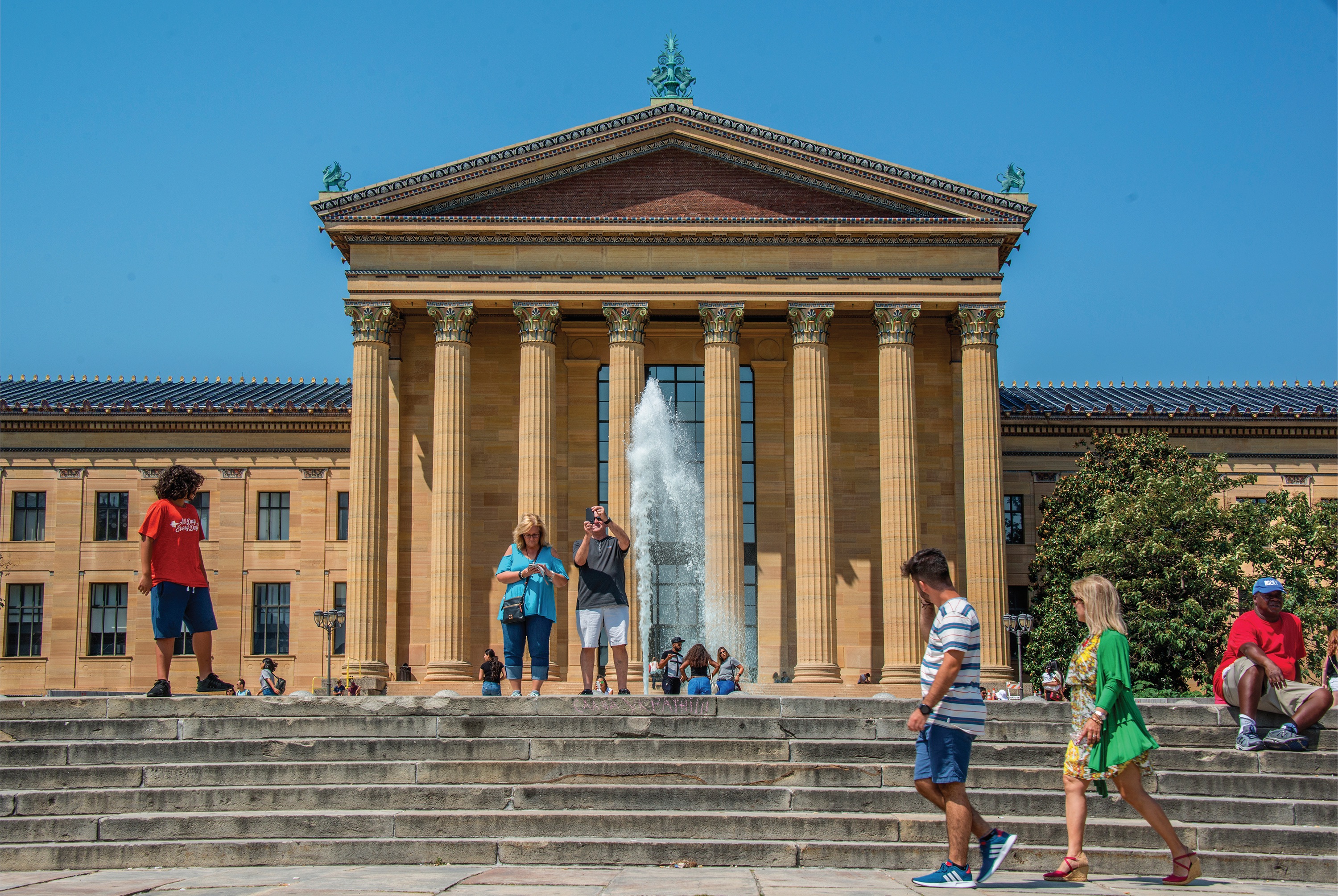
Enhancements to the city’s historical, cultural and dining options, such as the Pennsylvania Convention Center, the stadiums in South Philadelphia, the Philadelphia Museum of Art renovations and a number of new hotels on the horizon are some of the examples of improvements to the city’s offerings. 

“We’re working on a partnership to significantly grow our brand globally while also making a further commitment in Philadelphia with a new project that will dramatically enhance the architectural canvas for residential real estate,” Larry Korman, president of luxury extended-stay brand AKA Hotel Residences, told Invest:. 

Philadelphia’s weekend occupancy rate remains in the low- to mid-90%, also record highs, as the city of brotherly love attracts both business and leisure travelers. Local hotels, such as the Cambria Hotel Philadelphia Downtown, are committed to highlighting and complementing the communities where they operate through area-inspired decor and modern design.  

“We have locally commissioned art in our hotel, and since we sit on the Avenue of the Arts, our decor is themed with a nod to arts and music. We sourced most of the art and decor from local artisans, vendors and companies to ensure that we are supporting the community in every way possible,” Jerry Rice, General Manager at Cambria Hotel Philadelphia Downtown, said in an interview with Invest:.

To meet the demands of those who want a unique and intimate experience, some local brands are making the transition to boutique hotels. That is the case of former Courtyard by Marriott, which has been reborn as The Notary Hotel. According to the hotel’s general manager, Jim McSwigan, some of the elements of renovation include reimagined rooms, public workspaces for guests, a new shower experience in all rooms and a modern fitness center. 

“We have maintained an element of history with 1920s-inspired decor and furnishings, while introducing a modern feel. We offer the latest and greatest when it comes to providing guests with a great space, not only for business meetings, but for social events, weddings and any type of celebration,” McSwigan said.  

Another main driver for visitors and a key economic developer is the arts sector, and Philadelphia’s world-class music institutions are putting the city in the global spotlight. Such is the case of Opera Philadelphia and its Festival O, for example, which has had a  local, national and international impact. David Devan, general director and president of Opera Philadelphia, pointed out in an interview with Invest: the importance of the festival in creating local, enlarged artistic partnerships and developing a new, mostly young audience. “That is the biggest impact; we now have more customers than five years ago. We work with Visit Philadelphia, PHL Convention and Visitors Bureau, and other agencies that promote the city and create local pride,” he said.

“Because we do so much new work, what we are doing is affecting the field of opera nationally in terms of the field celebrating and participating in contemporary art activity. Internationally, we have become recognized as one of the most innovative opera companies in the United States,” Devan stated.

This year, Philly’s official tourism marketing agency VISIT PHILADELPHIA is focusing on opportunities in the multicultural market, specifically Latinx, LGBTQ and African American audiences. 


To learn more about our interviewees, visit:

AKA Hotel Residences: https://www.stayaka.com/ 

Opera Philadelphia: https://www.operaphila.org/ 

Cambria Hotel Philadelphia Downtown: https://www.choicehotels.com/pennsylvania/philadelphia

The Notary Hotel: https://www.marriott.com/hotels/travel/phlak-the-notary-hotel-autograph 

VISIT PHILADELPHIA: https://www.visitphilly.com/