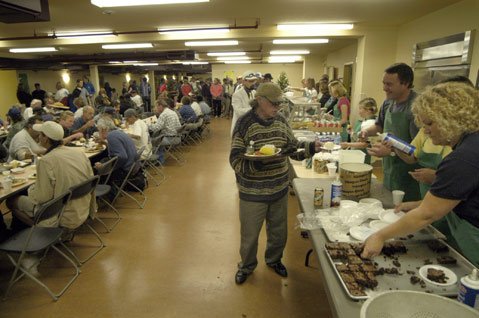
Federal, state govts rally to help homeless during COVID-19 outbreak
By: Felipe Rivas
2 min read — Since March, shelter-in-place measures have become the norm across the nation, shuttering nonessential businesses, schools and public gathering spaces. While the majority of people transitioned to a new way of life during the quarantine, including remote work and distance learning, the U.S homeless population risks COVID-19 infection as they lack access to testing and basic hygiene facilities, among other measures to combat infectious diseases. Additionally, for the homeless population, many are older adults or have underlying medical conditions, increasing the likelihood of contracting COVID-19. As such, states, municipalities, local health departments, housing authorities, among other institutions, have been working to meet the food, shelter, hygiene and testing needs of the homeless population.
In South Florida, the Miami-Dade County Homeless Trust, in collaboration with various state and federal agencies, has been helping to protect sheltered and unsheltered homeless households and its staff in the face of the COVID-19 threat. “The Homeless Trust is proactive in engaging our housing and support service providers to offer guidance, assess needs and facilitate vital connections to local, state and federal resources,” said Trust Chairman Ronald L. Book in a press release. “Our preparations have to consider the fact that much of our population does not have a ‘home’ with which to self-quarantine; therefore, we have broader issues to consider. We will continue to work to ensure homeless households have access to shelter, care and food while doing all we can to mitigate the virus’ spread.”
As part of its outreach efforts, the Miami-Dade County Homeless Trust is distributing hygiene, safety and food kits to unsheltered homeless persons throughout the county along with educational information. Outreach teams are taking temperatures of unsheltered homeless persons to pre-identify those with symptoms, among other measures to help prevent the spread of COVID-19.
In Pinellas County, the city of Clearwater has taken similar steps to help the homeless population of the region. As part of its mission, the city’s economic development department is focused on economic growth and the vitality of the community, which includes the homeless population. As such, the department is encouraging restaurants that have had to close or limit their operations temporarily to donate food to food banks, which then distribute the food to the most vulnerable segments of the community, Economic Development and Housing Director Denise Sanderson told Invest: Insights in an interview. “We have not seen a big increase in street level homelessness,” she said. “We have seen an increase in the presence of our homeless community. Primarily because we have had to close down our recreation centers and libraries.” As those facilities closed, the department pivoted to placing porta-potties and mobile shower units throughout the city to help the homeless community stay clean during this time. “To date, we have not had any cases, at least known to us, where COVID-19 has affected the homeless population.” Sanderson said.
In Orlando, the shelters are preparing for an influx of homeless people. Shelters are down beds because social distancing precautions require separation of beds, Spectrum News reported. Shelters are concerned with bringing in people who may have the virus. “Right now we have a campus that is fairly safe. How do we bring people on without introducing that,” John Hearn, president and CEO of the Coalition for the Homeless of Central Florida, told the news outlet. Hearn’s shelter has been screening everyone before they enter the campus. The shelter set up isolation areas for people showing symptoms. This move, along with social distancing measures, cost the shelter close to 50 beds, Spectrum News reported. His shelter has increased the distribution of meals to three times a day and still has open beds available, according to the news outlet.
At the federal level, the Coronavirus Aid, Relief, and Economic Security (CARES) Act, a $2 trillion funding package aimed at protecting the population, industries and businesses from the impact of the coronavirus, set aside more than $12 billion to help the homeless population and those who serve them. Community Solutions, a nonprofit organization focused on ending homelessness, detailed the portion of the CARES act aimed at helping those experiencing homelessness. The Department of Housing and Urban Development would divvy up the funds for Emergency Solutions Grants to assist homeless shelters and outreach workers who keep people who are homeless safer from coronavirus, different rent assistance programs, and other assistance programs aimed at the elderly, Native Americans, and people with AIDS, among other initiatives, according to Community Solutions. Federal, state and local agencies must work together to optimize resources and help for the homeless population, the nonprofit wrote on its website. “While we are pleased that our federal lawmakers provided this needed fiscal relief, we need to ensure that people experiencing homelessness, and those who serve them, continue to be supported as state and local governments work to administer funds and in any forthcoming stimulus package, Community Solutions said. “Following the injection of this stimulus funding, state and local governments must focus on allocating this new funding to protect people experiencing homelessness and homeless response staff, and limit inflow into health care and hospital systems. This includes ensuring people experiencing homelessness — and the people helping them — have immediate access to housing, health and safety training, personal protective equipment, facilities for hand-washing, medical treatment, testing options and ultimately, safe places to quarantine.”
To learn more about our interviewees, visit:
https://www.centralfloridahomeless.org/
https://www.myclearwater.com/government/city-departments/economic-development-housing