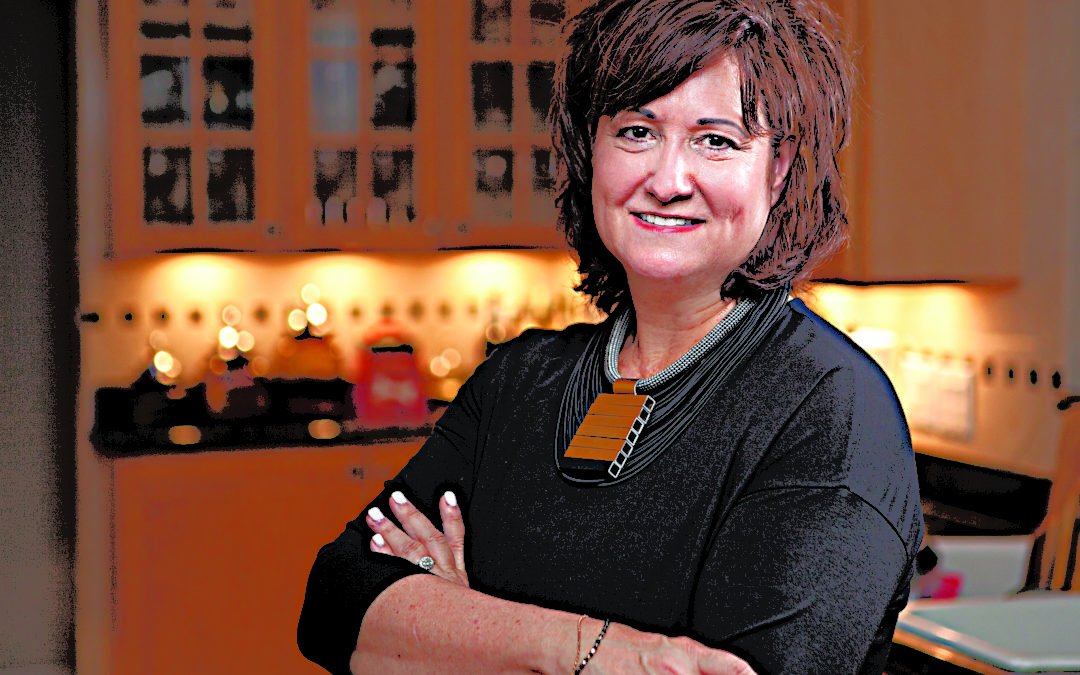
Spotlight On: Lynda Remund, President & CEO, Tampa Downtown Partnership

Spotlight On: Lynda Remund, President & CEO, Tampa Downtown Partnership

By: Max Crampton-Thomas
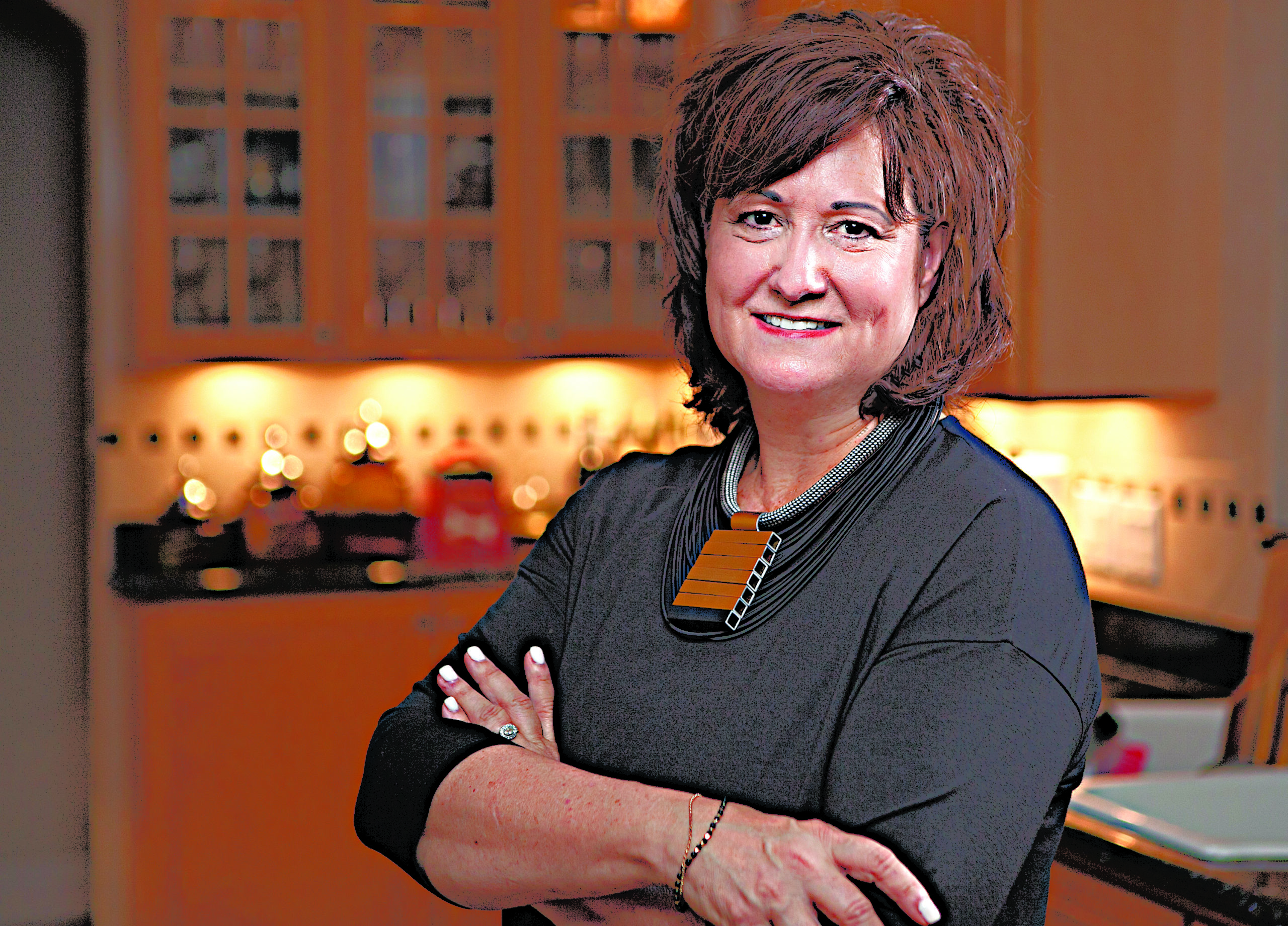
2 min read March 2020 — A downtown is the city’s core and ultimately the face of any given region, so it is important to ensure that it is as strong as possible, said Lynda Remund, president and CEO of the Tampa Downtown Partnership during a conversation with Invest:. Consistent reinvestment and place-making are major keys in unlocking the full potential of what the Downtown Tampa area can be, she said.


How important is a strong downtown to the economic growth of Tampa Bay? 


If you go to any city in the United States or around the world, you will see that a strong downtown is their central core and is really the face of that region. I believe it is very important that we have that strong city center. Downtown Tampa is growing by leaps and bounds and we are excited about that. A quick look around Tampa reveals that the Downtown area is not only growing but so are the outskirts and the suburbs. This is apparent when looking at areas like Midtown and projects like those in West Shore. We are proud that Downtown is such a strong center for our city, but happy to see that the region is developing as well.


What is the Tampa Downtown Partnership’s role in developing the Downtown area? 


We do a lot of place-making in Downtown Tampa, and it is really about creating a space for people to gather and make things happen. For example, our ambassador program, which is like a concierge on the street, helps with things like directions and restaurant suggestions. The participants are feel-good ambassadors who can talk to visitors, residents and workers who are Downtown and make sure they are happy and having a good experience. We also have our litter patrol out on the street to ensure our beautification efforts are being met. We advocate for transportation solutions for the Downtown, like safer streets, pedestrian crosswalks, wayfinding signage and anything else that is going to make a person’s experience better.


One of our top priorities is reinvesting into the Downtown area. We are looking at getting involved in some small-scale capital improvement projects. We will be reinvesting in a couple of small projects that will help pedestrian safety in regard to signage, lighting and aesthetics for the Downtown. Downtown is probably the safest place in the whole city and we are working to make it even safer. We are also bringing the International Downtown Association Conference here in October 2020. That is an audience of about 1,000 people from around the world, consisting of planners, elected officials, architects and business leaders. All of these experts will be here to share best practices and we are excited to receive them.


How important is smart growth to the development of Downtown Tampa?


Smart growth is vitally important to the Downtown region. Having a strong city center is the basis for any successful city. Tampa is now being recognized as a top spot not only in Florida, but in the nation. We have hundreds of new residents moving into this region everyday. Our statistics show that housing in Downtown alone has increased 219% in the last 11 years. I believe the growth that is happening now is sustainable growth, and I do not believe that is going to change. There are more cranes Downtown than ever before and new businesses are continuously moving in here. People are making the investment into Tampa and especially Downtown. 


What would you identify as the biggest challenge facing economic development in this region?


One of our biggest challenges in this region is obviously transportation, so having a commuter system in place will help to mitigate this issue. We often hear from big companies that are looking to move here or even conventions hoping to come here that they are looking for a place where people are able to move around easily. We are starting to provide more of these options, but we have so much more work to do to become a more viable option for people.


To learn more about our interviewee, visit: 
https://www.tampasdowntown.com/

Spotlight On: Catherine Stempien, President, Duke Energy Florida

Spotlight On: Catherine Stempien, President, Duke Energy Florida

By: Max Crampton-Thomas

2 min read February 2020 — Duke Energy Florida is not just increasing the amount of renewable power it is offering customers, with several solar plants coming online, it is also looking to harden its grid to protect it from increasingly harsh storms in the southern United States, as well as in cutting-edge “self healing” technology to reduce the impact of outages, according to Catherine Stempien, the company’s president.


 What advances have been made regarding the company’s clean energy projects in the region?


We are still in the process of building 700 megawatts of solar in our system and that will be completed by 2022. We are making significant progress on that. We are either operating or in the construction phase for about half of those megawatts. We brought two new solar plants online in December, at Lake Placid and Trenton, and we have two being completed in the first half of this year in Fort White and DeBary, with two others just announced in North Florida.


The other area where we have really made progress is in battery storage. We have said that we are going to build 50 megawatts worth of battery projects, and we have made announcements for three of these projects located in Trenton, Cape San Blas and Jennings. The battery charges when the sun is up and when the sun is down the battery discharges that energy. But batteries can do much more for our system. We have been testing a lot of cases for battery use, and the projects that we are going to be doing will help improve reliability for our customers, giving them more reliable power.


How is the company ensuring customers get the energy they need?


Our customers want power, and they want that power to stay on 24/7. We are midway through deploying our self-healing grid technology. About 50% of Pinellas County is covered by this technology now. If you think about the electric grid as a highway system, when you have a traffic jam somewhere in that system you want Waze or Google Maps to redirect you around that traffic jam. The grid works the same way: if we have an outage, or a tree falls down on a line, you want to be able to redirect the power around that problem to make sure that people get their energy. This technology does that automatically. We have sensors and communications devices all over our grid that automatically reroute the power and minimizes the problem, reducing the number of customers impacted. People might see a one-minute outage and then it will go back up again. In 2019, 150,000 outages did not happen because our system was able to reroute power, and that prevented 10 million minutes of customer interruptions. 


Why is Duke Energy pushing forward with sustainable power solutions?


Duke Energy Corp, of which we are a part, decided it was going to push itself and target climate goals that we are going to hold ourselves to. By 2030, we want to reduce our carbon footprint by 50% from 2005, and by 2050 we want to be at net zero. Duke Energy Florida is going to be an important part of the enterprise goal. We have a line of sight on how we are going to meet the 2030 goal, but we don’t have an exact line of sight into how we are going to do it by 2050. We need certain technologies to advance faster, and we need the regulators to come along with us. We believe you have to set yourself aspirational goals.


How much should companies involve themselves in sustainability efforts?


Over the last number of years, we have seen an increase in the intensity and the characteristics of storms hitting the United States. Florida is at a higher risk of getting hit by those storms. We believe we need to plan for storm events. In 2018, two major storms hit our service territory, one in Florida and one in North Carolina. Hurricane Michael was a Category 5 storm that devastated the areas it hit. We had to completely rebuild the distribution system and 34 miles of transmission lines. But it left pretty quickly. 


Another storm, Hurricane Florence, hit the Carolinas. It was a water storm that stalled over the eastern part of North Carolina and dumped rain for days, causing extreme flooding, which makes it difficult to access substations and lines. It is hard to predict these kinds of events, so we are looking to constantly improve our response, making sure we have the right crews, with the right equipment, available to restore power.


The Florida legislature recognized these challenges and passed legislation in 2019 to encourage utilities to invest in hardening their grids for storms. It cleared the regulatory path for us to work on storm hardening, from making poles stronger, undergrounding certain parts of the grid, and replacing lattice towers with monopole towers. All of this work is part of a 10-year plan to harden our system so we are prepared.


To learn more about our interviewee, visit: 
https://www.duke-energy.com/home


Spotlight On: Bill Cronin, President & CEO, Pasco EDC

Spotlight On: Bill Cronin, President & CEO, Pasco EDC

By: Max Crampton-Thomas

2 min read February 2020 — Successful economic development is a product of consistent improvement of the current situation of a region and consideration of what the long-term future could hold for that same region. In Florida’s Pasco County, economic developers are thinking about what is to come and how to create a sustainable economic growth environment by helping startups get off the ground while training a competitive workforce, taking advantage of the state’s first-rate education system. In a conversation with Invest:, President and CEO for the Pasco EDC Bill Cronin discussed these initiatives and actions at length. 


 How is Pasco County working to push forward economic development?


We want to make sure we have a good mix of both office and industrial investments in the county since large industry has a different multiplier because it attracts suppliers and others that the office investments do not. We are one of the only Economic Development Organizations to own and operate our own business incubators. These two incubators offer countywide programming, where you don’t necessarily have to be in that co-working space to take advantage of the curriculum that we offer for startups, and even for companies that are going into their second phase.


We offer micro loans through that program, and we have a regional license for CO.STARTERS, which is a curriculum that we use for startups and next-generation companies. We also use those incubators as a soft-landing place for our international FDI prospects. While many of our competitors in economic development are going after these large, established companies that have 100-200 employees, we work with them, but also with the company that says, “Hey, I just want to start sales with one or two people,” and we let them use our incubators as a landing place to get them started.


All areas, whether it is entrepreneurship, land development and making sure we have enough product, our buildings and sites, workforce development in the county as a whole — all of those are now part of the strategic plan, but also with a sense of innovation and smart growth that is interwoven through those protocols. They are verticals in our strategic plan, such as innovation and technology. When we look at a collision between areas, such as logistics and IT, or life sciences or agriculture and IT, life sciences and distribution, all of these can be tied together through innovation and smart growth.


How are you ensuring that your workforce is being trained to survive the changing economic environment?


There is a lot of confusion right now with some of these rapid changes in technology and business models. That also applies to the industries we focus on. Probably 80% to 90% of our workforce is being trained for jobs that do not yet exist. How do we make sure we are prepared for that? We started to hear this theme about competitiveness and we are making sure we have fertile conditions for that type of growth in the future. We may not know everything but what we do know is that we’ve got to be ready and have the right conditions for these things to be deployed.


How are you looking at sustainability regarding the county’s economic growth?


We need to make sure that when it comes to jobs and recruitment, we are creating jobs for everybody. If you put too much emphasis on high-impact jobs alone, they won’t trickle down by themselves. You still need to make sure that every single layer of the economy and socio-economic strata has the right jobs for the right people. That is important because if you don’t do that then people will have to move away, and we will have to import talent to some extent.


In the last couple of years, Florida has been among the leading destination states for migration. We are looking at around 180 people a day coming into this region, and the state sees around 1,300 people a day. With that many people moving in, our business community has been able to take their pick of all the people coming in, and in times of low unemployment it is usually hard to find talent. You have to steal it from someone else or grow it internally. But because of interstate migration, we have been at full employment for a long time now and we still have access to talent. That’s because all these people are moving here everyday. The reason they are moving here is because things are not as good somewhere else, or they prefer it here. We have to make sure that our environment continues to be better than that of our competitors, and that we provide a good tax environment, which we have. We are also the fastest-growing region in the United States and the largest consumer market in the Southeast. You see a lot of that migration because of things like that, and because of quality of life and education. Our state university system is now No. 1 in the nation.


To learn more about our interviewee, visit: 
http://pascoedc.com/