Orlando at the Cutting-Edge of Biotech Investment

by Sara Warden
2 min read August 2019 — The global biotechnology market is expected to exceed $775 billion by 2024, according to a new research report by Global Market Insights. With this amount at stake, it is little wonder Orlando is not allowing the opportunity to attract biotechnology companies pass it by.

Florida is the eighth-largest biotechnology R&D state in the United States, with over 260 biotech companies. According to a research paper by Man-Keun Kim and Thomas R. Harris on the clustering effect in the US biotechnology industry, some of the most important factors in forming a cluster include average payroll and overall education level in the region.

Orlando is addressing all these areas to attract biotech giants to the city and surrounding areas.

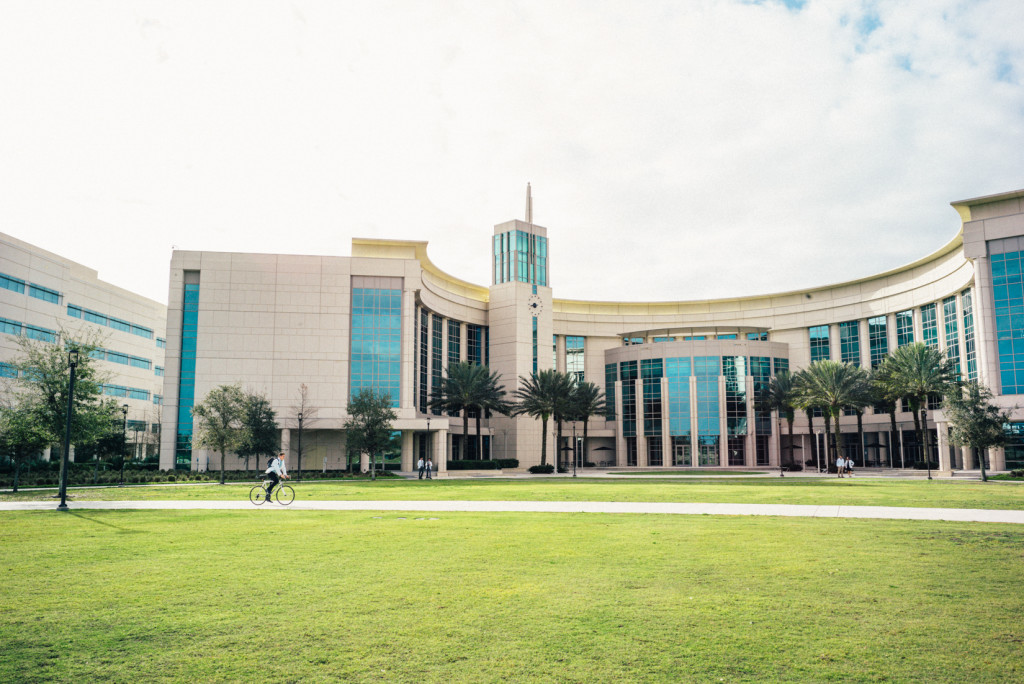
One example: In 2005, the University of Central Florida (UCF) received a $12.5 million donation from the Tavistock Group to build the UCF College of Medicine at Lake Nona, just south of Orlando Airport. The Orlando community matched the donation, which was in turn matched by a government grant, taking the total investment in the campus to over $100 million.

The new college broke ground in 2007, and the school announced that each of the 41 charter students would be awarded a full $40,000 four-year scholarship. The program attracted 4,300 applicants and the class members had the highest MCAT and GPA scores in the state. The campus continues to expand, now including the medical school’s new 170,000-square-foot medical education facility, as well as its new 198,000-square-foot Burnett Biomedical Sciences building. 

UCF has continued to make partnerships with renowned medical organizations to bolster the campus’ facilities. The College of Medicine is now partnered with Sanford-Burnham Medical Research Institute, Veterans Affairs Medical Center and Nemours Children’s Hospital, one of the nation’s largest paediatric health systems.

An economic impact study found that the College of Medicine and Lake Nona’s medical city could create more than 30,000 local jobs, have an economic impact of $7.6 billion and generate nearly $500 million in additional tax revenues for the state.

“I do believe this is a good thing for our community as we endeavor to really diversify our economy with high-wage jobs,” Orange County Mayor Jerry Demings said in an interview with the Orlando Sentinel.

With talent at their fingertips, it is little wonder that leading biotechnology companies are flocking to the city. Most recently, biotech firm Amicus Therapeutics announced Lake Nona to be the frontrunner in a new 18-acre site in which it planned to invest $150 million.

Originally, the company planned to create 300 jobs paying an annual average of $69,670, not including benefits. This prompted the government to offer a sizeable benefits package to tempt the company to settle in the southeast Orlando site.

The government offered a 25% tax break and property tax exemptions over a period of seven years, which would save the company about $1.5 million. Additional state incentives totaled $240,000, with Orlando contributing up to $1,200 per job created. There are additional provisions to increase the tax rebate if the company’s investment exceeds $148.85 million.

“Orlando continues to be one of the sites we are considering, and the availability of tax and other incentives, as well as access to a rich talent pool, are important factors in our ultimate site-selection decision,” company spokeswoman Sara Pellgrino told the Orlando Sentinel.

The company has since changed tack, concentrating more in curative gene therapies, which would limit job numbers. “A gene-therapy facility would require less space and less personnel than a biologic drug-manufacturing plant,” Orange County Economic Development Director Eric Ushkowitz told the Orlando Sentinel. However, under the new proposal, the average salary would rocket to around $100,000.

A formal decision hasn’t been made on whether or not Amicus will have an office in Lake Nona but there are plenty of other biotechnology companies racing for their spot in the scientific hub. Newly-established startups include Aviana Molecular Technologies, which is developing a smartphone-enabled biosensor capable of detecting certain proteins that indicate infectious diseases. Also at the site is SynapCyte, a company that is developing patented technologies to treat Alzheimer’s and Parkinson’s disease through stem cell regeneration.

“This is the place to be if you want to be involved with life sciences,” said the site’s Manager Jim Bowie to life sciences publication BioFlorida.


 

Technology Shaping Healthcare Sector in Miami

By Yolanda Rivas

2 min read JULY 2019 — The health sector in Miami, already known for its positive outcomes, is banking on innovation and technology to keep its high ranking as a healthcare provider. Artificial intelligence, telemedicine, virtual reality, electronic medical records, digitized healthcare and blockchains are some of the advances that are transforming the industry. 

The Renfrew Center of Florida is among the local institutions integrating virtual therapy to improve access for patients. Virtual healthcare allows patients to communicate with out-of-town healthcare providers without the necessity of traveling. It represents a more affordable and convenient way to receive care. 

“Virtual therapy is an area of significant growth in the mental health field that allows us to reach people who live in areas where there aren’t therapists or treatment facilities for eating disorders,” Gayle Brooks, chief clinical officer at The Renfrew Center, told Invest:. 

The center recently launched a telehealth therapy group in Florida, which provides support to anyone in the state who is struggling with any eating disorder. “This program works for two types of people: those who come into that group and discover that they need a higher level of care, or those who use it as a tool for their continuing care after they receive a higher level of treatment,” Brooks explained. 

According to a Deloitte survey, 58–69% of physicians expect to increase their use of technology. Tenet Health’s Miami-Dade Group CEO Jeffrey Welch, in an interview with Invest:, emphasized the importance of technology to provide faster and more effective solutions that can lead to healthier individuals living in healthier communities. 

“Every one of our hospitals in the area has at least one robot that can be used for thoracic general surgery, gynecological and colorectal procedures,” Welch said. “The goal is to utilize technology to provide minimally invasive treatment options that can reduce recovery time and get people their lives back, so they can do what they love,” he added.

Accenture’s Digital Health Tech Vision 2019 report showed that 94% of healthcare executives say that the pace of innovation in their organization has accelerated over the past three years due to emerging technologies.

Health institutions, like Miami Jewish Health Systems, are also integrating innovative programs to improve the delivery of care. The Florida PACE Centers (Program of All-Inclusive Care for the Elderly) is an example of how a diverse and innovative program can keep people out of institutions. 

“Miami Jewish Health has a reputation for being innovative in the delivery of healthcare for the elderly. Our PACE centers, which are responsible for the delivery of all primary, acute, long-term care and supportive services, continue to grow and expand,” Jeffrey Freimark, CEO of Miami Jewish Health Systems, told Invest:. 

Miami Jewish Health also has a major project underway called the S. Donald Sussman EmpathiCare Village, which will be wildly innovative in terms of its free-range open-living environment for patients with neurocognitive disorders.

According to Deloitte’s Healthcare and Life Sciences Predictions 2020 the top external factors that will shape the sector are: more informed and demanding patients, new business models due to digitized medicine, wearables and mHealth applications, Big Data and the influence of technology and science in regulations and patient safety. 

To learn more about our interviewees, visit:

The Renfrew Center: http://renfrewcenter.com/locations/non-residential/coconut-creek-fl 

Tenet Health Miami-Dade Group: https://tenetflorida.com/ 

Miami Jewish Health: https://www.miamijewishhealth.org/ 

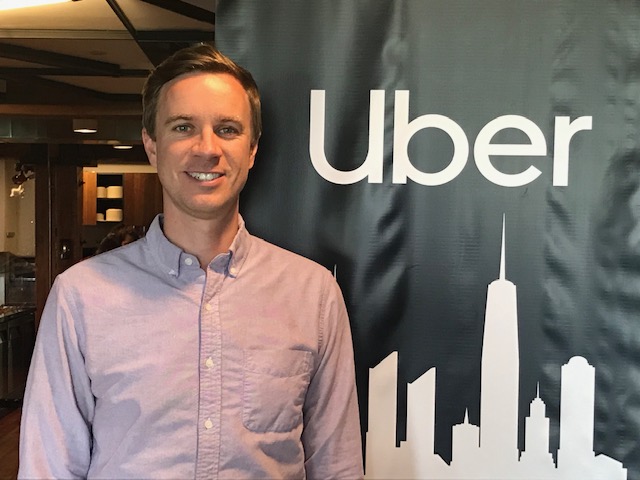
Spotlight on: Chad Dobbs, General Manager for Pennsylvania, Uber

Writer: Yolanda Rivas

2 min read JULY 2019 — Ride sharing is here to stay. Although the concept is not new, it has gained significant popularity over the last few years. According to Statista, a survey indicated that 36% of 11,000 participants in the U.S. used ride sharing services in 2018, an increase from 15% in 2015. Our ‘Spotlight on’ for this week, Uber’s general manager for Pennsylvania Chad Dobbs, shared with Invest: Philadelphia the latest highlights and growth areas for the company in the region. 

What were some highlights that Uber saw in the region during the past 12-18 months?

We rolled out Express POOL, which is a new version of Uber POOL. This new shared ride option allows passengers to get more affordable rides by taking a short walk to a spot along the route to meet their Uber, and joining other users with similar routes — which makes ridesharing more efficient. We also made significant progress on our wheelchair accessibility, through a partnership with MV Transportation, to get more wheelchair accessible vehicles on the road and massively improve the reliability of that service. Finally, we launched Uber Rewards in late 2018, which is a loyalty program for riders. Whether you’re using Uber as a rider or to get food you can accumulate points and unlock special features on the Uber app.

What are the main growth drivers for Uber in Philadelphia?

In Philadelphia and other similar-size cities, our fastest growth areas are typically outside of the core. We’re excited to bring portable options to places that are not traditionally served by public transportation, and need a quick, reliable and cheap alternative. Outside of our ride program, we’re expanding the Uber concept as a platform and joining other transportation modes. For example, we recently launched a transit planning pilot program in Denver with the local transit system. The biggest opportunity for growth is around this concept that Uber is a platform and a way to get from point A to point B, but not necessarily in the back of a car. That part of the business has grown substantially over 2018 and is continuing to grow.

What are you doing to grow and improve the driver side and experience in the city?

We’re sitting in our Greenlight Hub facility, which is a physical location where drivers can come to receive in-person support with the on-boarding process. It’s very important for us to make sure the drivers have the support they need. We have also launched a number of different tools over the last 18 months to improve the drivers’ experience. For example, we had our 180 Days of Change campaign to make substantial improvements to our product based on the feedback of our local and national drivers. 

To learn more about our interviewee, visit:

Uber: https://www.uber.com/

Miami Banks Leading Tech Charge

By Yolanda Rivas

July 2019

2 min read  — Advances in technology are having a dramatic influence in the banking sector across the globe. Innovations are impacting the delivery of products and services, making the banking process faster, easier and more reliable. Customer satisfaction and increased competition are driving the tech push, and there is more on the horizon.

“We are changing our core banking system and investing more than $25 million to make that change. It’s an important step for us because we know technology will be the driving force to our growth in the future,” Fernando Beyruti, CEO of Itau Private Bank, told Invest:. 

An article from Bank Innovation explains that banks are spending more than $100 million to replace their aging core systems. Advances in blockchain technology, IoT, fintech, online banking and robotics have helped many financial institutions improve efficiency and accessibility. 

The investment isn’t just to make banking easier now, it is also part of the future. Technology is an integral part of City National Bank’s five-year plan. “We will invest over $15 million in digital transformation for the organization. This will ensure that we continue to be innovative as well as impactful through improving our client experience,” President and CEO Jorge Gonzalez told Invest:.  

Many financial institutions are also partnering with financial technology (fintech) groups to improve their offerings. According to a 2017 report from multinational professional services network PwC, 82% of financial leaders expect to increase fintech partnerships in the next three to five years. 

Cybersecurity and fraud detection are other areas where technology is playing a key role. “When we invest in technology we are also investing in strengthening our cybersecurity,” Gonzalez stated. The investment is not just in the technology, but also in bringing in the right people who have the experience and talent to be able to instill their knowledge throughout the organization,” he said. 

In that regard, First American Bank recently created a senior-level position — information security officer — whose role is to train employees and allocate resources in preparation for possible cyberattacks. “Security threats are on the rise, forcing us to be mindful that our information can be compromised at any time. Through back-room investments and increased training, we are taking the necessary precautions to reduce risk by educating our employees as well as our customers,” Brian Hagan, Florida Market President for First American Bank, told Invest:. 

Although technology adoption can be a challenge for some financial institutions, especially smaller banks that do not have the financial capacity to keep up with the latest innovations, ultimately it can provide a cost-savings. “I think all of us as a banking community in Miami are saddled with compliance concerns. But I think that, with technology, those kinds of costs can be reduced gradually while still maintaining the kind of vigilance that we have to have. There’s a good opportunity for our industry here,” G. Frederick Reinhardt, Chairman and CEO of Brickell Bank, stated in an Interview with Invest:. 

To learn more about our interviewees, visit their websites:

Itau Private Bank: http://www.itauprivatebank.com/

City National Bank: https://www.citynationalcm.com/home/home 

First American Bank: https://www.firstambank.com/personalbanking/ 

Brickell Bank: https://brickellbankmiami.com/ 

PwC: https://www.pwc.com/ 

Bank Innovation: https://bankinnovation.net/