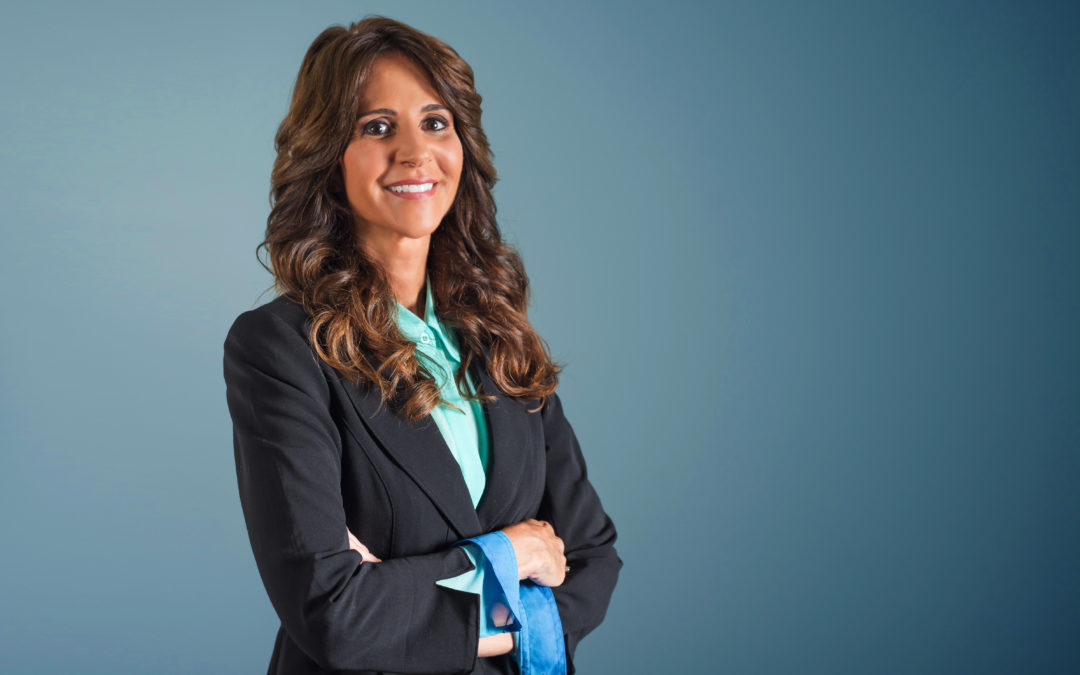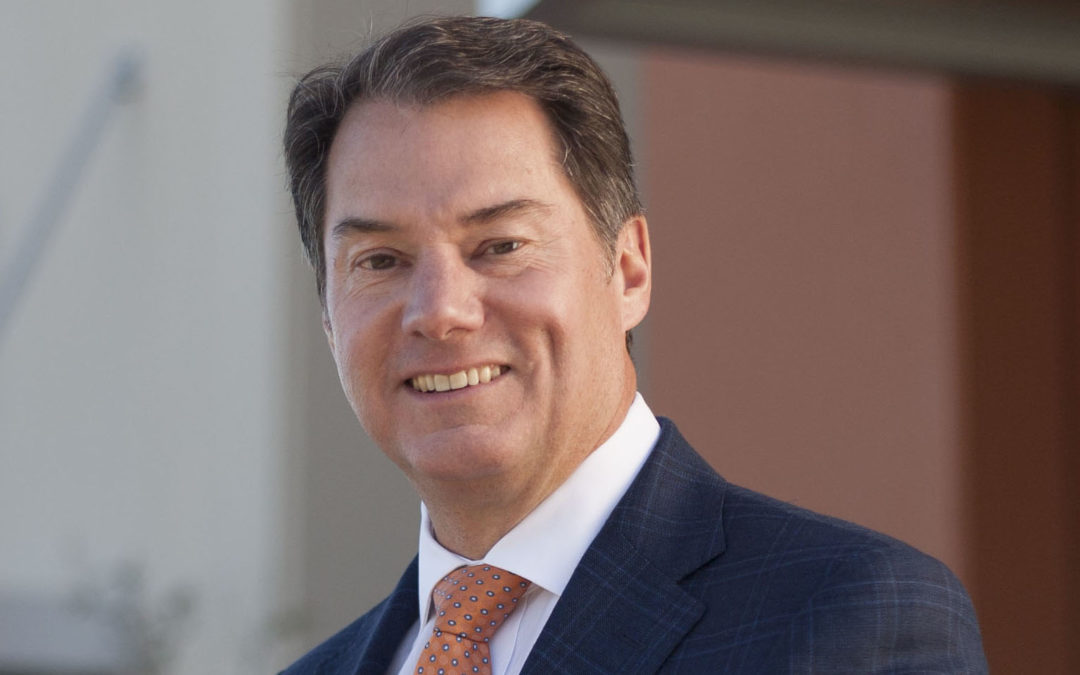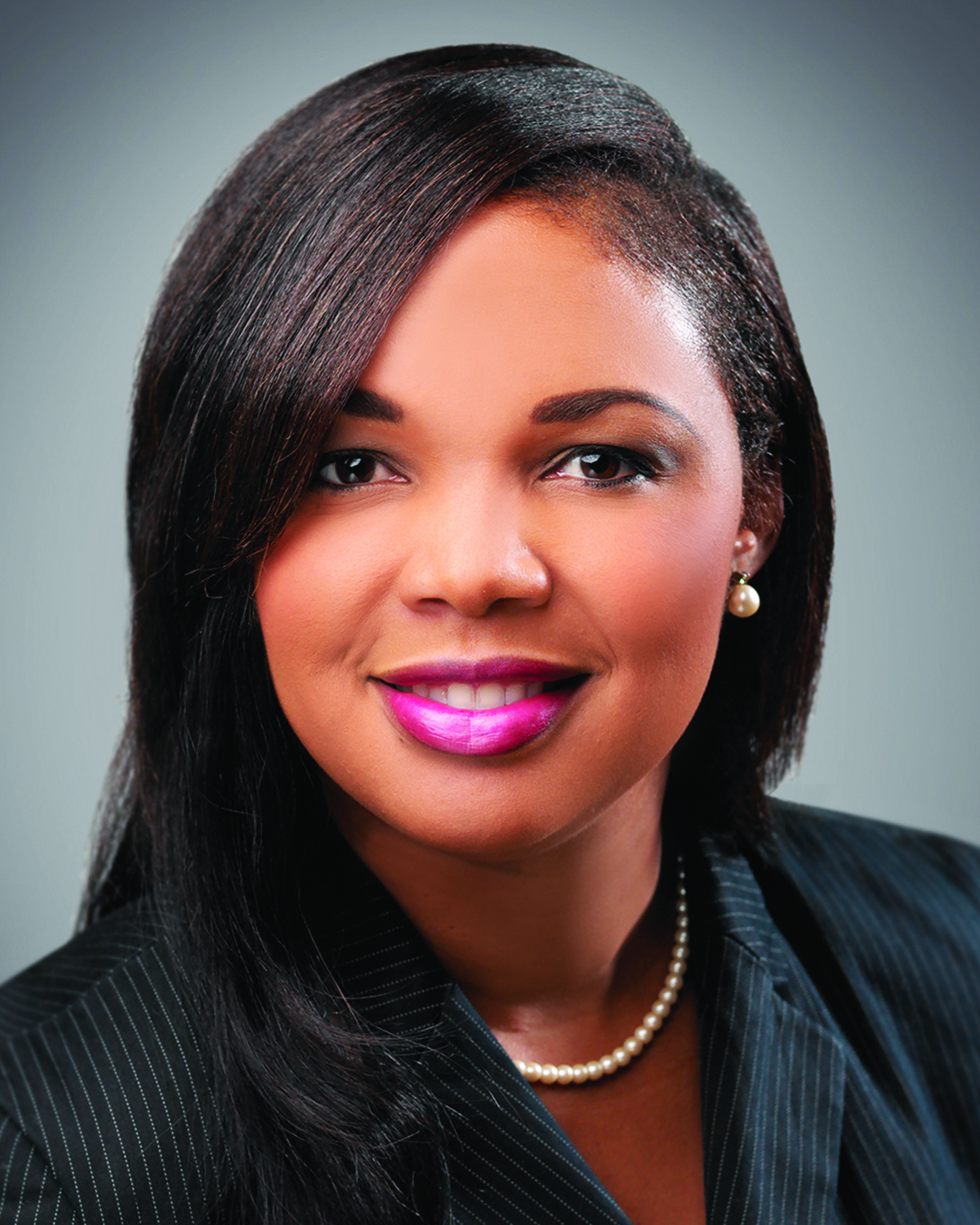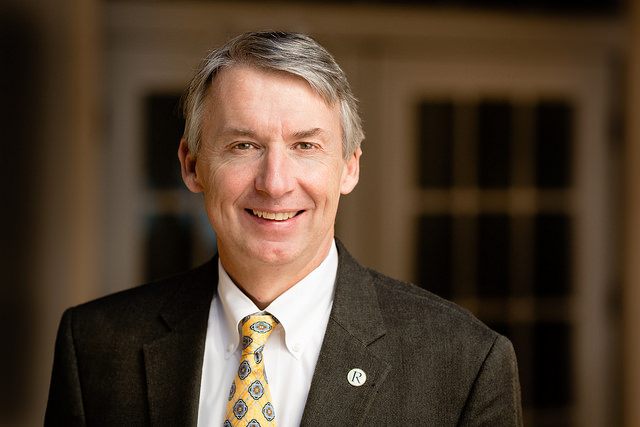
Spotlight On:  Grant Cornwell, President, Rollins College

Spotlight On: Grant Cornwell, President, Rollins College

By: Max Crampton-Thomas

2 min read April 2020 — Rollins College is a 135-year-old private liberal arts institution. President Grant Cornwell discusses how the school has adapted in the face of the COVID-19 pandemic and how faculty and staff are adjusting to the crisis, including moving to a fully online delivery of courses and one on one meetings. 

How has the transition to all online classes and education been for your university, both for students and faculty?  


In early March, Rollins started making plans to shift to virtual, synchronous teaching. Our faculty and staff immediately switched gears, canceling many spring break plans to modify their lesson plans and maximize utilization of WebEx, the internet-based meeting platform the College adopted campus-wide.  By the start of remote classes on March 23 they were fully prepared to support our students.

I have been so impressed by our creative, innovative and resilient faculty and staff who are committed to providing our students with the best and most meaningful education, even under these exceptional circumstances. Across the board, departments have stepped up to serve our students from afar. Our librarians serve as consultants, our tutors are demonstrating their online coaching skills at our Writing and Tutoring Center, one-on-one office hours are being conducted via WebEx, our health center has transitioned to telemedicine and counseling – and the list goes on and on. The Rollins community has confronted this challenge by conceiving and executing innovative approaches that continue our educational mission. 

The feedback from students has been largely positive. They are doing their part to complete the semester remotely and are eager to learn more about COVID-19 from all aspects so that they can contribute to solutions. 


How is the university working to assist the student body and faculty in mitigating the challenges and impact from the COVID-19 pandemic?  

Our Endeavor Center for Faculty Development has been working closely with our IT department to ensure that everyone has the resources they need to both teach and learn in this new environment. 

Our communication channels are open and transparent as the pandemic evolves. We created and continually update an FAQ on the College’s COVID-19 response webpage to help address questions from our various audiences and stakeholders. Regular updates are communicated through newsletters to students, faculty and staff, parents, alumni and others.  

At first, the information was largely operational, demonstrating the proactive steps we were taking to ensure the health and safety of our community. As we have stabilized and successfully developed new systems for operating remotely, we are also sharing the positive stories about the contributions the Rollins community is making to help others navigate the negative effects of COVID-19. 


Do you feel higher education is receiving enough state and federal support in this time of need?  What can the state and federal governments be doing better in this regard?  

We are grateful for the funds dedicated to higher education from the CARES Act.  Every bit is helpful as colleges and universities look to deal with budget challenges. State-funded institutions already receive government funding and that’s certainly acceptable as that is their operating model. What’s important, however, is that private colleges and universities are like private business. We run our institutions based on private revenue and, ideally, that should be accounted for if there is a future funding bill from the federal government.


As higher education adjusts to the current situation, what opportunities and innovation do you see carrying over post-COVID-19?  

This experience has emphasized that we can indeed deliver our mission to our students in a new way. In fact, remote classes should be made available to those who are ill or unable to attend a class for other reasons. Post-COVID-19, our culture will need to change to make remote accommodations for those who are vulnerable or ill.

Because the Rollins mission is so focused on community engagement, we are finding other ways to help our communities not only during these difficult days of isolation but in the future, as our country recovers. The tenets of a Rollins education community engagement, responsible leadership and global citizenship  are needed now more than ever.  


What would your message be to the university’s student population and faculty that is sheltering in place and waiting for a return to normalcy? 

Stay calm, stay home and carry on. We all have to do our part to keep moving forward to the best of our ability. Finish the semester strong and find ways to be a light to others. Keep in your sights the Rollins motto, FIAT LUX, “Let there be light.” 

To learn more about our interviewee, visit: 

https://www.rollins.edu/

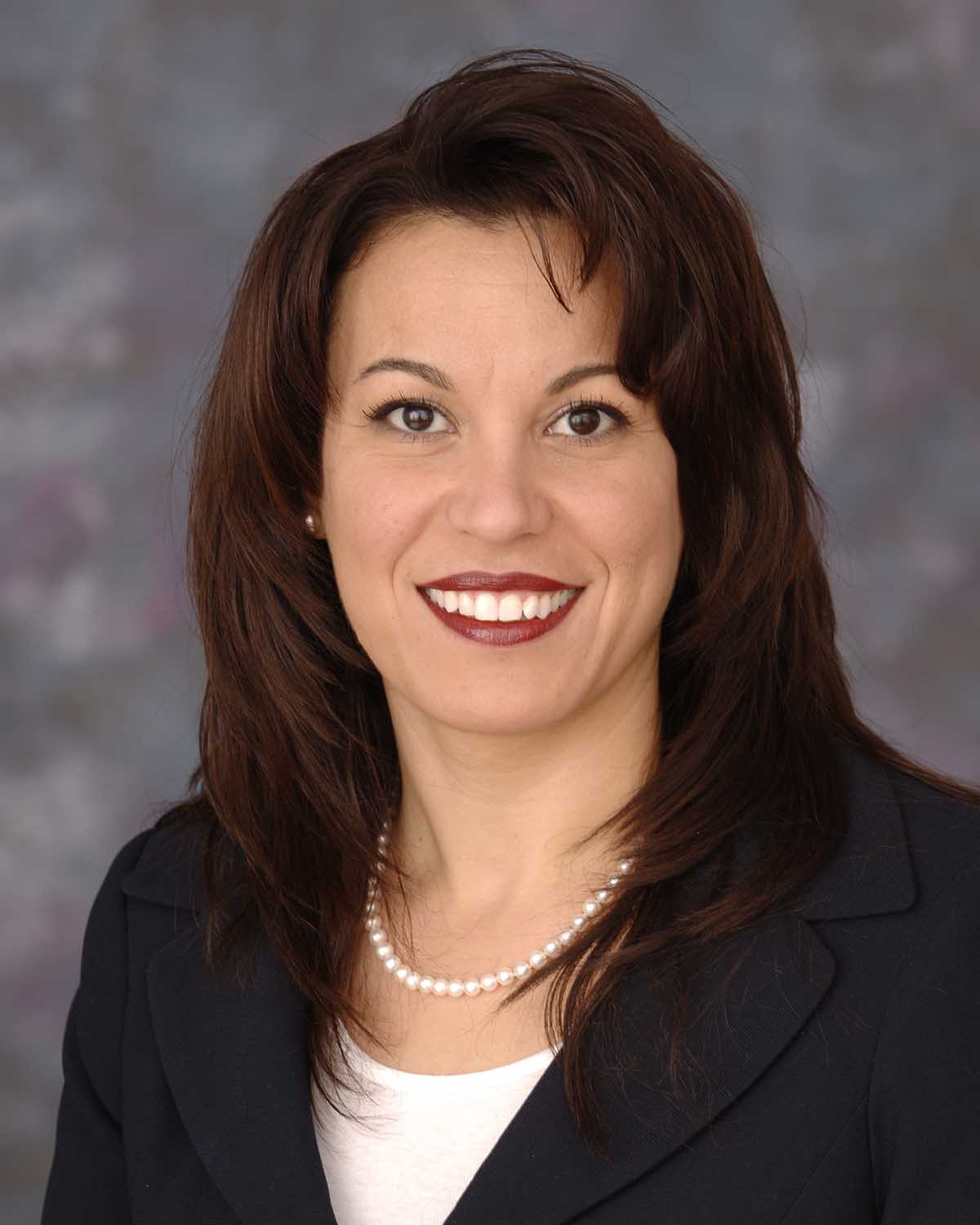
Spotlight On:  Babette Hankey, President & CEO, Aspire Health Partners

Spotlight On: Babette Hankey, President & CEO, Aspire Health Partners

By: Max Crampton-Thomas

2 min read April 2020 — Aspire Health Partners is Florida’s largest behavioral health nonprofit. Here, President and CEO Babette Hankey discusses the organization’s surge planning and its efforts to ensure the safety of its workforce in the face of the COVID-19 outbreak that has gripped the world. 

What accommodations is your system making to handle the influx of patients due to the COVID-19 outbreak? 

We have established Surge Plans for all of our campuses, and have made sure that every campus, team member, and individual unit is trained, prepared and equipped to absorb any surge of patients we may experience. We have isolation capacity on every unit and have identified additional units that can be used if necessary. We are also partnering with others within the community for contingency planning. 


How is Aspire Health working to ensure that patients and healthcare professionals alike are maintaining a safe environment?

The health, well-being and safety of our patients and team members are of paramount importance. We have established a single point of access for each of our facilities. We are screening everyone that enters, and only patients receiving services and staff providing those services are allowed access to our facilities. Additionally, we have initiated tele-health, tele-medicine, tele-group and tele-visit services throughout our system of care wherever appropriate to maintain social and physical distancing. We have established enhanced Infection Control processes and have established daily updates that are communicated to all staff.   Personal Protection Equipment (PPE) is provided to our staff when warranted and as new information is released from the WHO, the CDC and the DOH protocols are updated as necessary.   


How can the community best assist the local healthcare providers in this time of need?

Obviously, stay at home, practice standard precautions, and don’t go out (self-quarantine) if you are sick or have any symptoms of COVID-19 or the flu. It is important that we all stay connected for maintaining positive mental health.  Call your family, friends and neighbors and check on them. Make the connection, even if it can’t be physical. Let them know you care. Listen to them. If you begin to experience problems, physical or emotional, reach out to your healthcare provider or to a company like Aspire that has trained professionals 24/7 to assist with anxiety, depression and other feelings of despair. Aspire has a dedicated COVID-19 line for people to call: 407.875-3700 and push 2. Together, we will get through this.


What would your message be to the local community that is sheltering in place and waiting for a return to normalcy?

First and most importantly, I encourage all those who can to please stay home and adhere to the stay at home orders issued by our governor. If we all adhere to that, we can flatten the curve.  Secondly, stay informed, but don’t obsess on the news coverage. Take care of yourself, your family and your neighbors, both physically and emotionally. Take time to de-stress by walking, exercising and spending time with your family, while ensuring that all CDC guidelines of social distancing are being followed. We are all in this together and we will get through this together. We will be a stronger community in the end.


Do you feel you are receiving enough state and federal support for items you are in need of? What can the state and federal governments be doing better in this regard?

The state and federal government are doing their best to assist. We understand that this is something we have never seen before and are learning together in these unprecedented times.  While resources are limited, all levels of government have demonstrated a high level of commitment to ensuring that all available resources are tapped and committed to this effort. Our greatest challenge, which is nationwide, is having adequate PPE for our front-line healthcare workers. Our community is responding by making masks for our team members, for which we are forever grateful. As we see increased cases and have to quarantine our staff and patients, we are looking at ways to have a healthy workforce so that we can continue to meet the needs of some of our most vulnerable citizens at a time when they need us the most. 


It is imperative that we fight this as a united front and recognize the efforts that are being made throughout our nation as we navigate through these uncharted times. It is important that our leaders acknowledge the public’s heightened level of anxiety, provide reassurance and consistent messaging.  Prioritizing getting supplies, getting people well, back to their daily lives and back to work is our common goal and working together, as communities, states and a nation we will achieve this. The efforts at hand are about saving lives and coming together for a healthy and stronger community and nation.  


To learn more about our interviewee, visit: 

https://aspirehealthpartners.com/

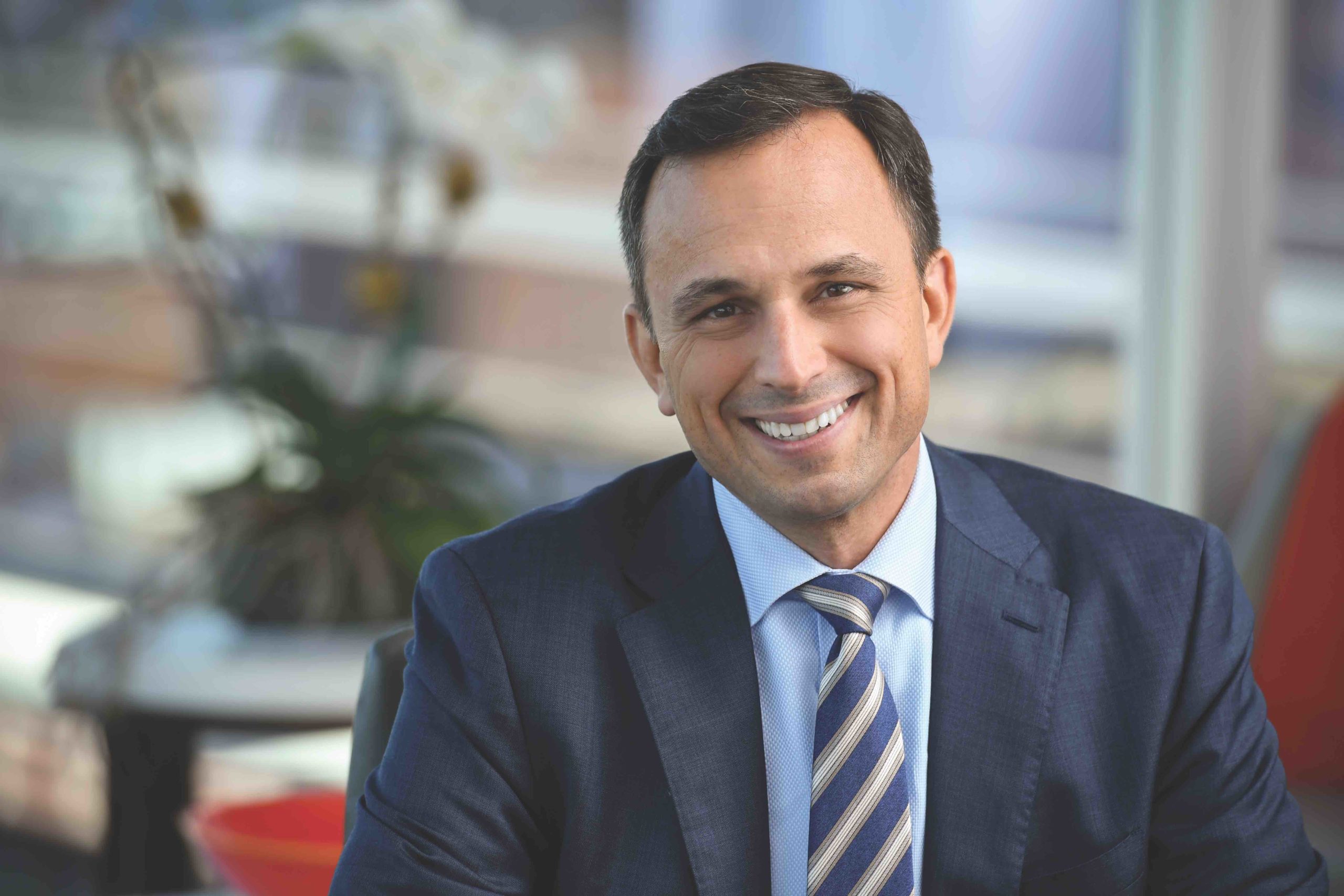
Spotlight On: Steven McCraney, President & CEO, McCraney Property Company

Spotlight On: Steven McCraney, President & CEO, McCraney Property Company

By: Yolanda Rivas

2 min read April 2020 —  The strength of the commercial real estate sector relies on the major roadways that run in and around Orlando, Steven McCraney told Invest:. He also notes that the location of Orlando is a great anchor to position his business as it provides ease of access to everywhere the company needs to be, as well as how the primary growth of his company has clearly been the warehouse and distribution space. 

How connected is the strength of the commercial real estate market to the major roadways in Orlando? 

The strength of the commercial real estate sector relies on the major roadways that run in and around Orlando. The last 50 years in Florida were all about the I-95 corridor, from Jupiter to Coral Gables. If you were to drive that route today there is not an available parcel of land on the roadway. We believe the next 50 years for Florida are going to be primarily focused on the I-4 corridor, from Tampa Bay to Lakeland to Orlando and onto Daytona Beach. While Daytona has not started to pop yet, the thing that we know is that there are two major roadways in Daytona, I-4 and I-95, which leads us to believe that it will be a good market at some point in the near future.


Why is Orlando the most ideal location for your operations? 

The Orlando economy continues to thrive. It’s attracting new residents, it’s generating new jobs and the increased interest is driving industrial users into the market because of the ability to distribute out of the state of Florida from the region on a one-day basis. We relocated to Orlando because the area places us right in the middle of the state. We operate throughout the Southeast and Orlando, which anchors us in the middle of everywhere that we need to be. It also provides the ability to move easily throughout the Southeast because of the region’s dynamic airport.


In regard to your business operations, where have you seen the most growth?

We are industrial developers. That is our mainstay and focus. This is complemented by third-party property management. As of late, the growth has clearly been the warehouse and distribution space. The total industrial space in Orlando is 123 million square feet, which breaks down into roughly 100 million square feet of warehouse distribution, 13 million square feet of manufacturing and the remainder is made up of office, flex space and distribution product. Here’s what we know: warehouse is the new retail. If a person is ordering online, whether it’s products,  clothing or food, the merchandise is likely not coming from a store, it is almost certainly coming from a warehouse. This is attributed to e-commerce growth and third-party logistics. Over the next few years, we are going to see the markets continuing to change and expand. From an industry perspective, I believe we have a trajectory that is at least 15 years long. While the product may continue to change, that product is coming from somewhere and that somewhere is a warehouse. As social distancing is ever more important and various markets are now under a “shelter in place” order, it is clear that suppliers, like Amazon, are still delivering essentials through package products to each and every home.


What market trends have had an effect on your business? 

We are always looking for ways to leverage technology in our business. Whether it’s roofing systems, lighting or super-flat floors, we want a logistics facility to be plug and play for a customer. The biggest challenge in recent years is rising costs. This can be broken down into the rising labor cost and the cost of materials. For example, the cost to build out a 1,500-2,000-square-foot office space within a warehouse space today can easily run around $250,000. That number exceeds $100 per square foot. At the same time, we have seen strong rent growth and because of that we have been able to keep pace. As we presently enter an economic downturn due to this pandemic, one would expect the cost of goods – both labor and material – will correct. Most of us in the industry went through the last recession and we know how debilitating it was. Moving forward, we have to be cautiously optimistic as we enter this challenging economic cycle and be mindful of our leverage, occupancy, quality of tenancy and our construction exposure.  


To learn more about our interviewee, visit: 

https://www.mccraneyproperty.com/

Spotlight On: Kate Saft, Partner, Greenspoon Marder

Spotlight On: Kate Saft, Partner, Greenspoon Marder

By: Max – Crampton Thomas

2 min read March 2020 — As the epicenter of the tourism and hospitality industries, Orlando affords many opportunities for businesses within those sectors and also to the service businesses outside those sectors. During her discussion with Invest:, Kate Saft, a partner with Greenspoon Marder, spoke on the opportunities the Orlando area affords her firm, the benefits of technology and how the COVID-19 crisis is affecting business as usual. 

How has the COVID-19 pandemic affected your firm? 

 We have seen consistent delays and pauses in our financing and real estate deals as a result of the COVID-19 pandemic. Some clients are anxious to complete as many pending transactions as possible given the uncertainty of what is ahead.  Others are seeing deals in which they can be competitive in light of the interest rate drop. We do anticipate some logistical issues, particularly in-person closings, which is why online notarizations are helpful.


How does the Orlando region provide opportunity for the firm? 

Orlando is the epicenter for the tourism and hospitality industries, including, specifically, the timeshare industry. Our Orlando office focuses heavily on representing timeshare clients, hotel operators and real estate developers, and that representation has led to many legal opportunities for Greenspoon Marder. 

Within the hospitality industry there are a plethora of legal issues that arise, including real estate transactional matters, marketing matters, lending and securitization transactions, consumer litigation, employment litigation, commercial litigation, and regulatory matters under various state and federal acts, including but not limited to the Fair Debt Collection Practices Act (FDCPA), the Telephone  Consumer Protection Act (TCPA), the Fair Credit Reporting Act (FCRA) and the Fair Labor Standards Act (FLSA). 

Our firm was founded with a focus on the core practice areas of real estate litigation. We have seen demand for those practices increase, not only throughout Central Florida but across the United States. We are pleased to be able to meet the needs and demands of our clients in these areas. We are consistently looking to expand our real estate, timeshare, corporate and litigation practice areas, not only in Orlando but on a national level, as well.


Is there any particular legislation that you are keeping a close eye on in 2020?

We are closely monitoring two Telephone Consumer Protection Act (TCPA) petitions pending in the Supreme Court that challenge the constitutionality of the TCPA. In particular, there is a petition pending that questions whether a single call necessarily results in injury that is concrete for the purposes of Article 3 standing and a petition that questions whether the restrictions on using an automated telephone dialing system or an artificial, pre-recorded voice violate the First Amendment. We are very interested in the results of these petitions and how they will affect our hospitality clients.


How does new technology benefit your practice and the legal sector overall? 

Technology makes it easier for us to connect with clients and reach potential new ones. All of our employees, from partners down to staff members, have access to virtual connections to safely access our clients’ information anytime and anywhere. We hold regular meetings through video conferences, sharing our expertise, so other attorneys are aware of the practice areas within our firm. In that way, we are able to utilize the specialties of all our attorneys to assist clients who present a diversified set of legal needs.

To learn more about our interviewee, visit: 

https://www.gmlaw.com/

Spotlight On: Daniel Zagata, Managing Partner, Evershore Financial Group

Spotlight On: Daniel Zagata, Managing Partner, Evershore Financial Group

By: Yolanda Rivas

2 min read March 2020 — Orlando’s diversifying economy has been attracting a high amount of investment to the region. The population of high-income earners and the number of high-income jobs continue to grow, according to Daniel Zagata, managing partner at Evershore Financial Group. Zagata shared the latest market trends and changes in an interview with the Invest: team. 

How did 2019 develop for Evershore Financial?

We have multiple locations in Florida: Orlando, Boca Raton, Palm Beach Gardens and The Villages. In Orlando, we purchased our first office building in 2019 and are looking at real estate acquisitions over the next couple of years as our firm expands. Overall, as a financial services company, we have been working to help people with their concerns over the market’s 12-year bull run, which has been the longest we have ever seen. Market volatility has pushed the consumer to engage us for financial advice and financial services due to the uncertainty that is emerging. Younger clients and people just getting started in the financial game are moving toward the automated system of robo-advisers, demonstrating a more of a do-it-yourself preference. The more affluent client has been engaging financial planners because they require more dynamic, complex, and customized solutions. On top of that, wealth management has changed drastically. It is not just about ROIs anymore. There are more family dynamics, multiple marriages, divorces, legacy issues and tax issues, just to name a few.


What shifts are taking place in the financial services sector?

There is an increasing demand for customized advisory services and guidance. We have been dealing with a greater number of business owners looking to not only sell their business but also looking for succession plans. The logistics behind planning have become extremely important. Most recently, the term “fiduciary,” and being able to engage a financial planner and adviser as a fiduciary, has become paramount and top of mind with most clients. That type of advice and engagement with clients is growing in demand while several financial advisers are either not properly licensed or do not have the capacity to work as a fiduciary. It has always been a priority for our firm to engage clients on their terms at the level they need. 


What trends are emerging in retirement and succession planning?

Many business owners do not have a written, executable succession plan, and have not identified the person who will take over. The problem becomes who to transfer the business to, how to bring that person in, whether or not they have a vested interest, if they have the required resources to purchase the business and if the resources are delivered as a lump sum or serial payment. It is often said that the top concern of a business owner relating to a succession plan is the impact on employees, along with preserving the business’ reputation. We have seen several business owners resort to repossessing their business when the transition was poorly executed or did not have the intended consequences.  


What is your outlook for 2020 and what are your areas of focus?

Election years tend not to be volatile because there is pressure to keep the economy stable. However, there are always events that are unpredictable, such as the Coronavirus, that can cause immediate volatility. From the firm’s standpoint, we continue to expand. We are looking to bring in highly qualified advisers to add value to what we do. As big proponents of education, clients today want to receive advice and information that are valuable to their investment strategies. I teach retirement classes at the Rollins College STARS program and Celebration Foundation for Lifelong Learning, to name a few. Our reputation, high-quality content and transparency has many schools and universities using Evershore Financial to deliver education. We understand people, and how behavior impacts investing and life. We will continue to grow and expand our firm as we help our clients navigate life’s transitions. 


To learn more about our interviewee, visit:

Evershore Financial Group: https://www.evershore.com/

Face Off: How local chambers of commerce are responding to the region’s population growth

Face Off: How local chambers of commerce are responding to the region’s population growth

By: Yolanda Rivas

2 min read February 2020 — Both the number of visitors to Orlando and its population are on the rise. The Invest: team spoke with Betsy Gardner Eckbert, president and CEO of the Winter Park Chamber of Commerce, and Andrew Cole, president and CEO of the East Orlando Chamber of Commerce, about their latest efforts to respond to the local growth and the challenges their chambers face.

Andrew Cole

How is the community responding to the region’s visitor growth?

Betsy Gardner Eckbert: The Winter Park Chamber of Commerce started several efforts to target and reach international guests. The second-biggest group of visitors that we receive in Winter Park is international. Half of the international visitors we received two years ago were coming from the United Kingdom. To respond to that demand we put together our Tourism Task Force, which created a business plan through destination marketing efforts, and as a result we had a 560 percent increase in traffic to our website from people from the U.K. We increased by 86 percent the traffic of people from the U.K. through the door of our Welcome Center. We will continue to expand our reach to international guests from different countries as well, including Canada and Brazil. 

Andrew Cole: We’re anticipating having almost 2 million people in Orange County by 2030. I think that speaks volumes, and we’re preparing for that population growth. Our transportation infrastructure is being enhanced, Virgin Trains is making its way into Orlando, the Orlando International Airport is building a new terminal, and our local governments are looking at additional transportation solutions and housing affordability issues. Businesses are expanding, creating new jobs, such as Universal Studio’s new Epic Universe theme park, Disney’s continued growth of their parks, and the Creative Village in Downtown Orlando is an innovation district for high-tech, digital media and creative companies providing new opportunities. Tourists and visitor numbers continue to increase providing plenty of opportunities for businesses to thrive. It’s exciting to know that businesses that are here and those relocating here have opportunities to grow and expand their footprint in Orlando.

Betsy Gardner Eckbert

What are some challenges for your chamber?

Eckbert: One of the challenges for our members is attracting and retaining the appropriate talent. To support them, we launched a pilot program to identify talented professionals — mostly women with impressive degrees who have stayed home to raise a family. Our program helps them get back into the workplace. Through this pilot return-to-work program we placed 83 percent of the participating women within six months in local and global companies. We are very excited to have the ability to furnish our members with a talent base of people who are reliable and have the skills and talents they are looking for. 

Cole: One of our biggest challenges is making sure that we have smart growth in that we’re looking at all aspects of the impact any new development will have on the area. We also have the battle between people who want to stay rural and those who want to see development. As long as we can plan smart growth, continue to address our challenges and remain forward thinking, I know Orlando will continue to be the place to be.

To learn more about our interviewees, visit:

Winter Park Chamber of Commerce: https://winterpark.org/ 

East Orlando Chamber of Commerce: https://www.eocc.org/

Spotlight On: Julie Kleffel, EVP, Community Banking Executive, Seacoast Bank

Spotlight On: Julie Kleffel, EVP, Community Banking Executive, Seacoast Bank

By: Yolanda Rivas

2 min read January 2020 — Mergers and acquisitions are a trend in the banking industry. A little over a year after Seacoast Bank expanded its presence in the Central Florida area, through the acquisition of First Green Bank, Julie Kleffel, executive vice president and community banking executive at Seacoast Bank, spoke with Invest: about the impact of the merger.

What were some highlights for Seacoast Bank in Orlando over the last 12 to 18 months?

The most exciting highlight we had in the Orlando market was the acquisition of First Green Bank, which added significant customers and team members to our Orlando group, as well as the company at large. But the primary focus was in the Orlando metropolitan statistical area (MSA). As a result of that acquisition, as well as our organic growth strategy, Seacoast is now the No. 1 Florida-based company in the Orlando MSA by way of deposits. 

Highlight No. 2 is that this is the fastest-growing market among all the MSAs that Seacoast serves across the diverse state of Florida. The dynamic growth and diversification of the Orlando economy has been beneficial to the bank’s overall growth, which has also improved our ability to invest in our community. Seacoast also was recently named by Forbes 100 as one of the fastest-growing companies in the world as measured by growth in revenues, profits, and stock return. We are very proud of that because it is not just about growth but about profitable growth that we’re returning to shareholders.


How do you plan to incorporate First Green’s environmental initiatives into Seacoast? 

Seacoast has been very focused on its promise to invest in you and your community, and this initiative aligns with that purpose. Probably, the biggest pillar is offering financing to consumers and businesses to instal solar panels to provide sustainable energy. Because we’re a bigger institution now, we were able to extend the solar panel loan program and make it easier for customers. We were able to give them access to capital faster by using some of our technology platforms. As well, First Green offered charging stations for hybrid and electric vehicles at their branch locations. We have expanded this program and are working now with some local partners to continue expanding it. The response has been very positive, and we look forward to doing the same across the state. We have also started recycling at our Orlando branches by partnering with local municipalities.


To learn more about our interviewee, visit:

Seacoast Bank: https://www.seacoastbank.com/ 

Face Off: Osceola County Cities Sharpening Economic Growth Plans

Face Off: Osceola County Cities Sharpening Economic Growth Plans

By: Yolanda Rivas

2 min read January 2020 — Amid the growth in Orlando’s economy and population, local cities are emphasizing the unique characteristics of their respective business communities. The city of Kissimmee is taking advantage of its aviation industry, while the city of St. Cloud is looking to expand its experiential and entertainment retail offer. The Invest: team spoke with Belinda Ortiz Kirkegard, economic development director at the city of Kissimmee, and Antranette Forbes, St. Cloud’s economic development manager, about their efforts to grow their economies while taking care of their existing businesses. 

What are the key industries for the city’s economy?

Belinda Ortiz Kirkegard: Aviation is a growing industry in Kissimmee, as the city owns a general aviation airport, Kissimmee Gateway Airport. This airport is predominately the airport of choice for corporate jets or private plane owners arriving to go to the Orange County Convention Center or a Central Florida theme park. Kissimmee Gateway Airport is also a relief airport for Orlando International (OIA), providing services for noncompatible OIA uses.  Additionally, understanding the value of high-wage aviation jobs, the city launched its Aerospace Advancement Initiative to attract companies to our airport. A recent Florida Department of Transportation study showed our airport yields a direct annual economic impact of $190 million. In the last seven years, the airport has grown by over 300 jobs.

Another growing field in Kissimmee is the medical sector. The city of Kissimmee is home to two strong, growing hospitals, AdventHeath-Kissimmee and Osceola Regional Medical Center. Combined, these hospitals have invested over $300 million in campus expansions or are growing their service lines. To capitalize on that growth, the city launched its Kissimmee Medical Arts District, providing economic development incentives specifically to attract more physicians and medical companies to the area. When new medical companies enter the market, they provide new job opportunities, but it also results in more medical services available to residents. It’s a win-win.   

Antranette Forbes: Retail and professional services are our key industries. In fact, 35% of our business is service-oriented. In the medical industry, St. Cloud Regional Medical Center is our largest nongovernmental employer. They have over 500 employees and the majority are in medical or medical-related professions. We also have a large population of dentists. From a business recruitment standpoint, that is a great opportunity for medical device providers, assisted living facilities and other related companies.

We are focusing on diversifying our retail footprint. We are looking to attract experiential and entertainment retail. We have places to shop and eat, and now we are focusing on providing options to play. We also need more diversity in our industrial sector. While we may not have a high amount of space to do industrial, we do have talent who can perform in the sector.

How do you support the interests of residents, while focusing on expanding the city’s business community?

Ortiz Kirkegard: Meeting the needs of our residents is always at the forefront of economic development. Programs are designed to attract companies that provide high-value, high-wage jobs to the community. As our economic development program has evolved, so have the job opportunities, and that helps advance our household income levels. Additionally, the evolution of the program has worked toward diversifying our economy by no longer being solely tourism centric with jobs circling retail and hospitality. Although tourism will always be at the heart of Central Florida, diversifying industries increases our economic resilience.  

Forbes: We are implementing numerous strategies to diversify our economy. We have over 1,300 registered businesses in St. Cloud. Over 35 percent of those are home-based businesses. These types of businesses are an important contributor to our economy. These “mom and pop” types of companies are a major focus for us. We are looking to move them out of their homes and into office or storefront space. By helping them to reach that next level, these are the businesses that will be hiring more employees and supporting our growth.

To learn more about our interviewees, visit:

City of Kissimmee: https://www.kissimmee.org/government/economic-development/economic-development-office 

City of St. Cloud: http://stcloud.org/926/Economic-Development 

Spotlight On: Daryl Tol, President & CEO, AdventHealth — Central Florida Division

Spotlight On: Daryl Tol, President & CEO, AdventHealth — Central Florida Division

By: Yolanda Rivas

2 min read January 2020 — The increase in free-standing healthcare locations across the nation continues to be a great part of many healthcare institutions’ renovation efforts. Faith-based, nonprofit organization AdventHealth has been expanding its free-standing locations in response to this trend. AdventHealth is also re-designing its system to adjust to the diverse population moving to Florida. President and CEO of AdventHealth’s Central Florida Division Daryl Tol spoke with Invest: about the network’s efforts to respond to national and local trends. 

What are the fastest-growing areas of service and care in Orlando?


There are several. One is the free-standing emergency room. We have added quite a number of free-standing locations with doctors and emergency services in areas of need, instead of having to build a whole hospital. We are growing our academic work around community cancer research. The cardiovascular institute is seeing high demand as well. We are also redefining our primary care model to include virtual care, which will allow patients to connect via video or text messages with their doctor.

What has been the impact of the healthcare industry as a dominant growth driver in the region?


If you look at Florida, and Central Florida in particular, growth is happening here in a significant way. We are managing a considerable line of growth in the senior and multicultural population. People from all kinds of backgrounds are moving into the state. We are responding to that in the way we design our system. We provide care for seniors and for people from all kinds of different backgrounds to communicate more clearly, enhance translation services and build locations in new communities, including communities of need that haven’t had healthcare historically. We believe our network should be accessible to everybody.


What are some of Advent Health’s strategies for innovation in providing quality care and patient experience?


The Center for Genomic Health is an important effort. It will focus on personalization around the patient’s personal profile. It will help us understand which medications and types of treatments work better for each person and identify risk factors. We can start really investing in each patient’s particular needs. A second effort is putting technology in the hands of consumers through our mobile app, which will launch its 2.0 version this year. It will alert people about care that is needed, help them in the scheduling of certain services and create price transparency. We have also launched a command center — the largest of its kind in the nation, both in size and scope of operations — where artificial intelligence will be used to provide the best care in how people get to our locations.


We’re a significant leader in robotic surgery. For a long time, our Nicholson Center has been a training center for robotic surgery. We have a number of robots there that surgeons use to perform surgery. In 2018, we were the first to purchase and perform a procedure with a new robot. We see robot technology improving, and we’re on the leading edge of that work as well.


To learn more about our interviewee, visit:

AdventHealth: https://www.adventhealth.com/hospital/adventhealth-orlando