Orlando’s convention center starting 2020 strong

Orlando’s convention center starting 2020 strong

By: Yolanda Rivas
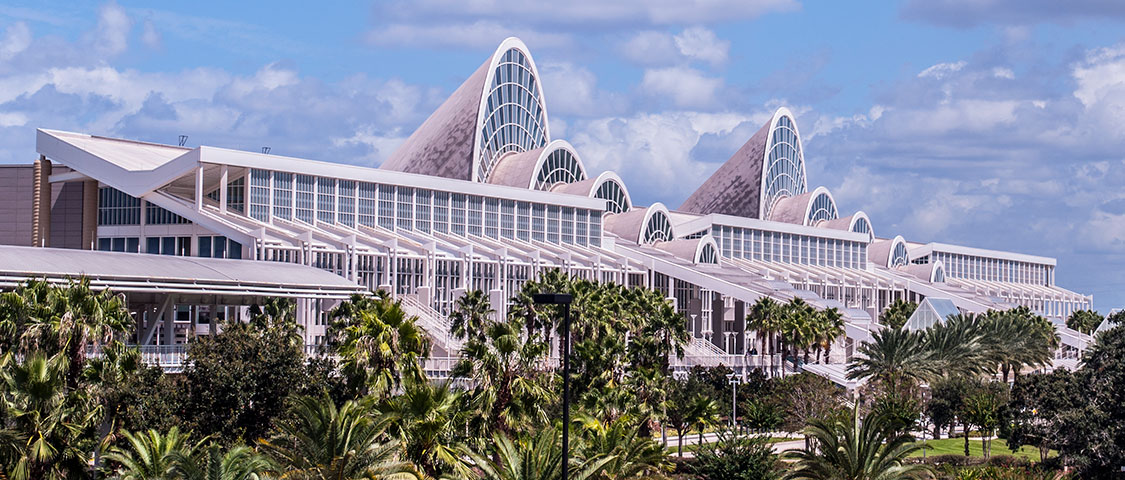
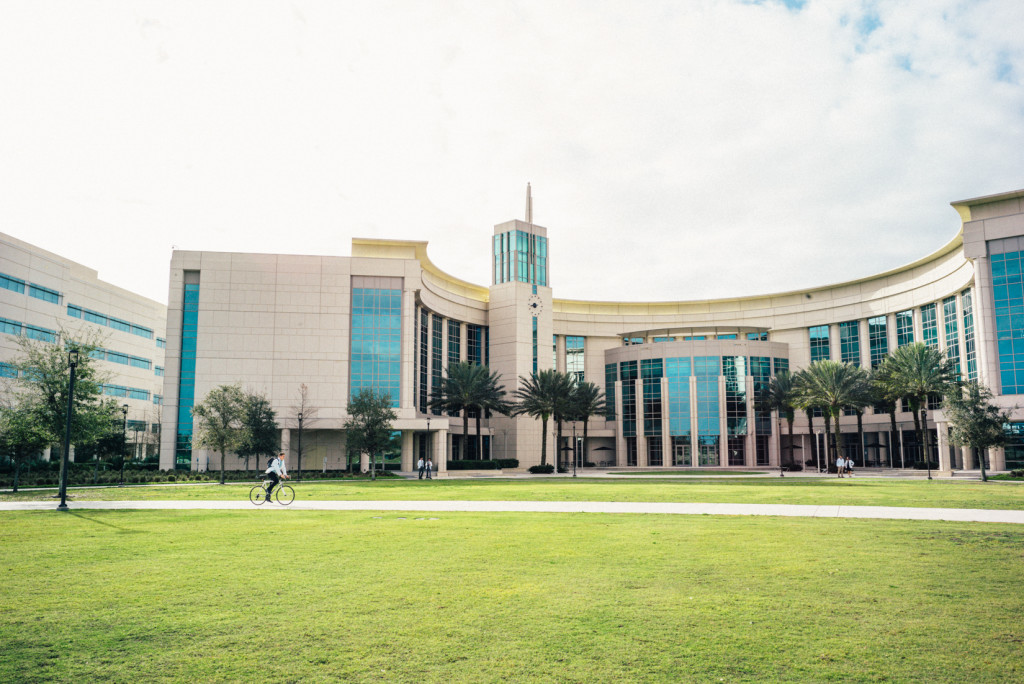
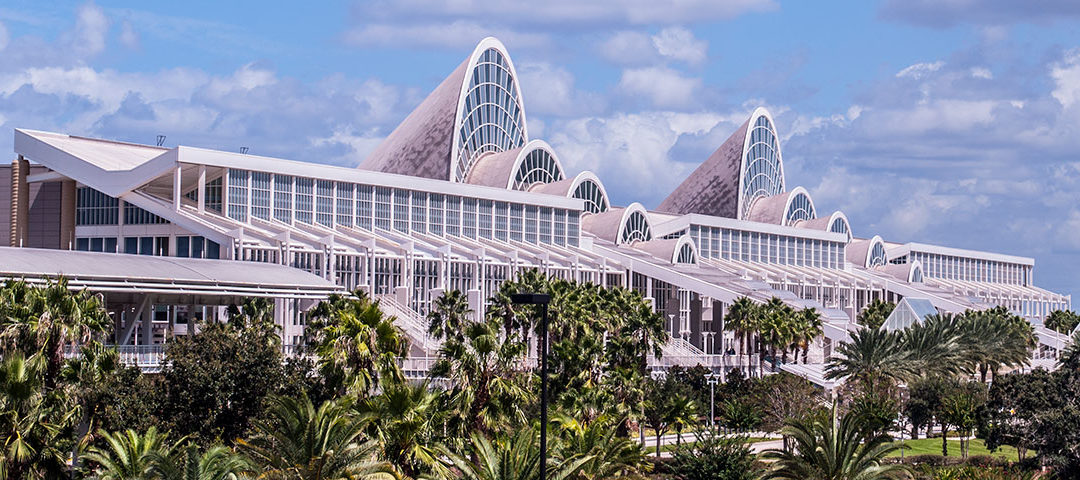
2 min read December 2019 — The Orange County Convention Center, one of Orlando’s economic engines, is entering 2020 with a robust variety of events and conventions. As the end of 2019 has been a busy one for the OCCC, the beginning of 2020 is starting strong with the convention center looking to host thousands of visitors during its busiest season.  


The OCCC brings over 200 events to Orlando each year, with 1.4 million attendees. During the first four months of 2020, the OCCC is hosting some of their biggest events, including:

PGA Merchandise Show 2020 – Jan. 22 – Jan. 24, the event is looking to attract 43,000 attendees. The event gathers PGA and golf industry professionals to showcase the latest trends in golf equipment, technology, apparel and accessories, and more. 

AHR Expo Feb. 3 – 5, OCCC will host the world’s largest HVACR event, which is expected to attract 50,000 manufacturers and industry professionals to the region. The event showcases the latest technology, trends and applications on HVACR technology. 

HIMSS Global Conference & Exhibition 2020 – From March 9 – 12, this even is expected to attract nearly 43,000 attendees to Orlando. The health information and technology event connects health information and technology professionals from around the world to discuss education, innovation and collaboration around health and wellness. 

American Academy of Orthopaedic Surgeons 2020 Annual Meeting – From March 25 – 27, the meeting is expected to gather 30,000 orthopaedic and health professionals. The meeting provides educational opportunities, exhibits and tools and tips.

MegaCon Orlando – From April 16 – 20, the comics, sci-fi, horror, anime, and gaming event is looking to attract over 75,000 attendees. The event will feature professional comic artists sketch duels, “How To” workshops and over 400,000 square feet of shopping space.

To expand its capabilities and reach, the OCCC is undergoing a $605 million upgrade for two master plan projects that will bring the OCCC total exhibit space to 2.3 million square feet. The expansion project will add an additional 200,000 square feet of exhibit space, 60,000 square feet of meeting space and an 80,000-square-foot ballroom. The project is expected to be completed in 2023. As the second-largest convention facility in the nation, the OCCC provides approximately $3 billion in economic impact annually. 


To learn more, visit:

Orange County Convention Center: www.occc.net

PGA Merchandise Show 2020: www.pgashow.com

AHR Expo: www.ahrexpo.com

HIMSS Global Conference & Exhibition 2020: www.himssconference.org

American Academy of Orthopaedic Surgeons 2020 Annual Meeting: www.aaos.org/annualmeeting/ 

MegaCon Orlando: www.megaconorlando.com

Spotlight On: Kevin Miller, President & CEO, Addition Financial

Spotlight On: Kevin Miller, President & CEO, Addition Financial

By: Yolanda Rivas

2 min read November 2019 — As the banking sector gets more concentrated, some financial institutions are implementing rebranding efforts to meet the demands of customers and keep up with the latest innovations and technologies. Addition Financial recently went through a rebranding effort and is now focusing on expanding its footprint. President and CEO Kevin Miller shared the financial institution’s latest updates with Invest: Orlando. 


What has been the impact of rebranding as Addition Financial?

In the last year we have made multiple changes, the biggest being our transition from a federal charter to a state charter. The state of Florida has a business-friendly environment and they were able to offer us some additional regulatory flexibility, for example a much larger territory and additional flexibility in the way we conduct our business and investments. We changed our name from Central Florida Educators Federal Credit Union to Addition Financial. We have also been expanding our footprint and recently acquired a small bank. These efforts have been part of our focus on expanding our presence throughout Central Florida.


We are focusing on our name change and rebranding effort to make it clear that more people can join the credit union. The rebranding has been positive, we have more people joining us and our new message, image and culture have been well-received. We have been in Orlando for more than 80 years. We have a great relationship with the community, which is vibrant and growing at a rapid pace. The diversity of culture in Orlando, provides us with numerous opportunities to continue our expansion and reach more people. 


What differentiates Addition Financial from the competition?

As a credit union, we are a not-for-profit financial institution, which means that our motivations are different than the for-profit institutions. A differentiator for us is our focus on the community and our educational ties. When we interact with our members we focus on the educational aspect. We support education and we also make sure that we educate people about financial literacy. We partner with K-12 schools in Orange, Osceola and Seminole counties and we have student-run branches in some high schools in each of those counties. We train the students to run the branch and teach financial literacy to their peers. We also have a program to educate college students on meeting their unique financial needs. In addition, we are working on housing affordability with these partners. We partnered with the districts to create a custom program to help teachers live in the communities where they work. 


What are some notable changes in Orlando’s banking and finance sector over the last few years?


A lot of the people who come into our branches are surprisingly young. The younger generations are looking for consulting and advisory types of services, while the older generation comes to our branches mostly for transactions. In terms of services, we have seen an uptick in small business demand. We focus on smaller businesses that maybe don’t feel like they have enough size or capital to go to some of the larger financial institutions. Lending is at an all-time high for us. We are seeing a lot of refinancing, especially with interest rates being so low.


To learn more about our interviewee, visit:

Addition Financial: https://www.additionfi.com/ 


Spotlight On: Sam Miles, First Senior Vice President, Central Florida Regional President, Valley Bank

Spotlight On: Sam Miles, First Senior Vice President, Central Florida Regional President, Valley Bank

By: Yolanda Rivas

2 min read November 2019 — Central Florida’s economic growth has driven many financial institutions to rebrand and adjust to the latest innovations and client needs. That is the case of Valley Bank. In a discussion with Invest:, First Senior Vice President Sam Miles, who oversees the regional bank’s Orlando and Jacksonville markets, addressed trending business areas for the bank, the impact of its Professionals Group and the bank’s branch rebranding effort. 


Which of the bank’s lending areas are seeing the most demand?


Our largest piece of business revolves around commercial real estate financing. There is a significant amount of capital being invested in real estate in Central Florida. As an example, there are 38 new multifamily projects either under construction or in the planning stages that represent $1.7 billion in investment. That growth, combined with strong employment, is creating high demand for residential developments, and we are very active in multifamily construction lending. In the last year, we also expanded our SBA team to help address the small-business lending market in Orlando. We have a full array of professionals in place with expertise in residential lending and SBA lending to complement our commercial real estate and C&I teams. 

What are your expectations for the relaunched Professionals Group? 

With the relaunching of the Professionals Group we’re trying to reach an affluent population that we haven’t specifically targeted previously. The Professionals Group is a team of commercial lenders dedicated to customizing products and services for any 

group of professionals, including doctors, attorneys, accountants and centers of influence operating throughout our bank’s footprint. It can be a wonderful source of referrals and, by establishing relationships with these professional groups, we will be able to drive new business.


How is Valley Bank improving customer experience? 


We are in the process of rebranding and redeveloping our branches to make them more user friendly. Clients will no longer have the traditional walk-in when they visit our branches. We are providing a modern feel with a warm and welcoming setting. Each branch that we are building now is going to have that model. We are also refurbishing existing branches to fit a more modern and welcoming environment. These new branches fit the trend of people wanting a different, fast-paced environment. 


How does Valley Bank give back to the Orlando community? 


We’ve played a big part in LIFT Orlando, and the redevelopment of the West Lakes area. We have been heavily involved in financing the projects there that are revitalizing that community. That is a wonderful community effort and we’re proud to play a part in it. Our team also spends a lot of time in the community with local groups such as The Ronald McDonald House, Second Harvest Food Bank and The Coalition for the Homeless. We provide paid days off to encourage our employees to volunteer and give back to the communities where we serve. 


To learn more about our interviewee, visit:

Valley Bank: https://www.valley.com/


Face Off: Education Updates to Keep Feeding Orlando’s Growing Job Market

Face Off: Education Updates to Keep Feeding Orlando’s Growing Job Market

By: Yolanda Rivas

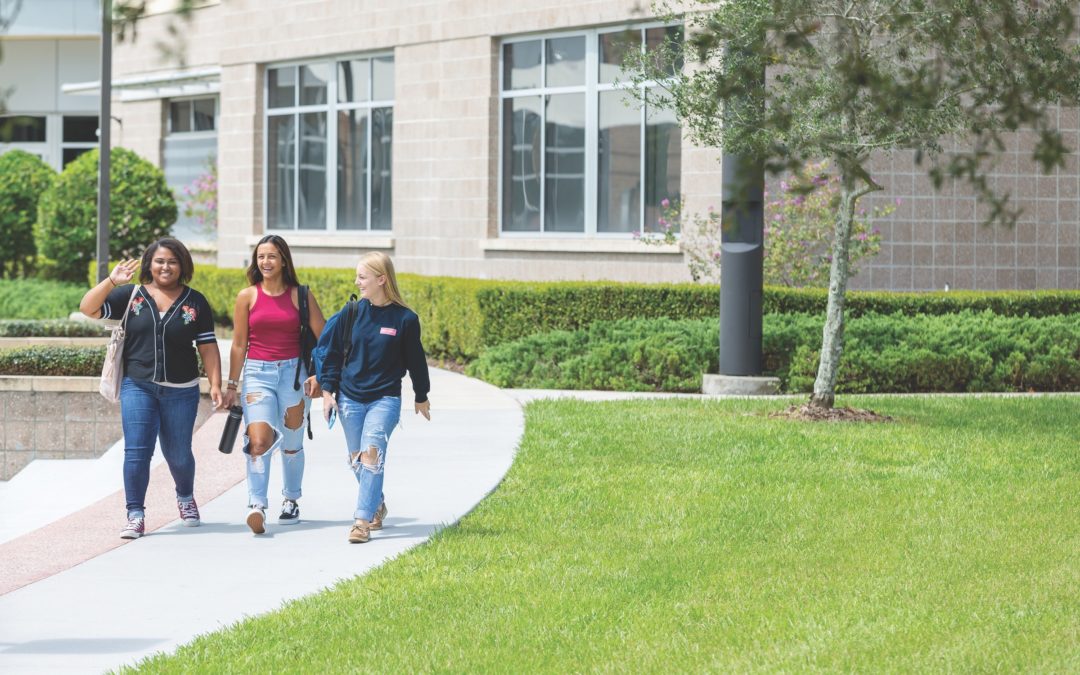
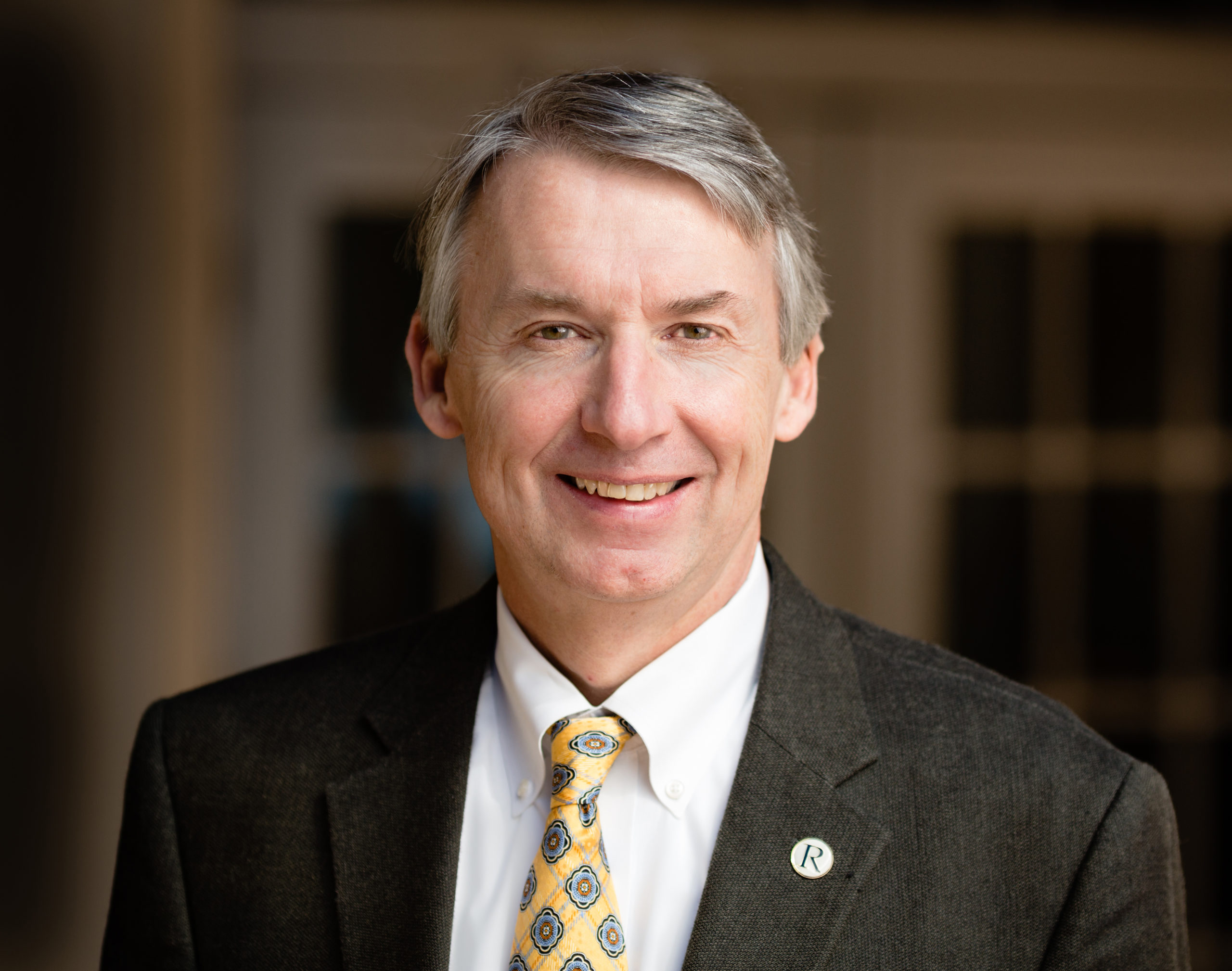
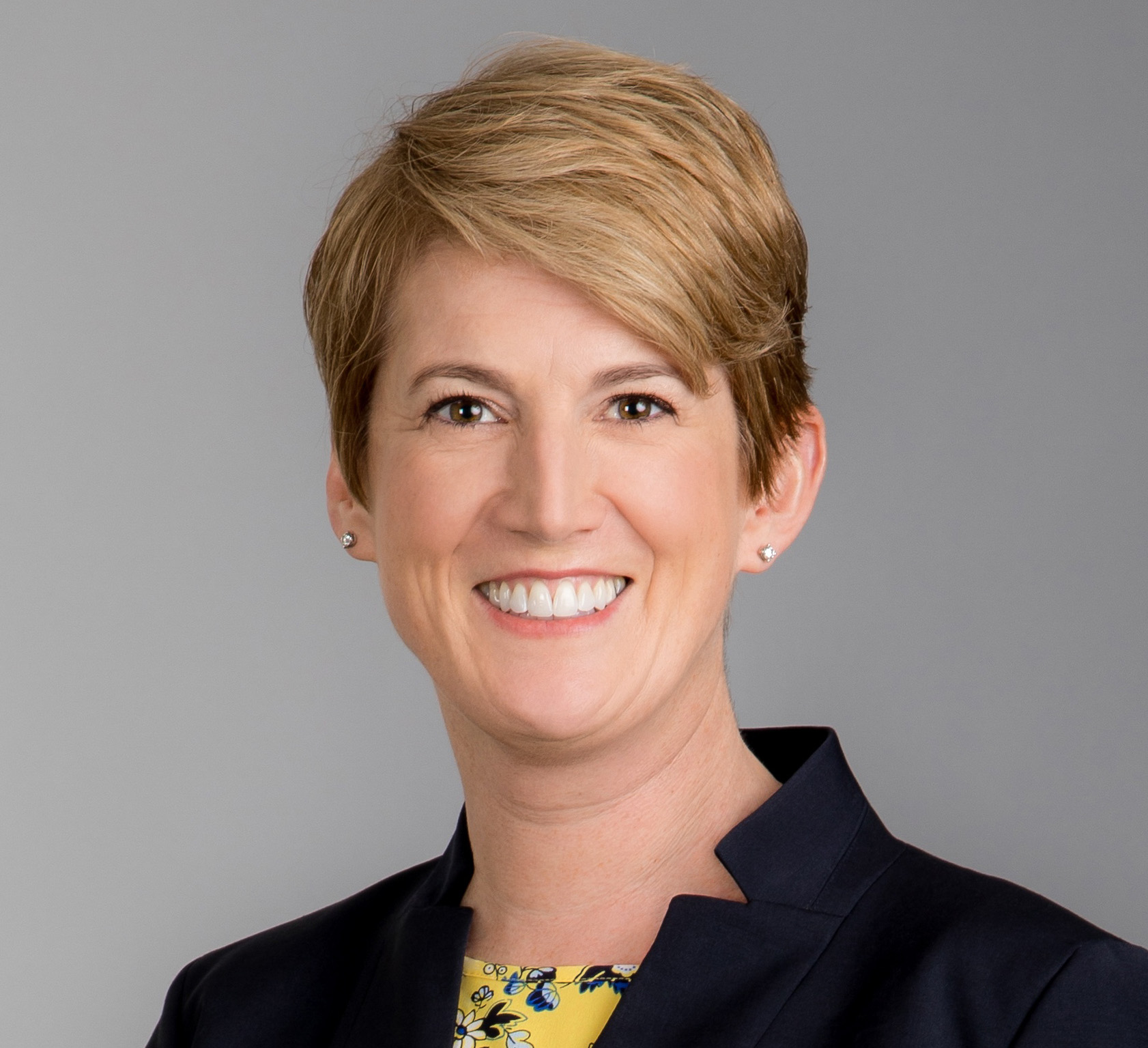
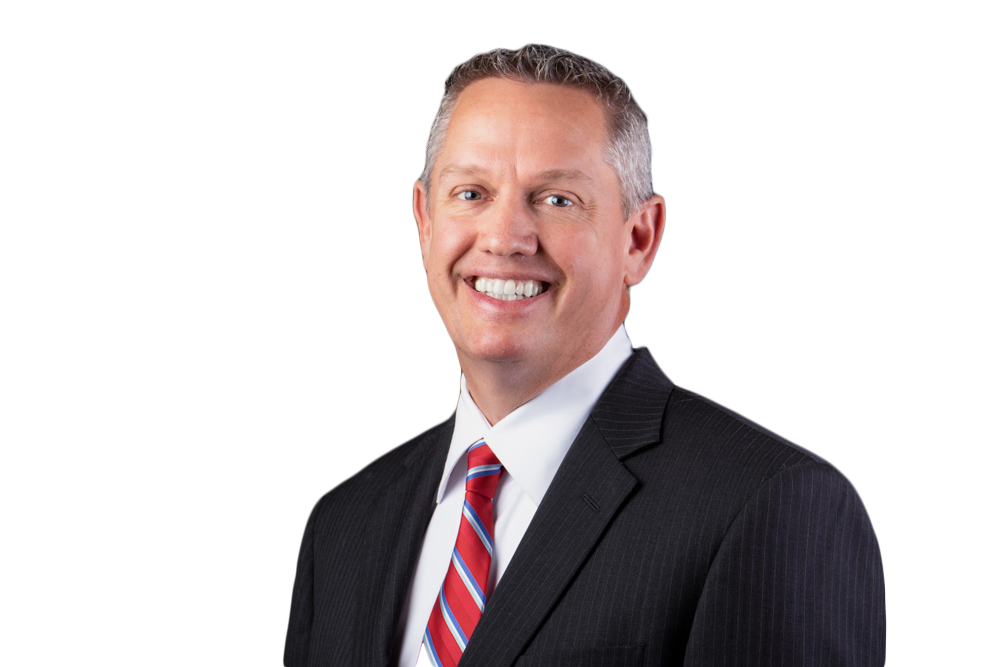
2 min read November 2019— Orlando has ranked among the country’s fastest-growing job markets for several years and it is also ranked by Forbes as the No. 3 city for future job growth. To continue its recognition as a great job market, there is a need for qualified talent with the necessary skills for the jobs of tomorrow. Invest: Orlando recently spoke with leaders of two major colleges in the area: Grant Cornwell, president of Rollins College, and Georgia Lorenz, president of Seminole State College of Florida, to learn about the efforts to feed the local talent pipeline.

What academic programs are seeing the most demand?

Grant Cornwell: Overall, we’re seeing increasing demand for our future-proof brand of liberal arts education. In terms of majors, our most popular programs include biology, communication studies, psychology, and our three undergraduate business degrees: business management, international business, and social entrepreneurship. That last one, social entrepreneurship, is one of our fastest-growing majors, and it was the first program of its kind to earn accreditation from AACSB International, which is the gold standard for business education. It teaches students how to apply business skills and entrepreneurial thinking and action to tackle social and environmental problems around the world. That is very appealing to this generation of students who want the tools to solve some of the global challenges that they’re inheriting and who want to make a positive impact in their lives and careers. 

Georgia Lorenz: Healthcare in general is one of the fastest-growing areas. As the Central Florida region continues to grow, there is a need for an additional 1,000 bachelor’s degree-trained nurses each year for the next decade. Our bachelor’s degree in health sciences is also experiencing great demand because it prepares students for a variety of health-related careers. We also launched our hospitality management program in fall 2019, to meet the high demand for restaurant and hotel management professionals. In the area of technology, our mechatronics and robotics program continues to expand. We want our students to be able to adapt as the industry changes. In spring 2020, we’re going to start a new focus area in simulation, which is a huge industry in Central Florida. Another area of growth for us is cybersecurity, which leads to great job opportunities. 

What are you efforts to attract and retain talent in Orlando?

Georgia Lorenz: First and foremost, the tremendous population and economic growth in Orlando represents an incredible opportunity for our students and graduates. At Rollins, we’re preparing graduates who are not only uniquely prepared to thrive in this dynamic economy right away but are also ready to help Orlando reach even greater heights through lifelong leadership. Second, Orlando’s growth is providing our students more and more opportunities to put their ideas to work in the world. Every semester, our students gain professional experience through internships at some of the world’s most innovative companies and organizations right here in Central Florida — from ALDI and NASA to Universal and The Walt Disney Co. Rollins’ also boasts some of the best community-engagement programs and initiatives that you’ll find at any college anywhere in the country. Every single day, our students partner with local and national organizations to create positive change in our community. In the process, they not only learn the importance of engaged citizenship but also develop experience that will give them a competitive advantage in the job market.

Grant Cornwell: Research has shown that the better education ecosystem a region has, the more likely they are to attract new businesses and retain the businesses that are already in the area. Seminole State continues to work closely with Seminole County Public Schools to create pathways for our students throughout their school careers and into higher education. As the population and the business community grow, we will need more professionals in a number of industries. And we are making sure we provide the talent to these new and emerging areas to help with the social and economic infrastructure of Central Florida. We are using technological advances to serve our students more effectively. We’re always looking for new software or innovations to better serve our students. Every program at Seminole State has an advisory board, made up of local business leaders and faculty members, to ensure that we’re preparing our graduates for the jobs of tomorrow. We also prepare students with hands-on learning experiences through internships and work-based problem solving to give them real world experiences with the latest technologies before they graduate. That’s something that distinguishes a Seminole State educational experience from many other institutions.

To learn more about our interviewees, visit:

Rollins College: https://www.rollins.edu/

Seminole State College of Florida: https://www.seminolestate.edu/


Spotlight On: John Crossman, CEO, Crossman & Company

Spotlight On: John Crossman, CEO, Crossman & Company

Writer: Yolanda Rivas

2 min read October 2019 — The retail sector has remained steady in Orlando over the last few years. Far from affecting physical stores, e-commerce has contributed to the growth of many businesses and the retail market. Crossman & Company is a commercial real estate firm focused on serving retail landlords exclusively throughout the Southeast. CEO John Crossman spoke recently with the Invest: team about the performance of the Orlando and Central Florida retail sector and its latest trends. 


What are some trends and advantages of Orlando’s retail sector?


Retail is interesting in that it follows growth from other market sectors. When you look at the real estate industry, typically jobs lead, then housing and then retail. When you look at a market, there are two specific factors to consider in terms of retail performance: the number of people moving and vacationing in the area. If those two numbers are up, then there will probably be an up retail market. In Orlando, those numbers keep going up and the retail market is doing very well. In central Florida, we have healthy demographic growth and a big tourism industry that is making the retail sector substantially bigger. Orlando has one of the highest timeshare markets in the world and the exponential factor of tourist retail is amazing. 


There is also what we call “the halo effect,” which happens when an online retailer opens physical stores and, most times, their online sales go up. Similarly, when an online retailer closes physical stores, their online sales go down. When customers buy something online and return it to a physical store, they typically end up spending more money in the store. In the Orlando area, we’re not seeing people radically closing stores. We are seeing a combination between their physical and online presence. 


What areas of Orlando are seeing the most demand in retail real estate?


The areas that are closest to the I-4 corridor have typically done well. As more beltways have been added over the years, that has spurred additional growth. Submarkets like Oviedo, Lake Mary, Clermont and Kissimmee have done well, too, due to their proximity to the corridor’s beltways. I don’t think you can talk about Orlando’s retail without talking about Lake Nona. There’s no doubt that that area has a major significance. Retail activity starts with jobs, then residential and retail, and there are numerous jobs and growth in Lake Nona. In the tourism area, some significant deals were closed recently, specifically on International Drive and Disney. Disney Springs and Park Avenue Winter Park are some of the best retail experiences in Orlando. 


What are some challenges facing the retail real estate industry in Orlando?


The retail industry overall is doing well. Yet, it’s very dynamic and it can become overwhelming. The industry has significantly changed so much and now is more similar to that old school, post-1950s retail, where retail surrounded a property that was growing up in a certain area. We used to talk about mixed-use developments, but now we have the mixing of uses in developments. Now, you can have a retailer, medical providers, educational institutions, religious organizations and a different mix of tenants in the same place. That makes for healthier retail, but it also can be complicated due to the many dynamics in the same place. Another challenge is technology, augmented reality, and the rapid pace of innovation. We need to get together as an industry to explore the future impact of new technologies in the retail sector.   


To learn more about our interviewees, visit:

Crossman & Company: https://www.crossmanco.com/

How e-commerce is feeding Orlando’s booming retail market

How e-commerce is feeding Orlando’s booming retail market

Writer: Yolanda Rivas

2 min read SEPTEMBER 2019 — At times when big retailers such as Sears, Charming Charlie’s and some malls are struggling to survive, Orlando’s retail sector continues to thrive. The city’s rapid population growth and robust economy present an ideal environment for retailers. Rather than having a negative effect on brick and mortar stores, e-commerce has had a positive impact in Orlando’s retail market, according to industry leaders who recently met with the Invest: team.

“We are seeing a blend of both online retail presence and brick and mortar, and that is a trend that we will continue to see for the next two to four years. Retail is going through an evolution, and that is not necessarily a negative thing. We will see significant changes over the next few years,” SRS Real Estate Partners Managing Partner and Market Leader for Orlando & Tampa Cindy Schooler, told Invest:.

Colliers International’s 2019 Q2 Central Florida Retail Market Report showed the area has a 5.3% vacancy rate. The report points out that Orlando’s regional growth has fueled investor demand for retail product to an all-time high. Rental rates have increased to $50 per square foot in Central Florida’s top retail corridors, while Orlando’s tertiary markets have increased in tenant demand. 

“There are two specific factors to consider in terms of retail performance: the number of people moving and vacationing in the area. If those two numbers are up, then there will probably be an up retail market. In Orlando, those numbers keep going up and the retail market is doing very well. In Central Florida, we have healthy demographic growth and a big tourism industry that is making the retail sector substantially bigger,” John Crossman, CEO of Crossman & Company, told Invest: in a one-on-one interview. 

Crossman explained the impact of “the halo effect,” which happens when an online retailer opens physical stores and, most times, their online sales go up. Similarly, when an online retailer closes physical stores, their online sales go down. 

“When customers buy something online and return it to a physical store, they typically end up spending more money in the store. In the Orlando area, we’re not seeing people radically closing stores. We are seeing a combination between their physical and online presence,” he said. 

An example of the e-commerce growth in Orlando is Kroger and Ocado’s second customer fulfillment center. Earlier this year, Kroger Co. and UK-based online grocery partner Ocado Solutions confirmed the location for a 375,000-square-foot fulfillment center in Lake County. The center will supply online customers only and its expected to create 506 jobs and add $63 million in annual economic impact. 

Orlando’s tourism sector also provides a particular advantage for businesses to test new products, according to Schooler. “We are a test field in the area because of the tourist market. A lot of entrepreneurs bring concepts here and test their brands because of the diversity in the area. That allows clients to test lines that they would never be able to test in traditional retail markets,” Schooler said. 

According to Colliers 2019 Q2 retail report, approximately 980,571 square feet of construction was underway by the end of the second quarter. This is the highest amount since before the Great Recession. 

To learn more about our interviewees, visit:

SRS Real Estate Partners: https://srsre.com/ 

Crossman & Company: https://www.crossmanco.com/ 

Colliers International: https://www2.colliers.com/en 

Orlando at the Cutting-Edge of Biotech Investment

by Sara Warden

2 min read August 2019 — The global biotechnology market is expected to exceed $775 billion by 2024, according to a new research report by Global Market Insights. With this amount at stake, it is little wonder Orlando is not allowing the opportunity to attract biotechnology companies pass it by.

Florida is the eighth-largest biotechnology R&D state in the United States, with over 260 biotech companies. According to a research paper by Man-Keun Kim and Thomas R. Harris on the clustering effect in the US biotechnology industry, some of the most important factors in forming a cluster include average payroll and overall education level in the region.

Orlando is addressing all these areas to attract biotech giants to the city and surrounding areas.

One example: In 2005, the University of Central Florida (UCF) received a $12.5 million donation from the Tavistock Group to build the UCF College of Medicine at Lake Nona, just south of Orlando Airport. The Orlando community matched the donation, which was in turn matched by a government grant, taking the total investment in the campus to over $100 million.

The new college broke ground in 2007, and the school announced that each of the 41 charter students would be awarded a full $40,000 four-year scholarship. The program attracted 4,300 applicants and the class members had the highest MCAT and GPA scores in the state. The campus continues to expand, now including the medical school’s new 170,000-square-foot medical education facility, as well as its new 198,000-square-foot Burnett Biomedical Sciences building. 

UCF has continued to make partnerships with renowned medical organizations to bolster the campus’ facilities. The College of Medicine is now partnered with Sanford-Burnham Medical Research Institute, Veterans Affairs Medical Center and Nemours Children’s Hospital, one of the nation’s largest paediatric health systems.

An economic impact study found that the College of Medicine and Lake Nona’s medical city could create more than 30,000 local jobs, have an economic impact of $7.6 billion and generate nearly $500 million in additional tax revenues for the state.

“I do believe this is a good thing for our community as we endeavor to really diversify our economy with high-wage jobs,” Orange County Mayor Jerry Demings said in an interview with the Orlando Sentinel.

With talent at their fingertips, it is little wonder that leading biotechnology companies are flocking to the city. Most recently, biotech firm Amicus Therapeutics announced Lake Nona to be the frontrunner in a new 18-acre site in which it planned to invest $150 million.

Originally, the company planned to create 300 jobs paying an annual average of $69,670, not including benefits. This prompted the government to offer a sizeable benefits package to tempt the company to settle in the southeast Orlando site.

The government offered a 25% tax break and property tax exemptions over a period of seven years, which would save the company about $1.5 million. Additional state incentives totaled $240,000, with Orlando contributing up to $1,200 per job created. There are additional provisions to increase the tax rebate if the company’s investment exceeds $148.85 million.

“Orlando continues to be one of the sites we are considering, and the availability of tax and other incentives, as well as access to a rich talent pool, are important factors in our ultimate site-selection decision,” company spokeswoman Sara Pellgrino told the Orlando Sentinel.

The company has since changed tack, concentrating more in curative gene therapies, which would limit job numbers. “A gene-therapy facility would require less space and less personnel than a biologic drug-manufacturing plant,” Orange County Economic Development Director Eric Ushkowitz told the Orlando Sentinel. However, under the new proposal, the average salary would rocket to around $100,000.

A formal decision hasn’t been made on whether or not Amicus will have an office in Lake Nona but there are plenty of other biotechnology companies racing for their spot in the scientific hub. Newly-established startups include Aviana Molecular Technologies, which is developing a smartphone-enabled biosensor capable of detecting certain proteins that indicate infectious diseases. Also at the site is SynapCyte, a company that is developing patented technologies to treat Alzheimer’s and Parkinson’s disease through stem cell regeneration.

“This is the place to be if you want to be involved with life sciences,” said the site’s Manager Jim Bowie to life sciences publication BioFlorida.


Universal’s Epic Orlando Investment

by Sara Warden

2 min read AUGUST 2019 – The theme park industry in Orlando is about to get an Epic addition. Comcast NBCUniversal, parent company of Universal Studios, announced a fourth theme park to add to its Orlando portfolio. Although it is keeping its cards close to its chest, the company has made no secret of the significant economic opportunities Epic Universe will open up for the entire state of Florida.

“Our new park represents the single-largest investment Comcast NBCUniversal has made in its theme park business and in Florida overall,” said Brian L. Roberts, chairman and CEO of Universal’s parent company Comcast Corporation.  “It reflects the tremendous excitement we have for the future of our theme park business and for our entire company’s future in Florida.”

According to the World Travel & Tourism Council, for every $1 spent on travel and tourism, $3.2 are returned to the economy. An economic impact study for Universal conducted by UCF economics professor Sean Snaith found that construction of the new park alone will inject around $11.5 billion in direct and indirect economic benefit into the Florida economy.

In particular, Universal will fund 50% of the Kirkman Road extension, which will allow access to the area where the new park will be located. “The Kirkman extension will improve transportation through a busy and growing portion of our county and open up the entire area for additional development, including an important expansion of our Convention Center,” said Orange County Mayor Jerry Demings.

According to research by WeSwap, the average daily spend by real travellers in Orlando comes in at around $144 per day, with $52 spent on eating out, $66 on entertainment, $27 on transport and $43 on shopping.

Although no concrete details have been announced on capacity, the new park will be built on a 750-acre site. As of July 2019, the current Universal theme park covered 840 acres, meaning this new development has the potential to almost double the theme park’s current 75-million capacity.

Taking just a conservative estimate of an additional 25 million visitors per year, that’s still a whopping $3.6 billion in income for the park. According to Universal, it contributes more than $302 million in annual state and local taxes, a number that will nearly double when the new theme park opens.

Universal Orlando’s combined direct and indirect economic benefit to the Florida economy since Universal Studios opened in 1990 is $73 billion, and the industry continues to grow. In 2018, the theme park segment of Comcast’s balance sheet came in at $5.7 billion, up 4.4% on 2017.

The direct investment being made by Universal is substantial in itself, but the knock-on effects for the economy are undeniable. The new theme park will increase the 25,000-strong staff at the theme park by another 14,000, significantly boosting quality of life and opportunities in the area and allowing the region to flourish.

“The investment Universal is making in our community and the benefit all of us will see is substantial,” said Demings. “This will benefit nearly every segment of our economy, from tourism to high-tech.”

Orlando Welcomes Mixed-use University City

by Sara Warden

2 min read July 2019Right now, students all over the world are enjoying a long summer break. But when summer ends in the fall, 7,700 UCF and Valencia College students will be returning to classes at a new state-of-the-art 68-acre development called Creative Village.

A $1-billion public-private partnership, Creative Village is designed to become a minicity in the heart of Orlando’s downtown. The campus will host more than 20 UCF academic programs, including communication, digital media, legal studies, healthcare technology and healthcare management. Valencia College will offer programs in digital media, health information technology, culinary studies and hospitality.

The centerpiece of the campus will be the Dr. Phillips Academic Commons, designed by architects Robert AM Stern and SchenkelSchultz. UK-based contractor Skanska is responsible for the development of the $66 million building. The 580-space, four-story, $14.6 million parking garage will be installed with license plate recognition technology and electric charging stations. State-of-the-art student accommodation will be provided by Ustler Development and DEVEN in the form of UnionWest, a 15-story building with over 600 beds and retail spaces.

The new campus has been in the works for the last four years but it is not just students who should be interested in the development. For local companies, the business of education can be a lucrative one. Not only will Creative Village host the campus, but it will eventually become a massive mixed-use district with 1.2 million office spaces, 1,500 residential units and 225 hotel rooms.

According to the Assistant Vice President of the new campus, Mike Kilbride, the goal was to offer students integration, convenience and walkability. “You go to the legal studies example and we’re just a five-, six-minute walk to the courthouse. So, students have the opportunity to intern while they’re in their courses,” he told Click Orlando.

Sunrail and Lynx buses have established a partnership with the campus, allowing students and staff to ride free of charge. “That allows students with their student IDs to ride Lynx buses for free, so there’s a lot of great options for our students and faculty and staff to connect with this campus if they want to leave their car at home,” Kilbride said.

As the campus becomes more walkable, the need for convenient retail outlets becomes more pressing. According to Wells Fargo research, the average spend of students per year on basics like accommodation, books, transport, clothes and food comes to around $14,960. When considering the students alone, that’s a $150-million gold mine for local vendors just waiting to be tapped into.

Just last week, UCF Downtown announced sushi restaurant Vera Asian would be joining the ranks of Dunkin’, Qdoba, Subway and many more as vendors at the campus. The development will also generate jobs for hundreds more custodial workers, security guards, maintenance workers, IT support workers and others.

“We’re not just talking about transforming a city, we’re talking about transforming lives,” said City Commissioner Regina Hill, who represents west downtown Orlando, at a meeting with the Florida Board of Governors.

“It’s terribly exciting to have 7,000 students in our downtown. That’s going to change the complexion of downtown forever for the better,” Orlando Mayor Buddy Dyer told News 6.