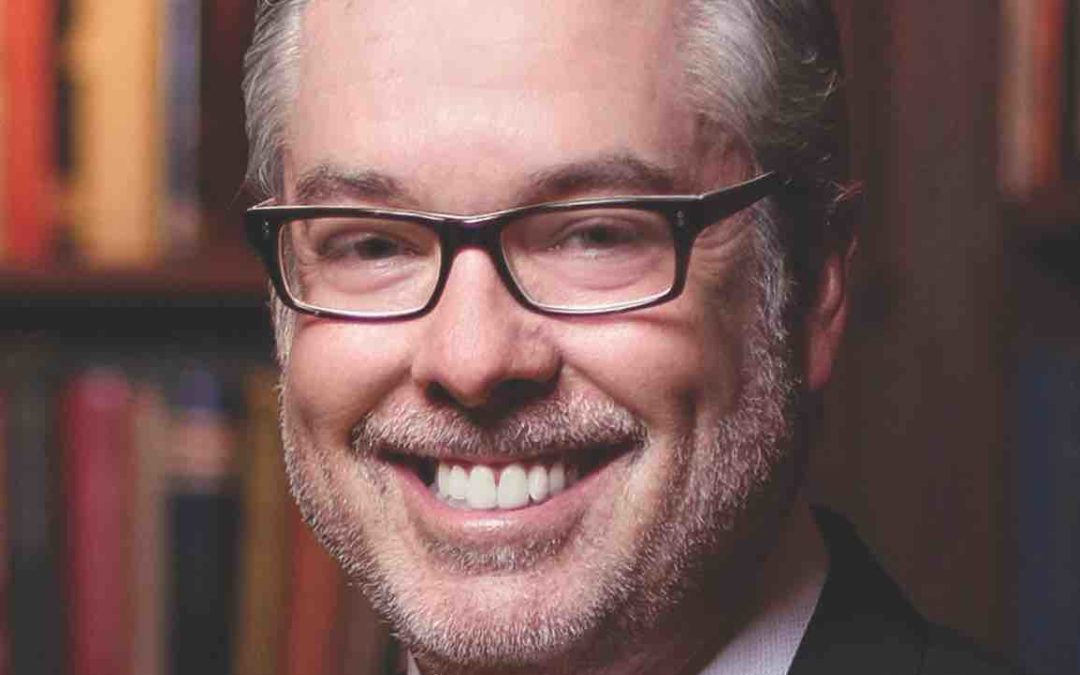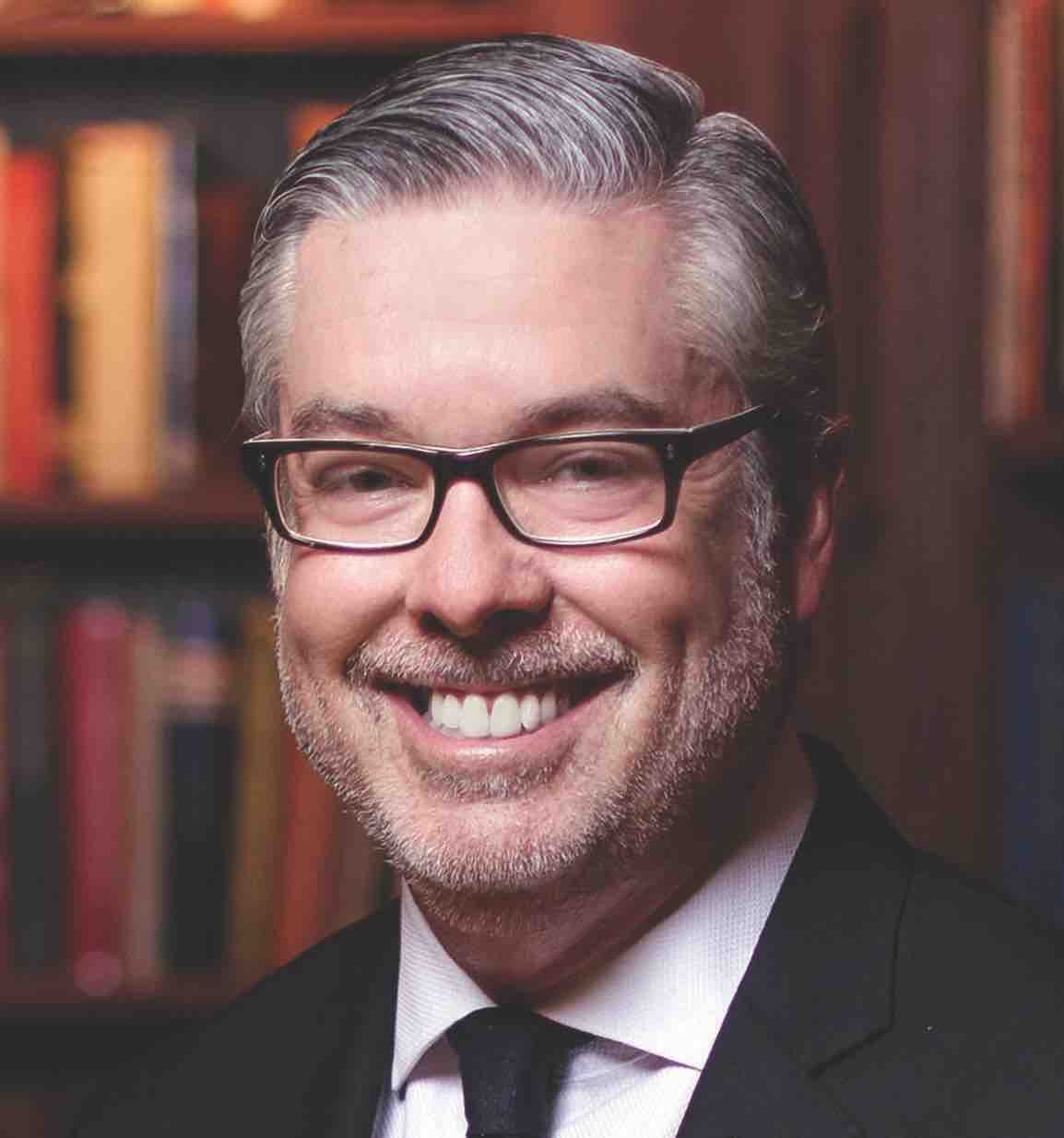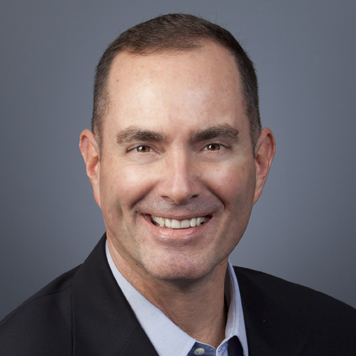
Spotlight On: John Lawrence, President, Mid-Atlantic Territory at Aetna, a CVS Health Company

Spotlight On: John Lawrence, President, Mid-Atlantic Territory at Aetna, a CVS Health Company

By: Max Crampton Thomas

2 min read June 2020 —  Founded in 1853, Aetna is one of the nation’s leading diversified healthcare benefits companies, serving an estimated 46.7 million people. President of the Mid-Atlantic Territory John Lawrence spoke with Invest: about the company’s role in the battle against COVID-19.

How is Aetna assisting individuals, employers and providers throughout the COVID-19 pandemic? 

As part of CVS Health, we have a presence in communities across the country and interact with one in three Americans every year. When facing a health crisis like COVID-19, we’re uniquely positioned to understand where the needs are and how to address them. To support our members, we’ve waived the cost-sharing for testing and in-patient treatment of COVID-19, offering no-cost telemedicine visits until June 4, waived charges for CVS Pharmacy home delivery of medications; and waived cost-sharing for all primary care visits for Aetna Medicare members. 

Similarly, for plan sponsors, we’ve introduced an Employee Communications Toolkit that they can use to communicate the support available to their employees; offered a Special Enrollment Period Opportunity for insured plans; and developed a cost modeling calculator to help self-funded customers estimate the cost impacts of COVID-19. For providers, we’ve taken numerous actions to help reduce the administrative burden. 


What role will Aetna play as the state looks to slowly reopen its economy? 

Dramatically increasing the frequency and efficiency of testing to help slow the spread of the virus is critical for responsibly reopening the economy when experts tell us it’s safe. We operate large-scale COVID-19 rapid test sites in five states, which were opened in a matter of weeks through partnerships with the Department of Health and Human Services and governors in Connecticut, Georgia, Massachusetts, Michigan and Rhode Island. Most of the parking lot sites can accommodate up to 1,000 tests per day using the Abbot ID NOW COVID-19 test which provides immediate results. Since May, we’ve been offering self-swab tests at select CVS Pharmacy locations in parking lots or at drive-thru windows.


What accommodations to your network of primary care doctors and specialists did you have to make to handle the influx of patients due to the COVID-19 outbreak? 


For primary care doctors and specialists in our network the issue was twofold: staying in touch with their patients and doing so in a way that kept them and their patients safe. Telemedicine was the obvious answer, and we assisted our physicians in adopting or expanding their ability to offer telemedicine services. To further encourage the use of telemedicine, we waived co-payments for all virtual encounters. This included services for members in high-deductible plans, anticipating the guidance subsequently received from the Treasury Department. We also added additional payment codes and rates to reimburse our network doctors at the same rate for in-person and virtual visits.


Recognizing that some of our community of healthcare providers and clinicians are facing financial and administrative strain throughout the COVID-19 pandemic, we took a series of additional actions to allow them to focus on delivering high-quality patient care. These actions include a commitment to prompt and accurate claim payments; helping hospitals prioritize COVID-19 patients; enabling greater capacity with healthcare providers; ensuring full provider reimbursements for waived member cost-sharing for COVID-19 testing and treatment; and providing behavioral health support. 


What are your initiatives to address urgent health and safety needs caused by the COVID-19 pandemic in communities across Philadelphia? 


The less visible but escalating mental and emotional crisis is the “second curve” of the pandemic, and CVS Health is proactively addressing this urgent crisis through the launch of a mental well-being program. So many people are dealing with the physical effects and the mental trauma, stress, fear, anxiety and isolation as a result of the pandemic. On May 4, CVS Health launched a nationwide effort and committed $1 million in charitable support to help address those realities and we’re connecting people with no cost mental well-being resources and counseling services. In the first phase of the program, we’re particularly focused on healthcare workers, essential workers and seniors. 


When facing a health crisis like COVID-19, we’re always working to understand where the needs are and how to best address them. We are continuing to reinforce the importance of social distancing and proper hand-washing measures especially as local communities return to business as usual. Through all of our COVID-related efforts, our goal is to help slow the spread of the virus and save lives. 


To learn more about our interviewee, visit: 


https://www.aetna.com/

Spotlight On: John Fry, President, Drexel University

Spotlight On: John Fry, President, Drexel University

By: Max Crampton-Thomas

2 min read April 2020 — As the COVID-19 pandemic took hold across the United States, educational institutions suddenly were faced with the need to move online. Drexel University President John Fry outlines his school’s experience, expectations for commencement ceremonies and how Drexel is helping medical professionals and the public to fight the outbreak.

How have you seen the faculty and student body handle the transition to all online classes and education? 

The hallmark of the spring quarter and semester at Drexel University has been the shift to online instruction for undergraduate, graduate and professional students, with an option to choose pass / no pass over traditional grading. Given mere weeks to prepare, our faculty and instructional technology team have done transformative work — enabling professors to conduct more than 3,200 course sessions that, prior to the COVID-19 pandemic, would have been taught face-to-face in a classroom or lab setting. We saw a remarkably smooth virtual classroom experience for thousands new to this form of instruction, with positive feedback from students and faculty; and more than 100 laptops loaned out by the Drexel information technology department to students, faculty and professional staff to support their studies, teaching, research and administration while away from the campuses. In addition, our faculty have offered help and best practices to their colleagues while working on their own courses.

What efforts and initiatives are coming from Drexel University in regard to aiding medical professionals and the public in the fight against COVID-19? 

Drexel’s Rapid Response Research and Development Fund was created to support urgent action, launching more than a dozen projects focused on health-related research and development. The work supported by this fund runs the gamut, from producing new medical masks and face shields, to creating a new app to track infections, to vaccine-related research and chronicling the mental health impacts of the pandemic. In addition, we have offered rooms in two of our residence halls for doctors, nurses and other health-care personnel working in the Philadelphia area who wish to remain close to their hospitals.


How will the university handle graduation this year for those students who are slated to graduate at the end of the spring semester? 

We certainly are not going to let the pandemic prevent us from celebrating achievement. A university-wide commencement, along with one for the Drexel University Thomas R. Kline School of Law, will likely be held in the fall. Our College of Medicine isn’t waiting: Its virtual graduation ceremony will take place Friday, May 29, with planning help from student representatives from the MD program and the Graduate School of Biomedical Sciences and Professional Studies. Our College of Medicine Commencement speaker and honorary degree recipient will be Katherine A. High, MD, co-founder, president and chief scientific officer of Spark Therapeutics.

What is your message for the university’s student population and faculty who are sheltering in place and waiting for a return to normalcy?

The devastating and sweeping impact of the coronavirus pandemic has left no one untouched. At the same time, I am confident that the Drexel community is navigating the challenges and opportunities presented by the pandemic with increasing success. In that spirit, I want to encourage our students and faculty to focus as much as possible on all that is positive about our response to this extraordinary period in our history.  

To learn more about our interviewee, visit: 

https://drexel.edu/

South Jersey and Philadelphia transition into online learning

South Jersey and Philadelphia transition into online learning

By: Max Crampton-Thomas

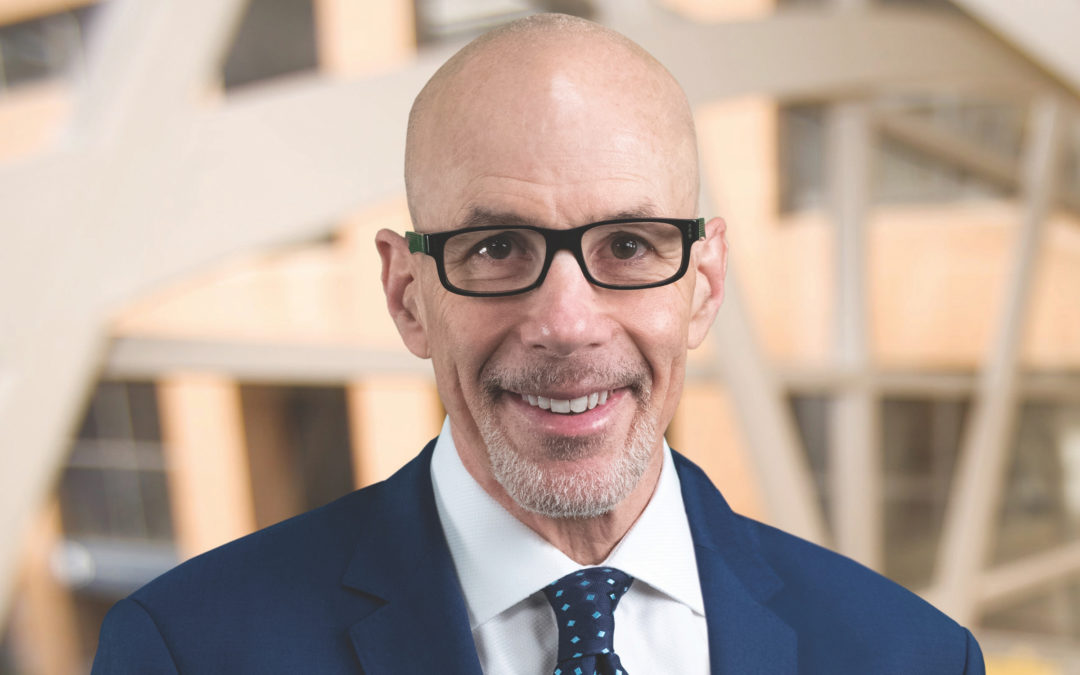
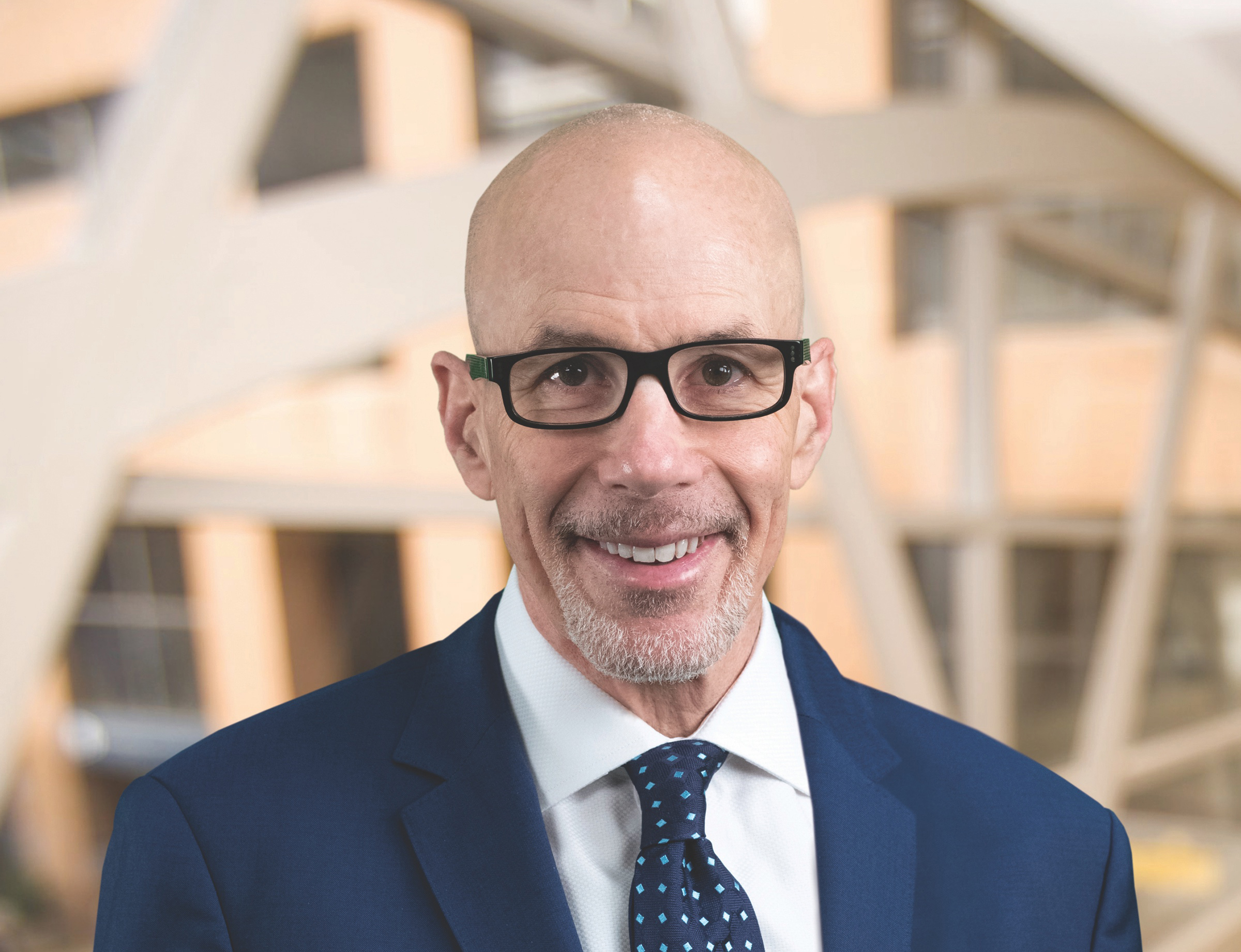
2 min read April 2020 —Jefferson Health is a multistate, nonprofit health system, including teaching hospitals, centered in Philadelphia. CEO Dr. Stephen Klasko details how earlier actions helped its hospitals get ahead of the COVID-19 pandemic in terms of preparation. Klasko also outlines the actions he would like to see from the state and federal governments to deal with the fallout from the pandemic.

What accommodations have you made to handle the influx of patients due to the COVID-19 outbreak? 

No one was totally ready for this pandemic, but Jefferson Health – all 14 hospitals – had a head start in preparing because of two initiatives. More than 10 years ago, Jefferson infectious disease doctor Edward Jasper started leading pandemic drills, and he stockpiled a supply of PPEs (personal protective equipment). In fact, we even sent PPEs to New York City in the early days of the crisis. Second, in 2014, we invested heavily in telehealth, launching JeffConnect, which immediately connects patients by video-call to an emergency department physician. As a result, we didn’t have to rebuild our system when calls went from 50 a day to more than 3,000 a day. Telehealth handled the first wave of the crisis, allowing us to support COVID-19 patients at home, as well as help thousands of people who were sick but not with COVID-19.

How are you working to ensure that patients and healthcare professionals alike are maintaining a safe environment?

Jefferson Health moved very quickly to a “universal masking” policy, requiring all staff to wear masks at work, even if their patients were COVID-negative. We were one of the first hospital systems to adopt universal masking, exactly to ensure we protect our own staff. We were in close contact with our colleagues in Italy, who told us that proper protection for staff dramatically cuts transmission within a hospital. 

Because we were prepared, we are able to allow a loved one to attend our patients during end of life situations, even for COVID-positive patients. We even allow a loved one to attend labor and delivery for a birth. This requires a full procedure of having a nurse escort to attend the loved one. We did this because of the long-term psychological trauma of unresolved grief when families are unable to say goodbye in person. 

How can the community best assist the local healthcare providers in this time of need?

The first answer is the critical one: Do not spread the illness. Our frontline staff are working horrendous hours attempting to save the lives of vulnerable patients. They are isolating themselves from their own children and families in order not to spread the virus. Do not increase their already heavy workload by getting sick yourself. 

But there are also vulnerable populations who need our help. The virus is disproportionately hitting places of congregate living – that includes retirement homes and communities. It is disproportionately hitting people who are poor. And the consequences of staying home are hitting people with medical needs all across society, from uninsured women who cannot get prenatal care, to older people on dialysis. In each case, there is specific advice, which may just be to give money to help not-for-profits that are providing assistance to the poor. 

What is your message to the local community that is sheltering in place and waiting for a return to normalcy?

Many of us are concerned that people with urgent medical issues are delaying treatment plans, not collecting medications, not seeking help. Please tell your family and friends: Do not delay getting help for cardiac and stroke issues. Do not delay taking medications. Stay on your cancer treatment regimen, and if you have the opportunity to join an advanced protocol or clinical trial, you should do that. Very important: Use telehealth to get mental health support if you need it. It may take more work today than it did last year, but please get the help you need. 

Do you feel you are receiving enough state and federal support and what more is needed? 

I believe Congress should immediately convene a COVID Commission along the lines of the 9/11 Commission – it is that serious. We need immediate changes to policy to enhance innovation to fight the immediate threat, but we also need to review the financial implications of this fight for hospitals, and we need to figure out how to ensure the next pandemic doesn’t create a health and economic crisis of this magnitude. On my list of things we need: Immediate access to the internet for all citizens, not just those who can afford a data plan. We need the federal government to lead preparation for surge capacity for intensive care, responding to any crisis. We need to prepare to offer health insurance after massive layoffs. And we need to evaluate the ethics of how we pay for healthcare to ensure equity for disadvantaged communities. 

To learn more about our interviewee, visit: 

https://www.jeffersonhealth.org/index.html

https://www.jefferson.edu/