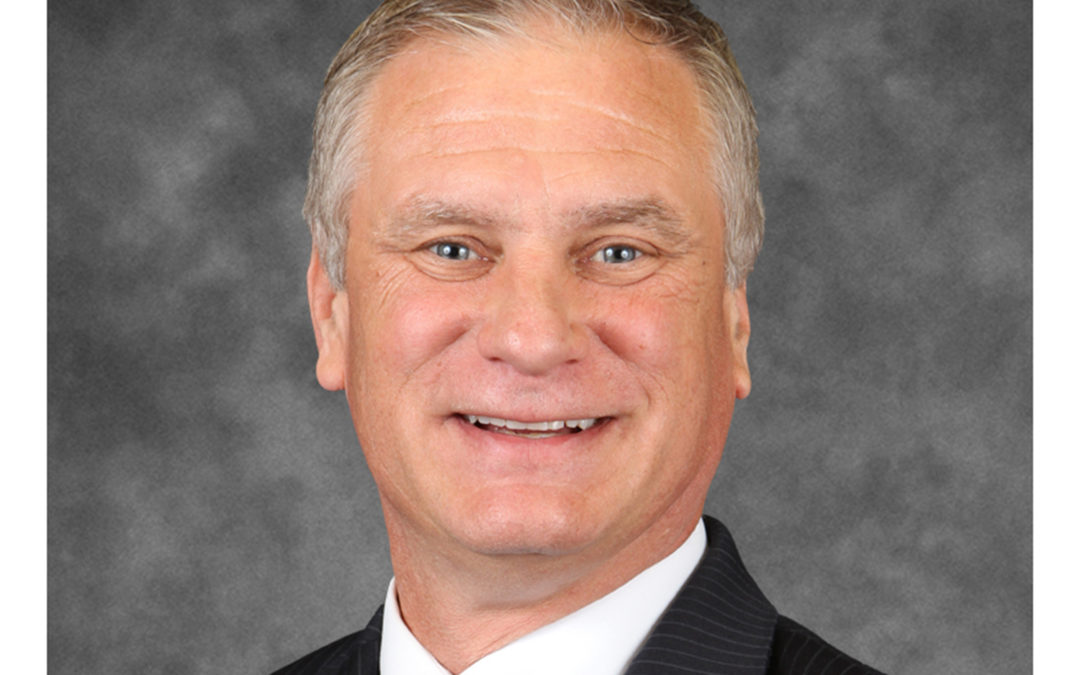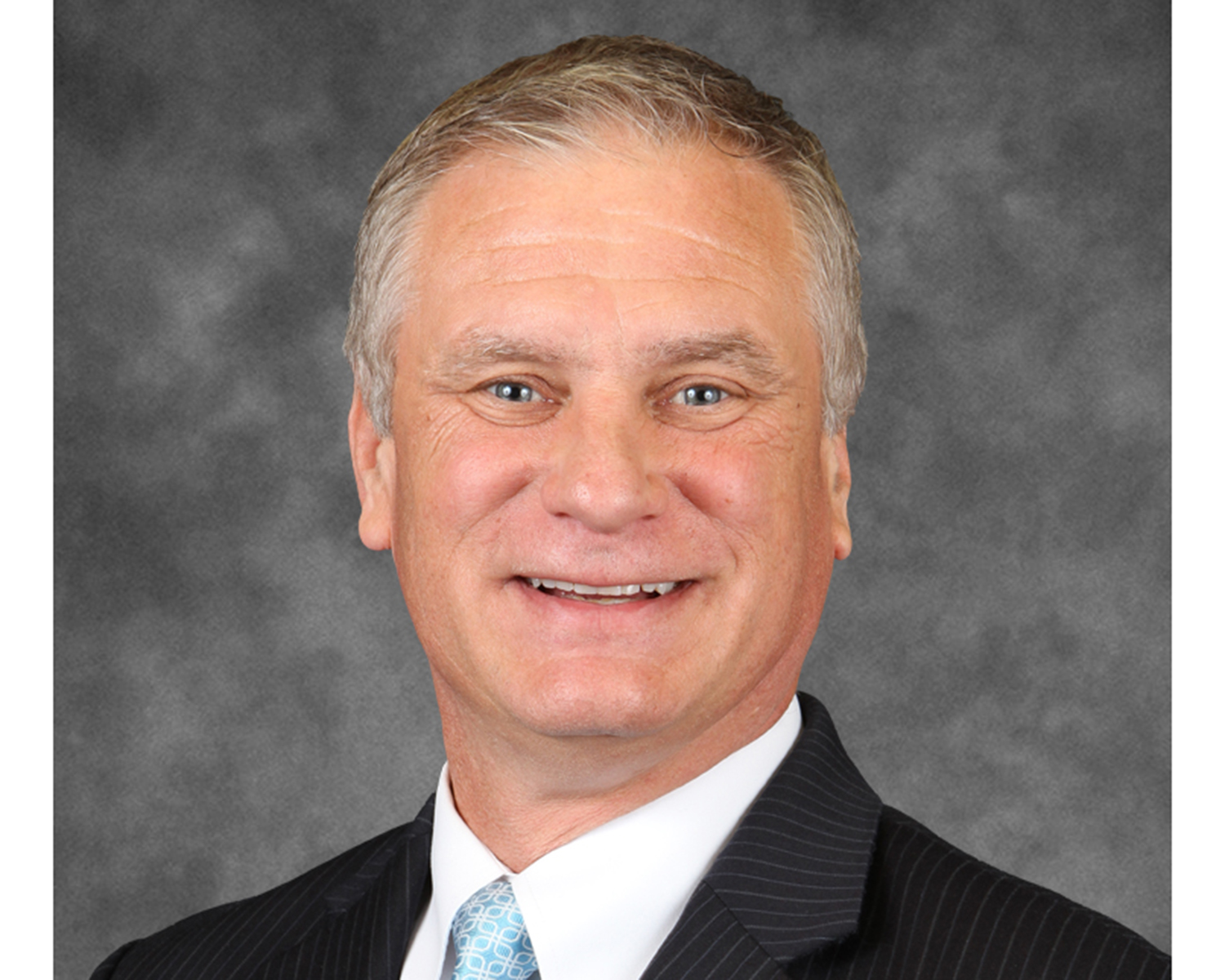
Spotlight On: Danny Jackson, City Manager, City of Mount Holly

Spotlight On: Danny Jackson, City Manager, City of Mount Holly

By: Felipe Rivas
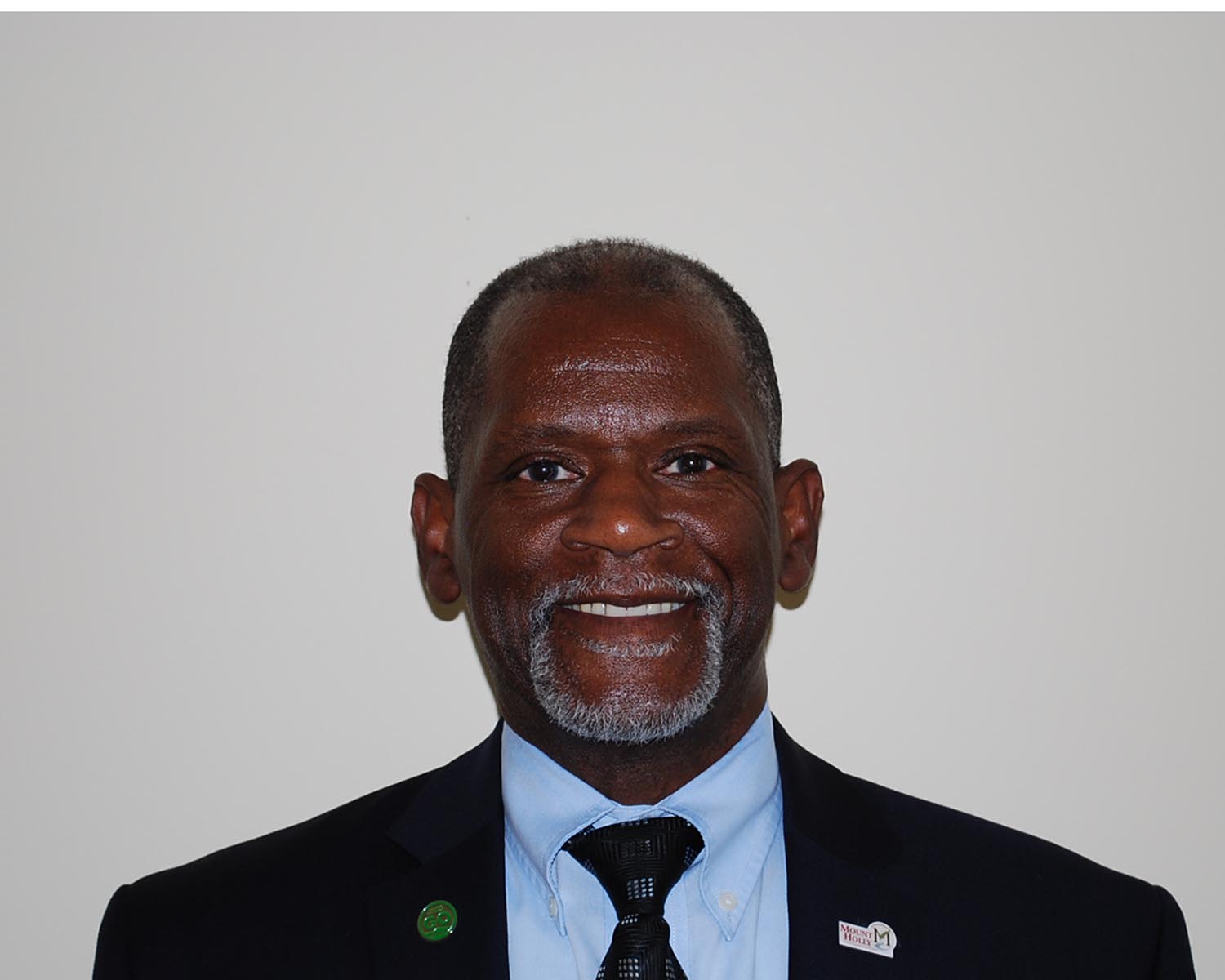
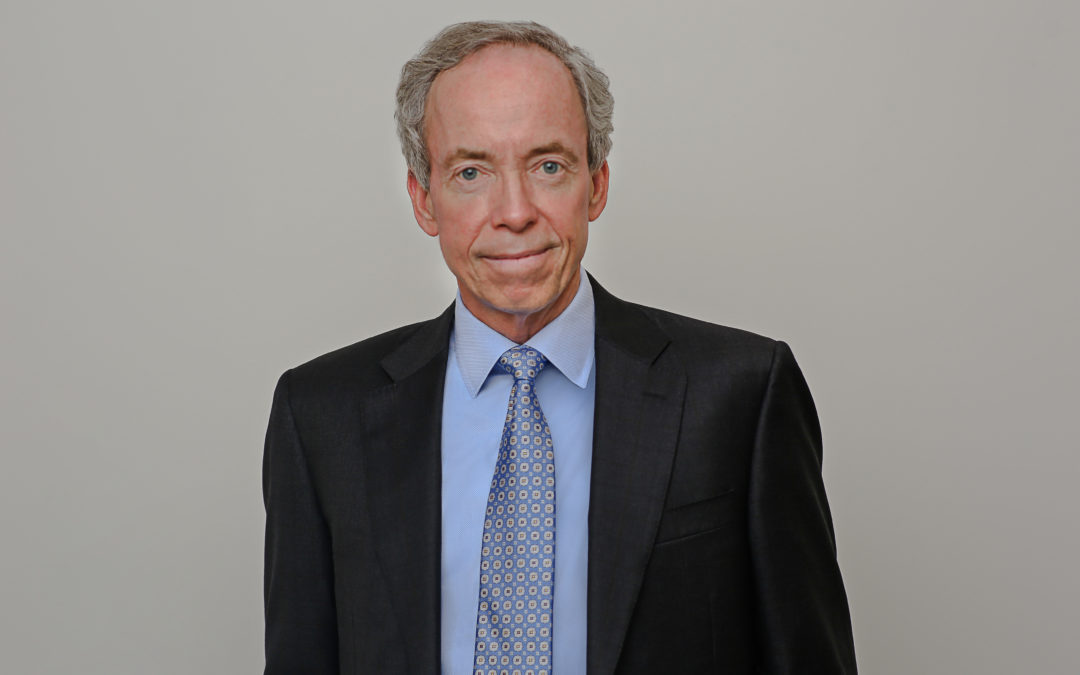
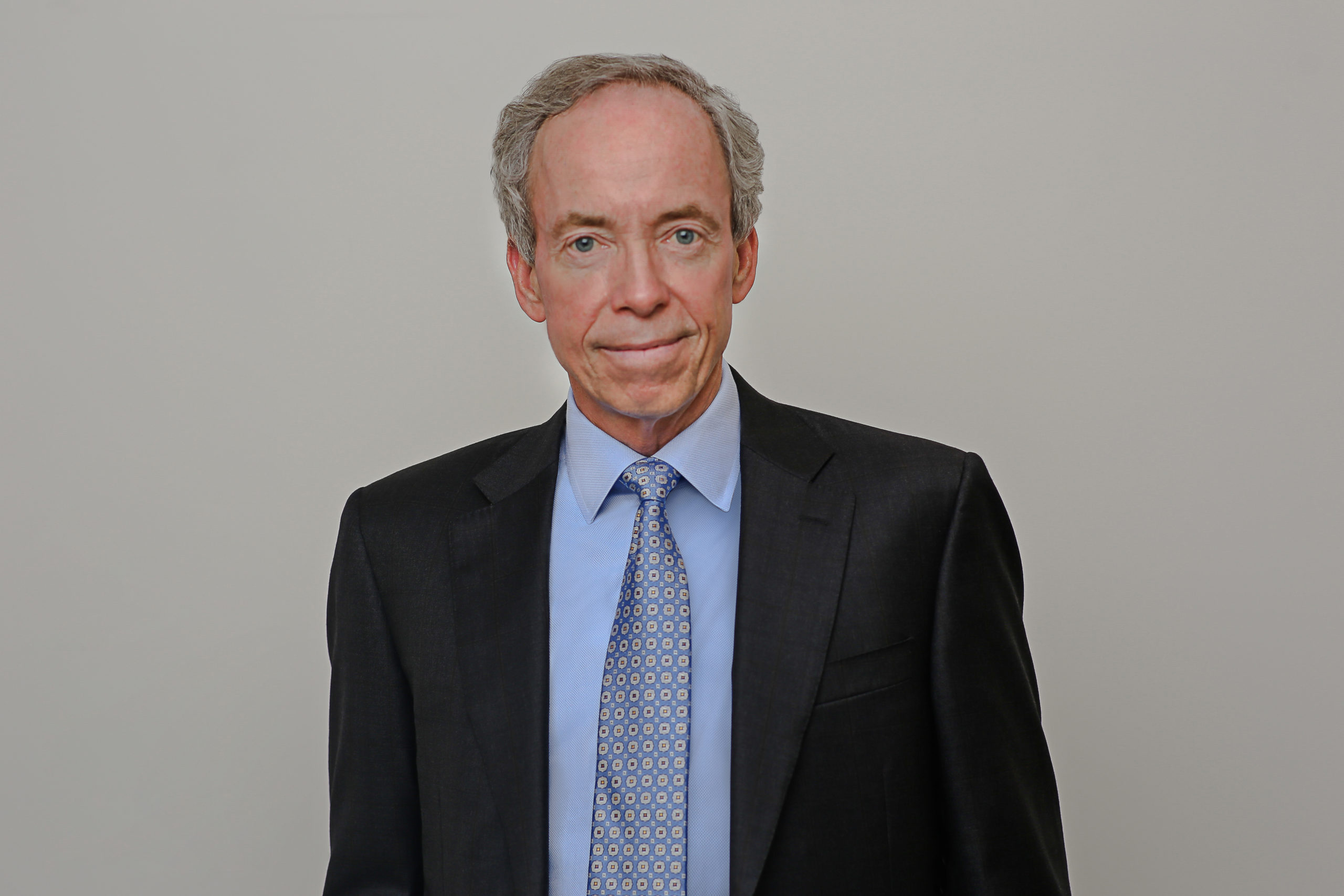
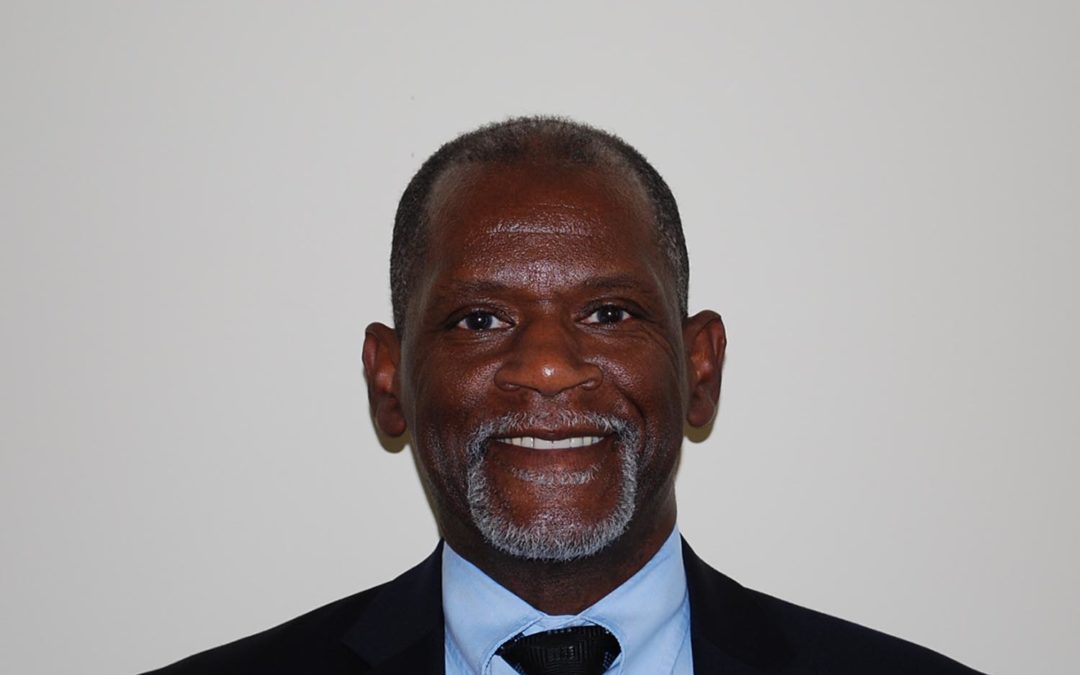
2 min read February 2020 — Situated west of the Catawba River, the city of Mount Holly in Gaston County is known as one of the best bedroom communities in the Charlotte Metro Area. The city is experiencing residential growth as it aims to be a place where families can live, work and play. Its proximity to the Charlotte Douglas International Airport and to I-485 are great assets that will serve as a catalyst for the city’s growth, City Manager Danny Jackson told Invest: Charlotte. As part of its vision plan, the city is expanding its water and sewage systems and preparing its workforce for future tech-based jobs, Jackson said. 

How has Mount Holly grown in the last few years?

Mount Holly is in a great location. It is in proximity to Charlotte and the Charlotte Douglas International Airport. Interstate-485 has spurred development and as a result people have been discovering Mount Holly, as manifested by our population growth. These factors have been the genesis of our growth. We have been seen as a bedroom community for a number of years. Through our vision plan, we have launched efforts to make Mount Holly a place where residents can live, work and play. 


How is the city preparing for future growth?

Based on the growth that we are experiencing, people are approaching us for development opportunities, primarily residential and some commercial. Within that process, the infrastructure is constructed by the developers, then they turn it over to us for perpetual management. Sometimes, we add to existing projects to accommodate future growth. Also, we have connected our water and sewage plan to the city of Charlotte across the Catawba River to increase our capacity to accommodate future growth. Additionally, all of our local chambers of commerce have been working together to bring businesses to Mount Holly and boost the economy. It has been a good, collective effort. We believe we have the elements to support businesses. Not everyone wants to have the hustle-and-bustle of the large jurisdiction. We are not that, but yet we are close to one as well.  


What does the city’s updated vision plan entail?

In 2019, Mount Holly adopted its updated vision plan for the next 10 to 15 years. At the forefront of that plan is economic development, job growth and a diverse tax base. These are the nuts and bolts of it in terms of growth in the Gaston County region. I think the main sector growing in the region is technology. That is where the emphasis will be for this region, and with that comes the education component that is being addressed in Gaston County. Workforce development is a key component of this. We are making sure that our employee base is prepared for the next level of tech-based jobs that are coming to the area.


How is the city preparing itself in the event of a future economic downturn?

We have been working on worst-case scenarios. In 2008, the nation experienced an economic downturn, but Mount Holly continued to grow. Construction was still happening and people were moving to the city. I expect the same in case of another economic downturn. Our infrastructure is such that we are prepared for growth. We have done what we believe we need to do to stay economically sound, such as updating the vision plan and expanding our water and sewage systems. I think we have all of these mechanisms to continue to grow and grow positively.”  


To learn more about our interviewee, visit: https://www.mtholly.us/

Spotlight On: Dan Rajkowski, Chief Operating Officer, Charlotte Knights

Spotlight On: Dan Rajkowski, Chief Operating Officer, Charlotte Knights

By: Felipe Rivas

2 min read February 2020 — The Queen City is teeming with sports activity. It is host to NASCAR, the NBA and NFL, and closed the decade with a new MLS team. Not too far behind stand the Charlotte Knights, the region’s minor league baseball team. The Knights have led the country in fan attendance four out of the six years they have played in Charlotte. The loyal fan base and consistent attendance numbers can be attributed to affordable ticket prices, a family environment, and a centrally located ballpark, Chief Operating Officer Dan Rajkowski told Invest: Charlotte. For 2020, the Knights plan to host several Republican National Convention-related events and concerts to maximize the use of their ballpark.   

How has the local sports scene evolved in the last few years?

We have had tremendous success in Charlotte since we opened in 2014. We have led the country in minor league attendance four out of the six years we have been here. We are in a vibrant and growing market with a youthful demographic. Coming into the market from South Carolina, and bringing another 650,000 people into Center City, is creating tourism for different parts of the county. The Charlotte Knights produce an economic impact of close to $50 million a year. The region has NASCAR, NBA, NFL, major golf tournaments, other minor league teams, and now professional soccer. Charlotte has created a great hotbed for professional sports, while amateur sports are also enjoying growth. All this is largely thanks to the initiatives of city and hospitality leaders. They are very aggressive in trying to get sports teams to the region and making sure they stay


What are the benefits of being located in Center City?

Our ballpark is gorgeous. There are very few ballparks that have our skyline view, and fans can easily get to the park. Our affordability is important, especially in minor league baseball. While there are many options for fans, with different levels of ticketing, with us, they can get a ticket for $10 or $12 and enjoy the game. Some major league sports games are not as affordable as minor league baseball. We offer a great product that is not necessarily driven by wins or losses. We drive our fan base by promoting the experience, whether it be through a fireworks show, giveaways or on-field contests. We try to create an atmosphere of nine innings of fun. Being located in Center City, with its vibrancy, and the population base that is in this core, as long as you provide a good product people will continue to come. 


How are you collaborating with the local business community?

We are heavily involved with the business community as all sports teams in the city are. Charlotte has a tremendous business community. There are several organizations that work closely to improve the city and the business community gets that. We are fortunate to have wonderful corporate leaders across sectors that step forward when there are initiatives out there that relate to the community. We feel we need to be active in the community. That means donating time, money and resources. We have the ability to bring underprivileged kids to the ballpark and give them a great experience with professional athletes. As a sports organization, you have to position yourself to make an impact in the community that other people may not be able to make.


What can fans expect from the Charlotte Knights in 2020?

We have 70 games a year. We also host college baseball games. In 2020, we will host the ACC baseball tournament. This year, we will host a number of events related to the Republican National Convention. In the fall, we plan to host a few concerts as well. We will continue to improve our brand and keep prices affordable. We want to be creative, but always give people three hours of a fun experience.” 


To learn more about our interviewee, visit: https://www.milb.com/charlotte-knights

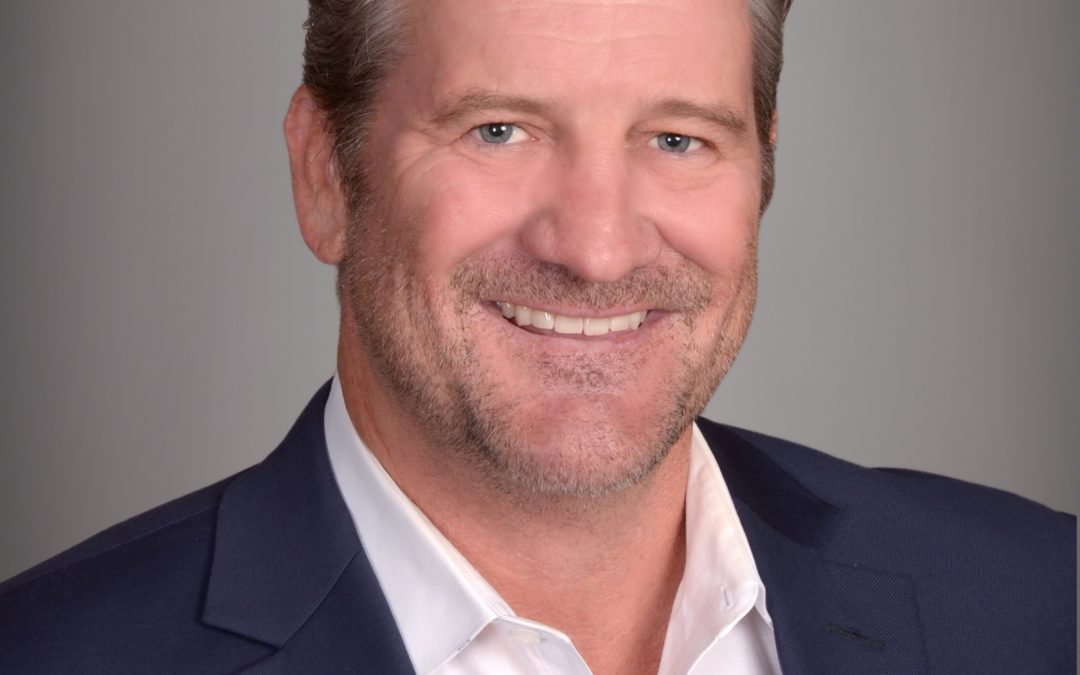
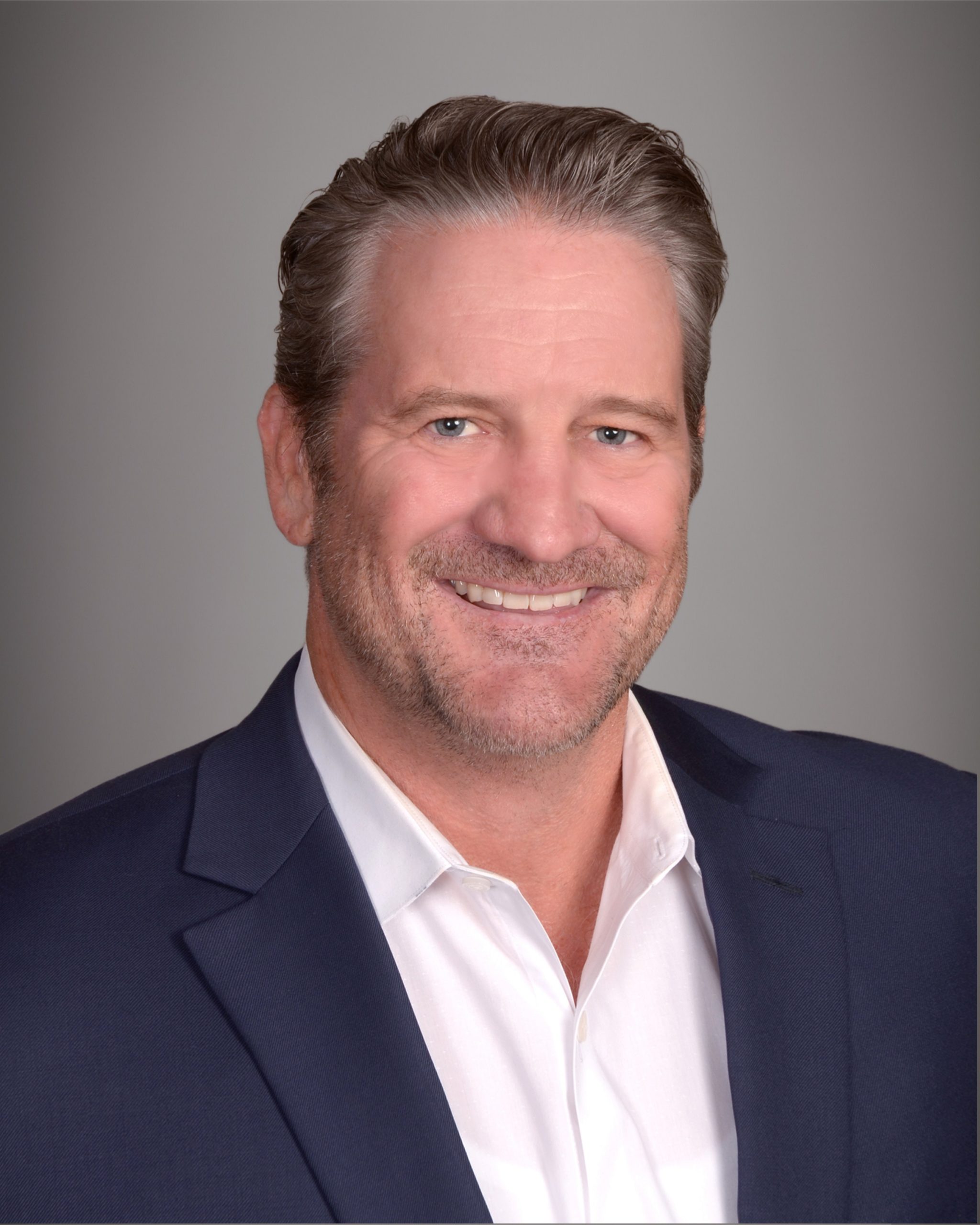
Spotlight On: Patrick Mahoney, Principal, President & CEO, NAI Realvest

Spotlight On: Patrick Mahoney, Principal, President & CEO, NAI Realvest

By: Yolanda Rivas

2 min read February 2020 — Orlando’s real-estate scene has witnessed major changes as people look more for destination experiences and after Amazon changed the rules of retail. While some regions within Orlando are running out of development land, Patrick Mahoney, principal, president and CEO of NAI Realvest, is convinced there is still room for growth.

How has real estate demand evolved in Orlando?

The changes in retail are the talk of the town. We work with Planet Fitness among several other retailers that are marketed as destinations. You still see the national value tendency with examples like HomeGoods and T.J.Maxx. Similar businesses are still coming in and leasing space. Forever 21’s bankruptcy filing had more to do with overleverage. It was more about debt rather than retail. There are certain malls, such as Fashion Square Mall, where a complete redo is scheduled. In these cases, the anchor tenants are likely not going to stay, to the benefit of a more multifamily, mixed-used project. The other extreme is the strip malls: small clothiers that focus primarily on making sure they are in the right location. Park Avenue and Winter Garden are good examples of that. An increasing number of these small boutique clothiers are going to have a small store presence but will start selling online.


What advice would you give small retailers to thrive in this market?

It boils down to a two-pronged approach. First, demographics. Remain aware of changes within the demographics around their location and adapt to those changes. Second, plan the required resources ahead of time to weather such changes and make the best use of the available land and redevelop the property. 


What primary challenges is your business facing?

The first thing that comes to mind is competition. There is virtually no barrier to entry when it comes to obtaining a real estate license. The spectrum goes from a residential broker dipping its pen in commercial while working from home with no overhead, to groups like us with lots of overhead and a fully-staffed office, and finally the multibillion-dollar competitors that we compete with, such as CBRE. To maintain a sharp edge, we engage in a continuous improvement process, embracing new technology. We invest in the latest software and research tools. As members of NAI Global, we can compete with multibillion-dollar real estate companies on either a national or global stage. Because we are locally owned, we have greater local knowledge and flexibility in the marketplace than our large competitors do. We have the best of both worlds: being able to compete with either the big and small real estate firms. 


Financing also remains an issue. Coming out of the last recession we learned who to approach, depending on the property type and what we are trying to accomplish. Increasingly, we are turning to private rather than bank debt. Banks usually are on the fence over lending on land. 


Manpower is another challenge. I would consider Orlando a zero percent unemployment market. Whether it is salespeople, administrative help or maintenance engineers and property management, finding talent is difficult. 


What is your outlook on commercial real estate in Orlando?

We remain quite bullish about the market, particularly Florida and Central Florida. We are positive that 2020 will be another solid year as there are no variables telling us otherwise. Recruiting is at the top of our list. Our operational focus will remain centered on delivering excellence for our clients, our brokers and property owners through continual improvements. We do not skimp on our resources and invest in the best software available to manage our properties, such as Yardi. We are implementing the tip of the iceberg. We will also continue to guarantee we are as financially secure as possible through solvent debt levels. 


To learn more about our interviewee, visit:

NAI Realvest: http://www.naiglobal.com/members/nai-realvest-maitland-orlando-area

Spotlight On: Christopher Lam, Partner, Bradley Arant Boult Cummings LLP

Spotlight On: Christopher Lam, Partner, Bradley Arant Boult Cummings LLP

By: Felipe Rivas

2 min read February 2020 — Charlotte’s growth continues to attract a gamut of industries and talent into the region. As a result, the legal needs of businesses are evolving along with the diversification of the local economy, expanding the opportunities for legal professionals in the Queen City. Charlotte’s cost of living and sophisticated legal services rival the likes of New York, Chicago and Washington, D.C, Bradley Arant Boult Cummings Partner Christopher Lam told Invest: Charlotte. The business diversity is driving the need for expertise in compliance and data privacy. Additionally, there is a great emphasis to provide access to justice to all residents via pro bono legal services or by committing financial resources to community agencies in the region, Lam said. 

Q: How has the legal landscape changed with so much economic growth in the region?

A: From a legal perspective, a lot of firms from outside North Carolina decided to set up an office here, and not all of those have remained. According to American Lawyer, however, there are 59 law firms with a Charlotte office that are not headquartered here. This remains a very popular place to be for lawyers and that’s because of the way our business community has diversified.

We are known as a banking and financial services hub, and while this is still a key part of our economy, we are so much more than that, with energy, manufacturing, fintech and other sectors emerging. That diversification is good for us as lawyers too, as it better equips us to weather a potential downturn. For example, our firm has experts in multiple practice areas and industries, which allows us to serve clients with those needs and protects us against a downturn in one or two particular sectors.

Q: How have the legal needs of companies evolved as new technologies and developments emerge?

A: The core legal needs for businesses have largely remained the same – corporate, employment, litigation, real estate. But with new regulations, there is a greater need for expertise in compliance, specifically in data privacy, and particularly with new regulations such as GDPR and CCPA going into effect. That impacts almost every company. At Bradley, we have two of only a handful of lawyers in the country who are board-certified privacy lawyers, and we have an additional deep bench of lawyers who are CIPP-US certified. We have been well-positioned to help companies navigate these new regulations. 

Q: How do you think the private sector and public officials must work together to keep growth sustainable?

A: Charlotte has a proud legacy of business leadership in issues of community development and public policy. Our business leaders have long been champions of these initiatives and we certainly think we at Bradley are a part of that effort. It is important as corporate citizens that we recognize that the better we make our community as a whole, the better it is for everyone.

Q: How does the Charlotte legal market compare with other markets such as Chicago or New York?

A: Those cities are larger and more diverse and sometimes those legal markets can seem more attractive, whether it be a higher salary or more opportunities. In Charlotte, however, because of the diversity of the business community, we have sophisticated legal services here to rival the likes of New York, Chicago and Washington, D.C. We also have a cost of living that is more advantageous, meaning lawyers can have great opportunities with a lower cost of living. That’s the best of both worlds.

Q: What are the main challenges facing the Charlotte market today?

A: Most of the 5,500 lawyers in Mecklenburg County are not working in big firms or representing large companies. And there are thousands of residents in the broader Charlotte community who have legal needs but cannot afford legal services. As current president of the Mecklenburg County Bar, my time spent working with groups like the Charlotte Center for Legal Advocacy has emphasized that the greatest challenge for lawyers here is our responsibility to ensure there is access to justice for all. We have a professional obligation to do so. We can do this in a couple primary ways – providing pro bono legal services ourselves or committing our financial resources to the agencies doing the heavy lifting every day. That issue is not unique to Charlotte, but as lawyers we have a particular responsibility to help ensure there is access to justice. I am very proud to say our lawyers at Bradley live into that. As but one example, we have a partnership with the Bank of America legal department through which we work with Safe Alliance to represent clients who need domestic violence protective orders. 

To learn more about our interviewee, visit: https://www.bradley.com/

Broward County’s Economic Growth, Sustainability and Key Sectors to Highlight Launch of Invest: Greater Fort Lauderdale 2020

    January 21, 2020

Dale V.C. Holness, Mayor of Broward County, will give the keynote address at the launch of Capital Analytics’ third publication focusing on Greater Fort Lauderdale. 

Broward County, FL – Broward County’s booming real estate market, powerhouse tourism sector and burgeoning startup ecosystem are just some of the focal points of the third edition of Invest: Greater Fort Lauderdale from Capital Analytics. The 2020 edition highlights the region of Greater Fort Lauderdale, including Fort Lauderdale, Plantation, Dania Beach and Hollywood, with a special focus chapter on the City of Tamarac. 

Invest: Greater Fort Lauderdale is an in-depth economic analysis that highlights business opportunities for investors, entrepreneurs and innovators in the Broward County area. These include Broward County’s commercial real estate market that remains one of the hottest in Florida, as well as the region’s residential real estate market that is attracting a variety of demographics, from millennials to retirees. Marine & Logistics are also covered in detail as the county remains the dominant force in this sector with the trade powerhouse that is Port Everglades and the city of Fort Lauderdale retaining its title as the yachting capital of the world. The publication also dives into the construction and infrastructure sectors as the economic growth for both remains strong while mitigating the effects of rising sea levels is now a top priority. 

The official launch of the publication will take place on Thursday, Jan. 30, at the Riverside Hotel. Following a short networking breakfast, Dale V.C. Holness, Mayor of Broward County, will give a keynote address that underscores some of the major achievements of Broward County’s economy over the past 12 months. This will be followed by two robust panel discussions.

The panels will address major themes currently dominating Broward County’s economy: construction and real estate development, and corporate and personal financial sustainability. Alan Hooper of Urban Street Development, James Fox of Maddox Group, Brad Meltzer of Plaza Construction and Gerald Stryker of John Knox Village will participate in the panel, “Sustainable Growth in Broward’s Construction & Real Estate Development.” Philip Rosen of Becker will moderate. The second panel, “Corporate and Personal Financial Sustainability for 2020,” will feature Tony Coley of Truist, Jeffery Klink of Valley National Bank and Michael Balter of Marcum LLP. The moderator will be Jack Miller of Capital Analytics. 

The event will be attended by hundreds of high-level guests and officials from Broward County’s key industries and economic institutions. 

“The Broward County market has not only shown unprecedented growth over the last decade but it also presents an opportunity for national and international investors alike,” said Abby Melone, president of Capital Analytics. “Broward County has been one of the strongest and most interesting market choices for our company due to this economic growth. We will be releasing our next South Florida title, Invest: Miami and Invest: Palm Beach  in Q3 of 2020.”  

***

About Invest: Greater Fort Lauderdale

Invest: Greater Fort Lauderdale is an in-depth economic review of the key issues facing Greater Fort Lauderdale’s economy, featuring the exclusive insights of prominent industry leaders. Invest: Greater Fort Lauderdale is produced with two goals in mind: 1) to provide comprehensive investment knowledge on Broward County to local, national and international investors, and 2) to promote Broward County as a place to invest and do business.

The book conducts a deep dive into the top economic sectors in the county, including real estate, construction, utilities and infrastructure, transportation and aviation, banking and finance, legal, healthcare, education, and arts, culture and tourism. The publication is compiled from insights collected from more than 200 economic leaders, sector insiders, political leaders and heads of important institutions. It analyzes the leading challenges facing the market, and uncovers emerging opportunities for investors, entrepreneurs and innovators.


For more information, contact: 

Max Crampton-Thomas

Content Manager 

305-523-9708 Ext: 233


Spotlight On: Robert Kane, Market President, KeyBank

Spotlight On: Robert Kane, Market President, KeyBank

By: Yolanda Rivas

2 min read December 2019 — Philadelphia’s growing economy and robust education and life sciences sectors have been some of the main drivers of small businesses to the area. As reported in our Invest: Philadelphia 2020, many banks are seeing growth in small-business lending and services. KeyBank Market President Robert Kane, spoke to the Invest: Philadelphia team about the ways the institution supports the region’s small businesses and other services in high demand. 

How have you seen the small-business community grow in Philadelphia over the last few years and how is the bank supporting these businesses?


Philadelphia has long been home to successful small businesses, but in recent years the collaboration between the public, private and nonprofit sectors is spurring a new level of growth. Companies are creating quality jobs that are attracting a new generation of talented workers to the region. It is very exciting. As a bank, our most direct link to supporting these businesses is to provide them with the solutions they need to identify and realize their goals. From accounts to lending, payments, workplace solutions and more, we help small businesses thrive. For example, KeyBank is 13th among more than 1,800 SBA Lenders nationally. In the last five years, we have loaned more than $1.13 billion to small businesses across our footprint. We also created an award-winning, AI-enabled tool that provides clients with customized attention and allows a deeper understanding of their needs: the top challenges they face, sales and payment trends and entrepreneurial motivation. In 2019, the biggest challenges small-business owners face are improving cash flow, reducing operating costs, improving financial wellness, balancing growth with quality and hiring and retaining talented employees. We have a number of products to aid in meeting these challenges, including Key@Work, which is a comprehensive, no-cost employee financial wellness program. We also have a program, Key4Women, that supports the financial progress of women in business. It’s a great program, offering mentorship opportunities, access to capital and professional development. 

Which of your services is seeing the most growth in Philly and what opportunities does this present?

We’re seeing the most growth in commercial lending, which serves the needs of companies with $10 million to $250 in annual sales. In 2018, we had growth just short of 16 percent. Our differentiator in the market is we are both a commercial and investment bank. Years ago, you had commercial banks and investment banks. They were separate entities. This is important because when a company decides they want to sell, they typically need to hire an investment banker. KeyBank can provide our commercial clients with access to investment bankers as well as industry experts. It really helps us build deeper relationships. In the greater Philadelphia region, we have a few companies under mandate with KeyBanc Capital Markets to be the companies’ investment banker as part of the sale process. What that does is helps KeyBank become more of a trusted financial adviser to their commercial borrower. If the commercial borrower is going to be sold, we can also introduce our wealth management team to the entrepreneur for advice on his or her estate plan and investment strategy for the proceeds from the sale of the company. All of this results in KeyBank acting as the lender, the investment banker and the wealth manager. Clients value deep relationships. Our model provides that, and we’re experiencing great growth as a result. Last year was our strongest year yet, and 2019 looks equally promising.

What is your outlook for the industry in Philly over the next 18 months?

The outlook for the region is good and overall the economy is very healthy. Manufacturing, industrial technology, healthcare, sustainability—each of these areas and many others are poised for continued growth. At KeyBank, our goal is to grow as well. My job is to expose the bank even further in the marketplace. 2017 was a year of complete consolidation for us. 2018 was a transitional year that got things moving in the right direction and created momentum. 2019 is our year to hire the right people and continue to expand the products we have and begin winning in the market. We want to compete with the Top 5 banks in the region. It’s a very competitive marketplace, and we currently rank 10th. We’re actively trying to grow households and add new clients. This will further grow our loan base. These are the most important factors to our outlook for the future.


To learn more about our interviewees, visit:

KeyBank: https://www.key.com/personal/index.jsp

Capital Analytics Shines a Spotlight on South Jersey


Invest: South Jersey to highlight key investment opportunities in the city 

December 2019

Seasoned media firm Capital Analytics has chosen South Jersey as the next destination to launch a focused annual report on investment opportunities offered by the city. Invest: South Jersey will bring together key industry leaders across the public and private sectors to provide commentary on South Jersey’s rise as an attractive investment destination in recent years.

Entering its sixth year publishing the highly praised flagship project Invest: Miami, Capital Analytics identified South Jersey as the next key market in its portfolio of annual economic reports. This newest edition will focus on the growing importance of South Jersey as a business hub and spotlight opportunities for investment.

Capital Analytics’ successful Invest: Miami venture allowed it to establish footholds in Atlanta, Greater Fort Lauderdale, Philadelphia, Tampa Bay, Palm Beach, Charlotte and Orlando, and the company has high expectations for its South Jersey undertaking.

Invest: South Jersey will complement the Invest: Philadelphia publication, shining a light on an integral part of the region’s greater economic ecosystem. With a rich history and diversity and a unique and strong local culture, South Jersey plays a vital role in manufacturing, logistics, education and services,” said Jack Miller, Regional Director at Capital Analytics.

The Capital Analytics team has already started laying the groundwork for Invest: South Jersey and is looking forward to replicating its success in other markets, speaking to high-profile executives and leaders of key organizations in the area. This will be the most comprehensive independent report available on South Jersey’s vibrant business climate, seen through the eyes of those at the forefront.

New Jersey’s Gross Domestic Product (GDP) per capita is expected to reach $62,891 by 2022. South Jersey has a high level of education, with 40 higher education institutions, meaning new high-paying jobs in tech and science are opening up. Add to that a local government that understands the importance of attracting investment and South Jersey is the perfect place for investors to focus their attention. 

“At Capital Analytics, we are excited to begin conducting interviews and compiling research on the South Jersey market in anticipation of the first edition of Invest: South Jersey,” said Miller. “We look forward to discussing the many efforts of both the public and private sectors to reinvigorate the area, attract business and investment and bring awareness to exciting developments in South Jersey.”

Capital Analytics produces in-depth business intelligence with a focus on providing comprehensive investment knowledge on markets within the United States for the domestic and global business community. Over a six-month research period, it meets with more than 200 top political, commercial and industry leaders to deliver targeted information, in-depth analyses and strategic insights to the global business community on economic trends and investment opportunities.

Its first publication, Invest: Miami, has a global readership and includes among its readers top executives working in real estate, finance, technology, trade and logistics, health, hospitality and others. Books are distributed locally, nationally and globally to trade and investment boards, executives of Fortune 500 companies, institutional investors, consulates and embassies, hedge funds, leading chambers and associations, as well as high-level summits and conferences.


For more information contact 

contact@capitalaa.com

TEL: 305-523-9708

Spotlight On: Keith Koenig, CEO & Chairman, City Furniture/Broward Workshop

Spotlight On: Keith Koenig, CEO & Chairman, City Furniture/Broward Workshop

By: Max Crampton-Thomas

4 min read November 2019 — Acting as both the CEO of his company City Furniture and the Chairman of the Broward Workshop, Keith Koenig provides a unique perspective and insight on various facets of business and progress being made in Broward County. He not only discusses how the Workshop is working to address the  effects of climate change on the county, but also the progress it has made on the goals set forth last year. In regards to his business, Koenig reveals his key to longevity in the marketplace as well as what today’s consumers are looking for when choosing where to shop. 


How is the Broward Workshop addressing the issues related to climate change in Broward County?

Wherever anyone stands on the science of climate change, one issue is undeniable, and that’s the economics of resiliency. Smart people in the insurance world believe that our risks and insurance costs will go up in the years to come if we do not get ahead of resiliency. Broward Workshop members understand that issue and want to lead a public, private effort to improve the resiliency not only of South Florida, but to create opportunities for coastal communities around the world to partner and learn. We are still in the process of setting our priorities for our annual goals, but in all likelihood they will include supporting the Army Corps of Engineers’ $20-million research project. In addition, our members are supporting Broward County’s efforts to jump-start our resiliency efforts. We will also be supporting South Florida water management efforts to finish phase two of the C-59 reservoir, which is an important step forward in our resiliency efforts. 

What progress has been made on the goals set by the Broward Workshop last year?

When we look back over the last year, we have really moved all our goals forward. At the top of the list was addressing homelessness. A little over a year ago, we had a major encampment of close to 100 homeless in Downtown Fort Lauderdale and they were in an area right next to the library. Earlier this year, we worked to help place these homeless people into more permanent housing. The best way to end homelessness is to provide people with housing that is respectful and valuable. Our second goal revolved around education, particularly K-12 education in Broward County. When Superintendent Bob Runcie arrived in 2011, the Broward County school system was in disarray. Members of the school board had been accused of improprieties, morale was low and we were facing over $20 million in fines for not meeting state-mandated class size. Runcie has worked diligently to address those issues and to move our Broward County school system forward. The good news is that our school system has improved greatly with higher graduation rates and higher rated schools. Broward County Public School System nearly achieved an overall A rating in 2018 and they are working to continue to improve. We set a goal to support the Broward County public schools and our measure of success was to make sure Bob Runcie stayed as superintendent. I’m proud to say Bob Runcie is still our superintendent today.

The third big goal was the transportation sales tax initiative. Last year, county leaders put this sales tax increase on the ballot to fund transportation initiatives. It was a major initiative and members of Broward Workshop fell on both sides, but like any good organization we listened to the majority. We put our support behind it and the sales tax initiative passed. The last goal we set was around tourism. Tourism is Broward County’s biggest industry, and the biggest need we have is an expansion of our convention center and to build a convention center hotel. We were active both on the forefront and behind the scenes, and the expansion and the convention center hotel are going forward. 

How has City Furniture maintained its longevity in the market? 

The key to City Furniture’s longevity in the Broward County marketplace has been reinvesting back into our business. We operate financially conservative, meaning that we are careful and never try to bite off more than we can chew. That being said, growth has been a cornerstone of our business. If you do not have growth as a cornerstone strategy for your business, you can’t attract the talent you need or want. For instance, millennials all want to see opportunity to advance, grow and succeed, so they are attracted to companies that embody that vision. In our case, we just opened up big stores in Orlando, and we are planning to open in Tampa over the next few years. The other key to this business has been private ownership. We are able to invest for the long-term benefit of our associates, our customers and our community. 

How have you seen priorities shift in regards to consumers making a decision on where to shop?  

Retail needs to be more of an experience. What will drive you to a store as opposed to buying online is the experience. When the consumer is given a choice, they prefer to do business with local companies that genuinely support the local communities that they are in and companies that move in a direction of sustainability toward a carbon neutral footprint. Mostly, our shoppers and customers learn that City Furniture does these things after they come to our stores. It becomes a better value proposition for them to do business with us. All of these elements are aimed at tilting the customer experience factor a little more in our favor. 


To learn more about our interviewee, visit:


https://www.cityfurniture.com/


https://www.browardworkshop.com/

Philly Life Science Leaders Boosting Infrastructure, Partnerships

by Yolanda Rivas


2 min read July 2019 — With more than 800 related companies and a rich network of health and education systems, the life sciences sector in Greater Philadelphia is growing at a steady pace. All the activity is driving local organizations to develop new infrastructure and local partnerships to cater the burgeoning segment. One prime example: uCity Square 

“There’s nothing like it right now in the Philadelphia region,” Steve Zarrilli, president and CEO of the University City Science Center, told Invest:. A community for entrepreneurs and innovators, uCity Square is an example of the recent efforts to connect businesses, residents, institutions and innovators to form a growing hub in Philadelphia.“Spark Therapeutics and Invisible Sentinel are two of the companies located in University City, and we recently announced that Amicus Therapeutics is creating one of its research centers here as well. These and other companies at uCity Square will play a significant role in the growth of Philadelphia’s life sciences sector,” Zarilli said. 

More than 80 percent of all companies in the life sciences industry have a presence in the Greater Philadelphia region. As stated in Invest: Philadelphia 2019, health-focused sectors provided an economic impact of $88.5 billion for Pennsylvania in 2016 and an economic output of $24.6 billion total between 2011 and 2016 for the Greater Philadelphia region.

Numerous research, biotech and medical devices organizations contribute to the role of life sciences as a key player in Philadelphia’s economy. The pharmaceutical company GlaxoSmithKline (GSK) is an example of that impact, with more than 3,400 people employed at its Upper Providence research and development facility. According to GSK Vice President of Medicine Opportunities Research Unit David Payne, the site is the company’s hub for pharmaceutical R&D in the United States, and represents 40% of its global pharmaceutical R&D workforce. 

As part of its efforts to contribute to the local life sciences sector, GSK continues to look for partnerships and alliances. “We want our U.S. R&D hub at Upper Providence to be a magnet for talented scientists, researchers and physicians. This is a great research center for innovators to build their careers. Every function required in the ‘molecule to medicine’ journey is represented at our hub, providing opportunities for employees to broaden their R&D knowledge and enable career progression and diversification,” Payne said.

Besides the demand for qualified professionals, there is also a need for infrastructure development to support the region’s scientists, entrepreneurs and life sciences companies. As Zarrilli explains, the Science Center’s goal is “to build an additional 3 million square feet of office, lab, residential and retail space over the next seven to 10 years, to further define the leading-edge community we envision at uCity Square. We will do our part to help make Philadelphia a leader in gene therapy and other areas of life sciences.”

As the growth in Philadelphia’s life sciences sector continues, it will impact different areas and draw more entrepreneurs and companies to the region. According to Zarrilli, the advances in the life sciences arena, especially in therapeutics, will lead to additional advancement in areas such as medical devices and digital health. “Life sciences is clearly the strongest area of innovation in Philadelphia, but it will spawn activity in other areas that are complementary.”  

To learn more about our interviewees, visit their websites:

University City Science Center: https://sciencecenter.org/ 

GlaxoSmithKline: https://us.gsk.com/en-us/ 

uCity Square: https://ucitysquare.com/