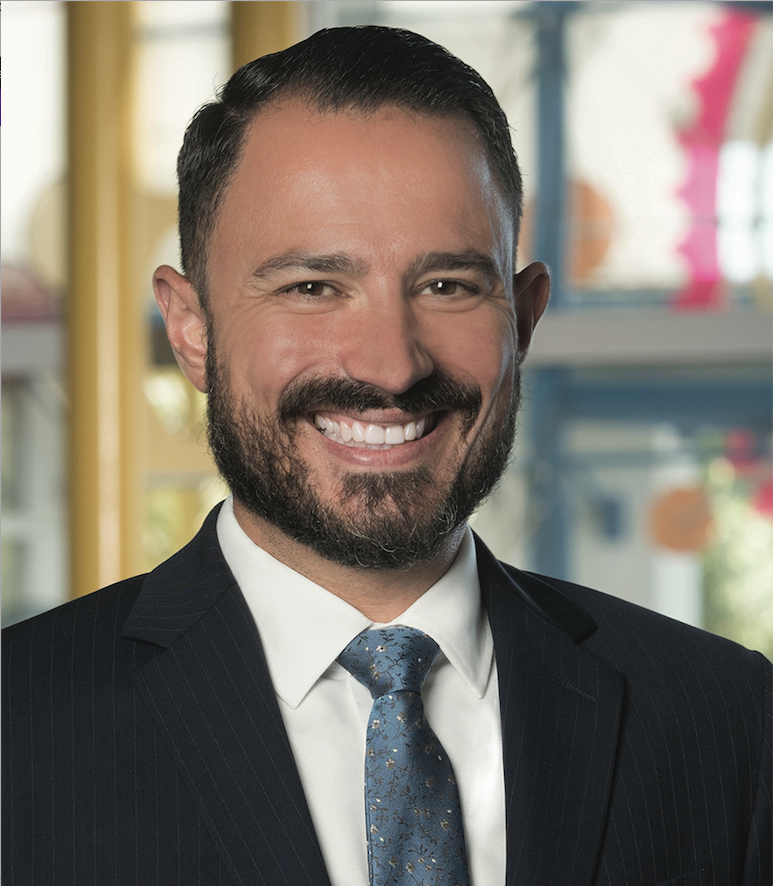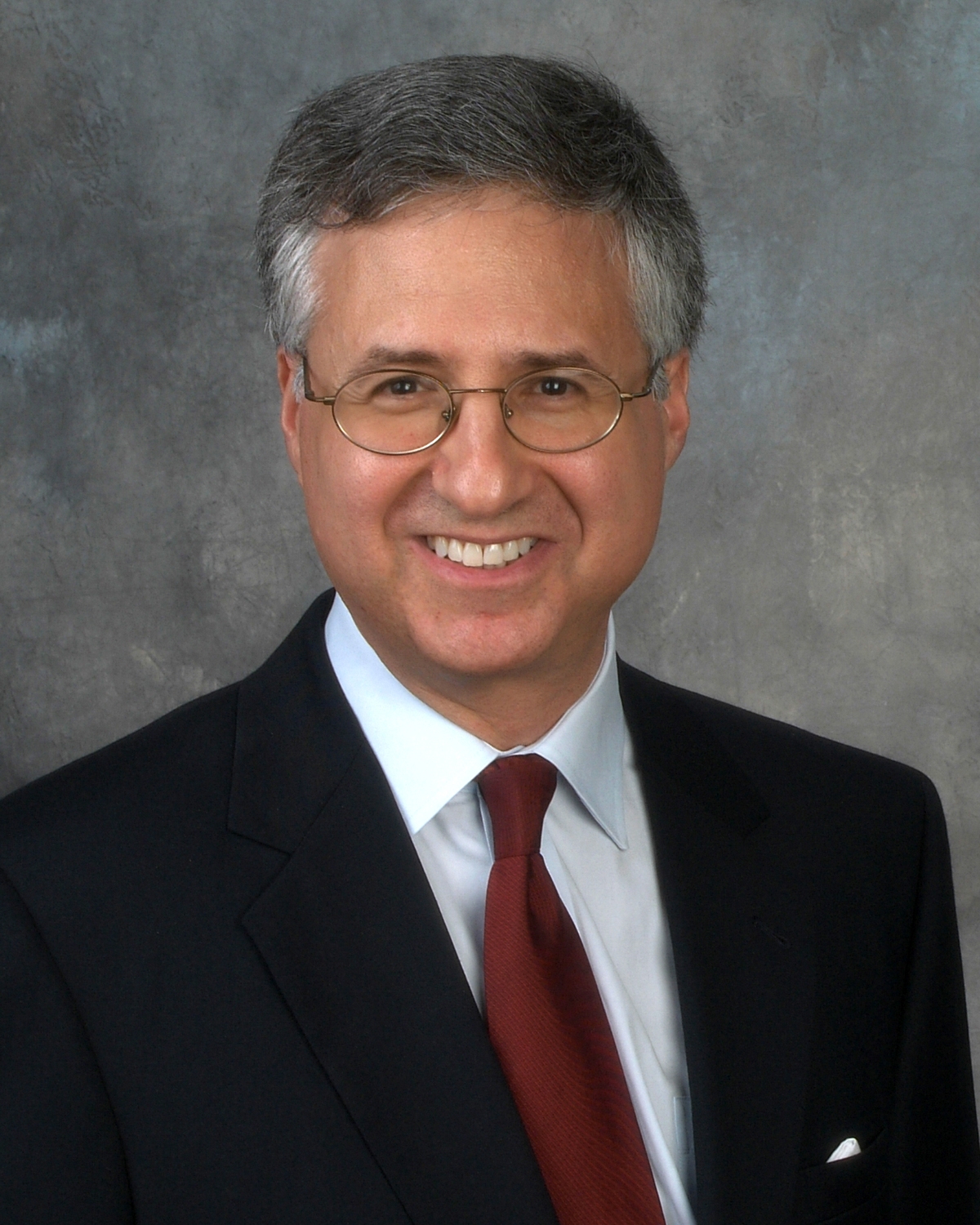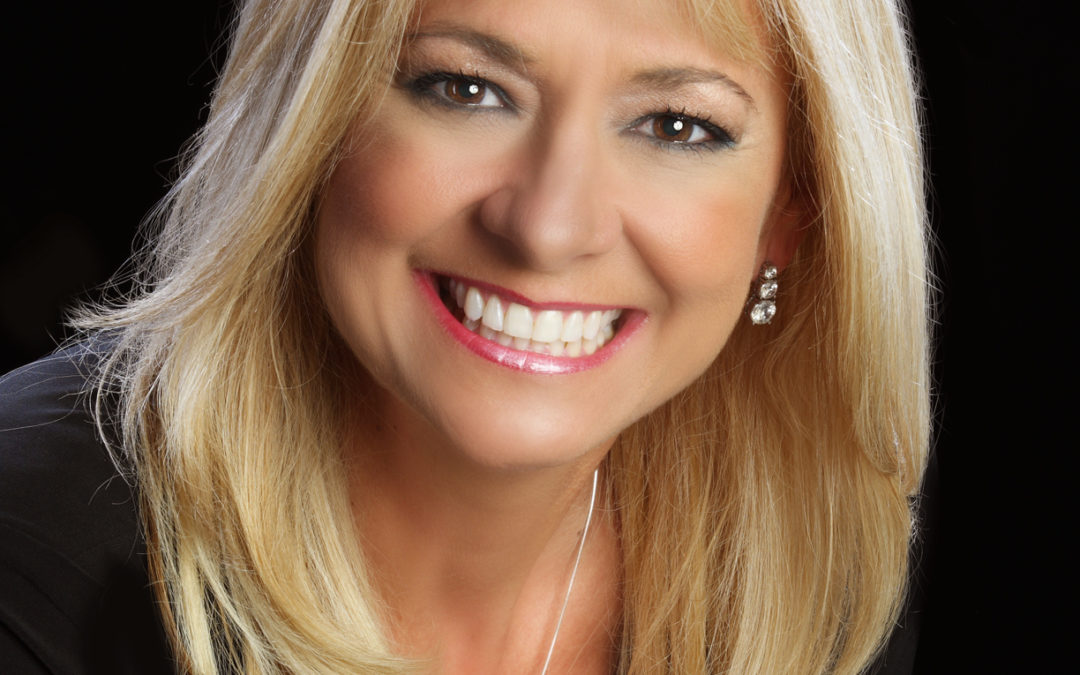
Spotlight On: Lisa Scott-Founds, President & CEO, Winterfest Inc

Spotlight On: Lisa Scott-Founds, President & CEO, Winterfest Inc

By Max Crampton-Thomas

2 min read October 2019 — The Broward County community is spoiled for choice when it comes to events in the area, as there is seemingly something happening every week, even in winter. The seventh-largest spectator event in Florida is the Seminole Hard Rock Winterfest Boat Parade, to be held this year on Dec. 12. Invest: spoke with President and CEO of Winterfest Inc Lisa Scott-Founds about the importance of innovation to the event, how they ensure safety and the role the Boat Parade plays in the tourism economy of Broward County. 

How important is consistent innovation to the success of the event?

We always want to integrate the newest technology into our event, like the use of holograms, which we hope is a real possibility for this year. As a nonprofit organization, we are always searching for unique additions to our event that are not cost-prohibitive. We are always asking people, “What is something that you’ve never seen us do before?” We take their suggestion, develop a budget to execute the idea and bring it to our board and possible sponsors to help with underwriting the “new wow-factor idea.” It’s amazing what can happen when you bring together creative minds and supporters in the business community. The entertainment value is the most important element for our success to ensure we continue to be the “Greatest Show on H2O” and the seventh-largest spectator event in the state of Florida.

How do you ensure safety at an event like Seminole Hard Rock Winterfest Boat Parade?

We work with all our law enforcement officials the United States Coast Guard, Broward County Sheriff’s Office, Fort Lauderdale Marine Patrol, Fort Lauderdale Police Department and the Fire Department. When putting on an event of this caliber, safety is the No. 1 priority. Those who participate in the parade are educated on all our safety procedures. We send them messages on a daily basis to always be conscious of how important it is to keep safety first when you are on the water. As a parade on water, Winterfest needs to have proper procedures in place. Unlike a land parade; you can’t just hit a brake on a boat to stop. Spectators within our Grandstand viewing area see signs directed toward their safety as well.

What role does the Boat Parade play in the tourism market within Broward County?

There is nothing like the Seminole Hard Rock Winterfest Boat Parade in the entire world. The beginning of December is a little slower for tourism, as opposed to other months when tourism in South Florida sees a boom, so we feel a responsibility to bring people into the region and put heads in beds. Our success is due to collaboration with organizations like our Greater Fort Lauderdale Convention and Visitors Bureau and working with area hotels. Tourists should experience a Winterfest weekend, a show at the Broward Center for the Performing Arts, eat at our restaurants and immerse themselves in our community. There is just so much to do in Fort Lauderdale, and in Broward County for that matter.


To learn more about our interviewee, visit: 

 

https://winterfestparade.com/

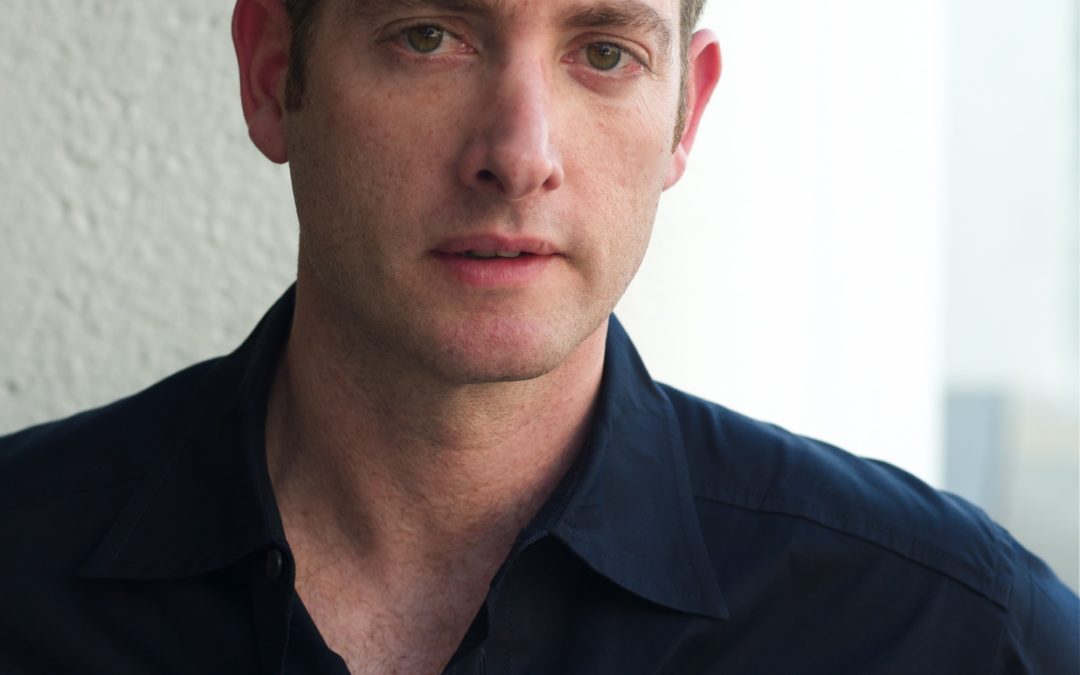
Spotlight On: Asi Cymbal, President & Owner, Cymbal Developmentf

Spotlight On: Asi Cymbal, President & Owner, Cymbal Developmentf

By Max Crampton-Thomas

2 min read October 2019 — Fort Lauderdale’s real estate development market is in its prime and if there was ever a time to capitalize on that, it’s now. The successful developers are those who truly understand the market, can create an innovative product and have the foresight to protect themselves if this hot market goes cold. Asi Cymbal is the president and owner of Cymbal Development, a development and construction company that is working on a new innovative development along the water called Marina Lofts. Cymbal discusses the key differences he has identified in Broward and Miami-Dade’s real estate development markets, market trends and how vital the financing market is to how real estate development performs. 

What can be expected for your development of Marina Lofts? 

We have a significant interest in Downtown Fort Lauderdale, and we own a six-acre site along the water where we are building The Marina Lofts. We brought in Bjarke Ingels, an amazing architect, to design the project. Marina Lofts will be a multi-use project with residential, marine and retail, and a possible hotel and condo component as well. We have waited for the market to come to us, and we believe this is happening now with all the activity that is happening south of the river. It is primarily a rental market on the river and we think there is an opportunity to create something spectacular and cost-efficient along the waterfront.

How do the markets in Miami-Dade and Broward County differ? 

Miami and Broward are quite different, although they are so close in proximity. Fort Lauderdale strives to be a city that seems closer in line to the bigger cities in the Midwest, while Miami strives to be a city that is more closely aligned with Eastern cities like New York. They have slightly different demographics as well, but both are attractive cities in different ways, which I believe adds to their appeal for various types of renters or buyers. An issue we are dealing with in both places is construction costs, and we are emphasizing efficiency in design more than ever. To be successful in these markets, we need to be a lot more cost-conscious than we have been in the past.


Where do you see development trends gravitating as we move into 2020? 

There will continue to be strong demand for multifamily units. I believe retail will take a hit even though there are some interesting innovations happening in that space. There is an opportunity for growth in office space and there is more of an emphasis on an environmentally friendly product. Our housing tenants expect to see more of this emphasis, so we do design with an eye toward energy conservation, green efficiency and things of that sort that appeal to this demographic. Overall, we are cautiously optimistic through 2020, and our company will remain in significant expansion mode.


How dependent is real estate development on the financing market? 

The financing market helps check the type of real estate product and the quantity of product being developed in South Florida. Regulation is a lot more strict today than it was right before the Great Recession. Having a stronger financial backing for projects is what keeps the region from over-building and there is a lot more hesitation and thought going into what is developed in South Florida. During the Great Recession, we saw opportunities to develop, but it was difficult to find financing. By the time we were mid-cycle everyone wanted to finance, but the opportunity was diminished. Now, we are toward the end of the cycle and there is financing, but you need to create your own opportunities.


To learn more about our interviewee, visit: 
 

http://cymbaldevelopment.com/

Spotlight On: Kevin Rogers, Regional President, Seaside National Bank & Trust

Spotlight On: Kevin Rogers, Regional President, Seaside National Bank & Trust

By Max Crampton-Thomas

2 min read October 2019 — Seaside National Bank & Trust may be considered a newer entry into the market, having first opened its doors in 2006, but since then it has become a prominent force in the banking community. Invest: Greater Fort Lauderdale recently spoke with Kevin Rogers, the regional president of Seaside National Bank & Trust’s South Florida operations. During the discussion, he spoke on the importance of cybersecurity to a bank like Seaside, how Seaside handles the challenge of competition in South Florida and his approach to finding the right employee candidates. 

How are you protecting your clients in regards to cybersecurity? 

Cybersecurity is a huge topic, not only at our bank, but also across the financial services industry. We tell our people all the time that we’re a small bank, and if we took a $2 million to $3 million hit it would substantially hurt us. Our people are on guard every minute. We have an incredible onboarding process, and we not only know who we’re banking with, but we also know who are clients are dealing with as well. If you ask what keeps me up at night more so than hitting balance sheet goals, it’s cybersecurity and being hit with a loss.

The amount of money that the bank spends on cybersecurity is incredible, but you have to stay ahead of the game. We conduct a lot of training on the subject. I even do a communication call twice a month with our South Florida employees, and one of the main topics is cybersecurity. We want to make sure that everybody is on guard, that they know who their clients are and that they’re asking the right questions. You have to ask the tough questions to make sure you protect the bank.


What is the biggest challenge in the market for a small to midsize bank like Seaside, and how do you overcome it?

I think the biggest challenge is always going to be the competition. Banks of our size do not have the brand recognition that a Bank of America does, so the question is how do we sell Seaside Bank? We have to go out and talk to our clients about who we are and what we specialize in. We drive home the fact that we are able to provide the same products and services that the big banks do but in a community bank setting. We’ve taken a lot of clients away from these big banks. If you look at what’s going on in the big banks right now, it’s all about sales process management and managing their people to numbers that, a lot of the time, mean selling products and services that the clients really don’t need. We don’t subscribe to this notion and instead focus more on listening to our clients and making sure that they get what they want and need. We’re not for everybody; there will never be a time when you’ll see a Seaside branch on every street corner like you do Bank of America. If a customer is looking for that then we’re not the bank for them. If they’re looking for a single point of contact to deal with on a consistent basis then we are a perfect bank for them.


How difficult is it to find professional, hard-working talent in the Palm Beach County market? 

It is very hard, and I find that I’m always looking for people. I’m constantly asked the question when I’m out at a meeting or at a networking event, “Are you looking for bankers?” I always say, “I’m never looking, but I’m always looking” because I’m trying to find the right person who will fit into our culture. 

It’s also very hard to recruit a good banker who is working at a big bank because they already have an established book of business and a continuous flow of referrals. At a smaller bank like ours we don’t have that, and you have to be an aggressive calling officer and business developer to be able to be successful here. We have to be careful about whom we hire because we don’t want to set anybody up to fail. Some of the best people I’ve recruited are from big banks and who want to try something else because they’re at a  time in their lives when they want to scale down. A smaller bank like ours is attractive to these people because of our incentive plan and how we operate.

To learn more about our interviewee visit: 

https://www.seasidebank.com/

How Broward is Solving its Transportation Troubles

How Broward is Solving its Transportation Troubles

By Max Crampton-Thomas

4 min read October 2019 —  For over a century, the car has been America’s top transportation choice when getting from point A to point B. As the population in the United States has grown exponentially year over year, so has the dependency on these vehicles, which has led to worsening transportation issues like congested roads, air pollution, traffic accidents and in some cases fatalities. Throughout South Florida, in this case Broward County, the negative effects of the population’s dependency on single-occupancy vehicles are rampant throughout the region. While these issues pose a major challenge to Broward, there is hope as the younger generations are looking to avoid the stress of car ownership, and many community leaders and organizations are making a push toward better mass transit and alternative transportation options.

While these are not all new ideas, in the last couple of years the emphasis for Broward has become truly exploring and executing these ideas. This starts with the  30-year Penny For Transportation Surtax that was passed last November and is set to generate billions of dollars toward improving transportation and mass transit options throughout the county. Invest: recently spoke with Monica Cepero, deputy county administrator for Broward County, who discussed what the community could expect from the revenues generated by the tax. “This sales tax is set to generate about $16 billion over the next 30 years, and will be used in the more immediate future to improve and modernize public transit services. Our long-term plan for those funds is focused on creating connectivity, extending roadway capacities, multimodal improvements and improving transportation facilities and service.”

Invest: also spoke with Gregory Stuart, executive director of Broward MPO, about the near-term changes that could be expected from the revenues collected from the tax. “Realistically, the immediate changes aren’t going to result in construction; we are focusing on enhancing the traffic signalization program. This includes a coordination between the traffic lights, people’s vehicles and installing smart communication equipment. Another immediate change that has happened already but which we’re not going to notice for about another year, is the county transit agency’s purchase of another 130 buses. Considering they are operating a fleet of about 300 buses right now, this is a one-third expansion and a significant increase in the bus system,” he told Invest:

While the tax is going to be a huge benefit for transportation in the region, a change in mindset is another factor impacting how people get around. One option is the Tri-Rail, which is celebrating its 30th year servicing the South Florida community. Tri-Rail Executive Director Steven Abrams spoke about how it is benefiting from the changing mindset toward mass transit in the area. “South Florida is a tourist and service-related economy, and these individuals, like waiters or construction workers, cannot work from their homes. We have people coming from all over the world who are used to rail transportation in their countries, and they are feeding into our system. Our roads are also just becoming so congested. It used to be that our ridership would principally, and almost exclusively, fluctuate with gas prices, but now that  gas prices are stable and dropping, we still have people riding our system because ultimately it is the overabundance of cars on the road that is urging them to seek alternative transportation.”

Abrams also spoke to how Tri-Rail has improved and updated its operations over the years to encourage use by a larger population. “Over those 30 years, we have improved our service, added more trains, added weekend and holiday service and added connections to the three airports. We are a transportation system that has become popular over time and we have really embedded ourselves in the tri-county area.” 

The other popular train in South Florida is also the newest mass transit option for the region, Virgin Trains USA. Running through the three counties of Miami-Dade, Broward and Palm Beach, the train is looking toward the future by connecting the three counties with Orlando and an eventual Tampa Bay stop as well. 

Patrick Goddard, president for Virgin Trains USA, discussed with Invest: how it wants to be a catalyst for transit change in South Florida. “We are reinventing train travel in America, so there are always going to be challenges, but none that we have not been able to overcome so far. The advent of this project has awakened a desire and a curiosity within the municipalities to recognize the full potential for mass transit in South Florida. We are solving the challenge in Florida of medium-haul travel. Airlines take care of long trips, while rideshare, motorized scooters and buses take care of short ones. There has always been this gap with the 200- to 300-mile distances that are too short to fly and too long to drive. By introducing an option like this, it encourages people to leave their cars at home and start using a more environmentally sustainable means of transit.” 

A key factor in remaining economically sustainable is having good transportation and mass transit options. As Broward County continues to develop into an economic powerhouse so to must its transportation, and with changing mindsets and push from community leaders the future looks bright. 

To learn more about our interviewees, visit:

https://www.tri-rail.com/

http://www.browardmpo.org/

https://www.gobrightline.com/

https://www.broward.org/

Business is Booming for Deerfield Beach

Business is Booming for Deerfield Beach

By Max Crampton-Thomas

2 min read September 2019 — When discussing growth in Broward County, the conversation would typically center around the economic hub that is the city of Fort Lauderdale. While it may be the most universally recognized city in Broward, it is certainly not the only one in the county experiencing an economic boom.

Located at the northernmost point of Broward County is Deerfield Beach, a city whose growth cannot be understated or overlooked. Home to over 80,000 individuals, this beach community has capitalized on the economic prosperity and ever-increasing migration of individuals to the South Florida region. Invest: Greater Fort Lauderdale spoke with Bill Ganz, the mayor of Deerfield Beach about the city’s major developments in the last year. “We have had a lot of growth in the city in the last 12 months, including over 11,000 building permits that total nearly a billion dollars in new construction. We have new residential developments under construction from some of the top developers in the area, such as Lennar, Toll Brothers, Ram Realty and Weingarten Realty. One of the finest organizations in Broward County is also located in our city, JM Family Enterprises. They are working on a $176 million expansion of their corporate headquarters,” he told Invest:. 

The growth of Deerfield has not just been predicated on the development of new construction projects for the private sector. The city has recognized the importance of reinvesting in itself to better serve its residents. This is apparent in the ongoing construction of a new 12,000-square-foot community center, which is a revitalization of the old Tigner Community Center. When completed, it will be one of the largest community centers in Deerfield Beach. 

Successful economic growth of an area in Broward County is also dependent on addressing future threats to that growth. Ganz made a point of talking to Invest: about how the city is addressing the looming threat of sea level rise and its efforts toward environmental resilience. “We have been working on these issues for several years, starting with the West Wellfield project, which helps to solidify the water system in Deerfield Beach, so we are much better protected against salt water intrusion. We have taken the initiative to become LEED certified with some of our city projects that have recently finished, including the new pier and facilities on the beach.” 

He continued to speak on how he hopes Deerfield will serve as a positive example on these issues for other areas of Broward County. “We have a new Siemens Energy Efficiency Program that we hope can be used as an example for other municipalities to address these issues. The city has also been working on an Emergency Preparedness and Response Plan. We don’t want to just talk about sea level rise, but really address it from a safety standpoint, especially in the event of another hurricane.” 

The advancement of Deerfield Beach has not been by chance, and can be attributed to well-thought-out and deliberate initiatives and actions taken by the city’s public and private sectors. There is a recognition that to sustain the economic growth, the city must continue to present unique opportunities to businesses in the area. 

One of the ways the city is doing this is by recognizing the need to retain a strong workforce within the city, as highlighted by Ganz: “We want to make sure that we provide them with a wide variety of opportunities, not just entertainment, but business opportunities as well. We also are trying to make sure that we are appealing to all generations of the workforce. One of the ways we hope to accomplish that is with some of the new residential construction that is being built. We have worked with these developers to make sure they are keeping the new buildings attractive to all segments of the workforce in the city. We are also fortunate to have the most beautiful beaches in all of Broward County, and these people can really take advantage of this being a nautical destination.” 

While it has been a successful year for the city, local government and the business community will continue to focus on sustaining this growth for the foreseeable future. 

To learn more about our interviewee, visit:

http://www.deerfield-beach.com

Spotlight On: Joseph Cox, President & CEO, Museum of Discovery and Science

Spotlight On: Joseph Cox, President & CEO, Museum of Discovery and Science

By Max Crampton-Thomas

2 min read September 2019 — To be considered a staple within the growing economic landscape of Broward County is no small accomplishment, especially as new options seem to become available to the public on a weekly basis. There has to be a real sense of connection and purpose formed with the public, as well as being an established economic driver, for a business or institution to achieve this status. Invest: Greater Fort Lauderdale had the opportunity to speak with Joseph Cox, the President & CEO of one of the staples of Broward County the Museum of Discovery and Science. Throughout the course of the discussion Mr. Cox made note of how the museum is working to address the lack of STEM workforce in Broward, how they are using new technology to their benefit, the counties support of institutions like the museum and the museum’s important role as an economic driver in the region.

How is the museum helping to address the lack of STEM workforce in Broward County? 

South Florida is powered by industries that thrive on a strong, vibrant STEM workforce. From aviation to tech, there is a unique voice in the local workforce of innovators, tinkerers and problem-solvers.  The Museum of Discovery & Science plays a crucial role in the community by introducing children of all ages to the exciting opportunities offered by careers in STEM. We recently opened The Leighton Family Hangar, our innovative Makerspace exhibit, a hands-on collaborative experience that fosters the learning of new skills, creating products and sharing ideas. Through partnerships with corporations, universities, technical colleges and, of course, our local school system, we will be offering an exciting range of programs and events that allow students to gain valuable skills for their future and ultimately our community’s future. The Hangar will inspire new generations to embrace the engineering design process as they develop, innovate and problem-solve.


How important is the adaptation of new technologies to a science museum?  

One of our goals at MODS is to connect people to inspiring science, and this includes state-of-the-art technology. Technology at the Museum is powered by our most vital resource: our staff and their creativity. Innovative technology is one of the tools our staff uses to help bring the exhibitions and programs to life. We are experimenting with the integration of augmented and mixed reality in exhibits and educational programs, as it truly is an opportunity to contribute to a new path of learning in museums. We are thrilled to have strong partnerships with Broward-based technology companies such as Citrix, Florida Power & Light and Magic Leap that allow us to drive innovation and technology forward in an accessible and meaningful way.


What is your view of the county’s support for arts and cultural institutions?

The Broward County Cultural Division clearly champions the arts in our community. The Cultural Division’s ongoing investment in cultural programming, public art and capital projects reflects the value attributed to the arts by the County.  We are fortunate to have an incredibly vibrant cultural community where collaboration is celebrated. The Museum considers the Cultural Division a partner as we work together to strengthen local cultural offerings, from exciting exhibits and award-winning education programs to breathtaking IMAX documentaries.


How is the museum an economic driver in the Broward County region? 

Beyond the cultural impact of the Museum, we also play a role in the local economy, with 150 employees and more than 400,000 visitors annually. A recent Americans for the Arts survey estimated our economic impact to be more than $22 million. The Museum purchases goods and services locally, hires and trains staff and supports many social service agencies with free and reduced admission. Whether having lunch in the neighborhood or traveling from out of town for the weekend, our visitors help drive the local economy and, with over 15% of our visitors coming from overseas, we are supporting the diverse offerings of our destination.


To learn more about our interviewee, visit:

https://mods.org/

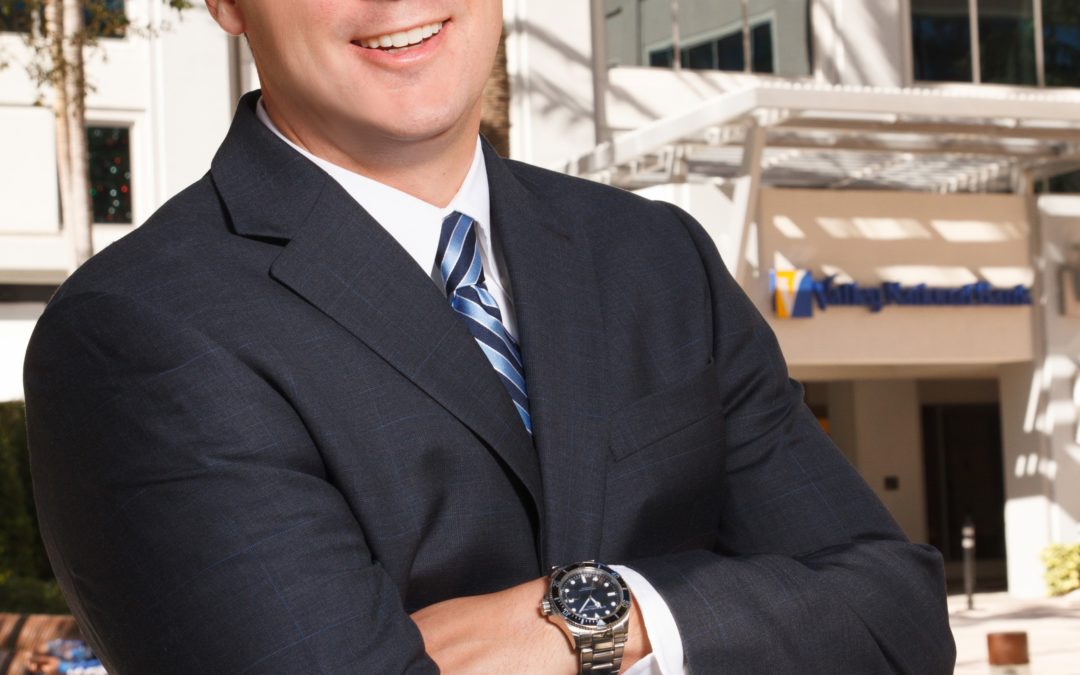
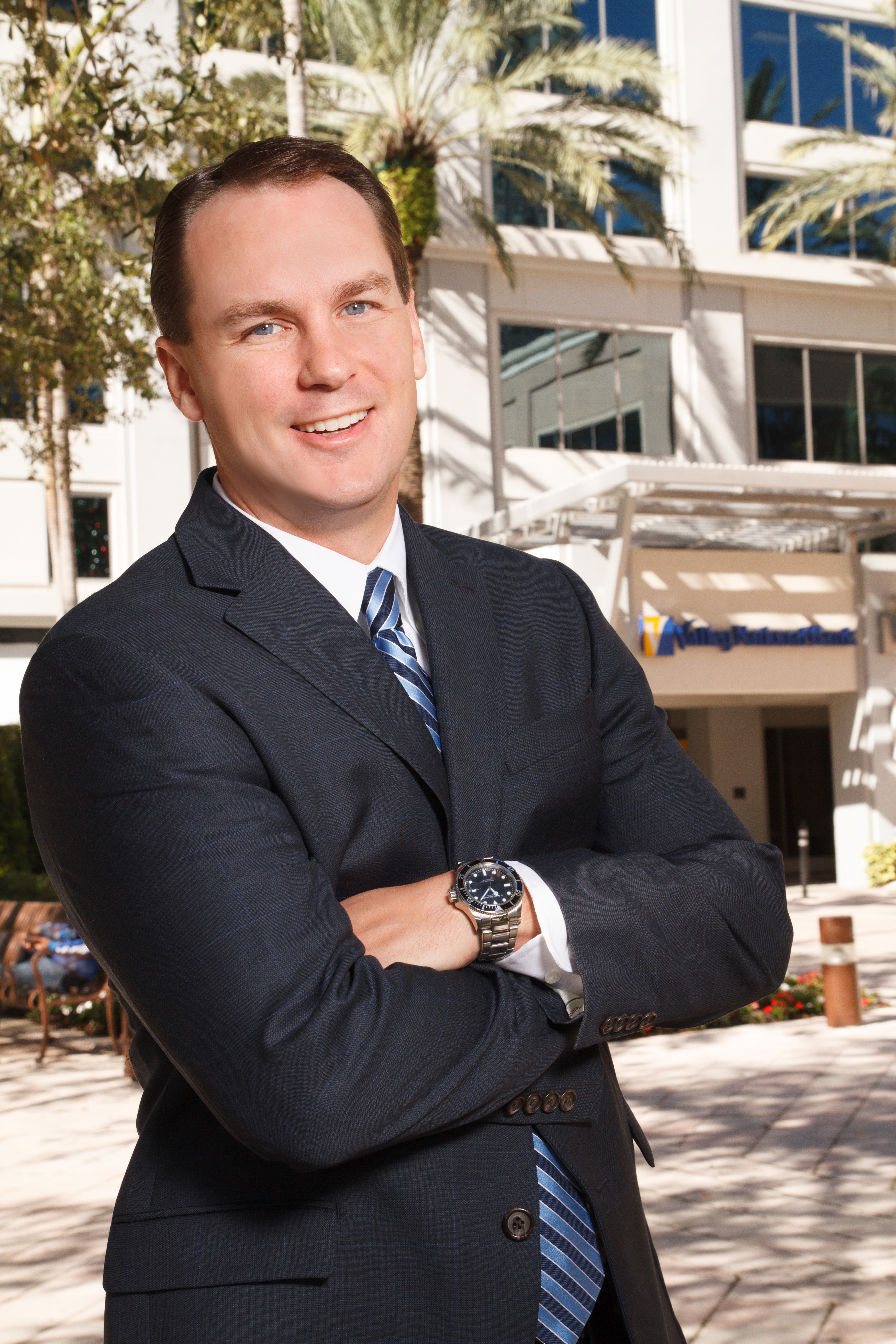
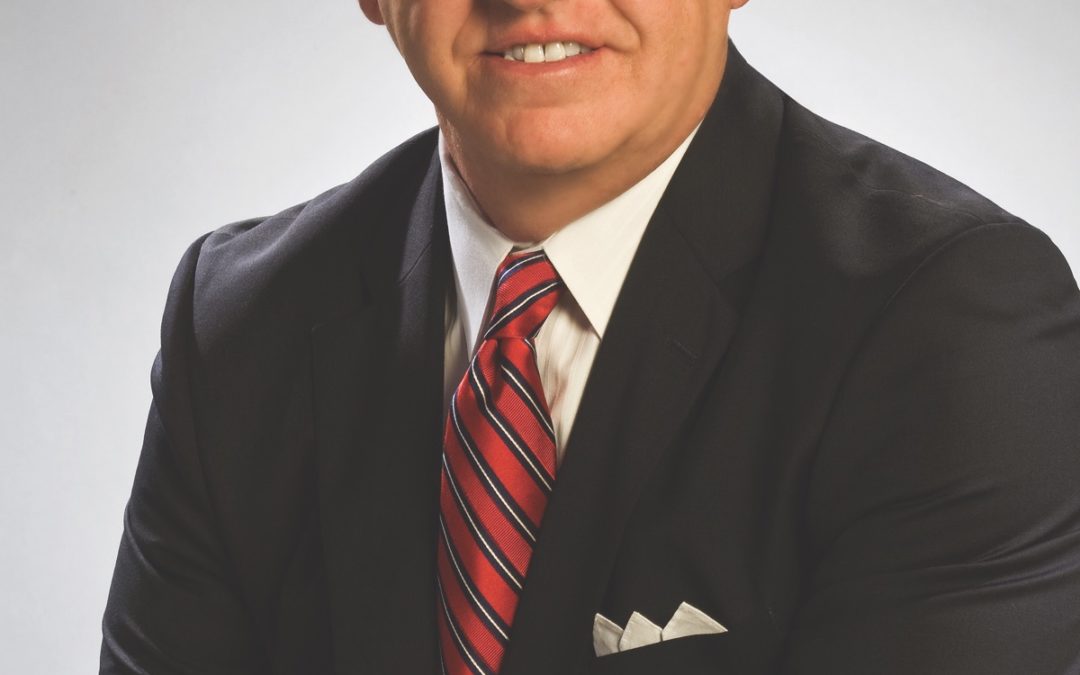
Spotlight On: Jeffery Klink, First Senior Vice President & Southern Florida Regional President, Valley Bank

Spotlight On: Jeffery Klink, First Senior Vice President & Southern Florida Regional President, Valley Bank

By Max Crampton-Thomas


2 min read August 2019 —During times of economic prosperity, the banking sector is primed to benefit the most, but when the economy begins to slow, or a recession hits, lenders normally feel the harshest effects. This forces banks and financial institutions to be innovative and mindful of how they approach their day-to-day business. There are, of course, the outliers like Valley Bank, which, as noted on its website, has never produced a losing quarter since its founding in 1927. Invest: Greater Fort Lauderdale recently spoke with Jeffery Klink, first senior vice president and Southern Florida regional president for Valley Bank, who spoke about the bank’s efforts to ensure great customer experience, how it differentiates itself in a crowded South Florida marketplace and the biggest challenge facing the banking sector. 

How does Valley Bank ensure a community bank feel while still providing the services of a large regional bank? 

We are a community bank with a regional overlay and that is how we choose to operate. What has been really interesting is that our clients in many cases do not realize that we are a large regional bank unless they need access to loans that are $25 million to $35 million or above. Our core business clients that are looking to borrow $500,000 to $5 million still view us as a community bank because that’s the space that we operate in.

How does Valley Bank differentiate from the competition in the region? 

Being client-centric is really our main differentiating factor in banking. Valley Bank, like most regional and national banks, has a similar technology platform. These systems allow users to access their accounts remotely, and they may very rarely come into our branches. How we mitigate this so the banking experience doesn’t become impersonal is to ensure that each client has a core group of bankers who they know and who know their needs. When customers call our bank, they are actually talking to somebody who knows the client not just from a business standpoint, but also on a personal level. This personal service combined with our technology platform has really allowed us to compete from a service perspective with the community banks.

What is the biggest challenge facing the banking sector? 

The main challenge in banking is balancing interest rate movements. Throughout 2018, we saw Treasury rates increase significantly and that was allowing banks to adjust and increase the rates they were collecting on new loans. In 2019, we have seen interest rates pull back, which has been to the benefit of borrowers because rates have dropped to nearly historical lows. Banks are going to have to address and combat margin compression throughout 2019 because we are collecting less on the loan side and we are paying more than we have for close to 10 years on the deposit side of the balance sheet.


To learn more about our interviewee, visit:
 

https://www.valley.com/

Spotlight On: Steven Abrams, Executive Director, South Florida Regional Transportation Authority/Tri-Rail

By Max Crampton-Thomas


2 min read August 2019 — Transportation is a hot topic issue throughout South Florida, and as the population in the region continues to grow so do the challenges. While the roads seemingly become more congested every week, there is a significant emphasis on using other forms of transit. For 30 years, Tri-Rail has been one of the leading alternative forms of transit for visitors and residents of South Florida alike. Invest: Greater Fort Lauderdale recently had the chance to sit down and speak with Steven Abrams, the Executive Director for the South Florida Regional Transportation Authority, which is the governing body that operates and oversees Tri-Rail. Abrams discussed Tri-Rail’s longevity in the South Florida Community, how it is working in tandem with Virgin Trains USA (formerly Brightline), the ways in which it is using technology to improve operations and what is contributing to the steady uptick in ridership.

What has contributed to Tri-Rail’s longevity in the South Florida community? 

This year is Tri-Rail’s 30th anniversary. Tri-Rail started as a traffic mitigation project along I-95 while 95 was being widened, but it was supposed to be a stop-gap until the completion of the project. Thirty years later, it is still thriving. Over those 30 years, we have improved our service, added more trains, added weekend and holiday service and added connections to the area’s three airports. We are a transportation system that has become popular over time and we have embedded ourselves in the tri-county area.

How are you working with Virgin Trains USA to improve rail transportation in the community? 

We have a collaborative relationship with Brightline, and we anticipate that it will only be a benefit to both services. Brightline is geared more toward the tourism population, whereas Tri-Rail transports 15,000 riders a day to work and school. Our riders mainly consist of clerical workers, blue-collar workers, construction workers and students. It is a different market than Brightline, but we work very closely together and hope to be able to feed each other’s passengers into our system. We are far along on plans to enter Brightline’s downtown Miami station. The platform has been constructed, and we are just waiting on the approval for its Positive Train Control system. Positive Train Control is a safety system that was mandated by the federal government for all railroads in the country. Once Brightline’s system has been certified, we can apply to be a tenant on its system and continue our existing service and extend up to about half of our trains into downtown Miami. We are hopeful that this will occur in the near future.

How is Tri-Rail using new technology to improve operations and the safety of its passengers?

We are installing a Positive Train Control system that adds an extra level of safety on what is already a safe system. The National Safety Council did a survey and concluded that you are more likely to die of radiation or from a cataclysmic storm than you are being a passenger on a train. The Positive Train Control system is required by the federal government, and we anticipate that it will add that extra measure of safety in terms of avoiding oncoming collisions. If the train is going too fast, the system will automatically slow it down. We do not have many curves on our system, so this is probably more of a benefit for trains up north where there are hills and curves. Nonetheless, we will be able to stop the train should it exceed speed limits.

What factors are behind the steady increase in Tri-Rail’s ridership? 

There are three reasons and two are, in a way, related. South Florida is a tourist and service-related economy, and these individuals, like waiters or construction workers, cannot work from their homes. We have people coming from all over the world who are used to rail transportation in their countries, and they are feeding into our system. Our roads are also just becoming so congested. It used to be that our ridership would principally, and almost exclusively, fluctuate with gas prices, but now that  gas prices are stable and dropping, we still have people riding our system because ultimately it is the overabundance of cars on the road that are urging them to seek alternative transportation.


To learn more about our interviewee, visit:
 

https://www.tri-rail.com/

The Future is Now for FATVillage

By Max Crampton-Thomas


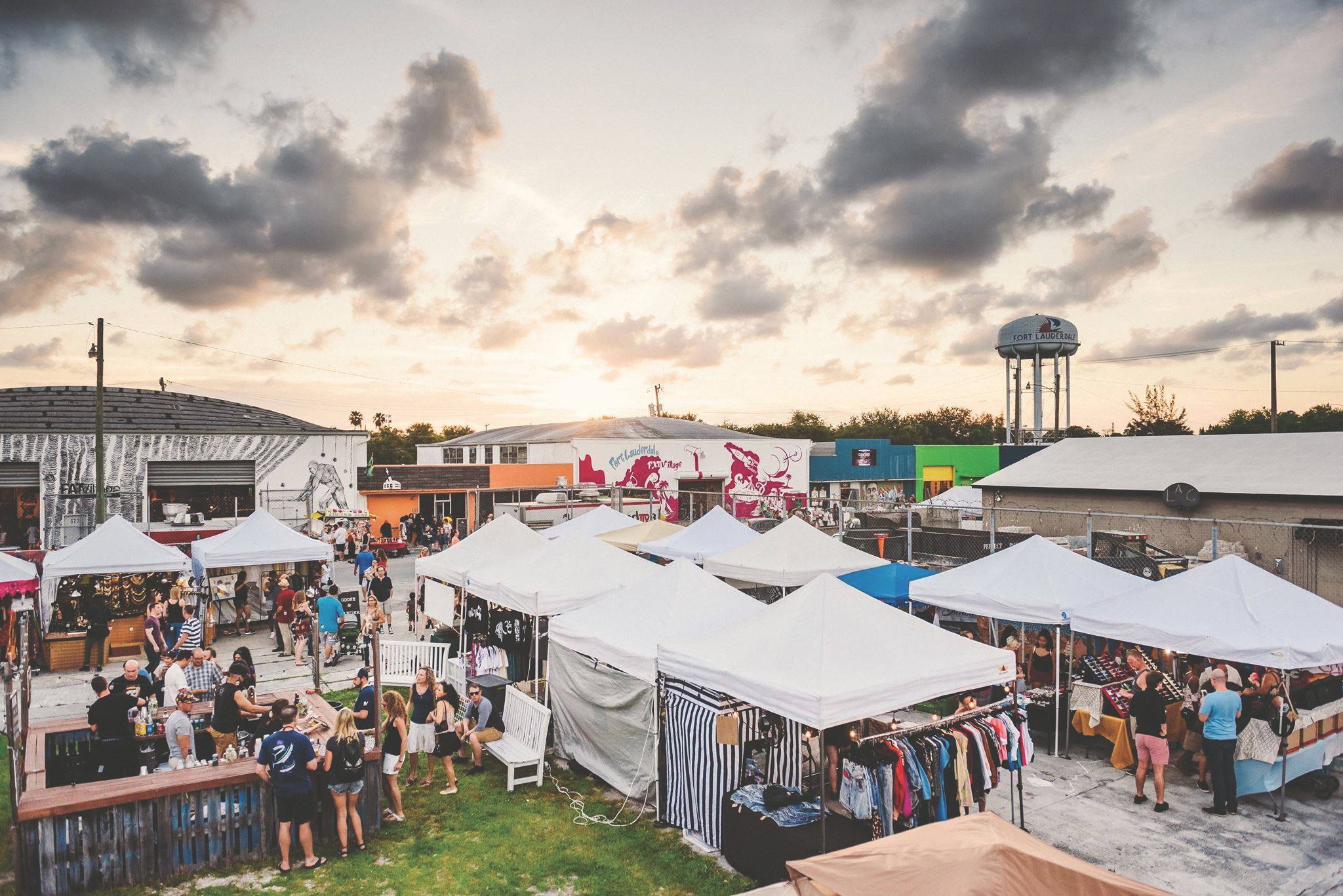
3 min read August 2019 — Fort Lauderdale’s FATVillage makes up for what it lacks in size with a treasure trove of arts, cultural and technological offerings. Founded in the late 1990s by Doug McCraw, the four-block historic warehouse district has developed into an arts hub to rival the most established arts districts in South Florida. While the area was originally founded as a way to rally philanthropic support around the artistic community in Fort Lauderdale, it is now transitioning into the premier destination for artists, small-business owners, technologists and arts enthusiasts.

The emergence of FATVillage has been a thoughtful and deliberate process of encouraging smart development that never diverts from the emphasis on art as the main part of the neighborhood’s DNA. This stands true for the introduction of more mixed-use development into the area, as McCraw highlighted in a recent interview with Invest: Greater Fort Lauderdale, discussing how that development is not only a new concept but also positively affecting the surrounding neighborhoods. “FATVillage has consistently been a significant economic driver in the Broward County region. It has acted not only as an arts community but also as a nucleus for a lot of the development in Flagler Village. What we are doing in terms of using art as a driver of mixed-use development is still a new concept, and not many developers are integrating product development with a creative community in the same way that we are,” McCraw told Invest. 

He also acknowledged that while FATVillage is undergoing a transition to focus on developing its status as an economic driver in the region, the reason for the district’s success has been the deliberate and careful process of deciding who can lease inside the area. “FATVillage is at a transition point. We are very focused on developing FATVillage to make it a treasure for Fort Lauderdale. We have aggregated various types of coworking spaces with different disciplines, all of which are major components of FATVillage. We have a curated process and we do not just lease to the first person who walks in the door. Our focus on art as an integrated part of the DNA of FATVillage makes us a unique component of Fort Lauderdale’s culture,” McCraw said

Helping to achieve this vision for the future of FATVillage, while also remaining true to its arts identity, is Urban Street Development, which has been involved with the district from the beginning. Invest: recently had a conversation with the Co-Founder Alan Hooper about what the next phase of development for FATVillage will look like. “In August, we intend to deliver a plan that will take the FATVillage Art District in downtown Fort Lauderdale into an exciting era that will combine food with art and technology (FAT) and develop a neighborhood where people and businesses of all sizes can find a place to live, create, collaborate, and socialize. The 5- acre-plus plan fully embraces the arts and elevates the opportunities for artists and creative businesses alike. Positioned inside the downtown core, the Opportunity Zone, and a block from Brightline, the options for community building are endless,” Hooper told Invest:. “We want to help FATVillage evolve into the place it should be. A place that is attractive to creative businesses while maintaining the artists who made us a well-known destination. We want to build some affordable housing for artists and local creative people, as well as really cool workspaces for start-up businesses that might represent art in another way, through video or audio, the art of the word, or the art of food. A place like this will be very attractive to businesses that benefit from hiring within a congregation of talent. In the end, we are creating a village that all people can grow with, be a part of and enjoy.” 

Arts and culture is a major key in Florida’s economy, and even more so in Broward County. Areas like FATVillage play a vital role in keeping arts in the county, and acting as a significant economic driver for the region. FATVillage has long been an attractive destination in Fort Lauderdale, but it is now on the cusp of a major transition into a true arts and economic staple in Broward County. 


To learn more about our interviewees, visit:

https://www.fatvillage.com/

http://www.urbanstreetdevelopment.com/