Face Off: The Bay’s Banking Bosses

Face Off: The Bay’s Banking Bosses

Writer: Max Crampton-Thomas

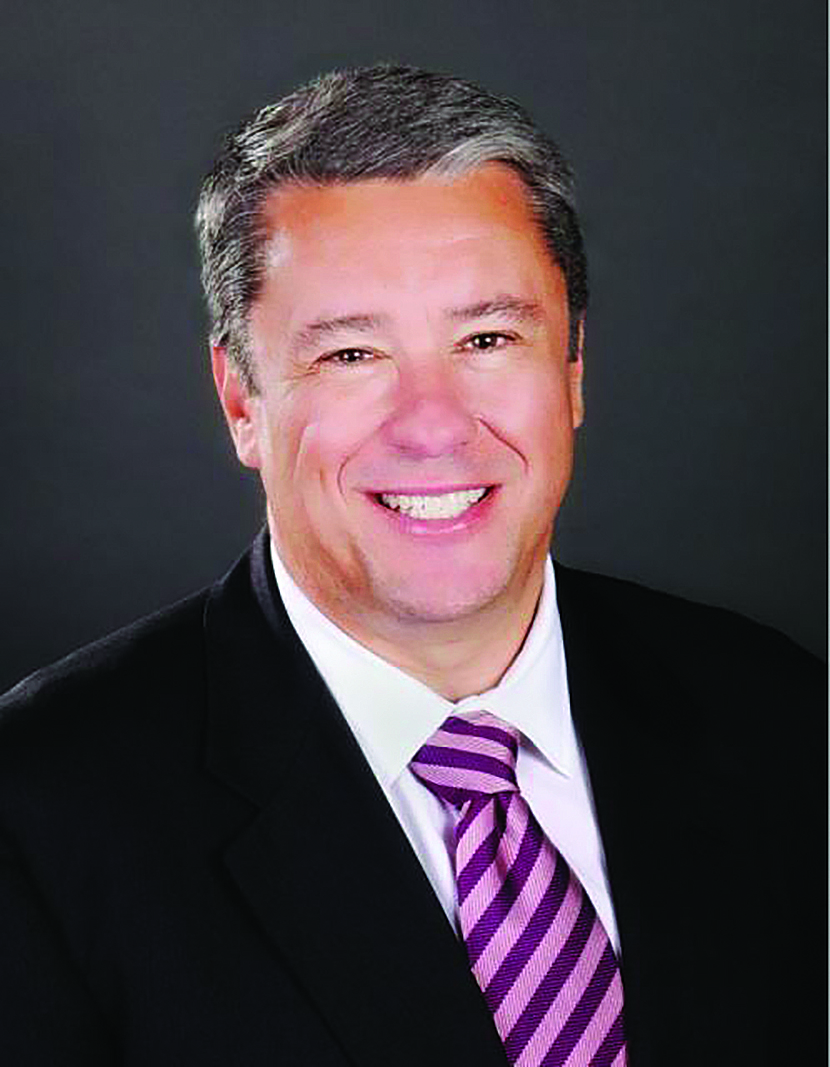
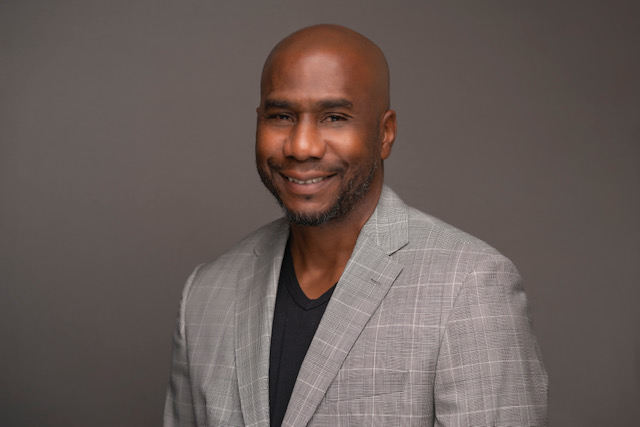
4 min read September 2019 The health of the banking sector is a great way to gauge the overall health of the economy, so when the banking sector is prospering it is normally on par with a healthy economy. This remains true in Tampa Bay as the local economy has been experiencing a long and healthy growth that is also shared by the banking sector in the region. Invest: Tampa Bay recently spoke with David Call, Florida regional president of Fifth Third Bank, and Allen Brinkman, region president for Seacoast Bank, two of the premier banks in the Tampa Bay region. Discussions with both banking institutions covered their view of the current state of the market in Tampa Bay, how emerging technologies are impacting their banking practices, and ways to keep growth in the sector and Tampa Bay sustainable for the future.

What is your view of the local market in light of the burgeoning economy in the region?

David Call: Everything is moving at a fast pace in the Tampa Bay region, and from my perspective there is not one particular sector or segment of the market that is doing better than another. Our bank has five lines of business in the region: commercial, small business, retail, wealth and mortgage. All five of those lines are doing well and we are still seeing strong momentum. We have seen this growth for the last four years, and while we are prepared for any kind of slowdown, we haven’t seen any sign of that for the near future.

Allen Brinkman: As long as the economy does well and as the spirit of Tampa Bay continues to rise, the market will remain prosperous. There is a growing sense of pride in the city. This pride is creating opportunities for new businesses to start, established businesses to expand and investments into the business market to remain lucrative. It has been a great market for quite some time, and outside of a global economic issue, Tampa Bay is going to continue to do well. I believe that even if the global economy slows down, Tampa Bay is somewhat insulated because it is a place that people want to be, for both a younger and older demographic. There is almost nowhere else in Florida that is as cost-effective, beautiful and offers as many cultural and economic opportunities as Tampa Bay.

With the prominence of emerging technologies in the financial sector, how can banks find the balance to still deliver a personal experience?

Call: Technology has not taken the place of our physical centers, but everything that we do around technology has definitely taken off. Whether that is depositing a check or checking an account balance, all of these uses are being adopted at a much quicker pace than how technology was adopted in the past. That being said, we believe at least 60% of our clients still want to come to a branch and bank with a human being. That does not mean that they do not want technology, because they do, so it is a balancing act. We are still building branches in the state of Florida, and we will have more branches in the Tampa Bay area too. We want to offer all these various channels for people to use because ultimately we need to stay in line with the voice of the customer and keep them at the center of what we do.

Brinkman: The online and digital experience is more of a convenience vehicle than it is an alternative to all banking. Simple transactions like depositing a check or finding a branch can be accomplished with technology,  but more complicated transactions are usually going to involve an interaction with a banker. Banks are somewhat of a commodity today, and the only way to set yourself apart from other banks is by the advice you give. Our bankers are trained and spend a lot of time on their consultative approach. For example, in the past, we knew that the mortgage business was about borrowing as much as you could to get the biggest house, and hopefully everything worked out. Today, bankers give a little more advice and guidance on what is a responsible financial decision for a customer to make. This type of personal interaction could not be accomplished by technology.

What are some ways to keep banking sector growth and that of Tampa Bay sustainable and recession resilient?

Call: When we adapt to this influx (of high-net-worth investors), it has a positive affect on our business, and this is true for all of Tampa Bay, not just our bank. There are a lot of businesses and people bringing money to Tampa Bay because they see the growth. Outside investment is a huge part of keeping this growth sustainable because we need an infrastructure that matches the influx of people coming to Tampa Bay. In regards to our bank, we are investing our time and resources into making sure that we are a part of the change so we can help our communities thrive.

Brinkman: We are quite conservative in terms of our approach to lending, which some could misinterpret as not offering loans. However, we do offer loans just as much as most banks, we just tend to be conservative in how we advise our customer. Our bankers sit down with customers to understand why they need a loan, what the purpose is and inform the customer of whatever risk elements are out there that they may not have thought of. When a loan is done with Seacoast, a relationship is formed. We make the decision jointly versus just providing a loan that may not be right for the customer. Our role as a bank is to protect the customer, which creates a greater sense of responsibility to really develop a product that’s customized to their needs. If there is another recession, we believe we will fair well because of this practice.

To learn more about our interviewees, visit:

https://www.seacoastbank.com/

https://www.53.com/

Business is Booming for Deerfield Beach

Business is Booming for Deerfield Beach

By Max Crampton-Thomas

2 min read September 2019 — When discussing growth in Broward County, the conversation would typically center around the economic hub that is the city of Fort Lauderdale. While it may be the most universally recognized city in Broward, it is certainly not the only one in the county experiencing an economic boom.

Located at the northernmost point of Broward County is Deerfield Beach, a city whose growth cannot be understated or overlooked. Home to over 80,000 individuals, this beach community has capitalized on the economic prosperity and ever-increasing migration of individuals to the South Florida region. Invest: Greater Fort Lauderdale spoke with Bill Ganz, the mayor of Deerfield Beach about the city’s major developments in the last year. “We have had a lot of growth in the city in the last 12 months, including over 11,000 building permits that total nearly a billion dollars in new construction. We have new residential developments under construction from some of the top developers in the area, such as Lennar, Toll Brothers, Ram Realty and Weingarten Realty. One of the finest organizations in Broward County is also located in our city, JM Family Enterprises. They are working on a $176 million expansion of their corporate headquarters,” he told Invest:. 

The growth of Deerfield has not just been predicated on the development of new construction projects for the private sector. The city has recognized the importance of reinvesting in itself to better serve its residents. This is apparent in the ongoing construction of a new 12,000-square-foot community center, which is a revitalization of the old Tigner Community Center. When completed, it will be one of the largest community centers in Deerfield Beach. 

Successful economic growth of an area in Broward County is also dependent on addressing future threats to that growth. Ganz made a point of talking to Invest: about how the city is addressing the looming threat of sea level rise and its efforts toward environmental resilience. “We have been working on these issues for several years, starting with the West Wellfield project, which helps to solidify the water system in Deerfield Beach, so we are much better protected against salt water intrusion. We have taken the initiative to become LEED certified with some of our city projects that have recently finished, including the new pier and facilities on the beach.” 

He continued to speak on how he hopes Deerfield will serve as a positive example on these issues for other areas of Broward County. “We have a new Siemens Energy Efficiency Program that we hope can be used as an example for other municipalities to address these issues. The city has also been working on an Emergency Preparedness and Response Plan. We don’t want to just talk about sea level rise, but really address it from a safety standpoint, especially in the event of another hurricane.” 

The advancement of Deerfield Beach has not been by chance, and can be attributed to well-thought-out and deliberate initiatives and actions taken by the city’s public and private sectors. There is a recognition that to sustain the economic growth, the city must continue to present unique opportunities to businesses in the area. 

One of the ways the city is doing this is by recognizing the need to retain a strong workforce within the city, as highlighted by Ganz: “We want to make sure that we provide them with a wide variety of opportunities, not just entertainment, but business opportunities as well. We also are trying to make sure that we are appealing to all generations of the workforce. One of the ways we hope to accomplish that is with some of the new residential construction that is being built. We have worked with these developers to make sure they are keeping the new buildings attractive to all segments of the workforce in the city. We are also fortunate to have the most beautiful beaches in all of Broward County, and these people can really take advantage of this being a nautical destination.” 

While it has been a successful year for the city, local government and the business community will continue to focus on sustaining this growth for the foreseeable future. 

To learn more about our interviewee, visit:

http://www.deerfield-beach.com

Spotlight On: Ronnie Felder, Mayor, City of Riviera Beach

Spotlight On: Ronnie Felder, Mayor, City of Riviera Beach

By Max Crampton-Thomas


2 min read September 2019 — When Ronnie Felder won the runoff race for mayor in March, he had campaigned on the idea of revitalizing the city of Riviera Beach. Invest: Palm Beach sat down the mayor to discuss how he is encouraging economic revitalization and development in the city by rebuilding relationships with the local business community, specific industries he is targeting as part of his economic development plan and what the next few years will look like for Riviera Beach.

How are you working to strengthen the city’s relationship with local businesses? 

One of our goals is to meet with every business in this city to become more familiar with the organizations that are out there and their needs. We are learning through these relationships that a lot of these companies want to hire individuals from Riviera Beach but there is a lack of experienced workforce. We want Riviera residents to know that these job opportunities exist, and as the mayor, I feel it is my responsibility to make sure that happens. In past years, Riviera Beach did not have this established dialogue with the business community. For us to progress as a city and to have the trust of the business community, we must continue to build and strengthen this dialogue.


What are some industries you are targeting to help grow the city’s economy? 

We need more hotels and restaurants, which is a significant way for us to begin to push this city into the future. We do not have enough hotels to accommodate a large influx of tourism, which is impeding our growth. We have to be aggressive in our development efforts. I want to see cranes throughout Riviera Beach because when you see cranes in the city, that means economic growth, it means we are tapping into our potential and other businesses will see this and also want to be part of our city.


What are your short-term goals for the city’s economic development? 

We want to see exponential growth in the next two years. We will be working with businesses to encourage them to hire our young people when they graduate so we can retain some of that local talent. We have to begin to address the long-neglected infrastructure improvements and redevelopment of our public facilities like city hall, the police station and our schools. Everyone from the private and the public sectors should start seeing the benefits from our efforts to grow the local economy.


To learn more about our interviewee, visit:

http://www.rivierabch.com/

Spotlight On: Jeffery Klink, First Senior Vice President & Southern Florida Regional President, Valley Bank

Spotlight On: Jeffery Klink, First Senior Vice President & Southern Florida Regional President, Valley Bank

By Max Crampton-Thomas


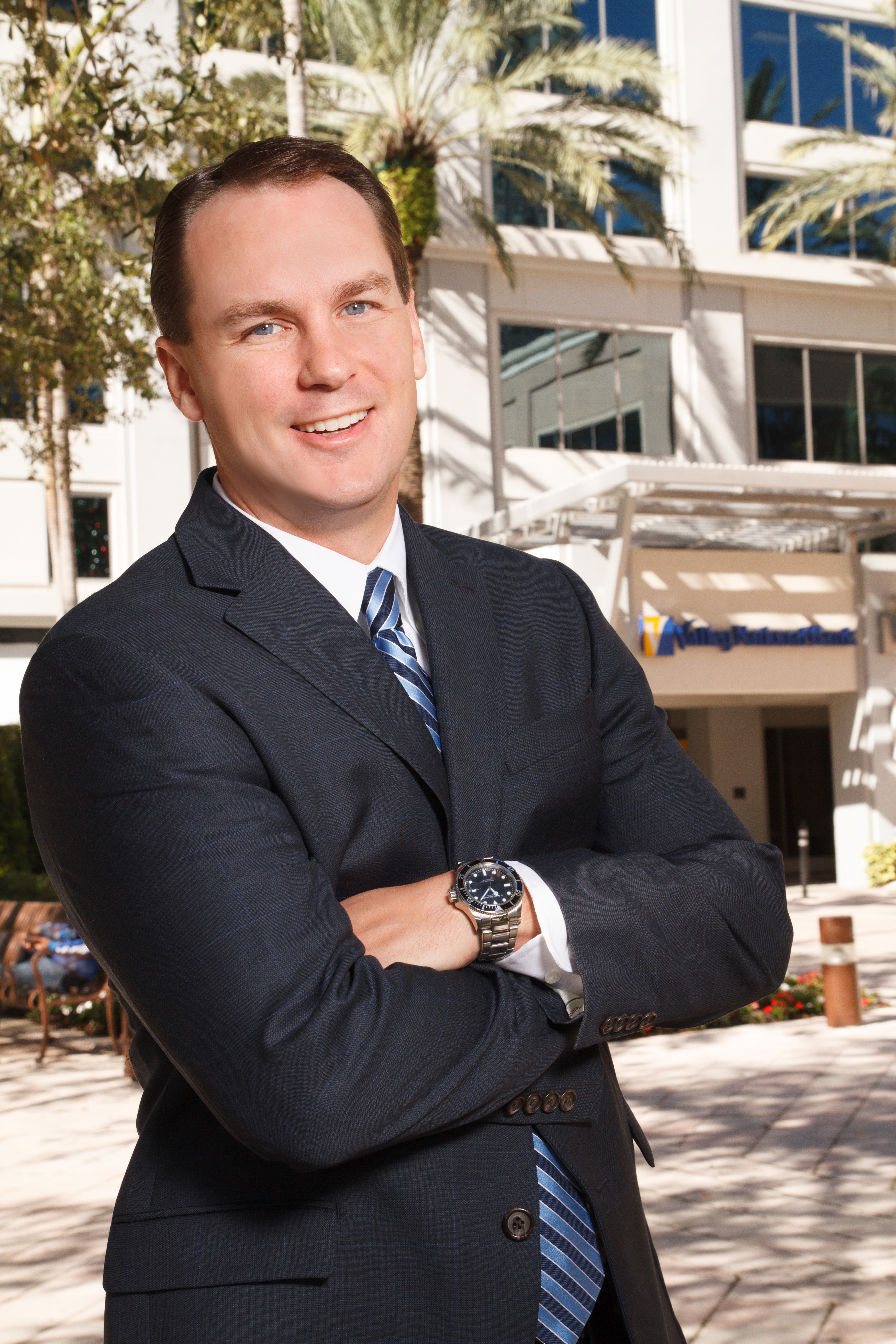
2 min read August 2019 —During times of economic prosperity, the banking sector is primed to benefit the most, but when the economy begins to slow, or a recession hits, lenders normally feel the harshest effects. This forces banks and financial institutions to be innovative and mindful of how they approach their day-to-day business. There are, of course, the outliers like Valley Bank, which, as noted on its website, has never produced a losing quarter since its founding in 1927. Invest: Greater Fort Lauderdale recently spoke with Jeffery Klink, first senior vice president and Southern Florida regional president for Valley Bank, who spoke about the bank’s efforts to ensure great customer experience, how it differentiates itself in a crowded South Florida marketplace and the biggest challenge facing the banking sector. 

How does Valley Bank ensure a community bank feel while still providing the services of a large regional bank? 

We are a community bank with a regional overlay and that is how we choose to operate. What has been really interesting is that our clients in many cases do not realize that we are a large regional bank unless they need access to loans that are $25 million to $35 million or above. Our core business clients that are looking to borrow $500,000 to $5 million still view us as a community bank because that’s the space that we operate in.

How does Valley Bank differentiate from the competition in the region? 

Being client-centric is really our main differentiating factor in banking. Valley Bank, like most regional and national banks, has a similar technology platform. These systems allow users to access their accounts remotely, and they may very rarely come into our branches. How we mitigate this so the banking experience doesn’t become impersonal is to ensure that each client has a core group of bankers who they know and who know their needs. When customers call our bank, they are actually talking to somebody who knows the client not just from a business standpoint, but also on a personal level. This personal service combined with our technology platform has really allowed us to compete from a service perspective with the community banks.

What is the biggest challenge facing the banking sector? 

The main challenge in banking is balancing interest rate movements. Throughout 2018, we saw Treasury rates increase significantly and that was allowing banks to adjust and increase the rates they were collecting on new loans. In 2019, we have seen interest rates pull back, which has been to the benefit of borrowers because rates have dropped to nearly historical lows. Banks are going to have to address and combat margin compression throughout 2019 because we are collecting less on the loan side and we are paying more than we have for close to 10 years on the deposit side of the balance sheet.


To learn more about our interviewee, visit:


https://www.valley.com/

Spotlight On: Steven Abrams, Executive Director, South Florida Regional Transportation Authority/Tri-Rail

By Max Crampton-Thomas


2 min read August 2019 — Transportation is a hot topic issue throughout South Florida, and as the population in the region continues to grow so do the challenges. While the roads seemingly become more congested every week, there is a significant emphasis on using other forms of transit. For 30 years, Tri-Rail has been one of the leading alternative forms of transit for visitors and residents of South Florida alike. Invest: Greater Fort Lauderdale recently had the chance to sit down and speak with Steven Abrams, the Executive Director for the South Florida Regional Transportation Authority, which is the governing body that operates and oversees Tri-Rail. Abrams discussed Tri-Rail’s longevity in the South Florida Community, how it is working in tandem with Virgin Trains USA (formerly Brightline), the ways in which it is using technology to improve operations and what is contributing to the steady uptick in ridership.

What has contributed to Tri-Rail’s longevity in the South Florida community? 

This year is Tri-Rail’s 30th anniversary. Tri-Rail started as a traffic mitigation project along I-95 while 95 was being widened, but it was supposed to be a stop-gap until the completion of the project. Thirty years later, it is still thriving. Over those 30 years, we have improved our service, added more trains, added weekend and holiday service and added connections to the area’s three airports. We are a transportation system that has become popular over time and we have embedded ourselves in the tri-county area.

How are you working with Virgin Trains USA to improve rail transportation in the community? 

We have a collaborative relationship with Brightline, and we anticipate that it will only be a benefit to both services. Brightline is geared more toward the tourism population, whereas Tri-Rail transports 15,000 riders a day to work and school. Our riders mainly consist of clerical workers, blue-collar workers, construction workers and students. It is a different market than Brightline, but we work very closely together and hope to be able to feed each other’s passengers into our system. We are far along on plans to enter Brightline’s downtown Miami station. The platform has been constructed, and we are just waiting on the approval for its Positive Train Control system. Positive Train Control is a safety system that was mandated by the federal government for all railroads in the country. Once Brightline’s system has been certified, we can apply to be a tenant on its system and continue our existing service and extend up to about half of our trains into downtown Miami. We are hopeful that this will occur in the near future.

How is Tri-Rail using new technology to improve operations and the safety of its passengers?

We are installing a Positive Train Control system that adds an extra level of safety on what is already a safe system. The National Safety Council did a survey and concluded that you are more likely to die of radiation or from a cataclysmic storm than you are being a passenger on a train. The Positive Train Control system is required by the federal government, and we anticipate that it will add that extra measure of safety in terms of avoiding oncoming collisions. If the train is going too fast, the system will automatically slow it down. We do not have many curves on our system, so this is probably more of a benefit for trains up north where there are hills and curves. Nonetheless, we will be able to stop the train should it exceed speed limits.

What factors are behind the steady increase in Tri-Rail’s ridership? 

There are three reasons and two are, in a way, related. South Florida is a tourist and service-related economy, and these individuals, like waiters or construction workers, cannot work from their homes. We have people coming from all over the world who are used to rail transportation in their countries, and they are feeding into our system. Our roads are also just becoming so congested. It used to be that our ridership would principally, and almost exclusively, fluctuate with gas prices, but now that  gas prices are stable and dropping, we still have people riding our system because ultimately it is the overabundance of cars on the road that are urging them to seek alternative transportation.


To learn more about our interviewee, visit:


https://www.tri-rail.com/

The Future is Now for FATVillage

By Max Crampton-Thomas


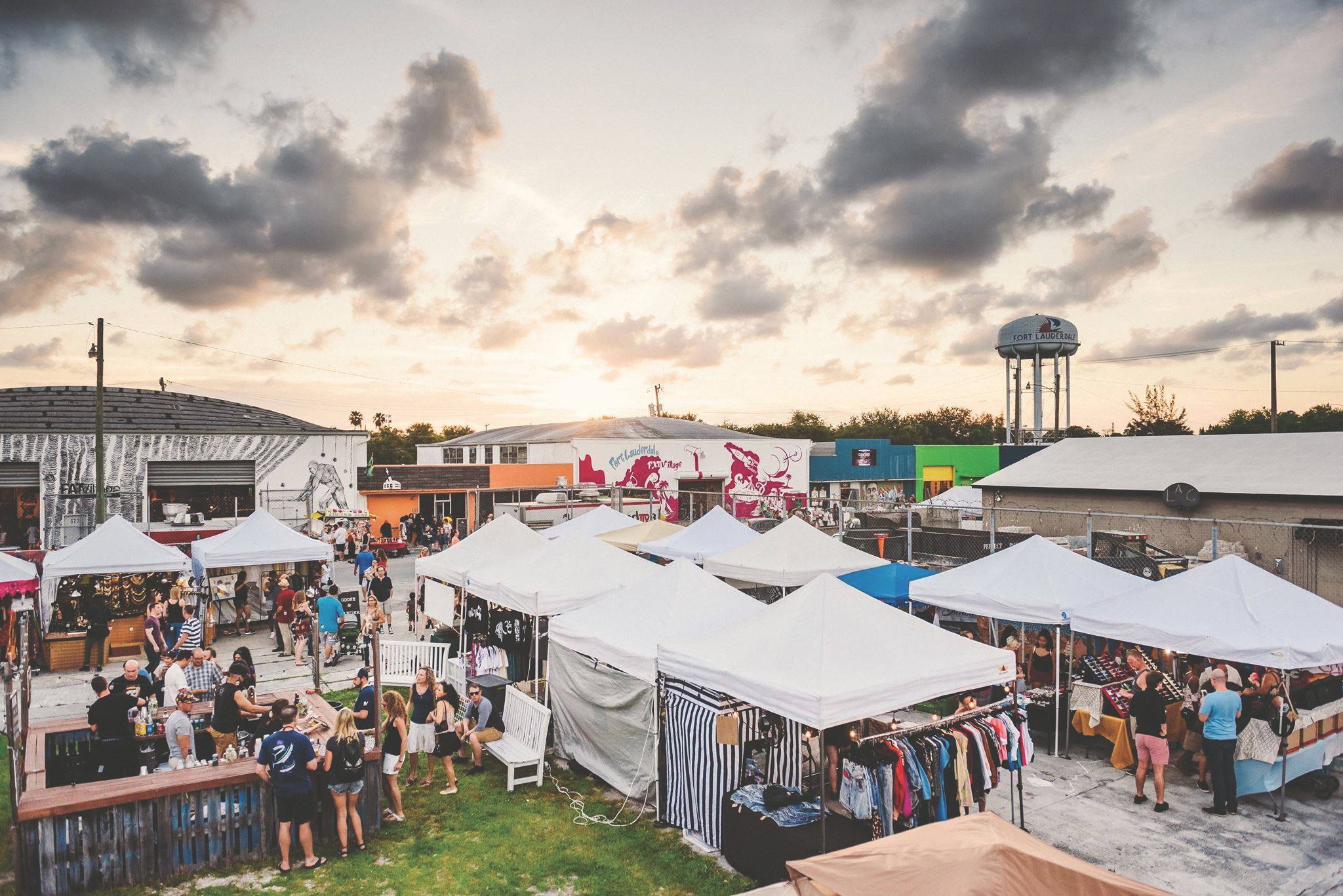
3 min read August 2019 — Fort Lauderdale’s FATVillage makes up for what it lacks in size with a treasure trove of arts, cultural and technological offerings. Founded in the late 1990s by Doug McCraw, the four-block historic warehouse district has developed into an arts hub to rival the most established arts districts in South Florida. While the area was originally founded as a way to rally philanthropic support around the artistic community in Fort Lauderdale, it is now transitioning into the premier destination for artists, small-business owners, technologists and arts enthusiasts.

The emergence of FATVillage has been a thoughtful and deliberate process of encouraging smart development that never diverts from the emphasis on art as the main part of the neighborhood’s DNA. This stands true for the introduction of more mixed-use development into the area, as McCraw highlighted in a recent interview with Invest: Greater Fort Lauderdale, discussing how that development is not only a new concept but also positively affecting the surrounding neighborhoods. “FATVillage has consistently been a significant economic driver in the Broward County region. It has acted not only as an arts community but also as a nucleus for a lot of the development in Flagler Village. What we are doing in terms of using art as a driver of mixed-use development is still a new concept, and not many developers are integrating product development with a creative community in the same way that we are,” McCraw told Invest. 

He also acknowledged that while FATVillage is undergoing a transition to focus on developing its status as an economic driver in the region, the reason for the district’s success has been the deliberate and careful process of deciding who can lease inside the area. “FATVillage is at a transition point. We are very focused on developing FATVillage to make it a treasure for Fort Lauderdale. We have aggregated various types of coworking spaces with different disciplines, all of which are major components of FATVillage. We have a curated process and we do not just lease to the first person who walks in the door. Our focus on art as an integrated part of the DNA of FATVillage makes us a unique component of Fort Lauderdale’s culture,” McCraw said

Helping to achieve this vision for the future of FATVillage, while also remaining true to its arts identity, is Urban Street Development, which has been involved with the district from the beginning. Invest: recently had a conversation with the Co-Founder Alan Hooper about what the next phase of development for FATVillage will look like. “In August, we intend to deliver a plan that will take the FATVillage Art District in downtown Fort Lauderdale into an exciting era that will combine food with art and technology (FAT) and develop a neighborhood where people and businesses of all sizes can find a place to live, create, collaborate, and socialize. The 5- acre-plus plan fully embraces the arts and elevates the opportunities for artists and creative businesses alike. Positioned inside the downtown core, the Opportunity Zone, and a block from Brightline, the options for community building are endless,” Hooper told Invest:. “We want to help FATVillage evolve into the place it should be. A place that is attractive to creative businesses while maintaining the artists who made us a well-known destination. We want to build some affordable housing for artists and local creative people, as well as really cool workspaces for start-up businesses that might represent art in another way, through video or audio, the art of the word, or the art of food. A place like this will be very attractive to businesses that benefit from hiring within a congregation of talent. In the end, we are creating a village that all people can grow with, be a part of and enjoy.” 

Arts and culture is a major key in Florida’s economy, and even more so in Broward County. Areas like FATVillage play a vital role in keeping arts in the county, and acting as a significant economic driver for the region. FATVillage has long been an attractive destination in Fort Lauderdale, but it is now on the cusp of a major transition into a true arts and economic staple in Broward County. 


To learn more about our interviewees, visit:

https://www.fatvillage.com/

http://www.urbanstreetdevelopment.com/

Spotlight On: Angelo Bianco, Managing Partner, Crocker Partners

By Max Crampton-Thomas


2 min read August 2019 — There are a multitude of reasons why people choose to relocate to Florida including a beneficial tax climate, ideal weather, and a bevy of real estate opportunities. Perhaps nowhere is that more evident than in Palm Beach County, and developers of commercial real estate in the region are reaping the benefits. Invest: Palm Beach recently spoke with Angelo Bianco, Managing Partner for one of the premier owner-operator and developers of commercial real estate in the region, Crocker Partners, who also happen to be the largest office landlord in Florida. Mr Bianco discussed with Invest: the impact Crocker Partners has in Palm Beach County, benefits of practicing commercial real estate in the county and what is on the horizon for investment within commercial real estate.

What impact does Crocker Partners have in Palm Beach County and South Florida? 

In the state of Florida, we are currently the largest office landlord. In Boca Raton, we are the largest office owner. We own thirty percent of all the office space in Boca Raton. We usually buy assets that have something wrong; for example, they are often poorly occupied and haven’t been operated the way that we would at Crocker Partners. We will perform renovations, reposition the assets and find new tenants. Then we either sell or re-capitalize the project to someone who wants to own more stable, secure assets. 


What are some of the benefits of practicing commercial real estate in Palm Beach County?

The best part of real estate in Palm Beach County is that people want to be here. Every year, more people move here. Because of our tax policies, Florida is an attractive place for the wealthy, and they tend to gravitate towards certain areas such as Palm Beach County. It’s fantastic because whenever you’re in a place where a lot of people aspire to be, they require office buildings and homes, so in turn there’s demand for new construction. Then the economy expands; people need to have rentals, apartments, storage and stores. It’s a great place to invest because, from one peak of the market cycle to the next, there’s always growth here. 


What trends are on the horizon for commercial real estate investment and growth in Palm Beach County?

Office development should be muted in the coming year. The reason is that a good majority of those moving here are wealthier people; they don’t drive a lot of demand in office space as most of them have hedge funds or family offices that do not require a lot of space; plus it costs so much to build new office buildings. You will have some projects, but it’s not going to be like it was in the past when there would be a tremendous number of cranes in the sky. But when it comes to multi-family development, we will continue to see growth. There will be a lot more rentals than we have had in the past. The United States by large is turning into more of a rental market than it has been, which doesn’t mean that single family homes are gone; it just means that people are much more comfortable renting.


To learn more about our interviewee, visit:

https://crockerpartners.com/

Spotlight on: George Cretekos, Mayor, City of Clearwater

Writer: Max Crampton-Thomas

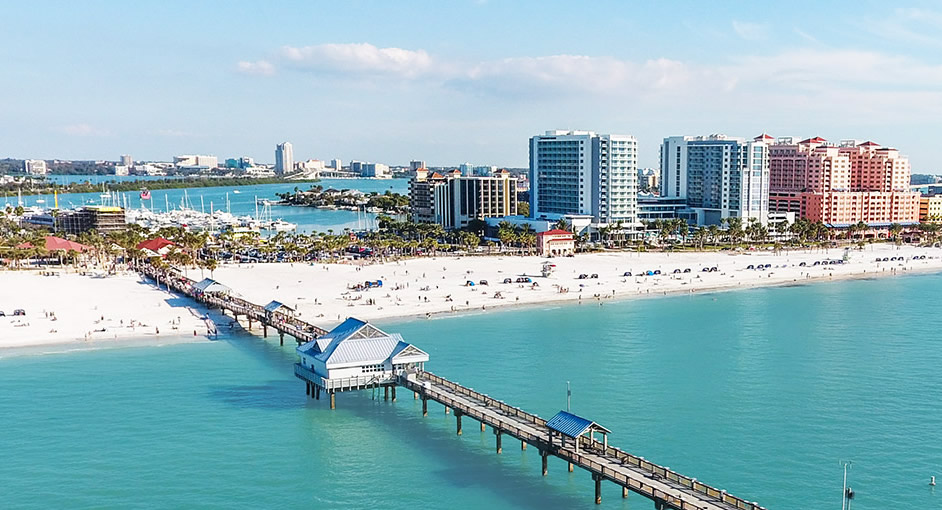
2 min read JULY 2019 — For the second year in a row, Tripadvisor awarded Clearwater  the distinction of having the best beach in the country. This comes as no surprise to the city’s 115,000 residents, who have long been stewards of their environment. With the population in the Tampa Bay region growing, that stewardship becomes even more important. 

Invest: Tampa Bay recently sat down with Mayor George Cretekos, who is on the verge of completing his second term. He discussed how the city is handling population growth, the challenges associated with it and how residents are at the forefront of environmental sustainability in Clearwater. 

How are Clearwater residents supporting environmentally sustainable practices? 

As I complete my second term, I appreciate how our residents and businesses have, on their own initiative, promoted sustainability and environmental stewardship.  Before there had been any talk about governments banning single-use plastics in the region, Clearwater’s businesses had started their own programs to stop using plastic straws. It is now common to find many restaurants in Clearwater that do not offer plastic straws or styrofoam to-go containers. This is a testament to how our residents are promoting sustainability and being good stewards of the environment.

How is the region handling the recent increase in population growth?

The region must have smart growth to make sure we are not only taking care of the environment, but also guaranteeing accessibility for our residents and visitors. We continually hear that we have traffic problems and at certain times of the year those problems can be exasperating. The population in this region needs to adapt to using alternatives like public transportation, which can be a better option than building more roads. We should model our transportation efforts to be like that of other major cities where reliable public transportation is an alternative.

What are the biggest challenges facing the city of Clearwater? 

Transportation and affordable housing are the two biggest concerns for the Tampa Bay area. A large percentage of the employees in Clearwater does not live in the city; if we can help provide affordable housing for these employees then the transportation problems could be eased. These individuals would not have to commute long distances into Clearwater, which in turn would help clear a significant amount of congestion on the roadways and emissions. My fellow mayors in the Tampa Bay region have realized that we may be separated by a body of water, but that doesn’t mean that our interests don’t run parallel. When one city does well then we all do well, so we should be working together to solve these issues.

To read more about our interviewee, visit: 

https://www.myclearwater.com/home


Spotlight On: Dr. Winnifred McPherson, Director & CEO, Virtue Medical Staffing Services, LLC

By Max Crampton-Thomas

July 2019

2 min read  — The staffing industry is a multi-billion dollar market that quite often flies under the radar, but its impact and contribution to the overall economy should not be understated. With almost 17 million temporary and contract employees being hired by American staffing companies, this industry is vital to not only a sustainable economy but also to the country’s growing workforce. Staffing companies service a variety of markets including I.T., advertising, and perhaps most important healthcare. 

Although they are a relatively new staffing agency in the market, Broward County based Virtue Medical Staffing Services LLC has big plans to quickly expand their footprint within South Florida’s healthcare industry. Invest: Greater Fort Lauderdale spoke with Dr. Winnifred McPherson, CEO of Virtue Medical Staffing Services LLC and discussed the keys to success and plans to expand within the staffing industry.  

What is the key to success in the staffing industry? 

“In this type of business you have to have employees who meet the demands of your clients, and because the unemployment rate is so low in South Florida for medical professionals, we have to find these quality candidates wherever we can. We cannot be confined to only looking for those who have years of experience, and we must look to our recently graduated or graduating students in the area. As a staffing agency, we do not ever like to say that we do not have anybody for a position. We try our best to be proactive in making sure there is always a candidate ready to go.”

How do you plan to grow your business into the future? 

“We hold two licenses that let us service a larger audience. The first is a nurse registry license that allows our employees to work in Broward and Palm Beach counties, both in medical facilities as well as homes. Then we have a Health Care Services Pool license that allows us to work anywhere in the state of Florida but only in a facility. Our plan is to keep expanding further north, and the Health Care Services Pool license will allow us to do that. To be successful in staffing, we have to be both flexible and have the ability to work anywhere that has demand.”

Where are you currently finding the most demand for your services? 

“Right now, the majority of our demand is in elderly care. We have corporate hospice clients, so a large portion of our business and workforce is in hospice care. We are striving to attract both corporate and private clients. Private clients will normally require full-time care because they may be living alone or with a family member who cannot be home all the time to take care of them. We also target senior living communities, and we will speak with these homeowners associations to let them know that we are an asset they can depend on.” 

To learn more about our interviewees, visit their websites:

http://www.virtuemedicalstaffing.com/