Maintaining unity and creating value through virtual meetings

Maintaining unity and creating value through virtual meetings

By: Felipe Rivas

2 min read April 2020The novel coronavirus forced a global halt to major international, regional and local events. From the NBA season to networking conferences, all gatherings of any size stopped abruptly in an effort to flatten the curve and prevent COVID-19, the disease caused by the coronavirus, from spreading further. However, as the population at large becomes accustomed to social distancing, stay at home orders and self quarantining, many events went from a hard stop to full speed ahead virtually. As the business community adjusts to the challenges of the disruption caused by the coronavirus, many institutions are building value and maintaining relationships by maximizing the use of webinars, online classes, video conferences and even virtual happy hours. 


In Philadelphia, World Trade Center of Greater Philadelphia, an organization dedicated to accelerating global business growth for companies in Southeastern Pennsylvania and South New Jersey, has turned to virtual meetings to stay connected with its members. “We understand how important it is to remain connected with our members and client companies during this challenging time,” Spokeswoman Graziella DiNuzzo told Invest: Philadelphia. “Like many other organizations, we are using Zoom meetings.” The center has maintained rapport with its members as it made the transition to work remotely. “We are handling this transition quite smoothly. We are a staff of seven professionals and have always maintained close contact with our clients via phone and email and working remotely doesn’t slow us down,” DiNuzzo said. 

Bringing members together in this time of uncertainty is among the center’s main goals. “Our member-company meeting is our “Member Conversations,” which we started last year as a way to bring our members together, informally, in our conference room to meet each other, talk and share stories,” DiNuzzo said. “This will be the first time, obviously, that we will hold our Member Conversations virtually and we are looking forward to it. The bottom line is that we have to continue to communicate and support each other during this time. We are all eager to get back to business as usual and we don’t know what that will look like. We are hopeful that it will be a rebirth of ideas and opportunities.”

The video conference platform, Zoom, has quickly become ubiquitous across the virtual events space. Across economic sectors, different institutions are taking advantage of Zoom and similar platforms. To host a successful virtual event, event planners must decide between hosting a virtual meeting or a webinar. “If you expect attendees to mostly just listen,” the best option is a webinar, Zoom advises as part of its digital event best practices. “When you need more back and forth between the audience and the host,” planners should choose a virtual meeting, the platform advises. 

Once the type of digital event has been narrowed down, hosts should hardwire the internet connection to prevent any Wi-Fi-related hiccups or virtual lag. In terms of audio, hosts should test speakers and audio prior to the meeting and minimize any background noise, according to Zoom. Additionally, hosts should dress to impress and make sure to start the virtual event on time. It is important to set the tone of the event and encourage Q&A’s during the virtual meeting or webinar. As a best practice, Zoom recommends the use of the Chat function to keep track of questions and comments. For larger webinars, Zoom offers a PayPal integration to charge the registration fees seamlessly. 

For the time being, social distancing will be part of the mainstream business landscape until at least May. However, many institutions are adjusting and pivoting more and more to the virtual hosting model to build value, share information and regain a sense of community in a time where residents are being asked to self-isolate as much as possible.  

To learn more visit: https://blog.zoom.us/wordpress/2020/03/04/best-practices-for-hosting-a-digital-event/

 https://www.wtcphila.org/covid-19-resources.html 

Top 5 Tourism Drivers for The Palm Beaches

Top 5 Tourism Drivers for The Palm Beaches

By Max Crampton-Thomas

4 min read October 2019 —  With more than 8 million visitors to Palm Beach County in 2018, it’s no secret that tourism is the driving force behind the economy in The Palm Beaches. Last year, these visitors generated $7.4 billion in economic impact and are the reason for over 70,000 tourism jobs. While the appeal of a relaxing beach vacation may seem like the obvious tourist magnet, there are so many different and unique facets of the county that drive the economic behemoth that is the tourism sector. Here is the Invest: Top 5 tourism drivers for The Palm Beaches

BEACHES

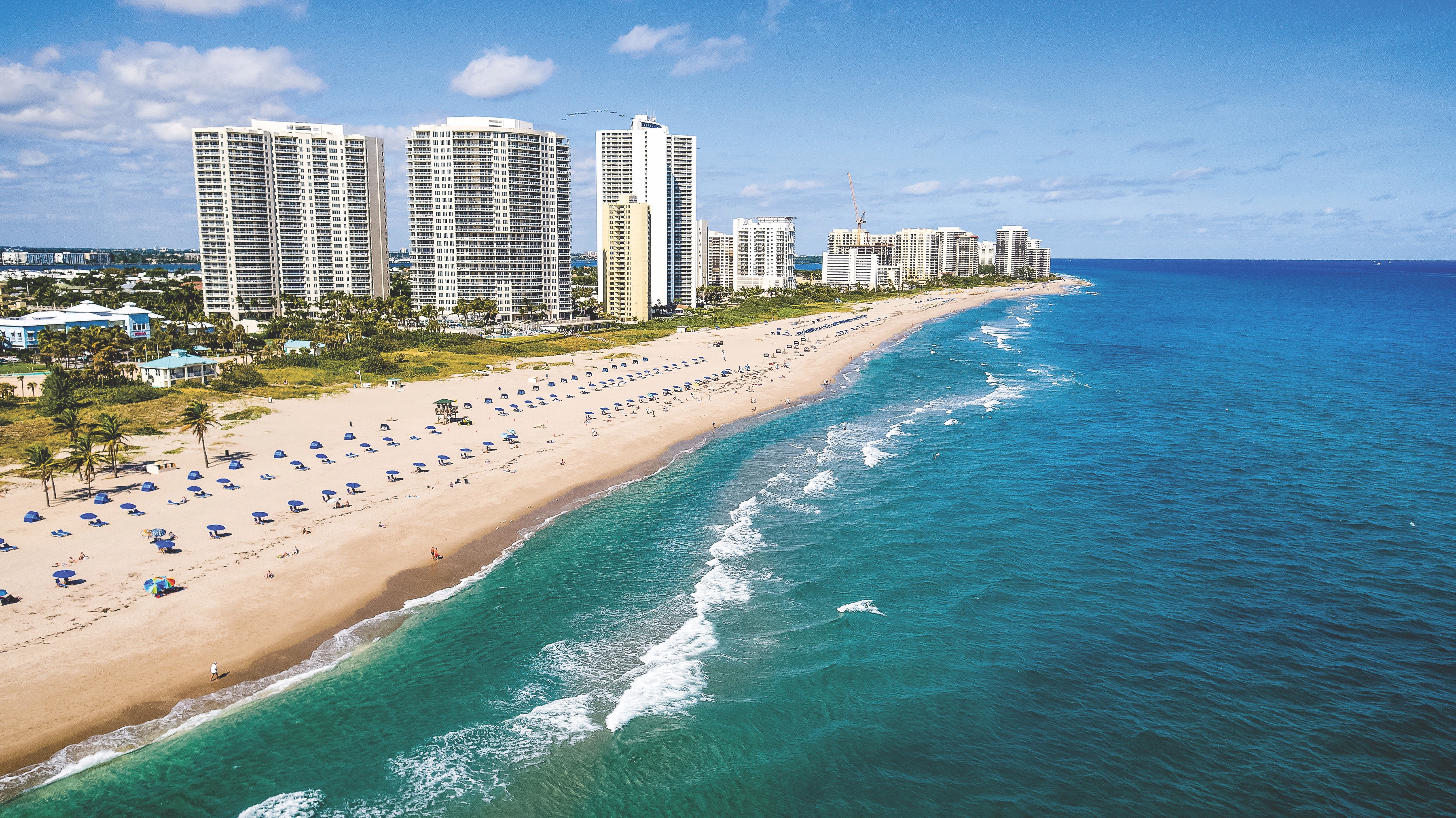
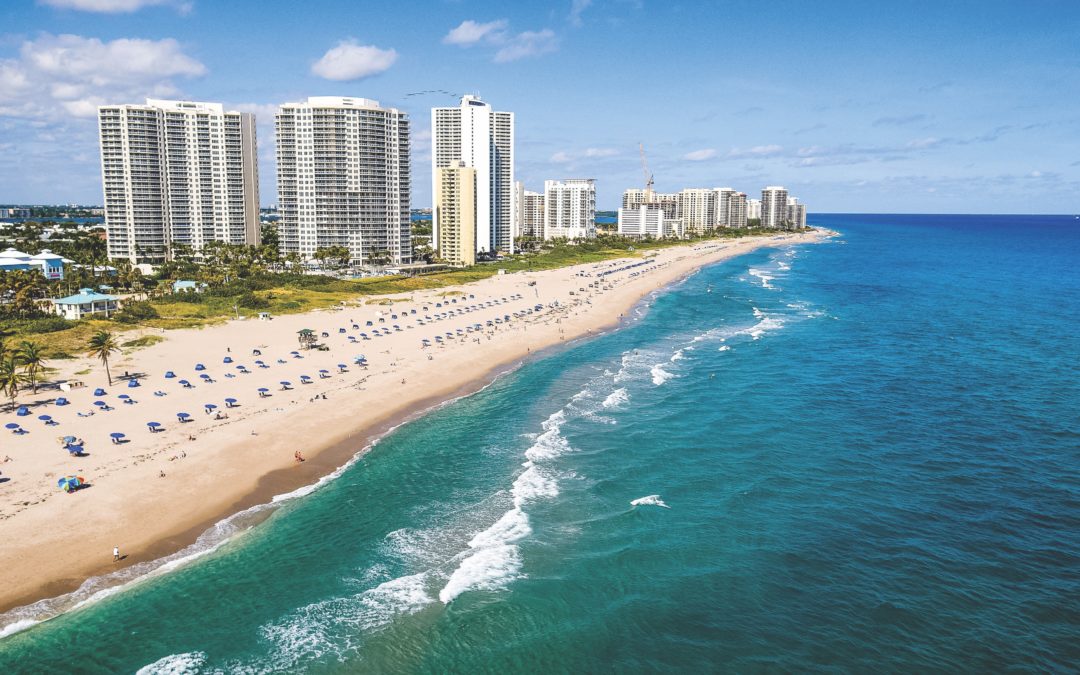
Palm Beach County is bordered by 47 miles of Atlantic coastline that offer some of the state’s most attractive beaches. These include Boynton Beach Ocean Park, Coral Cove Park, Juno Beach Park and many more, with a large portion of these beaches offering resort amenities and marine activities. The Palm Beach County coastline was also nicknamed Florida’s Gold Coast after gold was recovered from Spanish galleons that sank off its shores. A fitting nickname for beaches that are like gold to the Florida economy. Invest: spoke with Jorge Pesquera, president and CEO of Discover The Palm Beaches, who touched on the importance of the beaches to the tourism industry in the county. “Leisure remains the most crucial tourism driver for The Palm Beaches, with meetings and conventions continuing to gain momentum. Within the leisure tourism market, our beaches are the biggest draw for not only those seeking to relax and rejuvenate, but also those interested in activities such as boating, fishing, scuba diving, kayaking and paddleboarding,” Pesquera told Invest:. 

You can learn more about the county’s best beaches here: https://www.thepalmbeaches.com/blogs/best-beaches-are-palm-beaches

ARTS & CULTURE

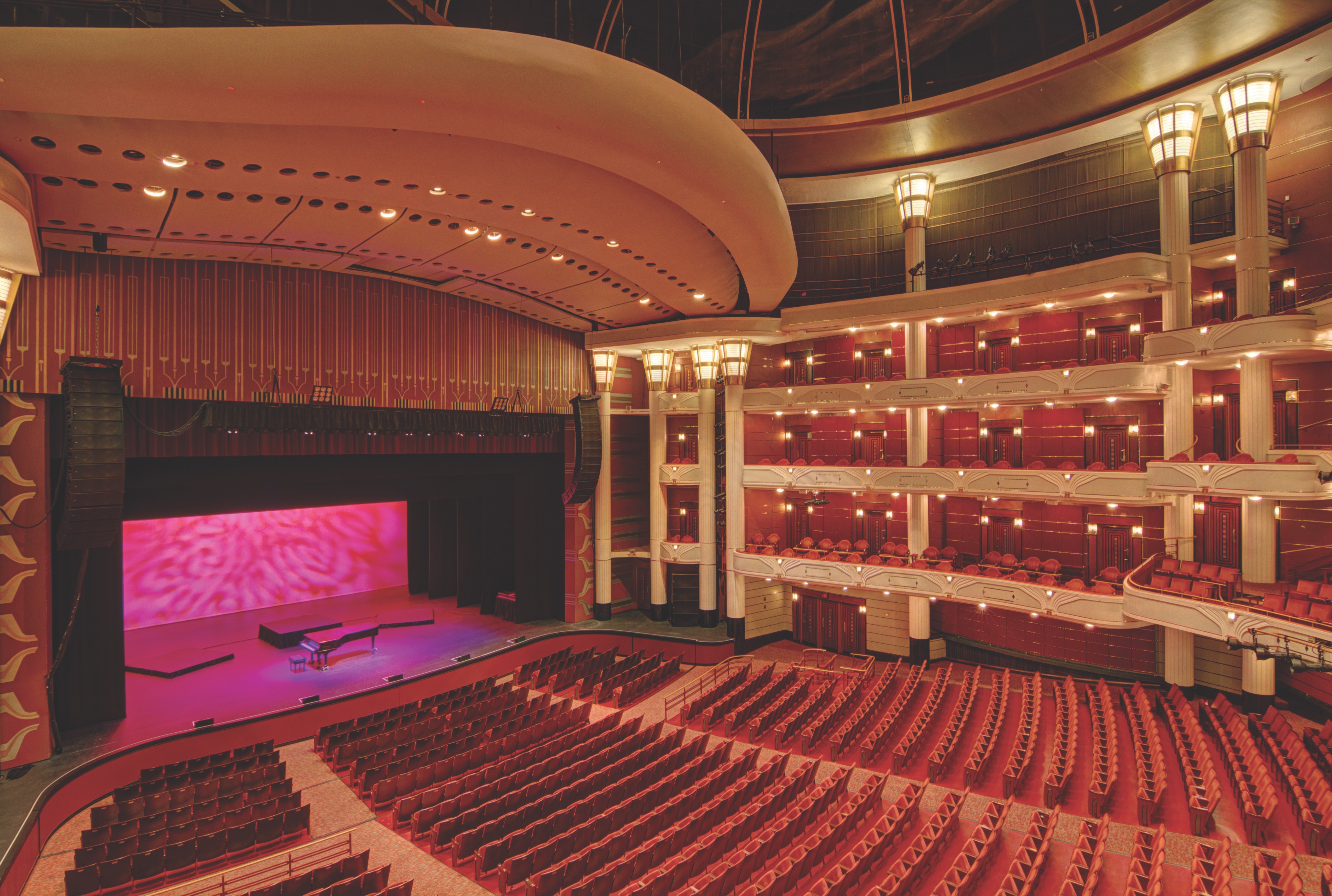
Home to cultural institutions like the Kravis Center for the Performing Arts, The Palm Beaches are an arts and culture hub that drives many cultural travelers to the area. Invest: discussed with Judith Mitchell, CEO for the Kravis Center, how this increased interest from out-of-town visitors has positively affected her business as well as those in the surrounding area. “Our strong programming and marketing teams ensure that we continue to bring the best of Broadway and other diverse performances that attract audiences from outside the state and from cities north and south of the Center. In 2018-2019, the Center saw an increase in out-of-county audience members by nearly 50%. This also has a positive economic impact on the surrounding hotels, restaurants and shops as these nonresident guests choose to dine, shop and stay overnight before or after attending a performance.” 

For more on the various arts and culture destinations in the county, visit: https://www.palmbeachculture.com/

SPORTS

For an area that doesn’t have a major professional sports franchise, the county’s tourism market has a strong driver in the sports tourism market. It helps that among Palm Beach County’s various monikers, one of the titles held most proudly is “The Golf Capital of Florida,” boasting more than 150 public and private golf courses. It also doesn’t hurt that Major League Baseball teams, namely the Houston Astros, Washington Nationals, Miami Marlins and St. Louis Cardinals, call Palm Beach County their home during spring training. For those who prefer alternative sports, The Palm Beaches are also the location of polo and equestrian events, including a variety of International Polo Club tournaments. 

Interested in learning more about sports offerings in The Palm Beaches? Visit: https://www.palmbeachsports.com/

ECO-TOURISM

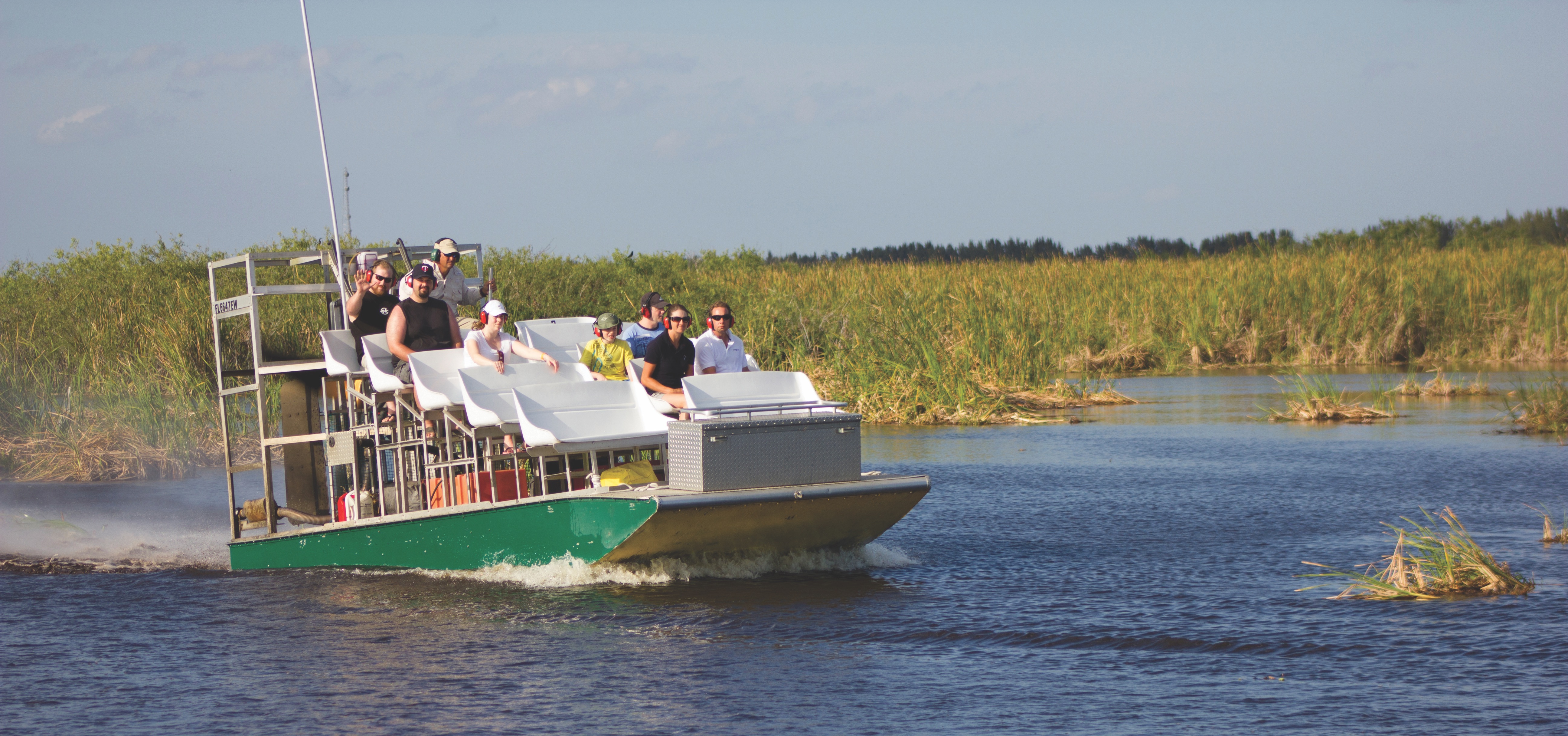
When a county boasts 110 parks and recreation facilities paired with 35 natural areas that make up more than 31,000 acres of environmentally sensitive lands, it is bound to attract eco-tourists. This form of tourism may seem obscure from an outside perspective, but it not only can provide visitors with a memorable experience, it also provides health benefits as well. Invest: recently sat down with Deborah Drum, department director of Palm Beach County Environmental Resources Management, who spoke to this tourism driver and its benefits. “We have conducted economic studies of our natural areas. We have over 300,000 visitors just to the natural areas in our county. These are remote areas that offer more passive types of recreation, including hiking, fishing or bird-watching. We have done a study with the University of Florida on this passive connection and we have determined that these visitors are coming for that purpose. There have also been a number of studies about the connection between mental health and time spent in natural areas or spent outside. There is a positive relationship between the reduction in mental health issues with more time spent out in nature,” Drum explained. 

Check out more on Palm Beach County’s Natural Areas Map: http://discover.pbcgov.org/erm/Pages/Natural-Areas-Map.aspx

MEETINGS & CONVENTIONS

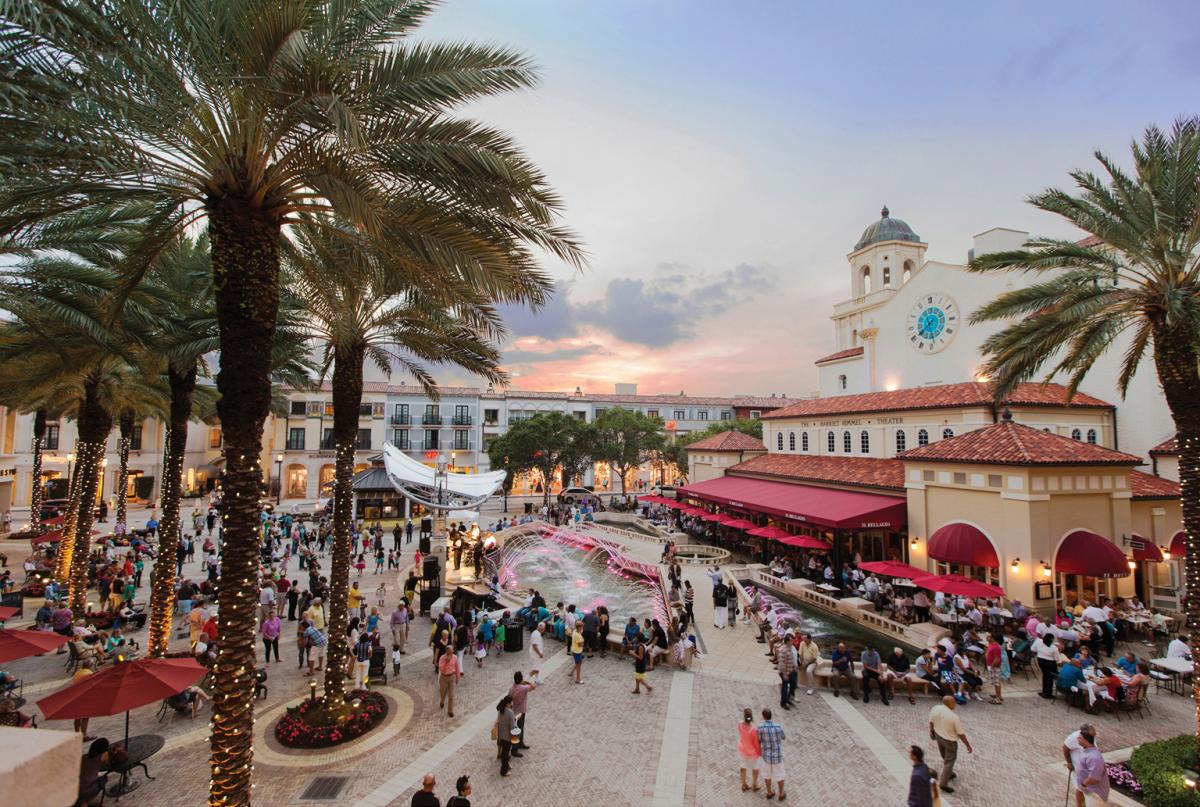
There is a direct correlation between the increase in business tourism to The Palm Beaches and the economic and business growth that the county is enjoying. The beneficiaries from this driver of tourism are a wide range of business types, from hotels to restaurants and even retail. Discover The Palm Beaches’ Pesquera highlighted just how significant this is to the tourism market. “On the meetings front, we’ve seen a 567-percent increase over the last several years in groups booked at the Palm Beach County Convention Center. Unlike our good friends in Miami and Fort Lauderdale — where there is a clear and established epicenter of tourism activity — The Palm Beaches are truly a collection of midsize to small cities and towns that altogether deliver an exceptional vacation or meeting experience,” Pesquera told Invest:.

For more on this and the tourism industry in Palm Beach County, visit: 

www.thepalmbeaches.com/