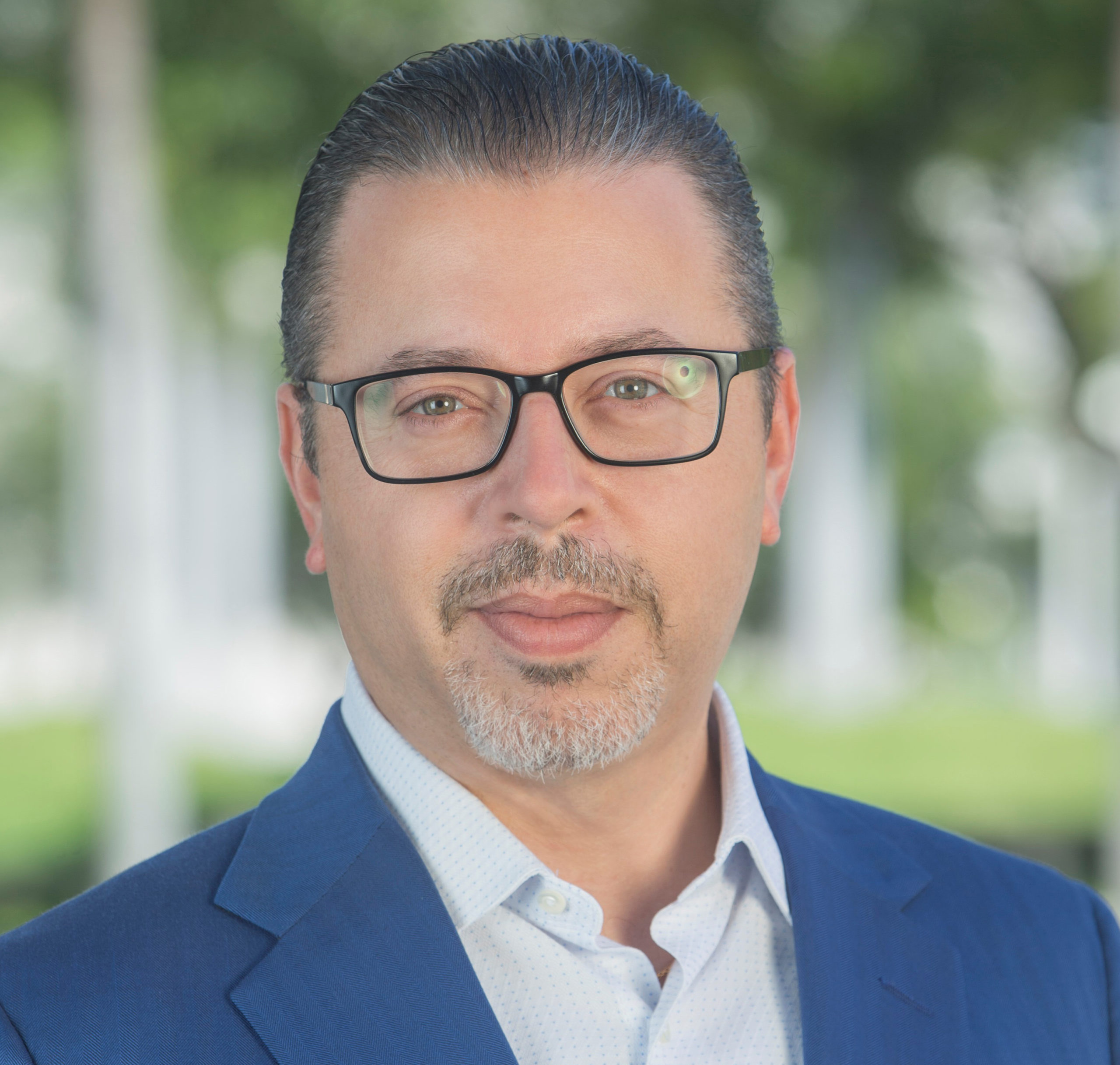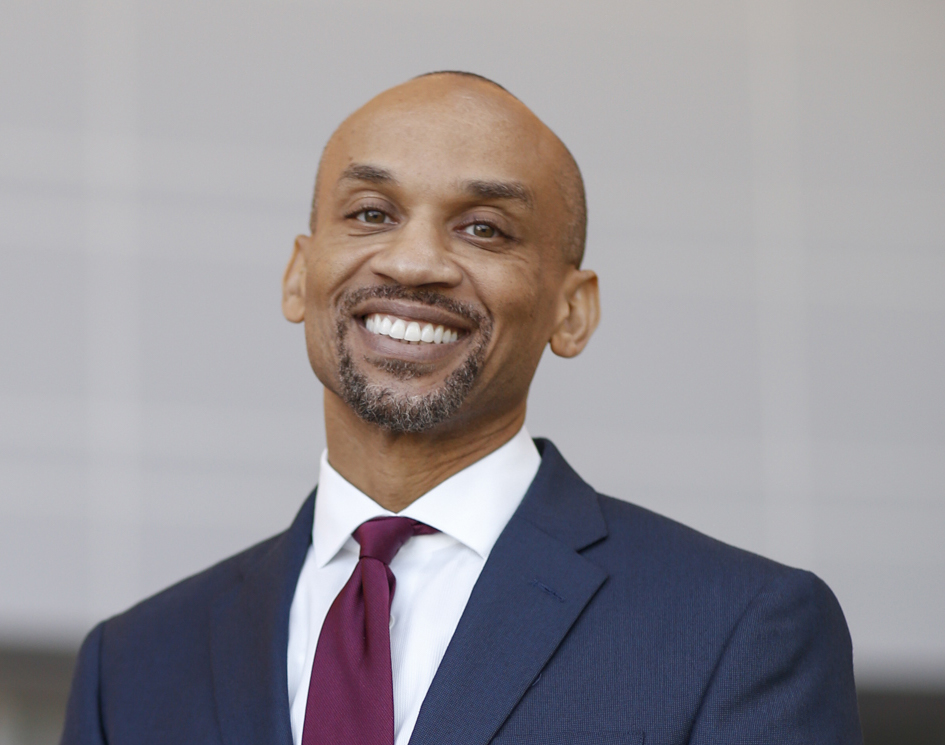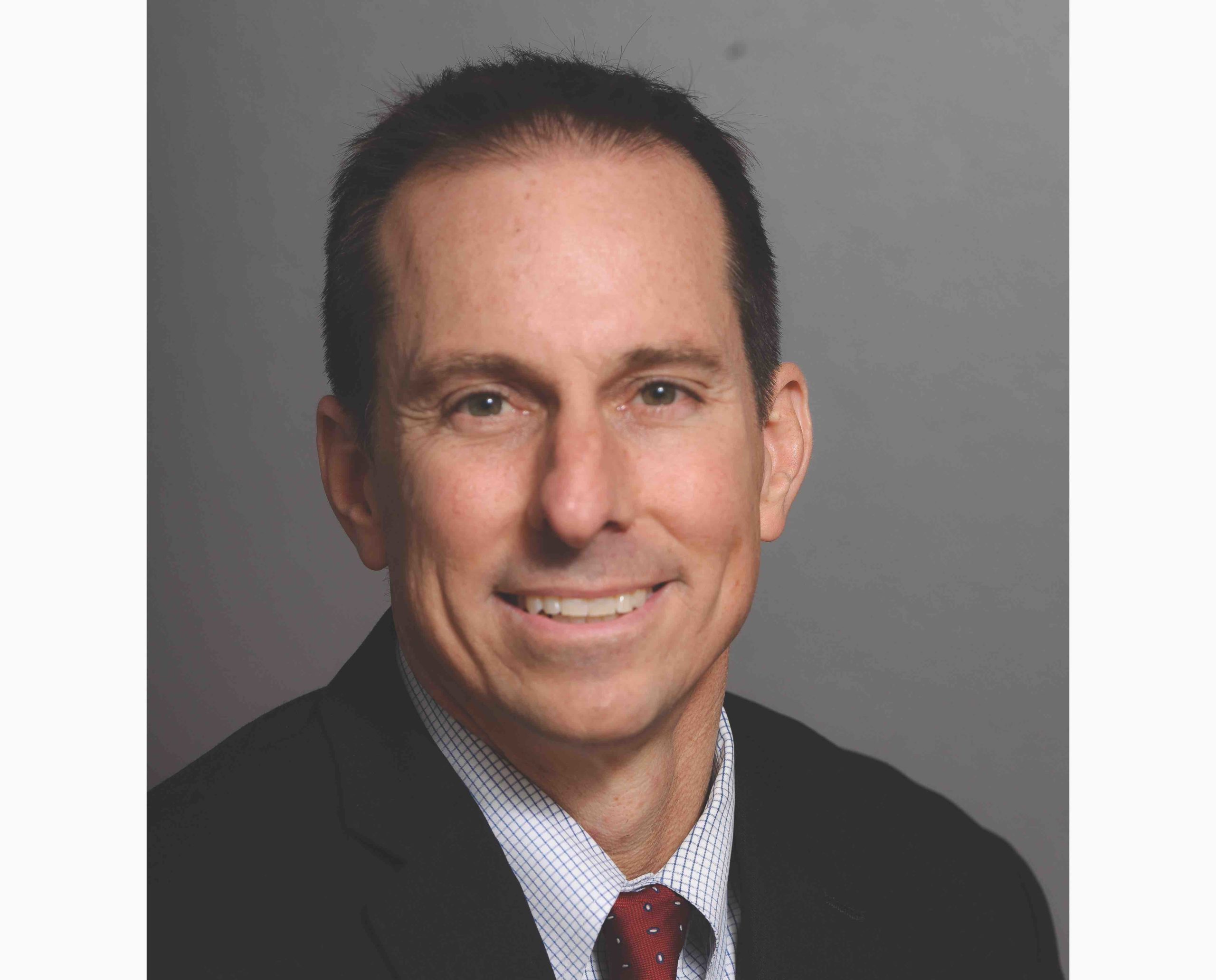
Spotlight On: Andrew Burnett, Senior Principal, Stantec

Spotlight On: Andrew Burnett, Senior Principal, Stantec

By: Max Crampton-Thomas
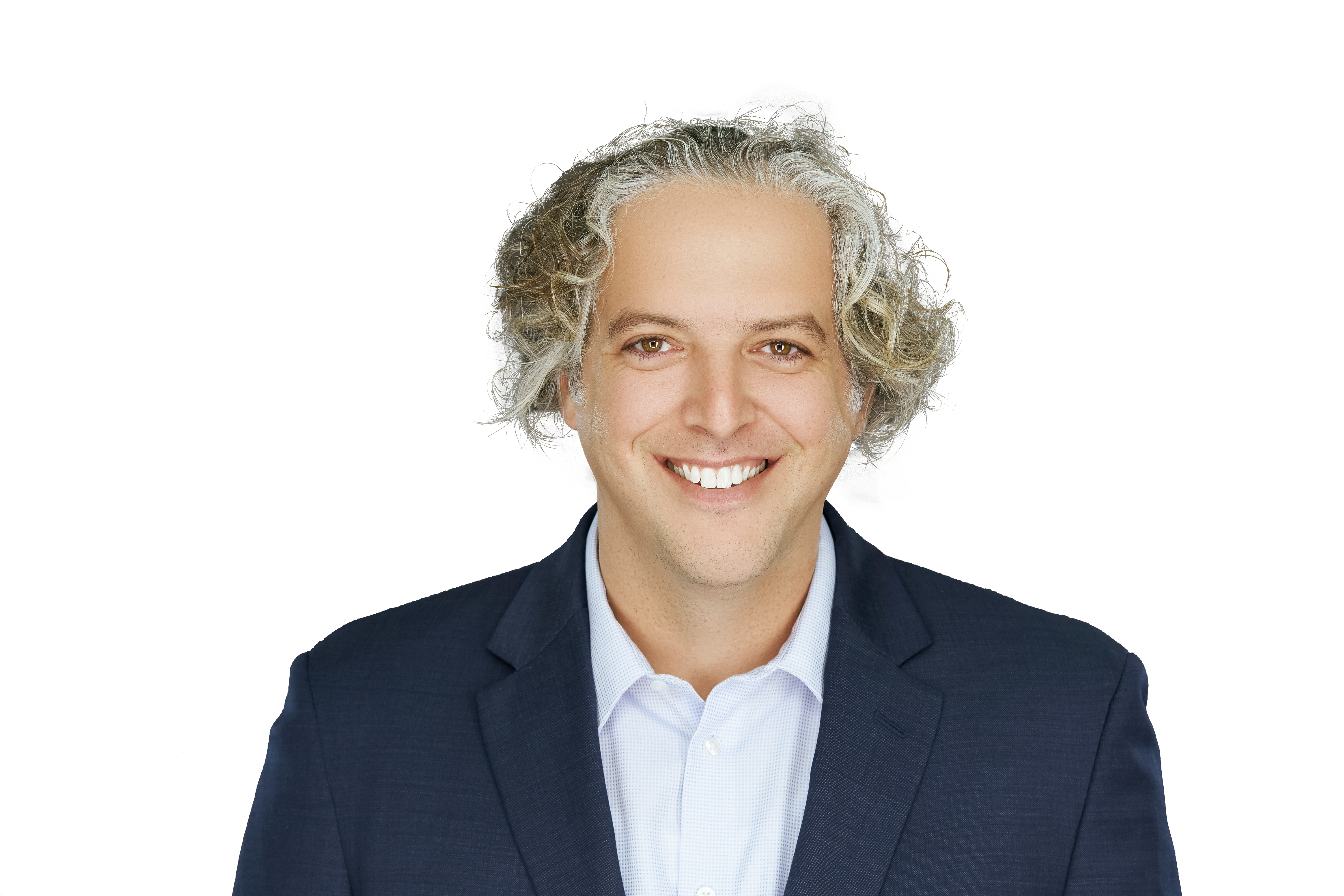
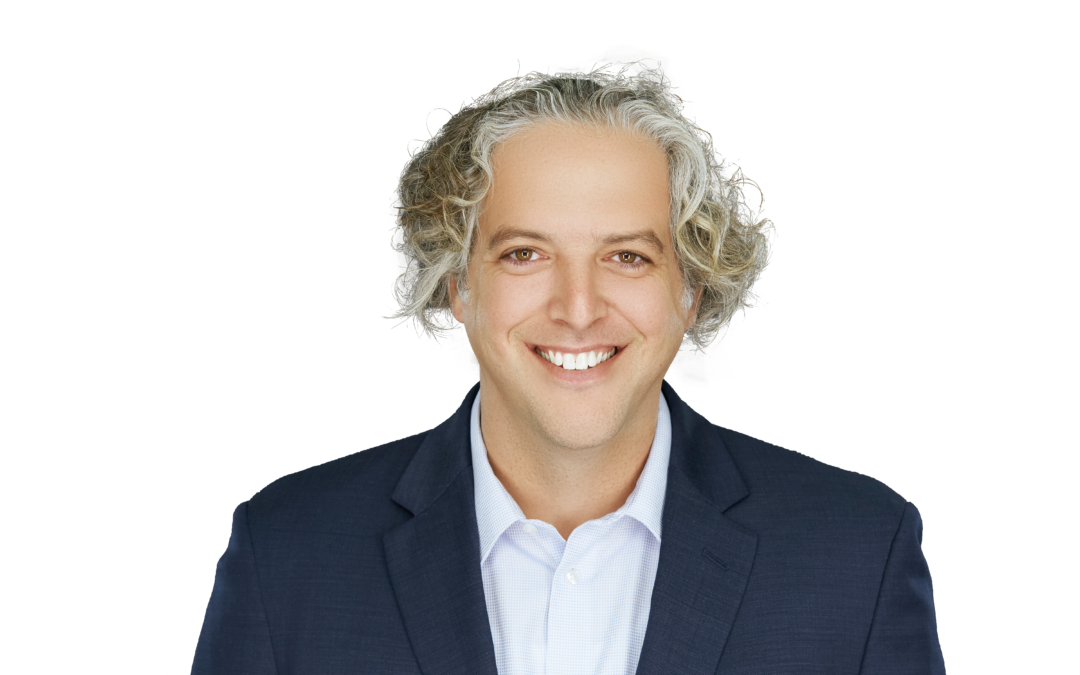
2 min read June 2020 —Global design and engineering firm Stantec likes to think beyond traditional traits to focus on building communities,  Senior Principal Andrew Burnett told Invest: Miami in an interview. The company goal is to deliver continuity while protecting diversity and creative thinking. Stantec calls it “cultural resilience.”


What recent Stantec landmarks in the Miami-Dade region would you like to share? 

Recent landmark projects in full swing include Wynwood Square, a 12-story mixed-use facility that includes apartments and retail space; the 30-story YotelPAD Miami condo and hotel project under construction; and a 43-story Luma tower in Miami’s Worldcenter. And there are a lot of new projects to be announced soon and currently coming on board. Each asset within our portfolio contributes to our growth in the creative services space, beyond architecture and interior design, but also engineering and resilience. We think beyond traditional physical traits and focus on how our vast team builds our communities and what we create so there is continuity in our lives and the spaces we inhabit and to ensure that we protect diversity and creative thinking. We call it cultural resilience. 

How has your emphasis on cultural resilience unlocked your success? 

From a business perspective, a model that focuses on a single person is inherently limited to that individual. Whereas a business with tremendous expertise and resources in multiple channels, like Stantec, focuses on collaboration and the bandwidth to achieve more. When we empower people and foster collaboration, we are able to affect more positive change, get more involved in opportunities and better affect our clients’ bottom line. 

How would you rate local industry efforts on environmental resilience? 

There is a significant level of agreement across the industry related to what we are facing and where we need to go. It is only a matter of how and there are varying perspectives to harness. Our government agencies, utilities, partners, clients, insurance agencies and lenders all commonly understand the need to mitigate prevalent risks and maintain our quality of life. There is power in the collective movement and I am optimistic about our future and path. 

What opportunities and innovations can we expect from the post-COVID-19 period? 

There is a shift of trust and working in a different way. It may pose opportunities to bring in industry experts who normally could not access a project in South Florida. Now, they can have an influence and we can tap into knowledge we may not have been able to tap into before. Companies can even attract a different type of workforce that we could not attract before by operating with new flexibility. Also, we take proximity for granted and do not always make the best use of our time because of it. When it is an amenity or a luxury, you make better use of it. 

What will 2020-21 look like for Stantec and Miami-Dade? 

We have been quite busy, which is a reflection of the busy private development market. Projects are moving forward and the entire development community is gearing up for when the play button is pressed. In 2009, during the H1N1 outbreak, we established a pandemic committee, granting us an effective way to respond quickly to the pandemic and set up a remote work setting. Fast forward to today: Our productivity levels have allowed us to meet established deadlines and keep projects moving forward, continuing business as usual. Our current outlook for 2021 does not project significant levels of interruption. We want to continue to support that in any way we can. 

To learn more, visit: 

https://www.stantec.com/en



Spotlight On: Joseph Fernandez, Regional President – Florida, BNY Mellon Wealth Management

Spotlight On: Joseph Fernandez, Regional President – Florida, BNY Mellon Wealth Management

By: Max Crampton-Thomas

2 min read May 2020 — Wealth management services have undergone significant transformation over the last two decades, as the financial landscape grows in sophistication. Joseph Fernandez, regional president of BNY Mellon Wealth Management, shares his insights on what makes a financial firm successful in catering to today’s needs and into the future.


 What significant milestones did BNY Mellon achieve in the Miami market over the last year?

We have been operating in the Miami market for 23 years. We came to this market by acquisition. BNY  Mellon acquired an investment advisory firm in 1997 with the belief that being in South Florida, and Miami particularly, was extraordinarily important to the continued growth of the business. The firm was a smaller multimillion-dollar operation and had limited offerings for clients. We now have a midsize office in the overall Florida market with over half of our staff based in Miami and a robust wealth management offering. BNY Mellon Wealth Management’s total assets exceeded several billion dollars in the Florida market. 

Thinking about how migration has worked for a long time in this county is paramount. On the one hand, as clients migrated from the North toward the warmer climates of the South, it made sense to follow them and provide support in those areas, doing it in a way where we truly internalized the “biggest small town” personality of Miami. You needed people who knew the community well. On the other hand, you also have south to north migration, from Latin America to South Florida, which has evolved over decades. Seventy percent of Miami-Dade County’s population is Latin-American, and more than half is foreign-born (2010 US Census). The company had the vision to see the confluence of these factors as an enormous growth driver.


How have you seen clients’ needs shift in recent years?

Wealth in the United States has continued to grow. The composition of wealth changes as wealth transfers from one generation to another. The preferences of the wealthy change, often as a result of that transition. The need for digital tools and capabilities to interact across platforms with wealthy clients and their families, conferring digital interaction options between clients and the firms that serve them has truly taken off. The adoption curve is at its highest point. In 1995, the complexity of the financial services business was rather straightforward, with a U.S.-centric portfolio. Over the last several years, multijurisdictional families have become more prevalent. The preference for investment beyond just the United States and having representation and portfolios of more diverse geographic holdings has also increased dramatically. The other evolution is a shift from the traditional asset-side focus—cash, stocks, bonds—to the liability-side of the equation and managing the tax implications of it all to the level of sophistication that a wealthy client requires from their advisory firm.


There is an upward trend in recent decades of people building up and selling businesses, as private equity has been active in taking out businesses and creating consolidation. The latter, in turn, created several former business owners and CEOs with significant levels of wealth and a serial entrepreneur profile to a point where you become the client’s CFO and chief investment officer because that is the level of sophistication they require for their personal wealth. Our active wealth process boils down to five practices: invest, borrow, spend, manage, protect. 


How has your company continued to oversee its regional business throughout the COVID-19 outbreak?

It is a tribute to preparation, infrastructure and adaptability that I believe is the hallmark of our business and organization. We leverage technology, working in a cloud-based environment that enables us to deploy a quick home-office capacity. We are providing resources to our employees, whether technology or health and wellness-related, eliminating insurance co-payments relative to COVID-19 treatments and holding daily check-ins with our teams. 


What notable developments in the market are you keeping a close eye on? 

The obvious one iterating over the last 24 months was the introduction of the Tax Cuts and Jobs Act, which created a limitation on state and local income tax deductions. We have seen that translate into a North-to-South migratory pattern that has been accelerating quite dramatically to the benefit of Miami-Dade County, as we have no state income tax, relatively low business burdens, more affordable costs of living and a favorable climate. The collateral implication of this has been a couple of things. One is that for many years the narrative around the technology space here was well ahead of the reality. Now the latter has caught up with the former. Our colleges and universities have done a spectacular job in preparing the workforce for those types of jobs. Financial services firms are also multiplying due to the available talent. 


To learn more about our interviewee, visit: 

https://www.bnymellon.com/


Spotlight On:  Larry Rice, President, Johnson & Wales University – North Miami

Spotlight On: Larry Rice, President, Johnson & Wales University – North Miami

By: Max Crampton-Thomas

2 min read April 2020 —Like all educational institutions, Johnson & Wales University – North Miami has turned to the online universe to deliver its programs amid the containment measures for COVID-19. President Larry Rice discusses the transition to online and what the future could look like in a post-COVID-19 world.


How have the faculty and student body handled the transition to all online classes?  

Our faculty and staff have had to adapt to moving to virtual teaching during periods of crisis due to hurricane shutdowns that we have experienced in prior years. I must say that past campus preparations did not sufficiently help us in specifically anticipating the unforeseen issues resulting from having to transition to a fully virtual delivery format during a pandemic. Unlike with previous hurricanes, which required us to transition to virtual instruction, we could not predict the swiftness and fluidity of the changing dynamics of this pandemic. Therefore, our transition was peppered with heightened anxiety on all sides – parents, students, faculty and staff. However, together, we managed through those issues and were able to move all academic courses to our virtual platform. The university’s academic technology and instructional design department assisted faculty in adapting course material to the virtual environment. Since our students are conditioned to learn and acquire knowledge through hands-on applications, group collaborations and team-based projects, the transition to online learning was their greatest challenge. I am proud of how our students were able to make the necessary adjustments in such a short period of time, and I am especially proud of how our faculty and staff were able to meet this challenge in ways that can only be commended.


What unforeseen challenges did this present for the university and how did you mitigate those challenges? 

The greatest challenge was to ensure the safety and well-being of our resident students, 10% of whom are international students who were away from their families during what could best be described as the greatest crisis in their young adult lifetime. Managing the fear and anxiety of our students in the midst of ever-changing information concerning what we were facing was surely the greatest challenge. Initially, our message to students was that we were moving all academic classes to virtual environments, out of an abundance of caution and we would follow CDC, state, and local guidelines while continuing to house students on campus. 

This quickly changed to sharing with our students that to ensure the safety and well-being of our residences, we would need students to plan for a transition from the residence hall to a return home to be with their families. All but 19 of our 700+ resident students were able to return home to their families. JWU launched a taskforce of staff members to assist students who needed assistance with flights, ride-share transportation, buses, or gas cards. Any student who was unable to travel home or was from a country to which it was not safe to travel, was welcomed to stay at JWU, and the campus provided room and daily meals for those students. 


As higher education adjusts to the current situation, what opportunities and innovation do you see carrying over post-COVID-19?  

I believe that this crisis has provided all of higher education several teachable moments that we can learn from. Certainly, our dependence on face-to-face interactions has changed, and we must adapt. Having virtual, blended, and multiple other learning options available to students will become the norm. I foresee that the average classroom experience will shift to maximizing technology to allow for physical classroom instruction while simultaneously providing a remote live-streaming interactive option for students who are uncomfortable with a face-to-face interaction following this pandemic. I believe more time will be invested in moving that classroom experience beyond the physical walls, regardless of discipline, especially for more challenging curricula that require labs and hands-on activities. Prior to COVID-19 this was a nice thought, post-COVID-19, these curricular changes will become necessary and standard. 


How does the university plan on handling graduation this year for those students who are slated to graduate at the end of the spring semester?

The university has postponed the May 23 commencement ceremony. Our plan is to host a ceremony for students only on Aug. 22 while providing a live streaming service for families to watch from their homes and any students wishing to be recognized during the ceremony but who do not wish to attend physically. We anticipate that all 2020 graduates will also have the option of participating in the May 2021 commencement ceremony.  


What would your message be to the university’s student population and faculty that is sheltering in place and waiting for a return to normalcy?

Be strong and stay safe JWU Wildcats. We are making preparations for your return once the stay-at-home guidelines are relaxed and the CDC, state, and local agencies feel confident that you will be safe in returning to school.


To learn more about our interviewee, visit: 


 https://www.jwu.edu/


Spotlight On: Mike Allen, President, Barry University

Spotlight On: Mike Allen, President, Barry University

By: Max Crampton-Thomas

2 min read March 2020 — Higher education must consistently and constantly look to innovation and diversification in order to differentiate and remain a top option for incoming students. Mike Allen, the first lay president of Miami’s Barry University, discusses how the school fosters a more diverse environment by attracting students from many different backgrounds, as well as working closely with the private sector to insert its students naturally into the workforce.


 What are Barry University’s top near-term priorities?

 If there is one area that’s really driven my time, energy and priorities, it’s our external presence as a university. This is a really impressive university in terms of our faculty, what we teach, how we teach it and the quality of experience that our students have, but not nearly enough people know about us, about how special this place is.

We have 65,000 living alumni, and they are not nearly as connected to the university as we would like them to be. That is unusual, because every time I meet some of these alumni, they are so passionate about their school, they more than like it, they love it. They had a great experience and they are excited and want to be involved, but we just haven’t had that presence out there.

Another aspect of that is our role in South Florida. Barry University is a really important part of the South Florida community. The educational institutions are pivotal to South Florida’s economy and to its families. We are working hard to increase our visibility in the South Florida community. 


How does Barry University insert itself into South Florida’s larger higher education environment?

One of the big misperceptions about Barry University and other schools like Barry, particularly in South Florida, is who we serve. People tend to think that, because we are a private institution, our students tend to be very well off financially. Certainly, some of them are, but by and large, we serve some of the most financially disadvantaged students in South Florida.

That does not say anything about their abilities. They are talented and prepared, eager to learn and bright students, but they don’t always have the financial means to fund college for themselves. We’ve become very affordable as an institution. One of the most irrelevant figures out there these days is the sticker price of admission. One hundred percent of our students get some degree of financial aid. In fact, a heavy majority of our students receive a substantial discount on their tuition, and it has become very affordable because of that.

With that, we are also able to serve one of the most diverse populations of college students that you’ll see anywhere in the country. That is a source of great pride for us. As a result, our students learn so much more than just what we teach them in the classroom. They learn from the person to their right and their left, from their roommates, because everyone is coming from such a different place.


How is Barry preparing students to enter a more demanding workforce?

One of the things that we really try to emphasize here is experiential learning. Here in Miami, I’ve been really impressed with the intentionality by which the universities and business leaders work together. I give a lot of credit to the Greater Miami Chamber of Commerce, the Beacon Council, the Executive Roundtable, among others, for a great dialogue between higher ed, industry and nonprofits about universities doing a better job in meeting the needs of employers. That is really critical to what we do.

We have a program called SMIF, the Student Managed Investment Fund, which is a group of students, led by one of our faculty members, that invests a portion of the university’s endowment. They invest almost a million dollars of our endowment every year, working alongside our investment committee and our board of trustees, as well as our professional advisers. Their earnings have mirrored or have been better than our professional advisers and this year we allocated them another $100,000 because it fits our needs in every way possible. 

We also have a really impressive media lab. The field of communications is another example of people in a liberal arts setting who want the foundations of theory but at the same time they want to be broadcasters, they want to be on the radio, on TV, reporting the news. Our media lab has a live studio, and it serves not just the “talent” folks, but also the control-room folks, putting programs on the air.

We also received a $650,000 grant from the National Science Foundation for STEM education. It provides scholarship support for students to major in STEM areas here, with the goal of increasing degree completion for low-income, high-achieving undergraduates.


To learn more about our interviewee, visit: 

https://www.barry.edu/


Spotlight On: Michael Chin, General Manager and Regional Director for Eden Roc Miami Beach/Nobu Hotel Miami

Spotlight On: Michael Chin, General Manager and Regional Director for Eden Roc Miami Beach/Nobu Hotel Miami

By: Max Crampton-Thomas

2 min read March 2020 — The hospitality market in Miami-Dade may have started to feel a level of oversaturation but the market overall is still at an advantage in comparison to other large markets across the nation due to location and a friendly tax environment, Michael Chin, general manager and regional director for Eden Roc Miami Beach/Nobu Hotel Miami Beach, told Invest:. He also discussed embracing the sharing economy as an alternative rather than increased competition in the market and the difference in demographics that options like this attract. 


With new entries into the region, do you believe the hospitality market in Miami-Dade is nearing a level of oversaturation?  


Miami is in a position where some hospitality entities feel a level of oversaturation, but I don’t think we are in that kind of market yet, especially when compared to markets like New York, Chicago, Los Angeles or Las Vegas. We have a mix of boutique and local hotels, and we are starting to see developments for the larger hotels coming into the area. This includes the expansion of some larger properties in the Downtown  and Brickell areas. The demand is still there in regard to new hotels in Miami-Dade.


What is the biggest advantage to your location in Miami Beach? 


Our biggest advantage in regard to where we are located is right out our back doors: the beach. The number of properties that have direct beach access is what people come to South Beach for. Right now, some of the hotels, like in Downtown Miami, aren’t as attractive to certain visitors coming to Miami because they don’t want to be in an urban area. They do not want to just see the water, they want to be at the water. This is why our location on the beach is probably our biggest attraction for new guests. We also have an advantage thanks to our offerings in comparison to our neighbors. We thrive off of the proximity to the Fontainebleau. We may not have the capability to have a nightclub on our premises like the surrounding hotels, but the people who come in here and visit us prefer us as an alternative place to go to eat and have a different type of experience.


How do you view newer entries into the hospitality market like Airbnb and the sharing economy? 


My background comes from a corporate hospitality structure and we addressed the issue of the sharing economy on a corporate level years ago. Since then, my stance really has not changed. We cannot view services like Airbnb as competition, they are simply just an alternative. The consumer is going to stay where they want to stay. If their preference is to have longevity and a lot of space, then they are going to choose an option like Airbnb because it is something that they will not get in a hotel. People who stay at hotels, stay based on what they are looking for. Today, the demographics related to age, income and food preferences are going to determine where a person stays more than the price of a hotel or its location. The hospitality industry has corporate executives who sit in a room and  determine how they are going to capture every type of traveler out there and how they are going to define every generation, demographic and region to find a suitable hotel choice for them. At a hotel like ours, travelers are going to stay here because they want the features of convenience in regard to housekeeping, room service, amenities and entertainment. Hotels have the consistency value. You have expectations when you stay in a hotel. There are a lot of factors that go into why a person picks and chooses where they want to stay but it all comes down to preference. 


How does the hospitality sector in Miami have an advantage over other large markets across the nation? 


People still want to go to places like Orlando, Dallas or Las Vegas, but every city has its issues, whether that’s overtaxation like in California or overpopulation like in New York. We have the opportunity to attract those tourists to a new market like Miami that doesn’t have these issues. It is about us getting out there to advertise Miami as a viable option to host both tourists and business travelers. Events like the Super Bowl help strengthen this idea.


To learn more about our interviewee, visit: 

https://www.edenrochotelmiami.com/


Miami’s Top 5 Fantastic Food Festivities

Miami’s Top 5 Fantastic Food Festivities

By: Max Crampton Thomas

4 min read February 2020 This weekend on Miami Beach there are guaranteed to be three things – food, wine and good times. While this is the recipe for most memorable times had in one of Miami’s top tourist destinations, this weekend in particular is heightened by the annual The Food Network & Cooking Channel South Beach Wine & Food Festival. In most markets, a festival like this would be an outlier as the premier food and beverage event for that year, but Miami is not most markets. The fact is, Miami-Dade is home to an onslaught of premier food and beverage festivities that would make any culinary connoisseur’s mouth water. Invest: explores five of the top foodie festivities in the Miami-Dade region. 

South Beach Seafood Festival  

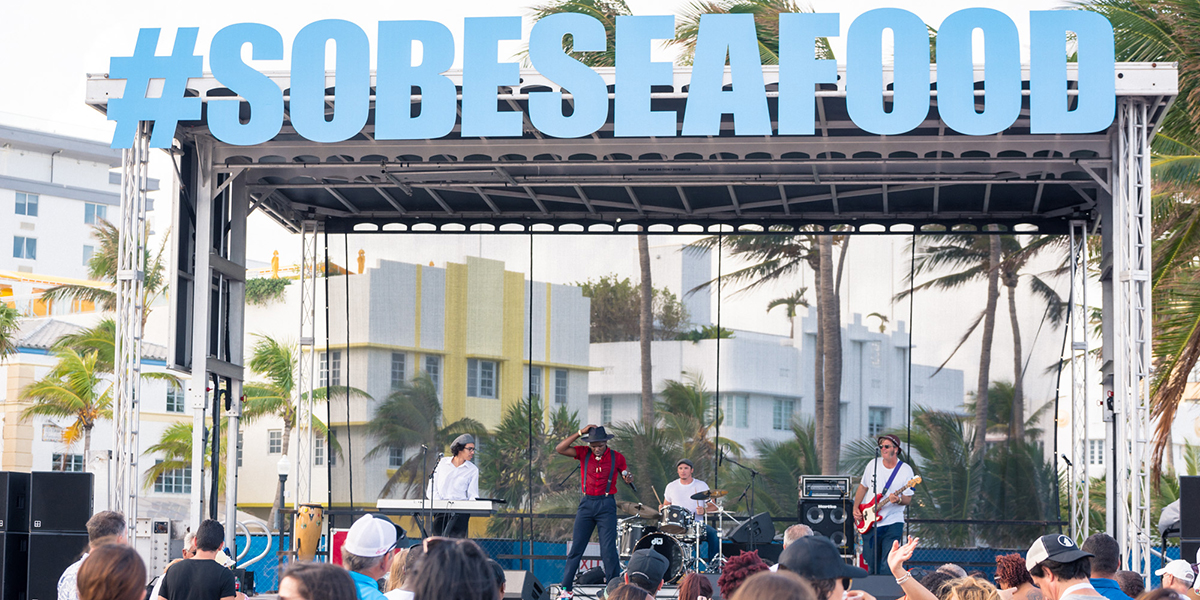
To be considered a Top 5 Speciality Festival by USAToday, listed by Forbes as a Top 5 thing to do in fall and recognized by Travel Channel as the best seafood festival in the United States is no small accomplishment. This four-day festival features three nights of culinary events that lead up to the ultimate seafood festival experience. These preliminary events include an exclusive VIP experience, An Evening at Joe’s, brought to life by food from the historic Joe’s Stone Crab, a cocktail hour-type event called Crabs, Slabs and Cabs featuring Surf N Turf favorites paired with various cabernets, and finally the VIP Chef Showdown, which showcases 14 of the best local chefs cooking up their greatest culinary creations. All of these lead into the big event on the fourth day that spans over four blocks of Miami Beach, features 30 bars, music, culinary demonstrations and enough delicious seafood to please the over 15,000 attendees. This event takes place from Oct. 21-24, 2020. 

For more, visit: https://sobeseafoodfest.com/


Seed Food & Wine Week 

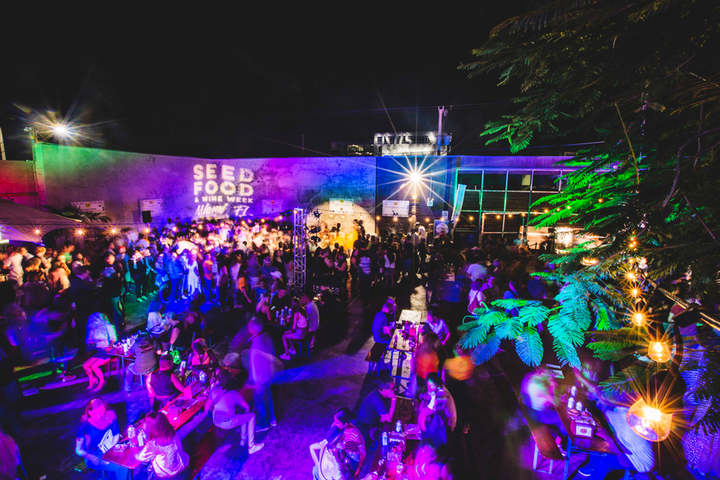
Plant-based diets may not be for everyone, but this four-day event features culinary dishes and experiences that could make even the most devout carnivores consider incorporating more meat-alternatives into their meal plan. Spanning the course of four days, this event touts itself as more of an experience than just a festival as it features a plant-based burger battle, a plant-based pitch off, taco tailgate party, rise and shine yoga experience and meditation, and finally the big event: Seed Festival Day Tasting Village. This vegan-inspired week is also unique in that its events are not centralized and take place in various spots around Miami-Dade, including Wynwood and Downtown Miami. The event runs from Nov. 7-10. 

To learn more, visit: https://www.seedfoodandwine.com/

Doral Food & Wine Festival 

This food and wine festival is going on its fourth year, and while the event has grown significantly since its inception in 2016, this year promises to be bigger, better and even tastier. Over the course of two days, families are encouraged to come out to Doral Central Park and experience live entertainment and live cooking demonstrations. While wine may be in the title, the event is geared toward the entire family, with free entry for kids and an entire area, referred to as the Kids Zone, dedicated to fun activities and games for the little ones. Taking place over March 21 and 22, this year’s event looks to attract over 10,000 people. 

For more, visit: https://doralfoodandwinefestival.com/

South Florida’s Taste of the Nation

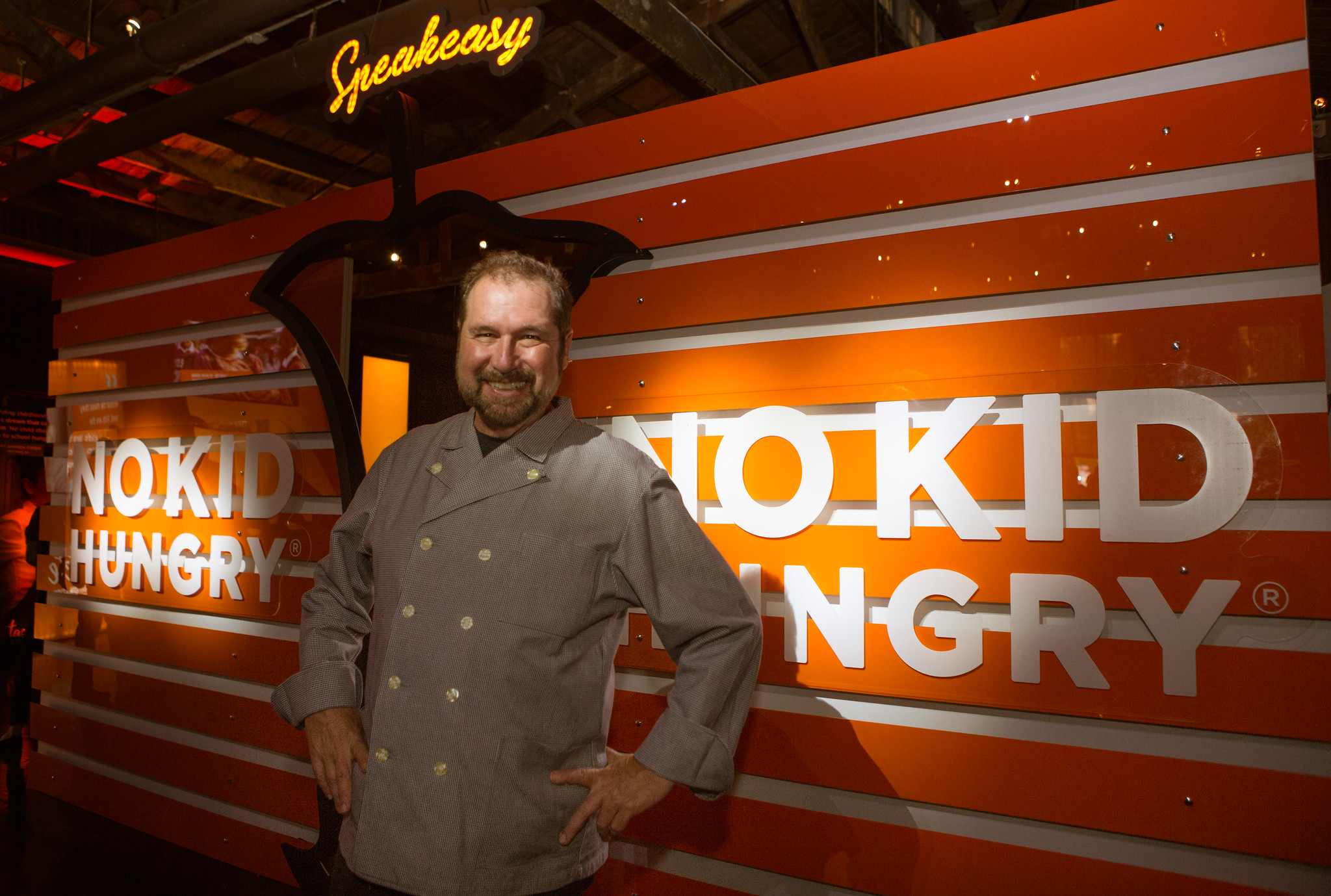
This culinary adventure is a one-night experience that is not only delicious and fun, it also supports a great cause. Described as an elegant evening with some of South Florida’s greatest chefs and mixologists, Taste of the Nation offers guests a chance to try food and drinks from over 50 different South-Florida based restaurants and bars. While normally the best parts of these events are the food and drink, it is actually the impact of dollars collected from the night that is most significant as 100% of local proceeds support the No Kid Hungry campaign’s work to bring an end to childhood hunger in Florida. The event takes place the night of May 16, 2020. 

For more information, visit: https://events.nokidhungry.org/events/south-floridas-taste-nation/

The Food Network & Cooking Channel South Beach Wine & Food Festival (SOBEWFF) 

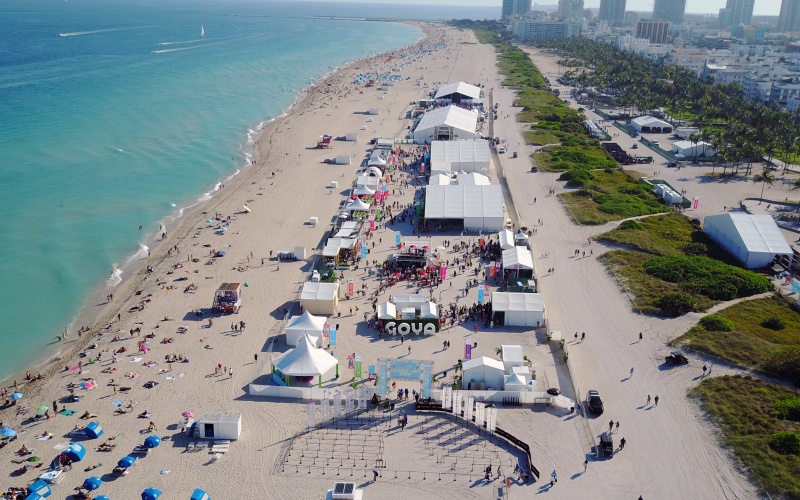
SOBEWFF is a five-day gathering of “who’s who” in the culinary world, over 100 different festival events and over 65,000 people in total attendance. This world-renowned festival has an event for everyone, from the casual food and wine fan to the highest class of food critic. While many of these events could be considered the “big event,” perhaps most well-known is the Goya Foods’ Grand Tasting Village showcasing offerings from more than 50 restaurants and a variety of wines and spirits as well as a closing cooking demonstration by well-known celebrity chef Guy Fieri. The festival is in full swing Feb.19-23. 

To learn more, visit: https://sobewff.org/