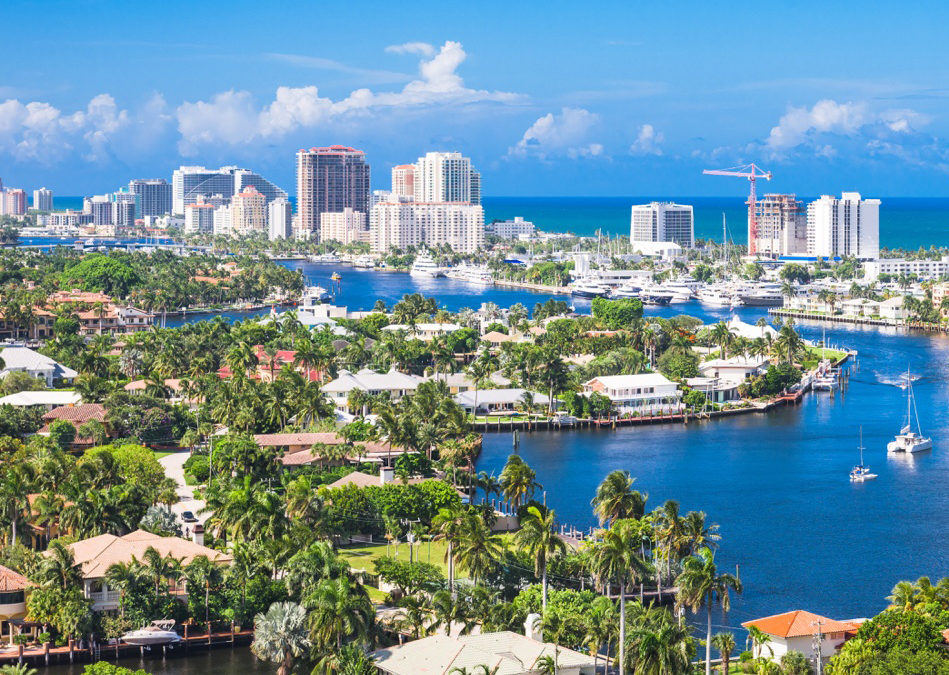
Real estate development is booming in Fort Lauderdale

Real estate development is booming in Fort Lauderdale

By: Beatrice Silva 
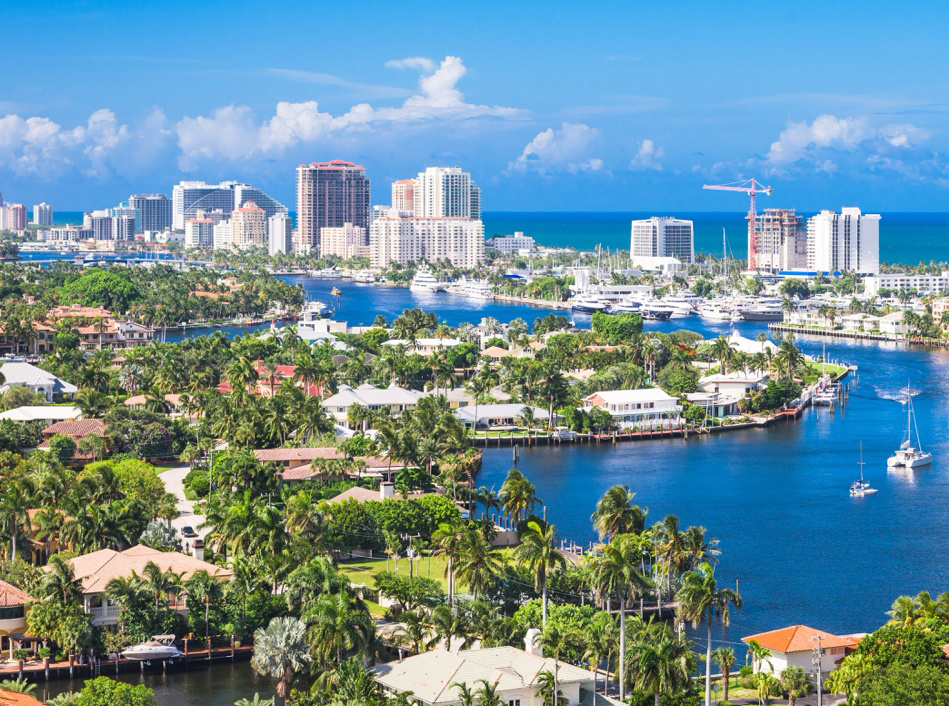
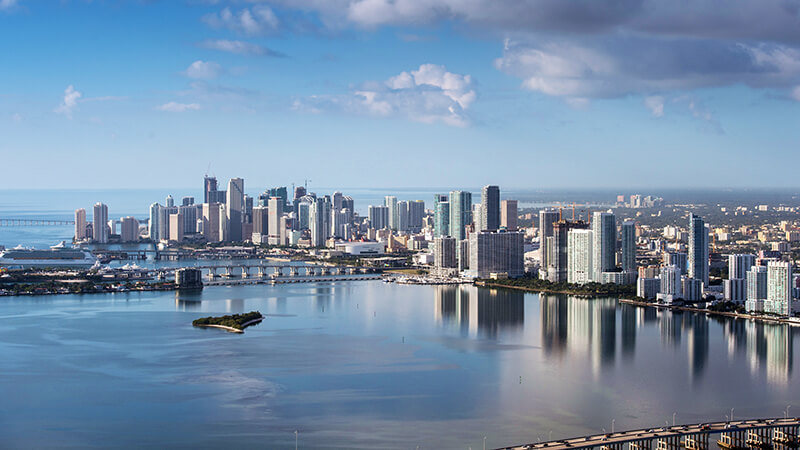
2 min read –  Real estate development in Fort Lauderdale is getting a jolt of confidence despite the lingering impact of COVID-19. On March 24, a majority of businesses were forced to shut down after Gov. Ron DeSantis announced a statewide shelter-in-place order. However, construction companies, hospitals, grocery stores, gas stations and other essential businesses were allowed to carry on with work as usual.


Florida is just one of several states that allowed construction to continue despite nationwide shutdowns. Similar to many other regions in the area, development is a vital part of Fort Lauderdale’s economy. The construction industry is projected to have the largest industry increase in employment from 2014 to 2024, according to the U.S. Bureau of Labor Statistics. 

A strong signal of the confidence in the market is a recent move by Oko Group, an international real estate development firm founded by Vladislav Doronin. It is the first company to close a large deal since the beginning of COVID-19. The firm recently purchased 6.68 acres of land east of the county courthouse in Downtown Fort Lauderdale for $62.59 million. “Oko Group is excited to expand its portfolio of South Florida real estate with the acquisition of a mixed-use development site in the heart of Fort Lauderdale’s urban core,” the developer said in a statement reported by South Florida Business Journal. “The Oko Group team, led by Doronin, now looks forward to working with the city of Fort Lauderdale to finalize plans for an exceptional development that will help to further transform the Downtown district while adding significant amenities for nearby residents and businesses.”

The majority of developments in the pipeline for Fort Lauderdale will most likely be residential. Retail and office real estate have proven themselves to be the weakest sectors in the market during the pandemic. “Prior to COVID-19, South Florida’s real estate sector was very strong, propelled by the demand and low interest rates. I think the commercial office market may see a bit of a correction. So many people are working from home and I imagine that most of them are going to continue to do that the rest of the year. I think business owners are getting more comfortable allowing their employees to work remotely. So far, the industrial and residential markets have proven themselves to be the strongest sectors in the real estate industry during the pandemic. I don’t think we’ll see any correction there. Currently, at Touchstone Webb Realty Company, we are watching retail and commercial as we move forward. We think it is going to take a good year before we see this sector begin to correct. We are still purchasing industrial and flex spaces for our clients,” Susan Thomas, president of Touchstone Webb Realty Company, told Invest: Palm Beach.

As Thomas mentioned, CDC regulations like social distancing have compelled more people to want to work from home. As a result, business owners could require less office space. Fairfield Cypress Creek is just one example of this trend. The new mixed-use project is currently underway between 6500 and 6520 N. Andrews Ave. The land which was originally occupied by office buildings will now hold 295 residential units, shops and restaurants. A new downtown could be another exciting project on the horizon for Broward County. Broward is recruiting a large company to relocate to the 140 acres next to the Everglades in Sunrise. “It’s one of the last few pieces you could make a statement. We really want to market this site internationally, not just nationally,” County Manager Bertha told the Sun Sentinel. 



Spotlight On: Sean Beuche, Regional Manager, Marcus & Millichap

Spotlight On: Sean Beuche, Regional Manager, Marcus & Millichap

By: Yolanda Rivas

2 min read December 2019 — 2019 was a steady year for Philadelphia’s commercial real estate. The market’s affordability, the city’s position as a logistics hub and its attractive environment for startups has driven strong demand. One of the areas seeing a high amount of activity is King of Prussia. Commercial real estate firm Marcus & Millichap recently relocated to the area, attracted by the growth in the region. Regional Manager Sean Beuche discussed with the Invest: team the neighborhoods seeing the most growth in commercial real estate and his outlook for the sector as we enter 2020. 

Marcus & Millichap relocated its Wynnewood location to King of Prussia. What makes that community attractive?

This relocation highlights our commitment to the area and our optimism about the local economy. The construction and new development activity going on in the King of Prussia market is very attractive. Numerous businesses and baby boomers are moving to the area, where there is more land available, beautiful housing stock, good school districts and less traffic congestion.  King of Prussia is a nexus of a variety of different interstates and that strategic location amid emerging growth and development is much more desirable for us. In addition, we are expanding in a nicer Class A office space that provides our clients and agents with a much brighter and enjoyable place to do business.


Which areas are the fastest-growing for commercial real estate in Philadelphia?

We’re seeing fast appreciation in the Point Breeze market, while Fishtown and Kensington have been hot for some time. We are also seeing numerous investments in areas further along the Main Line region. The Lehigh Valley and Central PA markets are both driving a lot of new investors into Pennsylvania. As the yields continue to deliver in some of these secondary and tertiary markets, investors want to move outside of areas where they’re getting squeezed by some popularity. There is a bit of a ripple effect being created by the economy being strong for a long time, and many of the investments that have been made or taken in these core markets are pushing investors further out. 


What is your outlook for Philadelphia’s real estate sector over the next 12-18 months?


The outlook is positive. There is uncertainty from a political standpoint, we are dealing with some of the trade wars and we are very interested in seeing where that shakes out. We focus on private and middle market clients and, in times of uncertainty, we provide them with market research about existing opportunities. From an income standpoint, rents in the Center City market and many of our urban infill markets are pushed up, and we would need to see some relevant margin changes in household income to afford a greater rent increase. Our clients are seeing strong fundamentals in the main groups that we focus on, which are multifamily, industrial, office and retail. As that financing loosens up and remains affordable, deals are very quickly moving off our shelves and into the hands of investors.


To learn more about our interviewee, visit:

Marcus & Millichap: https://www.marcusmillichap.com/ 


Philly Leads in ‘Taking Care of Business’

Philly Leads in ‘Taking Care of Business’

By: Sara Warden


In NBC’s 2019 ranking of Top States for Business, Pennsylvania landed a lacklustre 28th position – lower than half way down the poll for business friendliness in the country. The state was in 39th place in terms of economy, 32nd in quality of life and 31st in workforce. But there is potential. The state ranked ninth in terms of education and sixth in access to capital. The Philadelphia authorities are grabbing onto these roots and nurturing them into shoots with the new PHL Taking Care of Business Initiative.


“This new investment will have a big impact on neighborhoods all across our city by providing businesses and neighborhoods beyond Center City with the resources they need to succeed and to thrive,” Mayor Jim Kenney said to the Philadelphia Tribune. “Reducing blight not only makes our city more beautiful but it helps small businesses — especially minority and women-owned businesses — attract shoppers and employees. When small businesses succeed, our economy grows stronger.”

The program was pioneered by city Councilwoman Cherelle Parker, with the goal of reducing blight while creating 300 jobs for local residents – that’s 30 part-time employees in each district who are paid $15 per hour. “We are committed to building a strong workforce and job market that will in turn help us attack poverty and crime to ensure inclusive growth across the city,” added Kenney.

But rather than making the employees public servants, they will instead be Cleaning Ambassadors, paid by the Commerce Department to Philadelphia Industrial Development Corporation (PIDC), which will issue RFPs and/or contract with CDCs. “This program will pay workers a living wage and introduce them to workforce training that can lead to other professional opportunities and jobs. I strongly support PHL Taking Care of Business,” said Council President Darrell Clarke in a press release.

For initial costs related to the program, the city has now pledged $10 million to fund the initiative, which is a way to attract new business, improve conditions for existing companies and improve quality of life. “Strengthening our commercial corridors, which are the lifeblood of communities throughout my district and across the city, is essential to stabilizing our neighborhoods,” said Councilwoman Parker in a press release. “PHL Taking Care of Business will help ensure that every business corridor in the city, regardless of size or neighborhood, will be clean and attractive, allowing the businesses to focus more time on growing their enterprise. It will also help to change that awful characterization of our city as ‘Filthadelphia.’”

Several local business owners that are already part of the program’s pilot catchment area are delighted with the results. “Living on a busy street with lots of businesses, you always see trash on the street. Ever since the 9th District street cleaning team started, you definitely see a difference. I believe neighbors see the difference too. People walk around prouder and are more likely to speak up when they see people throwing trash on the ground,” said local resident Frank Huynh.

To learn more, visit:

https://kenneyforphiladelphia.com/

http://phlcouncil.com/darrellclarke/

http://phlcouncil.com/cherelleparker/

Face Off: Tampa’s Transportation Task Forces

Writer: Max Crampton-Thomas

4 min read September 2019 Whether it is Hillsborough, Pasco or Pinellas County, transportation issues seem to plague the entirety of this growing region. Mitigating these challenges requires innovative thinking and collaboration between the community, local government and both public and private organizations. Invest: Tampa Bay recently spoke with Beth Alden, executive director for the Hillsborough Metropolitan Planning Organization, and Whit Blanton, executive director of Forward Pinellas. These two organizations, whose primary focus is addressing the transportation and transit issues in the Tampa Bay region, discussed how they are gauging community needs in regards to these issues, facilitating better transit options and how they are turning dollars into solutions.

How do you gauge the community’s needs in regards to new transportation options?

Beth Alden: We have been engaging the public with an online survey, which is an interactive, gamified survey to ask folks about their priorities in regards to transportation. We received 5,200 responses, and it is amazing how many people are saying that they want a better rapid transit system. We have also discovered that they are very interested in reusing the freight rail tracks. That would require an agreement with CSX, which owns those tracks, but it’s a very underutilized asset. There’s no freight rail track between Downtown Tampa, the airport and the Westshore Business District, and it will take some extra steps to create that.

Whit Blanton: Our challenge in Pinellas County is that we are not growing like Pasco, Hillsborough, or Manatee County. We are expected to add about 90,000 people by the year 2045, which is a small fraction of what the other counties are expected to have. We have to plan and think differently. We have a situation here where the average new worker in Pinellas County is almost 50 years old, so we are not attracting young workers, except maybe in St. Petersburg, but most young people can’t afford to live there. Our strategy is really aimed at the future of our workforce, how do we draw talent and how do we retain this talent. We believe the solution is investing in housing and better mass transit services.

How are you facilitating better transit options?

Alden: In regards to transit, having some form of passenger rail system or rapid transit system would be one way we could do that. The important point with a rapid transit system is that we provide a way for it not to get stuck in traffic, so we need to provide some space for it to run and get out of traffic. We can do this with our bus system by providing special bypass lanes for buses where there is room on major roads. The walk and bicycle infrastructure is really important as well. People do not realize how many trips they make that are less than two miles long. If there are safe ways to walk or bicycle, then they do not necessarily have to be putting another car on the road to make that short trip. This also relates to our Vision Zero project, which is the vision of zero traffic deaths in Tampa Bay.

Blanton: ITS (Intelligent Transportation Systems) 2.0 is our plan for moving toward more intelligent transportation systems. Since the early 2000s, we’ve done a good job of implementing smart signals for moving traffic, responding to hot spots of congestion and facilitating traffic flow.  ITS 2.0 is intended to reimagine what the next phase of that investment is going to look like, which will focus more on real-time information and also ensuring the safety of bicycling and walking. Our advanced traffic management system has been focused on moving cars through intersections and keeping the flow going, but the next phase will include recognition of pedestrians at crosswalks. We also have an integrated transit fare payment system, called Flamingo Fares, that has been under development for a couple of years. That should go live in the next year. It will be a one-fare payment that can be used all over the region, whether someone is in Hillsborough or Pinellas County.

What specific plans are being implemented to move transportation development forward?

Alden: We will start with the essentials: resurfacing, safety and smart traffic signal projects. Almost half (the new Hillsborough transportation tax) is for transit, starting with expanding the bus service so it runs on evenings, weekends and often enough that you do not have to spend an hour waiting for a transfer. This is an amazing opportunity to implement the changes we have been planning for years. There are many more exciting projects in the pipeline. We finally have the resources to make the changes that the community wants to see in Tampa Bay.

Blanton: The Gateway District is our economic engine in Pinellas County. It is where the St. Pete-Clearwater International Airport is located, and there are a significant number of manufacturing and office jobs in that area. The challenge is that it is a loose and segregated type of development that is in need of an update. The Gateway is in four different jurisdictions, so it can be hard to design a cohesive plan for that area. We asked all four local governments, Pinellas Park, St. Petersburg, Largo and Pinellas County, to contribute $100,000. Forward Pinellas then put in $100,000 and the Department of Transportation put in another $500,000. With all this funding, we were able to put together a million-dollar master plan that is about to be finished. It is a reimagining of how the Gateway will develop in the future and focus on sustainable development because a lot of the gateway is in a coastal, high hazard, flood-prone area where businesses and potential development are vulnerable. The plan addresses how we are looking at higher density development to support transit in that area because we need to get our workers between the counties.


To learn more about our interviewees, visit:

http://forwardpinellas.org/

http://www.planhillsborough.org/

Face Off: Broward’s Construction Boom

Face Off: Broward’s Construction Boom

By Max Crampton-Thomas


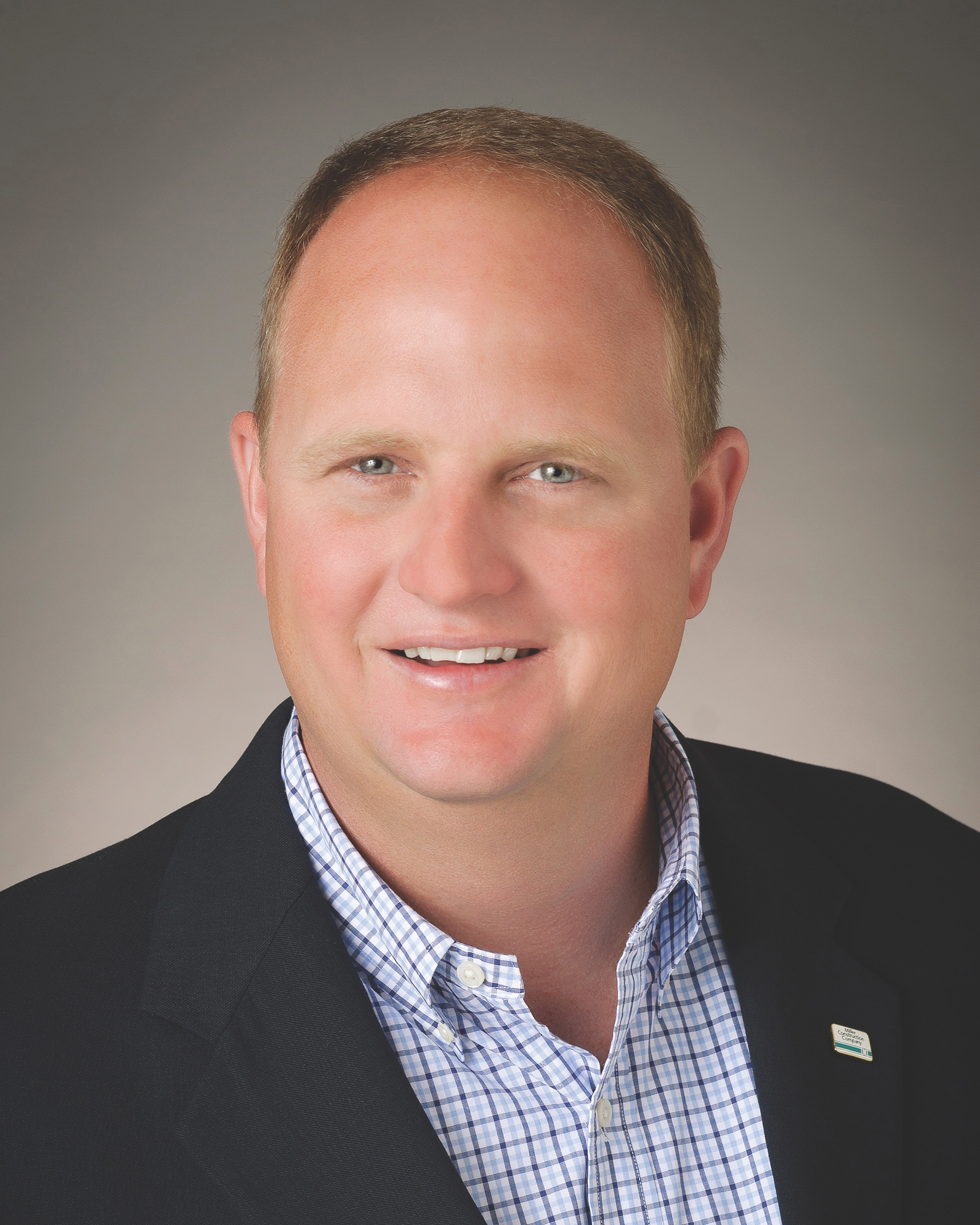
4 min read September 2019 It seems like more cranes are dotting the downtown Fort Lauderdale skyline every week as new developments emerge from the ground at a record rate. Invest: Greater Fort Lauderdale recently had the opportunity to speak with two of the leading constructors in South Florida, Ryan Romanchuk, the Fort Lauderdale business unit leader for DPR Construction, and Brian Sudduth, the president of Miller Construction. The wide-ranging conversations touched on trends in the sector and how their companies are adapting to these, along with the challenges the industry faces.

What emerging trends are impacting the construction industry and how are you adapting to these?

Ryan Romanchuk: There is a strong movement toward prefabrication similar to what we’ve seen in other parts of the world outside of the United States. It is a movement to become smarter as an industry as our labor costs go up and we move more into a manufacturing environment. We are looking for different components that we can prefabricate off-site, which in turn helps to limit the amount of manpower needed on-site, making our project safer and resulting in a higher quality product. One of the constraints of prefabrication is that it requires a certain level of repeatability to make economic sense for a project. However, as our technological tools get more sophisticated we are going to start to push toward digital fabrication. It’s the idea that every project can be unique but still be prefabricated based on building it virtually first.

Brian Sudduth: Office space construction has been slower over the past several years, but we are now starting to see more opportunities for development and redevelopment of office space. The need for construction in hospitality has continued to offer opportunities, and there is still heavy demand for our services in the industrial market. The residential, multifamily market is slowing down, but we have not typically participated in these sectors. I think this is part of the reason why we are seeing opportunities for Miller Construction growing and why 2020 will be just as good if not better for our business.

What is an ongoing challenge the construction industry faces?

Romanchuk: We are working to incorporate data-driven decision-making into all aspects of the business and really moving toward predictive analytics. Every construction project produces so much data but at the same time every project is so unique, which makes it challenging to harness the data produced. Our ability to harness our data as an industry will make us more predictable and at the end of the day that is what most if not all our clients want: predictable outcomes.

Sudduth: The challenge of finding labor in construction is not limited to just identifying people for management roles; it is also finding quality craftsmen to work on these jobs. There are more opportunities than available workers in the marketplace. People leaving Florida and leaving the industry all together during the recession was one factor, but we also have a skills gap because for the last decade, high-school students were encouraged to go to college rather than consider vocational training for things like electrical, plumbing and welding. Those programs are finally seeing a resurgence, but that gap has had an effect on available labor.

What are the factors that contribute to the longevity of your company?

Romanchuk: DPR is and always has been a self-performing general contractor. It really centers around the belief that we are builders at heart and our central belief as a company to respect the individual. This is why we don’t believe in “piece work” and believe in a fair and honest hourly wage and benefits such as health, 401K and paid care leave for all our craft employees.  We have had high levels of retention and are investing in training our employees to make sure they continue to grow their skillset and have upward mobility within DPR. Being a self-performing contractor requires additional resources, time and capital, but we control our own destiny, carry forward respect for the individual and can be part of our industry working to solve the labor gap. 

Sudduth: The longevity of our company is attributed to our business model of always putting our clients first. We never try to chase a revenue number or a product type. Instead, we focus our efforts on quality clients, and through the years we have done a good job of selecting clients that are looking for a long-lasting partnership. We always look out for their best interests, and in return people appreciate that and come back to us whenever they have new projects. We have never been a company that tries to be the biggest. Our goal has always been to be the best construction company.

To learn more about our interviewees, visit:

https://www.millerconstruction.com/

https://www.dpr.com/

Our Picks: Top 5 Miami Neighborhoods to Live, Work and Play

By Yolanda Rivas

2 min read AUGUST 2019 — With warm weather, a diverse population and a strategic location, Miami is a magnet for new residents. From luxury condos to mixed-use developments and single-family homes, the city’s residential sector remains strong. These are five thriving neighborhoods to live, work and play.

Wynnwood

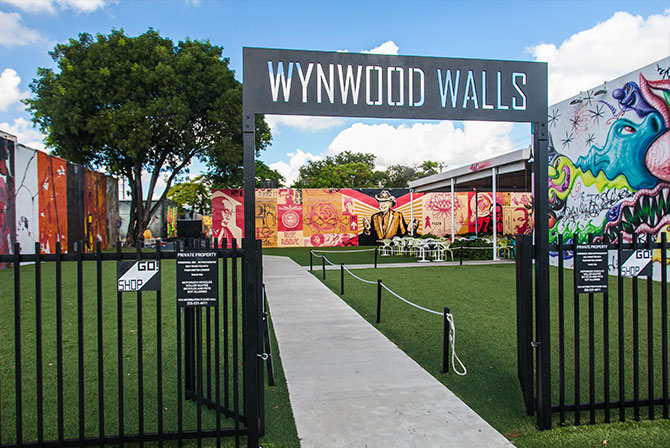
The popular art district is a must for many visitors. What once was an area with shuttered factories and warehouses is now recognized as a premier destination for arts, culture and innovation. Wynwood is home to over 400 businesses, including art galleries, antique shops, artisanal food and beverage restaurants and innovative companies. The neighborhood’s street art and hundreds of murals and graffiti are a main driver to the area. The 2018-19 Wynwood Market Report states both multifamily and office inventory in the Wynwood Business Improvement District market are poised to double over the next three years, as projects that are under construction are delivered.

Brickell

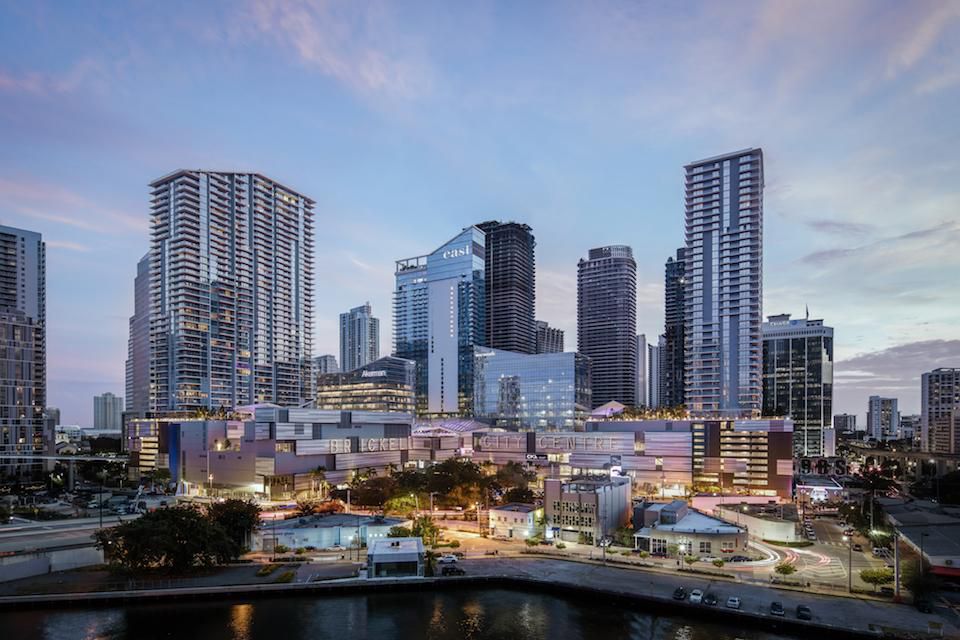
Known as the financial district of Miami, Brickell has much more to offer than just business and office space. With many trendy bars and restaurants, hotels, condominiums and business opportunities, Brickell is among the fastest-developing areas in Miami. The opening of the $1.05-billion shopping and mixed-use Brickell City Centre in 2016 has been a catalyst for growth. The walkability in Brickell and access to the metromover are also some of the benefits for families and businesses in the area. 

“Brickell offers the ultimate live, work and play lifestyle. Apart from its walkability and nightlife, it also serves as a central point between the best Miami has to offer. It’s minutes from Coconut Grove, Key Biscayne, Wynwood and Miami Beach,” Diego Valencia, founder of WeRentBrickell.com, told Invest:.


Coconut Grove

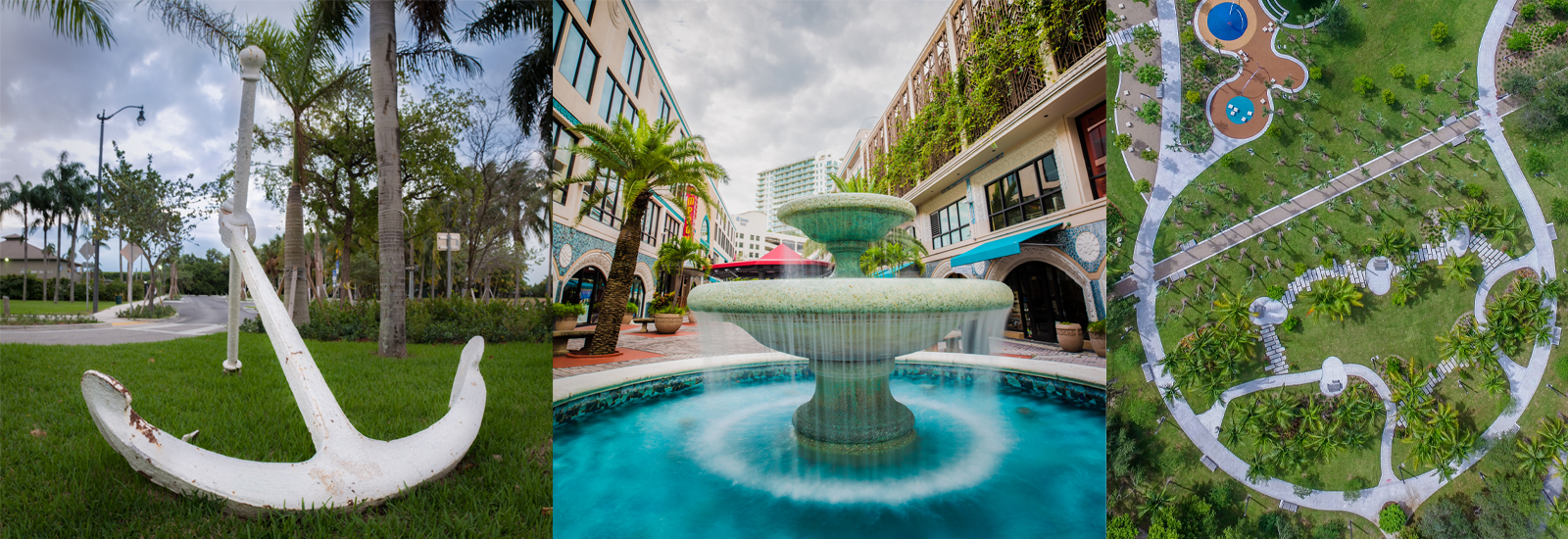
Located south of Downtown Miami, Coconut Grove is a pedestrian- and bike-friendly neighborhood that is perfect for an escape from the city’s noise. It has been the sailing capital of Miami and it is known for its lush green landscape, bohemian setting and the beautiful Biscayne Bay waters. The renovation of the iconic, open-air mall CocoWalk is expected to attract national and international brands to the area. “The entire retail and office landscape of Coconut Grove is being redeveloped, and there are a significant number of baby boomers who are living in large homes and are reaching a stage in life where relocation makes sense. This creates opportunities for new buyers and developers,” Jay Phillip Parker, CEO of Douglas Elliman Real Estate, said in an interview with Invest:.


Edgewater

Located north of Downtown, next to Wynwood Arts District and south of the Design District, this neighborhood has great potential as a live, work, play community. Residential and office towers in the area have great views to Biscayne Bay and a strategic location near some main highways, major neighborhoods and arts and culture offerings. Property prices are usually lower than those in Miami Beach or Downtown and construction activity is on the rise.


Doral

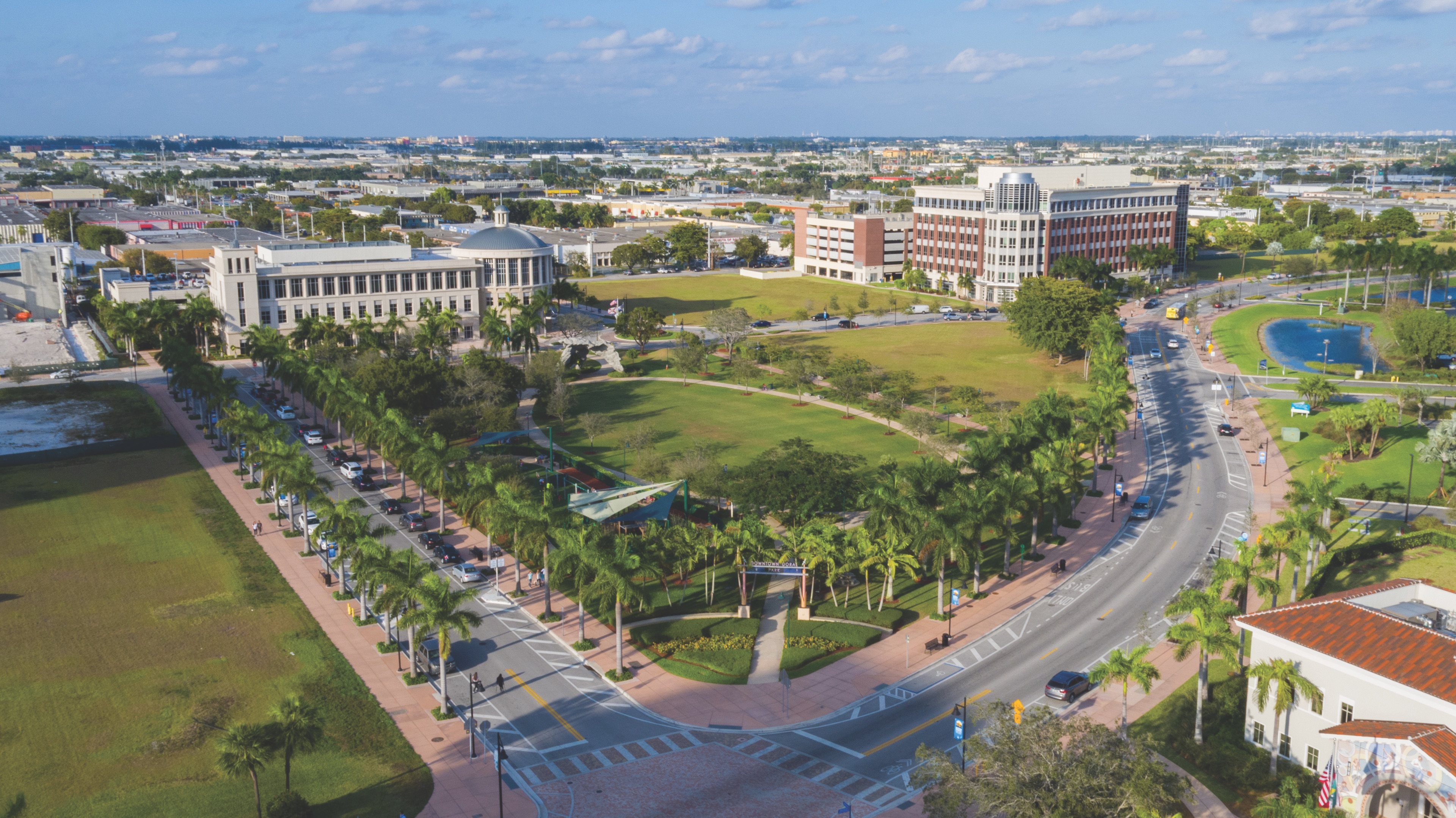
Doral is one of the fastest-growing cities in Miami-Dade. The city’s population has grown 77% in the last eight years and is ranked No. 2 in Forbes Magazine’s America’s Top 25 Towns To Live Well, which cites the city’s cultural amenities, pro-business environment, and highly educated workforce. 

“Doral is one of the best locations to live, work and play. It has the parks, restaurants and amenities, and it’s located between the major highways and near the airport. A lot of major companies are headquartered in Doral, and many of the industrial players are located in the city as well. The government is very approachable and they understand business needs,” Rich Guertin, regional vice president of PS Business Parks, told Invest:.


To learn more about our interviewees, visit:

WeRentBrickell.com: http://www.werentbrickell.com/ 

Douglas Elliman Real Estate: https://www.elliman.com/florida 

PS Business Parks: https://www.psbusinessparks.com/ 

Face Off: The Development of Fort Lauderdale

By Max Crampton-Thomas

4 min read August 2019 — Home to more than 180,000 people and growing, Fort Lauderdale continues to work tirelessly to position itself as the premier economic powerhouse in South Florida. This growth and economic development of the city has not happened by chance, but rather, has been a result of well thought out, deliberate and collaborative initiatives from both the local government and community organizations. Two of the leaders driving this development are the independent taxing district known as the Fort Lauderdale Downtown Development Authority and the primary economic development organization for the city, the Greater Fort Lauderdale Alliance. Invest: Greater Fort Lauderdale had the good fortune to speak with both Bob Swindell, the president and CEO of the Greater Fort Lauderdale Alliance, and Jenni Morejon, the president and CEO of the Fort Lauderdale Downtown Development Authority. The conversations explored how the community is addressing climate resiliency, challenges facing development in the city and ultimately how they are working to help Fort Lauderdale achieve its true potential.


How have you seen the business community address resiliency as it pertains to climate change?

Jenni Morejon: Nearly 10 years ago, South Florida became a national and global leader in addressing climate change by developing the Southeast Florida Regional Climate Compact made up of Monroe, Miami-Dade, Broward and Palm Beach counties. Following this sophisticated public sector collaboration, the compact engaged the business community to explain why economic resiliency should be on their agenda. Now, groups like the Greater Fort Lauderdale Chamber of Commerce, the Alliance and the Broward Workshop, and their private sector members, better understand the importance of climate change and why investments in resiliency today will have an ROI and long-term tangible benefit.

Bob Swindell: One of our partner organizations, the Broward Workshop, hosted a scientist from Holland. The Dutch have been dealing with this issue for years, and if you look at their coastal cities, many are below sea level. Our limestone foundation is a little different from what they have in Holland and there are definite differences in geographic qualities, but they have been working to solve flooding issues for years. People in Broward County want to talk about solutions now because they understand that this is a real threat when they see high tides and king tides causing flooding. We really need to think about solutions and how we can work block by block to mitigate this threat. The reality is that it’s going to take more thought to identify the science that will build a system that truly works.

What are some of the most significant challenges facing Fort Lauderdale?

Morejon: Housing affordability is one of the most important issues affecting the present and long-term prosperity of our community. Increasing the supply of housing units in the urban core has been the traditional focus of the Fort Lauderdale DDA. With 5,000 new units under construction in Downtown Fort Lauderdale, this legacy issue requires a more complex and comprehensive solution, incorporating higher-paying jobs and better mass transit to reduce the cost of living. Last year, Broward County voters approved an Affordable Housing Trust Fund and the DDA is now advocating for the use of public land and local financial contributions from the Trust Fund to incentivize new subsidized housing.

Swindell: One challenge we talk about frequently, and this is where publications like Invest: are a real asset, is encouraging investment in Greater Fort Lauderdale. This is not necessarily a problem right now because we still have investment dollars flowing into the area, but I think reinforcing that this community is a good investment destination is vital to our sustainability. As a region, we must be reinforcing and supporting what companies like Stiles are doing when they make a private investment in Fort Lauderdale to create office space inventory, which we can use to attract new companies to the area. Stiles is building the first new corporate commercial high-rise building in 10 years, The Main. That is a great example of creating additional inventory, and I believe that our job is to try to help fill that building. It is important to have that inventory available.

What is the outlook for Greater Fort Lauderdale for the rest of 2019 and into 2020?

Morejon: Over the past 18 years, close to 6.8 million square feet of office, retail, multifamily and hotel space has been built in Downtown Fort Lauderdale. Today, another 6.2 million square feet is under construction with 4,600 new residential units, 600 hotel rooms, and two new Class A office buildings. A combined 400 floors of development are being added to the skyline, effectively doubling the scale of Downtown in just a handful of years. This new critical mass of people will help support the growing retail and restaurant scene and provide a range of housing options to attract a diverse workforce. We’ll also see progress on three important civic projects. The City of Fort Lauderdale and Broward County will be moving forward on the development of a new joint government campus, the site for a new Federal Courthouse will be determined, and with the recent passage of a $200 million parks and open space bond, the city and DDA will be kicking off investments in our Downtown public realm.

Swindell: We conduct an annual poll of chief executives in the region and it came back very positive. South Florida tends to enter a downturn or recession a little bit after the rest of the country has already felt the effects, and we tend to exit these situations quicker. A lot of that is due to international investment, and we do not see that slowing down this year. Based on the construction leasing rates that I’m seeing, the demand is there. With some of the federal tax law changes and what you can deduct for state income tax and state sales tax, there have been some additional opportunities created for the region through people seeking lower tax environments. We have branded our community for many years as providing a “Life. Less taxing.” Florida has been well-managed financially, we don’t have unfunded pension obligations and our state has a surplus every year. South Florida will continue to have another strong year.

To learn more about our interviewees, visit:

https://www.gflalliance.org/

https://www.ddaftl.org/

Top 5 Trendiest Neighborhoods in Fort Lauderdale

By Max Crampton-Thomas


2 min read July 2019 The growth of the Fort Lauderdale area is a true testament to the collaborative efforts of the city’s private and public sectors. The positive effects of this growth can be witnessed in the development, redevelopment and preservation of the city’s neighborhoods. 

Here, Invest: Greater Fort Lauderdale explores Fort Lauderdale’s five trendiest and up-and-coming neighborhoods.

Victoria Park: A beautiful mix of traditional “Florida” homes and new development, Victoria Park has long been a staple neighborhood in Fort Lauderdale. The revitalization of the area is thanks to its close proximity to Fort Lauderdale Beach, Las Olas Boulevard and cultural centers like the Broward Center for the Performing Arts. 

Invest: Greater Fort Lauderdale spoke with Doron Broman, managing partner of Moderno Development Group, about its investment in the development within Victoria Park. “We are tapping into the near downtown areas because more people are seeking to live in more walkable areas, where they need to spend less time commuting to work and experience a more urban lifestyle,” Broman said. “We are building very modern, urban townhouse rental communities in trendy Victoria Park.”

Tarpon River District: Located just north of Davie Boulevard and west of Andrews Avenue, Tarpon River District is a neighborhood whose appeal is thanks to its proximity to downtown Fort Lauderdale and emphasis on family life. With a recent influx of mixed-income homes and apartments, access to some of the cities best parks and the locally famous Tarpon River Brewing company, this neighborhood will continue to be a top choice of young families. 

“We are keen on Tarpon River District, which we believe is the new cool work-live-play hub, located right in the center of Fort Lauderdale,” Broman told Invest:. 

Flagler Village: Twenty years ago, this neighborhood was a rundown warehouse and residential district. Today, Flagler Village is one of the trendiest areas in Fort Lauderdale. The collaboration between artists and developers has transformed the neighborhood into a premier arts district with offerings of luxury rental apartments, restaurants and arts and culture. The Village is also home to the Brightline train station, which supplies a steady flow of traffic into the neighborhood daily. 

“Many developers have looked to the beach and Flagler Village areas in Fort Lauderdale. We are also invested in Flagler Village,” Broman said

Las Olas Isles: Due to its proximity to Las Olas Boulevard and Fort Lauderdale Beach, Las Olas Isles is the perfect mix of retail, restaurants and a coastal lifestyle. Luxury living like this comes with a hefty price tag. Homes in the area range from $1 million to $40 million and rental units are in the thousands. 

Colee Hammock: Not only is this one of the oldest neighborhoods in Fort Lauderdale, it is also one of the most diverse and eco-conscious in the city. Situated next to the Intercoastal Highway and the New River, Colee Hammock offers residents a wide variety of homes and walkability to theaters, restaurants, retail and entertainment venues. This eclectic neighborhood is home to a wide demographic, from the working class to the wealthy. 

Invest: Greater Fort Lauderdale discussed development in Colee Hammock with Andrew Verzura, principal of VCM Builders, Inc. “We are working on a residential project in Colee Hammock, a historic neighborhood in Fort Lauderdale established in 1913. We are constructing a home that is being built around some of the area’s oldest and mature foliage. This is a neighborhood that has a special relationship and respect for the nature within it.” 


For more information visit:

http://vcmbuilders.com/

https://www.modernodev.com