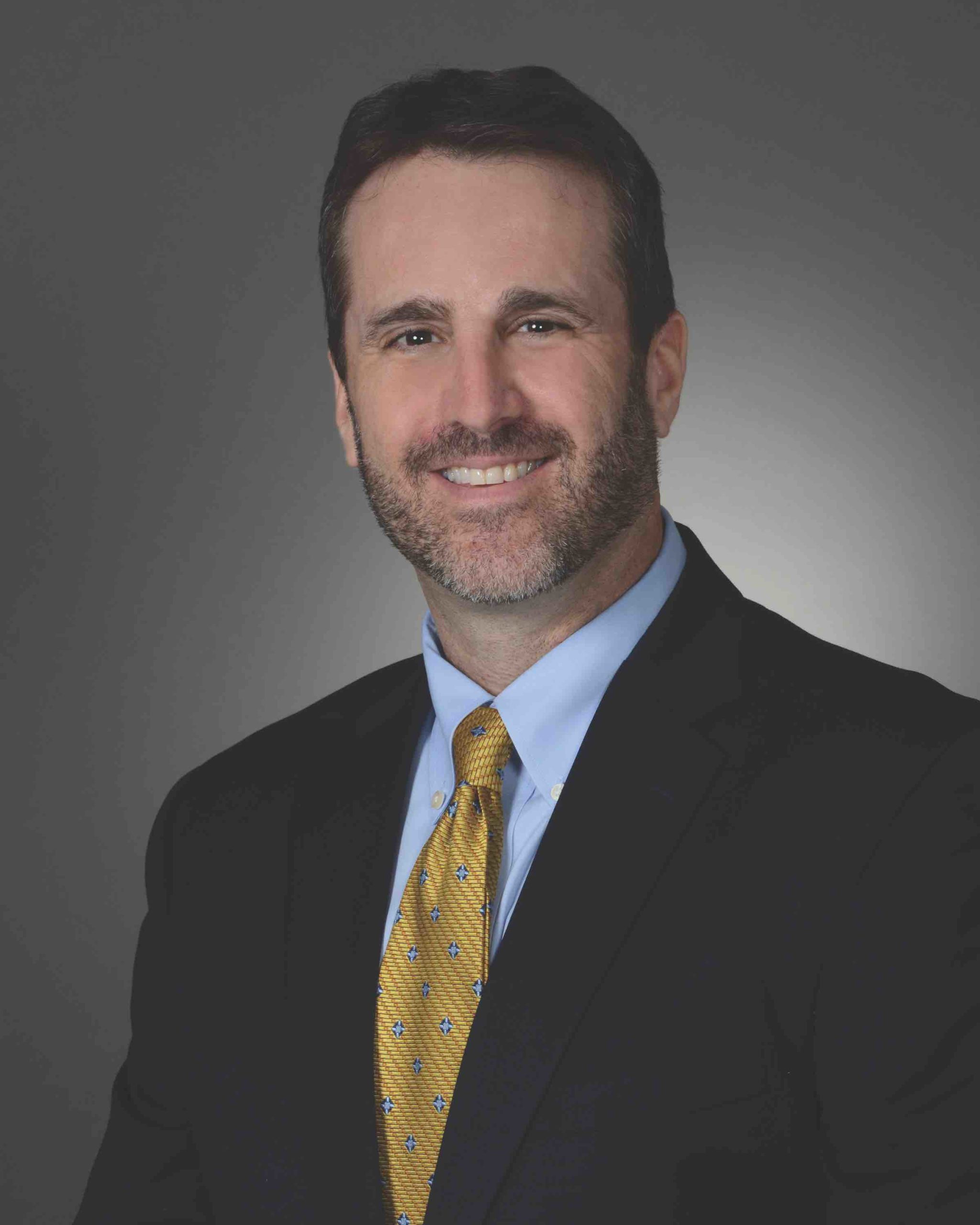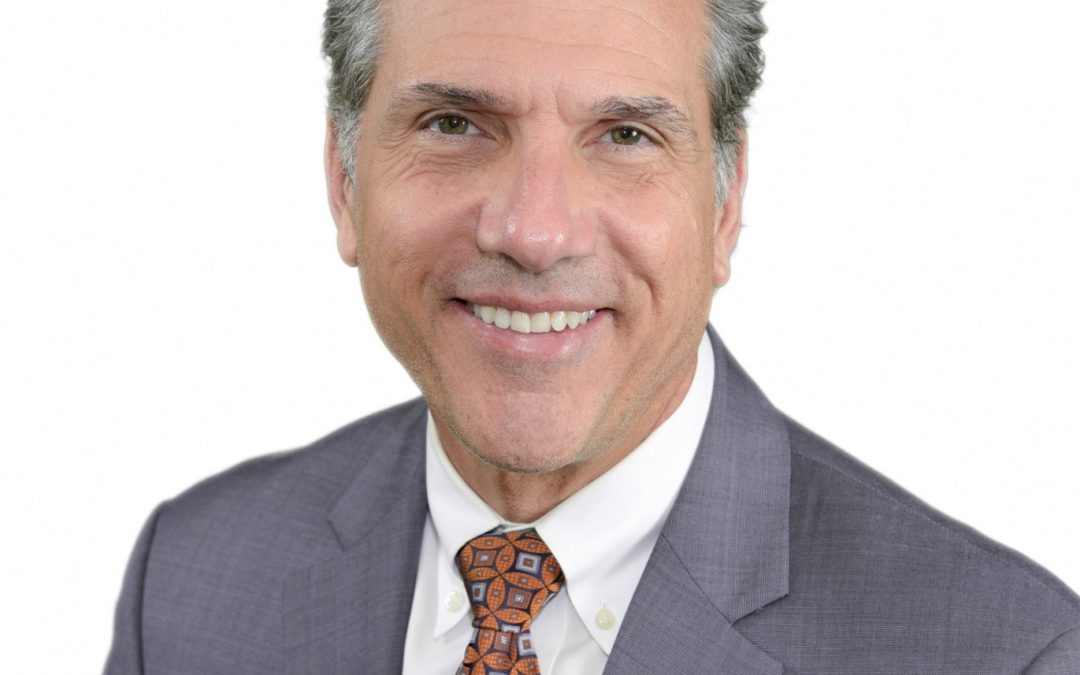
Spotlight On: Michael Simon, Executive Director, Boynton Beach CRA

Spotlight On: Michael Simon, Executive Director, Boynton Beach CRA

By: Felipe Rivas
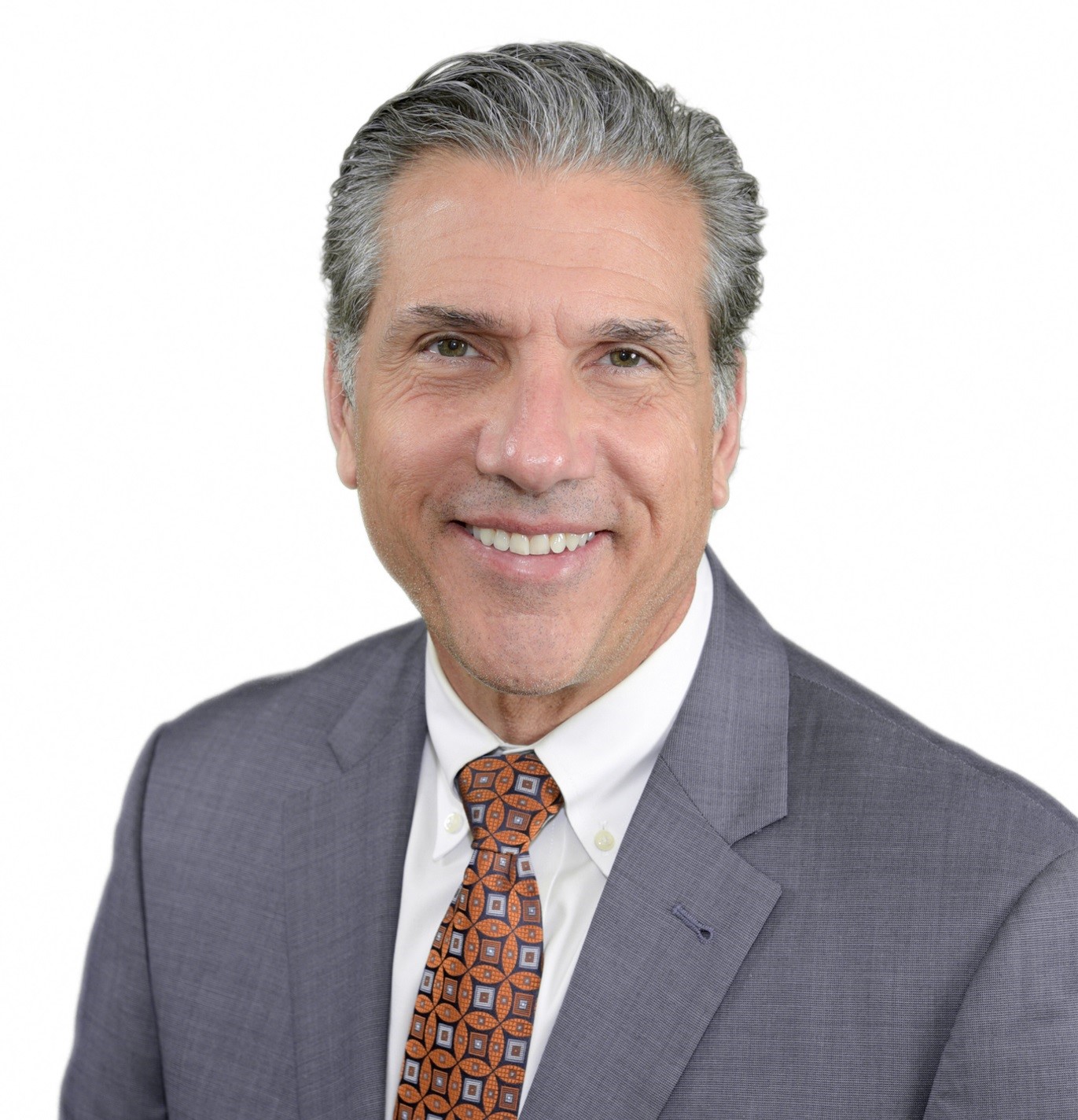
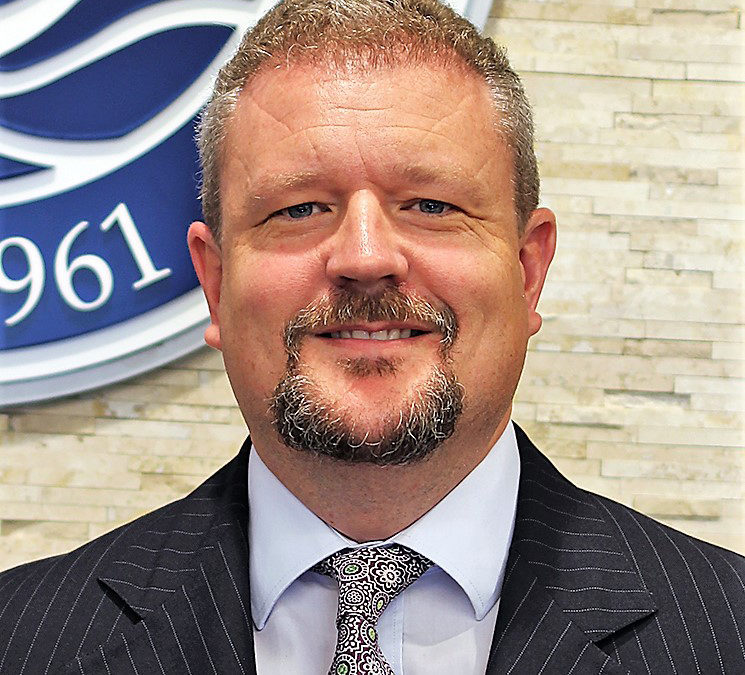
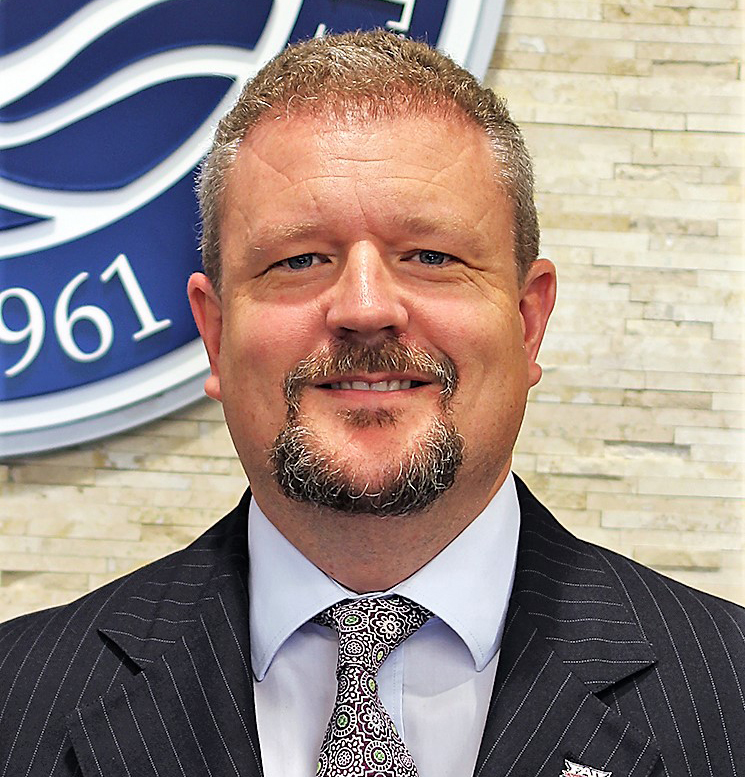
2 min read May 2020Affordable housing, business and economic development are issues at the heart of every buoyant city. Michael Simon, executive director of the Boynton Beach CRA, goes over the different projects and initiatives in place for the city to continue its growth despite the COVID-19 outbreak.


What is Boynton Beach CRA’s contribution to Palm Beach?

The Boynton Beach CRA is tasked with community development, whether that is in the form of affordable and workforce housing, business and economic development, or physical redevelopment, such as mixed-use projects,  streets, parks and sidewalks. For the last 15-plus years, the CRA has been heavily focused on physical and economic redevelopment, as well as affordable housing. That has taken various forms, including business promotion events and assisting with the development of a $70-million, 354-unit mixed-use project with commercial space on Ocean Avenue. Recently, we’ve done a lot on affordable housing. We have 123 units going up that should open toward January 2021. There is another ongoing project with the Centennial Management Corporation for another mixed-use project in the Martin Luther King Jr. Boulevard redevelopment corridor.


Our business development activities have intensified due to the COVID-19 outbreak, but we have always offered commercial improvement grants focused on our businesses and matching grants for façade improvements, interior buildout and rent-reimbursement programs to assist businesses in the first year of their lease. Our matching grants go as far as 50 percent of their lease rent, up to a maximum of $1,750. We pumped several million dollars over the last two years into those programs and have assisted 85 businesses since 2015. 


How has the Downtown area benefited from these initiatives?

The CRA district, which extends along the federal highway corridor, lacks the commercial spine that Delray Beach, Lake Worth and West Palm Beach have. Boynton has a small main street called Ocean Avenue that has a mix of existing residential and commercial units. All of the infill redevelopment projects have been focused on the main hub corners. We are focusing our efforts on recreating our Downtown in the sense that people are used to thinking of one. 


How have your affordable housing efforts been received?

We have been really blessed on different fronts. First of all, finding the land. The CRA made major land investments in 2005-6, one of which was purchasing 8 acres on North Seacrest Boulevard. That provided an opportunity for single-family and multifamily space. We built 21 homes in partnership with Habitat for Humanity of South Palm Beach County and the  Boynton Beach Faith-based CDC on half of those acres. Affordable multifamily rental apartments are being built on the remaining 4 acres. Like most towns, we have a higher need for affordable rentals and ownership properties. We showed creativity in those projects as we distanced from the usual use of down payment funding, resorting to land acquisition instead and turning it over as the subsidy to the nonprofit developer to build the housing. The rental side is a difficult market to get into for affordable builders. It is hard for them to find financing.


What local partnerships have you put in place to meet your objectives?

We have a good relationship with CareerSource of Palm Beach County. We have relied on them during our job fairs and to assist with our placements. They are a big player in Palm Beach County and the Business Development Board has an excellent relationship with them as well. South Tech, an academic institution, provides marine technology degrees and certifications, as well as for plumbing, automotive and electrical. We are looking to partner with them more in the future through their relationship with the city and feed those graduates and school alumni into these larger construction projects within the CRA district. 


How has the CRA reacted to the COVID-19 landscape?

The CRA took immediate action just prior to the shutdown and remains active during the pandemic. We are reaching out personally to our grant recipients and local businesses to maintain a line of communication as the economic activity reopens to remain attentive to their needs, address their fears and assist them in any way possible. We designed and implemented a Small Business Disaster Relief Forgivable Loan program, totaling $500,000 for maximum loans of $10,000 each. If the loan is spent on eligible payroll, utilities and inventory for their business within one year of the loan date, we can turn the forgivable loan into a grant, provided the required justifying documentation is presented. We released the funding on April 23 and by April 24, we received  about 100 applications and issued the funds in less than a week. 


To learn more, visit: https://www.catchboynton.com/

How to shake the COVID-19 blues in South Florida

How to shake the COVID-19 blues in South Florida

By: Felipe Rivas

2 min read May 2020For the better half of a year, the majority of news across platforms, watercooler talk and virtual meeting conversations has revolved around the coronavirus pandemic, its impact on the local and global economy, and what the “new normal” may look like. As a result, many South Floridians, like their counterparts elsewhere, are likely suffering COVID-19 fatigue. As South Florida begins its reopening process, here are a few positives from the tri-county area to think about heading into the Memorial Day weekend. 


Miami-Dade County

Fun in the virtual sun: The city of Miami Beach wants to bring the tropical vibes to travelers’ living rooms as they plan future vacations and travel. The new social campaign, “From Miami Beach, With Love,” created by the Miami Beach Visitor and Convention Authority, is designed to deliver the city’s experiences to audiences from the comfort and safety of their own homes. Travel lovers can enter to win different Miami Beach experiences as they contemplate their next South Florida visit. The campaign also features specials and discounts to promote local small businesses in the area. Visit @ExperienceMiamiBeach on Facebook, Instagram and @EMiamiBeach on Twitter for a chance to win and support local Miami Beach businesses. 

Shopping!: For those wanting to help stimulate the local economy or take a stroll through one of the most prestigious fashion centers in the region, the Bal Harbour Shops is open for business. Following all CDC guidelines, Bal Harbour Shops will implement increased safety precautions to protect customers, retailers and employees, according to its management team. In keeping with Miami-Dade County and Bal Harbour Village ordinances, retail stores and indoor restaurant seating occupancy will be limited to 50% and salons will limit occupancy to 25%. Bal Harbour Shops will be open Monday–Saturday from 11:00am–10:00pm and Sunday, 12:00pm-6:00pm, though individual store hours may vary.

Broward County

Largest mall in the county welcomes visitors: Sawgrass Mills, the largest mall in Broward County, is officially open for business. The mall will offer masks, and signage has been placed to account for social distancing. Mall hours will be altered to 11 a.m. to 7 p.m. on Monday through Saturday and 12 p.m. to 6 p.m. on Sunday until further notice. Simon, which operates Sawgrass Mills, also announced the reopening of other malls such as Coral Square, Dadeland, The Falls, Miami International and the Florida Keys Outlet Marketplace. 

Palm Beach County

As Palm Beach County begins the reopening of its economy, it has its eye set on providing extra help to those small businesses hardest hit by the COVID-19 pandemic. This week, the Palm Beach County Board of County Commissioners approved the CARES Restart Business Grants Program to accelerate the reopening of businesses hardest hit by the outbreak. The $60-million Business Restart Program uses a portion of the county’s $261-million allocation from the Federal CARES Act approved by Congress. The BCC has dedicated $50 million toward businesses with 25 or fewer employees and $10 million toward businesses with greater than 25 employees. The online application is expected to launch on Friday, May 22, and will be processed on a first come, first eligible basis, according to the county.

To learn more, visit:

https://www.miamibeachvca.com/

https://www.balharbourshops.com/

https://www.simon.com/mall/sawgrass-mills

http://discover.pbcgov.org/hes/Pages/default.aspx

Staying connected: ‘Saturday Soiree’ in Palm Beach

Staying connected: ‘Saturday Soiree’ in Palm Beach

By: Felipe Rivas

2 min read April 2020 — The novel coronavirus forced a global halt to major international, regional and local events. From the NBA season to networking conferences, all gatherings of any size stopped abruptly in an effort to flatten the curve and prevent COVID-19, the disease caused by the coronavirus, from spreading further. However, as the population at large becomes accustomed to social distancing, stay at home orders and self quarantining, many events went from a hard stop to full speed ahead virtually. As the business community adjusts to the challenges of the disruption caused by the coronavirus, many institutions are building value and maintaining relationships with patrons by maximizing the use of webinars, online classes, video conferences and even virtual happy hours. 

In its “Staying Connected” series, Invest: is talking to leaders in various markets about their efforts to, well … stay connected.

In Palm Beach, a region known for its daily community outdoor events and weekend parties,  institutions have had to shift to online platforms to preserve the community feel and give people an escape from social distancing. The West Palm Beach Downtown Development Authority did just that by hosting a party with musicians online. “This past saturday, we hosted what was to have been an outdoor event called ‘the Saturday Soiree’ with musicians and we streamed it throughout social media and let each one of them have their set,” Executive Director Raphael Clemente told Invest: Palm Beach. “It was a big success and gave us ideas on how to keep Downtown top of mind,” he said. 

The authority is focusing on being a support system for residents and Downtown business leaders in this period of economic uncertainty. “We meet with a lot of stakeholders, and internally. I am loving Skype and Zoom. We have gone to these platforms as everyone else has. As a team, a big part of our conversation was how we can do our job of marketing and sharing information, but keeping top of mind the sensitivity of people right now to their business issues,” Clemente said. “It is not just what we are saying, but how we are saying it. Also, just picking up the phone, versus using only email, is an important thing to do.”

The video conference platform, Zoom, has quickly become ubiquitous across the virtual events space. Across economic sectors, different institutions are taking advantage of Zoom and similar platforms. To host a successful virtual event, event planners must decide between hosting a virtual meeting or a webinar. “If you expect attendees to mostly just listen,” the best option is a webinar, Zoom advises as part of its digital event best practices. “When you need more back and forth between the audience and the host,” planners should choose a virtual meeting, the platform advises. 

Once the type of digital event has been narrowed down, hosts should hardwire the internet connection to prevent any Wi-Fi-related hiccups or virtual lag. In terms of audio, hosts should test speakers and audio prior to the meeting and minimize any background noise, according to Zoom. Additionally, hosts should dress to impress and make sure to start the virtual event on time. It is important to set the tone of the event and encourage Q&A’s during the virtual meeting or webinar. As a best practice, Zoom recommends the use of the Chat function to keep track of questions and comments. For larger webinars, Zoom offers a PayPal integration to charge the registration fees seamlessly. 

For the time being, social distancing will be part of the mainstream business landscape until at least May. However, many institutions are adjusting and pivoting more and more to the virtual hosting model to build value, share information and regain a sense of community in a time where residents are being asked to self-isolate as much as possible.  

To learn more visit: https://blog.zoom.us/wordpress/2020/03/04/best-practices-for-hosting-a-digital-event/

https://downtownwpb.com/

Spotlight On: Chuck Cross, Regional Market President, Seacoast Bank

Spotlight On: Chuck Cross, Regional Market President, Seacoast Bank

By: Felipe Rivas

2 min read April 2020 — Over the last few years, consolidation and mergers and acquisitions have dominated the banking industry. In Florida, as the population continues to grow and the financial sector diversifies further, the Palm Beach market remains vital for banks looking to grow their operations in the state. With the recent acquisition of First Bank of the Palm Beaches, Seacoast Bank is positioning itself to take full advantage of the opportunities within the Palm Beach market. In an interview with Invest: Palm Beach, Regional Market President Chuck Cross talks about the strength of the Palm Beach market, the evolution of the banking sector and his outlook for the industry during an economic downturn.

How did Seacoast Bank perform in 2019?

Seacoast Bank once again delivered a record-breaking financial performance in 2019, propelled by a balanced growth strategy. We combined solid, organic growth with smart acquisitions and careful cost control that enabled us to outperform our peers. Seacoast Bank produced double-digit growth and net revenues of $297.8 million. Overall, Seacoast Bank’s goals are focused on growth and Palm Beach County is an important contributor to that growth. Our recent acquisition of First Bank of the Palm Beaches increases our presence in the county from six to eight branches and grows our total deposits to $821 million. When you consider the strength and overall growth of the economy in Palm Beach County, we see the demand for banking services increasing. We are well-positioned to service that growth in Palm Beach County.

How has the banking sector evolved over the last couple of years?

The banking sector has seen a lot of consolidation in the last 10 years, and I think we will continue to see that. Customers are looking for more ways to bank remotely. As banks compete for customers, it is likely they will increase the number of products and services available in their remote channels. The key for a successful merger and acquisition is to integrate and consolidate well and to win over the hearts of acquired customers by providing the convenient products and services of larger banks, but with the personalized attention of a hometown community bank.

What can be done to level the playing field when it comes to credit unions?

The Florida Bankers Association has pushed for legislation to close the loopholes for the mega credit union, those with over $1 billion in assets, and to impose CRA requirements and corporate taxes. Today, there are more than 360 credit unions with more than $1 billion in assets. The majority of credit unions still live up to the intent of the legislation, as they are small and focused, but some of them have grown and may not fit the original intent of the law.

How do you see the banking industry performing during an economic downturn?

The banking industry is federally regulated to make sure that banks remain solvent even in a downturn. Since the last downturn, the Florida banking industry has undergone major consolidation. The winners will be those that manage to deliver the services and technologies that the big banks are known for while still maintaining the high standards of personalized customer services that we all know and love in the community banking environment.

To learn more about our interviewee, visit:https://www.seacoastbank.com/

Spotlight On: Andrew Duffell, President, Research Park at Florida Atlantic University

Spotlight On: Andrew Duffell, President, Research Park at Florida Atlantic University

By: Felipe Rivas

2 min read March 2020 — Research Park at Florida Atlantic University is a public-private partnership that serves as a hub for translating new technologies into the marketplace. Over 32 companies are based there, working on discoveries and technology innovation for the medical and healthcare sectors among others, said President Andrew Duffell. Many of the companies at Research Park are growing past the startup stage, while at the same time the park places a keen focus on attracting established international, tech-based companies to the Palm Beach region, Duffell told Invest:. 


What were some major developments for Research Park at Florida Atlantic University in 2019?

In 2019, we had over 800 people working at the Research Park among the 32 companies that are based here. The really important metric that we saw emerge last year was the number of discoveries that were patented and the quality of collaborations that are happening between the various companies and FAU, which continues to improve year over year. A number of our companies are progressing through their life cycles from startups to second stage, benefiting from our economic gardening initiatives. We have seen an uptick in the budgets for research and development over the years that we expect to start yielding results this year and next.


What sectors are set to benefit from the discoveries made at Research Park?

The majority of the discoveries that were made are in the medical and healthcare space. We have companies working on mental health, medical devices, therapeutics and healthcare IT. We are excited to see a real concentration in the healthcare space, with an emphasis on the interface between healthcare technologies and how healthcare is delivered to patients, which synchronizes well with how we see Florida Atlantic University growing, particularly in the southern Palm Beach County and northern Broward County region. The healthcare industry as a whole is really ripe for innovation, and this is where we are starting to see commercial activity developing, which is very gratifying. While we are affiliated with the university, we are a separate organization: our focus is on economic development and the translation of new technologies into the marketplace. 


In what ways is the Palm Beach region advancing workforce development efforts?

In terms of workforce development, I think Florida is ahead of the pack. We have had a strong workforce development system for a number of years. Research Park at FAU companies and their employees can take advantage of continuing education courses at FAU that are flexible in terms of schedule and pricing: some are for credit, some are for certificates. These have been really valuable. Palm Beach State College also has some fantastic courses in degree and non-degree fields. I think we have held our own in that regard and the employers have seen the value in upgrading the skill set of their employees as a way to retain them. Many employers are investing more in their employees, using flexible work schedules, more work from home and more team-building activities.


What is the focus for Research Park heading into the future?

We’ve made a determination to follow FAU’s significant expertise in its strategic pillars. We want to work with technology companies that will complement those areas, which are the life sciences, sensors and embedded networks and A.I. We are looking for companies that are working in those spaces that will be able to add to work already being developed at FAU, or contribute new ideas to their research. We are seeing a lot of this activity and we think there is potential overseas as well, and would like to bring those companies to Palm Beach County and to scale up their business here. We are looking for companies that are in the second stage, beyond the startup phase, in their home countries and have their concepts developed, are seeing revenues and have investors. We want to find those really promising companies and bring them to Palm Beach County. That is what we are embarking on this year and we are seeing a lot of activity in the sensor and A.I. space in places like Brazil, Canada and Israel.


To learn more about our interviewee, visit: https://www.research-park.org/


Spotlight On: Stephanie Immelman, CEO,  Delray Beach Chamber Of Commerce

Spotlight On: Stephanie Immelman, CEO, Delray Beach Chamber Of Commerce

By: Felipe Rivas

2 min read March 2020 — Once known as America’s most fun small town, Delray Beach is quickly transforming into a much bigger town with a more diverse local economy, while still maintaining its fun atmosphere. The Palm Beach healthcare and financial sectors continue to grow and solidify in cities like Delray Beach. The Delray Beach Chamber of Commerce is working closely with the business community to help diversify the economy further and continue to attract talent to Delray Beach, CEO Stephanie Immelman told Invest: Palm Beach. The city has not had problems attracting young talent due to its favorable tourism roots and fun atmosphere. With its diverse economy, the city is well-positioned for future growth as there is available land for new development outside of the Downtown area, Immelman said.

How is the chamber working with the business community to improve hiring in a tight labor market?

Delray is more than a tourism town, though we have built a reputation based on tourism. There is a lot of diversity here in terms of business. We have one of the largest automobile sectors in South Florida, for example. Also, our healthcare and financial services sectors are very strong. In terms of the tight job market, this year we are hosting job fairs. We have done job fairs for the automobile and hospitality and tourism sectors. We are working very closely with our business community and members to drive those people in Delray Beach who need jobs to the businesses that have them. That is a big focus for 2020. We want to make sure that the economy works for everybody. This will make our community stronger in the long run.


How have Delray’s demographics changed in the last few years?

We have not had a difficult time attracting young people to Delray Beach because of our tourism roots. We are known for being the most fun small town and that is attractive to young people. Today, you can work anywhere you want to. Financial advisers and managers from the Northeast are starting to relocate to the area because of their ability to work anywhere, for example. We have a lot of working spaces and incubators targeting entrepreneurs. Our economy started with tourism because we have a beautiful and charming town, but we are branching out and targeting entrepreneurs and businesses.


How is Delray preparing for future growth?

There are many places for the wealth to spread to. In our core Downtown area, the rents are really high, but there is a great deal of room to spread to other areas. There are many ways to make other areas in Delray as charming and amazing as Downtown. We are well-positioned for this growth in the county and South Florida in general. The city is hyper-focused on affordable housing. Any development in the region is going to have an affordable housing component. There is space to develop further.


In what new ways is the chamber connecting with the community?

We are really big on video. We have a weekly Delray Morning Live video show where we talk about what is happening in the city in the coming week. That has had a lot of traction and is doing very well. We want to expand it to culinary- and tourism-related content. We are all about communicating that way. It is important to create content and speak to people in a way that relates to them today. 


To learn more about our interviewee, visit: http://delraybeach.com/

Spotlight On: Michael Feuerman, Senior Vice President & Managing Director, Berger Commercial Realty

Spotlight On: Michael Feuerman, Senior Vice President & Managing Director, Berger Commercial Realty

By: Max Crampton-Thomas 

2 min read January 2020 — The commercial real estate market in Palm Beach County has drawn major interest and investment over the past several years. In 2019, the market has remained strong and looks to remain steadfast on this positive track into 2020. Invest: spoke with Michael Feuerman, senior vice president and managing director for Berger Commercial Realty’s Palm Beach Office, about what he has observed in the market over the last year and why the region has become so attractive for development in the commercial real estate space. 


What were the company’s highlights from the past year? 


The last year has been productive for us. We hired two new brokers, one in Broward and one in Palm Beach, and we’re continuing to add to our portfolio. Right now we have about 7.5 million square feet of commercial property under management, and roughly 6.5 million square feet listed.


What makes this region a compelling area for investment?


South Florida in general is a cosmopolitan region. In Palm Beach County, we have a population close to 1.5 million. The workforce is just under half of that. That’s a good population size with a solid workforce. Palm Beach also has a substantial office market at around 55.6 million square feet and an industrial market around 62 million square feet, but our rents are lower than our neighbors to the south.


In which sectors are you seeing the most growth in Palm Beach County? 


The medical industry has grown substantially in the Palm Beach area and as a result, many of my clients are in the healthcare sector and looking to expand their footprint. Another trend we’re seeing is that office users are needing more efficient spaces, or smaller office spaces that can fit the same or more people comfortably. Because these are usually the same buildings with the same structural footprint, parking has become a challenge. Rideshares, autonomous vehicles, public transportation and parking decks are all floated as possible solutions for this.


To learn more about our interviewee, visit their website:

https://www.bergercommercial.com/


South Florida’s Top Five Events for the Holiday Season

South Florida’s Top Five Events for the Holiday Season

By: Sara Warden


2 min read December 2019 — South Floridians may not expect a white Christmas, but there are still a plethora of entertainment options to get the kids into the holiday spirit. From Enchanted Forests to visits from Santa, there is plenty for all ages going on across the Miami, Palm Beach and Greater Fort Lauderdale areas. Capital Analytics counts down the top events in the run up to the big day!

1. Christmas with the Chimps at Lion Country Safari

If you’re an animal lover, this is the place to be on Thursday, Dec. 19. For one day only, starting at 10.30am, guests at the Lion Country Safari park in Palm Beach will be able to leave their cars and watch as the chimps open Santa’s gifts. Entry is $39 for adults and $30 for children, and under twos go free!

Find out more here

2. Winterland at Pinto’s Farm

Located at 14890 SW 216 St, this farm park promises a huge range of activities, including holiday treats, face painting, a petting zoo, pony rides, hay rides and paddle boats. Why not venture into the enchanting illuminated forest and meet Santa Claus, Nix the Snowman and Sprinkle the Gingerbread cookie.

Find out more here.

3. “A Christmas Story: The Musical” at Broward Center for the Performing Arts

Brought to you from the songwriting team behind Tony-award-winning Dear Evan Hansen and La La Land, this show promises to be a festive treat for the ears. The show is based on the 1983 movie A Christmas Story, following protagonist Ralphie’s pursuit of his dream Christmas gift. Showings continue throughout the festive season and tickets are priced at $49-65, with discounts available for teachers and students.

Find out more here.

4. Santa’s Enchanted Forest at Tropical Park

With over 100 rides, shows and attractions, Santa’s Enchanted Forest is sure to spread the Christmas cheer. Running from the end of October until Jan. 5, the fun takes place at 7900 SW 40th Street and promises 3 million lights and a 92-inch Christmas tree, all within an amusement park. Tickets start at $28.60 for children and seniors.

Find out more here.

5. Brightline for The Polar Express train rides

Across selected dates from mid-November until Dec. 29, families can take the one-hour Polar Express train on the brand new Brightline route. Singing, dancing, cookies and hot chocolate are guaranteed to keep both the kids and adults happy before Santa climbs on board to hand out some Christmas gifts to the girls and boys on the nice list. Prices start from $55 for an adult and $50 for a child.

Find out more here