Spotlight On: Les Vail, CEO & President, Gloucester County Chamber of Commerce

Spotlight On: Les Vail, CEO & President, Gloucester County Chamber of Commerce

By: Yolanda Rivas
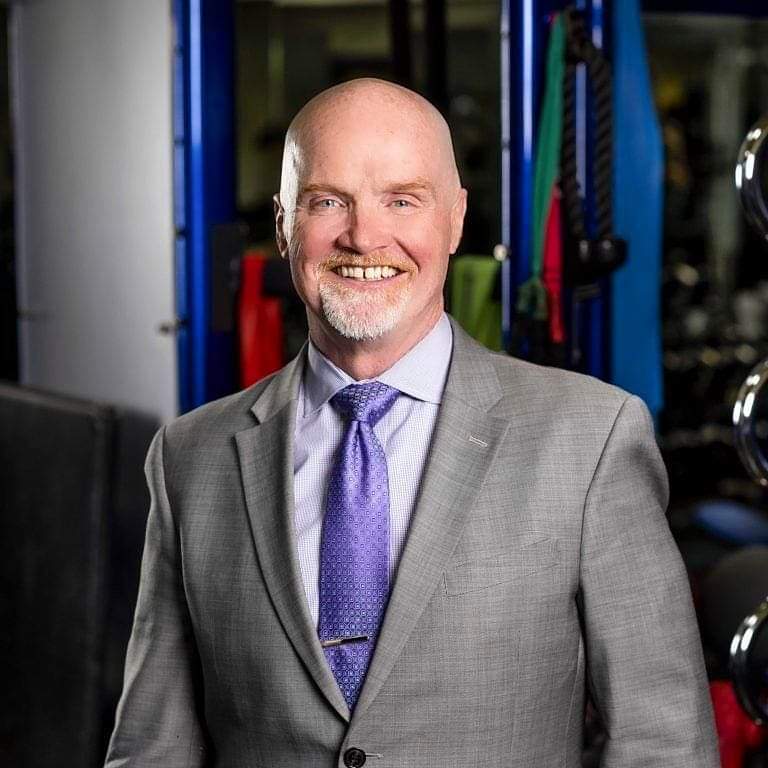
2 min read January 2020— The Gloucester County Chamber of Commerce’s focus on business development and education has positioned it as the fifth-largest chamber in the state of New Jersey. The chamber’s partnerships with local county colleges and universities have been key for businesses and the local workforce. Les Vail, president and CEO of the chamber, discussed with Invest: the different ways the chamber is promoting Gloucester County as an economic engine in the region.


 What have been some of the highlights for the Gloucester Chamber of Commerce over the past 12 months?


We have been making a concerted effort over the past year to improve branding and marketing to ensure that our message reaches as many people as possible. We initiated a partnership with Rowan College of South Jersey that provides around 30 percent discounts on degree tuition fees for any of our employees and members. We are already seeing that initiative bearing fruit, with over 12,000 unique visits per week across our social media platforms and a significant uptick in returns on our email blasts.


How is the chamber working to promote South Jersey as a catalyst for economic development in the tri-state area?


We have grown to become the fifth-largest chamber in the state with almost 1,000 members, and a big reason for that success is our focus on business development. We act as the middleman to help companies and executives connect with each other. Our efforts on education are also vital. We firmly believe that economic development starts with educating the workforce, as this is what attracts new businesses to the region. 


Manufacturing, for example, has a great need for employment. Gloucester County is the fifth-largest region in the country for food manufacturing. The sector offers competitive wages, but it is struggling to find sufficient numbers of skilled workers, not only for now but for the future. The industry does not necessarily require a college degree, but usually requires some form of certification. That’s where our partnerships with local county colleges can have an important impact. We listen to the business community and we support them in their efforts to increase the number of qualified workers for this industry.


What kinds of businesses are you trying to attract to the Gloucester County region?


We are not known as a technology hub, but we have a research institution and two medical schools that are contributing in this area. So we are looking to attract technology-based industries that can offer competitive wages. We have the land capacity and infrastructure in place to attract these businesses.


What are the main challenges facing businesses in the county?


Workforce is still the main issue. We need more plumbers, electricians and carpenters. Manufacturing businesses and refineries, despite offering attractive salaries, are struggling to find their future workforce. It is important to change the mindset of young people today and to let them know that not every career requires a college degree. We need to find people without college degrees and include them in the workforce by giving them valuable skills that contribute to the economy. This process starts in high school, so it is encouraging to see institutions like Gateway Regional High School offering guidance and advice on potential career paths to students from an early age.


To learn more about our interviewee, visit:

Gloucester County Chamber of Commerce: https://www.gc-chamber.com/


Miami Dolphins Kick Off Season With New Training Complex, Partnerships, Roster Moves

By Yolanda Rivas

2 min read AUGUST 2019 — With a new head coach and a rebuild underway, the Miami Dolphins will field a re-tooled look when the NFL’s 100th season kicks off next week. That look extends beyond the players and coaches, with a new training complex in the works and fresh partnerships that emphasize community involvement and impact. 

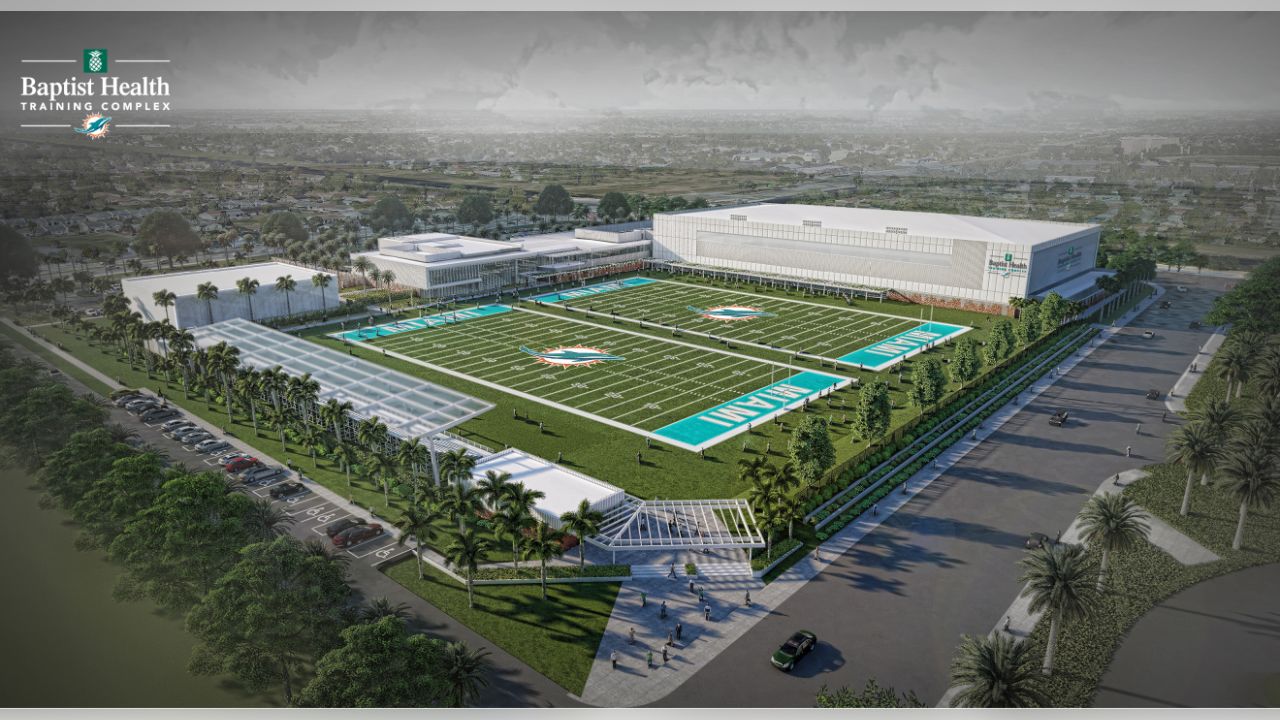
The Dolphins recently broke ground on the $135 million state-of-the-art training complex and sports performance clinic in Miami Gardens. The facility, named Baptist Health Training Complex, is part of a multiyear partnership with Baptist Health that is projected to open in spring 2021. 

“The Baptist Health Training Complex will be a state-of-the-art football facility with Baptist Health providing a world-class sports performance clinic available to the public so people can have access to the same care the players get,” Miami Dolphins Chief Executive Officer Tom Garfinkel said in a written statement.

The 125,000-square-foot training facility and 92,200-square foot indoor field will be significantly larger than the team’s current facility. The complex will also house an innovation hub, a state-of-the-art hydrotherapy area, a dedicated recovery area that includes cryotherapy and isolation tanks, an athletic training room with an expansive rehabilitation space, meeting rooms, an outdoor practice area with two full natural-grass fields, full indoor practice facility and other amenities. 

Another significant announcement by the Dolphins and its FOOTBALL UNITES™ program was the partnership with Miami-Dade County Public Schools (M-DCPS) through Values Matter Miami, which promotes education and values among the city’s students. According to an official announcement, starting in September, the Dolphins will recognize a student each month who best exemplifies a specific value.

“The Miami Dolphins are proud to strengthen our relationship with M-DCPS by supporting the Values Matter Miami Program to directly impact the students of Miami-Dade County,” Jason Jenkins, Miami Dolphins’ senior vice president of communications and community affairs, said in a written statement about the partnership. 

These initiatives are part of the Dolphins goal to inspire a healthier, more educated and united South Florida community. 

To learn more about our interviewees, visit:

Miami Dolphins: https://www.miamidolphins.com/ 

Baptist Health: https://baptisthealth.net/en/pages/home.aspx 

Miami-Dade County Public Schools: http://www.dadeschools.net/ 

Values Matter Miami: http://osi.dadeschools.net/valuesmatter/

Philly Life Science Leaders Boosting Infrastructure, Partnerships

by Yolanda Rivas


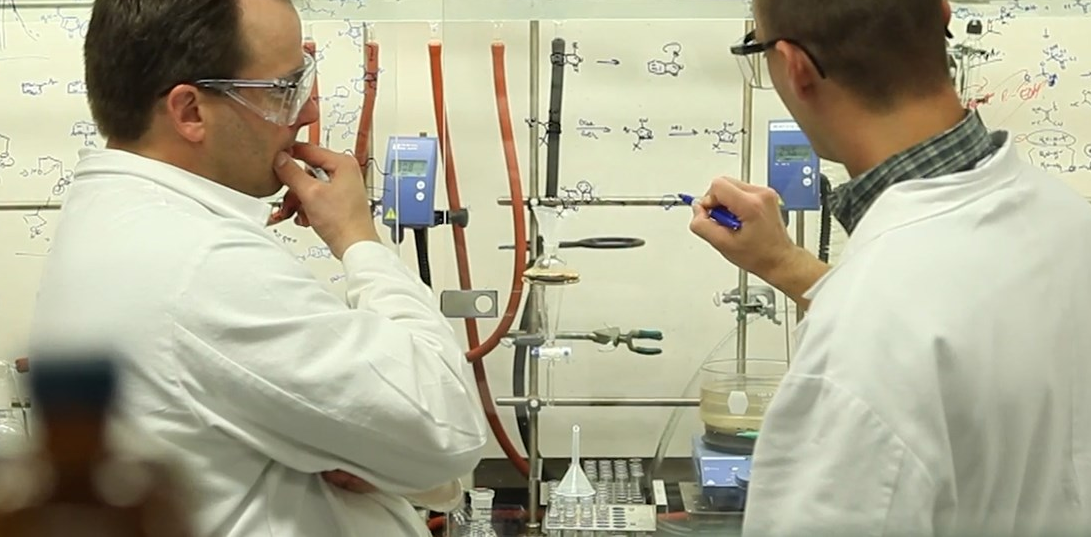
2 min read July 2019 — With more than 800 related companies and a rich network of health and education systems, the life sciences sector in Greater Philadelphia is growing at a steady pace. All the activity is driving local organizations to develop new infrastructure and local partnerships to cater the burgeoning segment. One prime example: uCity Square 

“There’s nothing like it right now in the Philadelphia region,” Steve Zarrilli, president and CEO of the University City Science Center, told Invest:. A community for entrepreneurs and innovators, uCity Square is an example of the recent efforts to connect businesses, residents, institutions and innovators to form a growing hub in Philadelphia.“Spark Therapeutics and Invisible Sentinel are two of the companies located in University City, and we recently announced that Amicus Therapeutics is creating one of its research centers here as well. These and other companies at uCity Square will play a significant role in the growth of Philadelphia’s life sciences sector,” Zarilli said. 

More than 80 percent of all companies in the life sciences industry have a presence in the Greater Philadelphia region. As stated in Invest: Philadelphia 2019, health-focused sectors provided an economic impact of $88.5 billion for Pennsylvania in 2016 and an economic output of $24.6 billion total between 2011 and 2016 for the Greater Philadelphia region.

Numerous research, biotech and medical devices organizations contribute to the role of life sciences as a key player in Philadelphia’s economy. The pharmaceutical company GlaxoSmithKline (GSK) is an example of that impact, with more than 3,400 people employed at its Upper Providence research and development facility. According to GSK Vice President of Medicine Opportunities Research Unit David Payne, the site is the company’s hub for pharmaceutical R&D in the United States, and represents 40% of its global pharmaceutical R&D workforce. 

As part of its efforts to contribute to the local life sciences sector, GSK continues to look for partnerships and alliances. “We want our U.S. R&D hub at Upper Providence to be a magnet for talented scientists, researchers and physicians. This is a great research center for innovators to build their careers. Every function required in the ‘molecule to medicine’ journey is represented at our hub, providing opportunities for employees to broaden their R&D knowledge and enable career progression and diversification,” Payne said.

Besides the demand for qualified professionals, there is also a need for infrastructure development to support the region’s scientists, entrepreneurs and life sciences companies. As Zarrilli explains, the Science Center’s goal is “to build an additional 3 million square feet of office, lab, residential and retail space over the next seven to 10 years, to further define the leading-edge community we envision at uCity Square. We will do our part to help make Philadelphia a leader in gene therapy and other areas of life sciences.”

As the growth in Philadelphia’s life sciences sector continues, it will impact different areas and draw more entrepreneurs and companies to the region. According to Zarrilli, the advances in the life sciences arena, especially in therapeutics, will lead to additional advancement in areas such as medical devices and digital health. “Life sciences is clearly the strongest area of innovation in Philadelphia, but it will spawn activity in other areas that are complementary.”  

To learn more about our interviewees, visit their websites:

University City Science Center: https://sciencecenter.org/ 

GlaxoSmithKline: https://us.gsk.com/en-us/ 

uCity Square: https://ucitysquare.com/