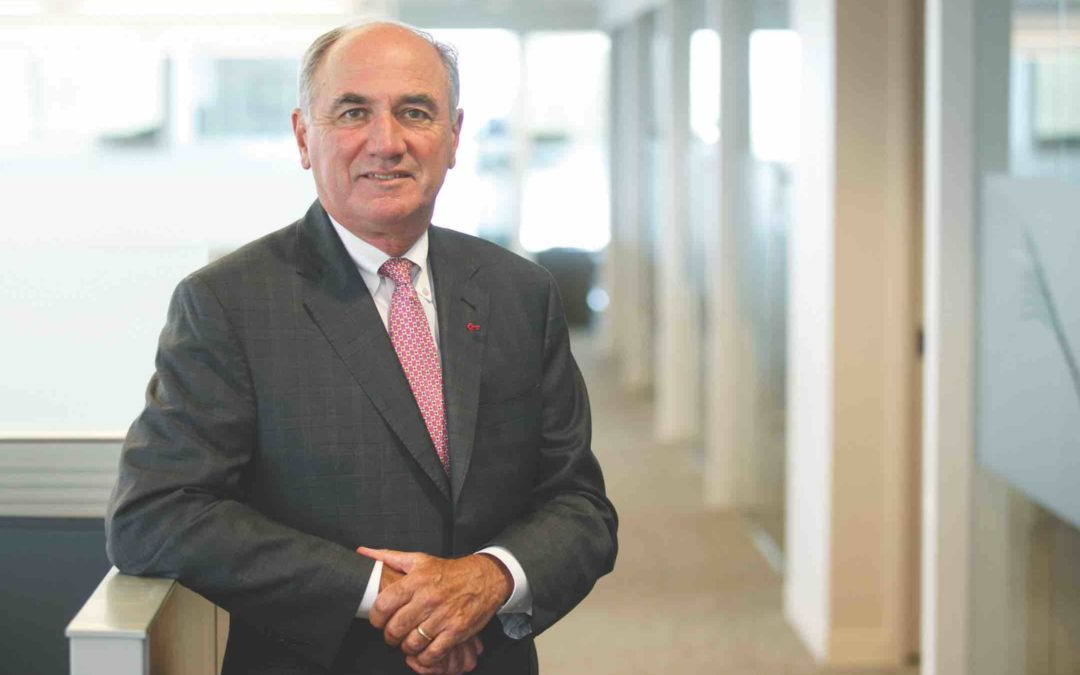
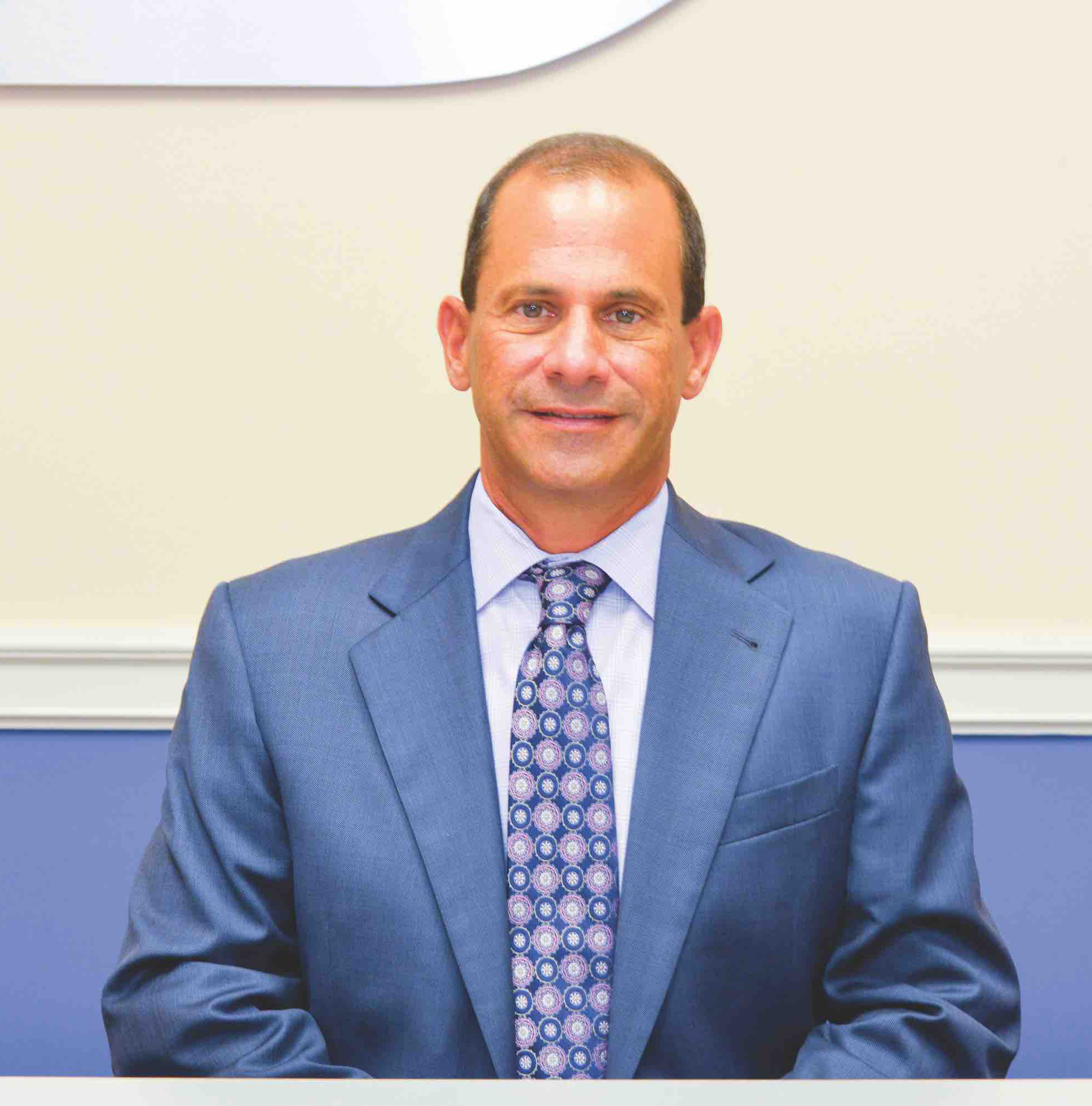
Spotlight On: Gregory Sorensen, Executive Vice President and Chief Medical Officer, Tower Health

By: Max Crampton-Thomas

2 min read April 2020 — Tower Health is a regional, integrated healthcare provider/payer system that oversees six acute care hospitals and other entities serving 2.5 million people. Executive Vice President and Chief Medical Officer Gregory Sorensen told Invest: what Tower is doing to handle the influx of COVID-19 patients, the community’s role in fighting the virus and his message to the community.

What accommodations is your hospital making to handle the influx of patients due to the COVID-19 outbreak? 

We monitor our bed capacity hourly. The elimination of elective surgeries and the general decline in routine demand for care has reduced normal bed demand and is freeing up beds for possible use by COVID-19 patients. We will also coordinate bed capacity among Tower hospitals.

How is your hospital working to ensure that patients and healthcare professionals alike are maintaining a safe environment?

Safety for our employees and patients is our top priority. Like other healthcare providers, Tower Health is working very hard to manage and conserve our supplies of masks, eye protection, disinfecting wipes, gowns, and other materials related to controlling the spread of COVID-19. Our normal production sources and distribution channels have been interrupted, just as they have for every hospital in the country. While our inventories are not at normal levels, with careful management we believe we can meet current needs. We are working to acquire additional supply. We are implementing a number of strategies, including sharing supplies across Tower Health facilities; gathering supplies from shuttered outpatient clinical areas and getting them to the hospitals; and identifying alternative sources for supplies. 

How can the community best assist local healthcare providers in this time of need?

We have been gratified by the many offers from area businesses, organizations, and individuals to donate supplies and we are accepting contributions of specific items. More information is available on our web site.

What would your message be to the local community that is sheltering in place and waiting for a return to normalcy?

We encourage all members of the public to adhere to the guidance of the governor and the PA Department of Health on sheltering at home, practicing social distancing and practicing infection prevention. These steps will reduce the spread of COVID-19, which protects the community and helps ensure the safety of our healthcare team and the patients relying on us for care. Our team at Tower Health is committed and prepared to care for our communities through this pandemic. The public can contribute meaningfully to this effort by remaining at home to prevent the spread of the virus.  

Do you feel you are receiving enough state and federal support for items you are in need of? What can these entities be doing better? 

Our public health officials at the local, state and federal levels are working hard to keep the public safe during an unprecedented situation. We support their efforts and are grateful for their dedication, perseverance and leadership. 

To learn more about our interviewee, visit: 

https://www.towerhealth.org/

Spotlight On: Dixieanne James, President & COO, Einstein Medical Center Philadelphia

Spotlight On: Dixieanne James, President & COO, Einstein Medical Center Philadelphia

By: Felipe Rivas

2 min read April 2020 — Einstein Medical Center Philadelphia is part of the Albert Einstein Healthcare Network, a nonprofit organization operating in the state of Pennsylvania. President and COO Dixieanne James discussed Einstein’s actions during the COVID-19 pandemic, including the network’s effort to ensure a safe environment and what the community can do to help during this time of crisis.


What accommodations is Einstein making to handle the influx of patients due to the COVID-19 outbreak?

Einstein activated our Incident Command Center very early in this outbreak and worked quickly to develop protocols around patient care, procurement of personal protective equipment and employee health among many others. During our work related to COVID-19, we have designated COVID-19-specific care units; developed detailed surge plans that include identifying and converting procedural areas into inpatient acute capacity, including short procedure units (SPU), post-anesthesia recovery area (PACU, Cath lab, endoscopy), cross training and redeploying staffing, including nursing, physicians and clinical technicians, and emergency department rapid assessment plans with additional surge tent capacity; installation of several additional negative pressure rooms; advanced renting and purchasing of additional equipment, including beds, monitors and ventilators; expanding to the extent possible PPE inventory (gloves, gowns, masks); and investing in new equipment and infrastructure to perform in-hospital COVID-19 l testing capacities.

How is the network working to ensure that patients and healthcare professionals alike are maintaining a safe environment?

We have established several policies to help ensure the safest environment possible for our staff and patients. These include: no visitor policy; all employee facemask policy with continually evolving guidelines; daily temperature screening for all visitors and staff; employee and patient COVID-19 testing in our practices; ongoing and real-time adjustment to practice/care recommendations based on guidance and safety updates from CDC and DOH; and additional cleaning, disinfecting and wipe downs in high traffic areas. 

How can the community best assist local healthcare providers in this time of need?

First, we ask that everyone stay home and stay healthy. Social distancing is critically important to help bend the curve.  We also encourage everyone to donate PPE when possible and look for opportunities to give blood through the Red Cross.

What is your message to the local community that is sheltering in place and waiting for things to return to normalcy?

We all have a big part to play.  The community’s part is to continue to stay home while our caregivers work each day to provide care to those in need. If we all do our part, we’ll get through this together and normalcy will return. We are incredibly resilient but it’s important that we wait until we can safely return things to normal. 

To learn more about our interviewee, visit: 

https://www.einstein.edu/

Maintaining unity and creating value through virtual meetings

Maintaining unity and creating value through virtual meetings

By: Felipe Rivas

2 min read April 2020The novel coronavirus forced a global halt to major international, regional and local events. From the NBA season to networking conferences, all gatherings of any size stopped abruptly in an effort to flatten the curve and prevent COVID-19, the disease caused by the coronavirus, from spreading further. However, as the population at large becomes accustomed to social distancing, stay at home orders and self quarantining, many events went from a hard stop to full speed ahead virtually. As the business community adjusts to the challenges of the disruption caused by the coronavirus, many institutions are building value and maintaining relationships by maximizing the use of webinars, online classes, video conferences and even virtual happy hours. 


In Philadelphia, World Trade Center of Greater Philadelphia, an organization dedicated to accelerating global business growth for companies in Southeastern Pennsylvania and South New Jersey, has turned to virtual meetings to stay connected with its members. “We understand how important it is to remain connected with our members and client companies during this challenging time,” Spokeswoman Graziella DiNuzzo told Invest: Philadelphia. “Like many other organizations, we are using Zoom meetings.” The center has maintained rapport with its members as it made the transition to work remotely. “We are handling this transition quite smoothly. We are a staff of seven professionals and have always maintained close contact with our clients via phone and email and working remotely doesn’t slow us down,” DiNuzzo said. 

Bringing members together in this time of uncertainty is among the center’s main goals. “Our member-company meeting is our “Member Conversations,” which we started last year as a way to bring our members together, informally, in our conference room to meet each other, talk and share stories,” DiNuzzo said. “This will be the first time, obviously, that we will hold our Member Conversations virtually and we are looking forward to it. The bottom line is that we have to continue to communicate and support each other during this time. We are all eager to get back to business as usual and we don’t know what that will look like. We are hopeful that it will be a rebirth of ideas and opportunities.”

The video conference platform, Zoom, has quickly become ubiquitous across the virtual events space. Across economic sectors, different institutions are taking advantage of Zoom and similar platforms. To host a successful virtual event, event planners must decide between hosting a virtual meeting or a webinar. “If you expect attendees to mostly just listen,” the best option is a webinar, Zoom advises as part of its digital event best practices. “When you need more back and forth between the audience and the host,” planners should choose a virtual meeting, the platform advises. 

Once the type of digital event has been narrowed down, hosts should hardwire the internet connection to prevent any Wi-Fi-related hiccups or virtual lag. In terms of audio, hosts should test speakers and audio prior to the meeting and minimize any background noise, according to Zoom. Additionally, hosts should dress to impress and make sure to start the virtual event on time. It is important to set the tone of the event and encourage Q&A’s during the virtual meeting or webinar. As a best practice, Zoom recommends the use of the Chat function to keep track of questions and comments. For larger webinars, Zoom offers a PayPal integration to charge the registration fees seamlessly. 

For the time being, social distancing will be part of the mainstream business landscape until at least May. However, many institutions are adjusting and pivoting more and more to the virtual hosting model to build value, share information and regain a sense of community in a time where residents are being asked to self-isolate as much as possible.  

To learn more visit: https://blog.zoom.us/wordpress/2020/03/04/best-practices-for-hosting-a-digital-event/

 https://www.wtcphila.org/covid-19-resources.html 

New inventory, worldwide recognition to expand Philly’s hospitality in 2020

New inventory, worldwide recognition to expand Philly’s hospitality in 2020

By: Yolanda Rivas

2 min read January 2020 — Philadelphia’s hospitality industry welcomed a variety of hotels and restaurants in 2019, and the new year will see that growth continue. The city’s expanding and diversifying hotel inventory is a trend that even industry leaders are keeping an eye on.

“We are closely monitoring the impact of additional supply entering the market in 2020, and continue to ensure we are providing our guests with a unique and personal experience that helps to create the loyalty we know will keep our valued guests staying with us year after year, as the options in our city continue to expand,” Michael Roberts, area general manager at The Windsor Suites Philadelphia told Invest:.

Philadelphia’s growing business community has presented a variety of opportunities for the city’s hospitality sector. According to Visit Philadelphia President and CEO Jeff Guaracino, cities around the world are looking at private and public investments made in Philadelphia and how they’ve positively impacted the city’s tourism ecosystem.

“Recently, we’ve seen enhancements to the city’s historical, cultural and dining options, the Pennsylvania Convention Center and to our stadiums in South Philadelphia. These are just a few examples, but they show us how appealing our city’s product is when viewed holistically,” Guaracino said in an interview with Invest:

Another fact that can have a positive impact in the City of Brotherly Love’s hospitality sector is its recognition as one of the top destinations to visit in 2020 by National Geographic. Philadelphia was one of only two U.S. destinations (alongside the Grand Canyon) among the 25 must-see destinations and travel experiences in this year’s list of the Best Trips to take. “We’re thrilled that Philadelphia is featured so prominently and beautifully in this influential publication that we know drives travel decisions,” said Visit Philadelphia’s Guaracino in a written statement. 

In 2018, the Greater Philadelphia region marked its ninth consecutive year of record visitation and the highest number of passengers through Philadelphia International Airport since 2008, according to Guaracino. 

“The city is fairly evenly split in thirds between corporate, leisure and group business. We value each, and are always working to develop each segment. The type of traveler segment that is most prevalent does vary throughout the year. We experience the same variations in the business cycle,” said Roberts. 

Philadelphia’s new hotel inventory for 2020 includes: 

  • Canopy by Hilton Philadelphia Center City opening in May 2020
  • W Hotel opening June 2020
  • Element Hotel Philadelphia opening June 2020
  • The Hyatt Centric Hotel opening June 2020
  • River House at Odette’s opening June 2020
  • Live! Casino & Hotel Philadelphia opening December 2020


To learn more about our interviewees, visit:

The Windsor Suites Philadelphia: https://www.thewindsorsuites.com/ 

Visit Philadelphia: https://www.visitphilly.com/ 


Spotlight On: Joseph Culley, Head of Capital Markets Group, Janney Montgomery Scott LLC

Spotlight On: Joseph Culley, Head of Capital Markets Group, Janney Montgomery Scott LLC

By: Yolanda Rivas

2 min read January 2020 — An increase in high-net-worth investors, financial professionals moving back to the city and changes to organizational structures are some of the trends financial institutions are experiencing in Philadelphia. Janney Montgomery Scott LLC Head of Capital Markets Group Joseph Culley shared with Invest: some of the adjustments it has implemented amid the change in demographics and advances in technology.

What are some trends in Philadelphia’s financial sector?


We are starting to see more finance professionals leave cities like New York when they are at the age to start a family and coming back to Philadelphia. Although young talent retention has been a challenge, Philadelphians who moved to other cities after they graduated college are relocating back to the area. Our education system, arts and culture, transportation system, housing affordability and diverse environment are some of the drivers for residents.


What impact is technology having on banking?


The pace of change is happening more rapidly due to the disruption of technology in financial services. We have invested significantly in our technology platform and recently hired some of our first data scientists. Our company culture is starting to feel less like an investment firm and more like a technology firm. While we provide our client base with human experience and advice beyond investments, we are focusing on offering them more technological, mobile-friendly and artificial intelligence types of innovations and solutions.


What is the investment profile in Philadelphia?


We have seen an increase in high-net-worth investors coming to Philadelphia. We have significantly addressed the need we had for higher-end, condo-type properties that we lacked for years, and with that has come more international investment and out of state investment. One of our newer initiatives is focused on investment education and ways to provide more basic, fundamental knowledge about saving for retirement and investing.


What are some of the challenges facing financial institutions in today’s landscape?


The change in demographics is one of the challenges we are facing. Based on our internal projections, our workforce will be majority millennials within six years. That creates numerous opportunities for a firm like us to modernize and adjust. We recently made changes to our employee benefits, parental leave and dress code policies, based on feedback from our employee population. Organizational development and diversity and inclusion are some of the other areas we have been investing in due to these demographic and generational changes.


To learn more about our interviewee, visit:

Janney Montgomery Scott LLC: https://www.janney.com/ 


Spotlight On: Daniel J. Hilferty, CEO, Independence Health Group

Spotlight On: Daniel J. Hilferty, CEO, Independence Health Group

By: Yolanda Rivas

2 min read December 2019 — The business community is responsible in a great way for the environment and success of any city. That is the case of leading health insurance company in the Philadelphia region Independence Blue Cross, which for decades has provided families with health security and stability. Under CEO Daniel Hilferty’s leadership, the company has tripled in size, serving about 8 million people nationwide. Hilferty shared with the Invest: team the company’s recent efforts toward innovation, while also addressing community challenges like the opioid crisis and healthcare affordability. 


 How is innovation transforming the way healthcare is designed, delivered and experienced? 

At Independence, innovation is in our DNA. Our members expect us to keep pace with the latest technologies and innovations. We also want to drive new ways of thinking throughout the region, which ultimately make this a better place to live, work, and play. We are very proud of our role in creating an innovative environment in the Philadelphia area. 

Here’s an example: We foster the innovation process by leading organizations, including our customers, through design thinking sessions, innovation events, and projects that promote out-of-the-box solutions. Now, all this work will take place in the new, state-of-the-art Center for Innovation located at our Center City headquarters on the West Market Street corridor, where our campus is located. The Center for Innovation is a phenomenal two-story space connected by an open staircase that has a very modern feel to it. This amazing physical space matches the strategic focus that we have always put on innovation.

Independence also develops partnerships to create solutions to some of the toughest healthcare challenges. For instance, the technology developed by Quil, our joint venture with Comcast, will change the way that people use technology in their journey to good health. Think about how confusing it can be to go through a medical procedure. What do you do before you go to the hospital? Or when you’re home recovering? Quil is going to lead you through those types of journeys and create a better, and healthier, experience.  

Independence also uses technology, research, and data analytics to help our members get and stay healthy. Take our work with Relay Network, also a national company based in the Philadelphia region. Together, we developed a personalized, HIPAA-compliant mobile communication program called IBXWire. It’s a great way to connect with our members. We send reminders about care gaps and flu shots and the type of information that is important but maybe isn’t at the front of your mind. By using this platform, Independence has created an effective way of communicating that helps members retain control and make better decisions about their healthcare. 

Finally, we celebrate and foster the spirit of innovation in our region. The most recent example is our support of the first ever B. PHL Innovation Festival that took place in October 2019. The festival was designed to build Philadelphia’s reputation as the most innovative city on the East Coast – a true place of choice for people looking to inspire new ideas, make connections, and ignite new ways of doing things.

How is Independence continuing to address crises, such as opioids, and how is it impacting the way that insurance companies do business?

Opioid abuse is the worst drug crisis in American history. At Independence, we are keenly focused on doing whatever we can to reverse this tragedy. Independence was one of the first insurers in the country to restrict first-time, low-dose opioid prescriptions to a five-day limit, except for patients with cancer or on hospice care. We also require prior authorization on all long-acting opioids. And it’s having an impact. We have seen an almost 60 percent decrease in the strength and quantity of opioids used by members with noncancer pain in four years.

We’ve also partnered with other experts to raise awareness and remove barriers, like the stigma of addiction. The Independence Blue Cross Foundation launched an effective public awareness campaign called Someone You Know that features people impacted by the opioid crisis telling their stories. We’re in our second year. Our Independence Foundation has also worked on a regional study to evaluate the effectiveness of “warm hand-off” programs that connect overdose survivors immediately with recovery programs.  


We’ve also worked closely with local, state and national leaders to elevate the importance of this epidemic. We have a moral imperative to end this crisis. People who are suffering are not faceless. They are our family, friends, business colleagues, neighbors. It’s personal.

What are some of the unique challenges and opportunities provided by the Philadelphia healthcare landscape?

People in the Philadelphia area are extremely fortunate to have access to some of the best hospitals and health systems in the country. At Independence, we have a long history of effectively working with area hospitals, doctors, and other healthcare providers, and that collaboration is only getting stronger.

But we have a lot of work to do. A study by the Kaiser Family Foundation found that Pennsylvanians were more likely to report skipping or delaying healthcare, including skipping dental care or check-ups, not filling a prescription, or relying on home remedies and over the counter drugs instead of visiting the doctor, due to cost, compared to other states. The Blue Cross Blue Shield Association identified 10 common health conditions, including hypertension, major depression and high cholesterol, that have the greatest impact on Americans’ quality of life. We need to work to address these fundamental and chronic health problems.   

We can also do better when it comes to containing costs. According to the Pennsylvania Department of Health, our state faces higher healthcare costs without demonstrating higher quality of care than the rest of the United States. 


Healthcare must be affordable. We have to lower the overall cost of care, especially when it comes to prescription drugs. More than 23 percent of every healthcare premium dollar is spent on prescription drugs. To keep prices in check we need increased transparency, competition and consumer choice, and affordable access to generic and biosimilar drugs in a timely and cost-conscious manner. Drug costs are the fastest-growing costs in healthcare, led by injectable drugs. 


To learn more about our interviewee, visit:

IBX: https://www.ibx.com/ 


Philly Zoo Embraces the Festive Spirit with LumiNature

Philly Zoo Embraces the Festive Spirit with LumiNature

By: Sara Warden 

2 min read December 2019 — During the Christmas season, electricity usage skyrockets as homes, businesses and local authorities light up the streets with Christmas displays and twinkling lights sure to make even the coldest hearts feel festive. This year, Philadelphia Zoo is getting in on the action with its inaugural LumiNature festival. 


After two years of planning and a $3.5 million investment, LumiNature will take place from Nov. 20 to Jan. 5, featuring 12 immersive displays containing over 600,000 lights inside the zoo’s boundaries. “LumiNature will transform the Zoo from its daytime magic into a winter wonderland, immersing guests in a joyous multimedia light and music spectacular,” said Philadelphia Zoo’s Chief Marketing Officer Amy Shearer in a press release. “We will shine a light on the world’s elusive big cats and flamboyant peacocks, …all through the artistry of lights, media, sound and nature itself.”

Tickets start from a very affordable $19 for the night tour of the zoo while the animals slumber, where guests can see, among other displays, “lit flamingos … on their own 25-foot tree, a 35-foot polar bear made out of 23,000 pounds of recycled car doors … and all four seasons,” according to Shearer. The event, presented by JP Morgan Chase, promises 200 festively lit penguins, 45 completely custom LED light structures and a 21-foot snake. “LumiNature is set to be the most unique and memorable holiday-season light extravaganza in the entire Philadelphia and tri-state region,” added Shearer.

The intention is for LumiNature to be an unmissable family experience each year at Christmas. The event is also expected to attract visitors from out-of-town, just to see the fantastical light and sound show. Hilton hotels partnered with the event to offer Hilton Honours Members a special gift when attending LumiNature.

Hot chocolate and mulled wine will be on offer to guests as they stroll through the zoo, admiring the 12 difference displays. Here’s what the event organizers say guests should expect:

  • Wonder of Slumber: A beautiful and dreamy setting of lit orbs and giant illuminated flowers.
  • The Dreamery: A wishing well of sorts with a wave of the hand, bubbles, lights, and steam.
  • Snake Awake: Slither through brilliant purples, blues and greens as a giant snake slithers along beside you…
  • Frog Fantastical: Color washes throughout the trees and water-like images appear on the path before you.
  • Color me Chameleon: A kaleidoscope of color fills this festive plaza inviting guests to shop for their favorite light up items at the Zoo’s very first glow bar.
  • Big Cat Stalk: As you meander through this path of tall illuminated ‘grass’, the stalking eyes of these frisky felines will appear and disappear making you wonder if you are what they are dreaming of.
  • Evergreen Dreams: Situated in this lovely outdoor hang out are some surprising trees that come to life as they sing and welcome you to LumiNature.
  • Seasonbration: Spring, Summer, Winter and Fall all have a point of view that comes to life via lights, music, and special effects.
  • Northern Lights: A 35-foot polar bear named Polaris made entirely from white recycled car doors transforms into a gigantic screen that shares the magnificence and diversity of our planet. 
  • Flamingo Fancy: Guests will be surprised as they walk along brilliantly lit 8-foot pink “flamingos” when they encounter the most whimsical tree within LumiNature: a 25-foot beauty made entirely of lit flamingo lawn ornaments!
  • Peacock Spectacular: Standing before giant, lit peacock feathers, people can get the most unique holiday picture of the season. 
  • Penguin Peace on Earth: Hundreds of illuminated penguins will fill the zoo’s lawn to bid guests farewell and wish them a very special holiday season in true zoo fashion.


To find out more, visit:


https://philadelphiazoo.org/luminature/

Spotlight On: Robert Kane, Market President, KeyBank

Spotlight On: Robert Kane, Market President, KeyBank

By: Yolanda Rivas

2 min read December 2019 — Philadelphia’s growing economy and robust education and life sciences sectors have been some of the main drivers of small businesses to the area. As reported in our Invest: Philadelphia 2020, many banks are seeing growth in small-business lending and services. KeyBank Market President Robert Kane, spoke to the Invest: Philadelphia team about the ways the institution supports the region’s small businesses and other services in high demand. 

How have you seen the small-business community grow in Philadelphia over the last few years and how is the bank supporting these businesses?


Philadelphia has long been home to successful small businesses, but in recent years the collaboration between the public, private and nonprofit sectors is spurring a new level of growth. Companies are creating quality jobs that are attracting a new generation of talented workers to the region. It is very exciting. As a bank, our most direct link to supporting these businesses is to provide them with the solutions they need to identify and realize their goals. From accounts to lending, payments, workplace solutions and more, we help small businesses thrive. For example, KeyBank is 13th among more than 1,800 SBA Lenders nationally. In the last five years, we have loaned more than $1.13 billion to small businesses across our footprint. We also created an award-winning, AI-enabled tool that provides clients with customized attention and allows a deeper understanding of their needs: the top challenges they face, sales and payment trends and entrepreneurial motivation. In 2019, the biggest challenges small-business owners face are improving cash flow, reducing operating costs, improving financial wellness, balancing growth with quality and hiring and retaining talented employees. We have a number of products to aid in meeting these challenges, including Key@Work, which is a comprehensive, no-cost employee financial wellness program. We also have a program, Key4Women, that supports the financial progress of women in business. It’s a great program, offering mentorship opportunities, access to capital and professional development. 

Which of your services is seeing the most growth in Philly and what opportunities does this present?

We’re seeing the most growth in commercial lending, which serves the needs of companies with $10 million to $250 in annual sales. In 2018, we had growth just short of 16 percent. Our differentiator in the market is we are both a commercial and investment bank. Years ago, you had commercial banks and investment banks. They were separate entities. This is important because when a company decides they want to sell, they typically need to hire an investment banker. KeyBank can provide our commercial clients with access to investment bankers as well as industry experts. It really helps us build deeper relationships. In the greater Philadelphia region, we have a few companies under mandate with KeyBanc Capital Markets to be the companies’ investment banker as part of the sale process. What that does is helps KeyBank become more of a trusted financial adviser to their commercial borrower. If the commercial borrower is going to be sold, we can also introduce our wealth management team to the entrepreneur for advice on his or her estate plan and investment strategy for the proceeds from the sale of the company. All of this results in KeyBank acting as the lender, the investment banker and the wealth manager. Clients value deep relationships. Our model provides that, and we’re experiencing great growth as a result. Last year was our strongest year yet, and 2019 looks equally promising.

What is your outlook for the industry in Philly over the next 18 months?

The outlook for the region is good and overall the economy is very healthy. Manufacturing, industrial technology, healthcare, sustainability—each of these areas and many others are poised for continued growth. At KeyBank, our goal is to grow as well. My job is to expose the bank even further in the marketplace. 2017 was a year of complete consolidation for us. 2018 was a transitional year that got things moving in the right direction and created momentum. 2019 is our year to hire the right people and continue to expand the products we have and begin winning in the market. We want to compete with the Top 5 banks in the region. It’s a very competitive marketplace, and we currently rank 10th. We’re actively trying to grow households and add new clients. This will further grow our loan base. These are the most important factors to our outlook for the future.


To learn more about our interviewees, visit:

KeyBank: https://www.key.com/personal/index.jsp

Spotlight On: Scott Zuckerman, Principal, Domus Construction

By: Yolanda Rivas

2 min read November 2019 — Philadelphia-area general contractor Domus was established in 1976. The company has now become a $100-million construction firm with expertise in managing housing, restaurants, retail/commercial and academic construction projects. Domus Construction Principal Scott Zuckerman spoke with Invest: about the company’s diversity of place, construction trends and more. 

What are some highlights for Domus Construction in the past year?


One of our most recent projects is the Dwell at 2nd Street, which is expected to be completed by December 2019. The project will include 198 apartments with a variety of amenities including onsite parking, a swimming pool and a dog park. One hundred and twenty of the units will be modular, which is a concept that seems to be getting more of a push in Philadelphia because of increasing construction costs. 


What key trends have you observed in the sector?

Modular construction and smaller, efficiency-style apartments are trends we’ll continue to see in Philly. Domus introduced live streaming construction in 2019, beginning with our Dwell at 2nd Street project. It’s a good marketing tool because 120 units out of 198 are modular and a lot of people are very interested in seeing the process of installing them in real time. The modular process is also friendly to the environment since it provides more ways to control waste.


What actions are you taking to ensure diversity in the workplace?

Domus has a strong and long history of diversity. We actively participate in community outreach and advertising to increase minority participation for all our projects regardless if it’s a requirement. Minorities comprise between 30 and 40 percent of the workforce on our jobs.


What is your outlook for 2020?

The outlook for Philadelphia’s construction sector seems very positive. We’re booked up until the end of 2020. There are new hotels that are rising around the city of Philadelphia, which seems to be a big trend. Most professionals and companies in the sector seem to be busy, which is a great indicator.


To learn more about our interviewee, visit:

Domus Construction: http://www.domusinc.net/