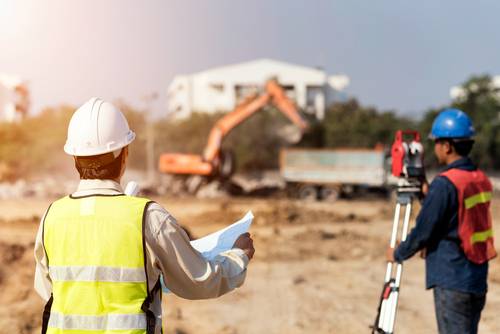
Face Off: Broward’s Construction Boom

Face Off: Broward’s Construction Boom

By Max Crampton-Thomas
 

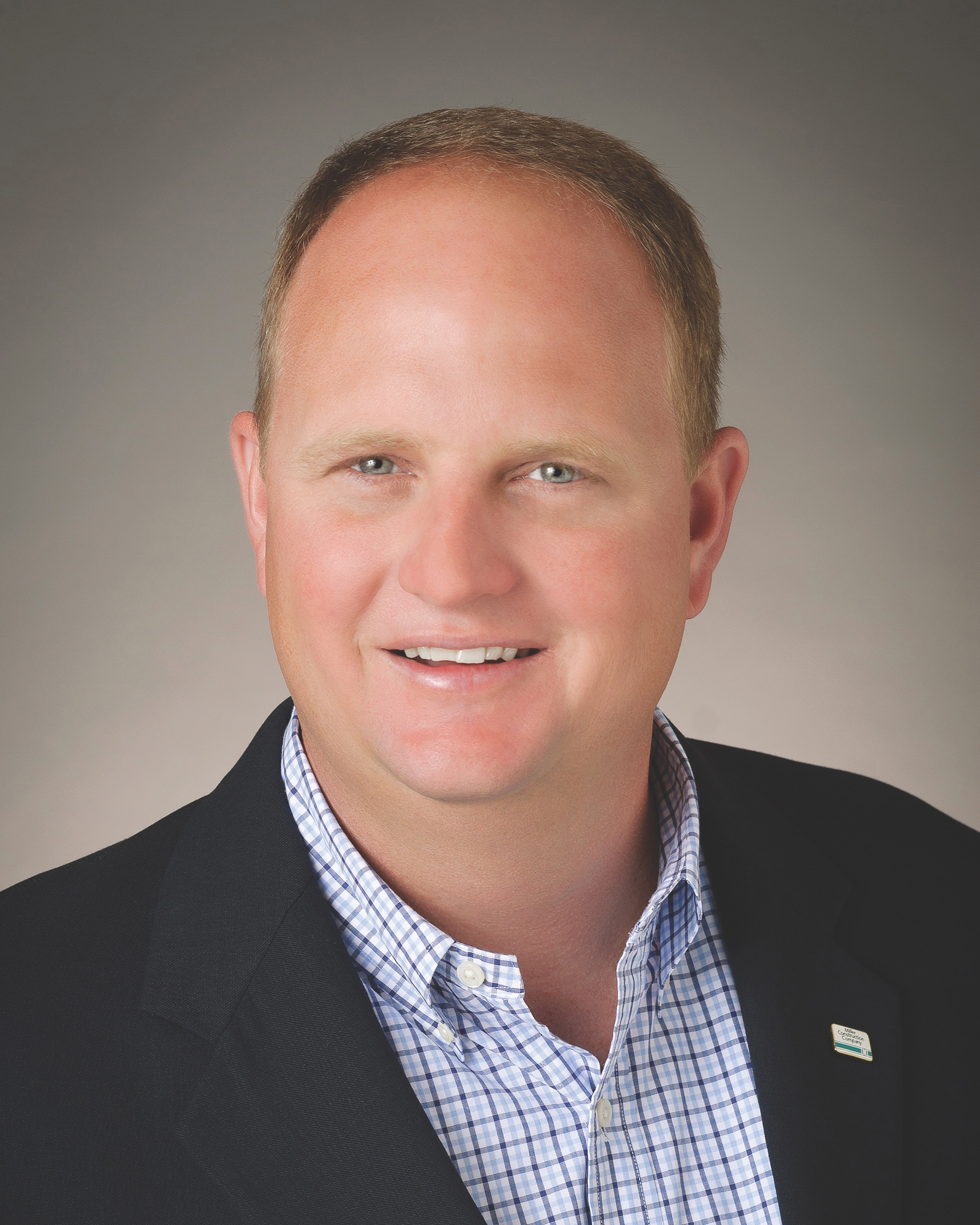
4 min read September 2019 It seems like more cranes are dotting the downtown Fort Lauderdale skyline every week as new developments emerge from the ground at a record rate. Invest: Greater Fort Lauderdale recently had the opportunity to speak with two of the leading constructors in South Florida, Ryan Romanchuk, the Fort Lauderdale business unit leader for DPR Construction, and Brian Sudduth, the president of Miller Construction. The wide-ranging conversations touched on trends in the sector and how their companies are adapting to these, along with the challenges the industry faces.

What emerging trends are impacting the construction industry and how are you adapting to these?

Ryan Romanchuk: There is a strong movement toward prefabrication similar to what we’ve seen in other parts of the world outside of the United States. It is a movement to become smarter as an industry as our labor costs go up and we move more into a manufacturing environment. We are looking for different components that we can prefabricate off-site, which in turn helps to limit the amount of manpower needed on-site, making our project safer and resulting in a higher quality product. One of the constraints of prefabrication is that it requires a certain level of repeatability to make economic sense for a project. However, as our technological tools get more sophisticated we are going to start to push toward digital fabrication. It’s the idea that every project can be unique but still be prefabricated based on building it virtually first.

Brian Sudduth: Office space construction has been slower over the past several years, but we are now starting to see more opportunities for development and redevelopment of office space. The need for construction in hospitality has continued to offer opportunities, and there is still heavy demand for our services in the industrial market. The residential, multifamily market is slowing down, but we have not typically participated in these sectors. I think this is part of the reason why we are seeing opportunities for Miller Construction growing and why 2020 will be just as good if not better for our business.

What is an ongoing challenge the construction industry faces?

Romanchuk: We are working to incorporate data-driven decision-making into all aspects of the business and really moving toward predictive analytics. Every construction project produces so much data but at the same time every project is so unique, which makes it challenging to harness the data produced. Our ability to harness our data as an industry will make us more predictable and at the end of the day that is what most if not all our clients want: predictable outcomes.

Sudduth: The challenge of finding labor in construction is not limited to just identifying people for management roles; it is also finding quality craftsmen to work on these jobs. There are more opportunities than available workers in the marketplace. People leaving Florida and leaving the industry all together during the recession was one factor, but we also have a skills gap because for the last decade, high-school students were encouraged to go to college rather than consider vocational training for things like electrical, plumbing and welding. Those programs are finally seeing a resurgence, but that gap has had an effect on available labor.

What are the factors that contribute to the longevity of your company?

Romanchuk: DPR is and always has been a self-performing general contractor. It really centers around the belief that we are builders at heart and our central belief as a company to respect the individual. This is why we don’t believe in “piece work” and believe in a fair and honest hourly wage and benefits such as health, 401K and paid care leave for all our craft employees.  We have had high levels of retention and are investing in training our employees to make sure they continue to grow their skillset and have upward mobility within DPR. Being a self-performing contractor requires additional resources, time and capital, but we control our own destiny, carry forward respect for the individual and can be part of our industry working to solve the labor gap. 

Sudduth: The longevity of our company is attributed to our business model of always putting our clients first. We never try to chase a revenue number or a product type. Instead, we focus our efforts on quality clients, and through the years we have done a good job of selecting clients that are looking for a long-lasting partnership. We always look out for their best interests, and in return people appreciate that and come back to us whenever they have new projects. We have never been a company that tries to be the biggest. Our goal has always been to be the best construction company.

To learn more about our interviewees, visit:

https://www.millerconstruction.com/

https://www.dpr.com/

Face Off: The Development of Fort Lauderdale

By Max Crampton-Thomas

4 min read August 2019 — Home to more than 180,000 people and growing, Fort Lauderdale continues to work tirelessly to position itself as the premier economic powerhouse in South Florida. This growth and economic development of the city has not happened by chance, but rather, has been a result of well thought out, deliberate and collaborative initiatives from both the local government and community organizations. Two of the leaders driving this development are the independent taxing district known as the Fort Lauderdale Downtown Development Authority and the primary economic development organization for the city, the Greater Fort Lauderdale Alliance. Invest: Greater Fort Lauderdale had the good fortune to speak with both Bob Swindell, the president and CEO of the Greater Fort Lauderdale Alliance, and Jenni Morejon, the president and CEO of the Fort Lauderdale Downtown Development Authority. The conversations explored how the community is addressing climate resiliency, challenges facing development in the city and ultimately how they are working to help Fort Lauderdale achieve its true potential.


How have you seen the business community address resiliency as it pertains to climate change?

Jenni Morejon: Nearly 10 years ago, South Florida became a national and global leader in addressing climate change by developing the Southeast Florida Regional Climate Compact made up of Monroe, Miami-Dade, Broward and Palm Beach counties. Following this sophisticated public sector collaboration, the compact engaged the business community to explain why economic resiliency should be on their agenda. Now, groups like the Greater Fort Lauderdale Chamber of Commerce, the Alliance and the Broward Workshop, and their private sector members, better understand the importance of climate change and why investments in resiliency today will have an ROI and long-term tangible benefit.

Bob Swindell: One of our partner organizations, the Broward Workshop, hosted a scientist from Holland. The Dutch have been dealing with this issue for years, and if you look at their coastal cities, many are below sea level. Our limestone foundation is a little different from what they have in Holland and there are definite differences in geographic qualities, but they have been working to solve flooding issues for years. People in Broward County want to talk about solutions now because they understand that this is a real threat when they see high tides and king tides causing flooding. We really need to think about solutions and how we can work block by block to mitigate this threat. The reality is that it’s going to take more thought to identify the science that will build a system that truly works.

What are some of the most significant challenges facing Fort Lauderdale?

Morejon: Housing affordability is one of the most important issues affecting the present and long-term prosperity of our community. Increasing the supply of housing units in the urban core has been the traditional focus of the Fort Lauderdale DDA. With 5,000 new units under construction in Downtown Fort Lauderdale, this legacy issue requires a more complex and comprehensive solution, incorporating higher-paying jobs and better mass transit to reduce the cost of living. Last year, Broward County voters approved an Affordable Housing Trust Fund and the DDA is now advocating for the use of public land and local financial contributions from the Trust Fund to incentivize new subsidized housing.

Swindell: One challenge we talk about frequently, and this is where publications like Invest: are a real asset, is encouraging investment in Greater Fort Lauderdale. This is not necessarily a problem right now because we still have investment dollars flowing into the area, but I think reinforcing that this community is a good investment destination is vital to our sustainability. As a region, we must be reinforcing and supporting what companies like Stiles are doing when they make a private investment in Fort Lauderdale to create office space inventory, which we can use to attract new companies to the area. Stiles is building the first new corporate commercial high-rise building in 10 years, The Main. That is a great example of creating additional inventory, and I believe that our job is to try to help fill that building. It is important to have that inventory available.

What is the outlook for Greater Fort Lauderdale for the rest of 2019 and into 2020?

Morejon: Over the past 18 years, close to 6.8 million square feet of office, retail, multifamily and hotel space has been built in Downtown Fort Lauderdale. Today, another 6.2 million square feet is under construction with 4,600 new residential units, 600 hotel rooms, and two new Class A office buildings. A combined 400 floors of development are being added to the skyline, effectively doubling the scale of Downtown in just a handful of years. This new critical mass of people will help support the growing retail and restaurant scene and provide a range of housing options to attract a diverse workforce. We’ll also see progress on three important civic projects. The City of Fort Lauderdale and Broward County will be moving forward on the development of a new joint government campus, the site for a new Federal Courthouse will be determined, and with the recent passage of a $200 million parks and open space bond, the city and DDA will be kicking off investments in our Downtown public realm.

Swindell: We conduct an annual poll of chief executives in the region and it came back very positive. South Florida tends to enter a downturn or recession a little bit after the rest of the country has already felt the effects, and we tend to exit these situations quicker. A lot of that is due to international investment, and we do not see that slowing down this year. Based on the construction leasing rates that I’m seeing, the demand is there. With some of the federal tax law changes and what you can deduct for state income tax and state sales tax, there have been some additional opportunities created for the region through people seeking lower tax environments. We have branded our community for many years as providing a “Life. Less taxing.” Florida has been well-managed financially, we don’t have unfunded pension obligations and our state has a surplus every year. South Florida will continue to have another strong year.

To learn more about our interviewees, visit:
https://www.gflalliance.org/

https://www.ddaftl.org/

Spotlight On: Andrew Verzura, Principal, VCM Builders, Inc.

By Max Crampton-Thomas


2 min read August 2019 — The amount of construction in a region is almost always an effective gauge of how the local economy is doing. Broward County is among those regions that has become synonymous with an abundance of ongoing and future construction projects, which speaks volumes to its strong and growing economy. Invest: Greater Fort Lauderdale recently spoke with Andrew Verzura, Principal of VCM Builders, Inc, one of the construction companies benefiting from the strong market in Broward County. Verzura discussed trends in the market, how Broward County compares to other markets and what the future of the construction industry in Broward County may look like.

What trends are emerging in the renovation projects VCM is working on?

In construction, we have to constantly regroup because the market changes. In recent years, our company decided to focus on renovations. Some of the trends we are seeing call for cleaner designs because people want to get away from heavy woods and marble, which don’t hold up well. We are seeing more porcelain, lighter colors, fewer moldings and more technology-based demands. Most of these condo buildings that were built 15 years ago did not have the technology we have today, so I’m challenged in every condo building with elevator integration, security integration and package rooms. Millennials want the ability to run almost everything off their phones, and we have to try and meet that demand. 

How does Broward County compare with the other markets you work in? 

The difference with Broward County is that it’s a very small, close-knit community. You can meet the commissioners, public officials or the building official and they all remember you. They are extremely friendly to do business with because they have a set of rules and regulations they follow. Whenever we have issues, I can go speak with somebody. I would say that over the last 15 years, I’ve been able to work with the city to solve 95% of the problems we’ve had. People are coming here because the business environment is so friendly.

How have rising construction costs affected your business? 

Construction costs are very expensive, and they have not gone down. Compared to when we started building spec houses in 2013 to where we are now, construction costs are up 30%. Construction costs are deal breakers for a lot of projects that we are looking at because they just do not make financial sense. The banks are not going to finance projects when the numbers do not make sense and will not work. We have seen many of the large rental communities being funded by pension funds. Most of these projects, which are primarily funded by pension and real estate funds, have been looking for a 6% return.

How does the next year look for the construction industry in Broward County? 

My outlook for Broward is still very strong. There is competition but that is a good thing. I believe we will still see people buy properties here. We have a friendly environment for developing and a government that is pro development. As long as we have builders and developers continuing to focus on sensible building, then we should be in good shape for the next year. We have to be very careful and look at deals that make sense because there are a lot of inflated deals out there right now. People all think their property is worth so much money but in reality it is only worth as much as people are willing to pay for it. The market is leveling off, which is not a bad thing, and it will be interesting to see how the market accepts all the new rental buildings in downtown. 


To learn more about our interviewee, visit:

http://vcmbuilders.com

Top 5 Trendiest Neighborhoods in Fort Lauderdale

By Max Crampton-Thomas


2 min read July 2019 The growth of the Fort Lauderdale area is a true testament to the collaborative efforts of the city’s private and public sectors. The positive effects of this growth can be witnessed in the development, redevelopment and preservation of the city’s neighborhoods. 

Here, Invest: Greater Fort Lauderdale explores Fort Lauderdale’s five trendiest and up-and-coming neighborhoods.

Victoria Park: A beautiful mix of traditional “Florida” homes and new development, Victoria Park has long been a staple neighborhood in Fort Lauderdale. The revitalization of the area is thanks to its close proximity to Fort Lauderdale Beach, Las Olas Boulevard and cultural centers like the Broward Center for the Performing Arts. 

Invest: Greater Fort Lauderdale spoke with Doron Broman, managing partner of Moderno Development Group, about its investment in the development within Victoria Park. “We are tapping into the near downtown areas because more people are seeking to live in more walkable areas, where they need to spend less time commuting to work and experience a more urban lifestyle,” Broman said. “We are building very modern, urban townhouse rental communities in trendy Victoria Park.”

Tarpon River District: Located just north of Davie Boulevard and west of Andrews Avenue, Tarpon River District is a neighborhood whose appeal is thanks to its proximity to downtown Fort Lauderdale and emphasis on family life. With a recent influx of mixed-income homes and apartments, access to some of the cities best parks and the locally famous Tarpon River Brewing company, this neighborhood will continue to be a top choice of young families. 

“We are keen on Tarpon River District, which we believe is the new cool work-live-play hub, located right in the center of Fort Lauderdale,” Broman told Invest:. 

Flagler Village: Twenty years ago, this neighborhood was a rundown warehouse and residential district. Today, Flagler Village is one of the trendiest areas in Fort Lauderdale. The collaboration between artists and developers has transformed the neighborhood into a premier arts district with offerings of luxury rental apartments, restaurants and arts and culture. The Village is also home to the Brightline train station, which supplies a steady flow of traffic into the neighborhood daily. 

“Many developers have looked to the beach and Flagler Village areas in Fort Lauderdale. We are also invested in Flagler Village,” Broman said

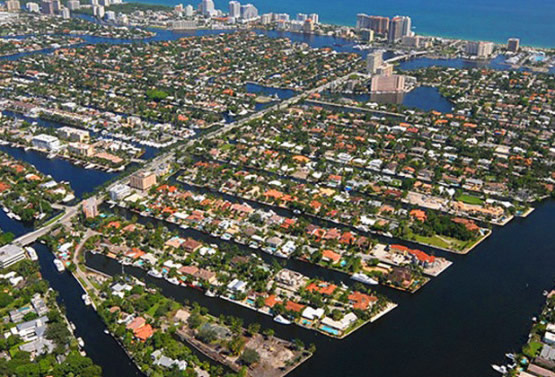
Las Olas Isles: Due to its proximity to Las Olas Boulevard and Fort Lauderdale Beach, Las Olas Isles is the perfect mix of retail, restaurants and a coastal lifestyle. Luxury living like this comes with a hefty price tag. Homes in the area range from $1 million to $40 million and rental units are in the thousands. 

Colee Hammock: Not only is this one of the oldest neighborhoods in Fort Lauderdale, it is also one of the most diverse and eco-conscious in the city. Situated next to the Intercoastal Highway and the New River, Colee Hammock offers residents a wide variety of homes and walkability to theaters, restaurants, retail and entertainment venues. This eclectic neighborhood is home to a wide demographic, from the working class to the wealthy. 

Invest: Greater Fort Lauderdale discussed development in Colee Hammock with Andrew Verzura, principal of VCM Builders, Inc. “We are working on a residential project in Colee Hammock, a historic neighborhood in Fort Lauderdale established in 1913. We are constructing a home that is being built around some of the area’s oldest and mature foliage. This is a neighborhood that has a special relationship and respect for the nature within it.” 


For more information visit:

http://vcmbuilders.com/

https://www.modernodev.com