Small business, commercial and construction lending drive strong growth for South Jersey banks

Small business, commercial and construction lending drive strong growth for South Jersey banks

By: Yolanda Rivas

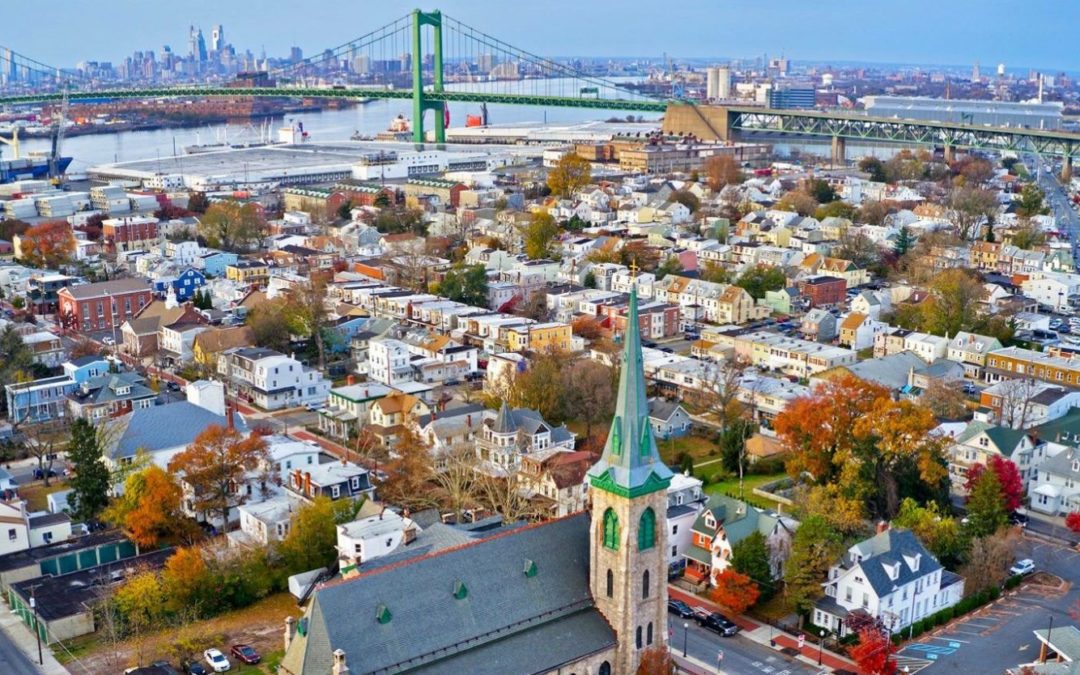
2 min read February 2020 — The Southern New Jersey region is mainly driven by the healthcare, education and retail sectors, but small businesses remain key cogs in the region’s economic machinery. Their financial needs are among the busiest service areas for lenders along with commercial and construction lending, according to local banking leaders who spoke with Invest: South Jersey.


Small businesses represent growth opportunities for South Jersey financial institutions, as evidenced by the robust professional sector in the region that continues to grow rapidly as more individuals start their own businesses. 

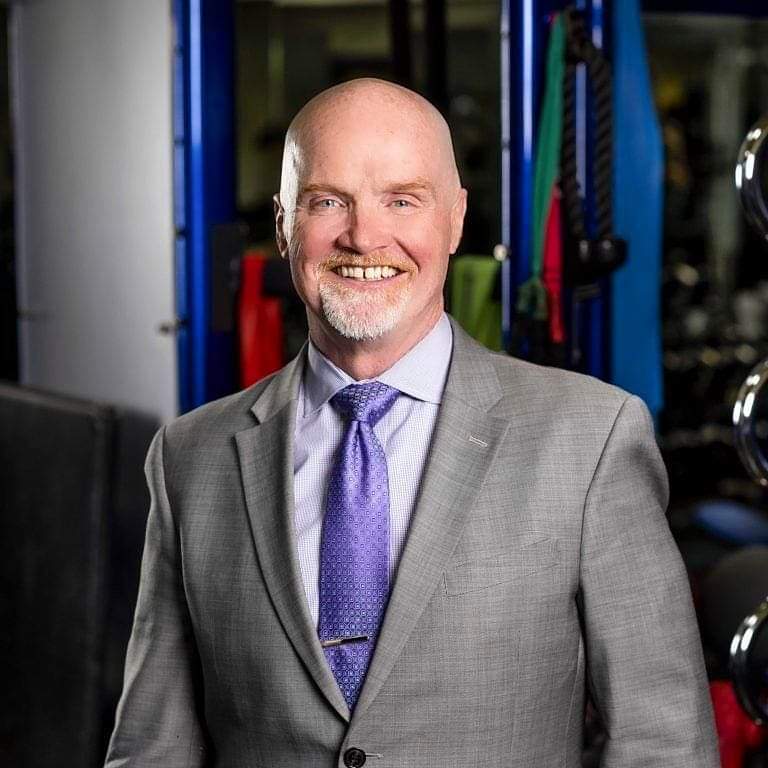
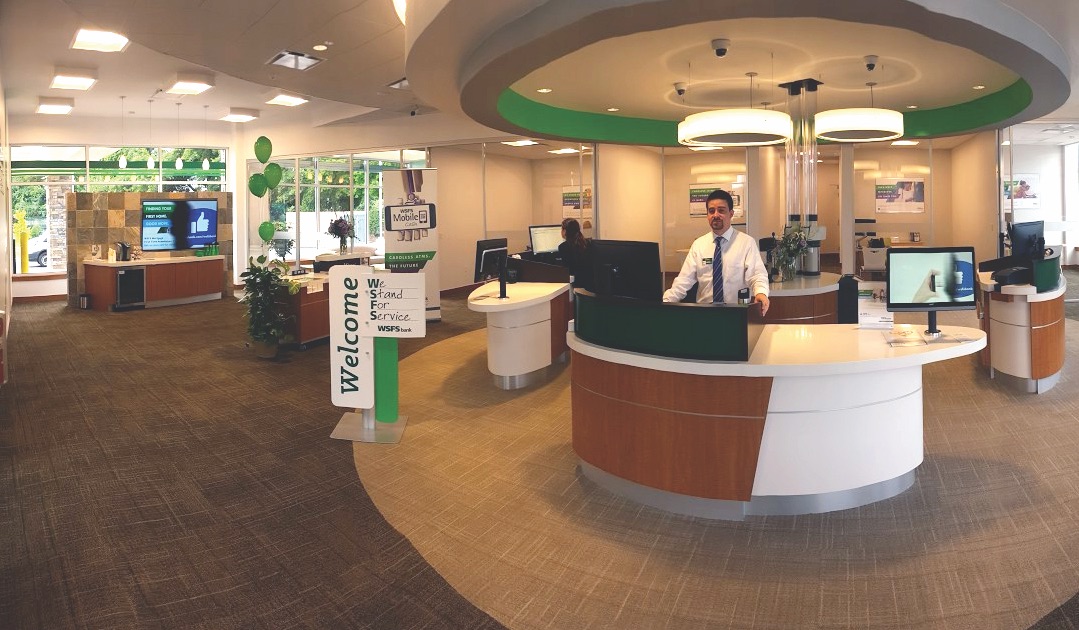
WSFS Bank has about 50,000 primary core customers in South Jersey, with millennials being its second-largest demographic. Phil Corradino, Senior Vice President and New Jersey Regional Director at WSFS, is focusing on growing alongside millennials as they launch their own companies, purchase their first properties and start their families. 

“In terms of small business, we feel that we’re in a great growth position. The small-business sector went through a very difficult period from 2008 and onward, even as recently as 2015, but now you see a lot of small business growth and lending, especially in South Jersey. We’ve put dedicated lenders in place at the local level to serve these business owners, and it’s their mission to be there to help educate them, with roundtables, focus groups and networking events.”

Louisville, Kentucky-based Republic Bank has consistently been a top small-business lender in the region over the last few years and is also experiencing growth in that segment. “We focus on small businesses because South Jersey is known for its mom and pop shops. We promote our commercial customers and make donations to help attract consumers to their businesses and support their growth. We don’t limit our services to just one industry or type of business, we try to serve every business and prospect in any industry,” said Joe Tredinnick, market president at Republic Bank.

Financial institutions are positive about the near-term growth outlook for the small-business segment.”The small-business potential and growth that I believe we are going to see over the next three to five years in South Jersey is going to be monumental, and WSFS is excited to be in the middle of it,” Corradino stated.

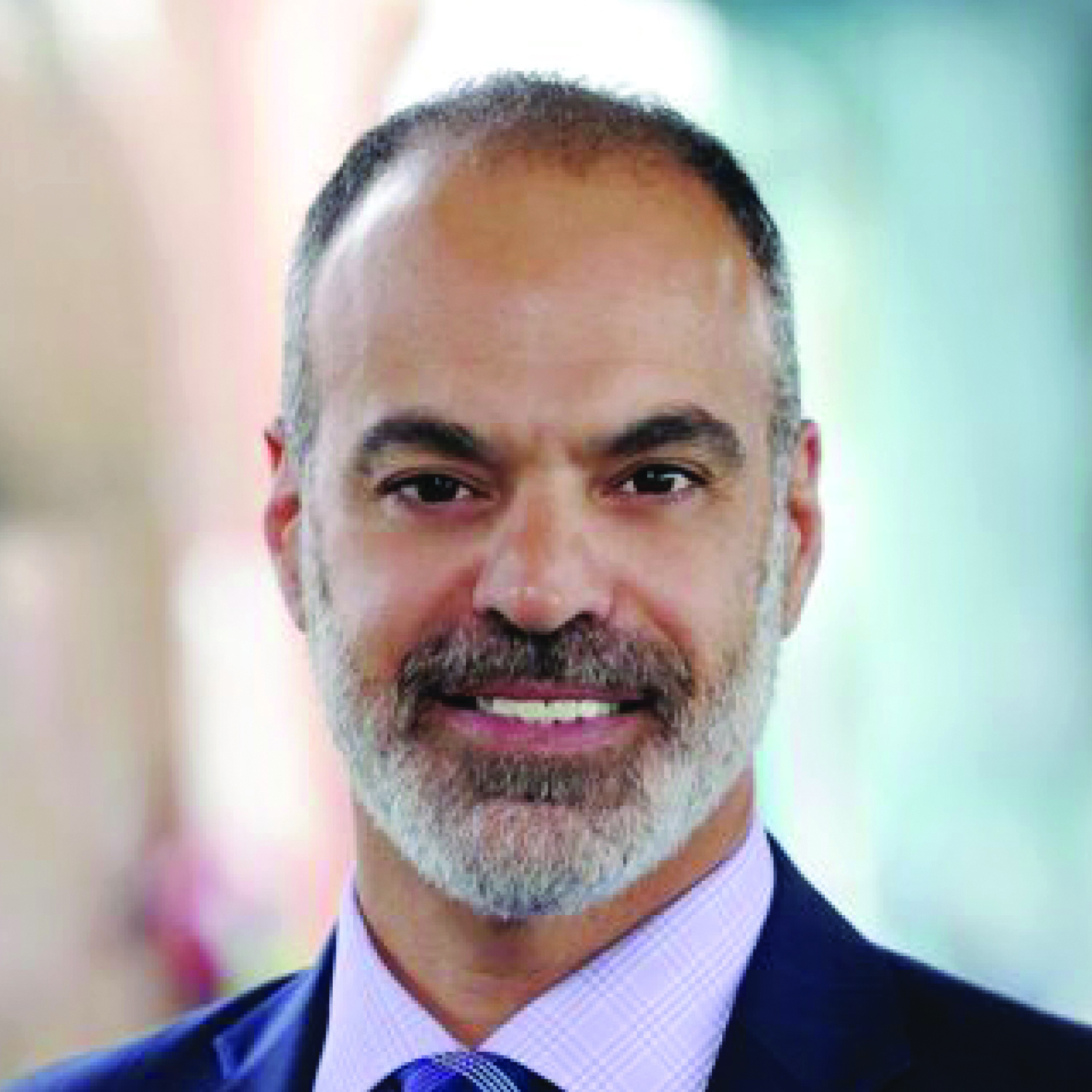
According to Parke Bank President and CEO Vito S. Pantilione, its construction lending product is enjoying strong demand in the Philadelphia and South Jersey areas. “It is a very attractive product, especially because many banks have discontinued this banking product. Even though the regulations for construction lending have become much more stringent, our structure allows us to handle it because we are well-capitalized and we have the experience and expertise,” said Pantilione.  

Most recently, the bank has also seen an increased demand further north, in the Bronx and Brooklyn areas of New York City. “We carefully entered the Bronx and Brooklyn markets and now have multiple multifamily projects and commercial loans in these areas,” he said. 

Similarly, New Jersey-based OceanFirst Bank is seeing fast growth in its commercial lending activities. Vincent D’Alessandro, OceanFirst’s southern region president, said the bank’s growth has been driven by its talented commercial relationship managers. “Our business customers have a specifically assigned relationship manager who focuses on those businesses. Our expansive growth has enabled our relationship managers to dive deeper into businesses that they may not have been able to tap into before, in providing more sophisticated products and services.” 


To learn more about our interviewees, visit:

Parke Bank: https://www.parkebank.com/ 

OceanFirst Bank: https://oceanfirst.com/ 

WSFS Bank: https://www.wsfsbank.com/ 

Republic Bank: https://www.myrepublicbank.com/ 


Addressing Health Disparities in South Jersey

Addressing Health Disparities in South Jersey

By: Yolanda Rivas

2 min read February 2020 — The healthcare and education sectors are significant contributors to the economic growth in the South Jersey region. Amid this growth, healthcare leaders are focusing on making healthcare accessible to the underserved population. 


According to the latest Leading Health Indicators Profile Report Index, the access to primary care for the state was not met as of 2017 and there is little or no detectable change in the trend. However, the objectives related to the infant death rate, the death rate due to coronary heart disease and teen obesity have been met, while the objectives for childhood immunization are improving. The leading health indicators are part of the Healthy New Jersey 2020 objectives to communicate high-priority health issues and actions to address them. 

Private and nonprofit healthcare organizations are also playing a key role in addressing healthcare disparities across the state. Such is the case of the charitable, nonprofit organization Inspira Health, which is present in two of the poorest counties in the state: Cumberland County and Salem County. 

“The social determinants of care are problems that cross areas; they are not necessarily healthcare-related. But our goal is to take care of people who live near here and who need our help,” John DiAngelo, president & CEO of Inspira Health, told Invest:. “We have been able to do that for the 20 years that I’ve been with Inspira Health. In fact, we are the only hospital in Cumberland County,” he said. 

Access to basic health treatment due to transportation and affordability is also a big challenge in the region. One of the largest private employers in South Jersey, Virtua Health, is looking to make healthcare accessible to the underserved through its mobile and home-based programs. Virtua Health President and CEO Dennis W. Pullin said in an interview with Invest: that its health system has re-invested over $400 million in the treatment and prevention of chronic health issues over the last five years. 

“We also have an active mobile program, in which we take certain services closer to where our patients live or work. For instance, our mobile pediatric unit provides screening for lead blood levels, flu shots and other services that many times are not available to children due to transportation or affordability issues. We also have a mobile mammography unit, with which we provide over 900 free mammograms yearly to women who are uninsured or underinsured. We have a mobile farmers’ market to provide fruits and vegetables to people at a below-wholesale cost. This year, we distributed over 75,000 pounds of fresh produce,” Pullin said.

Education and awareness are also big factors in the path to make health more accessible. Rothman Orthopaedic Institute is focusing on creating more partnerships to provide affordable care and improve community health, while raising awareness in the communities they serve. 

“We look at the social determinants of health and we do community outreach programs to help raise awareness of ways to improve bone and musculoskeletal health in the communities. We are ahead of the game in understanding what needs to be done to reduce costs,” Rothman Orthopaedic Institute’s president, Alexander Vaccaro, said in an interview with Invest:. “We are looking to create more relationships with healthcare systems and health insurance companies. That is the right thing to do. We are working together with multiple stakeholders to make healthcare safer and more affordable.” 

The Healthy New Jersey 2020 objective is to increase the proportion of adults aged 18 and older with a personal doctor or healthcare provider to 90.0 percent. According to the most recent data from New Jersey State Health Assessment Data, in 2017, 79.2% of New Jerseyans reported having at least one person they think of as their personal doctor or healthcare provider. 


To learn more about our interviewees, visit:

Inspira Health: http://www.inspirahealthnetwork.org/ 

Virtua Health: https://www.virtua.org/

Rothman Orthopaedic Institute: https://rothmanortho.com/ 


Spotlight On: Leor Hemo, Founder & Managing Principal, Vantage Real Estate Services

Spotlight On: Leor Hemo, Founder & Managing Principal, Vantage Real Estate Services

By: Yolanda Rivas

2 min read January 2020 — Real estate investors from high-valuation areas like New York, North Jersey, Texas and California are bringing considerable activity to the Southern New Jersey region due to its affordability, according to Leor Hemo, founder and managing principal of Vantage Real Estate Services. The Invest: team recently interviewed Hemo about the strengths, challenges and areas of growth in South Jersey’s real estate market. 


 What unique investor opportunities does South Jersey offer?

South Jersey geographically is positioned to attract not only investors but also companies that require space, such as those in logistics, transportation and warehousing. South Jersey has the land mass to allow for large-scale, industrial developments. I-95 and or I-295 and the New Jersey Turnpike connect to New York, Washington, D.C., Maryland, and further down to the Southern states. Comparatively, the eastern Pennsylvania and Philadelphia markets lack this land mass. With the national economy so strong, low interest rates and small business confidence up, we are experiencing an influx of small businesses leasing office space. There has even been increased activity in the retail world in the past few years. Retail space is being occupied by service providers, such as healthcare and financial services. There is a soaring demand for large-scale developments for multifamily projects in South Jersey. 


What is the landscape for healthcare real estate?

The large healthcare systems are taking over the traditional family practices and specialties. Dental specialists and oral surgeons are active in starting new practices or expanding them. The same can be said for physical therapists and chiropractors. These specialty practices are growing and fueling a large demand for space. By the nature of their business, chiropractors, physical therapists and dentists are always interested in retail space for visibility and exposure purposes.


What challenges do you face in South Jersey?

The biggest challenge is the bureaucracy from our local governments, as well as the tax burden on businesses and individuals. Real estate taxes are still the No. 1 issue for property owners and businesses because of the impact on rents. Some regulations in place are hampering business and growth.


What is your outlook for the company and the market?

In terms of Vantage Real Estate, we just opened a new office in Philadelphia. It is a market we are rapidly growing into. We are also expanding our services portfolio: We have expanded our services and specialties and offer healthcare real estate, business brokerage, investment sales and multifamily as well. If the economy does well, South Jersey will do well, provided the regulatory framework remains unrestrictive. 


To learn more about our interviewee, visit:

Vantage Real Estate Services: https://www.vantageres.com/ 


Spotlight On: Les Vail, CEO & President, Gloucester County Chamber of Commerce

Spotlight On: Les Vail, CEO & President, Gloucester County Chamber of Commerce

By: Yolanda Rivas

2 min read January 2020— The Gloucester County Chamber of Commerce’s focus on business development and education has positioned it as the fifth-largest chamber in the state of New Jersey. The chamber’s partnerships with local county colleges and universities have been key for businesses and the local workforce. Les Vail, president and CEO of the chamber, discussed with Invest: the different ways the chamber is promoting Gloucester County as an economic engine in the region.


 What have been some of the highlights for the Gloucester Chamber of Commerce over the past 12 months?


We have been making a concerted effort over the past year to improve branding and marketing to ensure that our message reaches as many people as possible. We initiated a partnership with Rowan College of South Jersey that provides around 30 percent discounts on degree tuition fees for any of our employees and members. We are already seeing that initiative bearing fruit, with over 12,000 unique visits per week across our social media platforms and a significant uptick in returns on our email blasts.


How is the chamber working to promote South Jersey as a catalyst for economic development in the tri-state area?


We have grown to become the fifth-largest chamber in the state with almost 1,000 members, and a big reason for that success is our focus on business development. We act as the middleman to help companies and executives connect with each other. Our efforts on education are also vital. We firmly believe that economic development starts with educating the workforce, as this is what attracts new businesses to the region. 


Manufacturing, for example, has a great need for employment. Gloucester County is the fifth-largest region in the country for food manufacturing. The sector offers competitive wages, but it is struggling to find sufficient numbers of skilled workers, not only for now but for the future. The industry does not necessarily require a college degree, but usually requires some form of certification. That’s where our partnerships with local county colleges can have an important impact. We listen to the business community and we support them in their efforts to increase the number of qualified workers for this industry.


What kinds of businesses are you trying to attract to the Gloucester County region?


We are not known as a technology hub, but we have a research institution and two medical schools that are contributing in this area. So we are looking to attract technology-based industries that can offer competitive wages. We have the land capacity and infrastructure in place to attract these businesses.


What are the main challenges facing businesses in the county?


Workforce is still the main issue. We need more plumbers, electricians and carpenters. Manufacturing businesses and refineries, despite offering attractive salaries, are struggling to find their future workforce. It is important to change the mindset of young people today and to let them know that not every career requires a college degree. We need to find people without college degrees and include them in the workforce by giving them valuable skills that contribute to the economy. This process starts in high school, so it is encouraging to see institutions like Gateway Regional High School offering guidance and advice on potential career paths to students from an early age.


To learn more about our interviewee, visit:

Gloucester County Chamber of Commerce: https://www.gc-chamber.com/


Spotlight On: Vito S. Pantilione, President & CEO, Parke Bank

Spotlight On: Vito S. Pantilione, President & CEO, Parke Bank

By: Yolanda Rivas

2 min read anuary 2020 —  Parke Bank is expanding its lending business, including construction lending, from the South Jersey and Philadelphia areas to North Jersey and New York’s Brooklyn and the Bronx with its lending expertise. Parke Bank has a major Asian client base, which makes it important to keep a careful eye on the politics of the country toward China. Parke is also one of the few banks that provide banking services to the cannabis industry, which also requires careful monitoring of Washington’s ever changing position on the emerging cannabis business, says Vito Pantilione, president & CEO of Parke Bank, in an interview with Invest:.


What main changes have you observed in the banking and loan business in the South Jersey market?


We are in a great location to provide lending and banking services in New Jersey, and the Philadelphia area, in addition to expanding up into the Lehigh Valley area. Because of our growth, we’ve also grown our lending operation to North Jersey, Brooklyn and the Bronx.


The banking industry is always changing, I don’t think there is any other industry except maybe insurance where there are as many regulatory changes. There is also a lot more competition, even from nonbanking entities. We embrace competition because it makes you pay more attention and sharpen your pencil.


What services are most in demand for an institution like Parke Bank?


One of the services we’ve offered since we opened the bank is construction lending. It is a very attractive product, especially because many banks have discontinued this banking product. Even though the regulations for construction lending have become much more stringent, our structure allows us to handle it because we are well-capitalized and we have the experience and expertise. We find that our construction lending product is very attractive in the Philadelphia and South Jersey area and most recently in the Bronx and Brooklyn. We carefully entered the Bronx and Brooklyn markets and now have multiple multifamily projects and commercial loans in these areas.


How does the bank support the small business community in South Jersey?


We are very active in commercial lending, which includes small business lending. Some of our commercial lending is related to real estate as we have financed many investment properties. We also look at some of the South Jersey markets that need extra services, like startup companies and small companies that need to expand to remain competitive, where it is more difficult to get financing. We look at those sectors and try to establish loans and banking relationships to help support those markets. 


Small business lending is important to us. We are a Small Business Administration (SBA) lender, which allows us to provide funding for projects to small businesses that may not fit into the standard bank  financing. The SBA is a perfect vehicle to provide the needed credit enhancement to make those loans possible. That type of lending with small business banking also provides the opportunity for full service banking, bringing much needed deposits.


Are there any worries or challenges in the banking industry that Parke Bank is watching?


One area in which we’ve been very fortunate is our Asian business. I used to be president of a Chinese bank in Philadelphia, and when I opened this bank in 1999, I was fortunate that a lot of my clients and friends from the Asian bank followed us to Parke Bank. The current Chinese trade situation with the United States is a concern to me personally, which can reduce growth in the Asian market. As far as actual business, it has not really affected us that I can see. We are still getting new Asian customers and we have a branch right in the heart of Chinatown in Philadelphia, with a multilingual staff. We are very proud of that.


Another potential challenge is the Banking Secrecy Act, which is of major importance to us because we are one of the few banks in the country to provide banking services to the cannabis industry. We entered the market totally by accident because we had a major customer of the bank who received a permit to open a cannabis dispensary and asked us to finance the building. We loaned him millions of dollars over the years and it wasn’t until two years later that we realized what a major step that was for Parke Bank. At that time, we were one of the very few banks that was even banking cannabis. Now we have about 130 customers, and that is an industry where government regulations are having a big impact. We are very careful to follow the regulations that are in place, given there are really no clear regulations yet in place because it is not legal at the federal level. We are a state-chartered bank doing business with state-approved cannabis businesses. 


To learn more about our interviewee, visit:

Parke Bank: https://www.parkebank.com/ 


Public and Private Collaboration Key to Camden’s Eds and Meds Corridor

Public and Private Collaboration Key to Camden’s Eds and Meds Corridor

By: Yolanda Rivas

2 min read December 2019 — The life sciences industry is one of the fastest-growing industries in New Jersey, with the largest concentration of scientists and engineers per square mile in the world. The southern New Jersey region is no exception, with Camden’s “eds and meds” corridor boasting numerous healthcare, educational and research institutions.

The city’s eds and meds corridor has been experiencing steady growth over the last few years, thanks to the commitment of anchor institutions and the city’s leadership. According to Cooper’s Ferry Partnership statistics, the corridor employs almost 40% of the Camden workforce and over $1 billion has been invested in the “eds and meds” sector, with an additional $175 million planned. 

Created in 2012 by the New Jersey Medical and Health Sciences Education Restructuring Act, the Rowan University / Rutgers – Camden Board of Governors has been a catalyst in the corridor’s extension and economic development. In October, the board reached a milestone with the opening of the new Joint Health and Sciences Center, which provides lab and training spaces for Rowan University, Rutgers-Camden and Camden County College. 

“By leveraging the power of these institutions, the Center is poised to become the research and innovation hub of South Jersey. This campus will be the beating heart of Camden’s eds and meds corridor, injecting opportunity, growth, and innovation throughout the entire region,” said  Joint Board CEO Dana Redd in a press release. 

The center houses research laboratory spaces for both Rowan and Rutgers-Camden, simulation rooms for medical students at Cooper Medical School of Rowan University, instructional space and additional simulation labs for Camden County College, and office space for the Joint Board, according to the press release. The center will help expand the city’s transformation into a hub for medical research and innovation and attract top talent into the region. 

Camden’s “eds and meds” corridor growth is also due to the numerous partnerships between healthcare and education organizations in the area. These community collaborations and initiatives have helped combat social determinants and support local residents. For example, Camden residents now have expanded access to care as a result of efforts by institutions such as Cooper University Health Care, Virtua Health System, CAMcare Health Corporation and Camden Coalition of Healthcare Providers.  

The Coriell Institute for Medical Research, an independent, nonprofit biomedical research center, has been a leader in Camden’s health sciences sector. The institute hosts one of the world’s leading biobanks, distributing biological samples and offering research and biobanking services to scientists in 85 countries around the globe. By conducting groundbreaking research in biobanking, personalized medicine and stem cell biology, the Coriell Institute has been and continues to be a main driver of the corridor’s growth.

Another example is the MD Anderson Cancer Center at Cooper, which has also significantly contributed to Camden’s eds and meds corridor since its opening in 2013. The center not only brought a new option for cancer patients across the region, but its innovative clinical trials and research has helped Camden’s reputation as a hub for groundbreaking healthcare research and education.


To learn more, visit:

Cooper’s Ferry Partnership: https://coopersferry.com/  

Rowan University / Rutgers – Camden Board of Governors: https://rurcbog.com/ 

Coriell Institute for Medical Research: https://www.coriell.org/ 

MD Anderson Cancer Center at Cooper: https://www.mdanderson.org/about-md-anderson/our-locations/md-anderson-at-cooper.html 

Capital Analytics Shines a Spotlight on South Jersey


Invest: South Jersey to highlight key investment opportunities in the city 

December 2019

Seasoned media firm Capital Analytics has chosen South Jersey as the next destination to launch a focused annual report on investment opportunities offered by the city. Invest: South Jersey will bring together key industry leaders across the public and private sectors to provide commentary on South Jersey’s rise as an attractive investment destination in recent years.

Entering its sixth year publishing the highly praised flagship project Invest: Miami, Capital Analytics identified South Jersey as the next key market in its portfolio of annual economic reports. This newest edition will focus on the growing importance of South Jersey as a business hub and spotlight opportunities for investment.

Capital Analytics’ successful Invest: Miami venture allowed it to establish footholds in Atlanta, Greater Fort Lauderdale, Philadelphia, Tampa Bay, Palm Beach, Charlotte and Orlando, and the company has high expectations for its South Jersey undertaking.

Invest: South Jersey will complement the Invest: Philadelphia publication, shining a light on an integral part of the region’s greater economic ecosystem. With a rich history and diversity and a unique and strong local culture, South Jersey plays a vital role in manufacturing, logistics, education and services,” said Jack Miller, Regional Director at Capital Analytics.

The Capital Analytics team has already started laying the groundwork for Invest: South Jersey and is looking forward to replicating its success in other markets, speaking to high-profile executives and leaders of key organizations in the area. This will be the most comprehensive independent report available on South Jersey’s vibrant business climate, seen through the eyes of those at the forefront.

New Jersey’s Gross Domestic Product (GDP) per capita is expected to reach $62,891 by 2022. South Jersey has a high level of education, with 40 higher education institutions, meaning new high-paying jobs in tech and science are opening up. Add to that a local government that understands the importance of attracting investment and South Jersey is the perfect place for investors to focus their attention. 

“At Capital Analytics, we are excited to begin conducting interviews and compiling research on the South Jersey market in anticipation of the first edition of Invest: South Jersey,” said Miller. “We look forward to discussing the many efforts of both the public and private sectors to reinvigorate the area, attract business and investment and bring awareness to exciting developments in South Jersey.”

Capital Analytics produces in-depth business intelligence with a focus on providing comprehensive investment knowledge on markets within the United States for the domestic and global business community. Over a six-month research period, it meets with more than 200 top political, commercial and industry leaders to deliver targeted information, in-depth analyses and strategic insights to the global business community on economic trends and investment opportunities.

Its first publication, Invest: Miami, has a global readership and includes among its readers top executives working in real estate, finance, technology, trade and logistics, health, hospitality and others. Books are distributed locally, nationally and globally to trade and investment boards, executives of Fortune 500 companies, institutional investors, consulates and embassies, hedge funds, leading chambers and associations, as well as high-level summits and conferences.


For more information contact 

contact@capitalaa.com

TEL: 305-523-9708