Top 5 Tourism Drivers for The Palm Beaches

Top 5 Tourism Drivers for The Palm Beaches

By Max Crampton-Thomas
4 min read October 2019 —  With more than 8 million visitors to Palm Beach County in 2018, it’s no secret that tourism is the driving force behind the economy in The Palm Beaches. Last year, these visitors generated $7.4 billion in economic impact and are the reason for over 70,000 tourism jobs. While the appeal of a relaxing beach vacation may seem like the obvious tourist magnet, there are so many different and unique facets of the county that drive the economic behemoth that is the tourism sector. Here is the Invest: Top 5 tourism drivers for The Palm Beaches

BEACHES

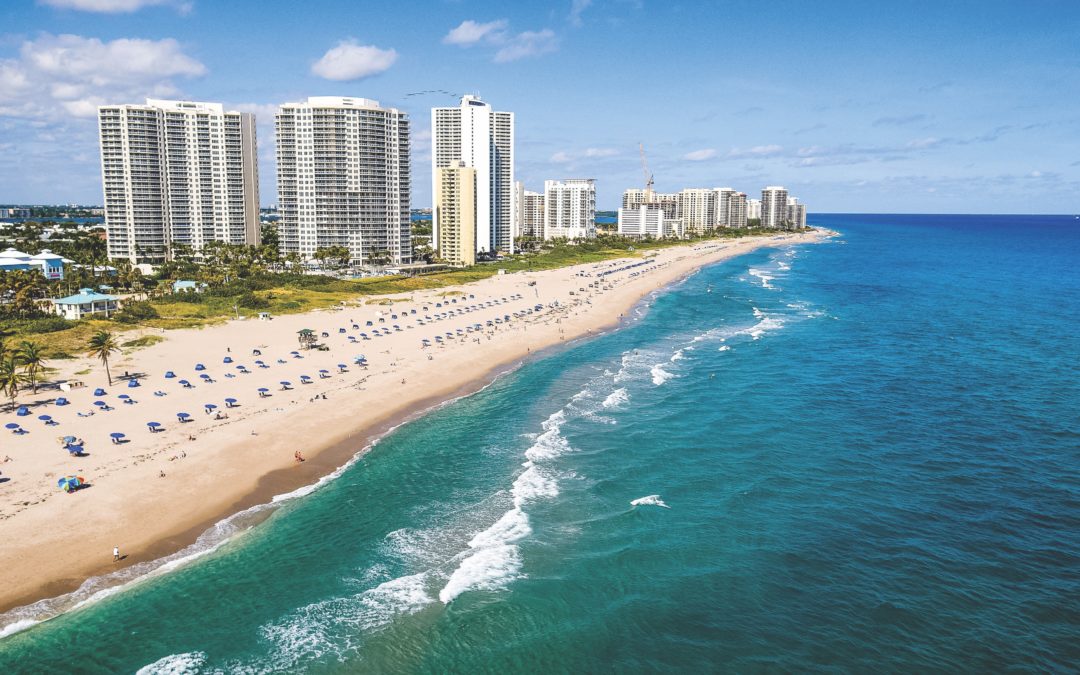
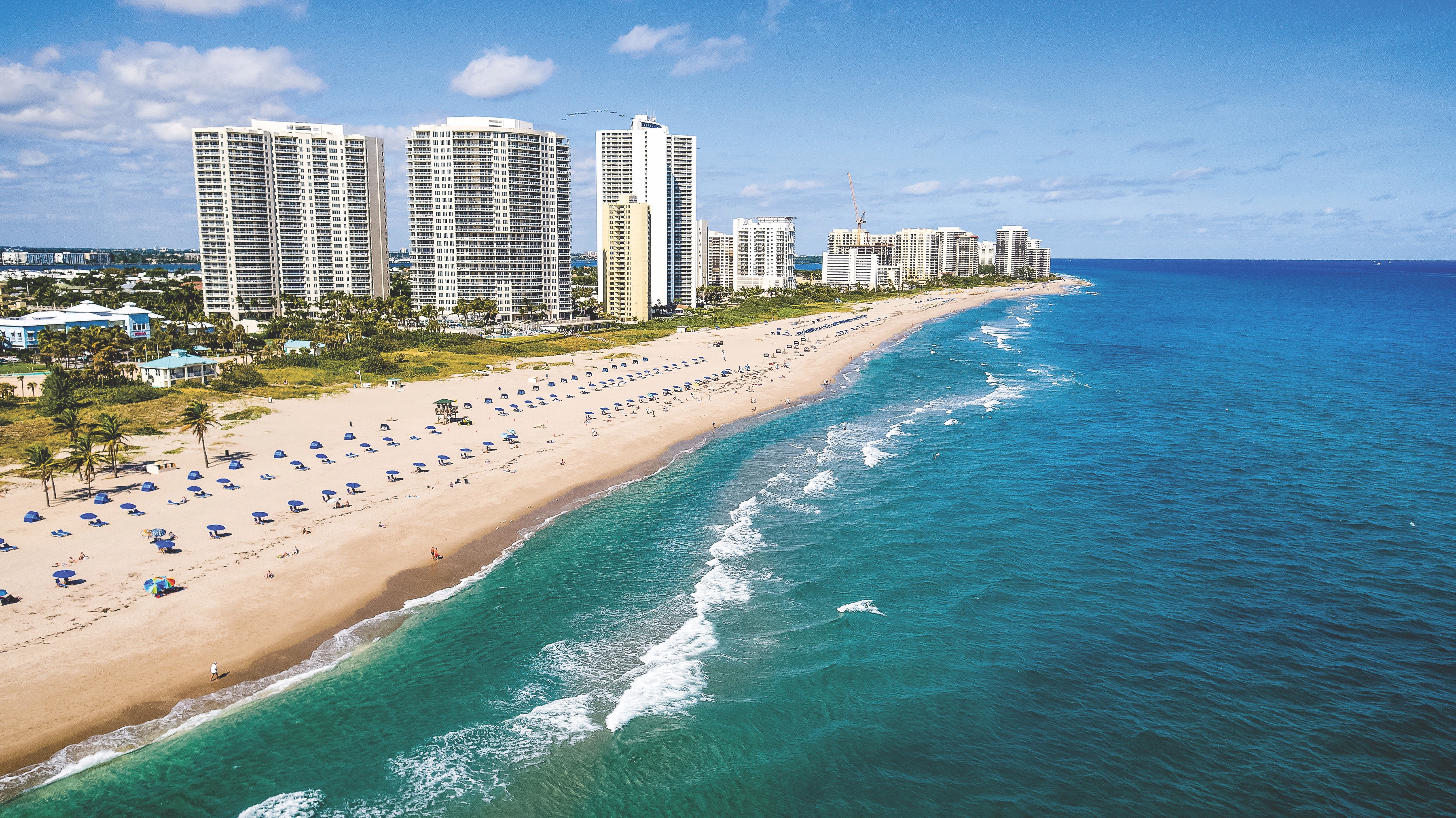
Palm Beach County is bordered by 47 miles of Atlantic coastline that offer some of the state’s most attractive beaches. These include Boynton Beach Ocean Park, Coral Cove Park, Juno Beach Park and many more, with a large portion of these beaches offering resort amenities and marine activities. The Palm Beach County coastline was also nicknamed Florida’s Gold Coast after gold was recovered from Spanish galleons that sank off its shores. A fitting nickname for beaches that are like gold to the Florida economy. Invest: spoke with Jorge Pesquera, president and CEO of Discover The Palm Beaches, who touched on the importance of the beaches to the tourism industry in the county. “Leisure remains the most crucial tourism driver for The Palm Beaches, with meetings and conventions continuing to gain momentum. Within the leisure tourism market, our beaches are the biggest draw for not only those seeking to relax and rejuvenate, but also those interested in activities such as boating, fishing, scuba diving, kayaking and paddleboarding,” Pesquera told Invest:. 

You can learn more about the county’s best beaches here: https://www.thepalmbeaches.com/blogs/best-beaches-are-palm-beaches

ARTS & CULTURE

Home to cultural institutions like the Kravis Center for the Performing Arts, The Palm Beaches are an arts and culture hub that drives many cultural travelers to the area. Invest: discussed with Judith Mitchell, CEO for the Kravis Center, how this increased interest from out-of-town visitors has positively affected her business as well as those in the surrounding area. “Our strong programming and marketing teams ensure that we continue to bring the best of Broadway and other diverse performances that attract audiences from outside the state and from cities north and south of the Center. In 2018-2019, the Center saw an increase in out-of-county audience members by nearly 50%. This also has a positive economic impact on the surrounding hotels, restaurants and shops as these nonresident guests choose to dine, shop and stay overnight before or after attending a performance.” 

For more on the various arts and culture destinations in the county, visit: https://www.palmbeachculture.com/

SPORTS

For an area that doesn’t have a major professional sports franchise, the county’s tourism market has a strong driver in the sports tourism market. It helps that among Palm Beach County’s various monikers, one of the titles held most proudly is “The Golf Capital of Florida,” boasting more than 150 public and private golf courses. It also doesn’t hurt that Major League Baseball teams, namely the Houston Astros, Washington Nationals, Miami Marlins and St. Louis Cardinals, call Palm Beach County their home during spring training. For those who prefer alternative sports, The Palm Beaches are also the location of polo and equestrian events, including a variety of International Polo Club tournaments. 

Interested in learning more about sports offerings in The Palm Beaches? Visit: https://www.palmbeachsports.com/
ECO-TOURISM

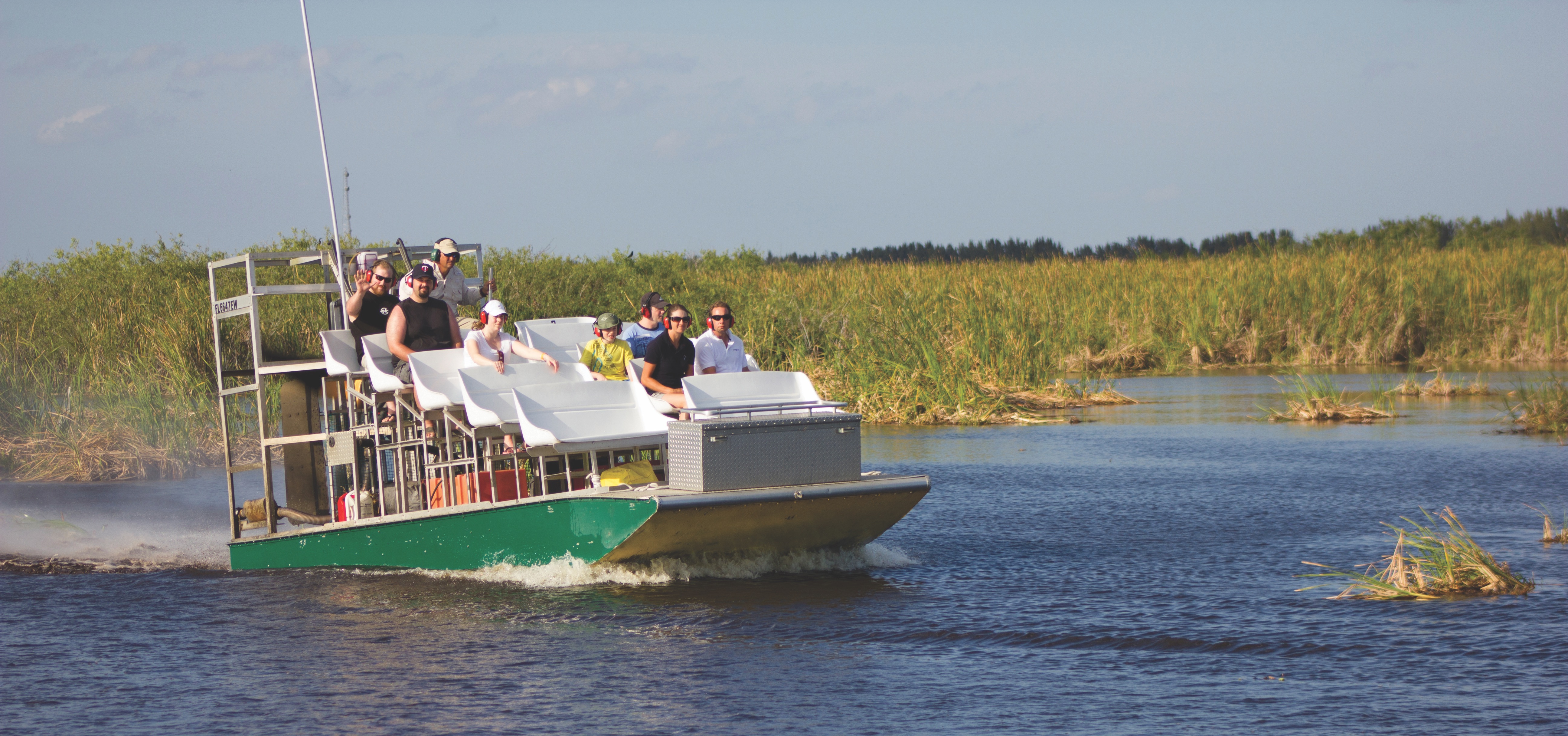
When a county boasts 110 parks and recreation facilities paired with 35 natural areas that make up more than 31,000 acres of environmentally sensitive lands, it is bound to attract eco-tourists. This form of tourism may seem obscure from an outside perspective, but it not only can provide visitors with a memorable experience, it also provides health benefits as well. Invest: recently sat down with Deborah Drum, department director of Palm Beach County Environmental Resources Management, who spoke to this tourism driver and its benefits. “We have conducted economic studies of our natural areas. We have over 300,000 visitors just to the natural areas in our county. These are remote areas that offer more passive types of recreation, including hiking, fishing or bird-watching. We have done a study with the University of Florida on this passive connection and we have determined that these visitors are coming for that purpose. There have also been a number of studies about the connection between mental health and time spent in natural areas or spent outside. There is a positive relationship between the reduction in mental health issues with more time spent out in nature,” Drum explained. 

Check out more on Palm Beach County’s Natural Areas Map: http://discover.pbcgov.org/erm/Pages/Natural-Areas-Map.aspx
MEETINGS & CONVENTIONS

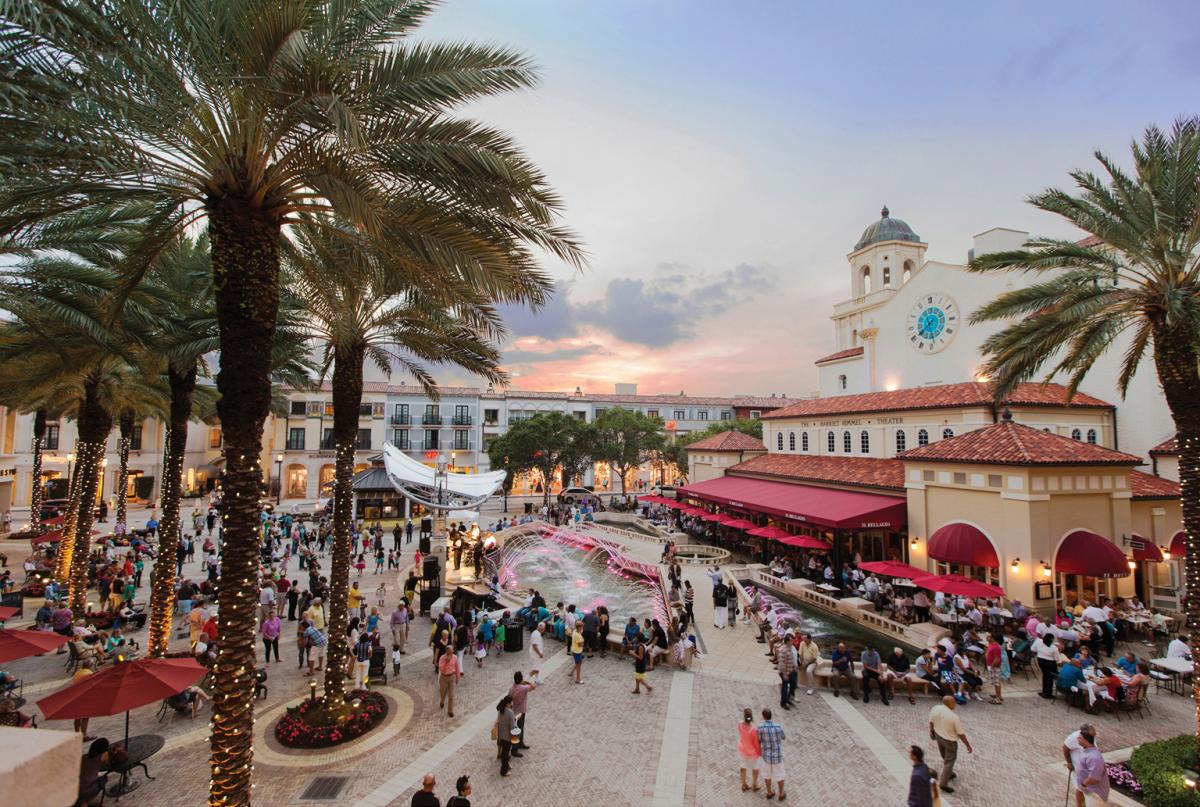
There is a direct correlation between the increase in business tourism to The Palm Beaches and the economic and business growth that the county is enjoying. The beneficiaries from this driver of tourism are a wide range of business types, from hotels to restaurants and even retail. Discover The Palm Beaches’ Pesquera highlighted just how significant this is to the tourism market. “On the meetings front, we’ve seen a 567-percent increase over the last several years in groups booked at the Palm Beach County Convention Center. Unlike our good friends in Miami and Fort Lauderdale — where there is a clear and established epicenter of tourism activity — The Palm Beaches are truly a collection of midsize to small cities and towns that altogether deliver an exceptional vacation or meeting experience,” Pesquera told Invest:.

For more on this and the tourism industry in Palm Beach County, visit: 
www.thepalmbeaches.com/

Spotlight On: Chuck Cross, Executive Vice President & Commercial Banking Executive, Seacoast Bank

Spotlight On: Chuck Cross, Executive Vice President & Commercial Banking Executive, Seacoast Bank

By Max Crampton-Thomas


2 min read October 2019 – With over 30 years in the banking industry, Chuck Cross has witnessed seismic changes in the way the banking sector conducts business. Currently serving as the executive vice president and commercial banking executive for Seacoast Bank, Cross has a unique perspective on the prominent growth of the banking sector in the past couple of years. He recently sat with Invest: Palm Beach to discuss how Seacoast has sustained continuous growth, why the business ecosystem in Palm Beach County is a benefit for banks and some of the reasons he attributes to the overall growth of Palm Beach County. 

How has Seacoast Bank sustained continuous growth? 

Seacoast Bank has been growing organically by hiring people and building relationships with customers since the recession, but we augment that organic growth with strategic M&A activity as well. We acquired Palm Beach Community Bank in November 2017, expanding our branch locations in the county from three to five and getting access to new customers. We also have  two commercial offices in the market, which is another catalyst for growth.


Why is Palm Beach County a conducive business environment for the banking sector? 

From a macro perspective, when you have a half million people relocating to Florida and a good amount of that coming to Palm Beach County, it drives the kind of growth we hope to see for the next couple of years. From a financial services perspective, Palm Beach is a great place to be operating and providing service.

Palm Beach County has really grown over the past decade. Dense population provides great opportunities for banks. Palm Beach is growing like the whole state of Florida is growing. Everyone wants to move to Florida either for the weather or for some of the changes in the tax reform, and people have always wanted to retire here. Palm Beach also has great infrastructure in terms of education. In addition, there’s a lot of oceanfront property that attracts high-net-worth individuals, which in turn attracts retail, recreation and service jobs.


To what do you attribute the growth of the local economy in Palm Beach County?

The Business Development Board of Palm Beach County has done a great job of attracting a lot of wealth management and private equity firms where the owners can live on the island and operate their companies from there. In the northern part of the county, there are also some aerospace companies, and there are healthcare technology companies like Max Planck and Scripps that are providing higher-level jobs as well. Hopefully this will help attract other types of high-level businesses.


To learn more about our interviewee, visit:

https://www.seacoastbank.com/

Spotlight On: Ronnie Felder, Mayor, City of Riviera Beach

Spotlight On: Ronnie Felder, Mayor, City of Riviera Beach

By Max Crampton-Thomas


2 min read September 2019 — When Ronnie Felder won the runoff race for mayor in March, he had campaigned on the idea of revitalizing the city of Riviera Beach. Invest: Palm Beach sat down the mayor to discuss how he is encouraging economic revitalization and development in the city by rebuilding relationships with the local business community, specific industries he is targeting as part of his economic development plan and what the next few years will look like for Riviera Beach.

How are you working to strengthen the city’s relationship with local businesses? 

One of our goals is to meet with every business in this city to become more familiar with the organizations that are out there and their needs. We are learning through these relationships that a lot of these companies want to hire individuals from Riviera Beach but there is a lack of experienced workforce. We want Riviera residents to know that these job opportunities exist, and as the mayor, I feel it is my responsibility to make sure that happens. In past years, Riviera Beach did not have this established dialogue with the business community. For us to progress as a city and to have the trust of the business community, we must continue to build and strengthen this dialogue.


What are some industries you are targeting to help grow the city’s economy? 

We need more hotels and restaurants, which is a significant way for us to begin to push this city into the future. We do not have enough hotels to accommodate a large influx of tourism, which is impeding our growth. We have to be aggressive in our development efforts. I want to see cranes throughout Riviera Beach because when you see cranes in the city, that means economic growth, it means we are tapping into our potential and other businesses will see this and also want to be part of our city.


What are your short-term goals for the city’s economic development? 

We want to see exponential growth in the next two years. We will be working with businesses to encourage them to hire our young people when they graduate so we can retain some of that local talent. We have to begin to address the long-neglected infrastructure improvements and redevelopment of our public facilities like city hall, the police station and our schools. Everyone from the private and the public sectors should start seeing the benefits from our efforts to grow the local economy.


To learn more about our interviewee, visit:

http://www.rivierabch.com/

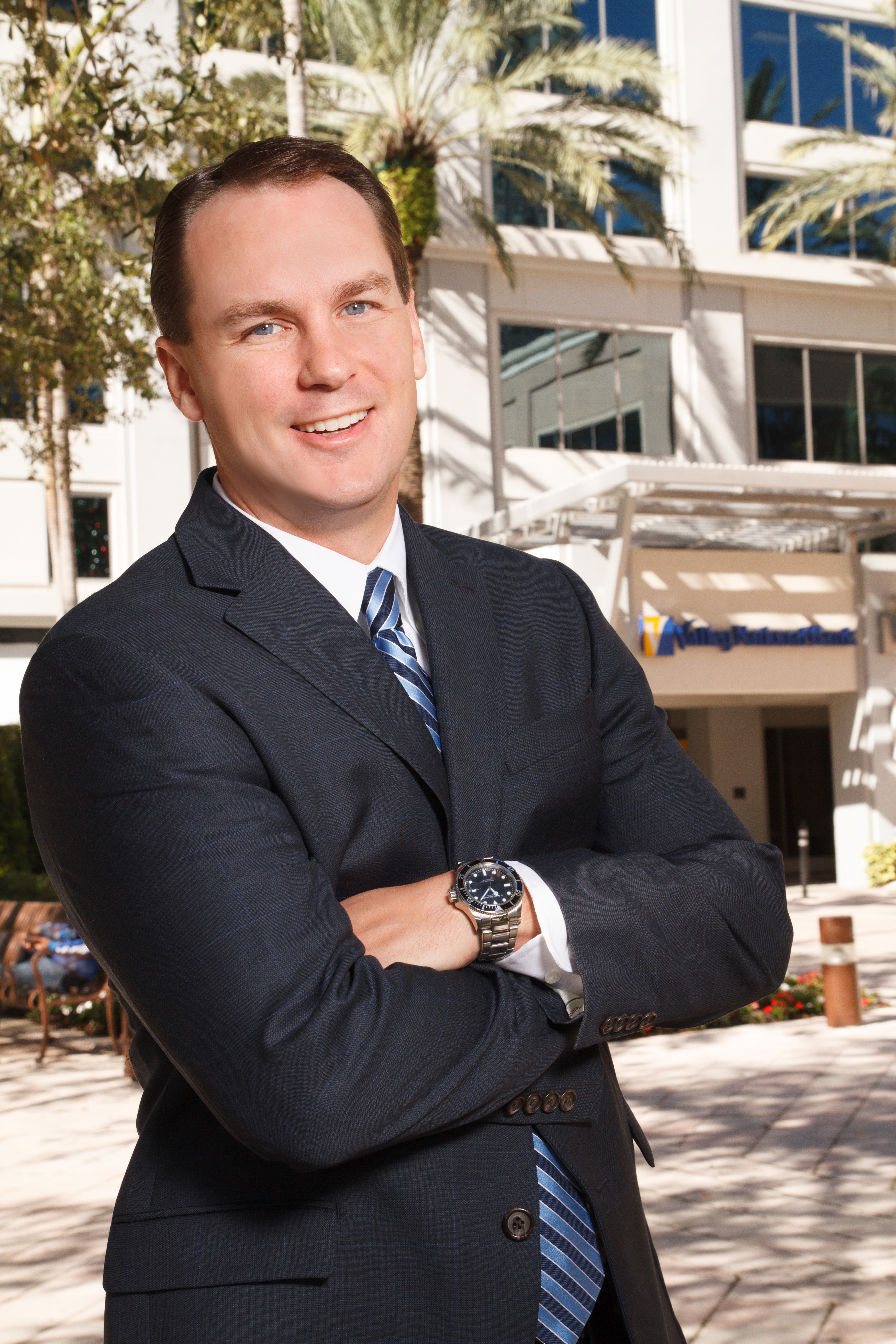
Spotlight On: Jeffery Klink, First Senior Vice President & Southern Florida Regional President, Valley Bank

Spotlight On: Jeffery Klink, First Senior Vice President & Southern Florida Regional President, Valley Bank

By Max Crampton-Thomas


2 min read August 2019 —During times of economic prosperity, the banking sector is primed to benefit the most, but when the economy begins to slow, or a recession hits, lenders normally feel the harshest effects. This forces banks and financial institutions to be innovative and mindful of how they approach their day-to-day business. There are, of course, the outliers like Valley Bank, which, as noted on its website, has never produced a losing quarter since its founding in 1927. Invest: Greater Fort Lauderdale recently spoke with Jeffery Klink, first senior vice president and Southern Florida regional president for Valley Bank, who spoke about the bank’s efforts to ensure great customer experience, how it differentiates itself in a crowded South Florida marketplace and the biggest challenge facing the banking sector. 

How does Valley Bank ensure a community bank feel while still providing the services of a large regional bank? 

We are a community bank with a regional overlay and that is how we choose to operate. What has been really interesting is that our clients in many cases do not realize that we are a large regional bank unless they need access to loans that are $25 million to $35 million or above. Our core business clients that are looking to borrow $500,000 to $5 million still view us as a community bank because that’s the space that we operate in.

How does Valley Bank differentiate from the competition in the region? 

Being client-centric is really our main differentiating factor in banking. Valley Bank, like most regional and national banks, has a similar technology platform. These systems allow users to access their accounts remotely, and they may very rarely come into our branches. How we mitigate this so the banking experience doesn’t become impersonal is to ensure that each client has a core group of bankers who they know and who know their needs. When customers call our bank, they are actually talking to somebody who knows the client not just from a business standpoint, but also on a personal level. This personal service combined with our technology platform has really allowed us to compete from a service perspective with the community banks.

What is the biggest challenge facing the banking sector? 

The main challenge in banking is balancing interest rate movements. Throughout 2018, we saw Treasury rates increase significantly and that was allowing banks to adjust and increase the rates they were collecting on new loans. In 2019, we have seen interest rates pull back, which has been to the benefit of borrowers because rates have dropped to nearly historical lows. Banks are going to have to address and combat margin compression throughout 2019 because we are collecting less on the loan side and we are paying more than we have for close to 10 years on the deposit side of the balance sheet.


To learn more about our interviewee, visit:


https://www.valley.com/

Spotlight On: Steven Abrams, Executive Director, South Florida Regional Transportation Authority/Tri-Rail

By Max Crampton-Thomas


2 min read August 2019 — Transportation is a hot topic issue throughout South Florida, and as the population in the region continues to grow so do the challenges. While the roads seemingly become more congested every week, there is a significant emphasis on using other forms of transit. For 30 years, Tri-Rail has been one of the leading alternative forms of transit for visitors and residents of South Florida alike. Invest: Greater Fort Lauderdale recently had the chance to sit down and speak with Steven Abrams, the Executive Director for the South Florida Regional Transportation Authority, which is the governing body that operates and oversees Tri-Rail. Abrams discussed Tri-Rail’s longevity in the South Florida Community, how it is working in tandem with Virgin Trains USA (formerly Brightline), the ways in which it is using technology to improve operations and what is contributing to the steady uptick in ridership.

What has contributed to Tri-Rail’s longevity in the South Florida community? 

This year is Tri-Rail’s 30th anniversary. Tri-Rail started as a traffic mitigation project along I-95 while 95 was being widened, but it was supposed to be a stop-gap until the completion of the project. Thirty years later, it is still thriving. Over those 30 years, we have improved our service, added more trains, added weekend and holiday service and added connections to the area’s three airports. We are a transportation system that has become popular over time and we have embedded ourselves in the tri-county area.

How are you working with Virgin Trains USA to improve rail transportation in the community? 

We have a collaborative relationship with Brightline, and we anticipate that it will only be a benefit to both services. Brightline is geared more toward the tourism population, whereas Tri-Rail transports 15,000 riders a day to work and school. Our riders mainly consist of clerical workers, blue-collar workers, construction workers and students. It is a different market than Brightline, but we work very closely together and hope to be able to feed each other’s passengers into our system. We are far along on plans to enter Brightline’s downtown Miami station. The platform has been constructed, and we are just waiting on the approval for its Positive Train Control system. Positive Train Control is a safety system that was mandated by the federal government for all railroads in the country. Once Brightline’s system has been certified, we can apply to be a tenant on its system and continue our existing service and extend up to about half of our trains into downtown Miami. We are hopeful that this will occur in the near future.

How is Tri-Rail using new technology to improve operations and the safety of its passengers?

We are installing a Positive Train Control system that adds an extra level of safety on what is already a safe system. The National Safety Council did a survey and concluded that you are more likely to die of radiation or from a cataclysmic storm than you are being a passenger on a train. The Positive Train Control system is required by the federal government, and we anticipate that it will add that extra measure of safety in terms of avoiding oncoming collisions. If the train is going too fast, the system will automatically slow it down. We do not have many curves on our system, so this is probably more of a benefit for trains up north where there are hills and curves. Nonetheless, we will be able to stop the train should it exceed speed limits.

What factors are behind the steady increase in Tri-Rail’s ridership? 

There are three reasons and two are, in a way, related. South Florida is a tourist and service-related economy, and these individuals, like waiters or construction workers, cannot work from their homes. We have people coming from all over the world who are used to rail transportation in their countries, and they are feeding into our system. Our roads are also just becoming so congested. It used to be that our ridership would principally, and almost exclusively, fluctuate with gas prices, but now that  gas prices are stable and dropping, we still have people riding our system because ultimately it is the overabundance of cars on the road that are urging them to seek alternative transportation.


To learn more about our interviewee, visit:


https://www.tri-rail.com/