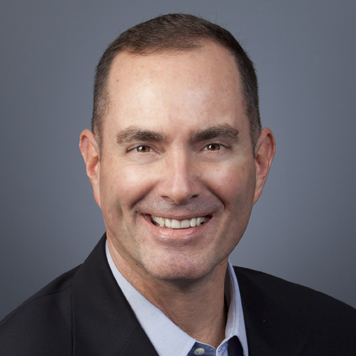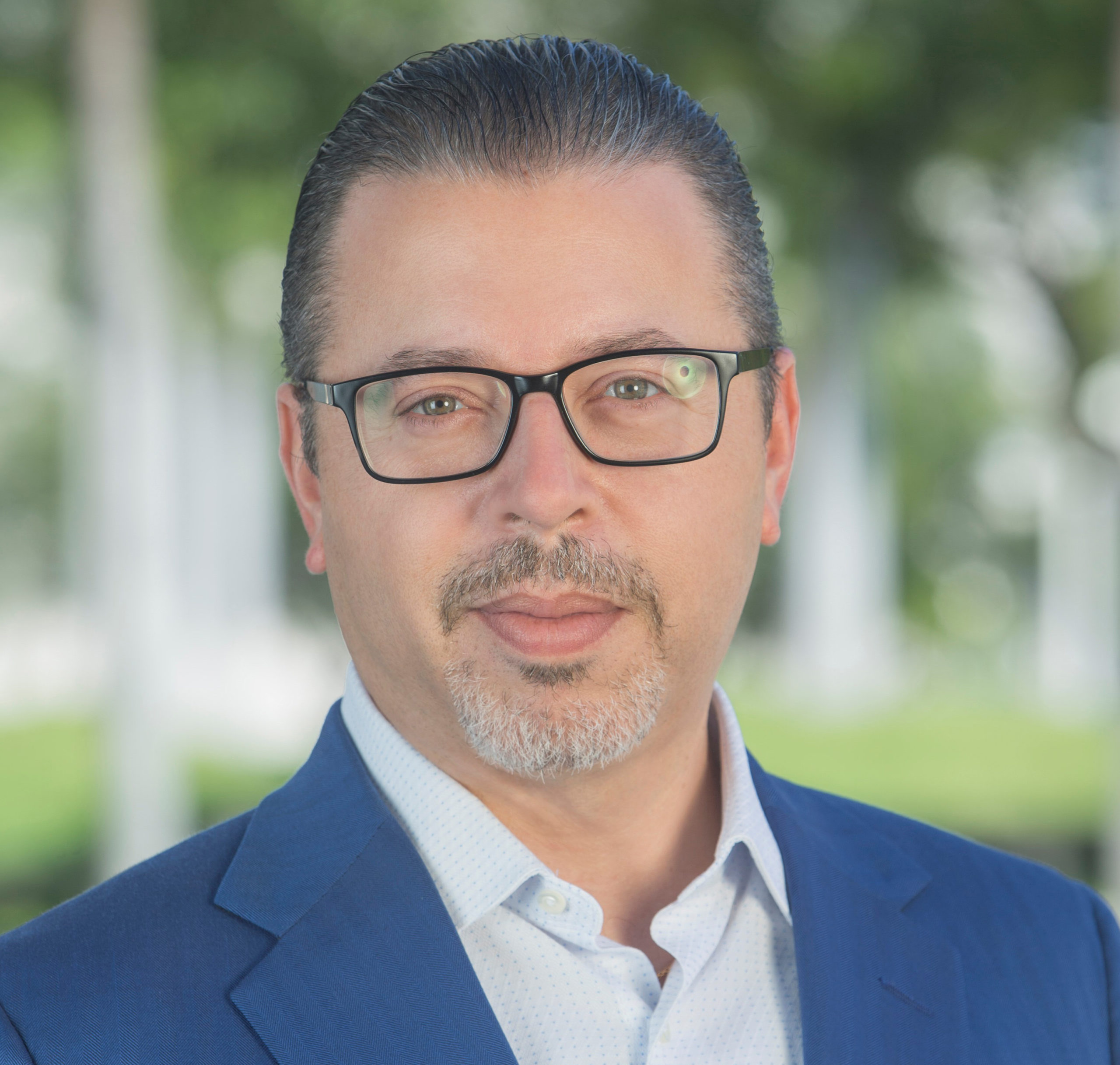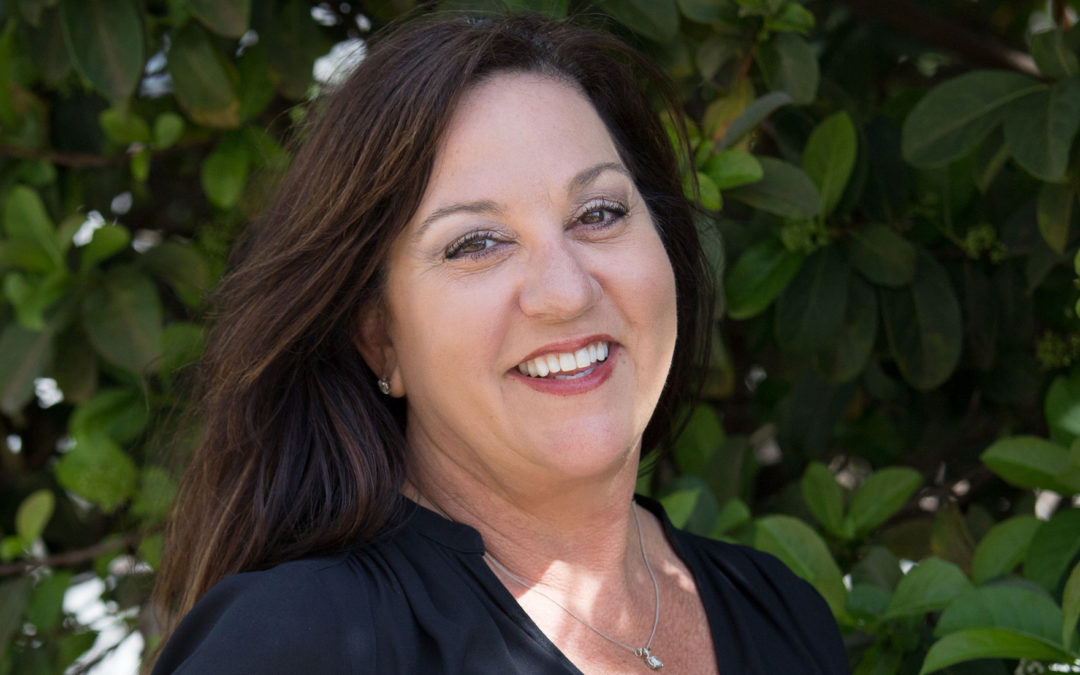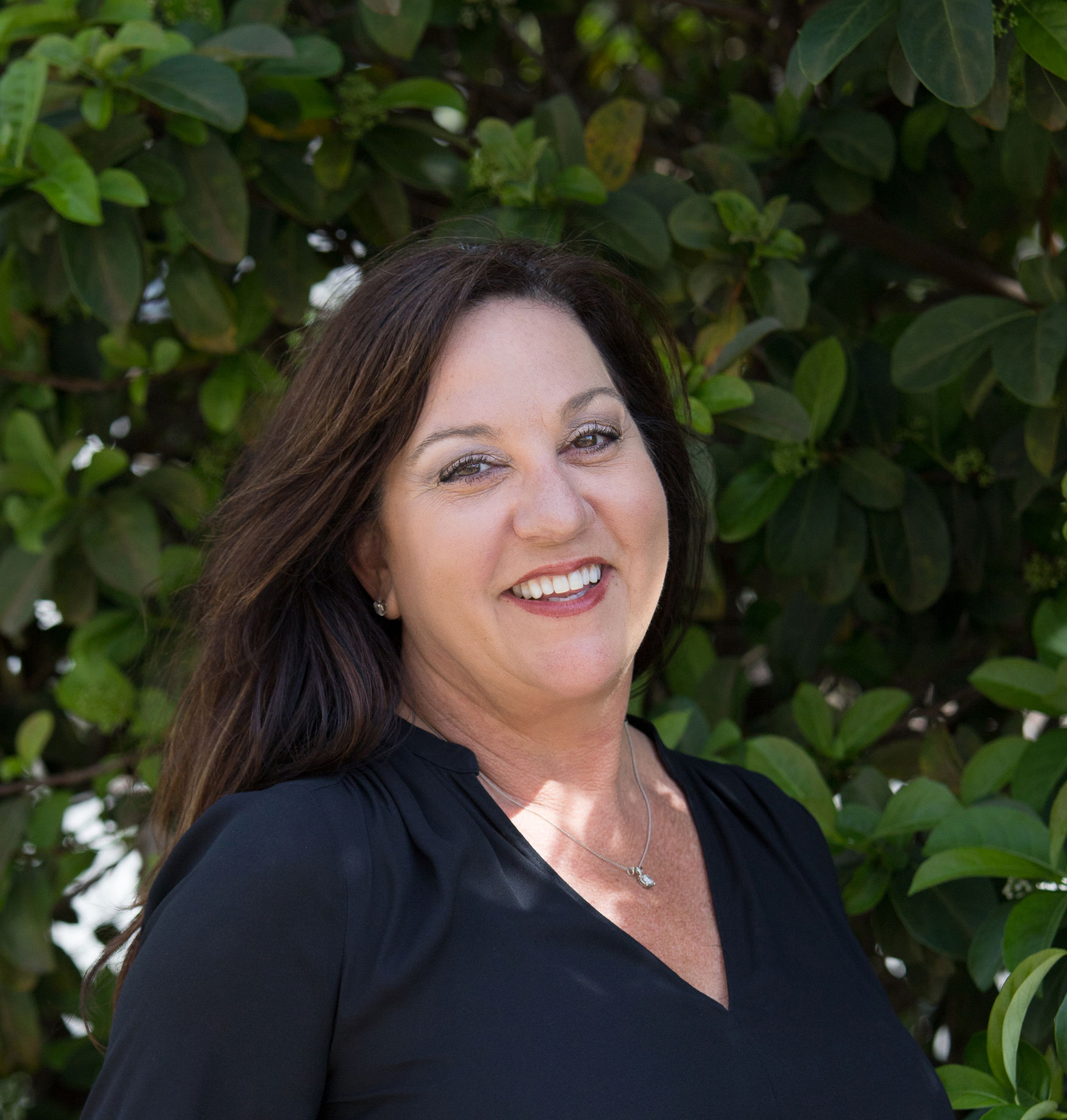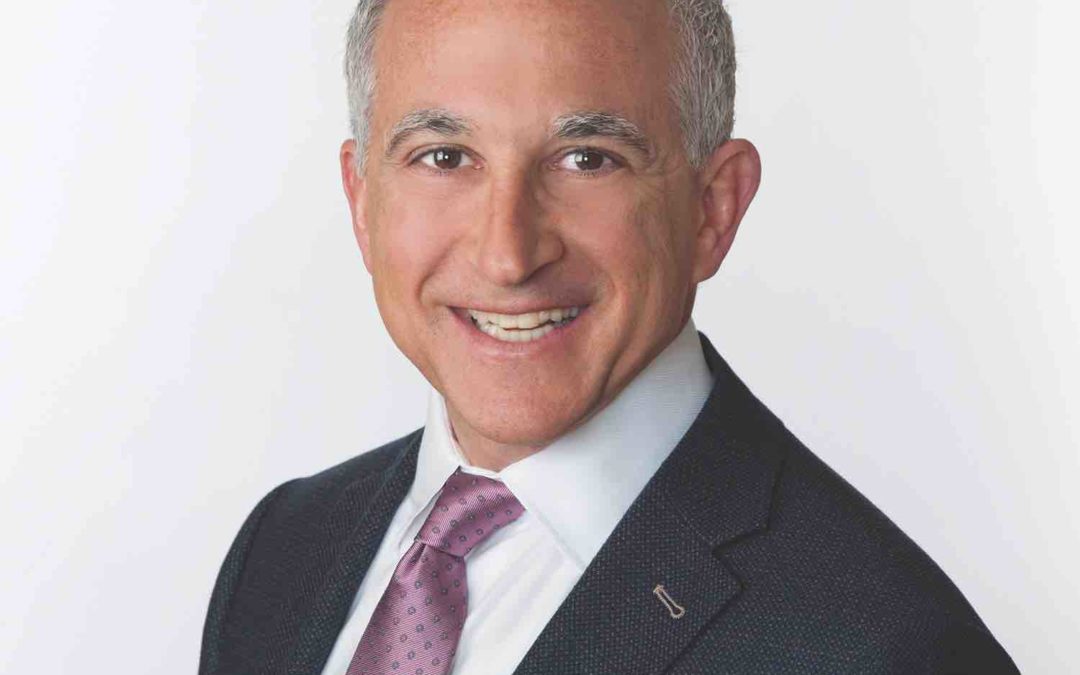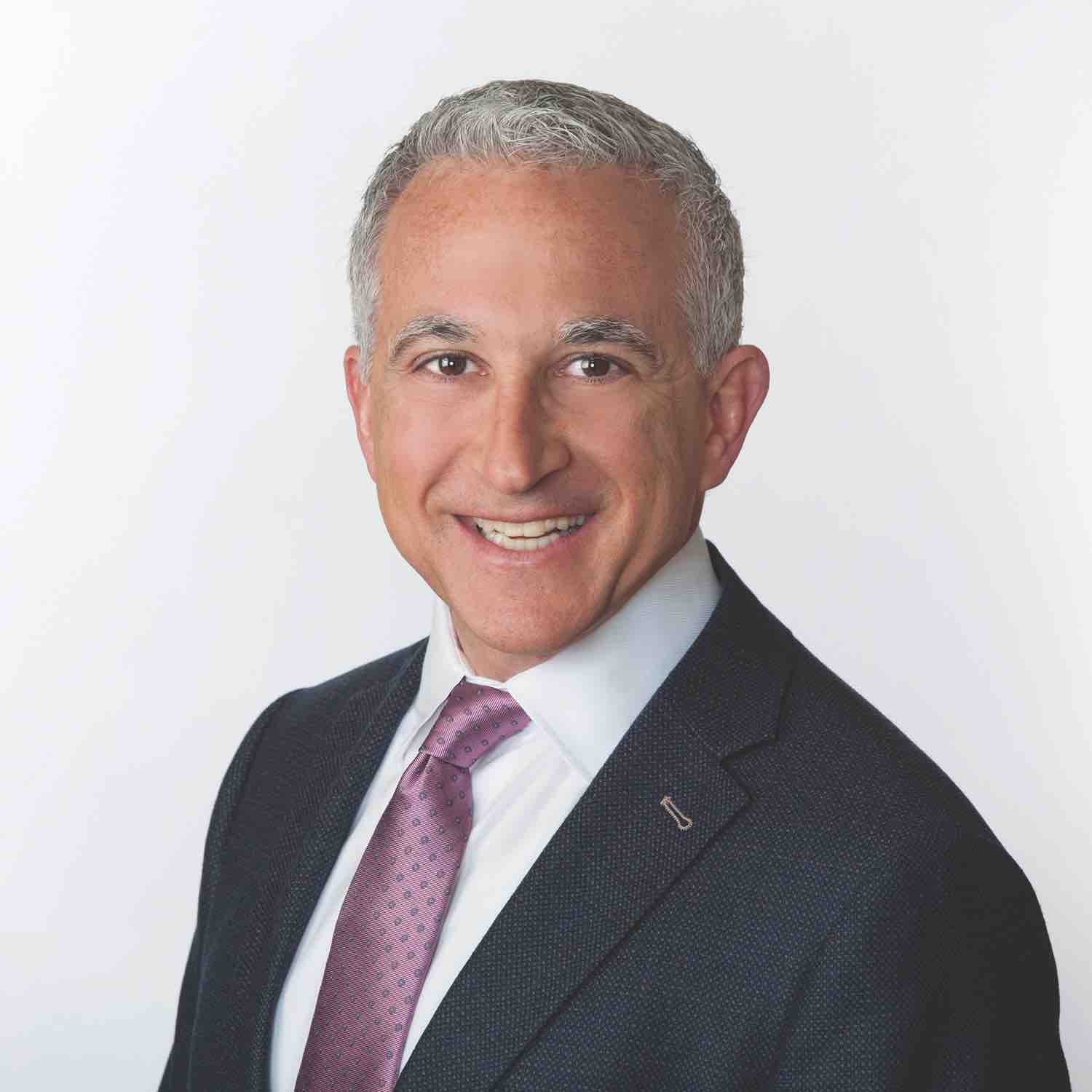
Spotlight On: Andrew Burnett, Senior Principal, Stantec

Spotlight On: Andrew Burnett, Senior Principal, Stantec

By: Max Crampton-Thomas
2 min read June 2020 —Global design and engineering firm Stantec likes to think beyond traditional traits to focus on building communities,  Senior Principal Andrew Burnett told Invest: Miami in an interview. The company goal is to deliver continuity while protecting diversity and creative thinking. Stantec calls it “cultural resilience.”


What recent Stantec landmarks in the Miami-Dade region would you like to share? 

Recent landmark projects in full swing include Wynwood Square, a 12-story mixed-use facility that includes apartments and retail space; the 30-story YotelPAD Miami condo and hotel project under construction; and a 43-story Luma tower in Miami’s Worldcenter. And there are a lot of new projects to be announced soon and currently coming on board. Each asset within our portfolio contributes to our growth in the creative services space, beyond architecture and interior design, but also engineering and resilience. We think beyond traditional physical traits and focus on how our vast team builds our communities and what we create so there is continuity in our lives and the spaces we inhabit and to ensure that we protect diversity and creative thinking. We call it cultural resilience. 

How has your emphasis on cultural resilience unlocked your success? 

From a business perspective, a model that focuses on a single person is inherently limited to that individual. Whereas a business with tremendous expertise and resources in multiple channels, like Stantec, focuses on collaboration and the bandwidth to achieve more. When we empower people and foster collaboration, we are able to affect more positive change, get more involved in opportunities and better affect our clients’ bottom line. 

How would you rate local industry efforts on environmental resilience? 

There is a significant level of agreement across the industry related to what we are facing and where we need to go. It is only a matter of how and there are varying perspectives to harness. Our government agencies, utilities, partners, clients, insurance agencies and lenders all commonly understand the need to mitigate prevalent risks and maintain our quality of life. There is power in the collective movement and I am optimistic about our future and path. 

What opportunities and innovations can we expect from the post-COVID-19 period? 

There is a shift of trust and working in a different way. It may pose opportunities to bring in industry experts who normally could not access a project in South Florida. Now, they can have an influence and we can tap into knowledge we may not have been able to tap into before. Companies can even attract a different type of workforce that we could not attract before by operating with new flexibility. Also, we take proximity for granted and do not always make the best use of our time because of it. When it is an amenity or a luxury, you make better use of it. 

What will 2020-21 look like for Stantec and Miami-Dade? 

We have been quite busy, which is a reflection of the busy private development market. Projects are moving forward and the entire development community is gearing up for when the play button is pressed. In 2009, during the H1N1 outbreak, we established a pandemic committee, granting us an effective way to respond quickly to the pandemic and set up a remote work setting. Fast forward to today: Our productivity levels have allowed us to meet established deadlines and keep projects moving forward, continuing business as usual. Our current outlook for 2021 does not project significant levels of interruption. We want to continue to support that in any way we can. 

To learn more, visit: 

https://www.stantec.com/en



Spotlight On: Tom Slagle, CEO, Rasmussen College

Spotlight On: Tom Slagle, CEO, Rasmussen College

By: Max Crampton Thomas

2 min read June 2020 —With a history spanning more than 119 years, Rasmussen College is well-positioned and experienced in adjusting to unforeseen circumstances like the current pandemic the world is working to eradicate. CEO Tom Slagle spoke to Invest: Orlando about the school’s advantage as a leader in online education for over 20 years. He also spoke about the school being welcomed by the community in Orlando as one of the newest entrants into the local higher education sector. 


How is Rasmussen College positioned in Florida?

Rasmussen has been around since 1900. Rasmussen College acquired Webster College with campuses in Holiday and Ocala, Florida, in 2004. These campuses were merged into the Rasmussen College system in 2007. Later, the college expanded into Fort Myers, Tampa and Orlando. Overall, we have campuses in six states and a national online team serving more than 17,000 students. Healthcare education is a strength for the college, particularly licensure-required fields such as nursing. We are the largest producer of ADN (first licensure) nurses in the country and also offer a bachelor’s (BSN) and master’s in nursing (MSN) and soon a doctoral (DNP). We pride ourselves on providing affordable degrees and a student support network with individualized services. Our primary target market is the adult learner seeking to advance or change their career, more so than the traditional high-school graduate. 


What role does the school play in the Orlando education sector?

We are excited about our new campus in Orlando. We believe we pinpointed some real gaps in the local education market. Our healthcare portfolio is a great fit, and our offerings in business, technology and social services are also in strong demand. The opportunity to provide affordable and relevant credentials that employers are seeking from graduates is where we excel. Our goal is always to be deeply engaged in the communities in which we live and work, this is why we believe in our local campus network. Our programs offer tremendous flexibility with many fully online, but they also provide the campus-based learning environments necessary for labs and simulations. We have been welcomed by the employer community in Orlando and have developed strong relationships with the local healthcare institutions, which support our graduating students with employment opportunities. We want Orlando to become one of our larger campuses in Florida over the next three to five years.


How has COVID-19 impacted the college?

We have been an online leader in education for almost 20 years, so we know how to educate students in an online environment. It is not always simple to incorporate the proper content, curriculum, experience and assessment criteria on a digital platform, but fortunately, we have a lot of experience in that field. As an example, all of our nursing simulation, which typically takes place on campus or at clinical sites, was moved to an online environment, allowing no disruption to our nursing students’ educational journey or graduation. Also, we have seen that individuals displaced by the current environment want to build on their knowledge and competencies to better prepare themselves for the current and future workforce. We made the decision to support our communities by providing our eRasmussen Professional Certificates portfolio (eRasmussen.com) at no cost. We’ve had nearly 9,000-course registrants for the professional certificates so far. We have also sought ways to support our communities by donating much of our PPE to local healthcare organizations to ensure their readiness during this pandemic.


Which industries are driving the strongest demand for educational programs in Orlando right now?

Healthcare is probably top of the list, but we are also seeing strength in areas like technology and other business-related programs. Many applicants are looking for short-term certification to improve their options once they rejoin the workforce. Our Early Childhood Education portfolio also continues to perform well. Our model allows us to serve a segment of the population that has traditionally been underserved by other institutions. We are tremendously optimistic about the breadth of opportunities in the Orlando market.


What does the future hold for Rasmussen College in Florida?

With the economy potentially moving into a short-term recession, education tends to be countercyclical. As individuals are out of work, they look for ways to position themselves in a competitive market with enhanced skills to get a better job. There are also many people looking to make career changes, and we can help with that and make our local communities stronger. Our enrollment rate has continued to grow, and we believe that demand for our programs will remain strong given the unique experience Rasmussen provides our students. 


To learn more about our interviewee, visit: 

https://www.rasmussen.edu/


Spotlight On: Rodger Levenson, Chairman, President & CEO, WSFS Bank

Spotlight On: Rodger Levenson, Chairman, President & CEO, WSFS Bank

By: Max Crampton Thomas

2 min read June 2020 — For 188 years, WSFS has served its community by staying true to its values and managing for the long term.  Ultimately, the true measure of the value of any company is how it responds during periods of adversity. WSFS Bank moved to a work from home and drive-through model during the COVID 19 pandemic to continue supporting its customers. It also involved itself deeply in federal aid programs, such as the PPP for small businesses, while looking forward to a reactivating economy, according to CEO Rodger Levenson in an interview with Invest:.

What have the last 12 months been like for WSFS in the Philadelphia region?

In March of 2019, we closed the acquisition of Beneficial Bank, which was a huge milestone for us. It marked our significant entry into the Philadelphia border region. This was followed by a well-done, award-winning marketing campaign that introduced the WSFS brand to the community in a thought-provoking way, sharing our nickname, which was really consistent with the way that Philadelphians view banks and where it is very hard to differentiate yourself.


We married all that with Beneficial and what they brought to the community. We waited until six months after the close to do the systems and branding conversion because we thought it was important to allow ourselves some time to get customers, associates and the community acclimated to our name and become familiar with us. We thought that because of the size of this market, there was value in taking some time.


At the same time, and as part of the Beneficial combination, part of the strategic rationale was to start in a significant way to really deal with the trend in banking over the last few years, which is this shift away from physical delivery channels like branches and more into digital channels – a trend that has been accelerated by the current environment. We used cost savings to invest heavily in our technology overhaul. Not that we had an offering that was lagging behind our competitors, but we saw the need to move faster than we had in the past.


What has been the bank’s strategy to adapt to the situation stemming from the COVID-19 pandemic?

The company has done well. We are serving our customers, we are supporting each other, we are supporting the community. Like everybody else, we’ve had some challenges through this environment, but I would tell you that we are managing through this very well. We are really pleased at how the company pivoted and adjusted how we do things.


I think this is a by-product or a combination of some good planning resulting from our business continuity plans. We clearly had not planned for an extended scenario or a pandemic, but we had plans in place, we had groups that had done offsite, remote workdays and things like that to be prepared. When we made the decision on March 16, to work from home, it was certainly an adjustment, but we weren’t starting from scratch.


On the retail office side, it was not a hard decision to go to drive-thru only. We saw that it was clear that we were dealing with a major health situation and the safety and well-being of our customers and associates; that was our No. 1 priority. We made the call and we went from 90 branches to 72, which were those that had drive-thru capabilities. After a few weeks of that, seeing our customers’ increased use of different channels like mobile, and to keep our associates safe, we adjusted even that footprint. We put together a different model in which our associates who were working at those locations, instead of working a five-day week, started working on four-day on, four-day off teams.


How involved is the bank in federal aid initiatives such as the Paycheck Protection Program (PPP)?

We were really pleased to be a participant in the PPP program from the Small Business Administration and serve our customers. When the dust settles from this program, we will have processed just about 5,000 loans and just a little bit under a billion dollars. 


At the end of the day, that’s almost a billion dollars that we put into the regional economy. If you look at the spreadsheets and the people who received those loans, many were $10,000 to $25,000. These were real people who were in need, who did not have the resources that other people had. Hopefully, a lot of it will be forgiven. We did that whole loan program with everybody working from home and more than 200 associates working seven days a week.


What role will the bank, and the sector in general, play in reactivating the economy?

I think the banking community is really doing everything possible to support our customers and get them through this really difficult stage to bridge them into what hopefully will be the opening up and recovery in the second half of the year.


As things move forward and we open up our ability to continue to support those customers with additional lending requests, among others, we are going to do everything we can to support them and the community. We moved $3 million into the WSFS Foundation, which supports nonprofits in the region, and we did that because so many of those nonprofits are struggling right now. I think that is the beauty of the community banking model.


To learn more about our interviewee, visit: 

https://www.wsfsbank.com/

Spotlight On: John Lawrence, President, Mid-Atlantic Territory at Aetna, a CVS Health Company

Spotlight On: John Lawrence, President, Mid-Atlantic Territory at Aetna, a CVS Health Company

By: Max Crampton Thomas

2 min read June 2020 —  Founded in 1853, Aetna is one of the nation’s leading diversified healthcare benefits companies, serving an estimated 46.7 million people. President of the Mid-Atlantic Territory John Lawrence spoke with Invest: about the company’s role in the battle against COVID-19.

How is Aetna assisting individuals, employers and providers throughout the COVID-19 pandemic? 

As part of CVS Health, we have a presence in communities across the country and interact with one in three Americans every year. When facing a health crisis like COVID-19, we’re uniquely positioned to understand where the needs are and how to address them. To support our members, we’ve waived the cost-sharing for testing and in-patient treatment of COVID-19, offering no-cost telemedicine visits until June 4, waived charges for CVS Pharmacy home delivery of medications; and waived cost-sharing for all primary care visits for Aetna Medicare members. 

Similarly, for plan sponsors, we’ve introduced an Employee Communications Toolkit that they can use to communicate the support available to their employees; offered a Special Enrollment Period Opportunity for insured plans; and developed a cost modeling calculator to help self-funded customers estimate the cost impacts of COVID-19. For providers, we’ve taken numerous actions to help reduce the administrative burden. 


What role will Aetna play as the state looks to slowly reopen its economy? 

Dramatically increasing the frequency and efficiency of testing to help slow the spread of the virus is critical for responsibly reopening the economy when experts tell us it’s safe. We operate large-scale COVID-19 rapid test sites in five states, which were opened in a matter of weeks through partnerships with the Department of Health and Human Services and governors in Connecticut, Georgia, Massachusetts, Michigan and Rhode Island. Most of the parking lot sites can accommodate up to 1,000 tests per day using the Abbot ID NOW COVID-19 test which provides immediate results. Since May, we’ve been offering self-swab tests at select CVS Pharmacy locations in parking lots or at drive-thru windows.


What accommodations to your network of primary care doctors and specialists did you have to make to handle the influx of patients due to the COVID-19 outbreak? 


For primary care doctors and specialists in our network the issue was twofold: staying in touch with their patients and doing so in a way that kept them and their patients safe. Telemedicine was the obvious answer, and we assisted our physicians in adopting or expanding their ability to offer telemedicine services. To further encourage the use of telemedicine, we waived co-payments for all virtual encounters. This included services for members in high-deductible plans, anticipating the guidance subsequently received from the Treasury Department. We also added additional payment codes and rates to reimburse our network doctors at the same rate for in-person and virtual visits.


Recognizing that some of our community of healthcare providers and clinicians are facing financial and administrative strain throughout the COVID-19 pandemic, we took a series of additional actions to allow them to focus on delivering high-quality patient care. These actions include a commitment to prompt and accurate claim payments; helping hospitals prioritize COVID-19 patients; enabling greater capacity with healthcare providers; ensuring full provider reimbursements for waived member cost-sharing for COVID-19 testing and treatment; and providing behavioral health support. 


What are your initiatives to address urgent health and safety needs caused by the COVID-19 pandemic in communities across Philadelphia? 


The less visible but escalating mental and emotional crisis is the “second curve” of the pandemic, and CVS Health is proactively addressing this urgent crisis through the launch of a mental well-being program. So many people are dealing with the physical effects and the mental trauma, stress, fear, anxiety and isolation as a result of the pandemic. On May 4, CVS Health launched a nationwide effort and committed $1 million in charitable support to help address those realities and we’re connecting people with no cost mental well-being resources and counseling services. In the first phase of the program, we’re particularly focused on healthcare workers, essential workers and seniors. 


When facing a health crisis like COVID-19, we’re always working to understand where the needs are and how to best address them. We are continuing to reinforce the importance of social distancing and proper hand-washing measures especially as local communities return to business as usual. Through all of our COVID-related efforts, our goal is to help slow the spread of the virus and save lives. 


To learn more about our interviewee, visit: 


https://www.aetna.com/

Spotlight On: Joseph Fernandez, Regional President – Florida, BNY Mellon Wealth Management

Spotlight On: Joseph Fernandez, Regional President – Florida, BNY Mellon Wealth Management

By: Max Crampton-Thomas

2 min read May 2020 — Wealth management services have undergone significant transformation over the last two decades, as the financial landscape grows in sophistication. Joseph Fernandez, regional president of BNY Mellon Wealth Management, shares his insights on what makes a financial firm successful in catering to today’s needs and into the future.


 What significant milestones did BNY Mellon achieve in the Miami market over the last year?

We have been operating in the Miami market for 23 years. We came to this market by acquisition. BNY  Mellon acquired an investment advisory firm in 1997 with the belief that being in South Florida, and Miami particularly, was extraordinarily important to the continued growth of the business. The firm was a smaller multimillion-dollar operation and had limited offerings for clients. We now have a midsize office in the overall Florida market with over half of our staff based in Miami and a robust wealth management offering. BNY Mellon Wealth Management’s total assets exceeded several billion dollars in the Florida market. 

Thinking about how migration has worked for a long time in this county is paramount. On the one hand, as clients migrated from the North toward the warmer climates of the South, it made sense to follow them and provide support in those areas, doing it in a way where we truly internalized the “biggest small town” personality of Miami. You needed people who knew the community well. On the other hand, you also have south to north migration, from Latin America to South Florida, which has evolved over decades. Seventy percent of Miami-Dade County’s population is Latin-American, and more than half is foreign-born (2010 US Census). The company had the vision to see the confluence of these factors as an enormous growth driver.


How have you seen clients’ needs shift in recent years?

Wealth in the United States has continued to grow. The composition of wealth changes as wealth transfers from one generation to another. The preferences of the wealthy change, often as a result of that transition. The need for digital tools and capabilities to interact across platforms with wealthy clients and their families, conferring digital interaction options between clients and the firms that serve them has truly taken off. The adoption curve is at its highest point. In 1995, the complexity of the financial services business was rather straightforward, with a U.S.-centric portfolio. Over the last several years, multijurisdictional families have become more prevalent. The preference for investment beyond just the United States and having representation and portfolios of more diverse geographic holdings has also increased dramatically. The other evolution is a shift from the traditional asset-side focus—cash, stocks, bonds—to the liability-side of the equation and managing the tax implications of it all to the level of sophistication that a wealthy client requires from their advisory firm.


There is an upward trend in recent decades of people building up and selling businesses, as private equity has been active in taking out businesses and creating consolidation. The latter, in turn, created several former business owners and CEOs with significant levels of wealth and a serial entrepreneur profile to a point where you become the client’s CFO and chief investment officer because that is the level of sophistication they require for their personal wealth. Our active wealth process boils down to five practices: invest, borrow, spend, manage, protect. 


How has your company continued to oversee its regional business throughout the COVID-19 outbreak?

It is a tribute to preparation, infrastructure and adaptability that I believe is the hallmark of our business and organization. We leverage technology, working in a cloud-based environment that enables us to deploy a quick home-office capacity. We are providing resources to our employees, whether technology or health and wellness-related, eliminating insurance co-payments relative to COVID-19 treatments and holding daily check-ins with our teams. 


What notable developments in the market are you keeping a close eye on? 

The obvious one iterating over the last 24 months was the introduction of the Tax Cuts and Jobs Act, which created a limitation on state and local income tax deductions. We have seen that translate into a North-to-South migratory pattern that has been accelerating quite dramatically to the benefit of Miami-Dade County, as we have no state income tax, relatively low business burdens, more affordable costs of living and a favorable climate. The collateral implication of this has been a couple of things. One is that for many years the narrative around the technology space here was well ahead of the reality. Now the latter has caught up with the former. Our colleges and universities have done a spectacular job in preparing the workforce for those types of jobs. Financial services firms are also multiplying due to the available talent. 


To learn more about our interviewee, visit: 

https://www.bnymellon.com/


Spotlight On: Sandi Bargfrede, Managing Partner, ACRE Commercial Real Estate

Spotlight On: Sandi Bargfrede, Managing Partner, ACRE Commercial Real Estate

By: Max Crampton-Thomas

2 min read May 2020 — The real estate market will know a before and after COVID-19 as soon as activities resume. Sandi Bargfrede, managing partner of ACRE Commercial Real Estate, talks to Invest: about what to expect from Orlando’s market as the pandemic unfolds. 


How did ACRE Commercial Real Estate close 2019? 

2019 was a stellar year as not only did we see a tremendous increase in volume, but we also saw an impressive uptick in new retail concepts entering the Central Florida/Orlando market. ACRE specializes in retail third-party leasing, property management and tenant representation and we had never seen such a stronger increase in all aspects of our business than we did in 2019. In addition to strong growth in tenant representation, in the last year we also secured a significant stronghold in the Downtown and surrounding area in the mixed-use sector. 

How does your company capitalize on being an all-female commercial real estate firm? 

Women provide a different perspective on retail as we are typically the shoppers and we usually plan the family social activities. We are able to use this to our advantage as we can bring a different point of view to a project. ACRE did not set out to be an all-female firm. That said, we are all-female-owned but we are always open to hiring exceptional professionals, male or female. My business partner and I have been in this business for 20-plus years each and we have witnessed the industry evolve with more 

professional women entering the historically male-dominated field now more than ever. We believe this trend will continue and we will continue to provide the required mentorship platform for all in the business looking to thrive. 

What unique business opportunities does Orlando offer to your business and operations? 

Seventy-two million people per year visit Orlando, bolstering a strong service and hotel industry, where retail spaces are required to provide for these visitors. The retail opportunities are therefore exponential. We are seeing a significant wave of people moving here due to recent job growth figures, with close to 12 percent overall job growth in Orlando itself. With all of this growth, we are seeing a surge in new development from shopping centers to urban mixed-use communities. These new developments provide ACRE the opportunity to use our experience to work with developers before they break ground. Utilizing our extensive background in leasing, tenant representation and development allows us to create a project with not only the proper infrastructure but also the ability to create the synergistic tenant mix required for a project to be successful for the retailer and developer alike. 

What is your assessment of Orlando’s commercial real estate market? 

It is very strong as there are many vibrant areas that are growing in the Metro Orlando market, such as Hamlin, Lake Nona, Apopka, Clermont and downtown to name a few. We are seeing a housing boom in Orlando and these areas are all creating retail destinations for services and amenities along with community-driven gathering spaces for their residents and visitors. 

How has the COVID-19 outbreak altered the Central Florida real estate market? 

We do not believe it will resemble the 2008 crash, especially if we can get back to work sooner than later. It will definitely change the landscape considering the ever-changing social distancing guidelines and measures. These will certainly have a lasting effect on retail and restaurant margins. However, it will also open the door for reinvention and creativity toward preservation. 

We have always been outside-the-box thinkers. Recession-proof and Amazon-resistant have been part of our vocabulary and now we added pandemic and social distancing to the mix. We will find new ways to create tenant mixes that reflect the changes in our “new normal.” We offer consulting and advisory services to our clients and believe these services will be more valuable than ever to assist with navigating this new unknown landscape together. We have always treated our projects like they are our own and will continue to do so. 

What is your outlook for 2020-21? 

There will be a slight correction in the retail portion of the commercial real estate landscape. This will translate into greater inventory of second generation space available, which will most likely result in a reduction of rental rates until the absorption of inventory is stabilized. We do have a positive outlook as we head into 2021 and businesses start to recover. That said, it is difficult to predict as the COVID-19 effect is still unknown. All in all, we believe there is room for a fast recovery and in the end, Orlando will be stronger than before. 


To learn more about our interviewee, visit: 

https://www.acrefl.com/

Spotlight On: Michael Pallozzi, President, HFM Investment Advisors, LLC

Spotlight On: Michael Pallozzi, President, HFM Investment Advisors, LLC

By: Felipe Rivas

2 min read May 2020 — HFM Investment Advisors has been advising South Jersey and the Greater Philadelphia region residents on financial and investment planning since 1989.  Last year was a banner year for the company in terms of team growth. HFM President Michael Pallozzi talks with Invest: about trends in retirement planning and how technology has significantly changed the way the firm does business. 

What does HFM’s R.I.C.H. approach mean for the firm and its clients?

We strive to develop a deep, meaningful relationship with all of our clients to help their family or their business, and that’s what the “R” stands for: relationship building. “I” is to inspire our clients to think outside the box and what’s important to them, such as their financial situation, legacy or succession plan. “C” is to help compose a meaningful plan. Everything we do for our clients revolves around their personalized action plan. The “H” is for “holding you accountable.” We want to hold our clients accountable to their goals, objectives and action plans, and we ask that they also hold us accountable for what we promised. 

HFM’s biggest differentiator is our value proposition and the way that we work with our clients. At most firms, advisers work as a solo with their clients, so clients usually have only one person to talk to. At HFM, we are team-oriented around our R.I.C.H. process, so all our clients work with our entire team.


What are the benefits of being located in South Jersey?

Gloucester County has one of the fastest-growing business communities in South Jersey, and being located here represents a great advantage. We are strategically located on Rowan Boulevard in the heart of Rowan University. We also sublet space to the Gloucester County Chamber of Commerce, which provides us great visibility in the market. Similarly, the South Jersey region provides access to multiple sectors like education, health, logistics and consulting organizations. Many local, regional and international companies are starting to call Gloucester County their home. 


What are the most notable changes in South Jersey’s investment management and financial services industry?

The biggest change has been the reduction in cost and improved technology within the investment platform offerings. With the rise of technology platforms in our industry, we’ve been able to offer more investment choices and provide more financial planning services at a substantially lower cost. I believe we are ahead of the curve for firms like ours in South Jersey. We are in the process of a major change in 2Q20 for all of our clients’ investment choices through the use of a new technology platform. This will potentially save our clients an average of 25-35% on their investment-related expenses. Technology is also allowing us to provide additional financial planning services in a more impactful and efficient way. 


What are some trends in retirement planning and investment management?

401(k) retirement planning is a growing part of our practice. We focus a majority of time in two areas. First is protecting the plan sponsors, who are typically the owners of the companies and usually the human resources managers. With the recently implemented SECURE Act, there are a lot of fiduciary and compliance rules that can trip up business owners with the Department of Labor. We proactively work with them and their third-party administrator (TPA) to keep them updated on the rules that apply specifically to them. 

The second area is focused on helping the employees of our clients. We provide an employee experience that focuses on educational workshops, one-on-one meetings and personalized retirement plan projections.


To learn more about our interviewee, visit: 

https://www.hfmadvisors.com/

Spotlight On: Kenneth Rosenfield, Managing Partner, Rosenfield & Company PLLC

Spotlight On: Kenneth Rosenfield, Managing Partner, Rosenfield & Company PLLC

By: Max Crampton-Thomas

2 min read May 2020 — In a crowded accounting and consulting services marketplace, it can be hard to differentiate from the masses. Kenneth Rosenfield, managing partner of Rosenfield & Company PLLC, is accomplishing this by putting a greater investment into his people and by creating a culture that is strong enough to be listed among the “Best Places to Work” for CPA firms last year. He also speaks to his firm’s adaptability as being key to navigating the COVID-19 pandemic, and while most businesses have seen a major slowdown in activity, his firm is experiencing an influx of demand as it works to process SBA loans for its clients.


How is the Orlando market conducive to your firm’s success? 

 Orlando’s economy has been doing really well and has been a great place to work. The workforce is plentiful and the universities here are fantastic. We are lucky to have access to the largest university  in Florida, which has been really great for recruiting to our firm. UCF has been fantastic to work with. The manufacturing industry, which is one of our core industries, has been doing really well in Orlando as well. A lot of people have the perception that Orlando is Disney World, but that is actually the third-largest industry in this region behind healthcare and manufacturing. We are big in the automotive retail industry, and Central Florida is the third-largest automotive market in the country. We have a variety of car dealerships in Orlando, including some of the largest in the country, which are all clients of ours, and is one reason our headquarters is located in Orlando. The automotive retail sector is usually the first to go into a recession and the first to come out of it. 


In searching for a new office space, what have you identified in regard to vacancies in the Downtown area?

 Downtown is challenged due to the consolidation of space. There are a lot of vacancies in Downtown Orlando. A lot of this is caused by banks and law firms downsizing in that area. I’m not sure what the exact cause is because everybody seems to be doing well. I believe this could be because the thought process has changed. Everyone used to want a big office, but now everyone is going more toward a collaborative workspace, which takes up a lot less space. That has created a big hole in the market and it has caused the rate per square foot to come down. So much space is now available.


How do you remain competitive with firms of your size and the larger national firms? 

 We compete with the big national firms for staff and clientele. We have to offer the same level and more creative types of compensation while also offering a completely different work atmosphere that those firms don’t supply. We also have to be different from all the firms our size and price competitive with the large firms. Ultimately, this leads us to making a greater investment in our people. We don’t have the “grind them up and chew them out” environment that the big firms have. We also have made the investment with the local colleges to acquire the best available interns. We have to maintain a really great intern program that allows them to do exciting things and also receive practical work experience. If you don’t provide that environment, you won’t get to participate in that talent pool. Having a great work environment leads to more productivity and ability to serve our clients better. We are really proud to have won, Best Places to Work for CPA firms last year. We also invested heavy into technology over the years, and we are much more efficient than our competitors in serving our clients. 


How has the COVID-19 pandemic affected your operations? 

 Today, we are extremely inundated with processing SBA loans for our clients. Other people had also heard about us doing this, so if they are big enough we have algorithms to figure out the best method to accomplish this. We then put together loan packages and submit them to the banks. We have already completed over 150 of them and these are big SBA loans valued at over half a million dollars, at least. Tax filings were pushed back, so we are still working on those but not as much as we are working on these SBA loans. We also do SEC work, so we have a lot of quarterly and annual filings coming up that we are still working on. Our audit team is very busy. We are going to see a lot of merger and acquisition activity in the coming months, which we are also proficient at. 


To learn more about our interviewee, visit: 

https://www.rosenfieldandco.com/

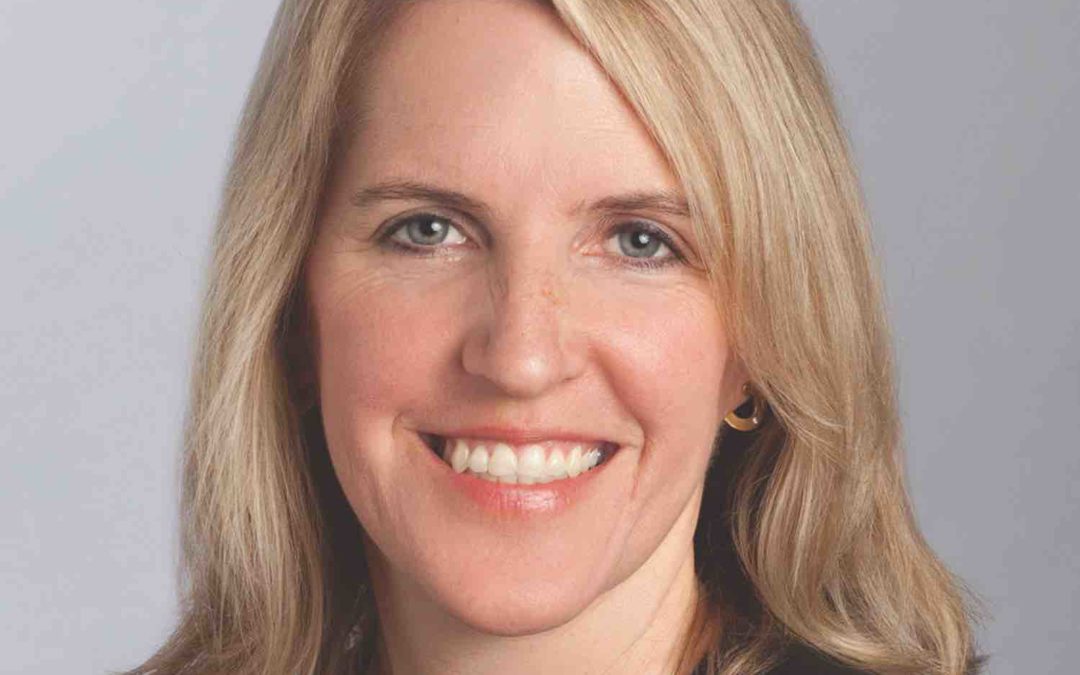
Spotlight On: Catherine Stempien, President, Duke Energy Florida

Spotlight On: Catherine Stempien, President, Duke Energy Florida

By: Max Crampton-Thomas

2 min read April 2020 — Duke Energy is among the largest electric power holding companies in the United States. In March, as the COVID-19 pandemic caused a virtual economic shutdown, Duke Energy took its own measures to alleviate the stress for customers, announcing it would not suspend customers’ power during the course of the pandemic. President Catherine Stempien discusses the region’s energy needs during the crisis and the impact from the virus, and its own transition to remote work.


How have both shelter-in-place measures and reduction of business activity impacted the region’s energy needs?


It’s too early to understand the full impact of the coronavirus on our business operations. However, there are a few things that are obvious given the current circumstances. More energy is being consumed by residential customers and less in the commercial spaces – especially hotels and the tourism industry. For our residential customers, keeping the power on is more important than ever. We know business owners are operating from home, employees are working remotely and many are teaching their children at home as well. Even a brief interruption can cause a huge disruption to what some customers may feel is an already stressful situation.

Right now, we are focused on continuing to deliver the reliable power customers and communities need while helping to protect the health and safety of those we serve and our employees.

I am proud of the work our 3,800 Duke Energy Florida employees do to make sure our customers’ lights stay on, our hospitals are powered up and important food supplies stay cooled. Now more than ever, we feel a heightened sense of urgency because our customers and communities are counting on us to deliver the reliable service they expect. That’s why you will see us out in communities, continuing to respond to power outages and completing essential work.  

Duke Energy works with local Emergency Operation Centers to develop a critical customer list that includes hospitals, emergency rooms and other medical facilities. We have proactively been checking the feeders – which are the backbone of our system – to be sure these critical lines have reduced risk of an outage impacting the critical facilities that our customers need. 

To protect the communities we serve, we’re asking our essential workers in the field or operating power plants to maintain safe distances and use enhanced protective gear. If they need to interact with a customer, they will follow strict CDC guidance, which we are closely monitoring for developments.  

We are also implementing worker screening measures (including temperature checks), enforcing social distancing, restricting certain areas of power plants, increasing CDC disinfectant cleanings between and during work shifts, staggering start times, adding physical barriers, placing some workers on-call and having others work remotely, and implementing a no-visitors policy.  

Our business continuity plans have contingencies to sequester certain employees at plant sites and other critical facilities, however we are not sequestering employees at this time.

We want our customers to know Duke Energy is working hard 24/7 to deliver this essential service during this critical time.


Duke Energy temporarily suspended disconnections for nonpayment and waived late payment fees effective March 21. How has the community since responded to this initiative? 

Many of our customers are facing economic challenges. We want to help relieve the financial burden on our communities. In mid-March, the company stopped service disconnections for unpaid bills and waived returned check and late payments fees for all customers. On April 28, The Florida Public Service Commission approved our plan to significantly reduce customers’ bills for the May 2020 billing cycle by giving the annual fuel savings in a single bill. Traditionally, these fuel savings would be refunded over the following year. A typical residential customer will see a decrease of nearly 21% on May’s bill. Commercial and industrial customers will see significant savings ranging from approximately 20% to 45%.  

However, hot weather and additional time at home, can mean more energy consumption and could result in higher bills. We strongly encourage customers to use many of the tools we provide to help them manage their usage and to pay what they can to avoid building up a large balance that may be harder to pay off later. If customers are struggling to pay bills, we have a variety of programs to help, including our Florida Energy Neighbor Fund duke-energy.com/FLNeighbor, or please contact us at duke-energy.com. For those who are fortunate enough to be in a position to give, we would ask you to consider a donation to the Energy Neighbor Fund. The dollars go to agencies that help customers pay any utility bill.

The Duke Energy Foundation also announced $1 million in COVID-19 response and education grants. The company’s $450,000 COVID-19-related grants address immediate social service and hunger relief needs resulting from the virus pandemic. In addition, the Duke Energy Foundation recently granted $550,000 to 22 Florida-based organizations to support energy, engineering and environmental educational initiatives. Given the COVID-19 crisis, the Foundation has also provided each organization with the option to use the funds to address unforeseen operational challenges.


What has the transition to remote work been like for Duke Energy?

Our IT team has taken steps to expand our bandwidth and prepare our technology systems, including adding more remote connections and conference line capacity.  Corporate-wide, we have been able to support approximately 18,000 employees working remotely, that includes 90% of our call center staff. We’ve been using new technologies to keep in touch and stay connected. 

Scammers target victims year-round but often hit hardest when people are vulnerable. So, we’ve seen an increase in phishing scams, in addition to phone scams targeting our customers. Be aware of scammers, threatening disconnection of service and asking for immediate payment over the phone. Duke Energy never asks for personal information over the phone or demands payment using money orders or gift cards. And remember, Duke Energy has stopped service disconnections for unpaid bills.

We are already evaluating the best way to transition back into our more traditional workplace, but also evaluate what we’ve learned. We do measure, for example, our customer care center call response performance. There have been some areas such as the call center, that have stood out as doing extraordinarily well during these challenging times. We have a lot to evaluate and consider as we move forward. Each situation may be different and require a different response in the future. There will be great lessons learned, both to replicate and improve, that we’ll take away from this response.


How do you see the Florida region emerging from this pandemic?

I am on the Florida Governor’s Re-Open Florida Task Force Industry Working Group Related to Administrative, Education, Information & Technology, Manufacturing, Mining, Utilities and Wholesale. We are working closely with the Governor’s Office to consider the best ways to reopen Florida and its businesses. The task force is focusing on short-, medium- and long-term plans. There are multiple groups made up of local and state elected members, as well as business representatives working on a plan. Our goal is to determine how this will be accomplished with the health and safety of Floridians as the priority.


To learn more about our interviewee, visit: 

www.duke-energy.com