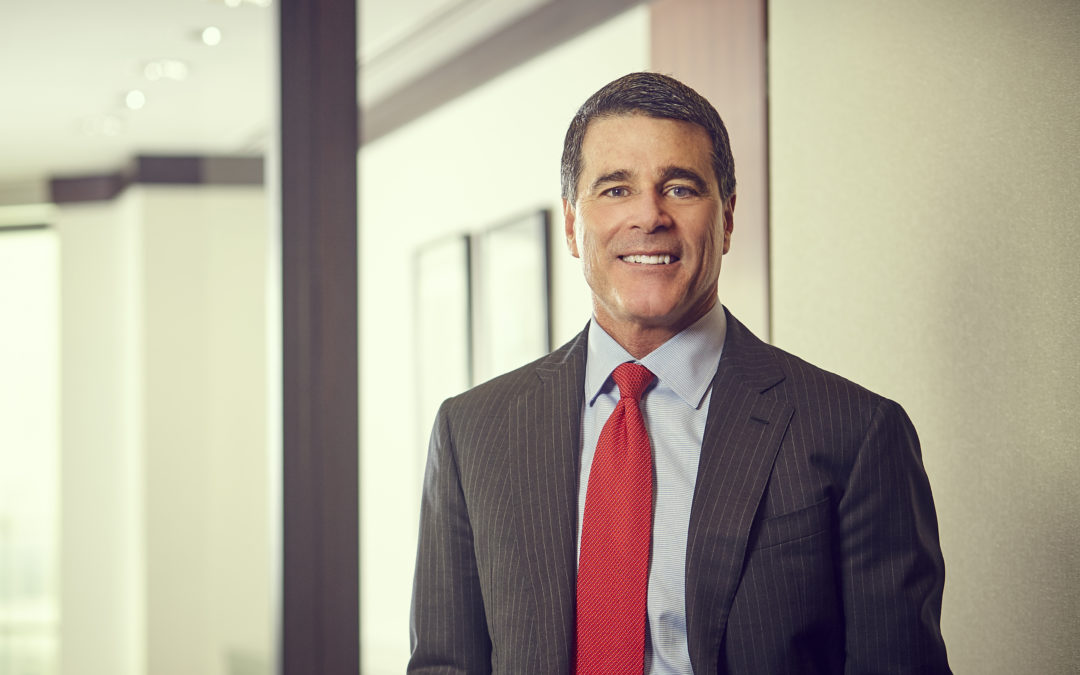
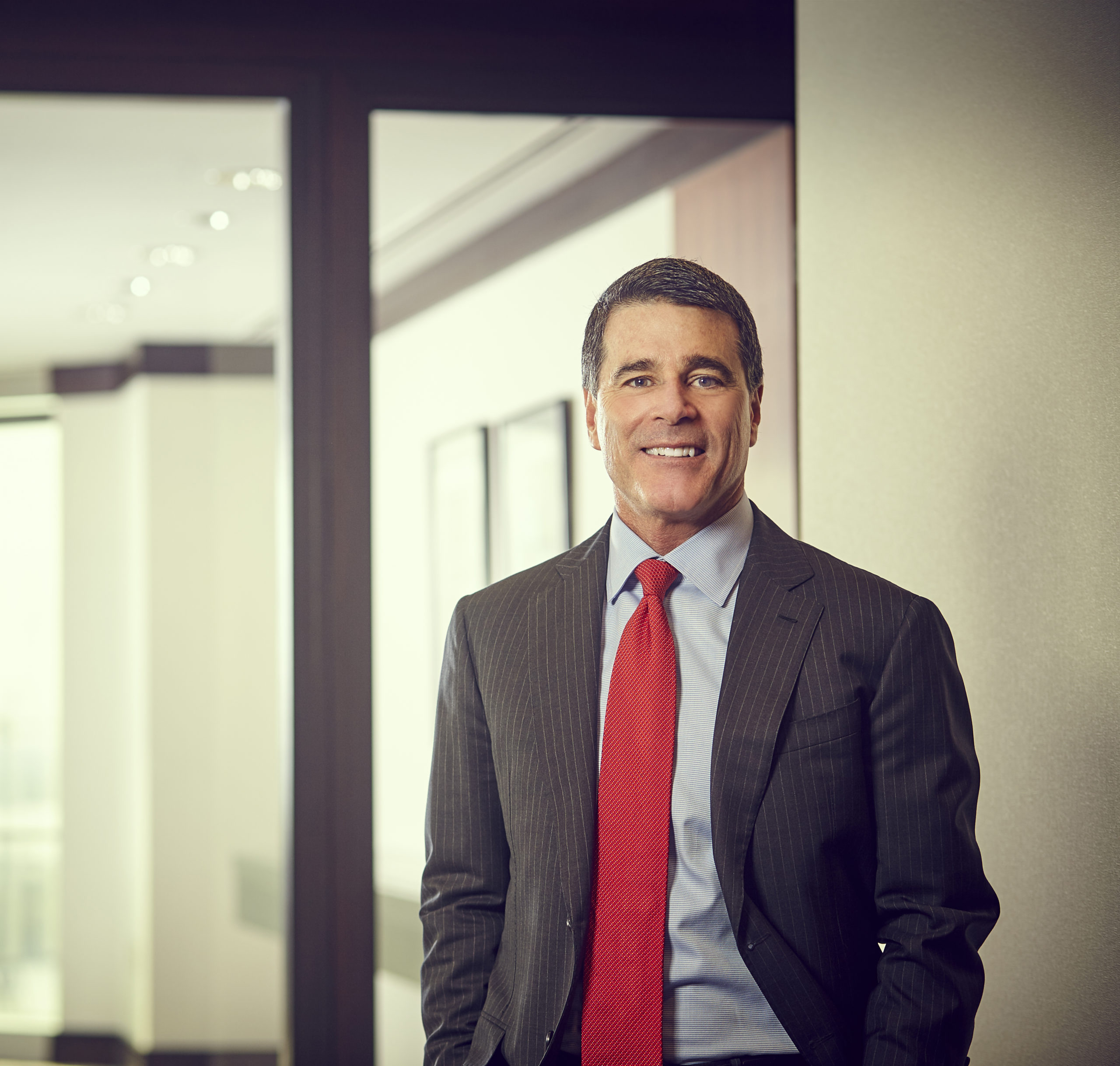
Spotlight On: Richard Helber, President and CEO, Tropical Financial Credit Union

Spotlight On: Richard Helber, President and CEO, Tropical Financial Credit Union

By: Max Crampton-Thomas
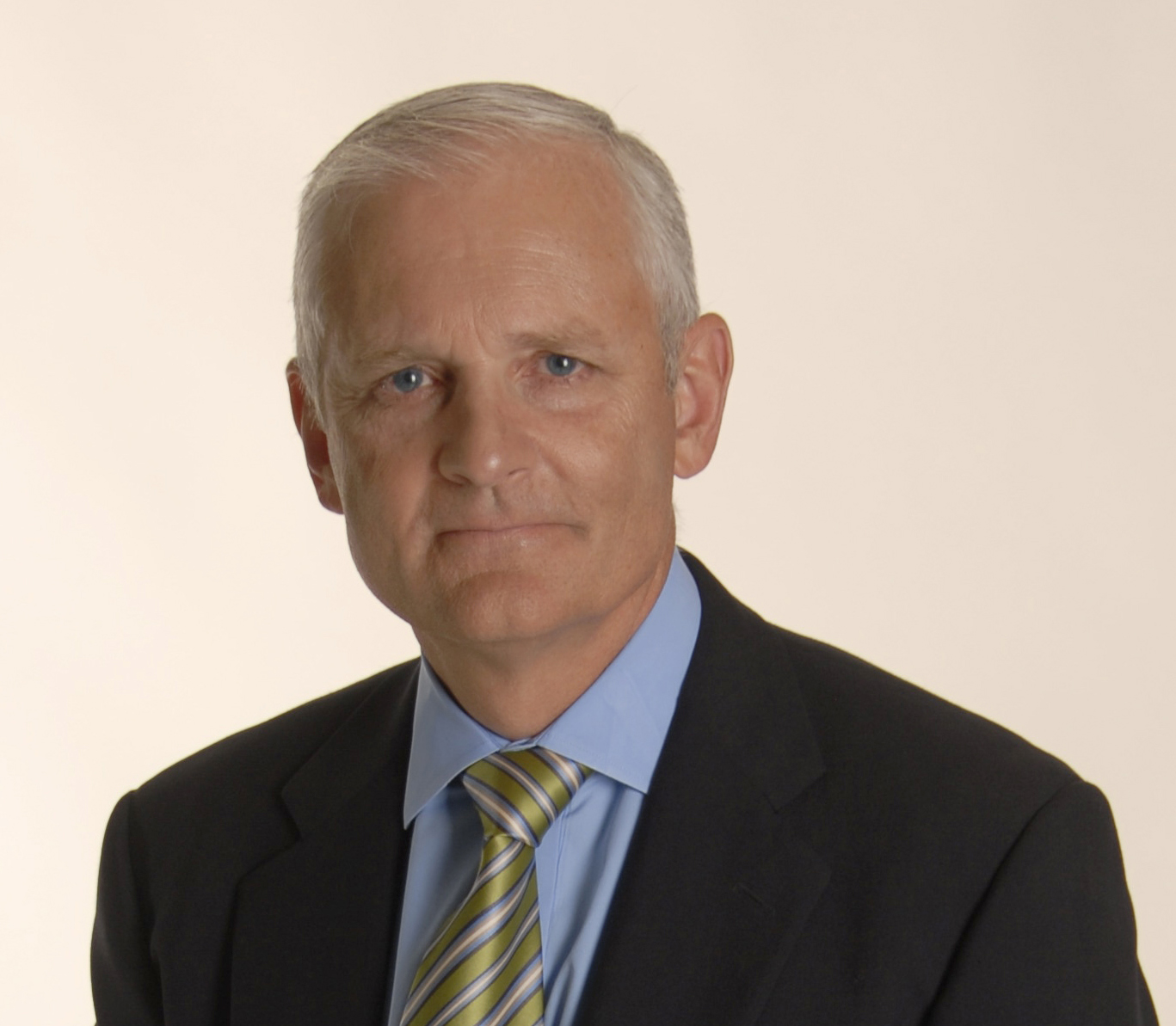
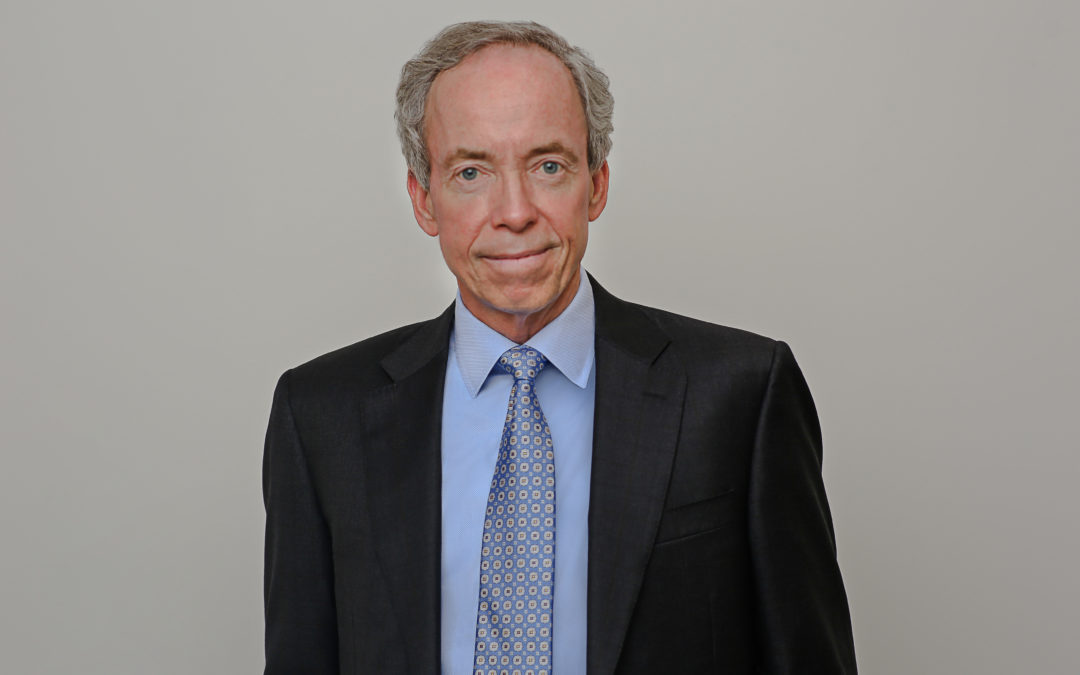
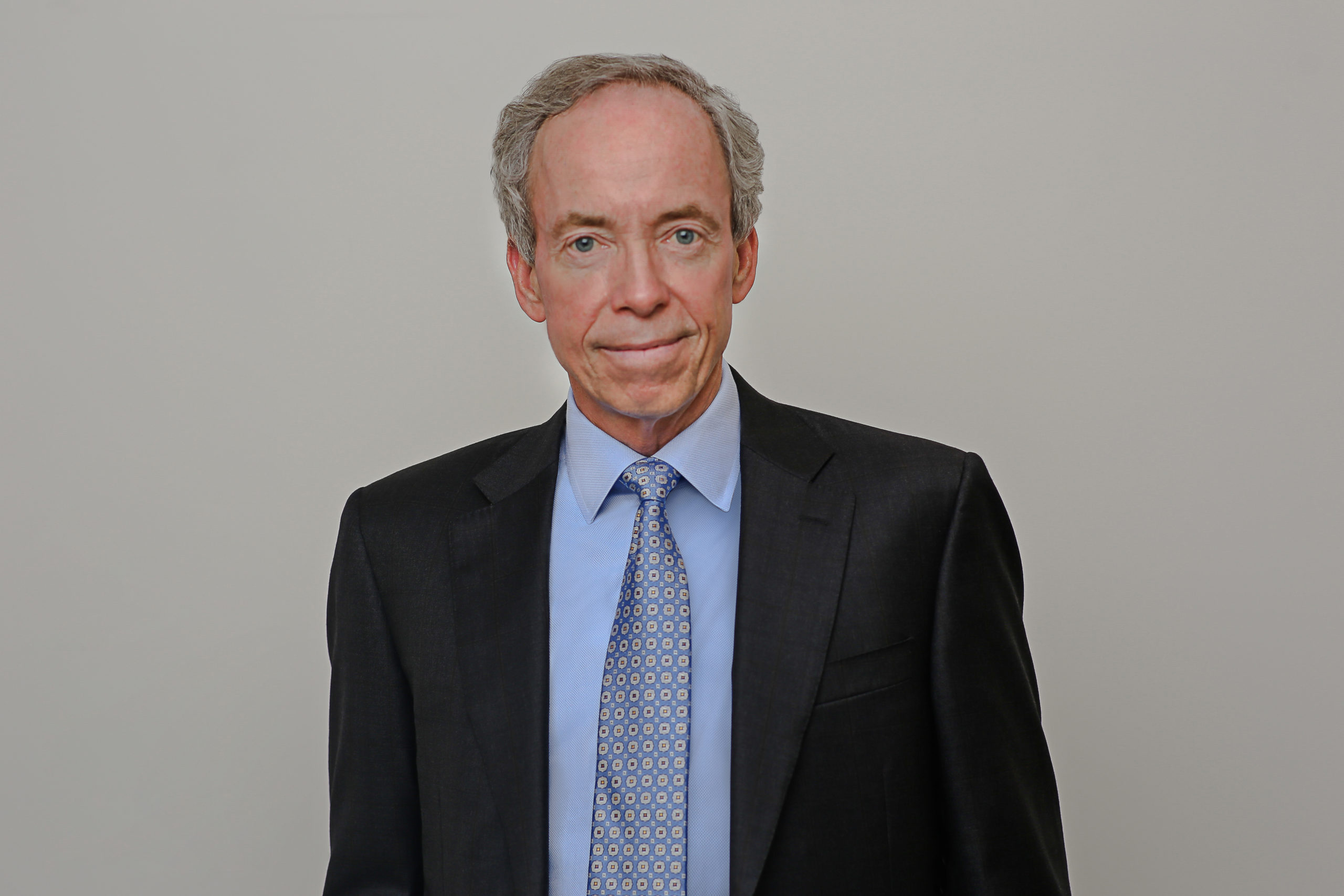
2 min read December 2019 — There are options when it comes to banking and it’s not just choosing between the multitude of traditional banking institutions. When Invest: spoke with Richard Helber, president and CEO of Tropical Financial Credit Union, he made sure to convey that unlike traditional banks, its credit union is a not-for-profit cooperative whose main goal is putting the customer’s interests first. He also spoke highly of the benefits of being located in South Florida and the trends he is keeping a close eye on as we turn the corner into 2020.


What advantages are afforded to customers who bank with a credit union like Tropical Financial as opposed to traditional banks? 

One factor that really makes us different from our banking counterparts is that we are not for profit. We are organized as a cooperative, so we refer to our customers as members because they actually own us. They elect among themselves individuals who will be on our board of directors. Our board of directors are all volunteers. Because we are a nonprofit, we do not pay income taxes and also do not have a profit motive. 

Banks are organized for profit and we are organized for service, with the philosophy of people helping people. What this means to consumers is that we are putting their interests first. There is no stock and we have no stock options. Our goal with our volunteer board is to put the interests of our members first. This translates into trying to be more competitive on our rates and fees and providing better service. In this day and age when there are so many people with busy lives, our mission is to help them make their finances easy to access and affordable so that they can get on with the things that are important in their lives.

How is the location of South Florida conducive to the future success of your operations? 

There are a lot of positive things happening in South Florida. The state is still seeing over 1,000 people a day moving within its borders. There are still companies that want to relocate here or anchor themselves in Florida. It also helps that this is an international market as well. This has increased the amount of diversity in terms of the number and types of companies that are here, in addition to the variety of professionals who have moved into the state.

What are the continuing or emerging trends in banking that you are keeping a close eye on as we move into 2020? 

One of the trends we are watching carefully is the tellerless branch. This is just starting to happen in South Florida and in different markets across the county. This machine is more or less a highly sophisticated ATM. But it can do a lot more than just take a deposit and dispense cash. They can do all the same things a human teller would do and unlike a human, they can be available 24 hours a day. The branch is being transformed into a financial consultation center not a transaction center.

Another trend we have observed is that when it comes to banking, the younger segment of the population wants tools to help them better organize their finances and make good decisions. For that reason, we have created the Get Beyond Money platform where an individual can sign up to meet with a money coach and develop a financial action plan. 

To learn more about our interviewee, visit: 

https://www.tropicalfcu.com/

Spotlight On: Douglas Zaren, CEO, Memorial Regional Hospital South

Spotlight On: Douglas Zaren, CEO, Memorial Regional Hospital South

By: Max Crampton-Thomas

2 min read December 2019 — As the population continues to grow, the need for specialized healthcare follows suit. For Memorial Regional Hospital South, the focus is on being able to adapt and grow areas that will benefit the future of post-acute care. Invest: spoke with CEO Douglas Zaren about how the hospital is adapting its practices to meet increased demand while also being open and flexible when it comes to adopting new technology into the hospital. 


What differentiates Memorial Regional Hospital South from the other hospitals in the region? 

As the home of the Memorial Rehabilitation Institute, Memorial Regional Hospital South is made unique by our focus on post-acute care. One of our rehabilitative programs is Determination Drive, where we have created a community with an ATM, grocery store, library, park and a MINI Cooper. We use these environments to help patients re-learn different skills in realistic scenarios. By practicing everyday tasks under the supervision and guidance of our therapists, our patients will be ready to leave our hospital with confidence. We also take pride in our Adaptive Sports program, which helps our disabled patients reach their maximum potential. Different activities, such as wheelchair basketball, adaptive bowling and adaptive cycling help our patients gain confidence as they adapt to life with a disability. Our patients are the center of all that we do, and we strive to help them recover both physically and emotionally. 

As the population in Broward County continues to grow, how is the hospital preparing for the increased demand? 

As our population grows, it is important for us to be able to adapt and grow the areas that will be necessary for the future of post-acute care. This need to adapt is further exacerbated by pressures to provide more efficient care. As a result, we focus on the entire continuum of post-acute care, going beyond inpatient rehab to outpatient rehab, home health and Memorial Manor, our Skilled Nursing Facility. By expanding the capabilities to these providers, more patients are able to receive appropriate care. An example of this dedication to growth is the expansion of our electronic medical records technology to Memorial Manor, which will allow the caregivers to easily see the patient’s medical history. Our expansions of outpatient rehab and home health services allow more patients to receive care outside of the hospital setting, in the comfort of their home and on their schedule. Finally, our continued focus on excellent quality in our hospital still gives those patients with higher needs the care they need through our inpatient rehabilitation services, 

How are you implementing new technology to better serve your patients and physicians. 

Technology is advancing rapidly in all aspects of life, including patient care. We have a strong commitment to leverage this expanding technology to provide our patients with the most modern and innovative care in the market. An example of this is our recent acquisition of a C-mill treadmill, which utilizes virtual reality technology to simulate realistic environments for patients. This allows patients to get acclimated to walking in environments they would see outside the hospital, while still being in a safe, monitored situation. In addition, we help our patients become accustomed to using technology in their everyday life. By training our patients with an Amazon Alexa smart home system, they will be able to use these tools in their homes after discharge to help with tasks, such as turning on the lights and controlling the TV, that may be difficult for them as they continue their recovery. 

For more on our interviewee, visit:

https://www.mhs.net/locations/memorial-south

Spotlight on: Nicholas Haines, CEO, Bromley Companies

Spotlight on: Nicholas Haines, CEO, Bromley Companies

By: Max Crampton-Thomas

The future of Tampa Bay is developing in front of our very eyes and there are a few select developers making this vision come to life. Real estate developer Bromley Companies broke ground in mid-2019 on its ambitious Midtown Tampa project. Company CEO Nicholas Haines discussed the importance of incorporating new tendencies, such as a pedestrian-focused design, and the challenges that both a proper mix of high-end and affordable housing present for the city.


What’s the status of the Midtown Tampa project?

We broke ground on the Midtown project in May 2019 and we are well under construction for the first phase. There are 11 buildings going up at the same time: three residential, two office buildings, and several retail, including a Whole Food Kitchen and True Food Kitchen, both of which are significant expansions in the market. There is also a 1,000-car parking garage that is already topped out, and we’re right on schedule. The goal is to finish it by the 2021 Super Bowl, which will be held here in Tampa Bay just a couple miles up the street. 

A lot of what we are doing now is spending a tremendous amount of time on the finishing touches of the common-space designs that create community. It is about creating an imaginative destination not just for the people working, living and shopping here, but for the neighborhood by adding public art and a feel for the place, all the things that make a space interesting and dynamic. We are building a city within a city — an entirely new district. 

What business trends are you keeping an eye on as you go ahead with this development?

Accessibility and pedestrian-friendliness. I just read about a development in Arizona, with 1,000 residential units and no parking. That is a bold thing for a non-superurban area. What we are trying to do is create one of the first, pedestrian-first mindset versus car-first developments in Tampa Bay and Florida. All the streets inside the development are private, which is a really interesting feature of Midtown Tampa. We are not constrained by the city’s rules regarding traffic and street design. For a big event like the Super Bowl, we can close the streets so that all the cars access Midtown from the periphery.

We have designed curbless sidewalks, for example, and dedicated ride-share drop-off areas. The city of Tampa is working on a number of mass transit initiatives and we are working to accommodate a mass transit stop on one of our main corridors. People are going to live, work and shop here because they want to wake up, go to a coffee shop, walk their dog at the dog park, go shopping at Whole Foods, have a drink at the hotel rooftop bar, and maybe work at one of the office buildings. They’ll also be able to ride a bike path that connects from Midtown Tampa to the Greenway Trail System, from Tampa to St. Petersburg, by crossing a 10-lane bridge at Dale Mabry.

Are there any other areas that you see as a hotspot or active as real estate developments for the moment? 

Yes, it’s really exploding. The Heights area is really interesting. St. Petersburg is incredibly exciting and a great example of a vibrant, urban place with the interplay between food and art. We are talking about a city that has transformed itself over 10 years in terms of the energy there. 

What is your outlook for the Tampa Bay region, and how do you see the region addressing its challenges? 

Regarding sustainability, it is really important to get the mix right between higher-end housing like we are building here and affordable housing. There’s a need to provide better incentives for the private sector to offer that kind of housing. You can only do so much as a city if everyone is building luxury apartments. It is an issue for all cities, but Tampa today does not have a cohesive development and zoning policy to encourage that. Tampa is still a very affordable place on a relative basis, but that affordability gap is narrowing. People who have been living here for a long time with a moderate income are being pushed further and further away from the urban core. 

Transportation is a huge thing too. In some ways, advances in mass transportation technology might help Tampa. The city might not have done it in the past, but in some ways that might not be the worst thing. Tampa might be able to take advantage of innovations in technology like self-driving buses to implement something that is very forward thinking, instead of having to put up the heavy infrastructure and the massive amounts of capital for a light rail system.

To learn more about our interviewee visit: 

https://www.bromco.com/

Spotlight On: Lynn Stoner, Mayor, City of Plantation

Spotlight On: Lynn Stoner, Mayor, City of Plantation

By: Max Crampton-Thomas

4 min read December 2019 — To move a city forward both economically and community-wise, it takes a leadership with the forethought to develop for the future and individuals with their finger on the community’s pulse. The Mayor of the City of Plantation Lynn Stoner recently sat down with Invest: and discussed her first year as mayor, the key challenges her city faces, and how customer service has become the buzz phrase for her administration and how it deals with the community.


What has been a key focus of your first year as mayor of Plantation?


One of the many components that I chose to focus on is our transportation corridor. Plantation’s population is approximately 94,000 residents, 22 square miles and it’s right in the middle of the county, 10 minutes away from the Port Everglades and 15 minutes away from the airport. About 70% of the pass-through traffic on University Drive does not originate in Plantation, so one of my priorities was to be on the Board of Broward County’s Metropolitan Planning Organization. As a result, we will have adaptive lighting installed on University Drive starting in 2020. The following year, we will start the project on Pine Island, and we are in conversation regarding the bridge from Midtown across the river to State Road 84. These are hugely important and beneficial initiatives. Another major city initiative stems from 2016 when our citizens approved a $60-million bond issue. We are working now to complete these projects in the areas of public works, public safety, and parks and recreation. These projects will provide tangible improvements for residents, visitors, and businesses. 


We have people arriving to Plantation every day, calling or visiting to explore areas and opportunities, which has us absolutely thrilled. Being a strong mayor, I am trying to retain our hometown feel. I’ve lived here since 1970. I went to high school here and my three children and granddaughter are still in town. I understand the family component of Plantation. And keeping with this hometown feel, our first Light Up City Hall event was held on Dec. 7 and we anticipate making this as an annual event. 


What makes Plantation attractive to new businesses?


There was a time when Plantation was the golden city of the county. Now, many of the people that were raised here, are coming back . They have fond memories of where they used to fish, ride their bikes and go to our parks. They want to come back to raise their children in a similar environment.


We are focusing on maintaining that hometown feeling amid the development. We are now putting the finishing touches on our Midtown district, which was created in 1980 to be high density. We are handling the traffic in a manner that you feel comfortable coming here, taking a walk, riding a bike or taking a shuttle. We are focused on finding the right balance for our residents, visitors and businesses.


How is Plantation focused on government as a customer service?


As a contractor, I understand when people talk about their project costs. I understand their financial constraints when trying to put a project together. The city has codes that must be complied with but there is a way to present that information in a more palatable manner. City staff needs to understand the business consequences of their comments and we as a city need to understand the impacts of our rules and regulations and take a balanced approach. We are also striving to streamline business processes with a goal of transitioning to online plan review and permitting over the next several years as part of our “Paperless Plantation” initiative. This particular initiative is part of an overall effort through strategic planning that will focus on providing greater customer service across all 16 city departments. The City of Plantation believes in continuous improvement and every day we look for ways to better serve our stakeholders.


What are the main challenges that the city is facing as it grows economically?


Coming from the private sector, I always want things done a little faster. Still, when I look back over the last year, we’ve come a long way. Traffic and transportation are the main challenges, as well as sustainability. Along with our partners, Broward County, FDOT and MPO, our transportation initiatives together with Midtown upgrades will continue to offer a welcoming hometown feel that everyone will enjoy.


For more on our interviewee, visit:

http://www.plantation.org/

Spotlight On: Bill Schifino, Tampa Office Managing Shareholder, Gunster

Spotlight On: Bill Schifino, Tampa Office Managing Shareholder, Gunster

By: Max Crampton-Thomas

  2 min read December 2019 — A greater number of law firms in the Tampa Bay market may be a concern to some but for firms in the Tampa Bay region, these new legal-focused businesses are welcomed. Bill Schifino, the managing shareholder for Gunster’s Tampa Office, believes there is plenty of work for quality law firms throughout the region and that the collaborative environment between the various firms in Tampa Bay is a benefit to both his office’s practice and its clients. 


 Do you believe there is enough work to meet the increased supply of law firms in the region?


There is plenty of legal work in Tampa Bay for quality law firms and competent lawyers. I have been in this marketplace for 33 years, and the way law firms interact with one another has relatively remained the same. The law firms in this region play well together, and we refer work back and forth to one another because we sometimes have inherent conflicts in our cases. For example, if there is a business litigation case that involves multiple parties and the lawyer can’t represent them all, that lawyer will call other lawyers who may have been on the other side in a similar case in the past but who are capable and competent. So while I may have a case where I’ll see a credible law firm on the other side, one day they may be joining with me to help defend another group on a different case. 


How does Gunster’s statewide presence benefit your clients? 


One of Gunster’s attractions for me was the fact that I can offer my clients statewide coverage in all of the key markets. When I have a client with an issue, whether it be in Fort Lauderdale, Miami or Jacksonville, we can make sure they are covered because we have 200-plus lawyers around the state. It also helps that we have some of the best and brightest lawyers Florida has to offer. If I have a client with an issue-based question, and I do not have the talent here in Tampa to address it, I can consult someone from one of our other offices who has expertise in this area. This is how we handle all of our clients’ needs. Gunster also is a big believer in their lawyers serving their community, which is why you will see the firm extremely active in our respective markets.


How important is being a steward of one’s community to the success of a law firm? 


A law firm cannot attract the right talent without a commitment to community service, service to the profession and pro bono work. It is critically important that we as professionals give back to those less fortunate. Within the Florida Bar, a big focus is access to justice. In the criminal justice system, if you’re indigent then you are constitutionally entitled to a public defender, but what if you are someone that just really cannot afford a lawyer and are on the cusp of being below the poverty level? What happens if that person all of a sudden has a traumatic event in their life, and cannot get free legal service? We need to address how we as a profession can make certain that those people are being taken care of. The Florida Bar works extremely hard at addressing this issue, along with lawyers providing millions of dollars in pro bono hours to those in need throughout their community.


To learn more about our interviewee, visit: 
https://www.gunster.com/


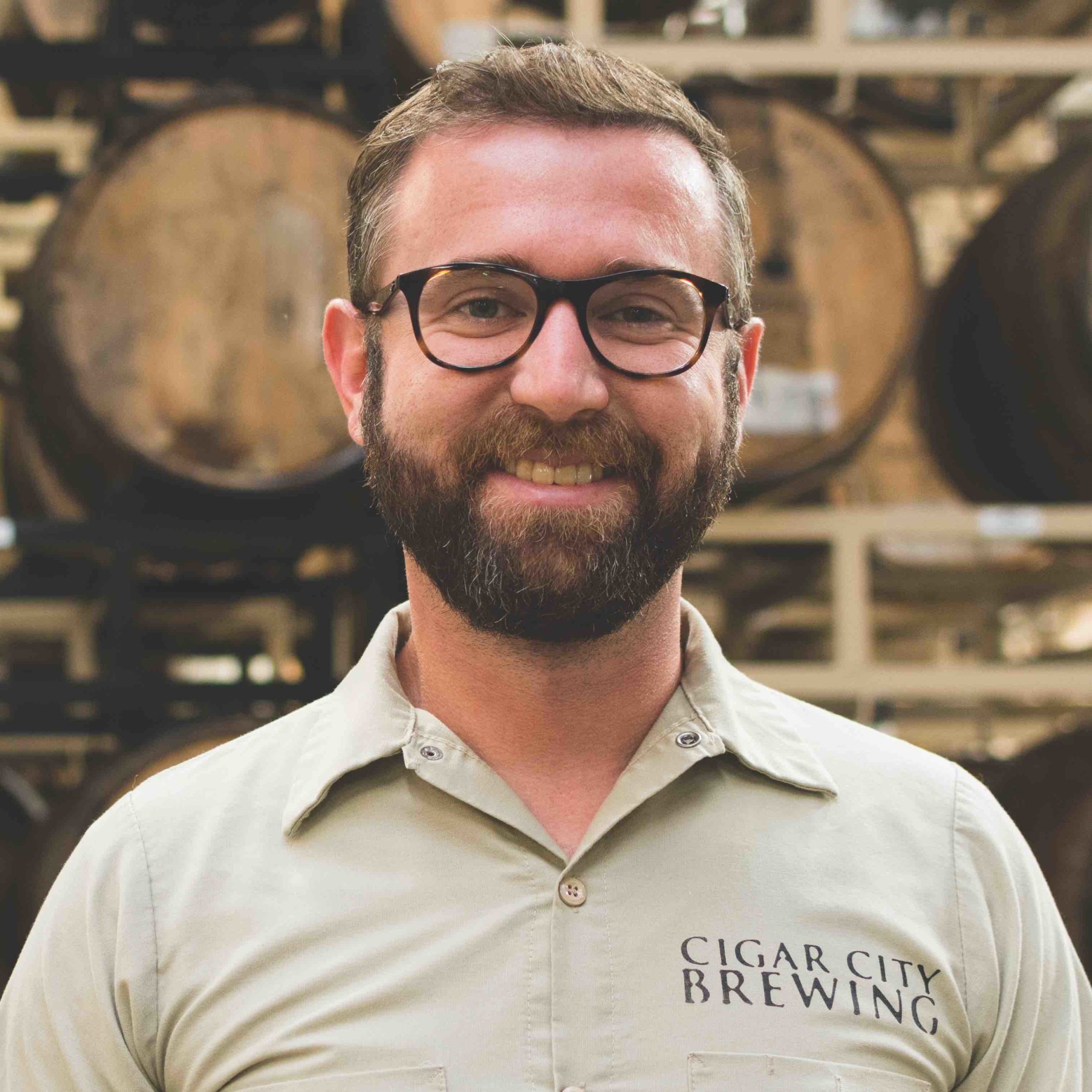
Spotlight On: Neil Callaghan, Brand Manager, Cigar City Brewing

Spotlight On: Neil Callaghan, Brand Manager, Cigar City Brewing

By: Max Crampton-Thomas

2 min read November 2019 — The Tampa Bay region is known for having and being headquarters to a wide variety of business types. While all these businesses contribute to the local economy and community in various ways, perhaps one of the most sought after and visited are the local breweries that call Tampa Bay home. One of the most well-known is Cigar City Brewing, which started as a local brand and has now expanded to become a widely recognized national presence. Invest: spoke with Brand Manager Neil Callaghan about how Tampa Bay has shaped the company, being stewards of the environment and the impact the brewery has on the local economy.


How has Tampa Bay influenced the brand and culture of your business? 


Our Brewery is unique in that so much of what we do is really influenced by the culture, the cuisine and the history of Tampa Bay. We feel like our success has really been part and parcel of the story of Tampa Bay resonating with people outside of the Florida area. We are extremely fortunate because we do get a lot of tourism to this region for a number of reasons, whether to visit family or go to the beach. Tampa Bay has really molded what we are doing as a company, from the names of our beers to how we market ourselves. This speaks to the way outsiders have responded to the culture of Tampa Bay as a whole. Tampa is still our biggest market by a long shot, and we are still growing at a double-digit rate in the Tampa Bay area, which is exceptional.


How important is consistent innovation to your business? 


The questions we constantly ask ourselves are: How do we keep people engaged? How do we keep them excited? And how do we keep that growth trajectory where it has been for the last few years? The answer is innovation. We are not a company that puts out a beer and just keeps pushing it for years. We have been incredibly fortunate with our brands like Jai Alai, which is our biggest seller, but at the same time it is the new brands, styles of beer, new ingredients and new processes that we are working with that keep people interested. Our innovation is really going to help us continue to grow for the foreseeable future. We are not just brewing the same beers that we were brewing five years ago. We always want to maintain the quality and consistency that we have never deviated from since day one, but our innovation is really where we are putting a lot of our chips these days.


How is Cigar City Brewing promoting environmental sustainability in the region? 


In the last year, one big innovation that we have worked on in regards to environmental sustainability is our move away from the clear plastic rings that hold the six-packs together. While they are sustainable, we felt like there was a better option and a better way to not only help our brand from a branding perspective but also to help the environment. We have now moved to cardboard wraps and these are much more environmentally friendly and recyclable. It has been a big project for us to literally change the whole way that we are packaging our beer, but again, it is an opportunity for us. We get more of our branding out in front of consumers because they are now looking at a box that is a lot more engaging than a collection of cans. Our vendors have a heightened focus on environmental sustainability as well. 


What is the economic impact of the brewery on the local region? 


We are employing around 70 people full time in the Tampa Bay area, and we are also employing sales teams all over the country. We are helping impact the local economy by this employment, but also by the amount of beer that we are selling. Because beer is a relatively highly taxed commodity we, along with the rest of the beer community in Tampa Bay, are helping to bring in millions of dollars in tax revenue. This goes directly to our local communities, counties and the state of Florida. Certainly, as one of the larger breweries in the area, we are proud of the direct impact that our brewery is making. At the same time we think the more compelling story is that there are now over 80 breweries in the Tampa Bay area, which is incredible because 10 years ago there were six. Our industry is helping to directly impact the local economy in a meaningful way. 


To learn more about our interviewee, visit: 

https://www.cigarcitybrewing.com/


Spotlight On: Jeff Burns, Founder & CEO,  Affiliated Development

Spotlight On: Jeff Burns, Founder & CEO, Affiliated Development

By: Max Crampton-Thomas

4 min read November 2019 — To be a successful developer in today’s real estate climate, a company must not only be professional but also in tune with regional and global trends as well as stewards for fulfilling a community’s needs. Affiliated Development focuses on building mixed-use multifamily developments in underserved areas of the market. Invest: spoke with CEO and Co-Founder Jeff Burns who provided his insights on the company’s approach to Opportunity Zones and their potential in Broward County, as well as highlighting the regions that have the most demand for multifamily development.


What are the most interesting highlights for Affiliated Development over the last year?


We have been working on projects in Broward County and we have also made some fairly aggressive moves into Palm Beach County. In Broward, we just topped out the construction of our 142-unit mixed-use apartment building in Downtown Fort Lauderdale, named The Six13. We are going to start leasing efforts for The Six13 in spring 2020, and delivering apartments on June 1. We are also in the beginning stages of additional projects in three other Broward cities, including another in Fort Lauderdale.  In Palm Beach County, we got underway on a 230-unit apartment project on Dixie Highway in Lake Worth Beach called The Mid. We are also moving on other opportunities in Lake Worth Beach. In May, we closed on the purchase of a 20-parcel assemblage in Downtown West Palm Beach, a couple of blocks from the Virgin Trains station to construct a 289-unit mixed-income workforce housing project called The Grand. My partner and I are very proud of what our Affiliated team has accomplished this year. We are workaholics and have had a busy year, but are focused on keeping the momentum going into 2020.


How have you leveraged the new Opportunity Zones in the state and what is their potential in Broward?


In April (prior to the IRS posting its regulations) we closed our The Six13 project with Qualified Opportunity Zone (QOZ) funding. We are one of the first companies to implement QOZ financing for a project of this kind in the state of Florida. These zones are definitely getting a lot of thrust, but there are more people talking about it than implementing it. The QOZs are definitely going to have an impact, but it is becoming more challenging to find sites that make sense due to unrealistic landowners and sellers.  There might be a reality check setting in with landowners who found themselves in a QOZ and have priced their land ridiculously high. It could have the adverse effect of preventing projects from happening in some areas because of false expectations.


Our philosophy is to remain disciplined. If we strip away the QOZ benefit, is this still a deal we’d do? If the answer is yes, we’ll take an aggressive position. Some people are doing deals that they would not otherwise pencil-out (without the QOZ rules). The program was intended to incentivize investment into these areas, not make a bad deal good. 


Which areas of the region have the most demand for multifamily developments? 


Fortunately for us, all of South Florida is booming. More and more people are moving here from the Northeast and other high-tax states because our business climate is favorable and our quality of life is second to none. Certain markets have experienced a tremendous amount of urban growth during this latest cycle, such as the Flagler Village submarket in Downtown Fort Lauderdale. We are getting a lot of people who are moving to Fort Lauderdale from Miami to avoid the chaos, but who still want the benefits of a big city lifestyle.


We made a major investment in Lake Worth Beach, which is a perfect example of a place in close proximity to the largest employment center in Palm Beach County (West Palm Beach), which is about 10 to 15 minutes up the road. Lake Worth Beach historically has not seen much development or investment, but it is starting to happen because not everybody wants to live in a major downtown metropolis (and pay the rents these markets demand). In some places, it is getting a little bit too crowded and some people are moving into tertiary markets that are near where they work but that maintain their character and are less hectic.


How important is it to be able to offer affordable and workforce housing to the region?


It’s critical. Our region is one of the most cost-burdened places in the entire country when comparing the cost of living to income. It’s necessary to offer a high quality of life for our current residents, many of whom support our area’s largest industry, tourism. It’s necessary for economic development and to attract and maintain major employers and high-quality talent.


Many companies are moving here from the Northeast, looking to locate their offices into these urban areas. I think the days of large office parks in the suburbs are becoming fewer and fewer because companies understand that to attract top-tier employee talent they need to offer an atmosphere that caters to the young workforce who graduate from school and prefer urban living. Younger professionals don’t want cars; they want to be close to where the activities are. I believe that to be able to attract a high-quality workforce, urban living is key. But in areas like Fort Lauderdale, every landowner knows what they are sitting on, and it is very challenging to find any reasonably priced land where you can build anything that is not going to be very expensive.


We focus very heavily on being close to employment centers. In Palm Beach and Broward County, the average workforce renter commutes 30 minutes in each direction each day for work. People get in their cars and do that because they can’t afford to live near their workplaces. Meanwhile, as some of these cities keep growing, people are starting to complain about traffic. If these cities can offer housing that the workforce can afford, we’ll see a lot more people walking around, utilizing public transportation and a lot less traffic congestion. I also see great opportunities in cities like Lake Worth Beach and Boynton Beach (Palm Beach County), Pompano Beach, Hollywood and Hallandale (in Broward) that are a few minutes away and are becoming really nice options. 


What are the prospects for the real estate business in the area looking into 2020?


We are obviously at the top of the cycle. I think most developers realize that. Thus, we will be measured in our approach and watch market indicators very closely. As 2020 is an election year, we will no doubt see some volatility. Affiliated is going to continue to stick to our core competency, which includes attainably priced luxury rental housing. There is so much need for that here that we could build thousands of units over the next couple of years and only scratch the surface.  


For more on our interviewee visit:


http://affiliateddevelopment.com/

Spotlight On: Keith Koenig, CEO & Chairman, City Furniture/Broward Workshop

Spotlight On: Keith Koenig, CEO & Chairman, City Furniture/Broward Workshop

By: Max Crampton-Thomas

4 min read November 2019 — Acting as both the CEO of his company City Furniture and the Chairman of the Broward Workshop, Keith Koenig provides a unique perspective and insight on various facets of business and progress being made in Broward County. He not only discusses how the Workshop is working to address the  effects of climate change on the county, but also the progress it has made on the goals set forth last year. In regards to his business, Koenig reveals his key to longevity in the marketplace as well as what today’s consumers are looking for when choosing where to shop. 


How is the Broward Workshop addressing the issues related to climate change in Broward County?

Wherever anyone stands on the science of climate change, one issue is undeniable, and that’s the economics of resiliency. Smart people in the insurance world believe that our risks and insurance costs will go up in the years to come if we do not get ahead of resiliency. Broward Workshop members understand that issue and want to lead a public, private effort to improve the resiliency not only of South Florida, but to create opportunities for coastal communities around the world to partner and learn. We are still in the process of setting our priorities for our annual goals, but in all likelihood they will include supporting the Army Corps of Engineers’ $20-million research project. In addition, our members are supporting Broward County’s efforts to jump-start our resiliency efforts. We will also be supporting South Florida water management efforts to finish phase two of the C-59 reservoir, which is an important step forward in our resiliency efforts. 

What progress has been made on the goals set by the Broward Workshop last year?

When we look back over the last year, we have really moved all our goals forward. At the top of the list was addressing homelessness. A little over a year ago, we had a major encampment of close to 100 homeless in Downtown Fort Lauderdale and they were in an area right next to the library. Earlier this year, we worked to help place these homeless people into more permanent housing. The best way to end homelessness is to provide people with housing that is respectful and valuable. Our second goal revolved around education, particularly K-12 education in Broward County. When Superintendent Bob Runcie arrived in 2011, the Broward County school system was in disarray. Members of the school board had been accused of improprieties, morale was low and we were facing over $20 million in fines for not meeting state-mandated class size. Runcie has worked diligently to address those issues and to move our Broward County school system forward. The good news is that our school system has improved greatly with higher graduation rates and higher rated schools. Broward County Public School System nearly achieved an overall A rating in 2018 and they are working to continue to improve. We set a goal to support the Broward County public schools and our measure of success was to make sure Bob Runcie stayed as superintendent. I’m proud to say Bob Runcie is still our superintendent today.

The third big goal was the transportation sales tax initiative. Last year, county leaders put this sales tax increase on the ballot to fund transportation initiatives. It was a major initiative and members of Broward Workshop fell on both sides, but like any good organization we listened to the majority. We put our support behind it and the sales tax initiative passed. The last goal we set was around tourism. Tourism is Broward County’s biggest industry, and the biggest need we have is an expansion of our convention center and to build a convention center hotel. We were active both on the forefront and behind the scenes, and the expansion and the convention center hotel are going forward. 

How has City Furniture maintained its longevity in the market? 

The key to City Furniture’s longevity in the Broward County marketplace has been reinvesting back into our business. We operate financially conservative, meaning that we are careful and never try to bite off more than we can chew. That being said, growth has been a cornerstone of our business. If you do not have growth as a cornerstone strategy for your business, you can’t attract the talent you need or want. For instance, millennials all want to see opportunity to advance, grow and succeed, so they are attracted to companies that embody that vision. In our case, we just opened up big stores in Orlando, and we are planning to open in Tampa over the next few years. The other key to this business has been private ownership. We are able to invest for the long-term benefit of our associates, our customers and our community. 

How have you seen priorities shift in regards to consumers making a decision on where to shop?  

Retail needs to be more of an experience. What will drive you to a store as opposed to buying online is the experience. When the consumer is given a choice, they prefer to do business with local companies that genuinely support the local communities that they are in and companies that move in a direction of sustainability toward a carbon neutral footprint. Mostly, our shoppers and customers learn that City Furniture does these things after they come to our stores. It becomes a better value proposition for them to do business with us. All of these elements are aimed at tilting the customer experience factor a little more in our favor. 


To learn more about our interviewee, visit:
 

https://www.cityfurniture.com/


https://www.browardworkshop.com/

Spotlight On: Ruby Wake, Vice President, Tampa Bay Latin Chamber of Commerce

Spotlight On: Ruby Wake, Vice President, Tampa Bay Latin Chamber of Commerce

By: Max Crampton-Thomas

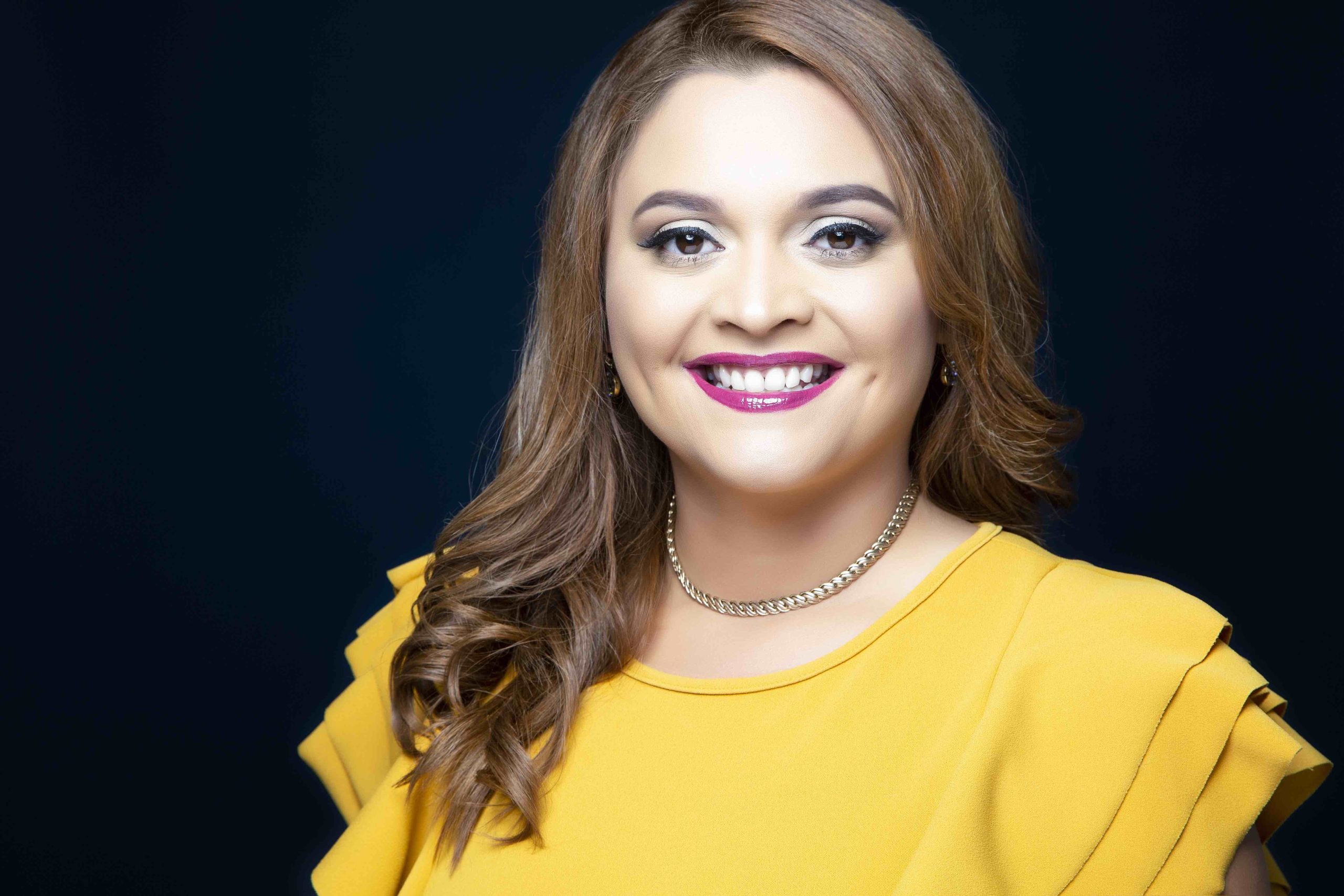
2 min read November 2019 — At first glance it may seem that there are more than enough chambers and business organizations in the Tampa Bay region to service the needs of the business community. The newest entry into the market, the Tampa Bay Latin Chamber of Commerce, would beg to differ. Created with the goal of promoting and aiding new and established Latino and Hispanic organizations in the region, the new chamber is looking to make a quick and significant impact within Tampa Bay. Chamber Vice President Ruby Wake spoke with Invest: about its mission, Tampa Bay as an emerging international hub of business activity and how the chamber will be addressing the greatest needs for this sector of businesses. 


How did the Latin Chamber of Commerce come to fruition? 

We noticed that there was a gap between the various Latino and Hispanic organizations. In this region, we have amazing organizations that cater to small businesses and startups by providing them with legal and accounting services, but there is no organization that caters to the professional services industry or the technology-driven industries. This was one of our main rationales for wanting to create this new chamber. We are in the process of developing a chamber that brings more than just monthly meetings and luncheons. We want to develop a chamber that is going to facilitate and assist in the development of new industries and companies within Tampa Bay. To accomplish this, we have created a board of directors that is very diverse, ranging from attorneys, to public administrators, to news anchors, with the purpose of figuring out what we can do for the Latino business community within Tampa Bay. 

How is Tampa Bay establishing itself as a hub for international business? 

Tampa Bay is going to continue to emerge as a hub for both national and international businesses due to our location and easy access to economic essentials. We have our ports and we are centrally located in Florida. We also have a booming economy, and we are slated to surpass New York City from a population density standpoint, which is amazing. Being in Florida also means that we are close to our Central and South American counterparts and having that access gives us the ability to introduce industries from different parts of the world.

What is the greatest need from the Latin business community to help grow their businesses? 

We have noticed a lack of education from a financial standpoint. Unfortunately, most Latinos are not instilled with financial literacy at a young age. Even for those individuals with a higher education, it is not something that is taught in most universities, colleges or even in graduate schools. Programs are starting to emerge for high-school students, which is great, but what about adults who are already working full time in an industry or starting a business? These professionals have questions related to things like obtaining additional funding, creating a succession plan for their businesses or expanding on an already amazing business structure. How can they create an adequate business plan and then pitch that business plan to a potential loan officer or an investor, when they lack the education and resources? While, we contribute $300 billion to our nation’s economy, our businesses remain stagnant for the most part because of a lack of funding and a lack of education related to obtaining this funding. It is a vicious cycle that we are hoping to break.

How will the chamber assist in promoting Latino businesses and residents in Tampa Bay? 

We hope to assist with the disparity by establishing two accelerator programs and a Latino leadership program. One accelerator will be a technology accelerator that will be hosted in conjunction with Tampa Bay Wave and the second accelerator will be a professional services accelerator. The Latino leadership program will assist Latinos who are interested in becoming involved in the political arena. We hope that by providing these additional resources, we will propel not only the Latin community within Tampa Bay, but Tampa Bay in general.


To learn more about our interviewee, visit: 
https://www.linkedin.com/company/tampa-bay-latin-chamber-of-commerce/