Spotlight On: Tansy Jefferies, Principal, International Tax Services, RSM US LLP

Spotlight On: Tansy Jefferies, Principal, International Tax Services, RSM US LLP

By: Max Crampton-Thomas
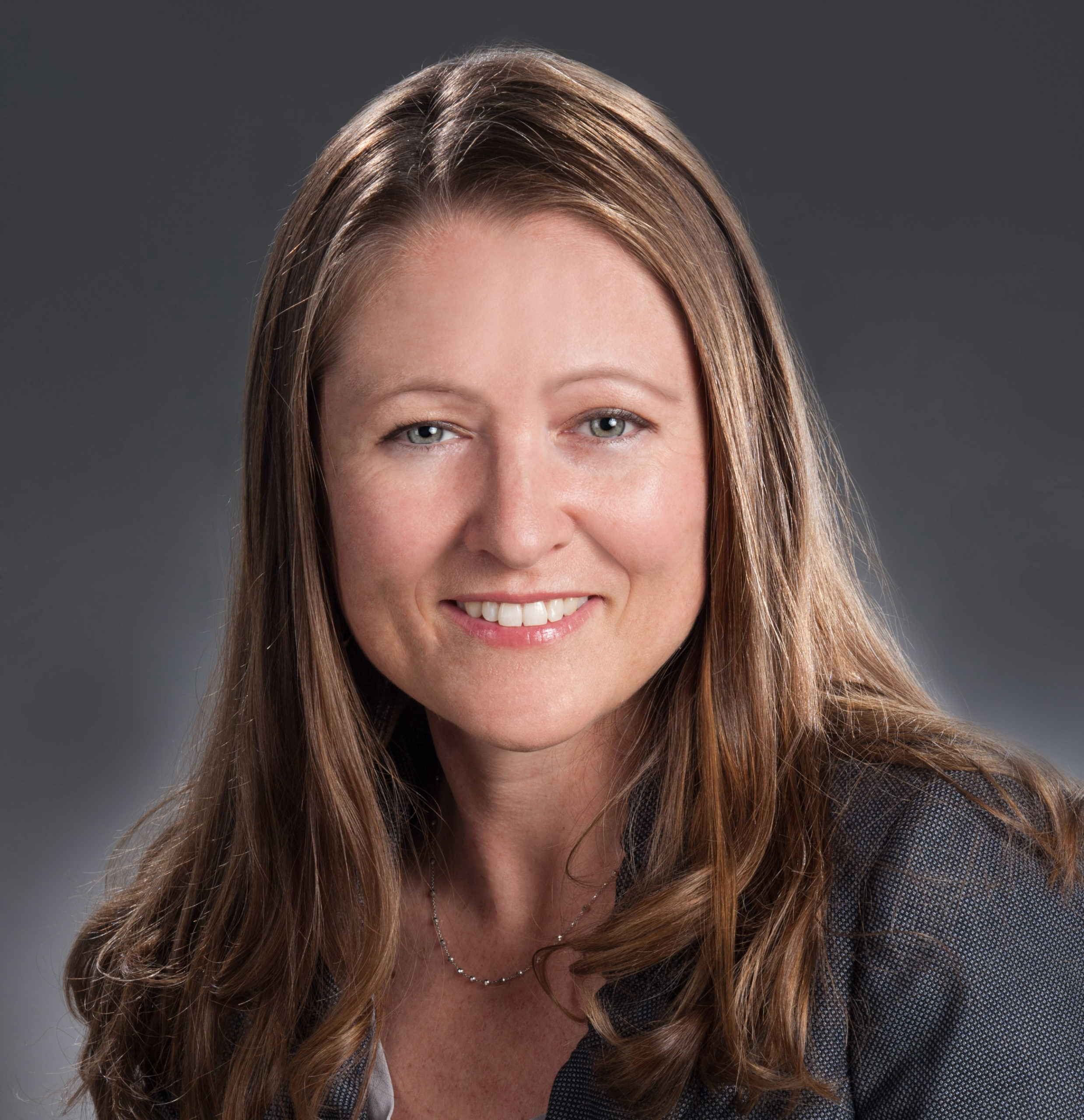
2 min read November 2019 — In today’s tight labor market, companies are feeling the pressure more than ever to stand out as leaders both in their industry and in their community. This includes efforts to promote diversity and inclusion within their organizations. Tansy Jefferies, principal for international tax services at RSM US LLP, spoke with Invest: about how RSM is leading the way in shattering the gender barriers in the accounting industry with 30 percent female ownership within the company, and the firm’s efforts to empower their employees with constant investment into enhancing the employee experience. 


How is RSM tackling gender challenges in the accounting industry?


We are proud to report that RSM in South Florida is leading the charge and breaking the proverbial glass ceiling with 30 percent female ownership in an industry where the average is approximately 16 percent. RSM places a high emphasis on coaching and mentoring our high-performing women to retain and accelerate them into leadership positions. We also want to increase diversity and inclusion more broadly throughout our organization. Culture, diversity and inclusion are strategic business drivers and have shown to be great catalysts for business growth. Our mission is to be the first choice adviser to middle market companies globally and to do that, we need a workforce that is as diverse as our clientele. This is the best way to truly deliver the power of being understood. 


How is RSM finding the talent it needs, given the county’s low unemployment rate?


We have found that our focus on culture, diversity and inclusion has also differentiated us from other firms when it comes to recruiting and retaining talent. RSM places a great deal of emphasis on delivering the power of being understood, not only to our clients but to our people as well. Through the RSM talent experience, we empower each other to enhance our value and build successful careers. We build rich, enduring relationships based on a profound understanding of each other, our goals and our aspirations. Because when we feel truly understood, we are empowered to move forward with confidence, both personally and professionally. RSM is constantly enhancing the talent experience by investing in and implementing new training, tools and resources. Specifically related to recruiting, we align with the State’s top universities to bring students into our internship programs. We also drive recruitment through diverse professional organizations, such as the National Association of Black Accountants (NABA) and the Association of Latino Professionals for America (ALPFA), which aligns with our goals of building a diverse workforce for the future.


In what areas is RSM seeing the greatest demand for its services?


As a specialist in transfer pricing, I have seen an uptick in services that affect multinational, middle market organizations. From tax reform to changes across the broader global tax landscape, there has been a significant impact on international companies. We have also seen a rise in enquiries from investors on the tax programs related to Opportunity Zones. On the assurance side, there have been increased activities related to implementing the new revenue recognition and lease accounting standards for public, private and government entities. Our financial advisory services practice has also been growing, as the economic outlook makes it a favorable market for buying and selling businesses. As for RSM’s consulting services, our cybersecurity, blockchain, infrastructure, managed IT services, and risk consulting practices are all growing at a rapid pace.


What is enticing investors into the Broward market?


South Florida is an enticing climate for a multitude of reasons, including the federal tax changes and incentives that have fostered an interest from our clients determined to keep jobs and intellectual property in the United States. One of the usual challenges for inbound foreign investors is understanding the complexity of U.S. tax law, because of the different layers of taxation at the federal, state and local levels. Fortunately, for businesses seeking relocation into Broward County, those layers are not quite as complex as in other parts of the country, which makes Broward a favorable option. From an economic perspective, Broward has a high quality of life, strong economic growth, and is dedicated to investing in infrastructure and the community, all of which are great reasons for businesses to invest in our community. 


To learn more about our interviewee, visit: 

 

https://rsmus.com/

Spotlight On: Matt Crum, Executive Vice President, FrankCrum

Spotlight On: Matt Crum, Executive Vice President, FrankCrum

By: Max Crampton-Thomas

2 min read November 2019 — Achieving longevity in any marketplace is difficult. That level of difficulty increases significantly when an area is growing and competition is introduced on a frequent basis. The solution to continuing to remain a leader is the flexibility to evolve with a customer’s needs, as well as having the ability to quickly switch gears in terms of focus for the business. Matt Crum, the executive vice president for Clearwater-based FrankCrum, understands these concepts, an understanding that has contributed to 38 years of success for his family’s business. 


 To what do you attribute the company’s longevity in this market? 


Change is inevitable in any business and I believe part of the reason we have been successful over the years is our acceptance and embrace of change. The company started as a staffing firm in 1981, opened what is the professional employer organization (PEO) a few years later, and we now have an insurance carrier, insurance agency and a managing general agency all under the FrankCrum flag. We understand that to remain relevant, we must continue to evolve with our customer’s needs. Something that has remained the same since we’ve been in business is our value system. Our three brand pillars are integrity, prosperity and affinity and those ideals are extended to all of the stakeholders in our business.

What benefits have been afforded to FrankCrum remaining a privately held business all these years? 

Tampa Bay, and specifically Clearwater, is more of a regional business hub as compared to some of the other, large markets in the Southeast. While there is a national company presence in the region, there are not a lot of big companies headquartered here. Being a privately held business allows us the autonomy to make decisions on a different time horizon than publicly traded or private equity-owned businesses. We can make an evaluation without having to consider what our shareholders are going to say or how the quarterly results are going to be affected. It lends itself to longer term thinking, clearly focusing on what is important and executing.

How has the location of Clearwater been beneficial to the success of FrankCrum? 

Being in the Clearwater/Tampa Bay region has been a huge benefit to our business. It is a fantastic market as the cost of living is pretty low, there is easy access to the No. 1 beach in the country, there are major market sports teams and the region really has everything that any other major market in the country has. The friendly tax environment for individuals and companies makes it easier to compete on a national level, especially when we are competing against the companies based in more expensive, higher tax environments. This location also helps in recruiting people who live in those environments. The idea of paying less in taxes and living in a great area is attractive to them. 

What lessons did you learn from the last financial crisis and how do they apply now? 

As a professional employer organization (PEO), we offer payroll processing, HR services and consulting, tax and benefits administration, and workers’ compensation and risk management to our customers.  Prior to the financial crisis, we were more specialized, focusing on specific industry segments. This was good while it lasted but hit us pretty hard during the recession. It forced us to look closely at our processes and our service offering. We realized we needed to invest pretty heavily in technology and personnel to expand our potential customer base and prepare for growth as the economy turned around. It turned out to be a successful strategy because we’ve experienced very solid growth over the last eight to nine years.  Our business benefits from the strength in the labor market and rising wages. As competition increases for talent, businesses need to improve their benefit offering so they often turn to a PEO. As they grow, especially into other states, we help them stay in compliance with state and local laws. 


To learn more about our interviewee, visit: 

https://www.frankcrum.com/


Spotlight On: Jesse Flowers, Community President, CenterState Bank

Spotlight On: Jesse Flowers, Community President, CenterState Bank

By: Max Crampton-Thomas


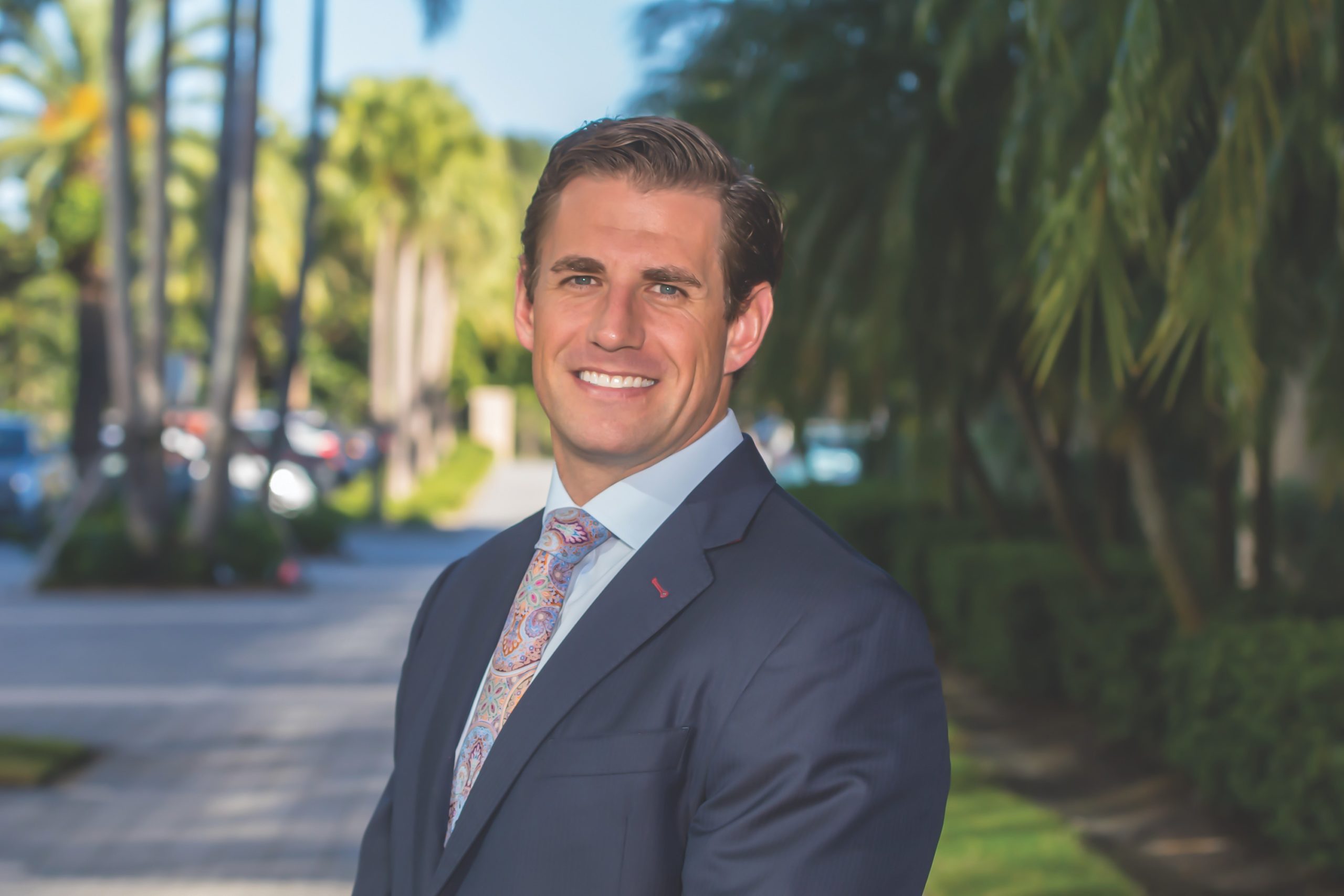
2 minute read November 2019 — Staying competitive and emerging as a leader in a crowded banking field takes smart growth strategies, remaining cognizant of trends in the industry and an ever-increasing focus on the technological wants and needs of customers. Jesse Flowers, the community president for CenterState Bank, spoke to Invest: about how his bank is ensuring continued growth into the future.  

How does your bank ensure continued and sustainable growth? 


We continue to grow, hire more people and expand our client base. We are always looking for acquisitions and good partnerships. We have acquired five banks over the last six years in South Florida, and all of them have been a strong fit. We want to make sure that our culture fits with the companies we acquire. We still run like a small bank, and all our decisions are made locally.


We stick to our fundamentals. We make sure that the loans that we provide are to good, qualified borrowers that can withstand a recession. On the commercial lending side, most of the demand is driven by real estate. We are paying close attention to where we are in the real estate cycle because Florida is mostly driven by tourism and real estate.


What is a particular trend you are keeping a close eye on? 


Banking is always changing. One of the trends that we have seen over the last five years is people using alternative lenders. Whether it be hedge funds, internet lenders or hard-equity lenders, a high number of those lenders have stepped into the market, more than they used to in the past. That might continue to be a trend because they are often able to be more flexible on the terms and conditions of their loans due to less regulation.


How does CenterState Bank remain client-focused in a rapidly changing banking environment? 


People are more focused on technology. We have to focus on the services that people want, like better and easier online technology. Those are the services that are expanding with people using phone and online banking. CenterState has invested in technology over the last several years because we know how important it is. Now, with open source platforms, access is getting cheaper, and we have hired in-house programming professionals to develop software for us.


To learn more about our interviewee, visit:
https://www.centerstatebank.com/

Spotlight On: David Druey, South Florida Regional President, Centennial Bank

Spotlight On: David Druey, South Florida Regional President, Centennial Bank

By: Max Crampton-Thomas

2 min read October 2019 — Connectivity to the community is the key differentiator when it comes to the variety of banks in the region, David Druey, South Florida regional president for Centennial Bank, told Invest:. He also raised some significant points about determining the right talent fit for a role in his bank, and how millennials could benefit from understanding and appreciating the significant advantages that having a human relationship with their bank can bring. 


How does your bank differentiate itself in a crowded financial market? 

Whether it is a large, regional, super-regional or community bank, the key difference is the connectivity the bank has to the community. Typically, larger banks have a tendency not to focus on small business. They look for large corporations that take out massive loans. They underserve the communities that they have branches in and use their branches for deposit gathering rather than actually servicing the customer’s needs on both the loans and deposits sides. While we are a $15 billion organization, we have allowed each branch to go with what I call their bend, which is allowing them to do the kind of work that they will succeed in. For instance, if there is a need for construction lending in their market, then they should be doing construction lending. This allows our branches to be in the markets on a much more granular level, and not a large-scale or silo level like some of the other larger banks.

How do you determine the right talent to hire from a tight labor pool? 

Talent must have the finesse to understand financial statements, business models, clients, people and be good enough to get all the details correct in order to have loan documentation approved. There is a very small group of people who can do this job extremely well, and those who do it well are in high demand. The key is to court them to come work for you, and entice them to come over based on whatever it is that they are not getting at their current institution. When identifying these people, we also look at their reputation and overall if they are a high-quality individual. 

Have you observed any significant changes in demand for your services with the influx of millennials into South Florida?

Millennials have a tendency to do everything on their phone, which is fine and we appreciate that technology, but they are missing out on the human component of a banking relationship. Having a relationship with one’s bank is vitally important to their financial well-being. When that relationship solely exists on technology, there is no connection with the financial institution. Millennials are missing out on the connectivity and relationships with banking professionals that could ultimately help them with whatever they may need. The positive trend we are observing is that as these millennials age, they are starting to realize that to start a business or buy a home they need to have some connectivity and relationship with their bank. They are migrating more toward having relationships with financial advisers and banks because they need them as a service provider.

Due to the strict regulatory banking environment, have you seen a trend of people looking at more nontraditional lenders?

In South Florida, we are always competing against two things, cash and nontraditional financing. South Florida has quite a few nontraditional financing options, but these options typically charge for the nontraditional financing through fees and a higher interest rate. This idea is comparable to the convenience store versus a chain grocery-store mentality. A convenience store may be easier to access but you will pay $6 for a gallon of milk, while a chain grocery store may be a bit more effort to access but will result in a savings of $2 for the same product. The same idea applies for lending from a traditional source like a bank versus a nontraditional lender.


To learn more about our interviewee, visit: 

 

https://www.my100bank.com/

Spotlight On: Frank Dame, EVP & COO , Clearwater Marine Aquarium

Spotlight On: Frank Dame, EVP & COO , Clearwater Marine Aquarium

By: Max Crampton-Thomas

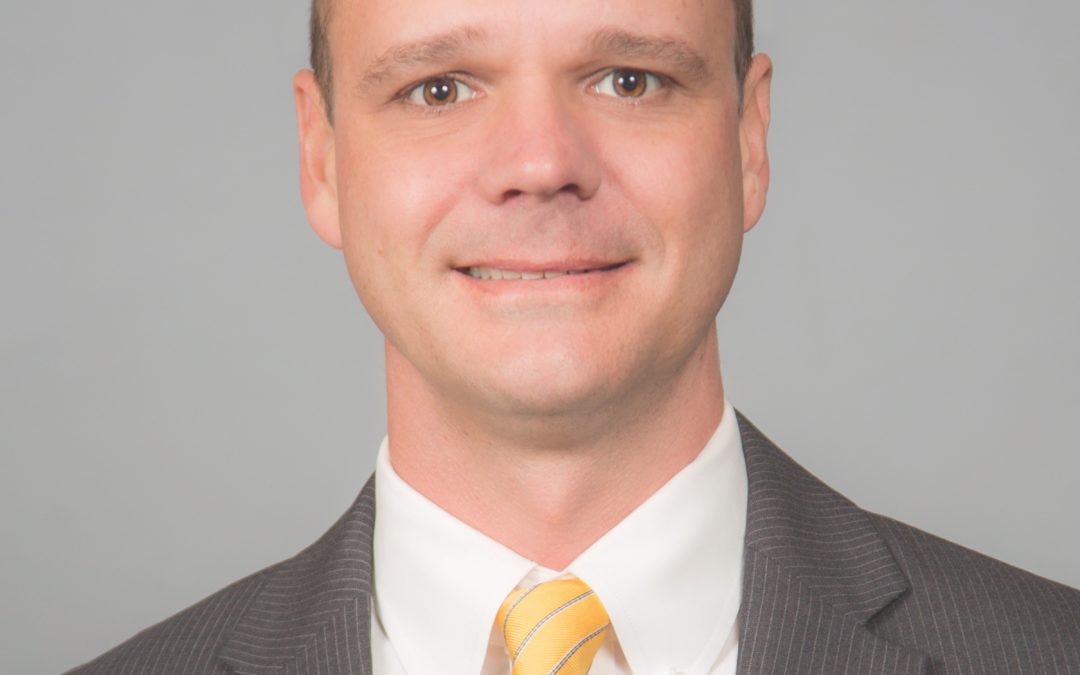
2 min read November 2019 — The city of Clearwater has a lot of enticing offerings within its borders, ranging from the No. 1 beach in the United States to a multitude of arts and cultural options. One of the most widely recognizable features of the city is the Clearwater Marine Aquarium. As a staple of marine conservation and education as well as the filming location for both Dolphin Tale feature length films, the aquarium has adapted its business model to remain strong after all these years. Invest: spoke with Executive Vice President and COO for the aquarium Frank Dame, about adapting its business practices to stay competitive, the renovations being made to the aquarium, the challenges from last year’s red tide and maintaining Clearwater’s No. 1 beach status. 


 How have you adapted your business to stay competitive?

Before the movie Dolphin Tale came out, we implemented a new philosophy and strategy. Although we are a nonprofit, we decided we would run the aquarium like a for-profit company and develop a business model that could fund the operations of Clearwater Marine Aquarium with minimal donations. We would then use donations to expand the business and for our various initiatives. We set this business model in place, and then expanded the gift shop, improved the guest experience and enhanced our food service. This started to drive revenue, and between 2006 and 2010, we grew attendance from 75,000 a year to about 220,000 just before the movie was released. The year after the movie was released in 2012, our attendance went from 220,000 to over 740,000. 

What can be expected for Clearwater Marine Aquarium’s new facilities? 

We are under construction. This is an $80-million project that is being supported by the city, county and the state. We were awarded $26 million from Visit St. Petersburg/Clearwater, while the city of Clearwater gave us $5 million, plus the land where we are located. The state of Florida also donated another $3 million in a grant, and we have an ongoing capital campaign to raise another $15 million. Overall, we have had a tremendous amount of support from the community. When we open the doors to our new facility, sometime next year, we are going to have almost four times the guest space we have now. We are also building five new dolphin pools. Currently, between all our facilities we have about 985,000 gallons of water, and these five new dolphin pools will add another million and a half gallons. We are really ramping up our ability to rescue more animals and provide a better living environment for our dolphins, as well as drastically improve the guest experience.

How much of an adverse effect did last year’s red tide have on the region? 

A year or so ago when the red tide came through the region, it had an extremely adverse effect on the local economy. We should commend Pinellas County because they tried to get in front of this issue by hiring boats to collect the dead fish and debris offshore before it ever hit the beaches. Our city was out there at 4:30 in the morning raking the beaches to make sure that tourism was not too badly impacted by it. While we were impacted somewhat, it could have been a lot worse. That red tide probably resulted from the runoff from storm water and other waste that goes into our waterways. This is damaging not only to the water environment itself, but to the tourism sector and the local economy, so human impact should always be something that we are conscious of. 

How can Clearwater Beach maintain its title as No. 1 beach in the nation? 

We need to focus on maintaining our recognition as the No. 1 beach in the nation, and we can’t accomplish this by just promoting ourselves as No. 1. The mission now is to make us the No. 1 beach because we are ocean friendly. We can do this by eliminating trash and doing things like stopping the use of single-use plastics. At the aquarium, we have gotten rid of all plastic bottles. Our water bottles now are all biodegradable and our spoons are all made of bamboo as opposed to plastic. We are trying to be an example of an environmentally responsible organization, and teaching people the right way to live in a model of environmental sustainability. 


To learn more about our interviewee, visit: 
https://www.seewinter.com/


James Fox, President, Maddox Group

James Fox, President, Maddox Group

By Max Crampton-Thomas


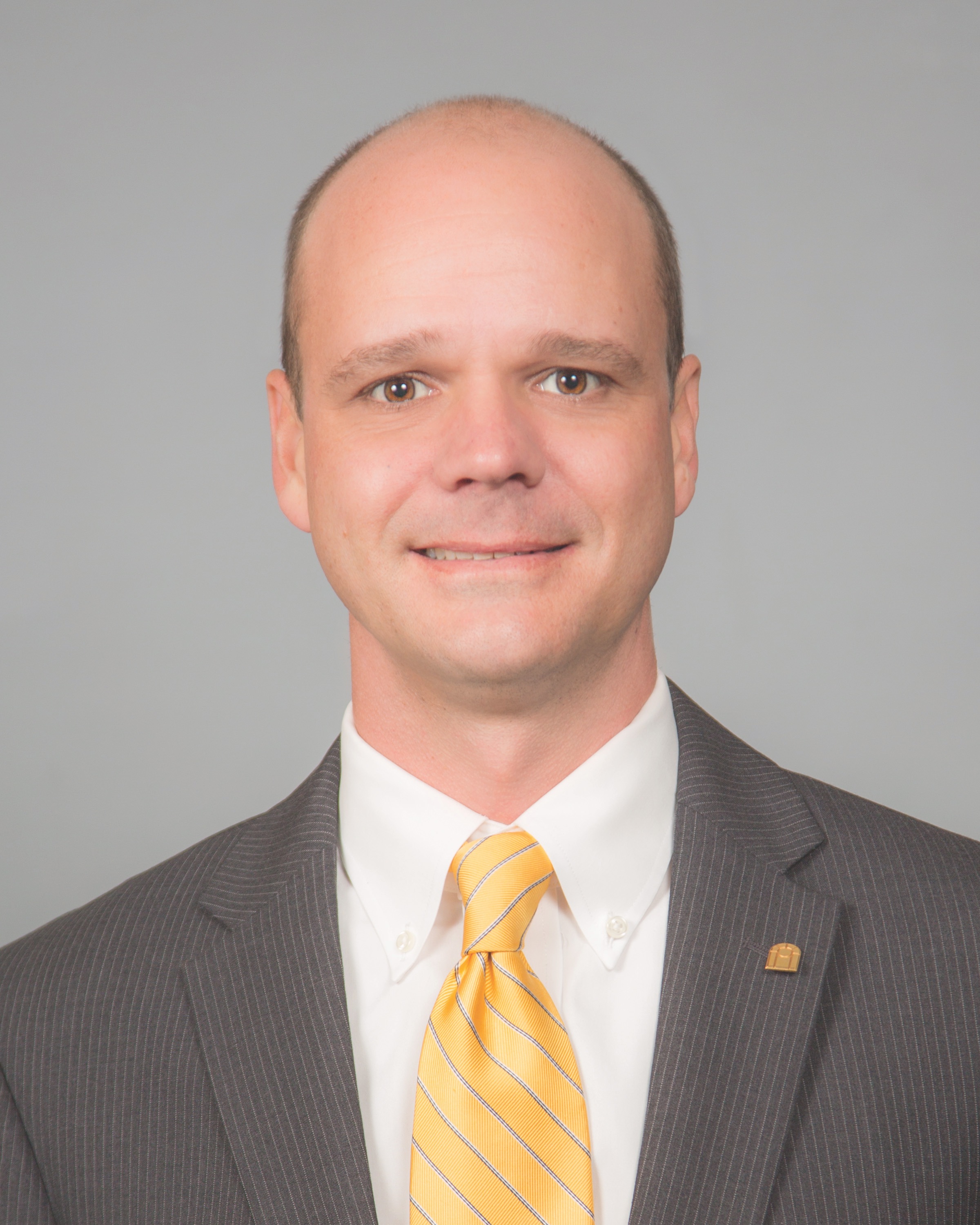
2 min read October 2019 — To be successful in the construction industry, a company needs to be flexible and cognizant about the sector’s constant state of change. A construction company also needs to be wary that even with new technologies in the market, at the end of the day, there is no way to control unforeseen issues and challenges. James Fox, president of Maddox Group in Boca Raton, discussed these ideas with Invest: as well as how his company is ensuring it remains as recession proof as possible in preparation for an eventual economic dip. 

With which business sectors are your services most in demand?


The sector where we’re seeing the most demand is, first and foremost, corporate interiors. Second would be medical offices, then industrial and finally retail. The demand for medical offices seems pretty self-explanatory: retired people relocate to Florida and enjoy the weather, which ultimately increases the need for more medical services. In regards to the demand for more corporate offices, the trend seems to be going toward Palm Beach County due to the simple fact that, in comparison to Miami, there’s more land and more opportunity here now.


How have you seen the demand for office types change? 


Traditionally a typical build-out would consist of new ceilings, new flooring, new lighting and specified work stations. Today’s young entrepreneur is building offices that aren’t really offices; rather, they are 360-degree workspaces where there isn’t an emphasis on a desk or workspace belonging to any one individual.


How has new technology changed the construction industry? 


In our industry there are always new technologies popping up to make construction quicker, but at the end of the day it’s still construction. The fact is that you’re building things, and issues are going to arise that are out of anyone’s control. What we do is tell our clients that this is our schedule and barring any unforeseen challenges you’ll be able to move in by this date. But like I said, things happen, and technology can’t always help avoid them.


How do you best protect your business in the case of another economic slowdown? 


Everybody wants to talk about when things are going to come back to reality in the construction market. People can theorize but no one actually knows. My thought process is to stay recession proof. Doing interior build-outs has been the key to this. When the economy dips, businesses don’t have the capital to relocate and build a new office; instead, they will take the space they are working out of and change the interior. Instead of going out into the market and claiming we do 20 different things, we focus our efforts on interiors and it works for us.


To learn more about our interviewee, visit:
https://maddoxgc.com/

Spotlight On: Courtney Orr, Ybor Development Manager, Ybor City Development Corporation

Spotlight On: Courtney Orr, Ybor Development Manager, Ybor City Development Corporation

Writer: Max Crampton-Thomas

2 min read October 2019 — Founded in the late 1800s, Ybor City is not only a staple in the Tampa Bay region but in the entire state of Florida. While it is not geographically large, Tampa Bay’s National Historic Landmark District has quite a large economic impact on the region. Invest: Tampa Bay recently spoke with Courtney Orr, the Ybor development manager for Ybor City Development Corporation, who discussed the impact of changing demographics on the district, respecting Ybor City’s history in light of ongoing development and the vital role young professionals play in the future of Ybor. 


How have the changing demographics of the region impacted Ybor City? 

The dynamics of Ybor City are shifting as we see an increase in the residential population, office users and one-of-a-kind restaurants and retailers. What’s most notable though is the influx of residents wanting to call Tampa’s National Historic Landmark home. Ybor has long been known strictly as an entertainment district and that mindset is changing with the current progressive shift underway. 

How are you working to improve Ybor City for the future while still respecting its history? 

Safeguarding Ybor’s historic features and history, especially the cigar industry from which Ybor City was built, is fundamental to the neighborhood’s success. The city of Tampa’s Barrio Latino Commission provides oversight to historic preservation by reviewing all development projects to ensure Ybor’s charm stays intact. We participate by offering a commercial facade grant to inspire historic preservation. This grant, along with other separate ones we offer, has made a tremendous difference throughout the historic neighborhood. Altogether, it helps breed additional private investment that enhances the district and ultimately will forever maintain Ybor’s charm.

Fortunately, Ybor draws very unique restaurant concepts here. Copper Shaker is one example of a successful restaurant opening its second location on 7th Avenue by the end of the year. New establishments like it preserve Ybor’s distinct vibe and with all the new residential development online, retailers are sure to follow.

What role do young professionals play in the development of Ybor City? 

Young professionals play a big role in the overall Ybor scene. They love the area’s walkability and many are willing to forgo their cars. They tend to favor smaller living quarters, if it guarantees them a certain quality of life in a stimulating neighborhood. As more young professionals move in so will office users to gain access to that creative talent, not to mention to enjoy all that Ybor has to offer too.


To learn more about our interviewee, visit: 

https://yborcityonline.com/


Spotlight On: Lisa Scott-Founds, President & CEO, Winterfest Inc

Spotlight On: Lisa Scott-Founds, President & CEO, Winterfest Inc

By Max Crampton-Thomas

2 min read October 2019 — The Broward County community is spoiled for choice when it comes to events in the area, as there is seemingly something happening every week, even in winter. The seventh-largest spectator event in Florida is the Seminole Hard Rock Winterfest Boat Parade, to be held this year on Dec. 12. Invest: spoke with President and CEO of Winterfest Inc Lisa Scott-Founds about the importance of innovation to the event, how they ensure safety and the role the Boat Parade plays in the tourism economy of Broward County. 

How important is consistent innovation to the success of the event?

We always want to integrate the newest technology into our event, like the use of holograms, which we hope is a real possibility for this year. As a nonprofit organization, we are always searching for unique additions to our event that are not cost-prohibitive. We are always asking people, “What is something that you’ve never seen us do before?” We take their suggestion, develop a budget to execute the idea and bring it to our board and possible sponsors to help with underwriting the “new wow-factor idea.” It’s amazing what can happen when you bring together creative minds and supporters in the business community. The entertainment value is the most important element for our success to ensure we continue to be the “Greatest Show on H2O” and the seventh-largest spectator event in the state of Florida.

How do you ensure safety at an event like Seminole Hard Rock Winterfest Boat Parade?

We work with all our law enforcement officials the United States Coast Guard, Broward County Sheriff’s Office, Fort Lauderdale Marine Patrol, Fort Lauderdale Police Department and the Fire Department. When putting on an event of this caliber, safety is the No. 1 priority. Those who participate in the parade are educated on all our safety procedures. We send them messages on a daily basis to always be conscious of how important it is to keep safety first when you are on the water. As a parade on water, Winterfest needs to have proper procedures in place. Unlike a land parade; you can’t just hit a brake on a boat to stop. Spectators within our Grandstand viewing area see signs directed toward their safety as well.

What role does the Boat Parade play in the tourism market within Broward County?

There is nothing like the Seminole Hard Rock Winterfest Boat Parade in the entire world. The beginning of December is a little slower for tourism, as opposed to other months when tourism in South Florida sees a boom, so we feel a responsibility to bring people into the region and put heads in beds. Our success is due to collaboration with organizations like our Greater Fort Lauderdale Convention and Visitors Bureau and working with area hotels. Tourists should experience a Winterfest weekend, a show at the Broward Center for the Performing Arts, eat at our restaurants and immerse themselves in our community. There is just so much to do in Fort Lauderdale, and in Broward County for that matter.


To learn more about our interviewee, visit: 

 

https://winterfestparade.com/

Spotlight On: Daniels Ikajevs, Chairman, The Ring Workspaces

Spotlight On: Daniels Ikajevs, Chairman, The Ring Workspaces

Writer: Max Crampton-Thomas

2 min read October 2019 — As the need for office space continues unabated, innovative solutions like coworking spaces are rising to fill the gap. One such coworking space is The Ring, which is a state-of-the-art co-working space with an emphasis on health and wellness. It is based in Downtown Clearwater. The Ring held its grand opening on April 26 and is home to over 70 companies across the Tampa Bay area, with about 110 people coming to the space on a daily basis. Invest: spoke with Daniels Ikajevs, chairman of The Ring Workspaces, about his innovative approach to office space, its collaboration with Harvard University and why Clearwater is the perfect location for The Ring Workspaces. 

Why was it important to construct The Ring to WELL standards? 

WELL standards are still fairly new, but they are becoming more commonplace. There is some similarity with LEED building standards, but WELL is more human-centric, and it looks at what is important for people inside the physical space, such as quality of the air, nutrition inside the space, access to daylight, biophilia and other health and wellness-related aspects. It also focuses on everything that LEED emphasizes, like quality of the materials, energy efficiency, and so forth. There is only one WELL-certified co-working space in the world and that is in Boston. We are in the process of getting our certification, and unlike in Boston where they have silver-level certification, we are going for the platinum level. 

What are some ways The Ring is working to help promote and foster the startup and tech ecosystem in the region? 

One of the ways we are doing this is through a collaboration The Ring entered with Harvard University T.H. Chan School of Public Health to pilot their innovation and sustainable technology program in Tampa Bay. This will be the first U.S.-based location for this program. It will happen over the course of two years, and will consist of a first and second round in which the university professors will teach young startups how to bring their ideas into reality. They will provide a blueprint on what investors are looking for when they go out and try to raise money. At the end of the program, people who are successful in funding their ideas will receive a certificate of completion from Harvard University T.H Chan School of Public Health. 

How is Clearwater the perfect match for a coworking space like The Ring?

When we were looking at locations for The Ring, we looked at what makes Clearwater a more attractive market for startups. Clearwater offers lower real estate costs in comparison to similar Tampa and St. Petersburg markets. We are geared more toward the startup culture, and because the cost of doing business in Clearwater is less than anywhere else in Tampa Bay, we thought we could use this environment to attract more startups. As a startup you try to save money every step of the way until you reach the maturity stage of the business, so real estate is one of the biggest values that Clearwater can offer. The overall business environment in Clearwater is also in line with the four principles of The Ring, which are health, innovation, sustainability and productivity.

What does the future of coworking spaces look like? 

Coworking spaces will continue on an upward trend, especially as more startups emerge all around the Tampa Bay region. In this fast-moving business environment it is very difficult for these startups to predict the amount of space they will need in the near future, so coworking spaces like The Ring that offer flexible memberships where these businesses can upgrade or downgrade with ease are a huge benefit. Flexibility is key for startups, which is why big players in the coworking space, like Spaces, are expanding quickly to address the growing demand. It will also be interesting to see how the coworking concept works in a down market, as this has not been properly tested yet. There is no doubt in my mind that there will be a down market in real estate in the near future, so we will pay special attention to see how this market adjusts and operates when this happens. 


To learn more about our interviewee, visit: 
http://theringworkspaces.com/