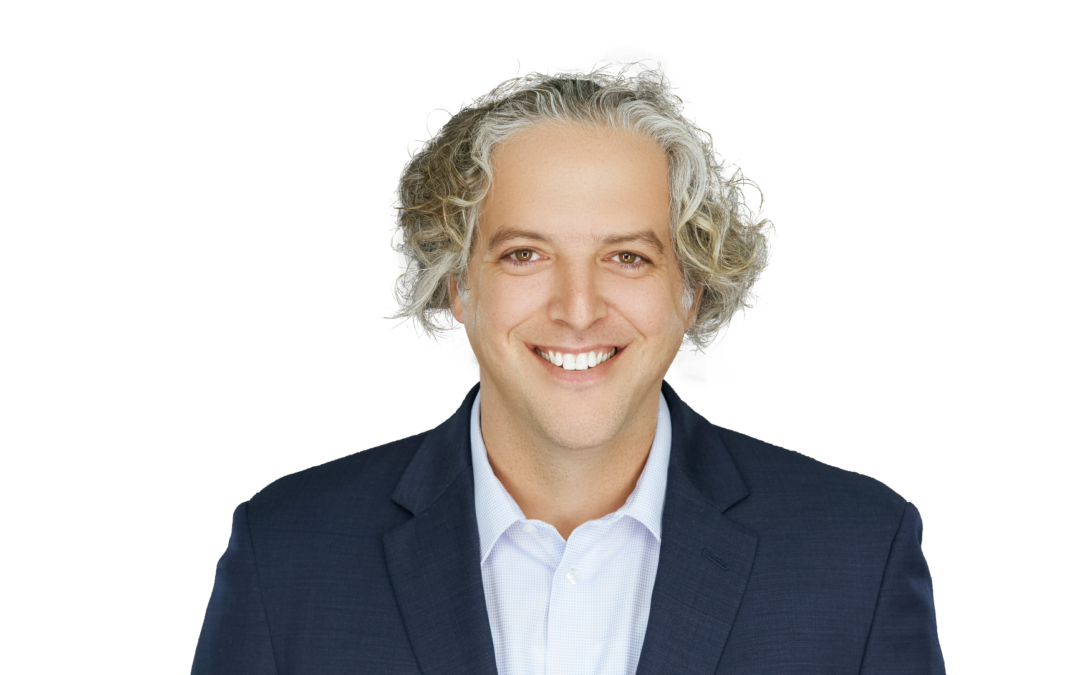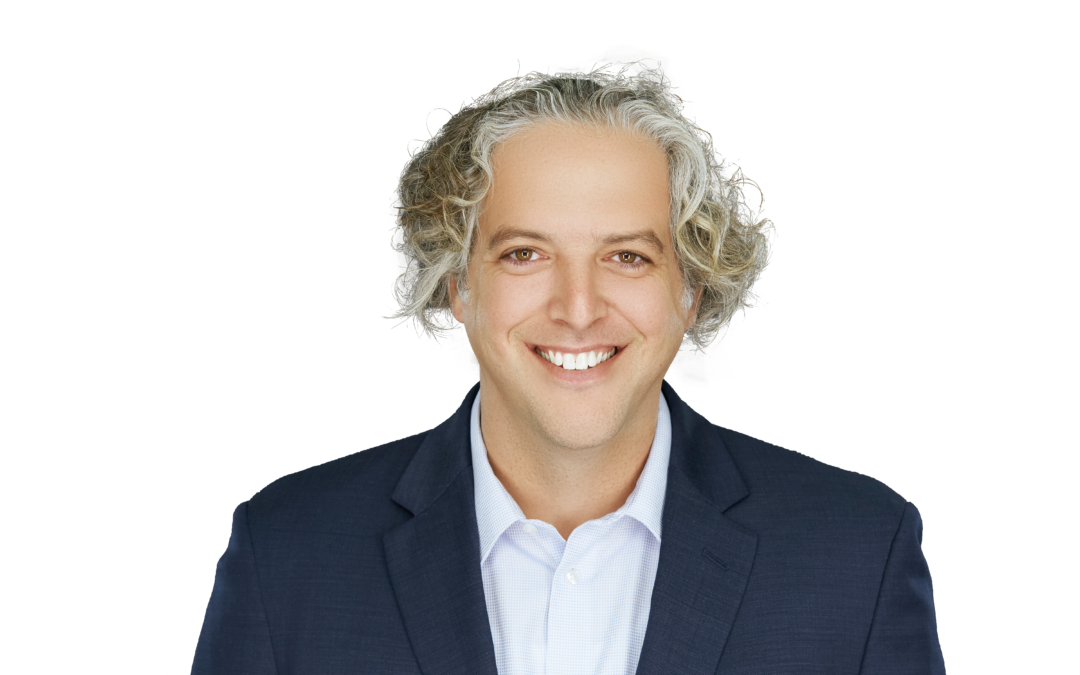
Spotlight On: Andrew Burnett, Senior Principal, Stantec

Spotlight On: Andrew Burnett, Senior Principal, Stantec

By: Max Crampton-Thomas
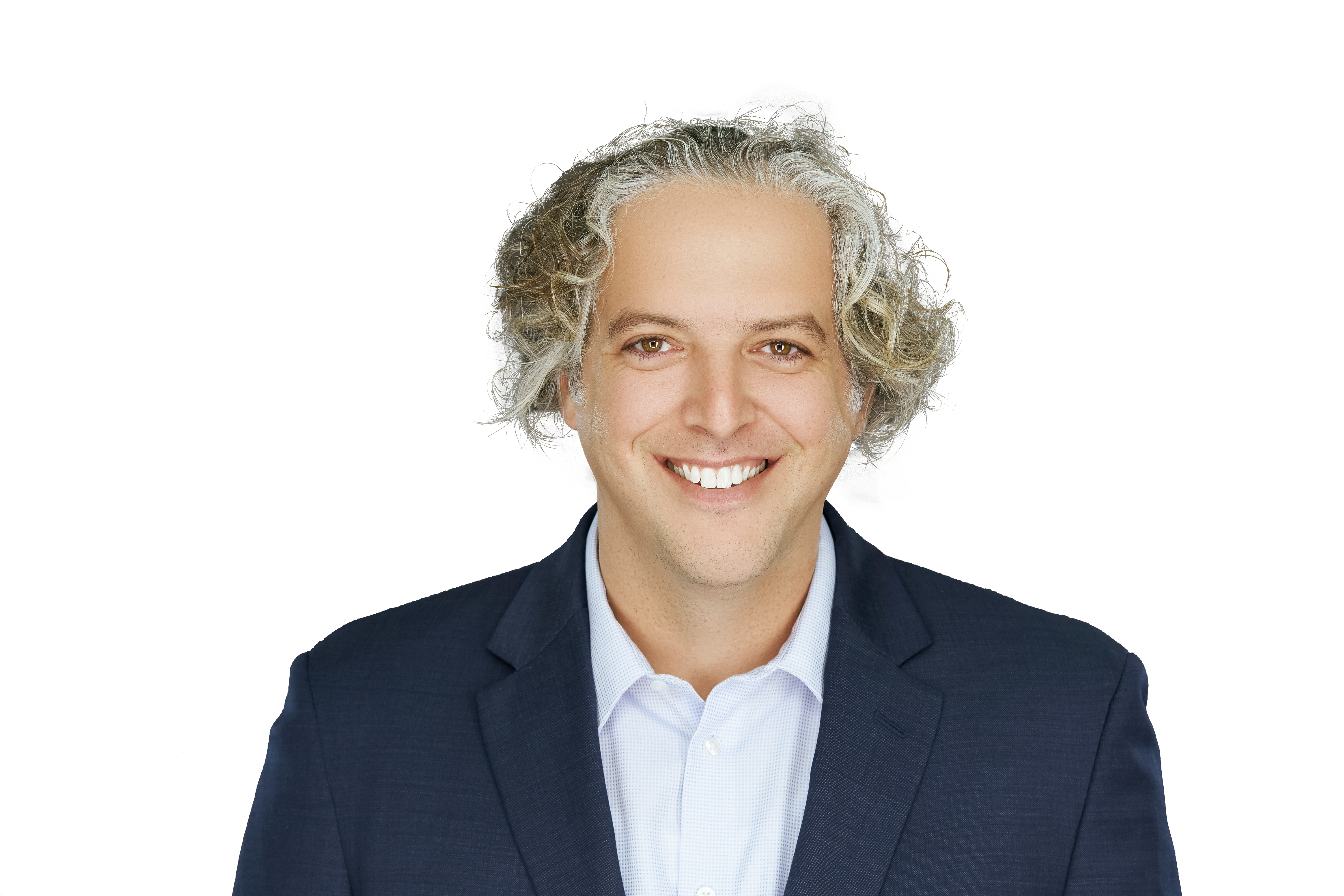
2 min read June 2020 —Global design and engineering firm Stantec likes to think beyond traditional traits to focus on building communities,  Senior Principal Andrew Burnett told Invest: Miami in an interview. The company goal is to deliver continuity while protecting diversity and creative thinking. Stantec calls it “cultural resilience.”


What recent Stantec landmarks in the Miami-Dade region would you like to share? 

Recent landmark projects in full swing include Wynwood Square, a 12-story mixed-use facility that includes apartments and retail space; the 30-story YotelPAD Miami condo and hotel project under construction; and a 43-story Luma tower in Miami’s Worldcenter. And there are a lot of new projects to be announced soon and currently coming on board. Each asset within our portfolio contributes to our growth in the creative services space, beyond architecture and interior design, but also engineering and resilience. We think beyond traditional physical traits and focus on how our vast team builds our communities and what we create so there is continuity in our lives and the spaces we inhabit and to ensure that we protect diversity and creative thinking. We call it cultural resilience. 

How has your emphasis on cultural resilience unlocked your success? 

From a business perspective, a model that focuses on a single person is inherently limited to that individual. Whereas a business with tremendous expertise and resources in multiple channels, like Stantec, focuses on collaboration and the bandwidth to achieve more. When we empower people and foster collaboration, we are able to affect more positive change, get more involved in opportunities and better affect our clients’ bottom line. 

How would you rate local industry efforts on environmental resilience? 

There is a significant level of agreement across the industry related to what we are facing and where we need to go. It is only a matter of how and there are varying perspectives to harness. Our government agencies, utilities, partners, clients, insurance agencies and lenders all commonly understand the need to mitigate prevalent risks and maintain our quality of life. There is power in the collective movement and I am optimistic about our future and path. 

What opportunities and innovations can we expect from the post-COVID-19 period? 

There is a shift of trust and working in a different way. It may pose opportunities to bring in industry experts who normally could not access a project in South Florida. Now, they can have an influence and we can tap into knowledge we may not have been able to tap into before. Companies can even attract a different type of workforce that we could not attract before by operating with new flexibility. Also, we take proximity for granted and do not always make the best use of our time because of it. When it is an amenity or a luxury, you make better use of it. 

What will 2020-21 look like for Stantec and Miami-Dade? 

We have been quite busy, which is a reflection of the busy private development market. Projects are moving forward and the entire development community is gearing up for when the play button is pressed. In 2009, during the H1N1 outbreak, we established a pandemic committee, granting us an effective way to respond quickly to the pandemic and set up a remote work setting. Fast forward to today: Our productivity levels have allowed us to meet established deadlines and keep projects moving forward, continuing business as usual. Our current outlook for 2021 does not project significant levels of interruption. We want to continue to support that in any way we can. 

To learn more, visit: 

https://www.stantec.com/en



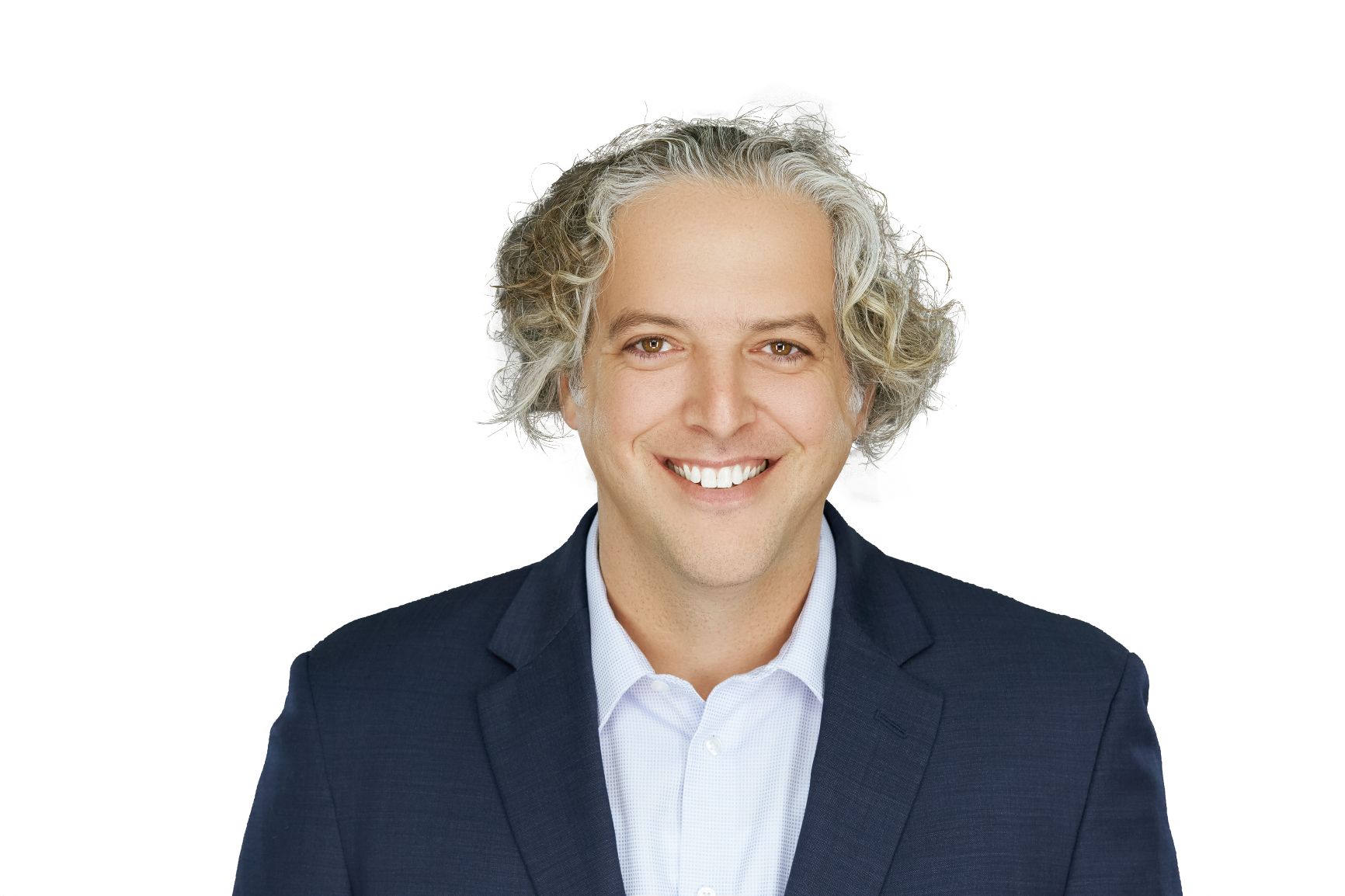
Spotlight On: Andrew Burnett, Senior Principal, Stantec

Spotlight On: Andrew Burnett, Senior Principal, Stantec

By: Max Crampton-Thomas

2 min read January 2020 — The Broward County Convention Center and Hotel is one of the largest projects underway in Broward County. A project of this magnitude requires the utmost care in regards to design and architecture, as well as the foresight to plan for future environmental challenges. Invest: spoke with Andrew Burnett, the senior principal for Stantec, which is working on the Convention Center project. Burnett addressed the company’s ongoing projects, how shifting demands have changed its focus and the National Flood Insurance Program. 


What are some of your most significant projects in development within Broward County? 


We have multiple projects throughout Broward County, including the Fort Lauderdale region, Pompano Beach, Sunrise and Miramar. For instance, we are the architect of record and landscape architect for the Broward County Convention Center and Hotel, which is around a $1 billion project. This is an extremely large and involved project requiring integrated services from Stantec that also has many resilient aspects being built into it that we hope to use as a model for future growth and development throughout the county. As we are expanding the convention center and building the new hotel, we have done a series of wave-height analyses. These are not just focused on the floodplain and how high we need to build the building to stay out of the floodplain, they also address storm surges and how to design the building to be more resilient in those situations. It has been great to have the county’s support on these matters. Our other projects in Broward County include the new AC Hotel by Marriott in Sawgrass Mills, Manor Miramar, Las Olas Walk and 1380 South Ocean Boulevard. 


How have you seen demand shift in the last couple of years and how are you adapting to this shift? 


Historically, we would see the demand for smaller residential units in the Downtown urban core because of the density of the population. As we moved away from the urban areas, the units were constructed bigger to attract more people, but now we are starting to see smaller units becoming attractive away from the urban centers. This indicates that people are looking for alternative solutions that are more affordable. It may also be partially due to having more flexibility and adaptability in the way that we live and the way that we engage the community as Broward becomes more connected and dense. We foresee more of these deals for smaller units outside of the main urban areas making sense for investors. 


We are seeing more residential projects that want to permit themselves as or like a hotel. There is some gray area with the rise of services like Airbnb and WhyHotel that can allow owners to operate as a short-term rental while they’re leasing up their building. Owners and investors are starting to take advantage of this. This is shifting how we design our projects. For instance, if we need to design for things like ADA bathrooms, which you would find in a hotel, we are starting to look at an earlier stage how we might design the spaces to be more flexible to do this.


How have you seen Opportunity Zone legislation affect your business? 


We have seen an increase in requests for test fits on properties that fall in Opportunity Zones. The market is starting to ask questions on sites and locations that they hadn’t previously. There are a lot of regulations that are being finalized and released in the near future that are going to help increase investor confidence to go forward in these Opportunity Zones, but it may be too early to see the fruit of the test fits in these sites. We are expecting to see more of this in 2020. 


How much of a focus do you place on possible future changes to the National Flood Insurance Program? 


We are looking more broadly at what is happening with the National Flood Insurance Program and what may happen in the future in terms of how we go about flood insurance regarding how much of it is subsidized by taxpayers. At some point, taxpayers are going to say that they do not want to be subsidizing flood insurance for landowners who may not be doing enough to protect their buildings. As risk starts to shift from insurance entities to owners, they are going to be asked what they are doing to make their building more resilient. What we are trying to do with our integrated team is to find solutions to this so we can go back to our clients and suggest to them what they need to do to mitigate this risk. 


For more on our interviewee visit:


https://www.stantec.com/en