The Best Is Yet to Come in the Bay

The Best Is Yet to Come in the Bay

By: Max Crampton-Thomas
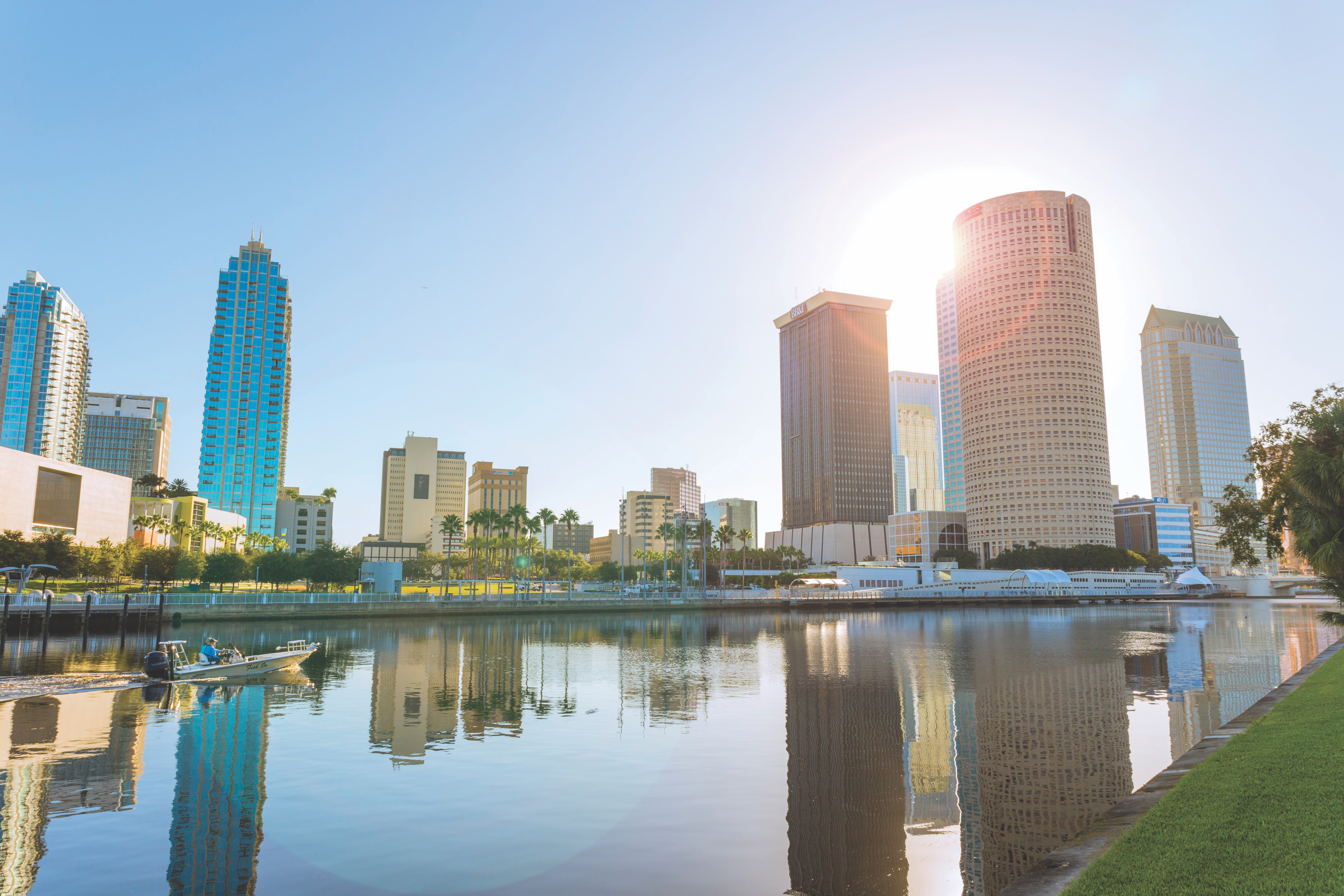
2 min read January 2020 2019 is officially in the books and was another monumental year for the Tampa Bay region. All sectors of the local economy were firing on all cylinders this past year, from the always popular tourism market to growing sectors like technology and healthcare. The continuing economic boom was complimented by a slew of memorable events that truly showcased the growth of the Tampa Bay region. As we now turn our focus toward 2020, it can be hard to imagine topping the success of the past year’s events but that is exactly what looks to be in store for residents and visitors in Tampa Bay. This comes as no surprise to leaders in the community like Santiago Corrada, the president and CEO of Visit Tampa Bay, who told Invest: that, “This region is starting to become everybody’s must-visit destination, which is awesome.”


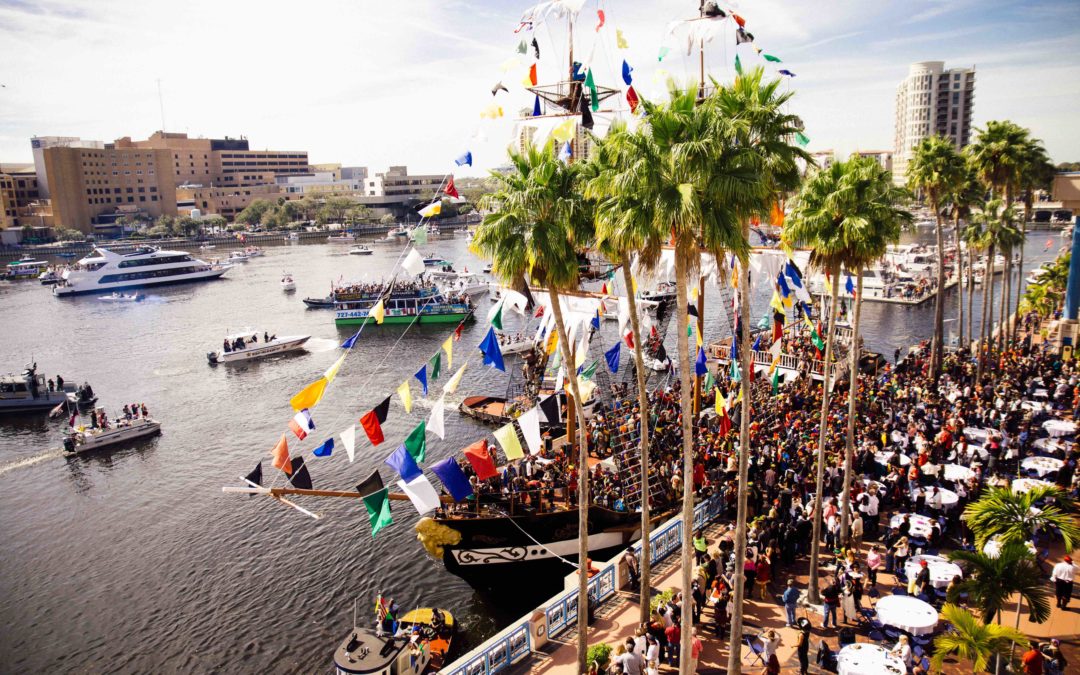
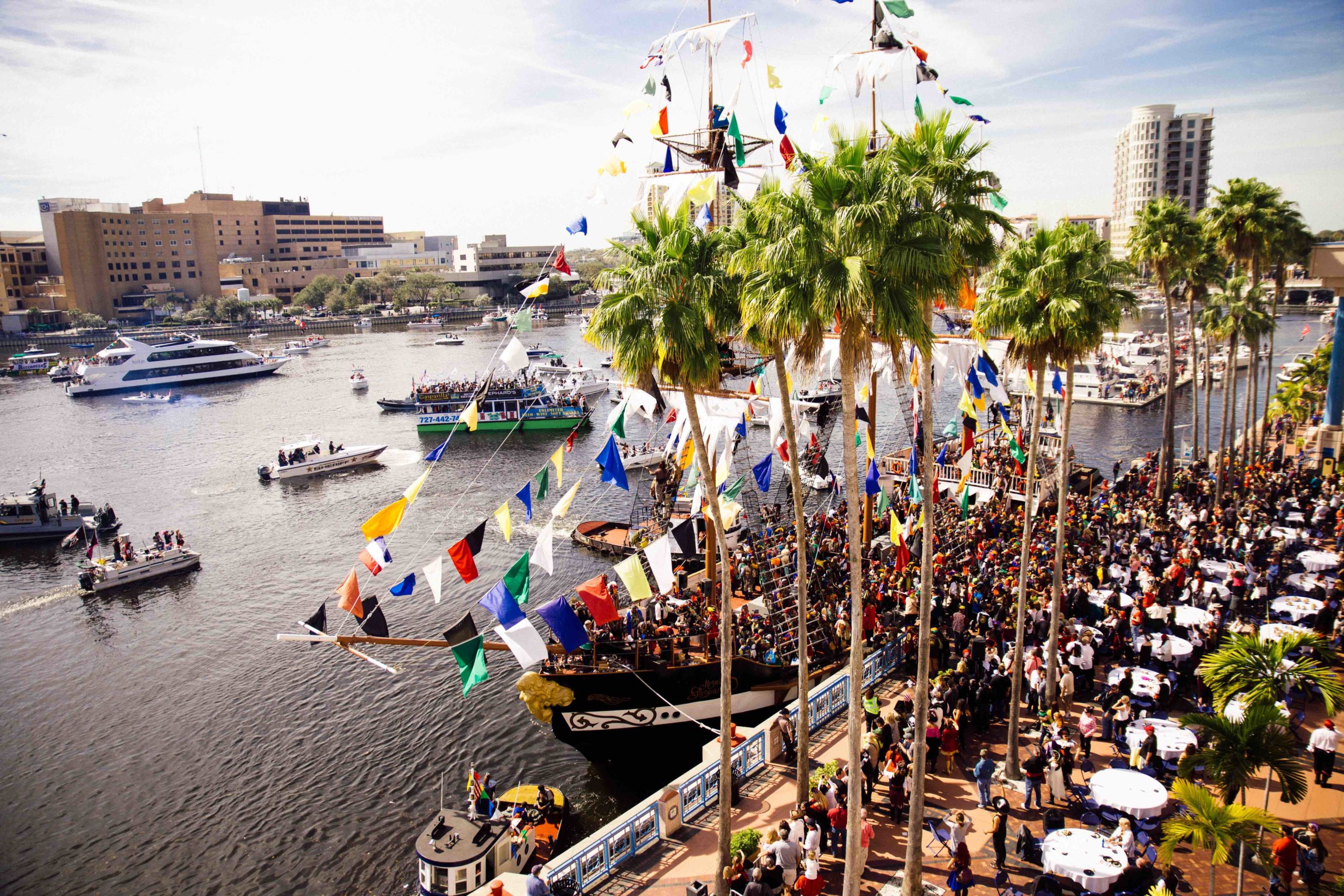
Starting the year off is the historic 2020 Gasparilla Pirate Festival. This annual event has been held in the Tampa Bay region for over 100 years, and has grown into an eight-week extravaganza that is bustling with activities for families and adults alike. It should be noted that the event kicks off on Jan. 25 with the nation’s third-largest parade, and also features memorable events throughout the eight-week run like the Gasparilla Distance Classic on Feb. 22 and 23 in which people can participate in various types of running events. There is also the Gasparilla Festival of the Arts and Gasparilla Music Festival, which is being headlined by national acts like Portugal. The Man. The event concludes with the Gasparilla International Film Festival. 

While all of the festivities that make up Gasparilla Pirate Festival lay the foundation for a great year of events, 2020 is also shaping up to be a historic year for the Tampa Bay region as it prepares to host it’s fifth Super Bowl and it’s first Wrestlemania. Super Bowl LV will mark the third time the event has been held at Raymond James Stadium, with the last one being played there in 2009. While the game itself won’t happen until Feb. 7, 2021, the region is already buzzing with hype and there will no doubt be multiple must-attend events in 2020 leading up to the big game. On the chance that the Buccaneers are able to have a big turnaround season in 2020, their home games will undoubtedly also become can’t-miss events. 

Perhaps the biggest Tampa Bay-based event actually happening in 2020 is Wrestlemania 36, which will also take place at Raymond James Stadium on April 5. Wrestlemania has been ranked by Forbes as the sixth-most valuable sports brand in the world, so the fact it is taking place in Tampa Bay is no small accomplishment. What is expected to be a sellout event at Raymond James Stadium is a testament to just how far the region has come from both an economic and tourism standpoint.   

Also on the list of incredible events happening within the region for 2020 is Florida’s largest annual celebration of the LGBTQ+ community, which takes place in St. Petersburg and is gearing up for what will most likely be another record-shattering attendance year. St. Pete Pride 2020 takes place this year from June 26-28 and is expected to attract over 250,000 people celebrating the beauty of diversity and inclusion, a true testament to the inclusive environment of the Tampa Bay community. 

2020 promises to be a lot of things for the Tampa Bay region: a year of more growth, more opportunity, more collaboration and definitely more unforgettable events. 

To learn more, visit:

https://www.visittampabay.com/

 

Tackling Affordable Housing in the Bay

Tackling Affordable Housing in the Bay

Writer: Max Crampton-Thomas

2 min read August 2019   Growth in the Tampa Bay region has been twofold, with a  significant boom in the economy and the population. As the population grows so does the need for more affordable housing options in the region. While there has been a notable increase in the development of luxury apartments and multifamily units, which are popping up all over Downtown, there is a notable deficit of affordable housing options. Mayor Jane Castor, her administration and community organizations like the Tampa Housing Authority recognize that they must work together to find- a solution for this problem.

Since her election in April, Mayor Castor has identified access to affordable housing solutions as one of her top priorities, as noted when she spoke with Invest:. “In reality, the most pressing issues in our community are transportation, affordable housing and workforce development.” She has since taken action to address the housing issue with the recent formation of the Affordable Housing Advisory Team as part of her “Transforming Tampa’s Tomorrow” transition. The role of the advisory team will be to ensure home ownership for all residents in Tampa regardless of economic status. It  will be one of five advisory teams guiding the mayor’s strategic vision for addressing key issues in Tampa Bay. 

One of the members of the Affordable Housing Advisory Team is Leroy Moore, the senior vice resident and chief operating officer for the Tampa Housing Authority. The Authority is not only focused on providing housing assistance to low-income residents. Its role has evolved over the years to better address the affordable housing issue in the region. Invest: recently spoke with Moore, who discussed how the Authority is addressing this need. “The Housing Authority has evolved to not only manage affordable housing, but also to redevelop this housing into real estate that functions as more than just a roof over someone’s head. We consistently ask ourselves what else does a community need? A community needs jobs, quality food and transportation accessibility, which brings in the need for collaboration with transportation agencies in the region. We can meet the needs of the community by developing housing, especially affordable and attainable housing, around accessible transit options. Great transit translates into better housing costs.” 

The Authority’s actions to tackle affordable housing include the redevelopment of a 28-acre superblock of public housing that will be known as the Encore District. In his discussion with Invest:, Moore spoke about the Authority’s approach to this development and how it differs from the original construction., “Seventy-five years ago, the Tampa Housing Authority developed a 28-acre superblock of public housing on the doorstep of what is now Downtown. Seventy-five years later, we are redeveloping that site and realizing that its potential today is far greater than what was ever imagined back then. Instead of just having a 28-acre single-use affordable housing community, we now have 12 city blocks of diverse development called the Encore District.” He continued: “Encore will be a LEED Gold neighborhood development community. All the buildings have a commitment to be LEED Silver or higher. We replaced the affordable and workforce housing and increased the number of affordable units on that exact same footprint. We are also adding other uses like hotels, museums, schools, market-rate housing and grocery stores all within the same 28-acre area.”

The need for more affordable housing is not an issue that will resolve itself and will only continue to manifest into a larger challenge as the population in Tampa Bay grows. The solution is not clear-cut, but community leaders like Mayor Castor and Moore are working to find actionable answers.  

To learn more about our interviewees, visit:

https://www.tampagov.net/


https://www.thafl.com/

Buccaneers Hope Offseason Moves Score Touchdown

Writer: Max Crampton-Thomas

2 min read August 2019   There is perhaps nothing more synonymous with Tampa Bay than its football team, the Tampa Bay Buccaneers. Since officially joining the NFL in 1976, the Bucs have become a staple in the Tampa Bay region. The team’s history includes the highest highs and lowest lows, from a dismal 0-14 inaugural season to a Super Bowl title in 2003. Now only weeks away from the start of the 2019-2020 season, the Bucs are looking to bounce back from last year’s tumultuous campaign that resulted in a 5-11 win-loss record and a last-place divisional finish for a second straight year.

The Bucs have not allowed last year’s disappointing season to distract them from what could possibly be a comeback season in the making. After the final loss last season, the Bucs dismissed head coach Dirk Koetter. They have since hired two-time Associated Press NFL Coach of the Year Bruce Arians, who has been swift in his moves to strengthen the team’s defense and instill a winning culture within the locker room. The Buccaneers added some significant depth to their defense with their 2019 first round pick, linebacker Devin White, and with the addition of five-time Pro Bowl defensive end Ndamukong Suh.

While the city of Tampa Bay is eager to see the team return to its glory days as Super Bowl champs, there may be no one more focused on having a winning season this year than Bucs’ quarterback Jameis Winston. The national championship and Heisman Trophy winner has had what can be best described as an inconsistent NFL career. Entering the fifth and final year of his rookie contract, the former first round pick will undoubtedly look to use this season as his campaign to remain the team’s franchise quarterback. 

The Buccaneers franchise and fanbase can also look forward to an improved Raymond James Stadium, which underwent a $160 million renovation in the offseason. The stadium, and more broadly the City of Tampa Bay, will be home to Super Bowl LV in 2021, marking the fifth time Tampa Bay has hosted football’s biggest event. Invest: Tampa Bay spoke with Brian Ford, COO of the Tampa Bay Buccaneers, who discussed what it means to host this event once again. “It’s going to be Tampa’s fifth Super Bowl, which is great when you think about all the many, very exciting cities that can host the Super Bowl. We’re very proud of that. Tampa hosts a ton of big events, and we do them well. We worked closely with Rob Higgins of the Tampa Sports Commission, Eric Hart and Mickey Farrell of the Tampa Sports Authority, Commissioner Ken Hagan of Hillsborough County and the city of Tampa in putting together the best bid and best format for this mammoth event. When you sit down and look at it, it’s truly remarkable that so many in Pinellas County and Hillsborough County all came together for one event. And there’s no way that we would’ve been offered this opportunity if we hadn’t made a major investment in the renovations, of which we’re also very proud.”

The only thing that could make hosting a Super Bowl better for the Tampa Bay region would be to see the home team competing in it. While that may be a long shot at this point, the Buccaneers will have this season and next to prove they are a franchise that can compete at the highest level. It’s still early, but all signs seem to be pointing to a brighter future for the Tampa team. 


To learn more about our interviewee, visit:

https://www.buccaneers.com/

Spotlight On: Mayor Sandra Bradbury, City of Pinellas Park

Writer: Max Crampton-Thomas

2 min read August 2019 — The unprecedented economic growth the Tampa Bay MSA, including Pinellas County, is enjoying comes with both benefits and challenges. At the very center of Pinellas County is it’s fourth largest city, Pinellas Park. Invest: Tampa Bay recently spoke with Mayor of Pinellas Park Sandra Bradbury. She discussed how the city is handling the region’s growth, its focus on remaining economically and environmentally sustainable, and her outlook for the next year.


What efforts are being made to encourage environmental sustainability in the city? 

In a partnership with the Wounded Warriors Abilities Ranch, we just started development on a new park called Lurie Park. This park is going to be completely accessible for all handicapped people, from children to the elderly, and will be geared toward our veterans. We also just purchased a four-acre property that was a horse stable, which we are in the process of converting to a farm. It is an extension of the existing Helen Howarth Park. Our goal is to work with the U.S.-based network of youth organizations 4-H and bring students to the farm to teach them how to sustainably raise and grow their own food.

How are you supporting local business growth? 

Businesses come to us all the time because we have a relatively large amount of commercial area that’s available for development. The city council and voter referendum created a package of incentives that we could use to retain businesses that want to grow and expand. These incentives allow businesses the flexibility to move offices or add square footage to their buildings. We are one of the few places that has this ability. It is within our ordinances to allow our economic development manager and her team to offer incentives to local businesses, which revolves around how much they are growing and how many employees they will be hiring with the expansion. So far, city council has provided seven packages to different companies that have grown in Pinellas Park. 

What does the next year look like for Pinellas Park? 

We think the future is bright. We have a lot of businesses that are still looking at us as a place to expand into. Our position is unique because we are at the very center of the county. We are also one of the few cities that still has vacant land available, especially in our industrial area. This gives a business the opportunity to come here and develop their work space. With the economic growth in the region, our homes have gone up in value over the years, but overall the Pinellas Park area is still affordable. We have parks in the area, and our citizens assist in the conservation and revitalization of those parks as necessary. Overall, we feel extremely positive about the next year. 


To learn more about our interviewee, visit:

https://www.pinellas-park.com/

Spotlight On: David Gwynn, District Seven Secretary, Florida Department of Transportation

Writer: Max Crampton-Thomas

2 min read July 2019 — Challenges with transportation, traffic and transit options are not new issues for the Tampa Bay region. As the area continues to make strides in its economic and population growth, there is a heightened emphasis on finding solutions. Invest: Tampa Bay recently sat down and discussed these issues with David Gwynn, District Seven Secretary for the Florida Department of Transportation. Gwynn spoke about how FDOT is working to mitigate these challenges, enact forward-thinking initiatives and his outlook for transportation in Tampa Bay for the next year.

What is the biggest initiative for Florida Department of Transportation in District 7? 

We have been working on a program called Tampa Bay Next. Over the last two and a half years, we have had hundreds of public meetings with big and small interest groups, elected officials and general members of the public, which we used to gather some great input. A key issue that we identified was transportation. Although we recognize that our interstate needs some work, there are other areas, like the downtown interchange, where infrastructural improvement would have a pretty massive impact on the surrounding neighborhoods. As a result, we are focusing on ways we can improve transit and intersections in those areas to help make them safer, while also not requiring a significant expansion of the highway footprint.

How are you working to mitigate the traffic issues in the region? 

We have come to the conclusion that simply widening and continuing to build more roads is not going to completely mitigate this issue. We have shifted our efforts to also look at multimodal solutions, like the streetcar system in downtown Tampa. Until last year, it was underutilized, but we recognized that this could be a good part of a transit system. The question was how to make it more attractive for people to start riding it. What we found was because there was not a lot of local money to fund it, it was only running from 11 in the morning until 8 at night. We were able to get a grant to allow the streetcar to run from 7 in the morning until 11 at night and on a more frequent basis. The ridership has since tripled, and that is important because we now have a strong case for the federal government to invest in expanding that streetcar system further out into Tampa Heights. If we can get federal funding, they will put 50% of the cost in, the locals put in 25%, and then our department covers the last 25%. 

What is the outlook for the transportation sector in Tampa Bay for the next year?

The passage of the sales tax in Hillsborough County was a big step forward because the local money allows us to do things with state and federal matching money. We will start to see an increased frequency of buses, better stations and more opportunities to expand the systems. On the highway side, we continue to build road and safety improvements. Four hundred of our signalized intersections that had the highest number of crashes are in the process of receiving new LED lighting that will illuminate these intersections at night much better than they have been. We are going to start the Howard Frankland Bridge project, and the Gateway Expressway will probably be completed in another two years. 

To learn more about our interviewee, visit:

https://www.fdot.gov/home

No Stopping Tampa Tourism Rocket

Max Crampton-Thomas

2 minute read July 2019 — Quite often when the city of Tampa Bay is mentioned it is in the context of how rapidly the area is growing both in population and economically. The boom Tampa Bay is experiencing can be attributed to a great many things, including a bustling tech sector, a revolutionary healthcare market and first-class educational institutions. Perhaps most influential in all this growth, however, has been the economic rocket that is the city’s tourism sector. Tourism in Tampa Bay has steadily risen year after year, and with events like Super Bowl LV and Wrestlemania 36 on the horizon, that trend shows no signs of slowing down.

The spike in tourism to the region has not been by chance. Rather, it can be attributed to the focused and deliberate efforts made by local businesses, government and community organizations. Invest: Tampa Bay recently spoke with Santiago Corrada, the president and CEO of Visit Tampa Bay, about the record year the city had in 2018. “We had an incredible end to the 2018 calendar year. It was another record-setting year for hotel revenue, which is phenomenal given that we have had record-setting years every year since 2014. We ended 2018 at $673.5 million in hotel taxable revenue, which was almost 5% higher than the previous year at $644 million. This is important for us because anytime a county hits $600 million in taxable revenue, it is granted the designation of a high-impact tourism destination. We have been able to reach that designation for two years in a row, and this year was even more important because our county commission just approved a rise in the tourism tax from 5% to 6%, which is the highest that any county can collect.” The growth in tourism throughout Tampa Bay also has a spillover effect. As demand increases and new attractions open they bring with them fresh job opportunities for local residents.

To sustain momentum and build on these milestones, Corrada says that attracting new hotels to the city makes sense. “There are certain big-name, five-star brands we do not have in Hillsborough County, and as the business plan makes sense to add these properties then we will. These new properties will yield different business groups and markets for the region. We have to continue to capitalize when we have an opportunity to expand our reach, refresh our brands and to always have something new to bring visitors back,” Santiago told Invest. “That’s why new developments like the Tampa Riverwalk are so important, why food halls are so important and why Busch Gardens updating and adding its roller coasters is significant because it gives people a reason to want to come back to Tampa Bay. Sustainability in this industry has to do with still being aggressive and still going after it.”

Tampa Bay is quickly becoming a premier, must-visit destination in Florida. Tourism in the city of Tampa Bay shows no signs of slowing down, and due to the efforts of organizations like Visit Tampa Bay will likely reach new heights in 2019. 

To learn more about our interviewees, visit their websites:

https://www.visittampabay.com/
MacDill Air Force Base flying high as a premier Tampa Bay economic driver

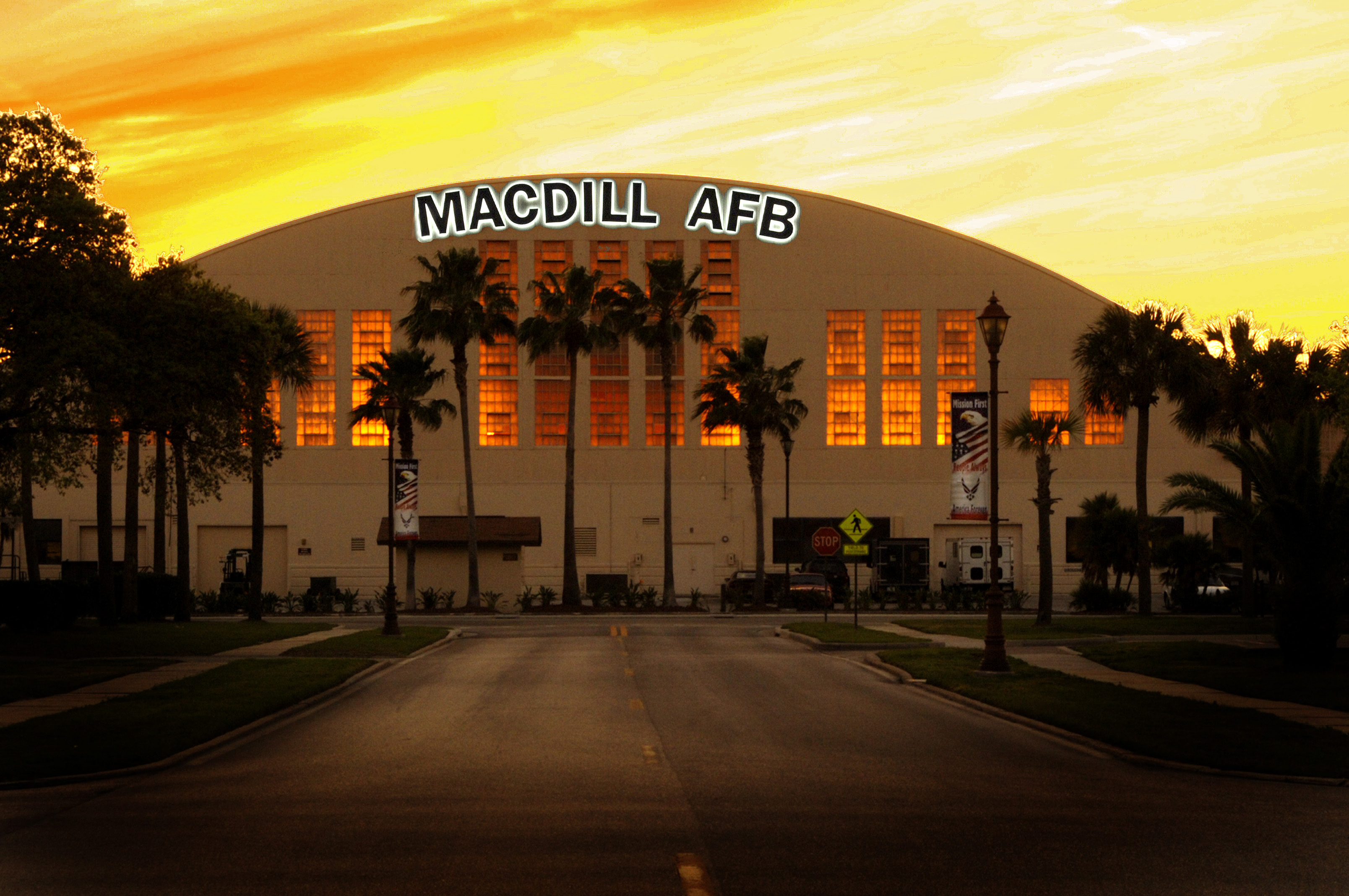
2 minute read July 2019 —When describing the major economic drivers in the Tampa Bay region, the typical response will normally be associated with Fortune 500 companies, a budding technology sphere and the large healthcare systems that all call Tampa Bay MSA their home. While these are all significant contributors to the local economy, there is one entity that cannot be overlooked or underestimated: MacDill Air Force Base. 

A staple in the Tampa Bay community, MacDill Air Force Base employs approximately 15,000 people and creates over $3 billion a year in economic impact. Established in 1939, the base has been an economic powerhouse and premier training ground for aircrews throughout all the major wars since its inception. 

The impact of the base is far-reaching, as collaboration with various sectors of the local economy has spurred continued interest from companies to do business in Tampa Bay. Invest: spoke with Larry Richey, managing principal for Cushman & Wakefield in Tampa, who noted the appealing environment for defense technology thanks in part to MacDill. “We have companies that are providing cybersecurity services in conjunction with MacDill Air Force Base and the University of South Florida. The triangulation of MacDill, USF and cybersecurity startups has created a ripe environment for defense technology here in Tampa,” Richey told Invest:. 

Former Mayor Bob Buckhorn also credited MacDill as one of the reasons that Tampa is able to stay competitive in attracting new businesses to the area. “Most people don’t realize that MacDill is the only base in the military system that is home to two combat commands. There are 2,400 defense-contracting firms in the Tampa Bay area that largely feed off of central command but, more specifically, special operations command.” 

While the base has been successful on it’s own merit and continues to give back to the region tenfold, the relationship between MacDill Air Force Base and Tampa Bay is mutually beneficial. The Tampa Bay region has long been known as a welcoming community for veterans and active duty citizens. Regional Vice President for USAA Yvette Segura spoke to Invest: about the deep-rooted connection between the Air Force base and the surrounding community. “Knowing that the community as a whole is so warm and receptive to the folks coming into MacDill has created a strong sense of fellowship that is welcoming to a company like ours. Part of our company mission is to support military members as they’re exiting their roles and to offer them an opportunity to work with us,” she said. “There’s something special about what Tampa does for military families, and I truly believe it speaks to the collective comradery of the community leaders in the Tampa Bay area.

There aren’t many areas in Florida, or the United States for that matter, that have the economic advantage that MacDill Air Force Base provides to the Tampa Bay region. The base’s influence and impact continues to drive Tampa Bay both socially and economically into the future. 

To learn more about our interviewees, visit their websites:

MacDill Air Force Base: https://www.macdill.af.mil/

USAA: https://www.usaa.com/

Cushman & Wakefield: http://www.cushmanwakefield.com/en