Brightline and Virgin sever rail ties

Brightline and Virgin sever rail ties

By: Beatrice Silva
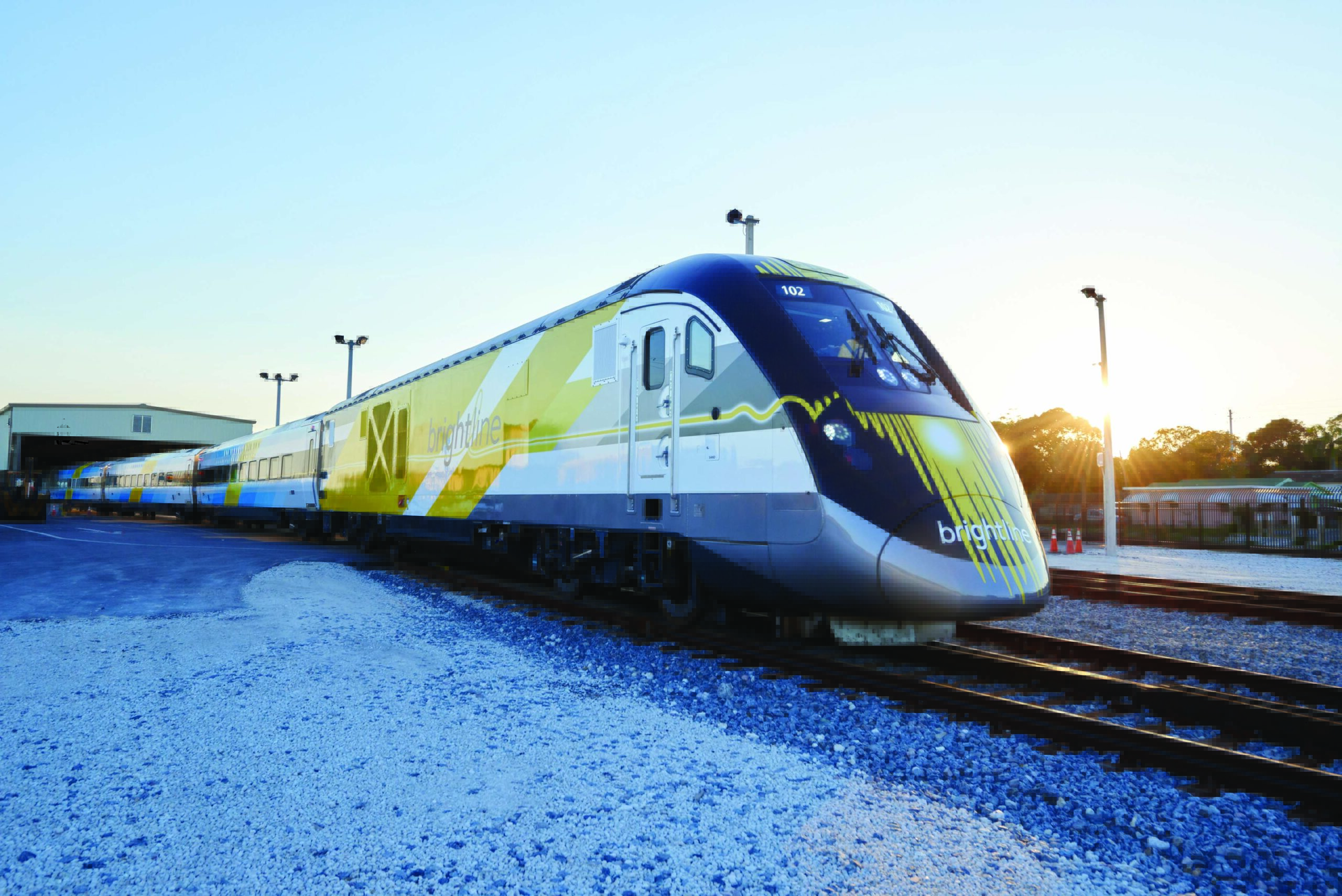
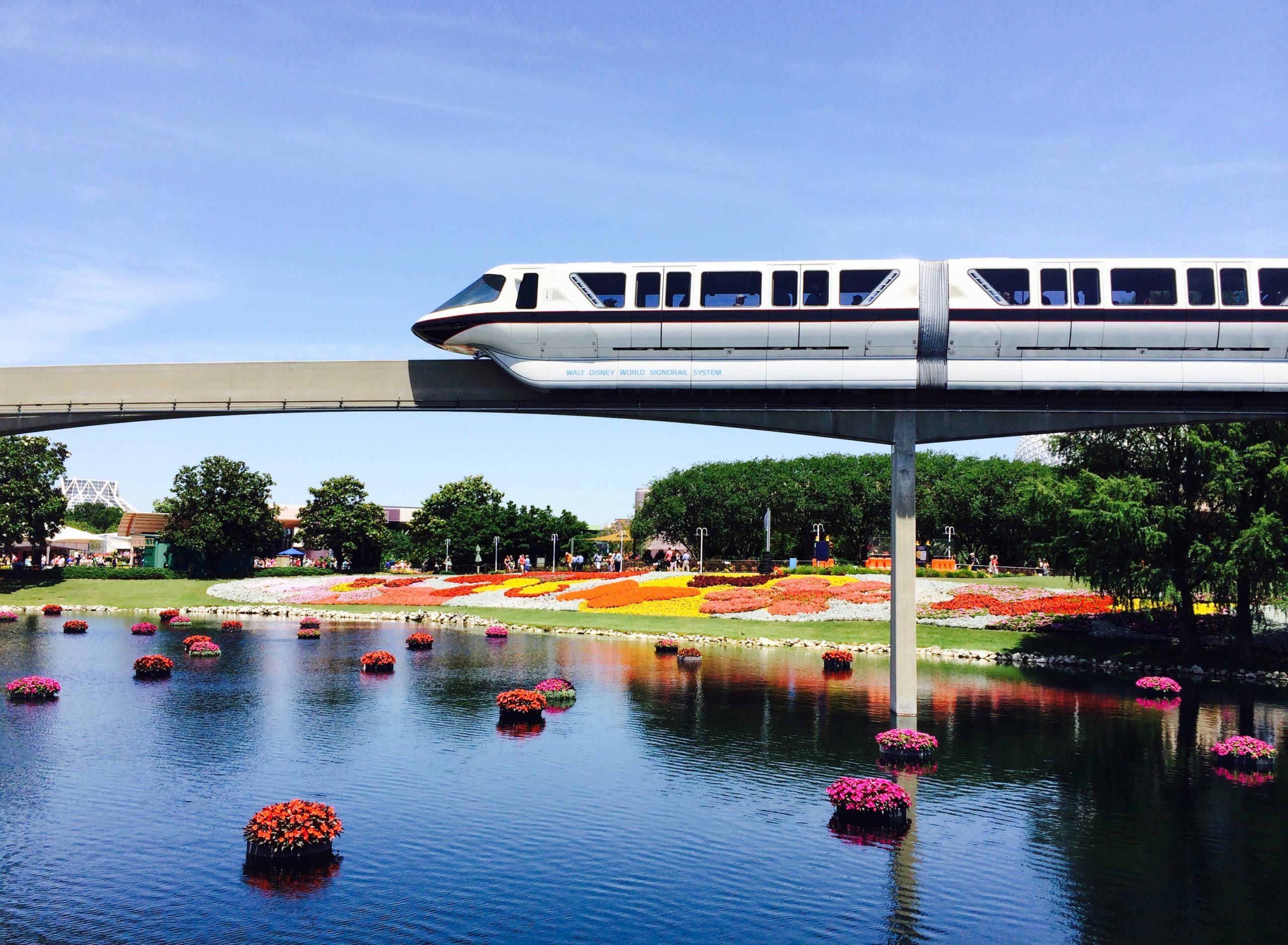
2 min read August 2020 — Brightline is passing on Virgin Trains. On Aug. 7, the high-speed passenger train operator announced that it would not be rebranded as Virgin Trains USA and would continue its operations under Brightline LLC. The withdrawal represents a sudden and apparently astringent end to the link between Brightline and Virgin Group. 

Brightline originally announced its strategic partnership with billionaire Richard Branson, founder of the Virgin Group, two years ago. Brightline quickly welcomed this new partnership and underwent a complete makeover. Virgin Trains USA was officially supposed to debut its rebranding transformation this summer. However, COVID-19 related issues looks to have stopped the deal dead in its tracks. 

Originally, the relationship seemed like a match made in transit heaven. Branson and his team have carved out a successful enterprise in the transportation and hospitality industry with a fleet of carriers ranging from airplanes to cruise ships. “It’s already a very good experience,” Branson told the South Florida Business Journal in 2019. “We just need to sprinkle a bit of magic dust over it. We need to make sure the two hours, 45 minutes to Orlando is magical, and we are used to doing that in the UK, where we have longer train journeys.” 

Unfortunately, that seamless experience of having guests fly in on Virgin Atlantic then transported on a Virgin Train to their Virgin Voyage will have to be postponed. Branson’s lucrative business, like many others in the hospitality industry, came to a halt as a result of the pandemic. To make matters worse, Brighline’s 2019 passenger count was less than half what it projected and its revenue was less than a fifth of its expectations, according to The Palm Beach Post. The future of Virgin Atlantic Airways remains uncertain after the airline filed Chapter 15 bankruptcy earlier this week. 

Brightline, however, seems to be moving along. Its current routes consist of Miami, Fort Lauderdale and West Palm Beach. Progress also continues to be made on its fourth station in Florida at the Orlando International Airport. Operations are scheduled to begin sometime in 2022. There has also been talk of building additional stations in Aventura and Boca Raton. 

The Miami-Dade County Commission was negotiating terms regarding proposed stations with Virgin Trains USA but it’s unclear whether the county will agree to a new county commuter service. “We really need to think about what is the future of transit and how people will get around this town…” Mayor Carlos Gimenez told The Real Deal in June. “We may have as many of 20 to 30 percent of people working out of their homes.” How Brightline’s withdrawal from its Virgin deal will impact the commission’s decision remains unknown.

Although the future of the Brightline expansion may be up in the air, if more stations do pop up it could leave a positive impact on the local economy. Brightline’s expansion could bring over 5,000 jobs on average per year after rail-line construction is complete through 2021 and have a $6.4 billion direct economic impact to Florida’s economy over the next eight years, according to Washington Economics Group, Inc. 
How Orlando is improving its transportation infrastructure through technology

How Orlando is improving its transportation infrastructure through technology

By: Beatrice Silva

2 min read  — Public transportation is a vital contributing element to urban sustainability. Practical transportation networks that integrate public travel can help lower a city’s per capita carbon footprint. It also makes metropolitan areas more livable by easing commute times and expanding accessibility. Over the last few decades, technology has played a critical role in the evolution of transportation. Transportation technologies most often tackle challenges involving alternative fuels, demographic shifts, traffic analytics, safety and security. 


Almost 300,000 people live in Orlando and an estimated 75 million people visit the city every year, according to Visit Orlando. These figures are just part of the reason why Orlando has issues with its transportation system. Among companies tackling these challenges is Omnimodal LLC, an interdisciplinary team of mobility tech experts that has created smart mobility management solutions to ease congestion by helping to make public transportation easier to navigate. 


“Let’s say you live over by Orlando Health, but you work in Winter Park. You have to take a bus or catch a bike share to get to the [train] station. You’re having to possibly download the Lynx bus tracker app. You have to download whatever scooter or bike-share app you want to use. Then you have to download the SunRail app. They all possibly have separate payment interfaces as well. The future here is how do we integrate things to let folks download whatever app they want? Let’s allow the data to flow and have interoperable payment options, so folks use what’s going to work best for them. Otherwise, you have 16 apps on your phone that you’re kind of playing bingo with to figure out,” David Thomas Moran, CEO of Omnimodal LLC, told Orlando Business Journal.

Beep, a driverless and electric shuttle, is another company making big changes within Orlando’s transportation industry. The company uses key hardware and software to enhance safety, sustainability and mobility. Not having a human driver may seem like something out of a science fiction novel, but it is actually quite common and effective. Beep believes that its technology eliminates human error when it comes to driving. The shuttle is equipped with scanners, sensors and cameras that make its reactions similar to a human driver but without having to worry about the human distractions. As for sustainability, it’s electric-powered motor makes it extremely environmentally friendly. “Look at the passenger count we had, which was 14,000 riders, equivalent to 7,000-9,000 cars off the road. That starts to show the impact these vehicles can have in not only eliminating road congestion and removing or reducing parking requirements but also impacting safety,” Joe Moye, CEO of Beep, told Orlando Business Journal. 


As transportation continues to be transformed, safety will always be a top priority. Autonomous vehicles will reduce the reality of human error which is the cause of 85% of all accidents on roadways. Improved safety is a result when combined with a reduction of cars on the roadways due to this mobility service, according to Beep’s Mobility Platform. 


Undoubtedly, technology will continue to impact the way people commute. Today, travelers are demanding more and more mobility alternatives. A city’s sustainability relies deeply on the different ways it’s able to offer transportation for its community. To ensure a region’s success and growth, metropolitan areas must continue to find more effective solutions to increase the overall quality of their transportation services.


Technology professionals curious about Gwinnett’s Peachtree Corners

Technology professionals curious about Gwinnett’s Peachtree Corners

By: Felipe Rivas

2 min read June 2020 — Techies, entrepreneurs and business owners throughout the Peach State and beyond are curious to explore the possibilities found in Gwinnett County’s newest and largest city. Officially incorporated in 2012, the city of Peachtree Corners and it’s Curiosity Lab, a publicly funded economic development initiative, is drawing the attention of tech-related professionals looking to test their ideas and projects at the lab’s 1.5 mile autonomous vehicle testing track and 25,000-square-foot innovation center.  


Peachtree Corners, which boasts a growing population of more than 43,000 residents, is quickly reaping the fruits of its calculated investments in the tech sector, while simultaneously testing and perfecting the future of smart city technologies.

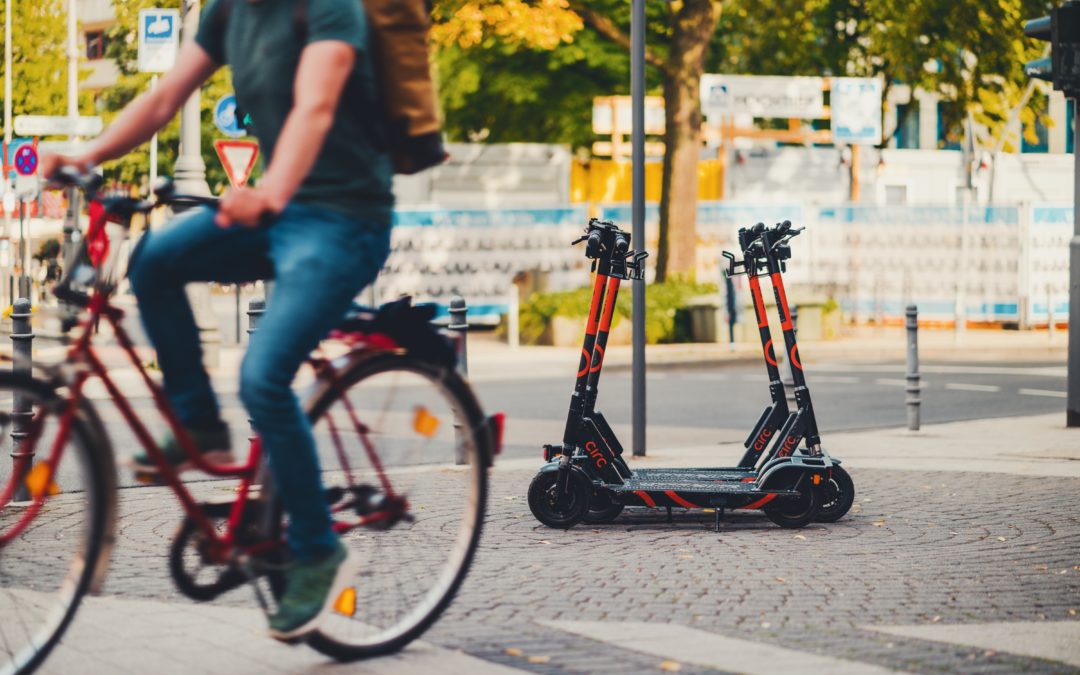
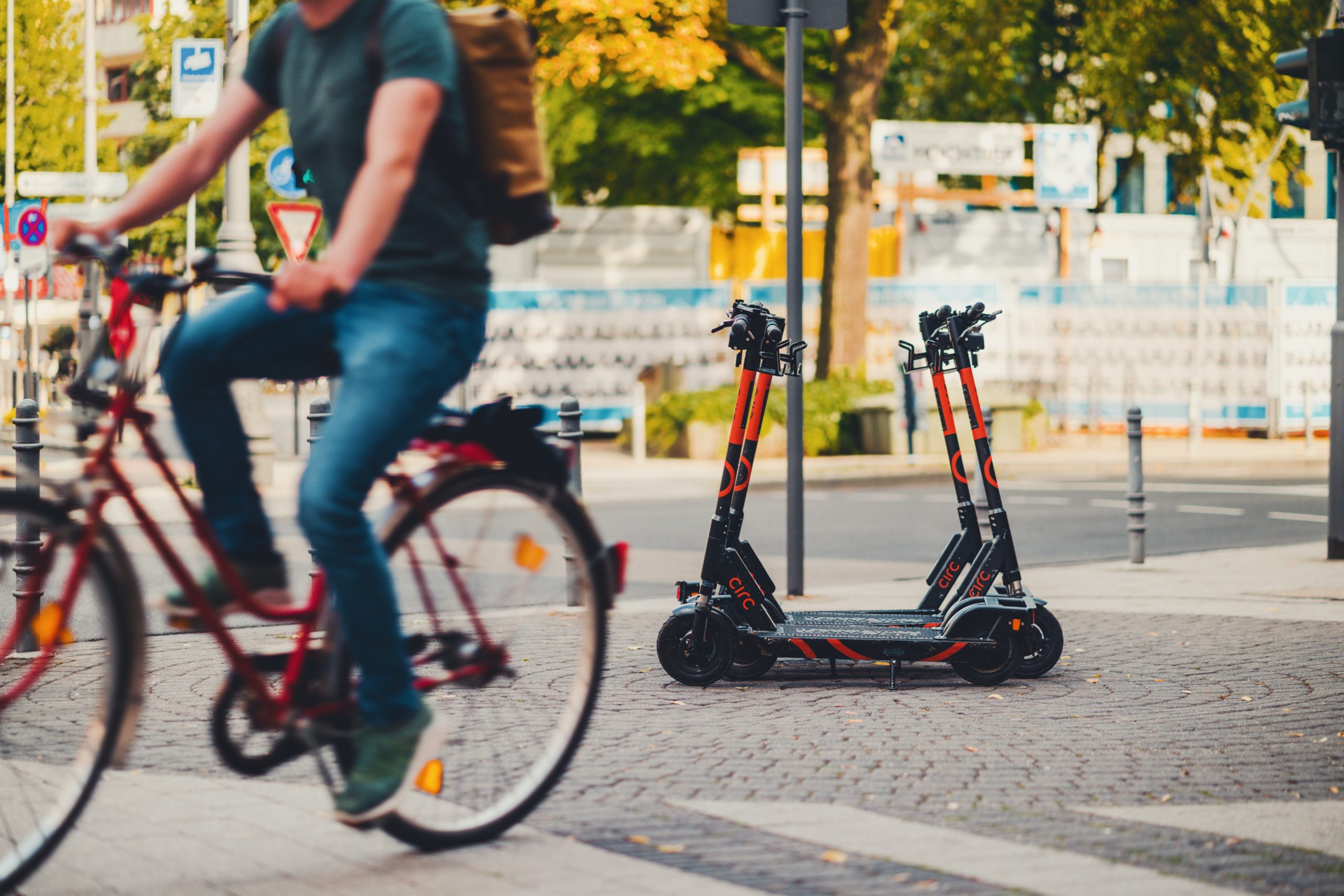
In May, the city announced the launch of a fleet of the world’s first tele-operated e-scooters to operate on public streets. Technology companies Tortoise and Go X came to Curiosity Lab to perfect their vision of offering an e-scooter that could, through the use of Tortoise’s remote tele-operators, respond to a customer’s call to action, or reposition itself to a parking spot. Peachtree Corners has been working with the two tech companies to revolutionize city e-scooter mobility, while solving complications related to finding an e-scooter and their return to home base for appropriate overnight parking and charging. In other words, no more e-scooters left haphazardly in the middle of a sidewalk because they’ll park themselves. 

The e-scooters will operate in the city’s Technology Park Atlanta, a 500-acre technology park with more than 7,000 employees that is also home to Curiosity Lab. The tele-operated e-scooters will be available for use by the general public. The e-scooters’ initial pilot will run for six months and marks the first time that tele-operated e-scooters are deployed on public streets.

“We are excited to showcase this innovative technology,” Mayor Mike Mason said, according to a city press release. “It’s another opportunity for the city to look beyond traditional transportation and seek innovative ways to improve mobility. We invite our citizens and the business community to see and experience this new technology.” 

Tortoise and Go X’s e-scooters are the latest vehicles to roll through Curiosity Lab’s autonomous vehicle testing track. Last fall, Olli, the self-driving shuttle designed and built by Local Motors, began operating along the city’s 1.5-mile testing track, which offers companies a facility to test emerging technologies in a real-world environment. 

“An important goal for us was to ensure that residents can enjoy the convenience of using e-scooters, right here in Peachtree Corners,” said City Manager Brian Johnson, according to a city press release. “As a reflection of our commitment to making cities smarter, we didn’t hesitate to partner with Tortoise to launch the first-ever fleet of self-driving e-scooters for public use. We are extremely pleased to be a partner in this innovative and world-changing technology.” 

In March, Curiosity Lab’s autonomous vehicle testing track and smart city laboratory won the transportation category in the third annual IDC Smart Cities North America Awards (SCNAA) for its connected and autonomous vehicles project. “Curiosity Lab is a unique economic development investment that helps advance new technologies and grow the employment base of the city,” said Curiosity Lab’s Executive Director Betsy Plattenburg, according to a city press release. “We have had interest in testing from both startups and Fortune 500 companies,” she said.

To learn more, visit:

https://www.curiositylabptc.com/

https://www.peachtreecornersga.gov/home/showdocument?id=7916

https://www.peachtreecornersga.gov/home/showdocument?id=8318


Spotlight On: Thomas Jewsbury, Executive Director, St. Pete-Clearwater International Airport

Spotlight On: Thomas Jewsbury, Executive Director, St. Pete-Clearwater International Airport

By: Max Crampton-Thomas

2 min read April 2020 — Prior to the current COVID-19 pandemic that is challenging all sectors of the local economy, the St. Pete-Clearwater International Airport was coming off a record growth year in 2019. Executive Director Thomas Jewbury spoke to Invest: about looking at a slew of new projects to increase its capacity while also looking to attract more traffic via new airlines to the Tampa Bay region.


What construction projects are ongoing at the airport and what impact are they expected to have when completed?


In 2020, we’ll finish our parking renovation project. It will expand long-term parking to accommodate more passengers. We are also focusing attention on the airfield. We have a $20-million project to rehabilitate the pavement surface of our primary runway. We expect to finish that project by the end of the year. We are also doing improvements to the terminal’s apron, replacing some of the asphalt with concrete, and converting an old runway into a taxiway. Those are projects that are underway.

We are also set to complete our airport master plan this year, defining our capital improvement program for the next five, 10 and 20 years. A big focus of that master plan is the future development of the terminal building. The next phase of terminal development will look at ways to increase efficiencies by consolidating the TSA’s passenger screening checkpoints and possibly the ticketing area.

We have a 130-acre undeveloped site that used to be a golf course. We are looking to develop that site for both aeronautical and non-aeronautical use. Before we can break ground, we had to conduct an environmental assessment. We just received approval from the FAA and received a finding of no significant impact. That sets the stage for us to improve our infrastructure. To develop the aeronautical parcels, we need to build new taxiways, which is included in our capital plan.

Among finished projects, we did an upgrade to our security system, and built part of a $4.5 million maintenance facility for our own airport maintenance workers. The facility is located on the airfield, it gives workers direct access and makes our operation more efficient. 

In addition to what the airport is doing, Allegiant Air invested $4 million to build a new maintenance/operations facility. They lease their space from the airport.


What economic impact does the airport have on the region?

Over a year ago, we concluded an economic impact study. At that time, we were doing just over 2 million passengers a year. It showed an economic impact on the community of over $1 billion annually. We’ve had several recent meetings with various airlines to try to attract new service. In addition to that, we are working with Allegiant to expand to additional cities, add more capacity and also try to incorporate international service. That is always an ongoing effort.


How does the airport contribute to sustainability in the Clearwater and Tampa Bay Region?

Our master plan has a focus on sustainability. It was important to us that we also championed another master plan that’s on the way, called the Gateway Master Plan. It looks at this area of Pinellas County and how the future infrastructure will be developed, including how other transportation modes will interact with the airport. It also identifies potential areas of the airport that could be converted for other transportation modes. The Gateway Master Plan is being drafted by Forward Pinellas.


What challenges is the transportation industry facing in Florida?

Surface transportation is one of the biggest hurdles. The Florida Department of Transportation is constructing the Gateway Express that will result in an elevated toll road to connect to Interstate 275. It will run in front of our airport. This will provide greater connectivity. 


To learn more about our interviewee, visit: 

https://www.fly2pie.com/

Spotlight On: Diane H. Crews, President & CEO, Orlando Sanford International Airport

Spotlight On: Diane H. Crews, President & CEO, Orlando Sanford International Airport

By: Yolanda Rivas

2 min read February 2020 — Since 1971, the Orlando Sanford International Airport (SFB) has been fulfilling its mission to bring convenient air travel to passengers and economic value to Central Florida. Today, SFB is one of the fastest-growing airports in North America, and it’s undergoing an expansion effort that will be completed late this year. SFB’s President and CEO, Diane H. Crews, spoke to the Invest: team about their recent accomplishments. 

What is the status of the renovation project, and what changes are being implemented?

Our terminal expansion project is on schedule for completion in the fourth quarter of 2020. Basically, we are taking the existing footprint of the airport and making it more efficient and user-friendly for passengers and staff alike. Also, we are continuing to grow, and we know that maybe 10 years down the road we will need a new terminal building, but in the meantime, we need to facilitate our ongoing growth so we are adding four new gates and related improvements. For example, we are consolidating screening into one location, creating more way-finding signage and pathways to help passengers get to their destinations with more ease, adding more bathrooms and baggage belts, and even changing the façade of the airport to include an extended canopy to keep people out of the rain. We want our visitors to always feel comfortable while they travel. Our airport code is SFB, which we have adopted as a motto to mean Simpler, Faster, Better. It is important that the changes we’re making reflect this ideology. That’s what sets us apart. 

To what do you attribute the significant passenger growth you have been experiencing?

I attribute the passenger growth to increased public awareness, getting the word out and letting people know we are here and that we offer over 75 nonstop destinations. The growth of the region has had a significant impact as well. We bring our passengers an easy and convenient experience overall, and that is very appealing. The Orlando Sanford International Airport has been used mostly for leisure travel, especially because our flights do not have the frequency that business travelers need. However, that is starting to change. We are seeing more business travel, and we are going to be working toward increasing that component of our operation. 

What has been the impact of your rebranding and new website?

The primary emphasis for the airport’s rebranding and new website was to modernize our appeal and accessibility. Based on the feedback we have received thus far, we have hit a homerun in both areas. The focus on travel convenience and a myriad of affordable and diverse travel opportunities showcased via an updated, mobile-friendly website has proven to be a winning combination. 


To learn more about our interviewee, visit:

Orlando Sanford International Airport: https://flysfb.com/ 

Spotlight On: Liz Babson, Director, Charlotte Department of Transportation

Spotlight On: Liz Babson, Director, Charlotte Department of Transportation

By: Felipe Rivas

2 min read November 2019 — As Charlotte continues to grow, the Department of Transportation is looking at ways to improve and innovate its transportation system. The department has been keen on leveraging capital investment with private development to build a safe transportation network for drivers, cyclists and pedestrians. Safety is a top priority for the department heading into 2020, said Liz Babson, director of the Department of Transportation, in an interview with Invest: Charlotte.    

How has Charlotte’s transportation system kept up with economic growth in the past decade?


“Charlotte, like other major cities, is experiencing economic growth and is seeing the effects of that in its transportation system. We have seen congestion increase throughout the community. The city must look at multiple ways to solve and manage its transportation system. We put a lot of investment in transit and other transportation improvements and continue to manage  congestion. In the last decade, we have seen a shift in the way we look at transportation investment throughout the city, not just on the transit side but making sure we are connecting our networks, such as our walkways and bikeways, and giving people a choice when they travel throughout the city. We are making a major shift from traditional roadway projects and single occupancy vehicles.”  


What is the state of the transportation system in Charlotte?


“In the last few years, the state legislature was changed to reprioritize transportation investment throughout North Carolina. As a result, there is a tremendous amount of investment at the state level that is coming to Charlotte. Some $3.2 billion in state transportation investment is earmarked for this city. Those are projects that will improve the freeway systems throughout North Carolina. As your capacity increases in those facilities, it gives people more travel options to use Charlotte’s surface streets for local, short trips. We then have more capacity at the surface street level to improve the transportation system for cyclists and pedestrians.”  


How is the Department of Transportation working with the private sector to speed up projects in Charlotte?


“We work to find ways to align our capital investment to where we know new development or redevelopment is happening. The Camp North End project north of Uptown and the River District are good examples where we anticipated the type of development and redevelopment we want to see happen and set aside capital investment dollars to partner up with investors and developers. It allows us to see projects developed quicker. The challenge is finding equitable and balanced ways to do that. We have always tried to be strategic with our partnerships; sometimes the private side is faster and more efficient.”    


How is the Department of Transportation working with the community as Charlotte continues to grow?


“We are developing our 2040 Comprehensive Plan. We are engaging the community, elected officials and private partners in a way that we have not done before to look at how we want to grow as a community and how we will do that. We are engaging the community as we have those conversations, so they can understand the challenges and how we can work together as we head into the future. We are having those tough conversations in a meaningful way. This is an important undertaking for the city. It will be transformational for the city from an organizational structure and how we do our work and engage the community.” 


How is the Department of Transportation using technology to improve transit operations?


“We have close to 850 traffic signals and close to 350 miles of fibers that communicate with 90% of those signals. From one central location, we can change signal timing for the entire city. That fiber infrastructure also manages our traffic camera system, which is comprised of around 450 cameras located throughout the city. It’s a shared system. We work very closely with the police and fire departments. Together we can make on the spot decisions that improve emergency response times and help get the roads cleared faster when there are bigger problems. We have the infrastructure in place to test and implement new smart traffic technologies. We are looking at the possibility of leveraging the connected traffic system with people’s smartphones to share information from the traffic signal operations with pedestrians who want to know when the bus is coming or commuters who want to know when the traffic lights will change. Those are the kinds of things we are starting to look at.”  


What are the Department of Transportation’s priorities heading into 2020?


“We are working to do road projects that are transformational, as well as small, safety improvements to expand our safe and efficient transportation system for our cyclists and pedestrians. We are a Vision Zero city and are working toward no deaths or serious injuries on our streets by 2030. The goal allows us to take a data-driven approach when it comes to capital investments. We are continuously looking for opportunities to leverage private development with capital investment to build a safe transportation network. There is a real intentional focus to improve the safety of our cyclists and pedestrians.”  


To learn more about our interviewee, visit: https://charlottenc.gov/Transportation/

How Broward is Solving its Transportation Troubles

How Broward is Solving its Transportation Troubles

By Max Crampton-Thomas

4 min read October 2019 —  For over a century, the car has been America’s top transportation choice when getting from point A to point B. As the population in the United States has grown exponentially year over year, so has the dependency on these vehicles, which has led to worsening transportation issues like congested roads, air pollution, traffic accidents and in some cases fatalities. Throughout South Florida, in this case Broward County, the negative effects of the population’s dependency on single-occupancy vehicles are rampant throughout the region. While these issues pose a major challenge to Broward, there is hope as the younger generations are looking to avoid the stress of car ownership, and many community leaders and organizations are making a push toward better mass transit and alternative transportation options.

While these are not all new ideas, in the last couple of years the emphasis for Broward has become truly exploring and executing these ideas. This starts with the  30-year Penny For Transportation Surtax that was passed last November and is set to generate billions of dollars toward improving transportation and mass transit options throughout the county. Invest: recently spoke with Monica Cepero, deputy county administrator for Broward County, who discussed what the community could expect from the revenues generated by the tax. “This sales tax is set to generate about $16 billion over the next 30 years, and will be used in the more immediate future to improve and modernize public transit services. Our long-term plan for those funds is focused on creating connectivity, extending roadway capacities, multimodal improvements and improving transportation facilities and service.”

Invest: also spoke with Gregory Stuart, executive director of Broward MPO, about the near-term changes that could be expected from the revenues collected from the tax. “Realistically, the immediate changes aren’t going to result in construction; we are focusing on enhancing the traffic signalization program. This includes a coordination between the traffic lights, people’s vehicles and installing smart communication equipment. Another immediate change that has happened already but which we’re not going to notice for about another year, is the county transit agency’s purchase of another 130 buses. Considering they are operating a fleet of about 300 buses right now, this is a one-third expansion and a significant increase in the bus system,” he told Invest:

While the tax is going to be a huge benefit for transportation in the region, a change in mindset is another factor impacting how people get around. One option is the Tri-Rail, which is celebrating its 30th year servicing the South Florida community. Tri-Rail Executive Director Steven Abrams spoke about how it is benefiting from the changing mindset toward mass transit in the area. “South Florida is a tourist and service-related economy, and these individuals, like waiters or construction workers, cannot work from their homes. We have people coming from all over the world who are used to rail transportation in their countries, and they are feeding into our system. Our roads are also just becoming so congested. It used to be that our ridership would principally, and almost exclusively, fluctuate with gas prices, but now that  gas prices are stable and dropping, we still have people riding our system because ultimately it is the overabundance of cars on the road that is urging them to seek alternative transportation.”

Abrams also spoke to how Tri-Rail has improved and updated its operations over the years to encourage use by a larger population. “Over those 30 years, we have improved our service, added more trains, added weekend and holiday service and added connections to the three airports. We are a transportation system that has become popular over time and we have really embedded ourselves in the tri-county area.” 

The other popular train in South Florida is also the newest mass transit option for the region, Virgin Trains USA. Running through the three counties of Miami-Dade, Broward and Palm Beach, the train is looking toward the future by connecting the three counties with Orlando and an eventual Tampa Bay stop as well. 

Patrick Goddard, president for Virgin Trains USA, discussed with Invest: how it wants to be a catalyst for transit change in South Florida. “We are reinventing train travel in America, so there are always going to be challenges, but none that we have not been able to overcome so far. The advent of this project has awakened a desire and a curiosity within the municipalities to recognize the full potential for mass transit in South Florida. We are solving the challenge in Florida of medium-haul travel. Airlines take care of long trips, while rideshare, motorized scooters and buses take care of short ones. There has always been this gap with the 200- to 300-mile distances that are too short to fly and too long to drive. By introducing an option like this, it encourages people to leave their cars at home and start using a more environmentally sustainable means of transit.” 

A key factor in remaining economically sustainable is having good transportation and mass transit options. As Broward County continues to develop into an economic powerhouse so to must its transportation, and with changing mindsets and push from community leaders the future looks bright. 

To learn more about our interviewees, visit:

https://www.tri-rail.com/

http://www.browardmpo.org/

https://www.gobrightline.com/

https://www.broward.org/

Face Off: Tampa’s Transportation Task Forces

Writer: Max Crampton-Thomas

4 min read September 2019 Whether it is Hillsborough, Pasco or Pinellas County, transportation issues seem to plague the entirety of this growing region. Mitigating these challenges requires innovative thinking and collaboration between the community, local government and both public and private organizations. Invest: Tampa Bay recently spoke with Beth Alden, executive director for the Hillsborough Metropolitan Planning Organization, and Whit Blanton, executive director of Forward Pinellas. These two organizations, whose primary focus is addressing the transportation and transit issues in the Tampa Bay region, discussed how they are gauging community needs in regards to these issues, facilitating better transit options and how they are turning dollars into solutions.

How do you gauge the community’s needs in regards to new transportation options?

Beth Alden: We have been engaging the public with an online survey, which is an interactive, gamified survey to ask folks about their priorities in regards to transportation. We received 5,200 responses, and it is amazing how many people are saying that they want a better rapid transit system. We have also discovered that they are very interested in reusing the freight rail tracks. That would require an agreement with CSX, which owns those tracks, but it’s a very underutilized asset. There’s no freight rail track between Downtown Tampa, the airport and the Westshore Business District, and it will take some extra steps to create that.

Whit Blanton: Our challenge in Pinellas County is that we are not growing like Pasco, Hillsborough, or Manatee County. We are expected to add about 90,000 people by the year 2045, which is a small fraction of what the other counties are expected to have. We have to plan and think differently. We have a situation here where the average new worker in Pinellas County is almost 50 years old, so we are not attracting young workers, except maybe in St. Petersburg, but most young people can’t afford to live there. Our strategy is really aimed at the future of our workforce, how do we draw talent and how do we retain this talent. We believe the solution is investing in housing and better mass transit services.

How are you facilitating better transit options?

Alden: In regards to transit, having some form of passenger rail system or rapid transit system would be one way we could do that. The important point with a rapid transit system is that we provide a way for it not to get stuck in traffic, so we need to provide some space for it to run and get out of traffic. We can do this with our bus system by providing special bypass lanes for buses where there is room on major roads. The walk and bicycle infrastructure is really important as well. People do not realize how many trips they make that are less than two miles long. If there are safe ways to walk or bicycle, then they do not necessarily have to be putting another car on the road to make that short trip. This also relates to our Vision Zero project, which is the vision of zero traffic deaths in Tampa Bay.

Blanton: ITS (Intelligent Transportation Systems) 2.0 is our plan for moving toward more intelligent transportation systems. Since the early 2000s, we’ve done a good job of implementing smart signals for moving traffic, responding to hot spots of congestion and facilitating traffic flow.  ITS 2.0 is intended to reimagine what the next phase of that investment is going to look like, which will focus more on real-time information and also ensuring the safety of bicycling and walking. Our advanced traffic management system has been focused on moving cars through intersections and keeping the flow going, but the next phase will include recognition of pedestrians at crosswalks. We also have an integrated transit fare payment system, called Flamingo Fares, that has been under development for a couple of years. That should go live in the next year. It will be a one-fare payment that can be used all over the region, whether someone is in Hillsborough or Pinellas County.

What specific plans are being implemented to move transportation development forward?

Alden: We will start with the essentials: resurfacing, safety and smart traffic signal projects. Almost half (the new Hillsborough transportation tax) is for transit, starting with expanding the bus service so it runs on evenings, weekends and often enough that you do not have to spend an hour waiting for a transfer. This is an amazing opportunity to implement the changes we have been planning for years. There are many more exciting projects in the pipeline. We finally have the resources to make the changes that the community wants to see in Tampa Bay.

Blanton: The Gateway District is our economic engine in Pinellas County. It is where the St. Pete-Clearwater International Airport is located, and there are a significant number of manufacturing and office jobs in that area. The challenge is that it is a loose and segregated type of development that is in need of an update. The Gateway is in four different jurisdictions, so it can be hard to design a cohesive plan for that area. We asked all four local governments, Pinellas Park, St. Petersburg, Largo and Pinellas County, to contribute $100,000. Forward Pinellas then put in $100,000 and the Department of Transportation put in another $500,000. With all this funding, we were able to put together a million-dollar master plan that is about to be finished. It is a reimagining of how the Gateway will develop in the future and focus on sustainable development because a lot of the gateway is in a coastal, high hazard, flood-prone area where businesses and potential development are vulnerable. The plan addresses how we are looking at higher density development to support transit in that area because we need to get our workers between the counties.


To learn more about our interviewees, visit:

http://forwardpinellas.org/

http://www.planhillsborough.org/

Spotlight On: Steven Abrams, Executive Director, South Florida Regional Transportation Authority/Tri-Rail

By Max Crampton-Thomas


2 min read August 2019 — Transportation is a hot topic issue throughout South Florida, and as the population in the region continues to grow so do the challenges. While the roads seemingly become more congested every week, there is a significant emphasis on using other forms of transit. For 30 years, Tri-Rail has been one of the leading alternative forms of transit for visitors and residents of South Florida alike. Invest: Greater Fort Lauderdale recently had the chance to sit down and speak with Steven Abrams, the Executive Director for the South Florida Regional Transportation Authority, which is the governing body that operates and oversees Tri-Rail. Abrams discussed Tri-Rail’s longevity in the South Florida Community, how it is working in tandem with Virgin Trains USA (formerly Brightline), the ways in which it is using technology to improve operations and what is contributing to the steady uptick in ridership.

What has contributed to Tri-Rail’s longevity in the South Florida community? 

This year is Tri-Rail’s 30th anniversary. Tri-Rail started as a traffic mitigation project along I-95 while 95 was being widened, but it was supposed to be a stop-gap until the completion of the project. Thirty years later, it is still thriving. Over those 30 years, we have improved our service, added more trains, added weekend and holiday service and added connections to the area’s three airports. We are a transportation system that has become popular over time and we have embedded ourselves in the tri-county area.

How are you working with Virgin Trains USA to improve rail transportation in the community? 

We have a collaborative relationship with Brightline, and we anticipate that it will only be a benefit to both services. Brightline is geared more toward the tourism population, whereas Tri-Rail transports 15,000 riders a day to work and school. Our riders mainly consist of clerical workers, blue-collar workers, construction workers and students. It is a different market than Brightline, but we work very closely together and hope to be able to feed each other’s passengers into our system. We are far along on plans to enter Brightline’s downtown Miami station. The platform has been constructed, and we are just waiting on the approval for its Positive Train Control system. Positive Train Control is a safety system that was mandated by the federal government for all railroads in the country. Once Brightline’s system has been certified, we can apply to be a tenant on its system and continue our existing service and extend up to about half of our trains into downtown Miami. We are hopeful that this will occur in the near future.

How is Tri-Rail using new technology to improve operations and the safety of its passengers?

We are installing a Positive Train Control system that adds an extra level of safety on what is already a safe system. The National Safety Council did a survey and concluded that you are more likely to die of radiation or from a cataclysmic storm than you are being a passenger on a train. The Positive Train Control system is required by the federal government, and we anticipate that it will add that extra measure of safety in terms of avoiding oncoming collisions. If the train is going too fast, the system will automatically slow it down. We do not have many curves on our system, so this is probably more of a benefit for trains up north where there are hills and curves. Nonetheless, we will be able to stop the train should it exceed speed limits.

What factors are behind the steady increase in Tri-Rail’s ridership? 

There are three reasons and two are, in a way, related. South Florida is a tourist and service-related economy, and these individuals, like waiters or construction workers, cannot work from their homes. We have people coming from all over the world who are used to rail transportation in their countries, and they are feeding into our system. Our roads are also just becoming so congested. It used to be that our ridership would principally, and almost exclusively, fluctuate with gas prices, but now that  gas prices are stable and dropping, we still have people riding our system because ultimately it is the overabundance of cars on the road that are urging them to seek alternative transportation.


To learn more about our interviewee, visit:


https://www.tri-rail.com/