How the aviation industry is weathering COVID-19 turbulence

How the aviation industry is weathering COVID-19 turbulence

By: Beatrice Silva
2 min read July 2020 — Summer this year is drastically different. Instead of hopping on planes to visit friends and family or finally embarking on that European adventure, the majority of frequent travelers are staying put, at least for the time being. It started to become apparent around the second week of March that the novel coronavirus would have a severe impact on the air transport industry. Even some of the busiest airports like Philadelphia International are feeling the weight of uncertainty. Nevertheless, the aviation industry continues to push forward. New air travel innovations have emerged and some airlines have even rediscovered ways to use their aircraft as they weather the turbulence. 

Greater Philadelphia is the eighth-largest metropolitan area in the United States and is located in the middle of one of the largest catchment areas with passport holders spanning from South Jersey all the way to New York, according to PHL CASRIP.  Philadelphia International Airport is the only international airport that not only serves Philly but the northeast region as a whole. Just last year, the PHL welcomed more than 33 million passengers. It was the largest amount of traffic the airport has ever seen and what makes that figure even more impressive is that fact that there are 29 other airports within a 50 mile radius. So while it may take years for the airport to return to those 2019 levels, there is still hope for air transportation. On July 16, American Airlines and JetBlue announced their strategic partnership that will create seamless connectivity for travelers in the Northeast. This will help to provide more choices for passengers across their complementary domestic and international networks.

Our innovative partnership will allow us to compete in the New York market where American and JetBlue have traditionally been third and fourth. This partnership will allow us to coordinate schedules so we can provide customers better connectivity, capitalizing on JetBlue’s strengths in the New York market and American’s strengths as a long-haul carrier. Ideally, we envision a time where our passengers can travel into New York on JetBlue and connect with American Airlines for a long-haul flight out of JFK. So it opens up a tremendous amount of new markets to both JetBlue and American customers, complementing our trans-Atlantic gateway in Philadelphia,” Jim Moses, vice president for American Airlines PHL Hub Operations, told Invest: Philadelphia. 

Forming strategic partnerships with the competition is just one way airlines are navigating the pandemic. A majority of aviation companies are also adjusting their travel schedules, waiving ticket alteration fees and offering flights at a much lower fare. When it comes to cleanliness airlines are making sure to broadcast their meticulous efforts. Major U.S. airlines like Delta, American, JetBlue and United are in close contact with health agencies such as the World Health Organization and the Centers for Disease Control to make sure their guidelines for cleaning their aircraft cabins are up to par. 

As for Philadelphia International Airport, customers and employees are required to wear marks. Their TSA screening process has been modified to protect passengers and new touchless check-in technology has started to emerge. PHL also launched an initiative that offers airlines financial stimulus to encourage carriers to fly to certain destinations and to expand their cargo services. “PHL believes that this rapid injection of relief and growth will jumpstart the entire airport ecosystem, thus benefiting the Philadelphia region,” Stephanie Wear, director of air service development and cargo services, told Airport Experience News. “From concessions to ground transportation to tourism and commerce, the halo effect of increased air travel will create immediate wins for all airport stakeholders.” 

Charlotte: Toe to Toe with Coronavirus

Charlotte: Toe to Toe with Coronavirus

By: Felipe Rivas

4 min read June 2020—The tenacity of the coronavirus has challenged, and at times highlighted, the economic strength of cities across the nation. While the pandemic has severely bruised the Queen City’s economy, the city’s dexterity and sound fundamentals are helping to soften the blow as Charlotte recoups and prepares for an uncertain future. 


Marked by serious losses and promising victories, June has been a roller coaster of economic activity for the Charlotte Metro Region. Unexpectedly, the city’s hospitality sector, an already embattled segment of the economy, suffered a further blow when President Donald Trump and Republican leaders swiftly yanked the Republican National Convention (RNC) out of Charlotte after coronavirus-related concerns prevented North Carolina leaders from guaranteeing a fully operational Spectrum Center, hotels and other amenities. But as Charlotte reeled from this sudden blow, the region jabbed back at the coronavirus-related adversity with positive job expansion and promising rezoning announcements slated to be catalysts for growth in the near future. 

Two years of RNC preparations vanished as RNC leaders decided to move more than half of the August festivities to Jacksonville, Florida. Since winning the bid to host the 2020 RNC in 2018, the host committee and Charlotte’s hospitality and business leaders have toiled to ensure a smooth and enjoyable experience for the thousands of delegates, journalists, and visitors expected for the event. However, as government and business leaders entered 2020 confident about the state of the economy, the contingency plans unsurprisingly failed to factor in a global pandemic and the subsequent reduction in major events and large gatherings of people. 

In late May, in a letter to Gov. Roy Cooper, RNC leaders demanded that Charlotte, which remains in a state of emergency, guarantee a “full convention,” and “full hotels and restaurants, and bars at full capacity,” according to a response letter published by the governor’s office. Citing uncertainty and the state of the coronavirus come August, Gov. Cooper said planning for a scaled-down convention with fewer people, social distancing and face coverings is a necessity. “As much as we want the conditions surrounding COVID-19 to be favorable enough for you to hold the Convention you describe in late August, it is very unlikely,” Gov. Cooper wrote to the RNC leaders. “Neither public health officials nor I will risk the health and safety of North Carolinians by providing the guarantee you seek.” 

This lack of guarantee prompted RNC leaders and President Trump to move three of the four convention days to Jacksonville, according to different news sources. Charlotte will host the first day of the convention, with the traditional speeches and fanfare occurring in Jacksonville. The convention is scheduled to run Aug. 24-27.  

“We wanted to host the RNC because we hosted the Democratic National Convention in 2012 and so we want to prove to the world that we are capable of delivering high-quality events,” Charlotte Mayor Vi Lyles told Invest: Charlotte in the spring, before the RNC decision. She further explained the advantages for Charlotte: “It is a great branding opportunity for the city, as we expect up to 50,000 people, including many international journalists, to visit during the event. It will also provide a huge boost to our hospitality industry.” she said. The convention was expected to generate more than $150 million in revenue for the area’s restaurants, bars and hotels, the Charlotte Observer reported.  

As the hospitality and tourism sector begins to gather its composure after such a punch, Charlotte heavyweights aim to continue to strengthen the region’s foundation. Two significant redevelopments projects moved forward on Monday after receiving unanimous approval from city leaders. Rezonings were approved for the redevelopment of Atrium Health’s Midtown flagship campus and the former Eastland Mall property in east Charlotte, according to the Charlotte Business Journal. 

Atrium Health, the region’s largest employer, seeks to rezone close to 70 acres at the Carolina Medical Center to accommodate a live, work, and play environment, complete with a new bed tower, rehabilitation hospital, office space, affordable housing and more. In 2019, Atrium Health announced more than $1.5 billion investment in the Charlotte metropolitan area to help build new infrastructure, including new hospitals and medical facilities, President and CEO Gene Woods Told Invest:Charlotte in the spring. “This is about more than just adding brick and mortar. It’s about investing in this community because this is the place our friends, our neighbors and our loved ones call home, and we want to see it continue to thrive,” Woods said. “As the major healthcare system in the state of North Carolina, we know we can play a key role in helping our economy flourish as well.”

The Eastland rezoning includes close to 78 acres of mostly city-owned property, according to the Charlotte Business Journal. The site will be the future headquarters of the yet-to-be-named Charlotte Major League Soccer team, owned by business leader David Tepper. Similar to the Atrium Health project, Eastland will be the site of mixed-use development featuring residential units, office and retail space, and athletic fields. 

And while these projects are expected to pay dividends to the community in the future, the region scored significant economic development victories on Tuesday when Chime Solution and Ross Stores announced the addition of 250 and 700 jobs respectively to the region’s economy. 

Georgia-based Chime Solutions, a provider of customer contact services for several industries, will add jobs for licensed life and health insurance agents and will pay $16 an hour and include training and licensing,  WFAE reported Chime Solutions  opened an office in the University City area last fall. Leading off-price apparel and home fashion retail chain Ross Stores Inc. announced it will expand its distribution and warehousing operations in York County, according to the Charlotte Regional Business Alliance. The company’s $68 million investment is projected to create 700 new jobs over five years. 

To learn more, visit:

https://files.nc.gov/governor/documents/files/2020_06_02_RNC-Response-Letter.pdf

https://www.bizjournals.com/charlotte/news/2020/06/16/eastland-mall-atrium-health-rezoning.html

https://www.charlotteobserver.com/news/politics-government/rnc-2020/article243540772.html

https://charlotteregion.com/index.php?src=news&submenu=Relocation_Expansions&srctype=detail&category=Investor%20News&refno=8639&hurl=n

https://www.wfae.org/post/charlotte-says-chime-solutions-250-job-expansion-offers-economic-mobility#stream/0


Miami’s Events Calendar Rocked by Coronavirus Concerns

Miami’s Events Calendar Rocked by Coronavirus Concerns

By: Sara Warden

2 min read March 2020 — Sunshine, beaches, cruises, outdoor festivals … this is Florida’s bread and butter. But what happens when a global health crisis crosses international borders? Miami’s tourism industry is now finding out.


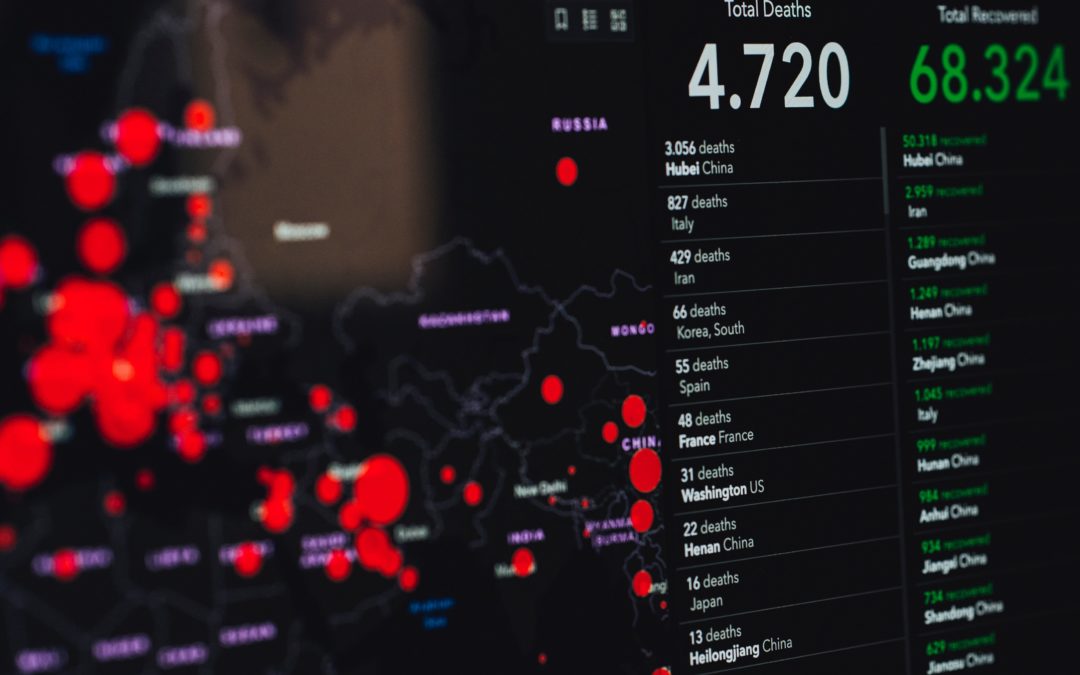
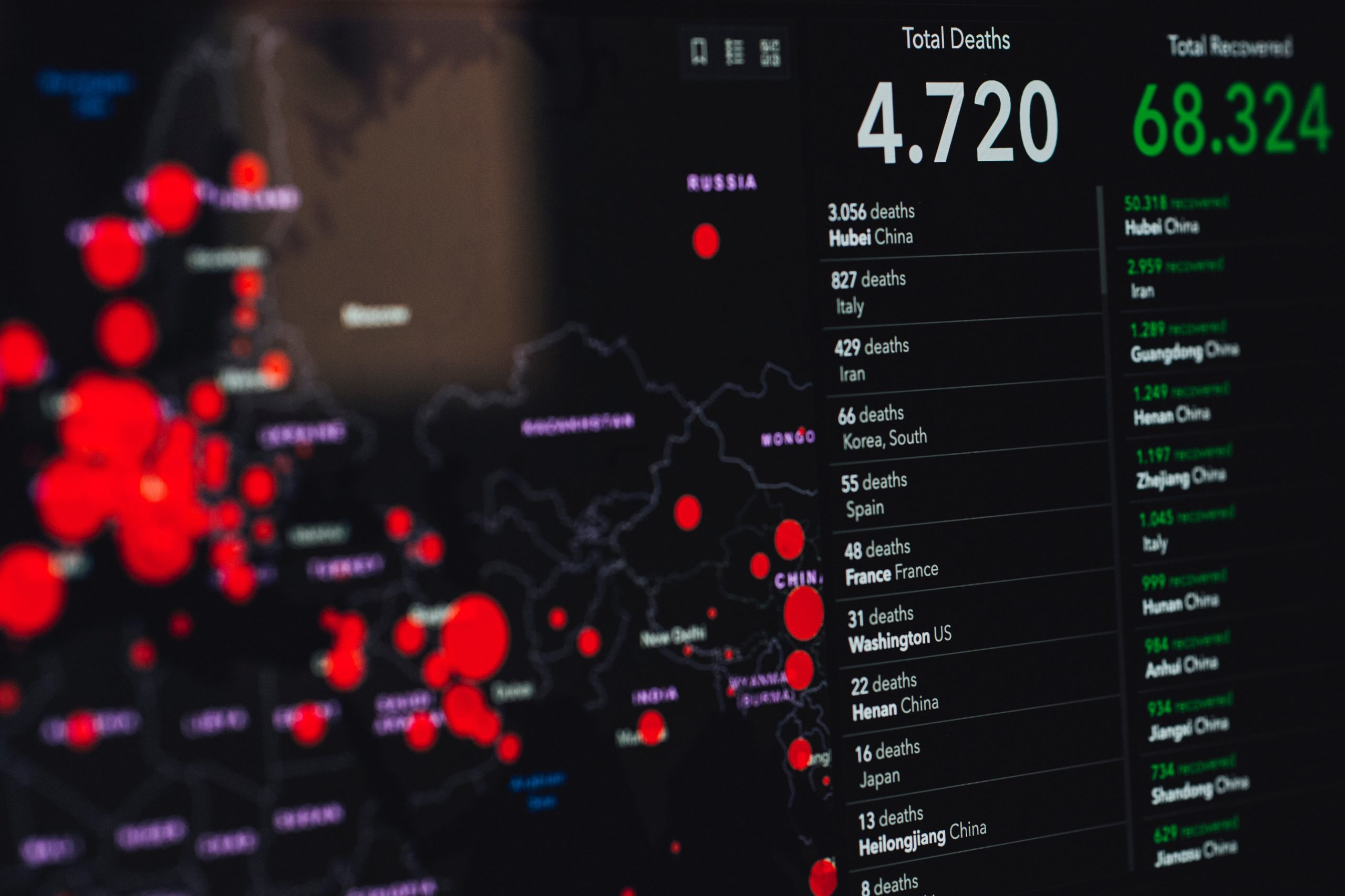
When the novel Coronavirus (Covid-19) outbreak began spreading in China at the end of January, there was very little overseas impact and China seemed to bear the brunt of the outbreak, shutting down logistics and imposing quarantines. But as cases began popping up globally, with Italy, Iran and Southeast Asian countries particularly affected, governments started to take action. The tourism industry, as a result, is suffering. The United States currently has 140 active cases of the virus, with 11 deaths, and officials confirmed two cases in Florida on Sunday. 

Florida very much intends to maintain open borders and air travel. Two of its economic strengths are international trade, with 40% of all U.S. exports to Latin America passing through Florida, and tourism, which added an estimated $111.7 billion to the state’s economy in 2016.

Already, Miami is feeling the impact of the outbreak. This week, the city was meant to host Zendesk Relate, a 2,300-attendee conference at Miami’s conference center held by San Francisco-based customer-service software company Zendesk. But the company announced the event’s cancellation on Monday, on the same day American Airlines suspended its Miami-Milan service as the number of active cases in Italy ballooned to 2,706, with 107 deaths registered.

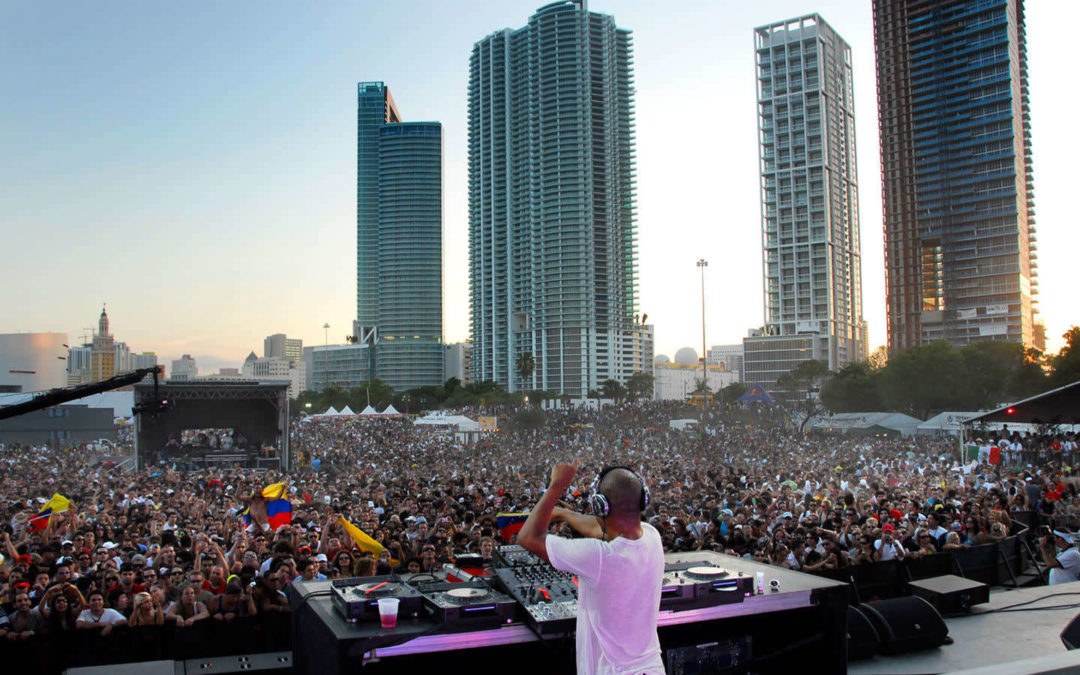
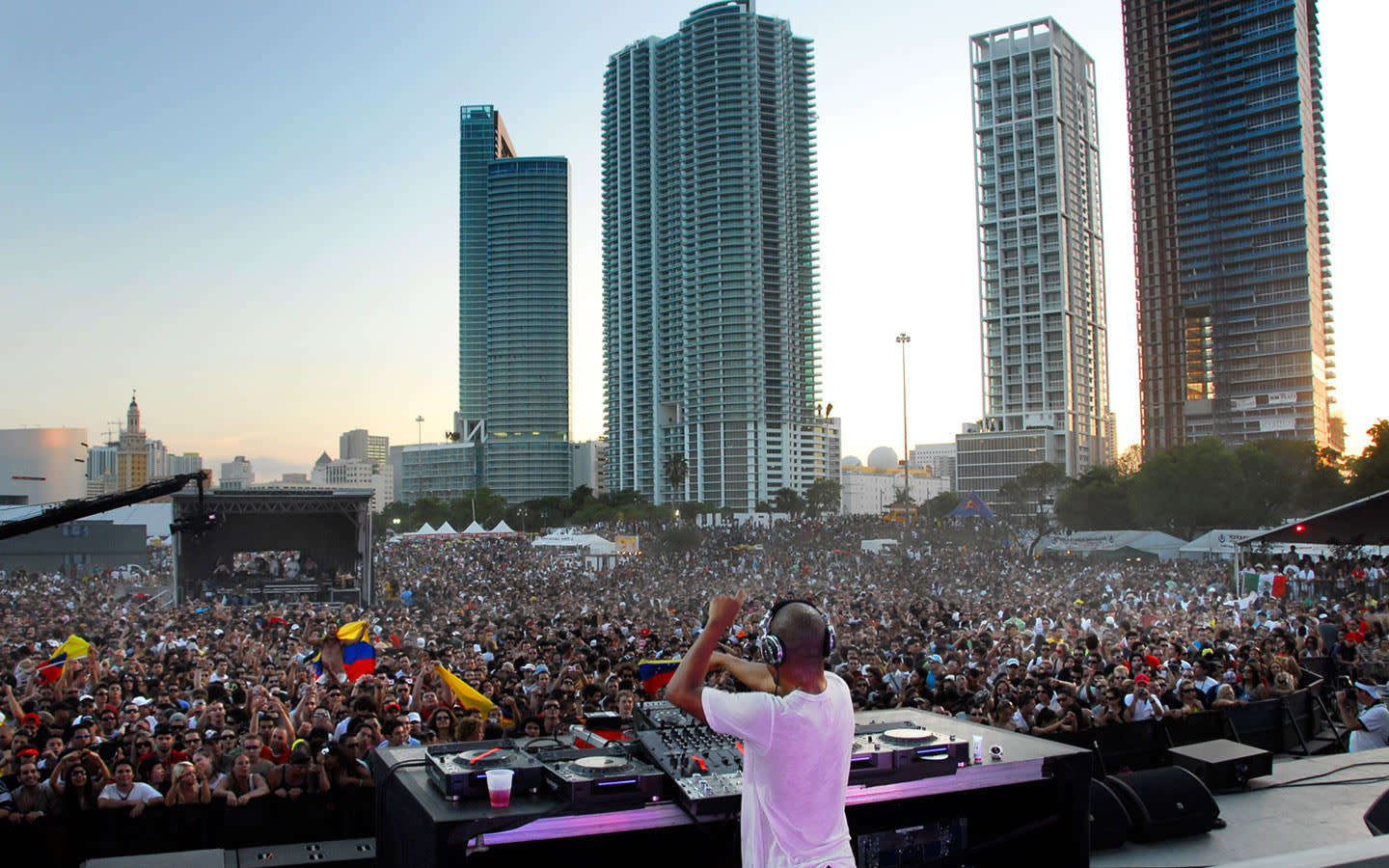
Another event impacted by the virus is the annual Ultra Music Festival, which organizers have reportedly postponed – potentially for a year, according to the Miami Herald. The electronic dance event typically attracts 55,000 people per day and the 2020 edition is due to be held on Bayfront Park. With tickets starting at around $300 and going up to $1,500, the impact of cancellation would be significant. “I agreed with the decision to postpone it,” City Commissioner Manolo Reyes told the Miami Herald. “And now I’m worried about the Calle Ocho Festival,” referring to the Latin music festival scheduled for March 15 in Little Havana.

Some conference organizers and attendees are attempting to postpone events until May, when there is hope the virus will be contained. But Florida Gov. Ron DeSantis is less optimistic about the impact on Florida, predicting more cases will emerge shortly.

The Medical Affairs Professional Society is scheduled to host a conference on March 9-11 but has already experienced some cancellations, according to CEO Travis Hege. The conference is still going ahead as scheduled, he told the Miami Herald. “Any deaths in Florida or outbreak in Florida is the biggest thing we are monitoring,” he said. “We’re continuing to monitor the latest developments. Otherwise, we will be proceeding as planned.”

And while cancellations of events like Zendesk Relate are not ideal, this is far from the biggest event Miami is due to hold this year. Art Basel may or may not take place in June after the Hong Kong edition was canceled and Miami Pride events will take place at the end of March and beginning of April.

But Miami-Dade Mayor Carlos Gimenez said Tuesday there is no need to cancel major events, and instead there needs to be a specific focus on protecting the elderly and vulnerable populations. “We will step up and make sure that those elderly get those services,” he told Local 10. He added that arriving visitors will be more thoroughly screened and that residents should “live your normal life (and) take just common-sense precautions.”


To learn more, visit:

https://www.zendesk.com

https://www.artbasel.com/miami-beach

https://ultramusicfestival.com/

https://www.miamiandbeaches.com/event/miami-beach-pride/2188

https://carnavalmiami.com/events/calle-ocho/ 

https://www.miamidade.gov/global/government/mayor/home.page

https://www.medicalaffairs.org/


New inventory, worldwide recognition to expand Philly’s hospitality in 2020

New inventory, worldwide recognition to expand Philly’s hospitality in 2020

By: Yolanda Rivas

2 min read January 2020 — Philadelphia’s hospitality industry welcomed a variety of hotels and restaurants in 2019, and the new year will see that growth continue. The city’s expanding and diversifying hotel inventory is a trend that even industry leaders are keeping an eye on.

“We are closely monitoring the impact of additional supply entering the market in 2020, and continue to ensure we are providing our guests with a unique and personal experience that helps to create the loyalty we know will keep our valued guests staying with us year after year, as the options in our city continue to expand,” Michael Roberts, area general manager at The Windsor Suites Philadelphia told Invest:.

Philadelphia’s growing business community has presented a variety of opportunities for the city’s hospitality sector. According to Visit Philadelphia President and CEO Jeff Guaracino, cities around the world are looking at private and public investments made in Philadelphia and how they’ve positively impacted the city’s tourism ecosystem.

“Recently, we’ve seen enhancements to the city’s historical, cultural and dining options, the Pennsylvania Convention Center and to our stadiums in South Philadelphia. These are just a few examples, but they show us how appealing our city’s product is when viewed holistically,” Guaracino said in an interview with Invest:

Another fact that can have a positive impact in the City of Brotherly Love’s hospitality sector is its recognition as one of the top destinations to visit in 2020 by National Geographic. Philadelphia was one of only two U.S. destinations (alongside the Grand Canyon) among the 25 must-see destinations and travel experiences in this year’s list of the Best Trips to take. “We’re thrilled that Philadelphia is featured so prominently and beautifully in this influential publication that we know drives travel decisions,” said Visit Philadelphia’s Guaracino in a written statement. 

In 2018, the Greater Philadelphia region marked its ninth consecutive year of record visitation and the highest number of passengers through Philadelphia International Airport since 2008, according to Guaracino. 

“The city is fairly evenly split in thirds between corporate, leisure and group business. We value each, and are always working to develop each segment. The type of traveler segment that is most prevalent does vary throughout the year. We experience the same variations in the business cycle,” said Roberts. 

Philadelphia’s new hotel inventory for 2020 includes: 

  • Canopy by Hilton Philadelphia Center City opening in May 2020
  • W Hotel opening June 2020
  • Element Hotel Philadelphia opening June 2020
  • The Hyatt Centric Hotel opening June 2020
  • River House at Odette’s opening June 2020
  • Live! Casino & Hotel Philadelphia opening December 2020


To learn more about our interviewees, visit:

The Windsor Suites Philadelphia: https://www.thewindsorsuites.com/ 

Visit Philadelphia: https://www.visitphilly.com/