Face Off: Two Legal Leaders on Growth, Talent and Tech

Face Off: Two Legal Leaders on Growth, Talent and Tech

By: Max Crampton-Thomas
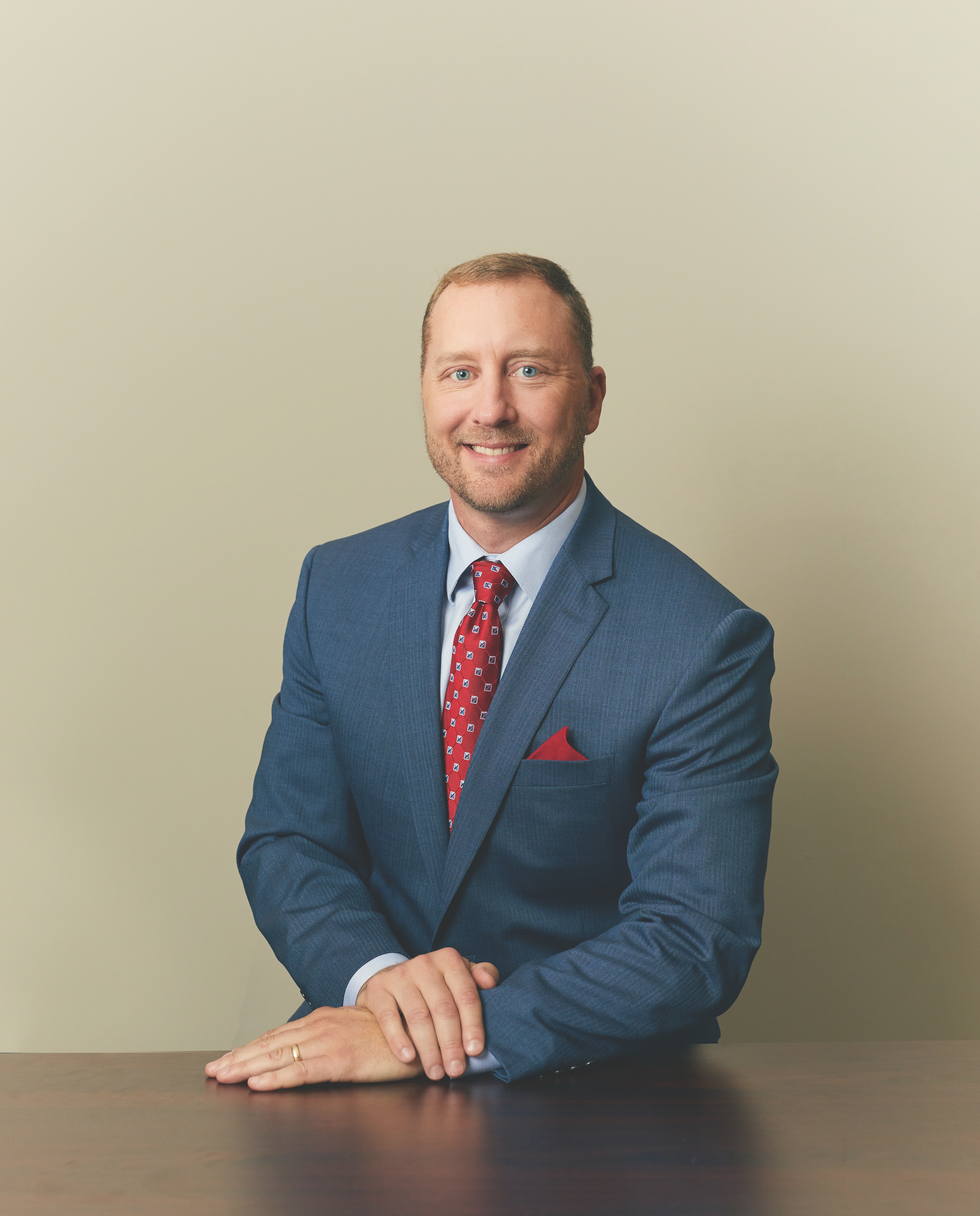
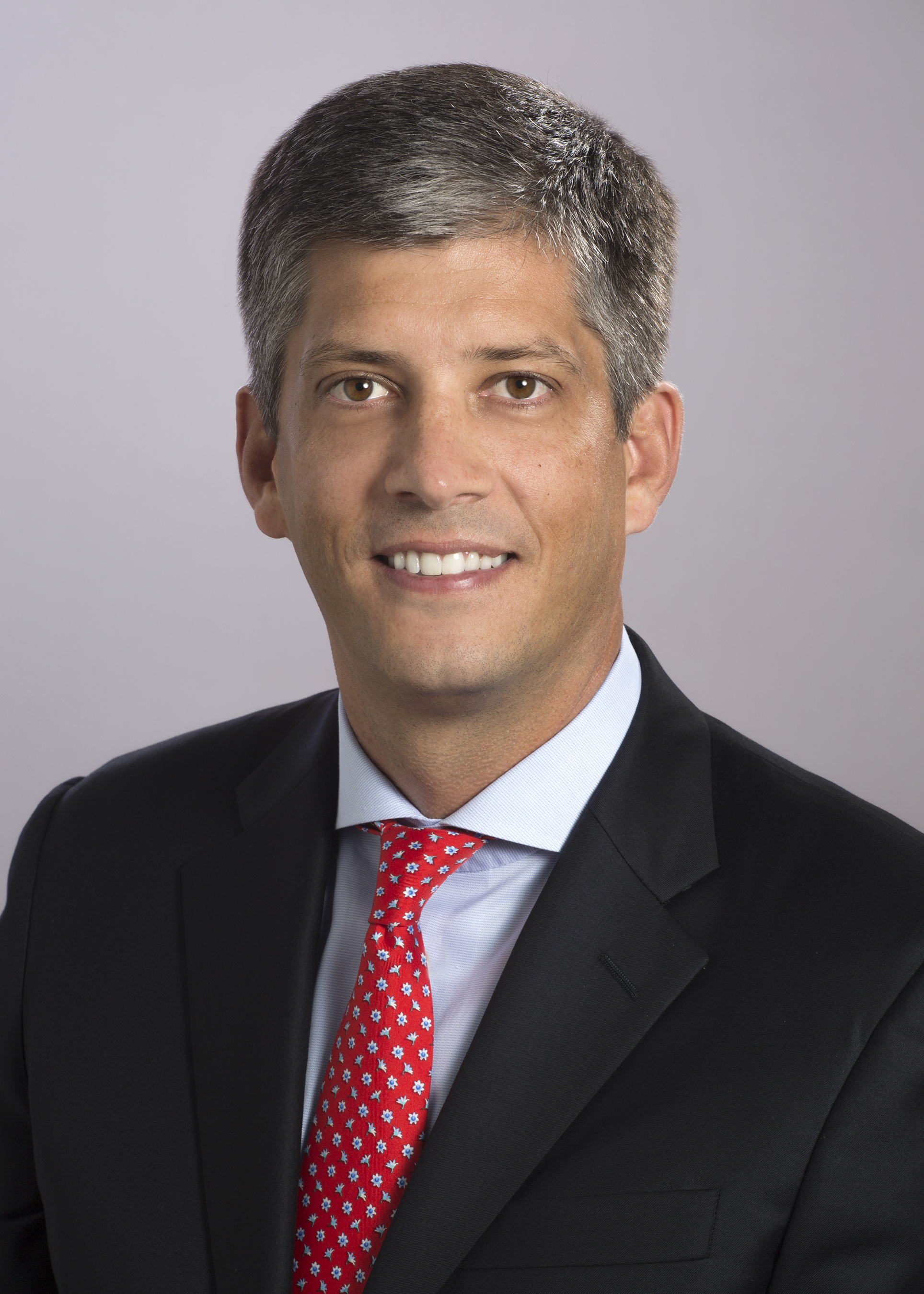
4 min read November 2019 Seemingly every industry in the Tampa Bay region is firing on all cylinders as the area continues to exceed expectations in terms of economic growth. In concurrency with this growth is increased demand from businesses and individuals for legal services and counsel. Law firms in the region have taken notice and are acting swiftly to establish or reestablish themselves as prominent figures in this space. Invest: spoke with Michael Lundy, the managing and founding partner of Older, Lundy & Alvarez, and Kevin Johnson, a shareholder of Johnson Jackson, about the role of Tampa Bay in their businesses, navigating the lingering challenge of labor and the importance of technological advancements in the legal sector. 
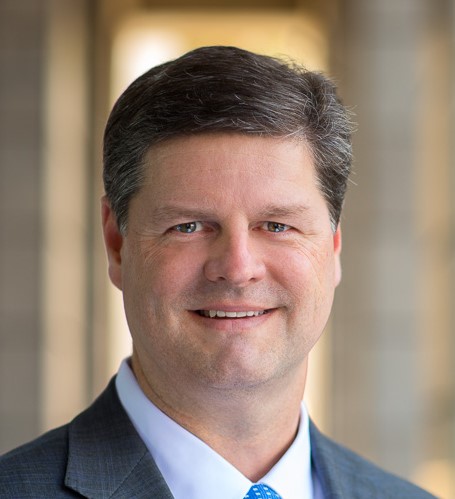


How is the setting of Tampa Bay conducive to your business and legal practice?

Michael Lundy: The Tampa Metro Area is growing rapidly in about every sector. I think that the local political climate is conducive to this growth. We are seeing development driven by businesses that want to operate in Tampa, as well as an influx of outside capital investment from sophisticated sources that see the area as ripe for growth. It seems as though all the pistons are firing at the same time.

My personal practice is marital and family law, but Older, Lundy & Alvarez handles real estate transactions and litigation, commercial litigation, tax work and corporate counsel. With so much local development and population growth, we have benefited greatly because there is a higher demand for the many services that we provide. It is our goal to provide legal services for every aspect of one’s life, or what we call “the ultimate representation.”

Kevin Johnson: For our business, Tampa is a great location for a multitude of reasons. One is that it is extremely easy to reach the entire state from this region. We are only a couple hours from Naples, Jacksonville and Tallahassee. We also have a terrific airport. Most significant would be the strong business climate in the region. Tampa has done a lot of things well over the last 20 years in regards to establishing a conducive environment for businesses in the region. We have been lucky because this city has had a string of progressive and insightful mayors who have gone to great lengths to really improve the business environment. 

Has your firm been challenged in navigating the tight labor pool for legal professionals in the region? 

Lundy: Recruiting talent has not been a challenge. We have been able to recruit incredible lawyers. Tampa has a large pool of amazing legal talent. Tampa is a great place to live. It is an area that has had undervalued real estate, especially in the Downtown area, and that has attracted a lot of development. There has been a steadily growing young population. It has become a city where we talk about technology all the time. Local leadership has had a great positive impact in the area as well. The county commissioners and past and present mayors have had their eyes on the future and have worked very hard to develop a true vision for Tampa. Also, we do not have an income tax in the state of Florida, which is an attractive factor on top of all the amenities Tampa has to offer.

Johnson: The labor pool for legal staff is tight, but we are happy with the people we have on our team. We have found that there are good people out there who you can hire, but there is obviously a lot of competition for them. As a smaller firm, we have to work harder to find those right people, and it really depends on finding the right recruiter to help with that process. It is also very much about the type of work environment we can offer potential candidates. Culture is truly the big driver behind this. We made a commitment to create the kind of culture where people would enjoy working for us. Not only do we offer competitive pay and good benefits, but they also have a lot of freedom in terms of being flexible with their work time to meet family obligations. We also offer legal staff the opportunities to learn and grow so that they can adapt to new skills and new positions. It is all about creating an environment where people really enjoy coming to work and where work doesn’t feel like a job.

How important is new technology to the future success of the legal sector in Florida? 

Lundy: We have embraced technology. We are completely electronic, especially in our research and court filing. We are also all mobile and can work remotely when needed. We embraced technological improvements faster than other law firms and will continue to do so. It will be interesting to see how artificial intelligence will change law practices. Historically, the manner in which legal services were delivered has been very old school, but that is changing.

Johnson: The Florida Bar has been quite progressive when it comes to technology. The Florida Bar is really taking a leadership role and we are seen as the national leader in introducing lawyers to new technology and helping them deal with the effects as technology takes over their practices. We are fortunate to have such a progressive Bar in that respect. Our Supreme Court also has done a good job of trying to figure out where our rules should be so that it is easier for us to deal with the challenges that we face as lawyers. These elements combined make Florida a pretty good environment to practice in.

To learn more about our interviewees, visit:

https://www.olalaw.com/

https://www.johnsonjackson.com/


Big Reveal: A New Look for Charlotte’s Main Library

Big Reveal: A New Look for Charlotte’s Main Library

By: Felipe Rivas

2 min read November 2019In the information age, knowledge is power. As Charlotte continues to attract top-level companies and talent across multiple industries to the region, Mecklenburg County wants to provide Charlotteans a sleek, modern, and highly technological space to study, learn, and absorb information. The Charlotte Mecklenburg Library unveiled the design plans for its new $135 million, 115,000-square-foot Main Library in Uptown Charlotte. The design features five levels and one lower level, two outdoor terraces, immersive theaters, conference rooms, and a revamped Robinson-Spangler Carolina Room. The plans were revealed two days after voters rejected an arts- and education-related sales tax increase.

The new Main Library will be made possible via a public-private partnership. According to the Charlotte Mecklenburg Library, the county has committed $65 million to the project. The library’s foundation will raise the remaining $70 million through a new campaign, called CommonSpark. Reportedly, the Knight Foundation pledged a $10 million donation to the new library on Thursday. Demolition is slated for 2021, with an expected completion date of 2024.

The plans for the new Main Library come after Mecklenburg County voters rejected a 0.25% sales tax increase that would have funded art, education, parks and more for Charlotte. If passed, the sales tax would have increased from its current 7.25% to 7.5%. Sales tax advocates, which included the Charlotte Regional Business Alliance, estimated the tax would raise around $50 million a year for arts and education-related initiatives. 

Though voters rejected the sales tax, the new library is part of the vision for Uptown Charlotte as the area continues to develop. “The new main library will be an architecturally-distinctive, state-of-the-art, technologically-advanced knowledge center and public commons, where everyone in our community can access the resources of a 21st-century library,” said Charlotte Mecklenburg Library CEO Lee Keesler in a press release. “The new Main Library helps further our mission to improve lives and build a stronger community by strengthening public engagement, supporting economic opportunity and connecting community resources.”

The Charlotte Mecklenburg Library system is comprised of 20 libraries and it serves more than 1 million residents, according to its website. The Main Library design plans account for a job training center, counseling services space, along with the core technology and maker space offerings, including a technology center, computer lab, digital visualization lab, and recording studios. Two outdoor terraces will overlook Tryon Street and Uptown Charlotte, giving visitors a front-and-center look at the transformation of the area.  

For more information visit:

https://cmlibrary.org

Spotlight On: Jesse Flowers, Community President, CenterState Bank

Spotlight On: Jesse Flowers, Community President, CenterState Bank

By: Max Crampton-Thomas


2 minute read November 2019 — Staying competitive and emerging as a leader in a crowded banking field takes smart growth strategies, remaining cognizant of trends in the industry and an ever-increasing focus on the technological wants and needs of customers. Jesse Flowers, the community president for CenterState Bank, spoke to Invest: about how his bank is ensuring continued growth into the future.  

How does your bank ensure continued and sustainable growth? 


We continue to grow, hire more people and expand our client base. We are always looking for acquisitions and good partnerships. We have acquired five banks over the last six years in South Florida, and all of them have been a strong fit. We want to make sure that our culture fits with the companies we acquire. We still run like a small bank, and all our decisions are made locally.


We stick to our fundamentals. We make sure that the loans that we provide are to good, qualified borrowers that can withstand a recession. On the commercial lending side, most of the demand is driven by real estate. We are paying close attention to where we are in the real estate cycle because Florida is mostly driven by tourism and real estate.


What is a particular trend you are keeping a close eye on? 


Banking is always changing. One of the trends that we have seen over the last five years is people using alternative lenders. Whether it be hedge funds, internet lenders or hard-equity lenders, a high number of those lenders have stepped into the market, more than they used to in the past. That might continue to be a trend because they are often able to be more flexible on the terms and conditions of their loans due to less regulation.


How does CenterState Bank remain client-focused in a rapidly changing banking environment? 


People are more focused on technology. We have to focus on the services that people want, like better and easier online technology. Those are the services that are expanding with people using phone and online banking. CenterState has invested in technology over the last several years because we know how important it is. Now, with open source platforms, access is getting cheaper, and we have hired in-house programming professionals to develop software for us.


To learn more about our interviewee, visit:

https://www.centerstatebank.com/

South Florida Collective Combats Gentrification in Palm Beach

South Florida Collective Combats Gentrification in Palm Beach

By: Sara Warden


2 min read November 2019 — As the 2018 federal tax code kicks into effect, capping deductibility of state and local taxes, demand has skyrocketed for luxury real estate in low-taxing states such as Florida. In the third quarter of 2019, the median price for a luxury home in Palm Beach tripled on the year to $21 million compared with $7.7 million in the same quarter of 2018.

As luxury house prices increase, single family and condo prices are also going up, according to a report by real estate appraisers Miller Samuel. In 3Q19, average sales prices for a condo reached $418,849, up 4.4% on 3Q18, and for a single family home the average price was $11.4 million, up 121.6% on the year. Tellingly, average price per square foot was up across the board, at $1,468/ft2 for a single family home during the quarter compared with $1,363/ft2.

The area is quickly gentrifying, with the Virgin Trains USA express service that runs through the county also pulling up house prices and pushing down affordability. In this environment, creating affordable housing for the residents of Palm Beach becomes ever more pressing. Now, the public and private sectors are joining forces to take action and create the South Florida Housing Link Collaborative, an ambitious affordable housing project. 

The project will target the route of the Brightline, deploying a $5 million investment by JP Morgan Chase to upgrade existing units and build new, more affordable accommodation. “Transport is the biggest expense after housing,” said Mandy Bartle, executive director of the South Florida Community Land Trust (SFCLT), to the Miami Herald. “We decided to hone in on this corridor because the people who most need public transit are a lot of the folks who already live in these areas near the railway and are the most likely to get pushed out by gentrification.”

As well as the $5 million in direct investment in the project, it is expected to garner $75 million in external capital from both the public and private sectors. Joining the SFCLT is the Community Land Trust of Palm Beach County, nonprofit Enterprise Community Partners, Florida Community Loan Fund, and the Solar and Energy Loan Fund (SELF). SELF provides small loans to homeowners for solar energy or hurricane-resilience technologies, providing $10 million worth of loans in their 10 years in business.

Duanne Andrade, the chief financial officer at SELF, said in an interview with Next City that those living on the path of new transit projects are often the most vulnerable to gentrification. Cindee LaCourse-Blum, executive director of the Palm Beach County CLT, added that climate change compounds the problem. 

“Housing and transportation eats up the majority of incomes in Palm Beach County, in addition to the risks that we are seeing with climate change and sea-level rise and a lot of people coming back into the urban corridor and gentrifying those neighborhoods,” she said to the same publication. “What I’m hoping to see is that residents of these communities have access to safe, affordable, resilient housing, and they’re not pushed out of their neighborhoods.”


To learn more about our interviewees, visit:

http://southfloridahousinglink.org/

https://www.millersamuel.com/

https://southfloridaclt.org/

https://cltofpbc.org/

https://www.enterprisecommunity.org/

https://fclf.org/

https://solarenergyloanfund.org/

Spotlight On: David Druey, South Florida Regional President, Centennial Bank

Spotlight On: David Druey, South Florida Regional President, Centennial Bank

By: Max Crampton-Thomas

2 min read October 2019 — Connectivity to the community is the key differentiator when it comes to the variety of banks in the region, David Druey, South Florida regional president for Centennial Bank, told Invest:. He also raised some significant points about determining the right talent fit for a role in his bank, and how millennials could benefit from understanding and appreciating the significant advantages that having a human relationship with their bank can bring. 


How does your bank differentiate itself in a crowded financial market? 

Whether it is a large, regional, super-regional or community bank, the key difference is the connectivity the bank has to the community. Typically, larger banks have a tendency not to focus on small business. They look for large corporations that take out massive loans. They underserve the communities that they have branches in and use their branches for deposit gathering rather than actually servicing the customer’s needs on both the loans and deposits sides. While we are a $15 billion organization, we have allowed each branch to go with what I call their bend, which is allowing them to do the kind of work that they will succeed in. For instance, if there is a need for construction lending in their market, then they should be doing construction lending. This allows our branches to be in the markets on a much more granular level, and not a large-scale or silo level like some of the other larger banks.

How do you determine the right talent to hire from a tight labor pool? 

Talent must have the finesse to understand financial statements, business models, clients, people and be good enough to get all the details correct in order to have loan documentation approved. There is a very small group of people who can do this job extremely well, and those who do it well are in high demand. The key is to court them to come work for you, and entice them to come over based on whatever it is that they are not getting at their current institution. When identifying these people, we also look at their reputation and overall if they are a high-quality individual. 

Have you observed any significant changes in demand for your services with the influx of millennials into South Florida?

Millennials have a tendency to do everything on their phone, which is fine and we appreciate that technology, but they are missing out on the human component of a banking relationship. Having a relationship with one’s bank is vitally important to their financial well-being. When that relationship solely exists on technology, there is no connection with the financial institution. Millennials are missing out on the connectivity and relationships with banking professionals that could ultimately help them with whatever they may need. The positive trend we are observing is that as these millennials age, they are starting to realize that to start a business or buy a home they need to have some connectivity and relationship with their bank. They are migrating more toward having relationships with financial advisers and banks because they need them as a service provider.

Due to the strict regulatory banking environment, have you seen a trend of people looking at more nontraditional lenders?

In South Florida, we are always competing against two things, cash and nontraditional financing. South Florida has quite a few nontraditional financing options, but these options typically charge for the nontraditional financing through fees and a higher interest rate. This idea is comparable to the convenience store versus a chain grocery-store mentality. A convenience store may be easier to access but you will pay $6 for a gallon of milk, while a chain grocery store may be a bit more effort to access but will result in a savings of $2 for the same product. The same idea applies for lending from a traditional source like a bank versus a nontraditional lender.


To learn more about our interviewee, visit: 


https://www.my100bank.com/

Local MVP: Atlanta United FC season may be done but its value is rising fast.

Local MVP: Atlanta United FC season may be done but its value is rising fast.

By: Felipe Rivas

2 min read November 2019 – In the world of sports, soccer has long been the most popular game on Earth with over 4 billion aficionados who all want their favorite team to win. In the United States, however, the checkered round ball does not roll as far as it battles footballs, baseballs, basketballs, and even hockey pucks, for fans’ love, attention and attendance. But in Atlanta, the beautiful game is quickly becoming a fan favorite thanks to the success of the local and 2018 Major League Soccer Cup Champion Atlanta United FC.  

For the last three years, Atlanta United FC has broken multiple league records both in performance and attendance since joining Atlanta’s sports realm in 2017. Recently, the team topped the Forbes list of most valuable MLS teams with an estimated value of $500 million, up from $330 million from last year’s ranking. Trailing behind Atlanta United FC are LA Galaxy with a value of $480 million, and the Los Angeles FC valued at $475 million, both of which are clubs with established fan bases. 

The reigning champion’s hopes of defending its title were crushed after a 2-1 loss to Toronto FC in October. Though defending a title is hard in any sport, on average 52,000 fans flocked to Mercedes-Benz Stadium to cheer on The Five Stripes this regular season. In an August home match against the LA Galaxy, 72,548 people came out to support the team, the most ever in an MLS regular season match. In comparison, according to ESPN statistics, the Atlanta Falcons, who also claim the Mercedes-Benz Stadium as their home, have averaged close to 72,000 fans per home game, proving that soccer is quickly gaining popularity among fans in a town with a historied sports legacy. 


Though the 3-year-old franchise did not hoist the championship trophy this season, it did grab other remarkable accolades usually reserved for more established franchises. The World Football Summit named club President Darren Eales the Executive of the Year, and gave Mercedes-Benz Stadium the award for Best Venue. The Sports Business Awards named the Atlanta United FC as the Sport Team of the Year beating out teams in all pro-leagues, and further recognized the Mercedes-Benz Stadium as the Sports Facility of the Year. Additionally, Atlanta United’s star forward Josef Martinez finished No. 2 on the MLS list of top-selling jerseys, behind legendary striker Zlatan Ibrahimovic, who was acquired by the LA Galaxy from Manchester United in 2018.  


Off the field, Atlanta United FC is active in the community and champions different efforts to make the game of soccer accessible and inclusive for individuals across the state of Georgia. 

The Atlanta United Foundation promotes the importance of physical fitness and sportsmanship, and has made sizable soccer-related donations to the YMCA of Metro Atlanta and Atlanta Public Schools. 


And if you think you have what it takes to be the next Atlanta United FC star player, here is your chance. The club is hosting its Dream Tryouts where aspiring athletes will battle it out for a professional contract with Atlanta United on Nov. 16.  

For more information, visit: https://www.atlutd.com/

Spotlight On: Frank Dame, EVP & COO , Clearwater Marine Aquarium

Spotlight On: Frank Dame, EVP & COO , Clearwater Marine Aquarium

By: Max Crampton-Thomas

2 min read November 2019 — The city of Clearwater has a lot of enticing offerings within its borders, ranging from the No. 1 beach in the United States to a multitude of arts and cultural options. One of the most widely recognizable features of the city is the Clearwater Marine Aquarium. As a staple of marine conservation and education as well as the filming location for both Dolphin Tale feature length films, the aquarium has adapted its business model to remain strong after all these years. Invest: spoke with Executive Vice President and COO for the aquarium Frank Dame, about adapting its business practices to stay competitive, the renovations being made to the aquarium, the challenges from last year’s red tide and maintaining Clearwater’s No. 1 beach status. 


 How have you adapted your business to stay competitive?

Before the movie Dolphin Tale came out, we implemented a new philosophy and strategy. Although we are a nonprofit, we decided we would run the aquarium like a for-profit company and develop a business model that could fund the operations of Clearwater Marine Aquarium with minimal donations. We would then use donations to expand the business and for our various initiatives. We set this business model in place, and then expanded the gift shop, improved the guest experience and enhanced our food service. This started to drive revenue, and between 2006 and 2010, we grew attendance from 75,000 a year to about 220,000 just before the movie was released. The year after the movie was released in 2012, our attendance went from 220,000 to over 740,000. 

What can be expected for Clearwater Marine Aquarium’s new facilities? 

We are under construction. This is an $80-million project that is being supported by the city, county and the state. We were awarded $26 million from Visit St. Petersburg/Clearwater, while the city of Clearwater gave us $5 million, plus the land where we are located. The state of Florida also donated another $3 million in a grant, and we have an ongoing capital campaign to raise another $15 million. Overall, we have had a tremendous amount of support from the community. When we open the doors to our new facility, sometime next year, we are going to have almost four times the guest space we have now. We are also building five new dolphin pools. Currently, between all our facilities we have about 985,000 gallons of water, and these five new dolphin pools will add another million and a half gallons. We are really ramping up our ability to rescue more animals and provide a better living environment for our dolphins, as well as drastically improve the guest experience.

How much of an adverse effect did last year’s red tide have on the region? 

A year or so ago when the red tide came through the region, it had an extremely adverse effect on the local economy. We should commend Pinellas County because they tried to get in front of this issue by hiring boats to collect the dead fish and debris offshore before it ever hit the beaches. Our city was out there at 4:30 in the morning raking the beaches to make sure that tourism was not too badly impacted by it. While we were impacted somewhat, it could have been a lot worse. That red tide probably resulted from the runoff from storm water and other waste that goes into our waterways. This is damaging not only to the water environment itself, but to the tourism sector and the local economy, so human impact should always be something that we are conscious of. 

How can Clearwater Beach maintain its title as No. 1 beach in the nation? 

We need to focus on maintaining our recognition as the No. 1 beach in the nation, and we can’t accomplish this by just promoting ourselves as No. 1. The mission now is to make us the No. 1 beach because we are ocean friendly. We can do this by eliminating trash and doing things like stopping the use of single-use plastics. At the aquarium, we have gotten rid of all plastic bottles. Our water bottles now are all biodegradable and our spoons are all made of bamboo as opposed to plastic. We are trying to be an example of an environmentally responsible organization, and teaching people the right way to live in a model of environmental sustainability. 


To learn more about our interviewee, visit: 

https://www.seewinter.com/


Spotlight On: Brett Gray, Managing Principal, Cushman & Wakefield

Spotlight On: Brett Gray, Managing Principal, Cushman & Wakefield

By: Felipe Rivas

2 min read November 2019 – In the last few years, the Charlotte Metro Area has enjoyed consistent growth, thanks largely to its strong banking sector. As the region continues to grow, Charlotte’s economy is diversifying and attracting large companies that need commercial real estate solutions. In a recent interview with Invest:Charlotte, Cushman & Wakefield Managing Partner Brett Gray talks about the state of Charlotte’s real estate market, use of technology to improve client needs and his outlook for the region heading into 2020. 

How is Cushman & Wakefield addressing the growth of the Charlotte metro area?


We are organized across a suite of services with specializations that directly tie to Charlotte’s explosion as a high growth city.  These services include Capital Markets, Tenant Representation, Landlord Representation, Project & Development Services, Asset Services, Facility Management, Valuation and Advisory Services and Consulting to name a few.  Under each of those service lines, we have additional services that clients can tap into for all of their needs. 


This is a thriving city. It has often been thought of as a secondary market, but it’s practically a regional hub that’s led by the banks. That has been the driver for development since the 1980s. It is essential for us to have key leaders in this space to help grow. For example, we have one of our National Emerging Tech Advisory Group members here in town, which is important as tech has been a big part of Charlotte’s recent growth. Our Multifamily National Practice Co-Leader sits here, our Southeast Valuation and Advisory leader is here.  These are just a few examples that show our commitment to this market and the depth and breadth of our resources and services.


How is Cushman & Wakefield implementing new technologies to address client needs and provide better service?


Cushman & Wakefield’s property technology (PropTech) strategy focuses on strategic partnerships across our global platform with a variety of organizations, including Fifth  Wall, MetaProp NYC, Plug and Play and 1871.  The firm recently entered into technology relationships with innovative companies like Saltmine and Reonomy.  It is essential for us to partner with organizations to identify technology that will disrupt our industry.  PropTech drives efficiencies ensuring Cushman & Wakefield evolves quickly in this ever changing environment to deliver excellence to our clients.  It is our responsibility to drive the latest solutions to them as their advisor. 


How is Cushman & Wakefield addressing growth while preparing for a potential recession?


We’ve seen some inverted yield curves, and while the curve is a good historic warning sign of a recession, it doesn’t mean it’s right on the edge. The difference is that consumer confidence, which makes up 70% of the economy, continues to rise. Government spending remains strong. You’ve got a record unemployment rate continuing at an all-time low. You’ve got wage growth. As long as we continue seeing wage growth and low unemployment numbers, with consumers making up so much of that, we feel really good about where we are. We don’t see anything happening in the next year and a half to two years, but we continue to advise clients to be aware. We take a look at the “what if?” models out there. If a recession happens, what will happen? We’re always looking at those things, but right now we feel really good. 


How does Cushman & Wakefield view the commercial real estate landscape?


If you look at the past 12 months like a report card, it’s arguably the most exciting time in the history of Charlotte. We look out everyday to cranes looking into our windows, and you see the growth of the light rail happening. The airport is expanding. The logical places of growth are emerging. It followed predictable patterns, where before some of the wealth was concentrated, but now you’re seeing emerging corridors appear. Opportunity Zones help drive some of that investment. Companies are selling their properties for record prices, and moving into emerging corridors. When you think of a big city, you put a dot in the middle of the city and there are no gaps expanding outward a mile or two. Charlotte still has some opportunity to develop around those gaps, and you’re starting to see that happen.


To learn more about our interviewee, visit: http://www.cushmanwakefield.com/en