South Florida’s Top Five Events for the Holiday Season

South Florida’s Top Five Events for the Holiday Season

By: Sara Warden

2 min read December 2019 — South Floridians may not expect a white Christmas, but there are still a plethora of entertainment options to get the kids into the holiday spirit. From Enchanted Forests to visits from Santa, there is plenty for all ages going on across the Miami, Palm Beach and Greater Fort Lauderdale areas. Capital Analytics counts down the top events in the run up to the big day!


 1. Christmas with the Chimps at Lion Country Safari

If you’re an animal lover, this is the place to be on Thursday, Dec. 19. For one day only, starting at 10.30am, guests at the Lion Country Safari park in Palm Beach will be able to leave their cars and watch as the chimps open Santa’s gifts. Entry is $39 for adults and $30 for children, and under twos go free!

Find out more here

2. Winterland at Pinto’s Farm

Located at 14890 SW 216 St, this farm park promises a huge range of activities, including holiday treats, face painting, a petting zoo, pony rides, hay rides and paddle boats. Why not venture into the enchanting illuminated forest and meet Santa Claus, Nix the Snowman and Sprinkle the Gingerbread cookie.

Find out more here.

3. “A Christmas Story: The Musical” at Broward Center for the Performing Arts

Brought to you from the songwriting team behind Tony-award-winning Dear Evan Hansen and La La Land, this show promises to be a festive treat for the ears. The show is based on the 1983 movie A Christmas Story, following protagonist Ralphie’s pursuit of his dream Christmas gift. Showings continue throughout the festive season and tickets are priced at $49-65, with discounts available for teachers and students.

Find out more here.

4. Santa’s Enchanted Forest at Tropical Park

With over 100 rides, shows and attractions, Santa’s Enchanted Forest is sure to spread the Christmas cheer. Running from the end of October until Jan. 5, the fun takes place at 7900 SW 40th Street and promises 3 million lights and a 92-inch Christmas tree, all within an amusement park. Tickets start at $28.60 for children and seniors.

Find out more here.

5. Brightline for The Polar Express train rides

Across selected dates from mid-November until Dec. 29, families can take the one-hour Polar Express train on the brand new Brightline route. Singing, dancing, cookies and hot chocolate are guaranteed to keep both the kids and adults happy before Santa climbs on board to hand out some Christmas gifts to the girls and boys on the nice list. Prices start from $55 for an adult and $50 for a child.

Find out more here


Art Basel: Miami Art Week Brings the City to a Standstill

Art Basel: Miami Art Week Brings the City to a Standstill

By: Sara Warden

2 min read December 2019 — Art Basel is in to town. When Swiss art dealers Ernst Beyeler, Trudl Bruckner and Balz Hilt began the show in Basel, Switzerland, in 1970, it was a cult hit. As the art fair gained momentum over the years it added two additional venues – Hong Kong and Miami Beach. Now, Art Basel Miami Beach brings the city to a standstill.


Started in 2002, the Miami Beach show itself draws in 70,000 visitors per year, 4,000 artists and over 250 of the world’s leading galleries participate. For those galleries accepted to exhibit in the main Art Basel space at the Miami Beach Convention Center, the cost starts at $100,000. Miami Beach also attracts over 20 satellite fairs, and there is so much art buzz around town during the dates that the week is now known as Miami Art Week. Tickets are available at $65 a pop, but for many, that’s a steal to access so many world-class artists all in one place.

Art Basel has played a significant role in democratizing access to these works of art and providing exposure for up-and-coming artists. In the 1980s, for example, the global art world was but a tiny network. “We knew every collector in the world then. Ninety percent of them were in New York or Germany,” collector Don Rubell told The New York Times. But now, times have changed. “Miami is not just bikinis and muscles anymore.”

UBS and Art Basel research shows that the global art market hit $63.7 billion in sales in 2017, with the United States the largest market, accounting for 42 percent. Art Basel Miami is responsible for about 10 percent of domestic sales, Alexander Forbes, executive editor of the art news website Artsy, told Marketplace. “$2 billion to $3 billion worth of art is usually on view,” he said.

Rubell and his wife Mera were instrumental in convincing Art Basel to set up shop in Miami in the early 2000s and the family collection now occupies a whopping 100,000-square-foot campus in Allapattah, which they purchased for $4 million. At the same time the Rubells purchased the plot, they bought a neighboring piece of land for $8.6 million.

According to Esther Park, a regular on the Miami art scene, Miami has just the right features to make it a haven for an event like Art Basel. “Miami was always going to blow up eventually,” she told Miami New Times. “It’s just that Basel propelled it.”

Samuel Keller, Art Basel’s director, acknowledged in an interview with The New York Times that Miami was a risky choice, but that it had all the ingredients for success. “Here there is a huge potential, economically but also culturally,” he said, calling the city “the gateway to Latin America, a melting pot of minorities from European to Jewish to gay.”

The four-day extravaganza attracts the most prestigious art buyers from all over the world, who enjoy splashing out. The trade fair has partnered with several major hotels in the area to offer preferential rates for attendees, but to stay in The W South Beach, The Standard Spa, Miami Beach or Nautilus by Arlo, prices still start at $422 per night and go right up to $1,650.

To learn more, visit:

https://www.artbasel.com/

https://rfc.museum/about-us

https://www.artsy.net

https://www.ubs.com/ 

https://www.miamibeachconvention.com/


How Did Thanksgiving Become Game Day for the NFL?

How Did Thanksgiving Become Game Day for the NFL?

By: Sara Warden

2 min read NOVEMBER 2019 — On Thanksgiving, there is only one thing that comes close to turkey in importance for Atlanta sports fans, and that’s the NFL’s game schedule. This year, the Atlanta Falcons will be one of three teams hosting the Thanksgiving Day games, facing off again the New Orleans Saints. 

This will be the Falcons’ fourth Thanksgiving Day game, and having lost against the Saints last year on their home turf, this one is sure to be a must-watch. Those fans going to watch the game live could also feel a little pain in their wallets: Last year’s Saints-Falcons game was the most expensive Thanksgiving Day game for fans, with an average ticket price of $518 on the secondary market.

No doubt, Thanksgiving football is big business for the NFL. In 2018, NBC’s primetime viewing of the Falcons-Saints game brought in an 11.4/24 rating, up 18% from 2017’s Washington-New York Giants primetime game on NBC and the network’s best Thanksgiving night NFL performance since 2015. For the rights to a selection of high-profile games that includes the Thanksgiving game, Super Bowl Broadcasts and Thursday Night Football, NBC is paying $1.1 billion a year to the NFL.

That explains why the tradition stuck, but why did it start? Although it doesn’t quite go back to The Mayflower, the Thanksgiving game is a long-standing tradition spanning back as far as 1920. Political upheaval during the time meant the games were sporadic, but eventually in 1934, George A. Richards bought the Portsmouth Spartans, renamed them the Detroit Lions and gave Thanksgiving another try. 

This was largely a solution to the problem of low attendance during the year, but the Thanksgiving game became a rousing success. First, people already had the day off work and second, it became an escape for those looking to perhaps spend less quality time with family. More than 26,000 people booked tickets weeks in advance and reportedly thousands more were turned away at the gate.

In 1966, the Dallas Cowboys saw the success of the “Detroit Lions vs…” games and decided to get in on the action. Since then, both teams have played each year, with one additional game added to the roster. This year’s Falcons-Saints game will be played in the new, state-of-the-art Mercedes-Benz stadium – “the finest sports and entertainment facility in the world,” according to Dan Corso, president of the Atlanta Sports Council.

The stadium was funded by a largely taxpayer-based system, in a $2.4 billion investment based on bonds and hotel taxes. And Mayor Keisha Lance Bottoms believes the stadium may allow Atlanta to host many more high-profile sporting events, including these popular Thanksgiving games. “I think it’s well worth the investment, and when you look at the long-lasting impact and our ability to showcase Atlanta, sometimes you have to spend a little money to make a little money,” she told USA Today.

To learn more, visit:

https://www.metroatlantachamber.com/councils/atlanta-sports-council

https://www.atlantaga.gov/government/mayor-s-office/meet-the-mayor

Spotlight On: Liz Babson, Director, Charlotte Department of Transportation

Spotlight On: Liz Babson, Director, Charlotte Department of Transportation

By: Felipe Rivas

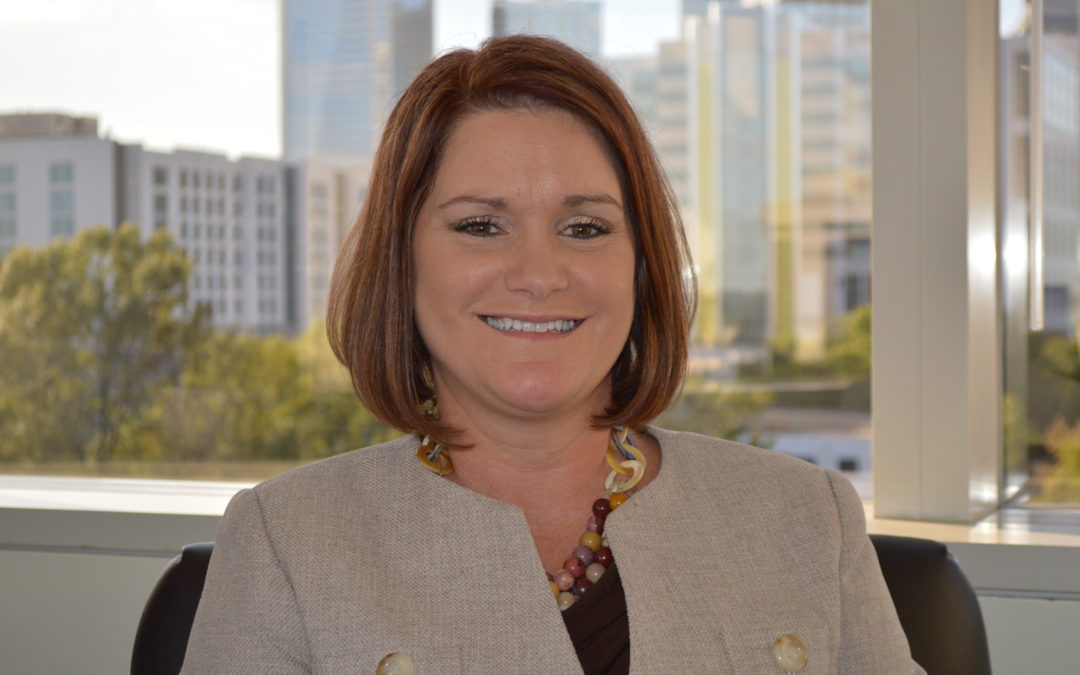
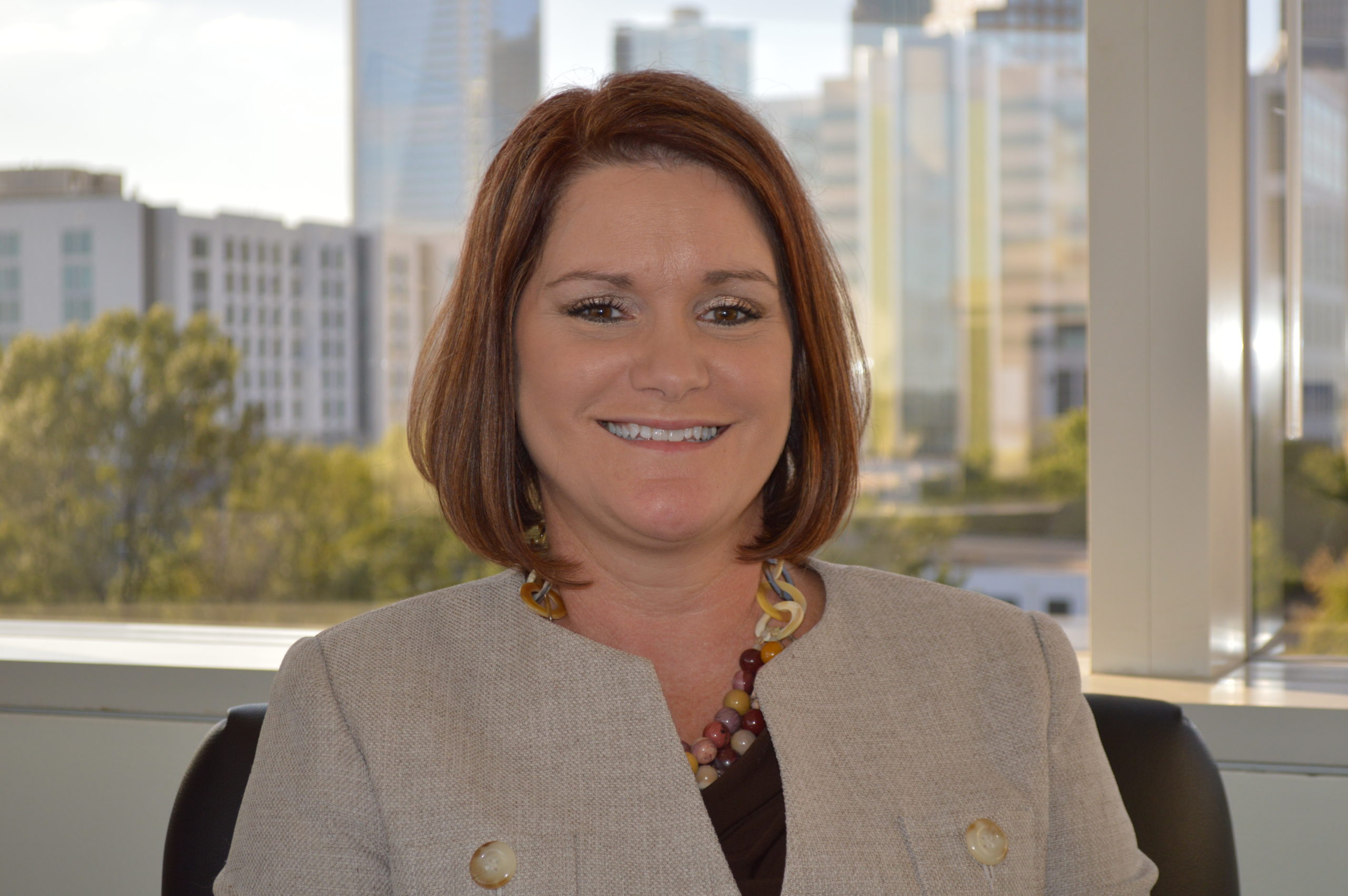
2 min read November 2019 — As Charlotte continues to grow, the Department of Transportation is looking at ways to improve and innovate its transportation system. The department has been keen on leveraging capital investment with private development to build a safe transportation network for drivers, cyclists and pedestrians. Safety is a top priority for the department heading into 2020, said Liz Babson, director of the Department of Transportation, in an interview with Invest: Charlotte.    

How has Charlotte’s transportation system kept up with economic growth in the past decade?


“Charlotte, like other major cities, is experiencing economic growth and is seeing the effects of that in its transportation system. We have seen congestion increase throughout the community. The city must look at multiple ways to solve and manage its transportation system. We put a lot of investment in transit and other transportation improvements and continue to manage  congestion. In the last decade, we have seen a shift in the way we look at transportation investment throughout the city, not just on the transit side but making sure we are connecting our networks, such as our walkways and bikeways, and giving people a choice when they travel throughout the city. We are making a major shift from traditional roadway projects and single occupancy vehicles.”  


What is the state of the transportation system in Charlotte?


“In the last few years, the state legislature was changed to reprioritize transportation investment throughout North Carolina. As a result, there is a tremendous amount of investment at the state level that is coming to Charlotte. Some $3.2 billion in state transportation investment is earmarked for this city. Those are projects that will improve the freeway systems throughout North Carolina. As your capacity increases in those facilities, it gives people more travel options to use Charlotte’s surface streets for local, short trips. We then have more capacity at the surface street level to improve the transportation system for cyclists and pedestrians.”  


How is the Department of Transportation working with the private sector to speed up projects in Charlotte?


“We work to find ways to align our capital investment to where we know new development or redevelopment is happening. The Camp North End project north of Uptown and the River District are good examples where we anticipated the type of development and redevelopment we want to see happen and set aside capital investment dollars to partner up with investors and developers. It allows us to see projects developed quicker. The challenge is finding equitable and balanced ways to do that. We have always tried to be strategic with our partnerships; sometimes the private side is faster and more efficient.”    


How is the Department of Transportation working with the community as Charlotte continues to grow?


“We are developing our 2040 Comprehensive Plan. We are engaging the community, elected officials and private partners in a way that we have not done before to look at how we want to grow as a community and how we will do that. We are engaging the community as we have those conversations, so they can understand the challenges and how we can work together as we head into the future. We are having those tough conversations in a meaningful way. This is an important undertaking for the city. It will be transformational for the city from an organizational structure and how we do our work and engage the community.” 


How is the Department of Transportation using technology to improve transit operations?


“We have close to 850 traffic signals and close to 350 miles of fibers that communicate with 90% of those signals. From one central location, we can change signal timing for the entire city. That fiber infrastructure also manages our traffic camera system, which is comprised of around 450 cameras located throughout the city. It’s a shared system. We work very closely with the police and fire departments. Together we can make on the spot decisions that improve emergency response times and help get the roads cleared faster when there are bigger problems. We have the infrastructure in place to test and implement new smart traffic technologies. We are looking at the possibility of leveraging the connected traffic system with people’s smartphones to share information from the traffic signal operations with pedestrians who want to know when the bus is coming or commuters who want to know when the traffic lights will change. Those are the kinds of things we are starting to look at.”  


What are the Department of Transportation’s priorities heading into 2020?


“We are working to do road projects that are transformational, as well as small, safety improvements to expand our safe and efficient transportation system for our cyclists and pedestrians. We are a Vision Zero city and are working toward no deaths or serious injuries on our streets by 2030. The goal allows us to take a data-driven approach when it comes to capital investments. We are continuously looking for opportunities to leverage private development with capital investment to build a safe transportation network. There is a real intentional focus to improve the safety of our cyclists and pedestrians.”  


To learn more about our interviewee, visit: https://charlottenc.gov/Transportation/

Miami Dominates in Innovative Coworking Real Estate

Miami Dominates in Innovative Coworking Real Estate

By: Sara Warden

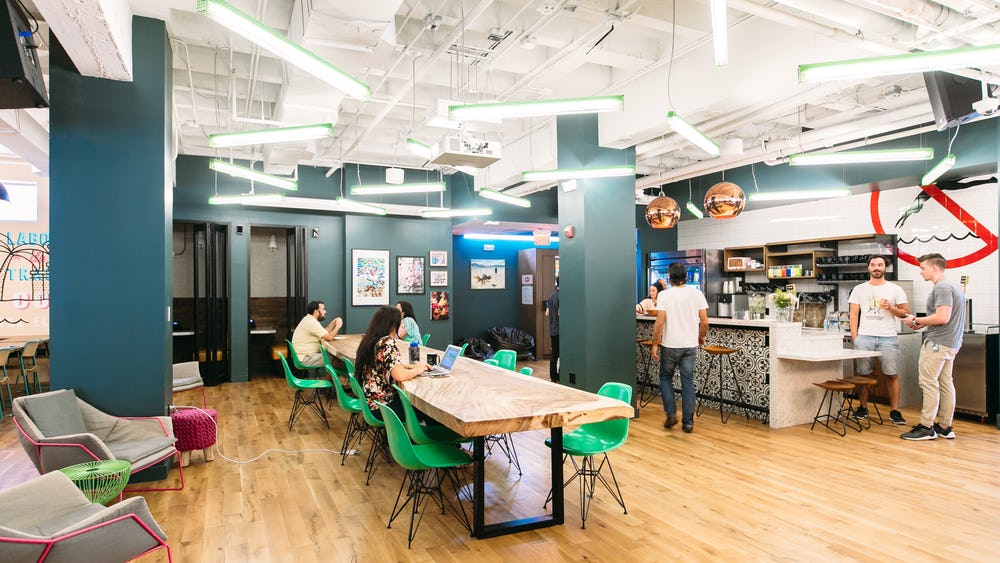
2 min read NOVEMBER 2019 — The traditional office space is changing fast. Hot-desking came first, and now with more pressure to recruit highly skilled personnel, workers are increasingly able to command perks such as home office and telecommuting. According to Fundera, telecommuting has grown by 40% in the last five years and employers offering the benefit save around $44 billion per year in total. The drive to home office also created a new real estate niche – coworking spaces – and that niche is now driving real estate growth in Miami.

“Coworking tenants continued to dominate absorption activity in Miami for the second quarter in a row as they continue to lease significant footprints in buildings throughout the market. Out of the seven largest lease transactions year-to-date, five were coworking tenants, with WeWork leading the number of coworking companies,” said Donna Abood and Michael Fay, Principals and Managing Directors-Miami at Avison Young in an article written for Rebusiness Online.

According to a special report by Yardi Matrix, coworking spaces accounted for one-third of leases over the last 18 months. Miami comes in third in terms of metros with most shared space as a percentage of real estate stock, at 3.5% –behind only Manhattan and Brooklyn. In the last 10 months, Miami has added around 1.1 million square feet of coworking spaces.

But one of the most highly-leveraged companies in the coworking arena is WeWork, a company that underwent a failed IPO attempt in the last year and wiped out around 80% of its value in the process. The company stretched itself too far, playing the Amazon tactic of taking on huge losses to undercut and wipe out the competition, but without having Amazon’s clout.

Alan Patricof, chairman emeritus of venture capital firm Greycroft and an early backer of Apple, does not believe the coworking space is a bad idea, but rather that WeWork simply bit off more than it could chew. “If you want to be a publicly traded company, you should act like a public company,” Patricof said in an interview with TechCrunch in September, adding that the board members “were all seeing the pot at the end of the rainbow.”

But the global value of coworking spaces is estimated at $26 billion, with growth of 6% expected in the United States to 2022 and 13% elsewhere. Despite WeWork’s errors in judgement, the market is there for a $49 billion valued unicorn, and Miami offers huge opportunities to those investing in the right way. According to Pandwe Gibson, founder and president of EcoTech Visions, a coworking space for manufacturing businesses, these spaces need to be constantly offering the next new thing. 

“Entrepreneurs in America don’t just need a WeWork. They don’t just need a desk. Entrepreneurs want to make stuff,” she told Moguldom. The Miami-based startup has 52,000 square feet of space and approximately $3.2 million in public and private investment to scale the business, while it carries out its first raise.

It doesn’t stop with manufacturing space. ShareMD recently spent $33.15 million to purchase a building in South Miami and one in Coral Gables in which to set up co-working spaces for doctors. “Because of the demographics in Florida, we are aggressively trying to expand in the metropolitan areas,” said Easton & Associates Vice President Elliot LaBreche, representing ShareMD in the deal in an interview with The Real Deal.

The attraction of this concept is accessibility to a doctor without the pressure to sign new clients, LaBreche added. “If you have a doctor, and their primary practice is in Fort Lauderdale, but they have some patients in Miami and West Palm, but not enough patients to support their practice, they can join the ShareMD network and use our offices as satellite offices.”


To learn more about our interviewees, visit:

https://www.avisonyoung.com/

https://www.yardimatrix.com/

https://www.wework.com/en-GB

https://www.greycroft.com/

http://ecotechvisions.com/

https://wesharemd.com/

http://theeastongroup.com/about/


Local MVP: Atlanta United FC season may be done but its value is rising fast.

Local MVP: Atlanta United FC season may be done but its value is rising fast.

By: Felipe Rivas

2 min read November 2019 – In the world of sports, soccer has long been the most popular game on Earth with over 4 billion aficionados who all want their favorite team to win. In the United States, however, the checkered round ball does not roll as far as it battles footballs, baseballs, basketballs, and even hockey pucks, for fans’ love, attention and attendance. But in Atlanta, the beautiful game is quickly becoming a fan favorite thanks to the success of the local and 2018 Major League Soccer Cup Champion Atlanta United FC.  

For the last three years, Atlanta United FC has broken multiple league records both in performance and attendance since joining Atlanta’s sports realm in 2017. Recently, the team topped the Forbes list of most valuable MLS teams with an estimated value of $500 million, up from $330 million from last year’s ranking. Trailing behind Atlanta United FC are LA Galaxy with a value of $480 million, and the Los Angeles FC valued at $475 million, both of which are clubs with established fan bases. 

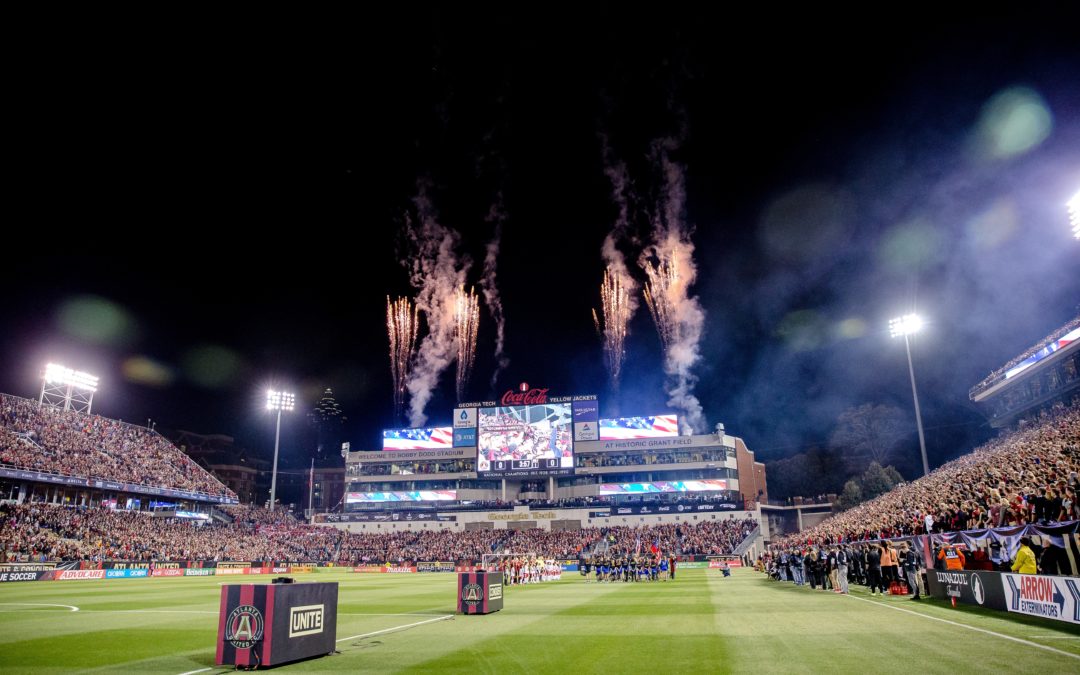
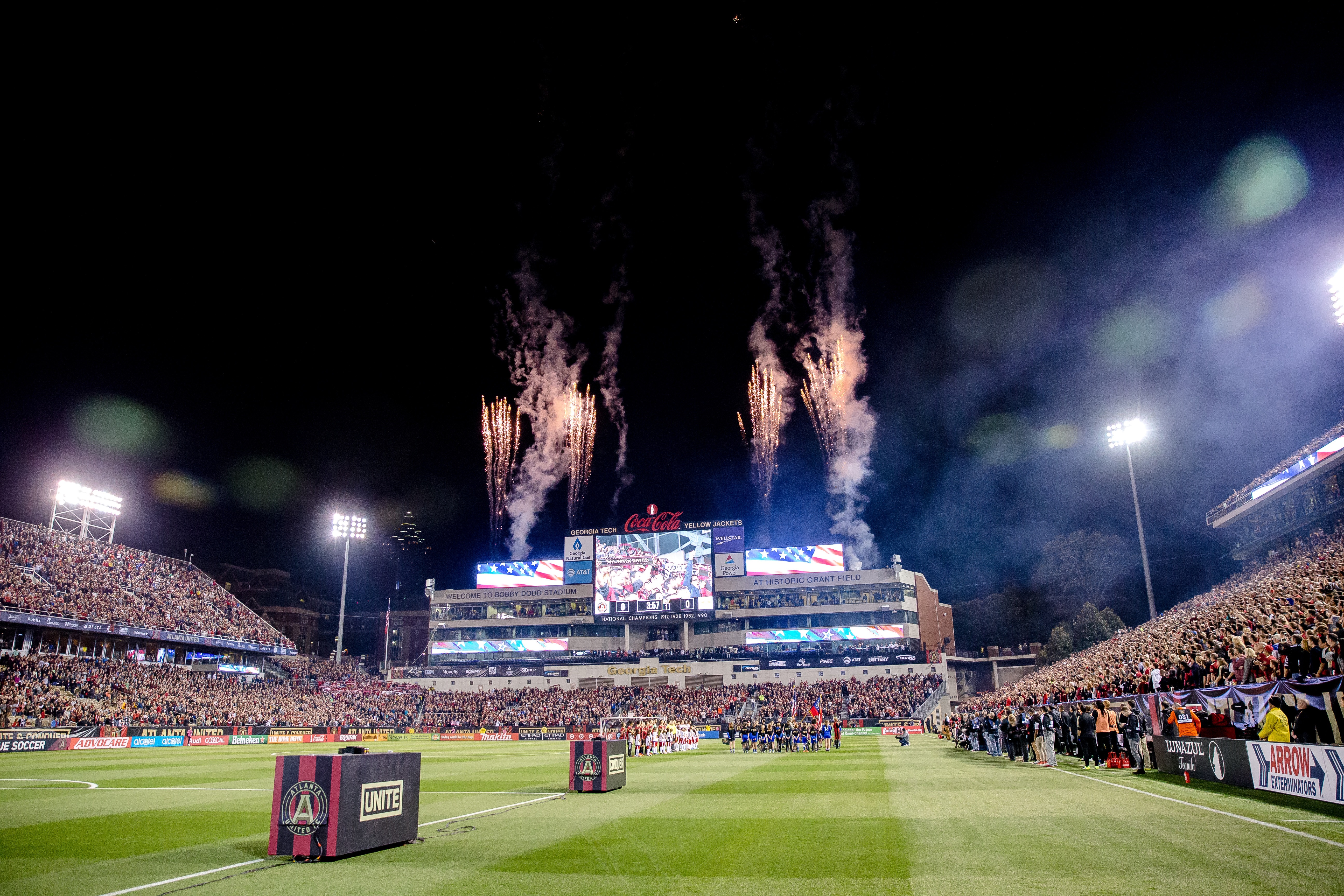
The reigning champion’s hopes of defending its title were crushed after a 2-1 loss to Toronto FC in October. Though defending a title is hard in any sport, on average 52,000 fans flocked to Mercedes-Benz Stadium to cheer on The Five Stripes this regular season. In an August home match against the LA Galaxy, 72,548 people came out to support the team, the most ever in an MLS regular season match. In comparison, according to ESPN statistics, the Atlanta Falcons, who also claim the Mercedes-Benz Stadium as their home, have averaged close to 72,000 fans per home game, proving that soccer is quickly gaining popularity among fans in a town with a historied sports legacy. 


Though the 3-year-old franchise did not hoist the championship trophy this season, it did grab other remarkable accolades usually reserved for more established franchises. The World Football Summit named club President Darren Eales the Executive of the Year, and gave Mercedes-Benz Stadium the award for Best Venue. The Sports Business Awards named the Atlanta United FC as the Sport Team of the Year beating out teams in all pro-leagues, and further recognized the Mercedes-Benz Stadium as the Sports Facility of the Year. Additionally, Atlanta United’s star forward Josef Martinez finished No. 2 on the MLS list of top-selling jerseys, behind legendary striker Zlatan Ibrahimovic, who was acquired by the LA Galaxy from Manchester United in 2018.  


Off the field, Atlanta United FC is active in the community and champions different efforts to make the game of soccer accessible and inclusive for individuals across the state of Georgia. 

The Atlanta United Foundation promotes the importance of physical fitness and sportsmanship, and has made sizable soccer-related donations to the YMCA of Metro Atlanta and Atlanta Public Schools. 


And if you think you have what it takes to be the next Atlanta United FC star player, here is your chance. The club is hosting its Dream Tryouts where aspiring athletes will battle it out for a professional contract with Atlanta United on Nov. 16.  

For more information, visit: https://www.atlutd.com/

Spotlight On: Chuck Hurchalla, President, Evolution Energy Partners

Spotlight On: Chuck Hurchalla, President, Evolution Energy Partners

By Yolanda Rivas

2 min read October 2019 —  Energy efficiency and sustainability are hot topics of conversation across all industries and organizations, public or private. Numerous organizations are now embracing eco-friendly alternatives to reduce their impact on the environment and reduce operational costs. During the last few years, full-service energy engineering and consultancy firm Evolution Energy Partners has helped hundreds of clients achieve their goals around utility spend, energy consumption and long-term energy management. Chuck Hurchalla, president of Evolution Energy Partners, recently spoke with the Invest: Philadelphia team about the rapid growth of Philadelphia’s energy sector. 

What types of services or areas of business are seeing the most demand in Philadelphia?  

 There is high demand in the commercial, industrial and institutional sectors for our energy efficiency and energy procurement services. For example, commercial real estate is one of our largest and continuously growing customer segments, particularly hospitality, office, multifamily, senior living and data centers. Regardless of industry though, we address inefficiencies across our customers’ mechanical, HVAC and lighting systems and we also help our clients significantly improve their internal processes. 


As a professional design-build energy consultancy, customization based on customer needs and the specific property’s energy profile are key. For example, a stellar guest and resident experience is paramount for our hotel and apartment complex owners, respectively. Our considerable experience in these verticals and our customization abilities allow us to implement a large number of fast payback, customized projects that greatly improve light quality, increase HVAC efficiency, and improve air quality for the benefit of ownership and their guests and residents.


To what do you attribute the rapid growth of Philadelphia’s energy sector?

 The opportunities in Philadelphia’s energy sector continue to grow rapidly for a few important reasons. First, businesses and institutions are increasingly recognizing the need to establish and then accomplish sustainability goals to address their corporate environmental concerns and the environmental concerns of their customers. 


Second, organizations’ decision-making processes around energy have historically been, and still are, based on the economic benefit derived from those decisions. As utility costs and related charges continue to increase, the financial bottom lines of businesses and institutions are becoming more and more sensitive to utility rates and energy consumption. Understanding that the utility cost center is one of the larger line items on an organization’s income statement, it becomes obvious as to why more and more companies and institutions are focusing on increasing energy efficiency and reducing their energy spend.


Lastly, Philadelphia is quickly moving forward with various energy regulations that will require property owners to benchmark their energy usage and to improve their energy efficiency. One benefit of recent Philadelphia-related regulations is the adoption of C-PACE financing. C-PACE, or Commercial Property Assessed Clean Energy, financing allows a property owner to finance energy efficiency and renewable energy projects with no up-front cost. The property owner then pays the costs back over an extended period of time through a voluntary property tax assessment, which leads to increased project adoption and improved cash flow for the property. 


What makes Evolution Energy Partners unique?

 Evolution Energy Partners is unique in the industry because of our ability to evaluate a facility’s energy cost center from an owner’s perspective in order to positively impact the three critical areas of commodity prices, energy consumption, and long-term energy management. This approach has become even more powerful and more critical to our customers as environmental sustainability has become increasingly integral and imperative to our customers’ shareholders and to society as a whole. 


To learn more about our interviewee, visit:

Evolution Energy Partners: https://evolutionep.com/ 

Solar: The Ray of Light in Miami’s Clean Energy Bid

Solar: The Ray of Light in Miami’s Clean Energy Bid

By Sara Warden

2 min read October 2019 — This month, youth climate advocates came together around the world to highlight the global climate emergency, and Miami Beach listened. The city declared its own climate emergency in response and vowed to prioritize climate change on its agenda.

“We are so proud of the youth leaders and their allies who worked hard to make this declaration a reality. We hope the city of Miami Beach will continue this leadership trend by taking concrete action to reduce emissions, like transitioning to 100% clean and renewable energy,” Emily Gorman, a representative for environmental group Sierra Club, told the Miami Herald.

The city has dabbled in renewable energy over the years but certain technologies, like wind, are simply not viable. Land is becoming more expensive, meaning there are few options for wind power developers to install turbines in a cost-effective way. Miami Beach has access to the sea, but offshore wind turbines would be vulnerable to hurricane activity off the Gulf Coast, which could ultimately be more costly for the city. Hydro energy has been generated by Florida for decades in the city of Tallahassee, but now solar power undercuts it economically and the city proposed the closure of one of its two plants in 2017 due to inefficiencies.

Now, developers in The Sunshine State, are focusing on the shining beacon of hope for renewable energy policies: solar power. Initial outlay for solar energy in Miami-Dade is still relatively expensive, coming in at between $11,645 and $15,755, equating to around $2.74/W. But Miami’s privileged position means it has on average 248 sunny days per year, compared with the national average of 205, meaning its residents can reap greater rewards from solar power.

Major U.S. utility Florida Power & Light Company (FPL) is taking advantage of the opportunity to transition to renewables by launching the FPL SolarTogether initiative. “Based on the substantial interest and support that we’ve received on this innovative, voluntary and affordable program from such a diverse array of customers, community partners, businesses, local governments and national clean energy advocacy groups, we’re confident that the time is right for this program,” said Eric Silagy, president and CEO of FPL, to Renewable Energy Magazine.

In the largest community solar program nationwide, FPL SolarTogether will expand solar energy access across Florida by investing in the installation of almost 1,500MW of solar energy across 20 solar plants. FPL will offer access to its solar energy at a fixed monthly subscription cost and credits will be added to bills over the life of the plants. The utility expects most customers will receive a higher bill initially, which will reduce over three to five years and a full payback will be seen within seven years. 

The program could generate up to $249 million in net savings for FPL customers, according to the utility. But the main benefit of the program is democratization of access to solar energy, since not all citizens have the resources to install their own solar panels given the still-pricey initial outlay. “FPL SolarTogether is designed to remove many of the financial burdens associated with private solar generating systems while also providing direct savings in the form of bill credits, making it an affordable option for any customer. Participants could also utilize the program to meet state and federal sustainability goals,” said the utility in a press release.


To learn more about our interviewees, visit:

https://www.fpl.com/

https://www.sierraclub.org/


Atlanta’s Entertainment Pull Buoys Hospitality Industry

Atlanta’s Entertainment Pull Buoys Hospitality Industry

By Sara Warden


2 min read October 2019 — With 130 new hotel constructions planned across Metro Atlanta, the city now ranks fifth in the country for new hotel construction. The momentum generated from this year’s Super Bowl seems to have continued as the city now looks to attract other major sporting events, such as World Cup 2026 after it made the shortlist as a potential host city.

“Atlanta’s standing as a preferred site for major sporting events has been enhanced by the 2017 opening of the state-of-the-art, $1.6-billion Mercedes-Benz Stadium, as well as the opening of SunTrust Park and the conversion of Turner Field into the new Georgia State Football Stadium,” said a report by the Hotel Valuation Index (HVI).

And Atlanta doesn’t just draw visitors for sporting events. Hotels are now incorporating convention centers as standard to provide the greatest value to customers. “In recent years, the city’s large amount of meeting and event space at competitive price points has advanced Atlanta’s position in citywide convention cycles and has improved the city’s standing in relation to other large convention markets,” said the HVI report. “Increasing convention demand will continue to be supported by the ongoing $55-million expansion of the Georgia World Congress Center (GWCC) and the 2019 announcement of a 1,000-room Signia Hilton convention hotel to be located adjacent to the GWCC.”

Of the 107 projects tracked by real estate firm CBRE, 15 are located in downtown Atlanta, 14 are in Gwinnett County, 11 are in Cobb County and a further 13 are located along the corridor of the GA-400 freeway.

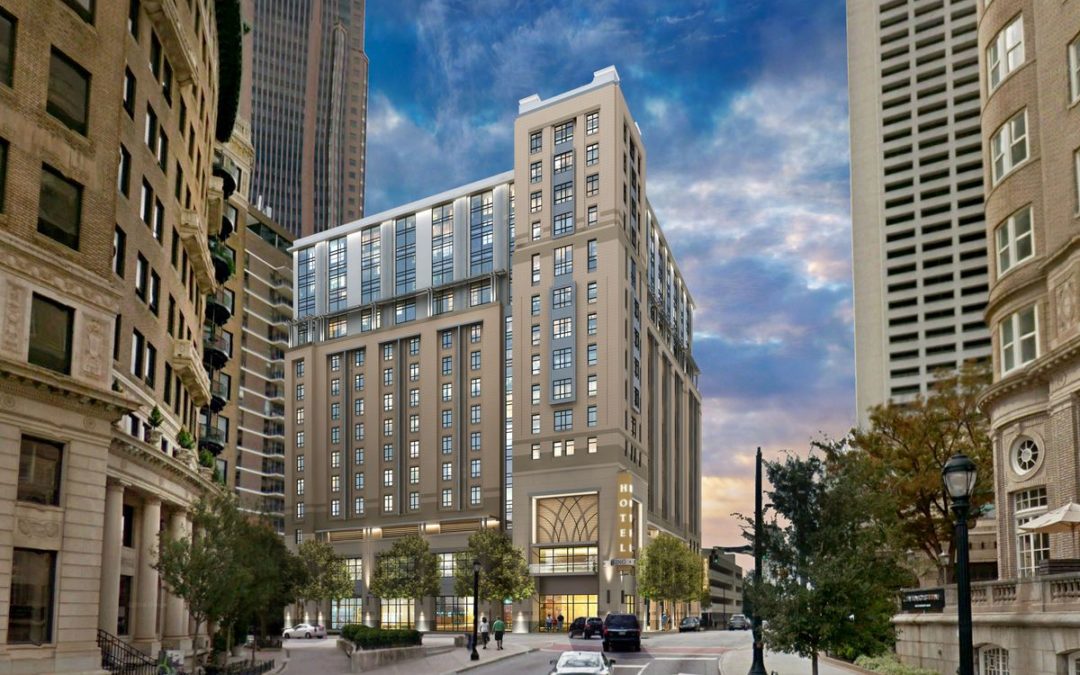
As the competition heats up, hotels need to evaluate their offering to ensure they are in the best position to attract new clientele. Most recently, luxury hotel chain Kimpton jumped on the bandwagon and partnered with developer Portman Holdings and leading hospitality firm IHG to build new properties in Atlanta and Houston. The 216-room Kimpton Buckhead hotel is slated to open in the second half of 2020 and will feature a restaurant and bar, courtyard, private pool and a rooftop lounge.

“We’re thrilled to expand our presence with a second Kimpton hotel in the Atlanta market,” Mike DeFrino, Kimpton Hotels & Restaurants’ CEO, said in a statement. “The partnership with Portman Holdings allows us the perfect opportunity to bring Kimpton to the stylish Buckhead neighborhood and to continue consolidating our presence in the Southeast at-large.”

Developers in Buckhead also are targeting what they describe as the hotel market’s “white space,” or those customers willing to pay $250-300 per night for a room. While luxury hotels in Atlanta command an average of $227 per night, other neighborhoods can attract rates of more than $350 per night. “So, the white space occurs between that $350 and the $225 rate that is prevalent in all of the other hotels in Buckhead,” Regent Partners President Reid Freeman told Bisnow. “There’s $125 worth of white space that no one is capturing.”

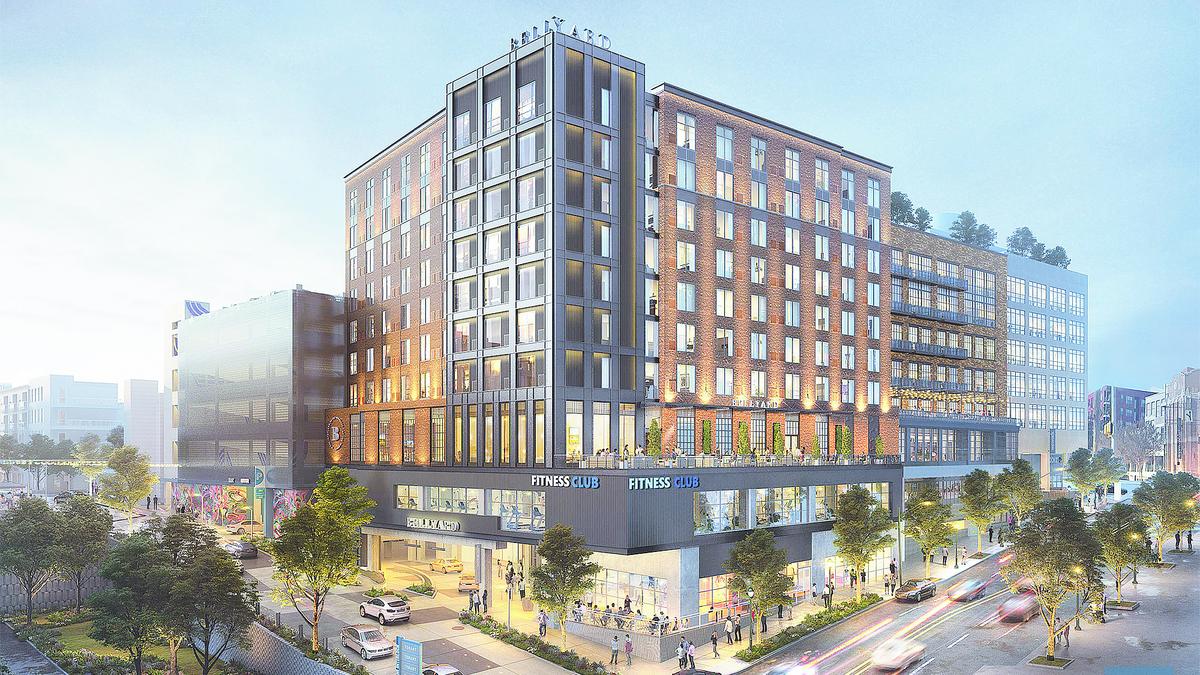
Next month, the company is expected to break ground on a $90 million boutique hotel in the Buckhead Village district, to be operated by Thompson Hotels. Buckhead is also a target for Songy Highroads, which is planning a $75 million Hyatt boutique hotel targeted to millennials. “The experiential factor is becoming more prominent. You have different segments of travelers, from millennials to people aging into retirement. They are looking for an experience and place that is a reflection of the surrounding community,” Songy Highroads CEO David Songy told Bisnow.

To learn more about our interviewees, visit:

https://www.hvs.com/article/8460-2019-european-hotel-valuation-index

https://www.cbre.us/

https://www.ihg.com/kimptonhotels/hotels/us/en/reservation

https://www.regentpartners.com/

https://www.portmanholdings.com/

https://www.thompsonhotels.com/

http://songyhighroads.com/

https://www.gwcca.org/georgia-world-congress-center/

https://www.hilton.com/en/signia-hilton/