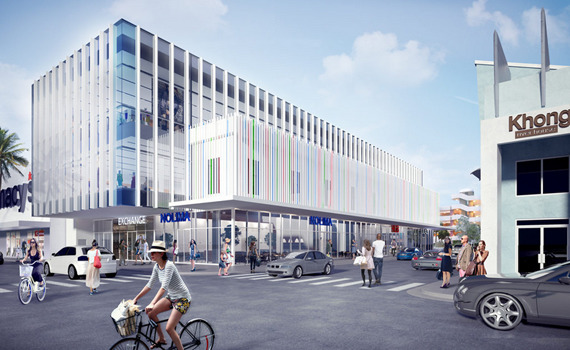
Miami BIDs Put Customer First, Profits Later

Miami BIDs Put Customer First, Profits Later

By Sara Warden

2 min read October 2019 — As commercial real estate evolves and retail stores move online, Miami’s authorities are addressing vacancy rates with an innovative business improvement district (BID) program that unites private business and local store owners to take back Main Street.

A BID is a legal mechanism that has successfully been put in place in Miracle Mile, Coconut Grove, Lincoln Road and Wynwood, and most recently was established in South Miami. The South Miami BID provides a budget of $200,000 annually to provide services to businesses and commercial properties that include “enhanced safety, marketing, advocacy, promotions, and maintenance,” which are provided by the City Commission in addition to basic services.

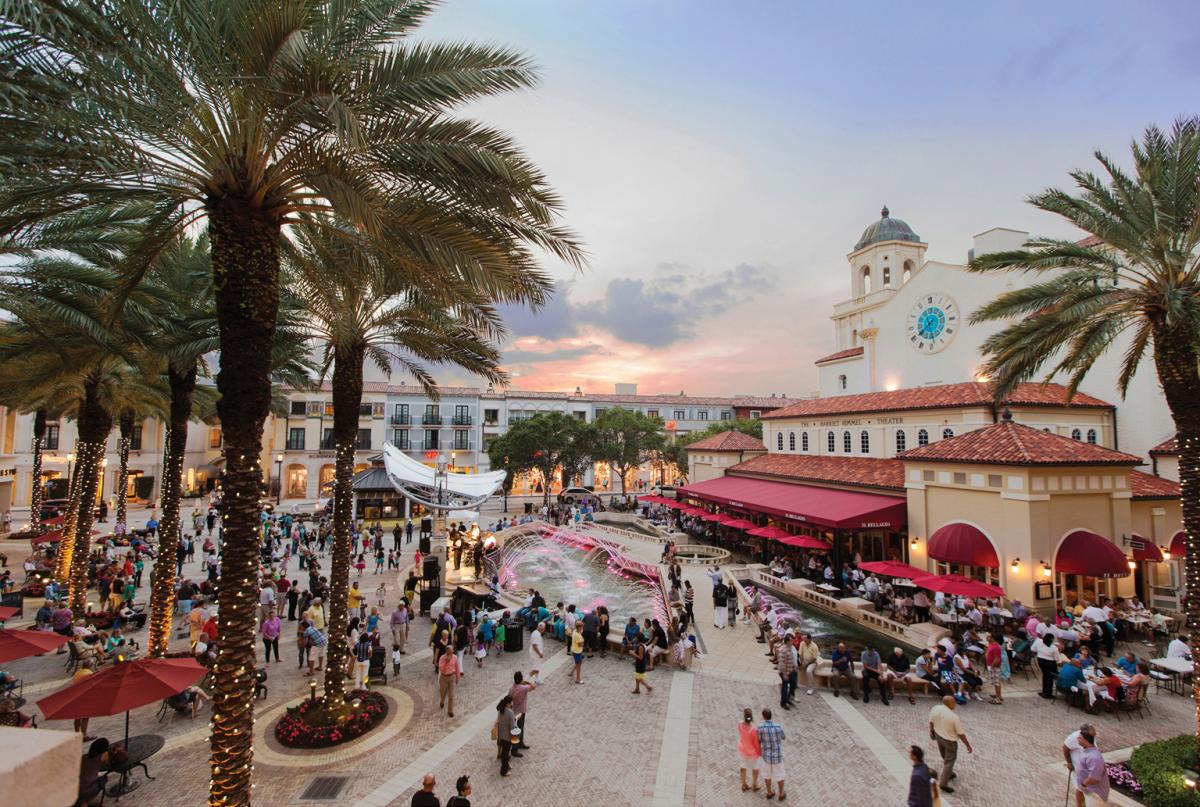
Lincoln Road is one BID that, rather than focusing on vacancy rates, is focusing on creating a community for the public to attract foot traffic to the area. “I look at Lincoln Road differently,” said Lyle Stern, a member of the Board of the Lincoln Road BID to RE: Miami Beach. “I’m trying to encourage all of us who live in Miami Beach to look at Lincoln Road differently.” He believes that vacancy rates are the concern of individual property owners and that by creating an attractive environment, people will come.

Despite a significant hole being created right in the middle of Lincoln Road by the collapse of shopping giant Forever 21, the BID is planning a $67 million makeover, with Miami Beach authorities contributing to the cost of construction. The private business owners in the area will foot the bill for the promotional events by increasing their own taxes.

The idea behind the BID is not directly to attract investment to a given area, but to nurture the area so that investment comes as an added bonus. The Wynwood BID has taken a look at what the public really wants, and one of its priorities was to re-open the beloved shuttered O Cinema. “O Cinema is a cultural icon in South Florida and a home for independent cinema,” said Albert Garcia, chairman of the Wynwood BID to the Miami Herald. “We were just as blindsided by the news of their closing as everyone else. As a long-time property owner in Wynwood as well as a member of the BID, it was important to me to see how we could keep O Cinema here.”

As the age of e-commerce dawns, BIDs are a way for traditional store owners to tune into the desires of the public, who now want more than just a traditional shopfront. Not only is investment being made in the community, but new business models are emerging that evolve with real demand.

“Nespresso has a very successful store on Lincoln Road,” Stern said to RE: Miami Beach. “As a company they’ve decided they don’t need cafés in the stores. They’re expensive and you have to maintain employees.” Instead, Lincoln Road’s Nespresso is downsizing from 4,500 square feet premises to 2,500 square feet, but staying on the same street, allowing it to maximize its value and provide its customers what they really want.


To learn more about our interviewees, visit:

https://www.southmiamifl.gov/563/Business-Improvement-District-BID

https://lincolnrd.com/lrbid/

https://wynwoodmiami.com/

Top 5 Tourism Drivers for The Palm Beaches

Top 5 Tourism Drivers for The Palm Beaches

By Max Crampton-Thomas

4 min read October 2019 —  With more than 8 million visitors to Palm Beach County in 2018, it’s no secret that tourism is the driving force behind the economy in The Palm Beaches. Last year, these visitors generated $7.4 billion in economic impact and are the reason for over 70,000 tourism jobs. While the appeal of a relaxing beach vacation may seem like the obvious tourist magnet, there are so many different and unique facets of the county that drive the economic behemoth that is the tourism sector. Here is the Invest: Top 5 tourism drivers for The Palm Beaches

BEACHES

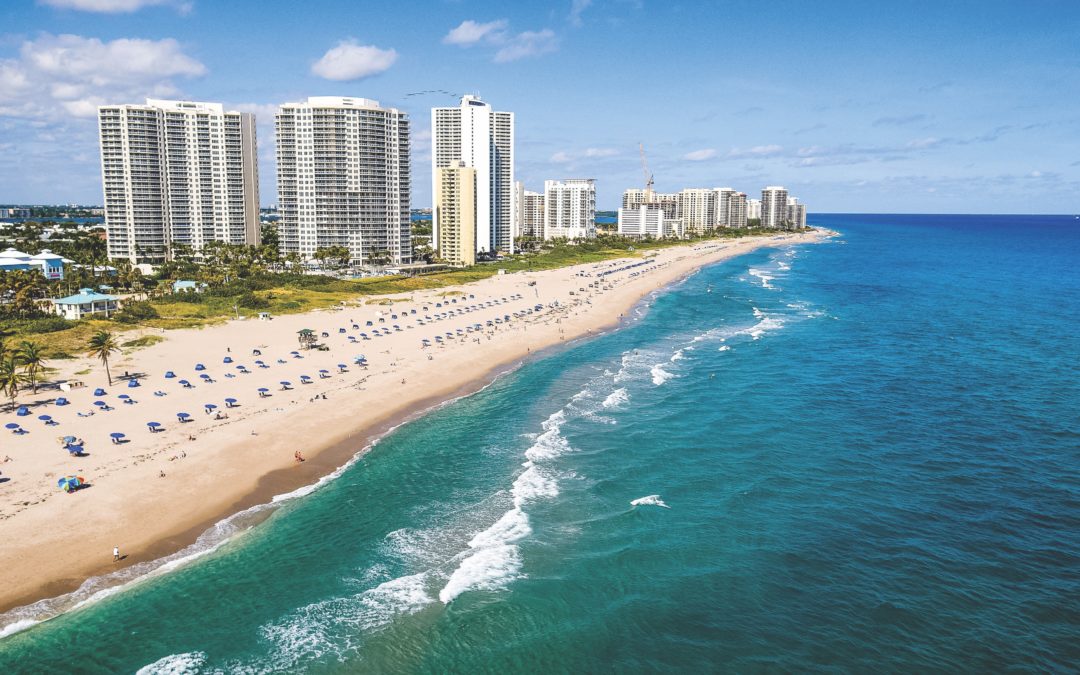
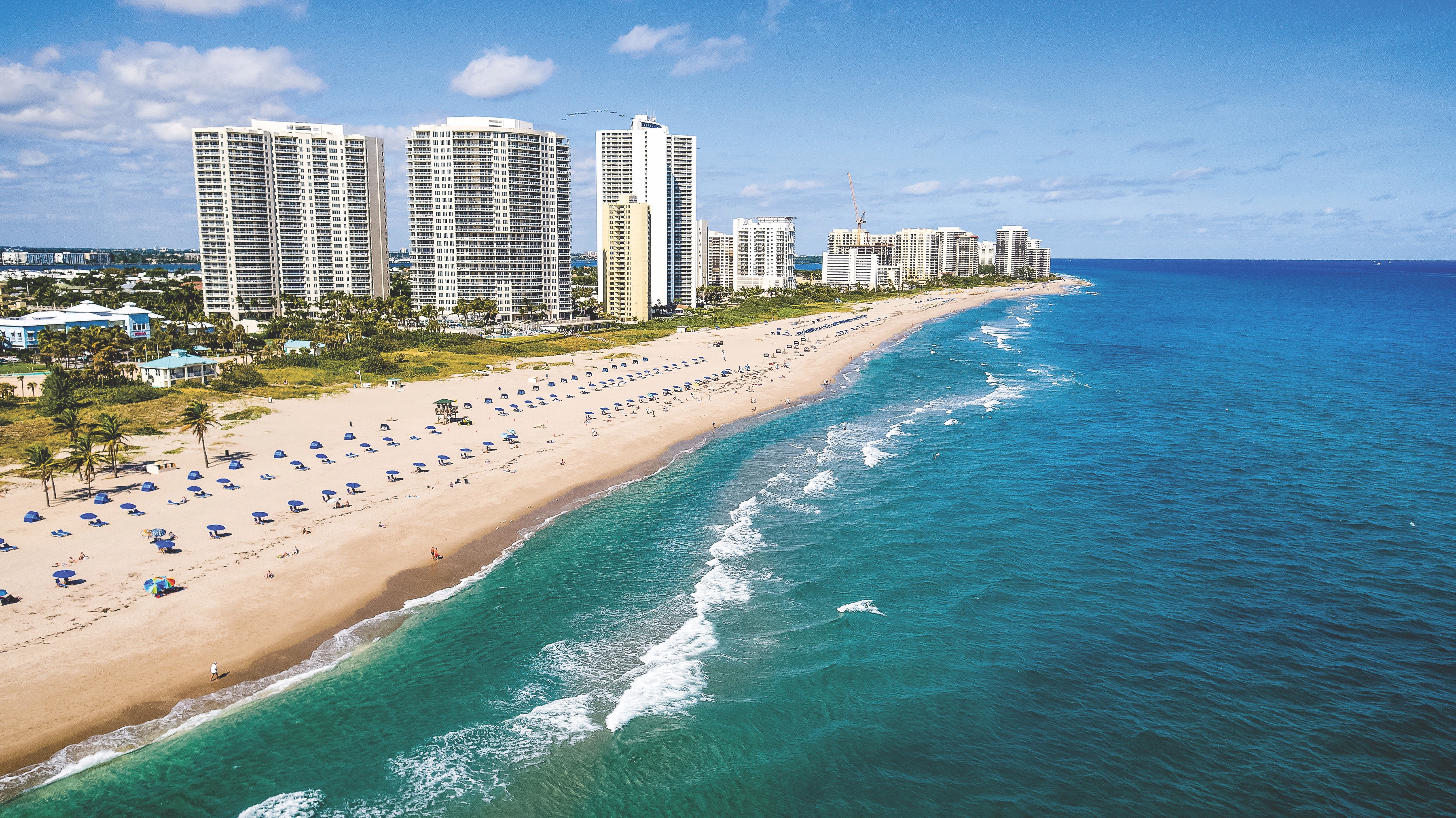
Palm Beach County is bordered by 47 miles of Atlantic coastline that offer some of the state’s most attractive beaches. These include Boynton Beach Ocean Park, Coral Cove Park, Juno Beach Park and many more, with a large portion of these beaches offering resort amenities and marine activities. The Palm Beach County coastline was also nicknamed Florida’s Gold Coast after gold was recovered from Spanish galleons that sank off its shores. A fitting nickname for beaches that are like gold to the Florida economy. Invest: spoke with Jorge Pesquera, president and CEO of Discover The Palm Beaches, who touched on the importance of the beaches to the tourism industry in the county. “Leisure remains the most crucial tourism driver for The Palm Beaches, with meetings and conventions continuing to gain momentum. Within the leisure tourism market, our beaches are the biggest draw for not only those seeking to relax and rejuvenate, but also those interested in activities such as boating, fishing, scuba diving, kayaking and paddleboarding,” Pesquera told Invest:. 

You can learn more about the county’s best beaches here: https://www.thepalmbeaches.com/blogs/best-beaches-are-palm-beaches

ARTS & CULTURE

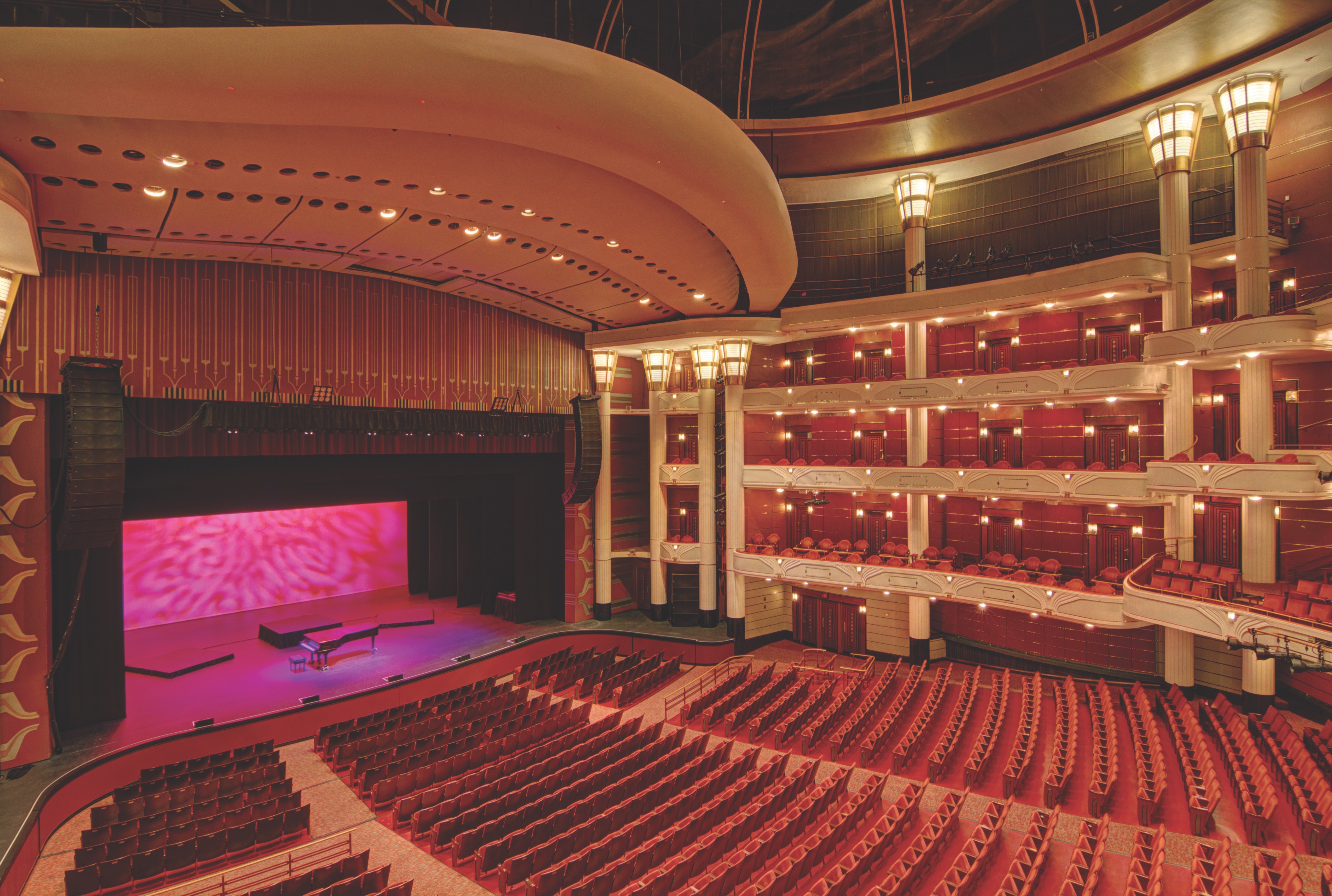
Home to cultural institutions like the Kravis Center for the Performing Arts, The Palm Beaches are an arts and culture hub that drives many cultural travelers to the area. Invest: discussed with Judith Mitchell, CEO for the Kravis Center, how this increased interest from out-of-town visitors has positively affected her business as well as those in the surrounding area. “Our strong programming and marketing teams ensure that we continue to bring the best of Broadway and other diverse performances that attract audiences from outside the state and from cities north and south of the Center. In 2018-2019, the Center saw an increase in out-of-county audience members by nearly 50%. This also has a positive economic impact on the surrounding hotels, restaurants and shops as these nonresident guests choose to dine, shop and stay overnight before or after attending a performance.” 

For more on the various arts and culture destinations in the county, visit: https://www.palmbeachculture.com/

SPORTS

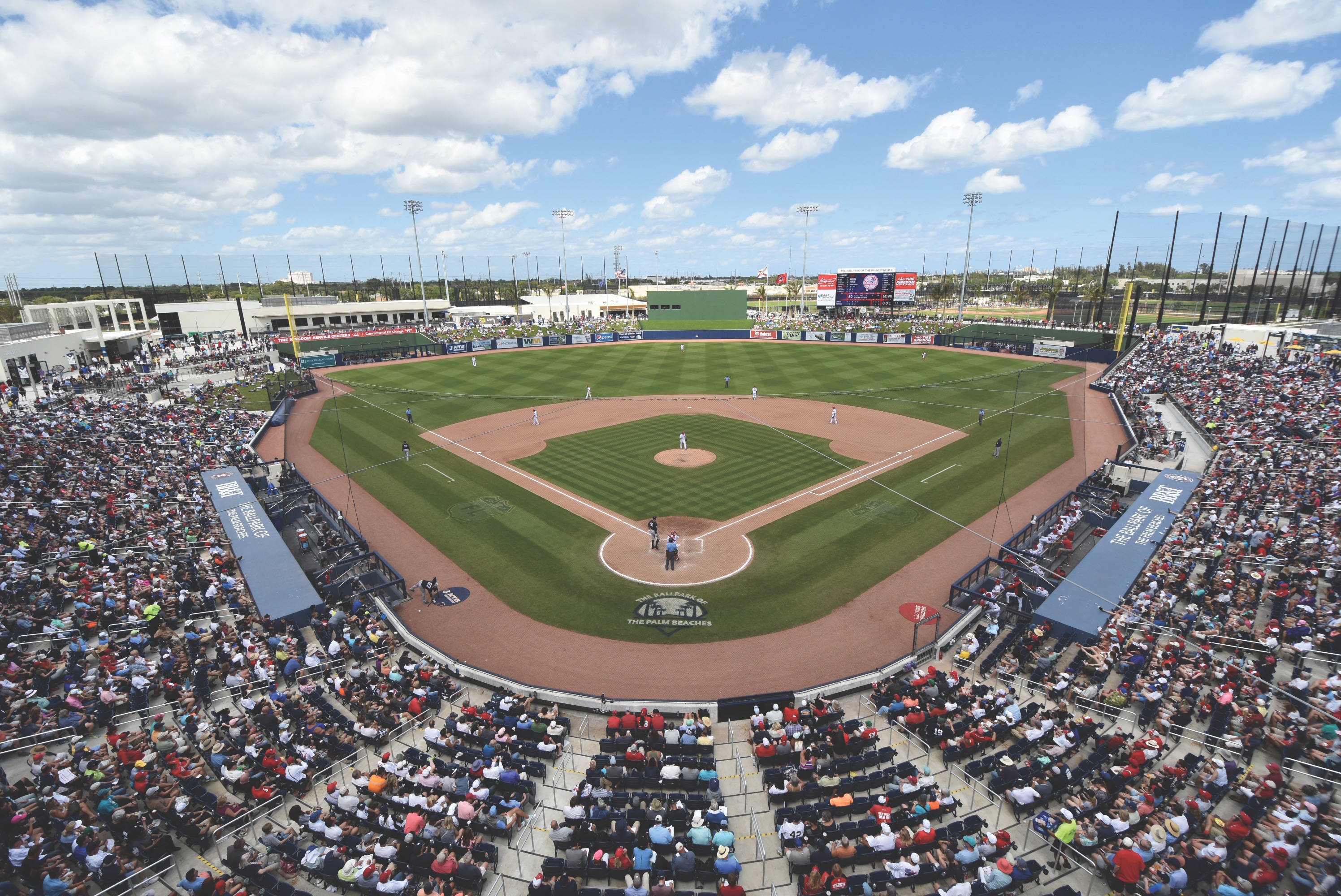
For an area that doesn’t have a major professional sports franchise, the county’s tourism market has a strong driver in the sports tourism market. It helps that among Palm Beach County’s various monikers, one of the titles held most proudly is “The Golf Capital of Florida,” boasting more than 150 public and private golf courses. It also doesn’t hurt that Major League Baseball teams, namely the Houston Astros, Washington Nationals, Miami Marlins and St. Louis Cardinals, call Palm Beach County their home during spring training. For those who prefer alternative sports, The Palm Beaches are also the location of polo and equestrian events, including a variety of International Polo Club tournaments. 

Interested in learning more about sports offerings in The Palm Beaches? Visit: https://www.palmbeachsports.com/

ECO-TOURISM

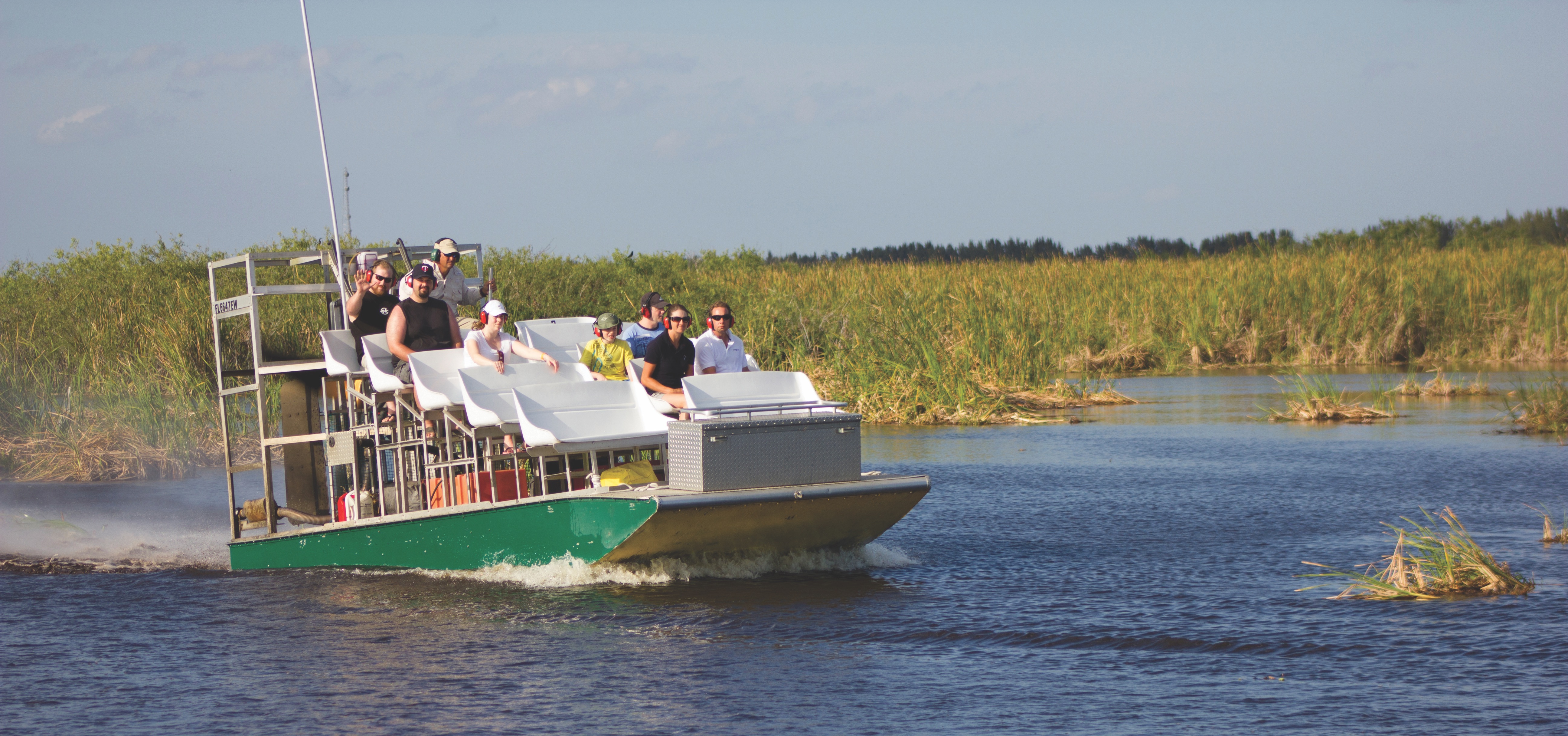
When a county boasts 110 parks and recreation facilities paired with 35 natural areas that make up more than 31,000 acres of environmentally sensitive lands, it is bound to attract eco-tourists. This form of tourism may seem obscure from an outside perspective, but it not only can provide visitors with a memorable experience, it also provides health benefits as well. Invest: recently sat down with Deborah Drum, department director of Palm Beach County Environmental Resources Management, who spoke to this tourism driver and its benefits. “We have conducted economic studies of our natural areas. We have over 300,000 visitors just to the natural areas in our county. These are remote areas that offer more passive types of recreation, including hiking, fishing or bird-watching. We have done a study with the University of Florida on this passive connection and we have determined that these visitors are coming for that purpose. There have also been a number of studies about the connection between mental health and time spent in natural areas or spent outside. There is a positive relationship between the reduction in mental health issues with more time spent out in nature,” Drum explained. 

Check out more on Palm Beach County’s Natural Areas Map: http://discover.pbcgov.org/erm/Pages/Natural-Areas-Map.aspx

MEETINGS & CONVENTIONS

There is a direct correlation between the increase in business tourism to The Palm Beaches and the economic and business growth that the county is enjoying. The beneficiaries from this driver of tourism are a wide range of business types, from hotels to restaurants and even retail. Discover The Palm Beaches’ Pesquera highlighted just how significant this is to the tourism market. “On the meetings front, we’ve seen a 567-percent increase over the last several years in groups booked at the Palm Beach County Convention Center. Unlike our good friends in Miami and Fort Lauderdale — where there is a clear and established epicenter of tourism activity — The Palm Beaches are truly a collection of midsize to small cities and towns that altogether deliver an exceptional vacation or meeting experience,” Pesquera told Invest:.

For more on this and the tourism industry in Palm Beach County, visit: 

www.thepalmbeaches.com/

Smart energy

How Florida Power & Light is investing in infrastructure to increase efficiency

Eric Silagy President & CEO – Florida Power & Light Company


Eric Silagy in Juno Beach on March 10, 2008.

What have been the most important milestones for Florida Power & Light Company (FPL) in 2016?

This past year, in Miami, we invested more than $50 million in transmission and distribution in the Downtown area. The Miami construction boom has been tremendous, but it has also created a lot of challenges. A lot of planning needs to be done in advance to be able to meet the needs of the new developments. That’s why we try and work really closely with the developers, the city and the county to be able to understand what is going to be happening in the next six to 12 months – and even beyond– so we can anticipate and execute the proper investments in an orderly and efficient way. We have to find the right balance so we can have growth that is done in a way that is the least impactful to residents as possible, but also provides future opportunities for those who live and work in Miami. Another factor that we need to take into account is being prepared for hurricanes. It is very important that we continue to be able to respond quickly because otherwise, the economic damages could be far worse than the physical ones. For example, electric cranes operate PortMiami, meaning they need electricity to operate reliably. If the power goes out due to a storm, the port stops operating, which is why we made important investments to strengthen the infrastructure of the port.

What has been the impact of the smart grid technology in Florida’s electric grid?

We have one of the smartest grid systems in America. Smart grid technology has completely changed the way we see and operate the electric grid. All customers have smart meters, except a small handful that specifically requested not to have them. We have invested a significant amount of resources in technology that now allows us to anticipate possible problems with the grid. The electric grid sends us signals about how it’s operating in real time, showing us what possible failures we could experience so that we can correct them before a problem occurs. We are also using mini-drones to identify certain problems that arise. Once the drone shows us what exactly the problem is, we are able to go in with the correct resources to fix it. This allows us to approach day to day issues proactively instead of reactively, saving a lot of time and money, which helps to keep the electricity bills low. On average, we have been investing in Florida around $3 billion per year over the last six years; in 2016, we invested more than $3.5 billion, and in 2017 we plan to invest more than $5 billion. Yet, in the last 10 years, our bills to customers have gone down 14 percent – primarily because the efficiency gained through technology and process improvements provides greater benefits than the cost to invest in it.

Invest: Miami speaks with Jose R. Mas, CEO, Mastec


Consumer demand is an important driver of infrastructure development and what MasTec undertakes as a company. Telecommunications is a good example because it is not highly regulated like energy or water, and there is a lot of competition. Municipalities want their residents and businesses to have the best services and best internet speeds, so it is not difficult to get permission to build infrastructure. Local governments are also open as to how they deal with telecommunications companies. This is one of the main areas of infrastructure improvement. While the continued roll out of 4G has been a big driver of growth, there has also been a lot of activity in fiber-to-the-home infrastructure. The desire for increased internet speeds means fiber lines are an important product for us. More and more is being doing over the internet, so consumers are demanding higher speed at home. This is driving our business. Companies such as AT&T have been providing normal internet speeds of up to 50 Mbps. However, in the past year, a new product has come on the market, Gigabit Speed, which is 1,000 Mbps. AT&T already has significant infrastructure in the state because it has provided telephone lines for more than 100 years. Over time it has improved lines, eventually building internet infrastructure which has the main backbone of optical fiber lines, with the lateral, coaxial cables connecting homes and business. The next move is improving this with fiber lines to homes and businesses replacing coaxial cables. A lot of money is spent doing this work in Florida. New fiber infrastructure, called fiber-to-home, provides substantial speed improvements. The same demands are transferring over to the wireless space with mobile technology. This is where 5G will come into play, which is being discussed by all the major telecoms providers. It could be starting as early as 2018. This is a huge driver for our business and the infrastructure sector in general.

Invest: Miami speaks with Kerri L. Barsh, Shareholder and Co-Chair, National Environmental Practice, Greenberg Traurig, P.A.


05/16/13– Miami– Kerri L. Barsh, with Greenberg Traurig.

Although the impacts of climate change are varied, two of the most important issues for residents and businesses in South Florida are sea-level rise and extreme storm events. But there are also less obvious, although equally important, concerns such as the effects of saltwater intrusion on the potable water supply. In Miami Beach, the local government has implemented a robust stormwater management program to protect from increased sea levels and flooding. The city has also raised roads up to six feet to combat the effects of rising sea levels. One of the challenges of climate change occurs when addressing unexpected consequences. For instance, a restaurant in Sunset Harbour experienced flooding during a torrential downpour and although the street had been raised, the elevation of the restaurant was below the crown of the road. The insurance claim was denied because the area was deemed to be a basement and no longer insurable. The impact on insurance and reinsurance raises critical issues related to climate change. What happens if you can’t insure beyond 15 years because you don’t have accurate projections of the impact of climate change? This issue is likely to have a considerable effect on the affordability of housing in coastal areas and other regions prone to flooding. Miami-Dade County officials have met with representatives of global insurance and reinsurance institutions to discuss methods of identifying and projecting risk, as well as ways to stabilize the market and minimize issues of insurance affordability. Miami-Dade is expected to employ greater usage of public-private partnerships as a means of funding future infrastructure needs, pointing to its recent multi-billion dollar investment in water and sewer infrastructure as one successful, large-scale example. The county is also exploring ways of engaging with the private sector to share the risk, and helping with the financial impact of infrastructure projects over time. Dealing with the effects of climate change will present unexpected issues and unintended consequences that will require considerable ingenuity to address. The success of these initiatives will require local governments and the private sector to work together and take the lead in connection with these critical issues.

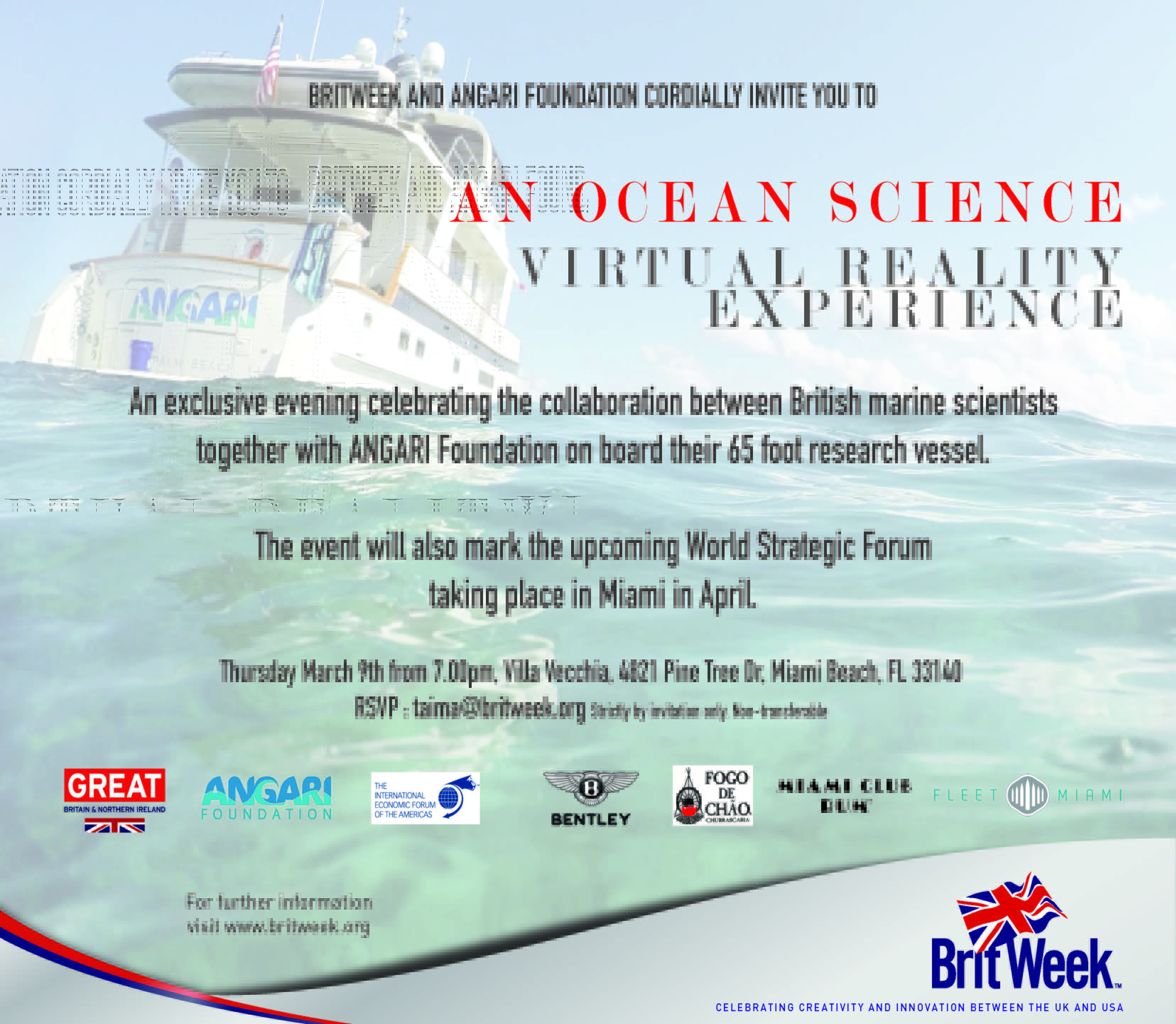
BritWeek presents An Ocean Science Virtual Reality Experience

When: Thursday, March 9th from 7.00pm

Where: Villa Vecchia, 4821 Pine Tree Dr, Miami Beach, FL 33140

An exclusive evening celebrating the collaboration between British marine scientists  together with ANGARI Foundation on board their 65 foot research vessel.